France Day 6 - April 4, 2026 – Abbeys and Honfleur
The French Revolution turned many religious edifices into stone quarries. That was true of the two Abbeys we visited today. The Catholic Church was a seat of power and wealth, right up there with the Aristocracy. And the French Revolution motto - liberty, equality, fraternity - couldn't be achieved if the rich guys controlled society. So down with the Church, including religious worship, the Catholic hierarchy and the physical buildings, not to mention King Louis XVI and other members of the aristocracy during The Terrors of the Revolution.
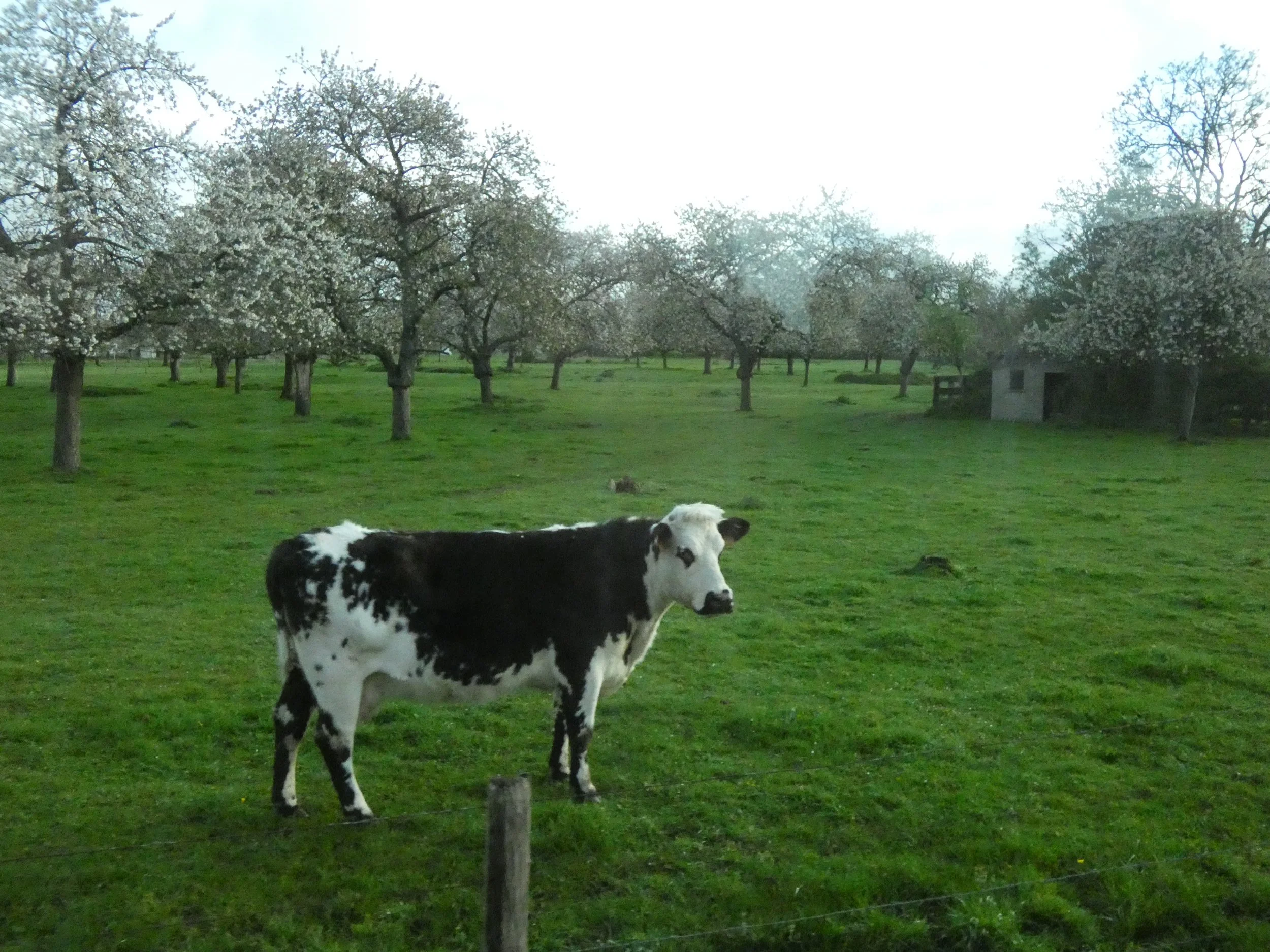
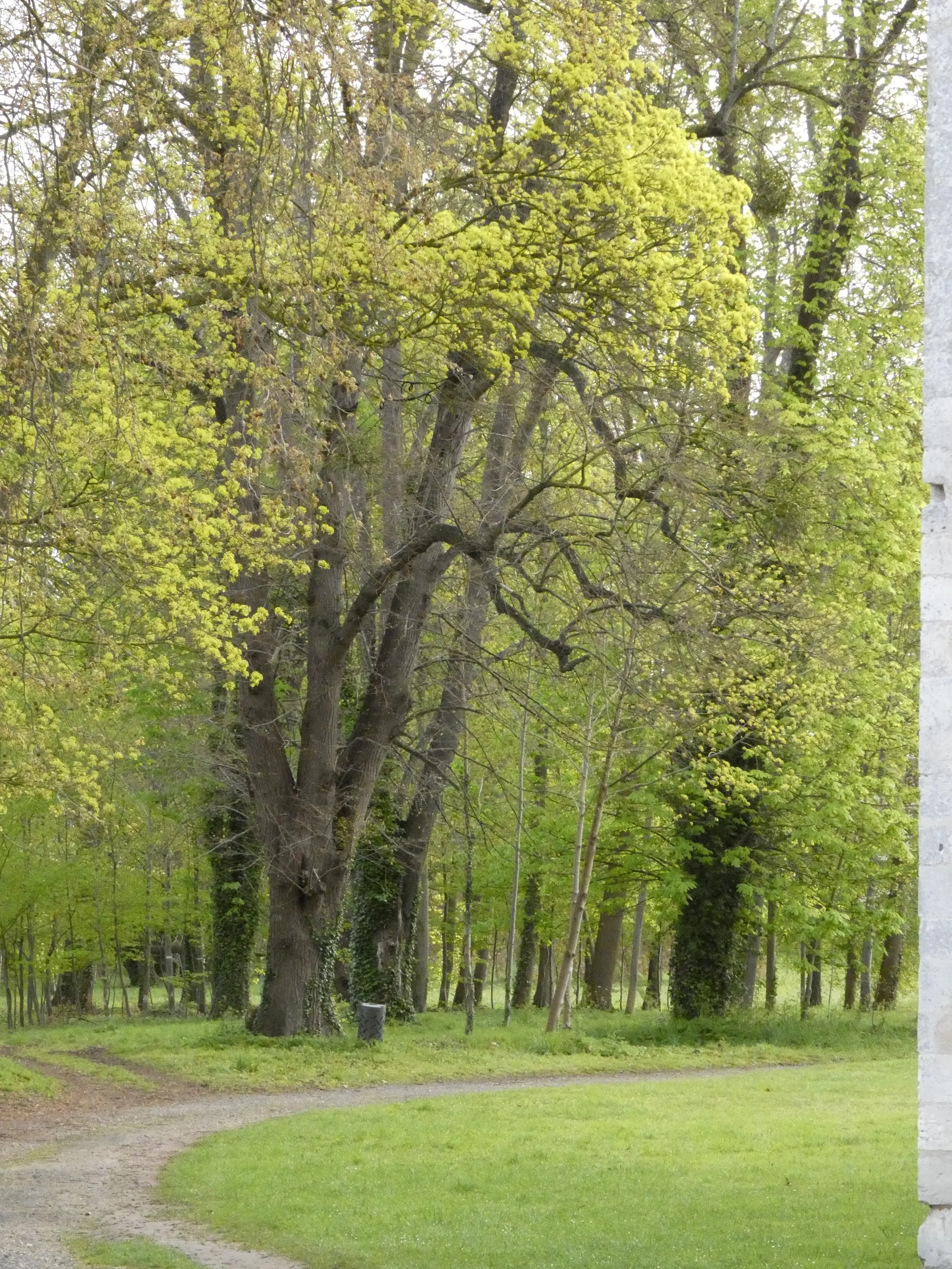
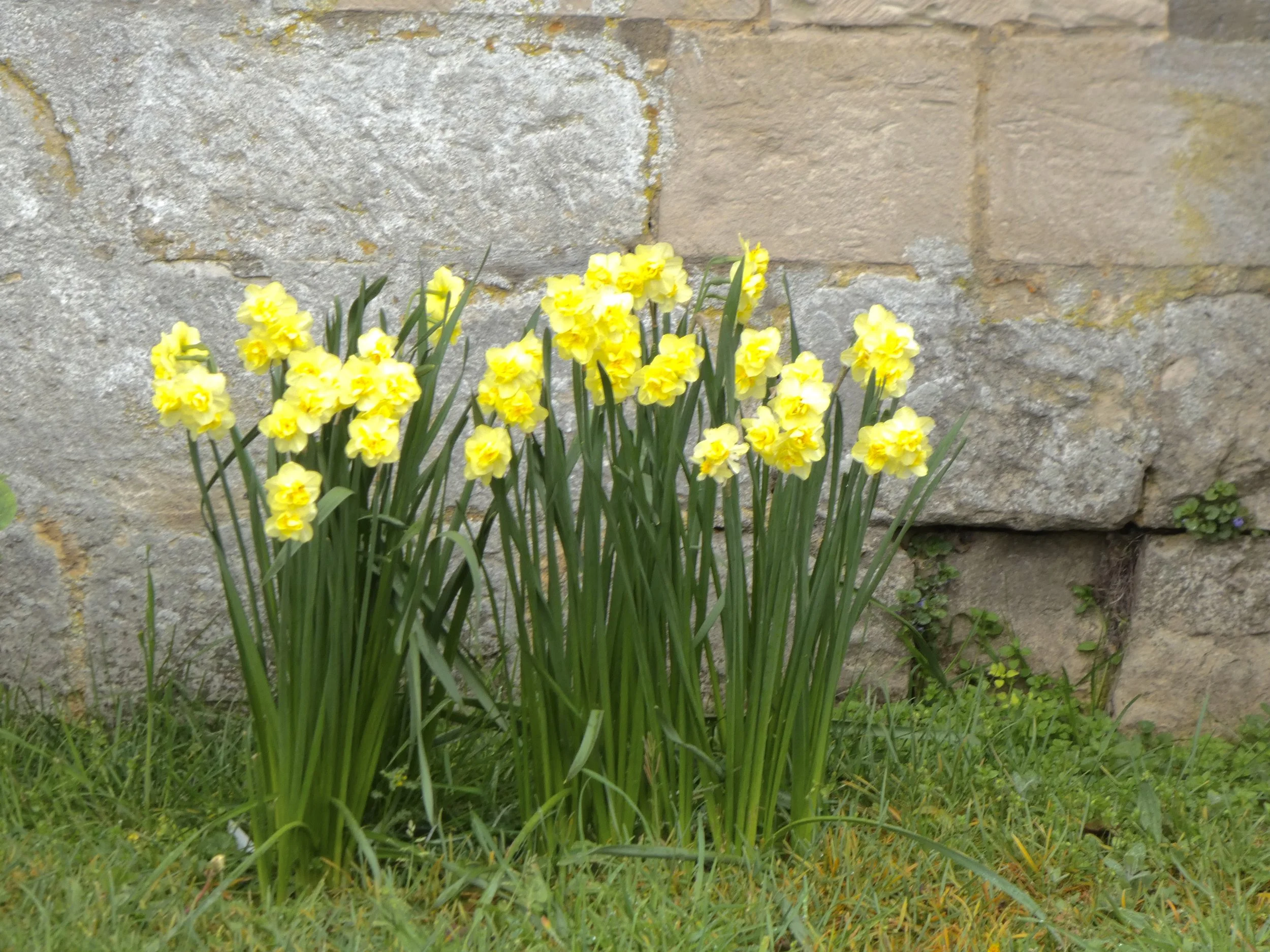
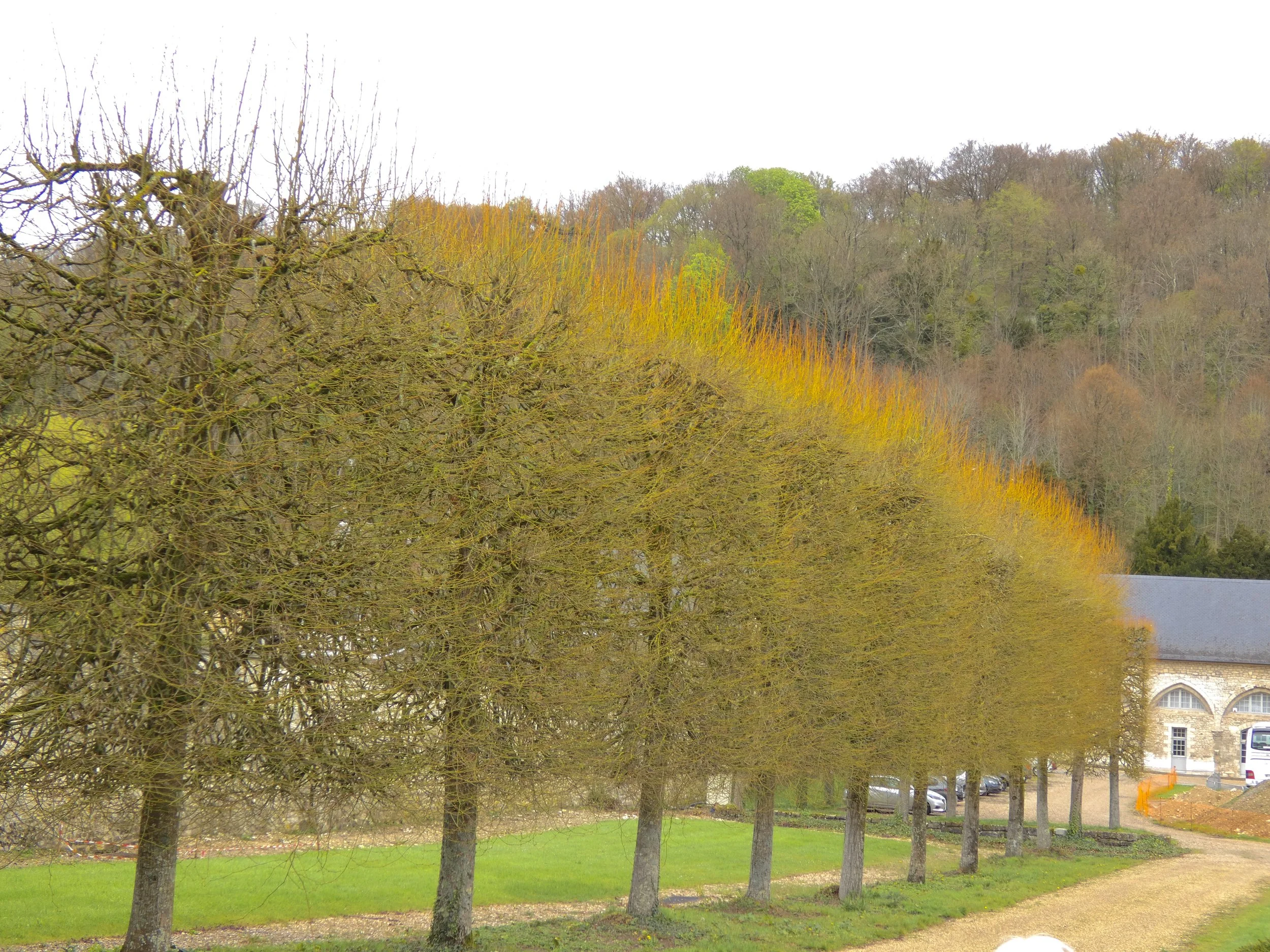
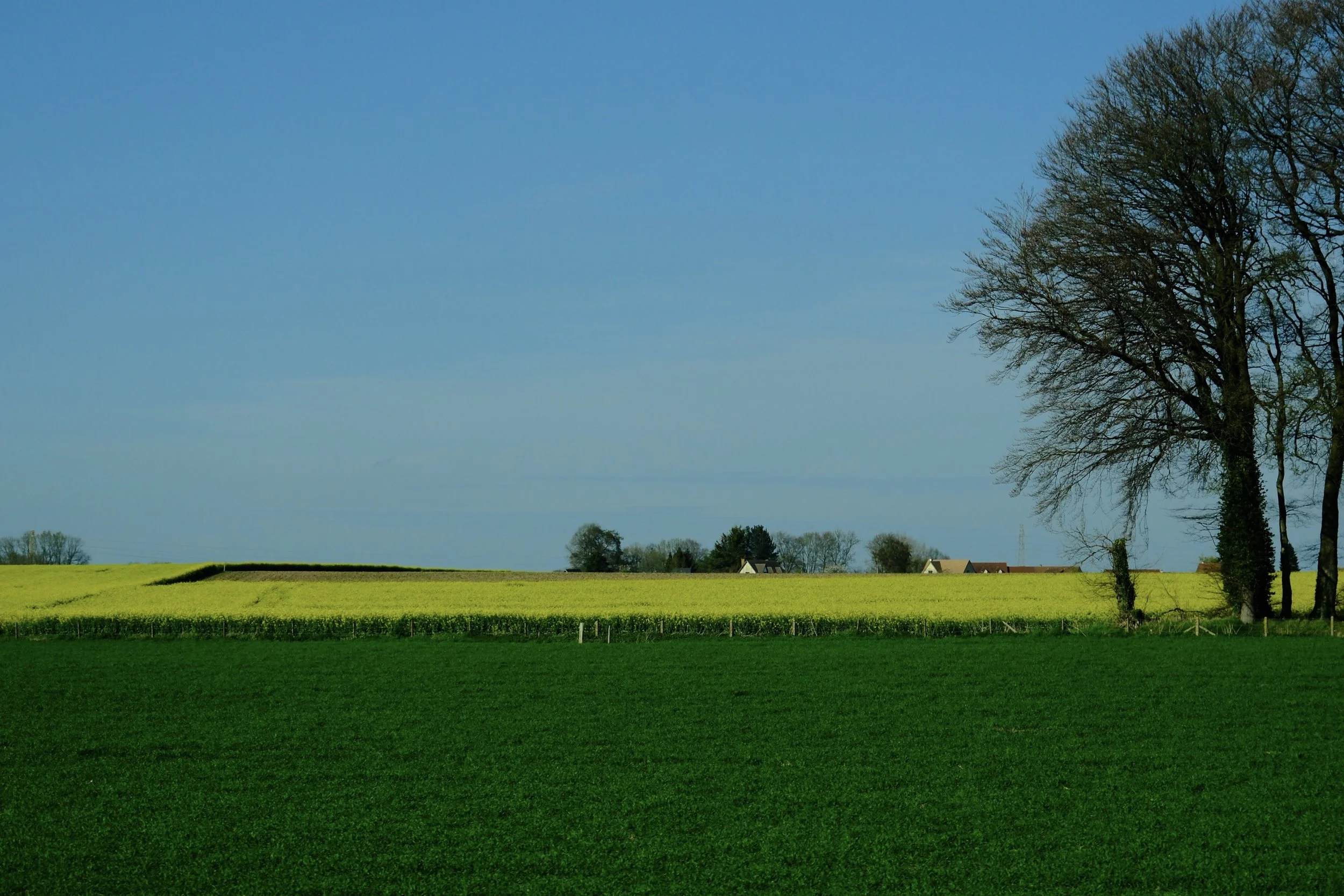
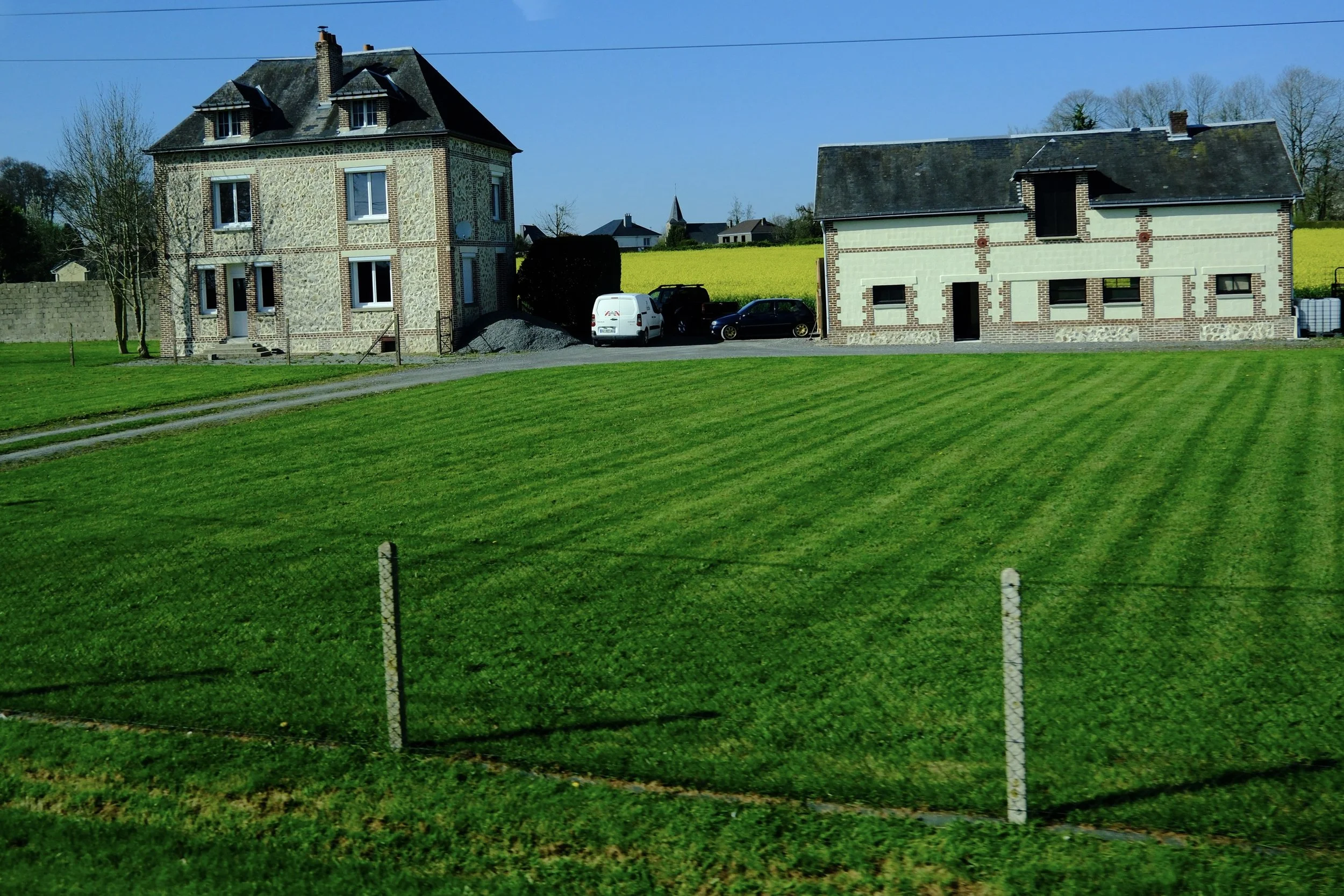
We visited two abbeys this morning, one in ruins and one occupied by monks and undergoing major reconstruction. In the afternoon it was Honfleur, a port city at the mouth of the Seine. Throughout the day we saw the Normandie countryside: fertile farms, dedicated mostly to fruit trees and grain crops, many in Spring bloom. The yellow canola plants were especially attractive.
Both Abbeys have histories that began with the Vikings, our old friend Rollo from Rouen where we visited yesterday. He gave lip service to his baptism as a Christian and did some building but it was his grandson, William, soon-to-be conqueror who did the most.
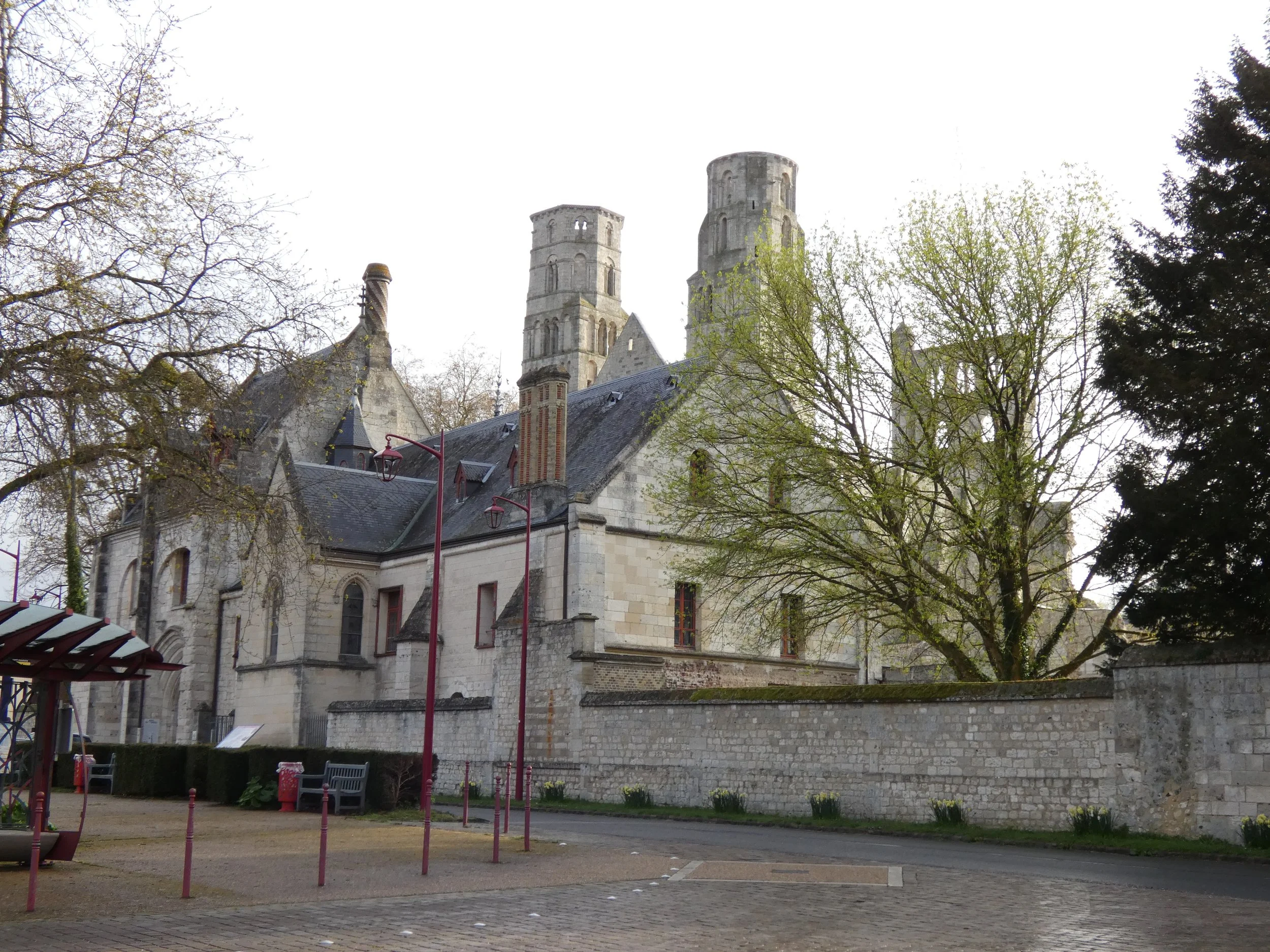
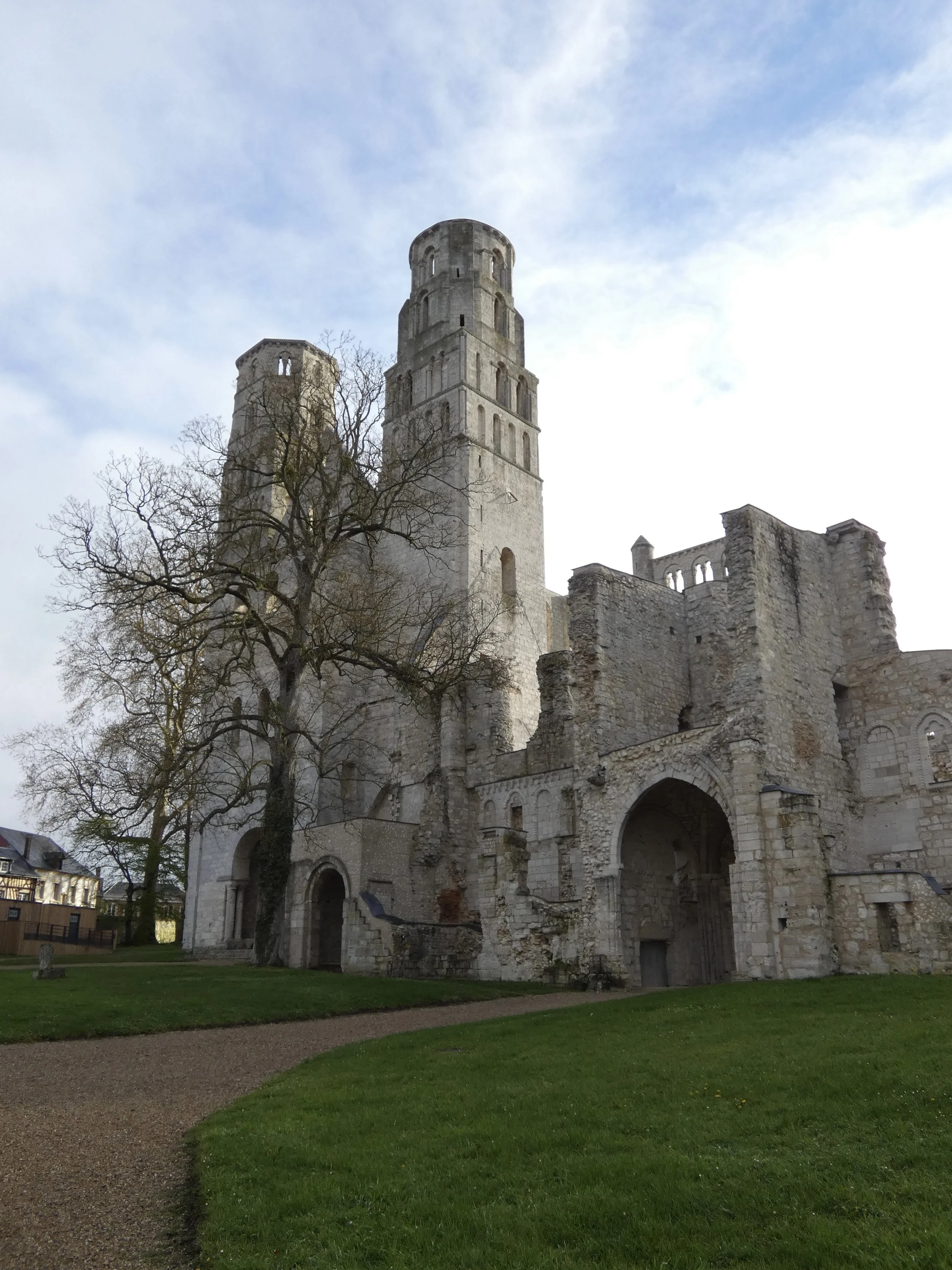
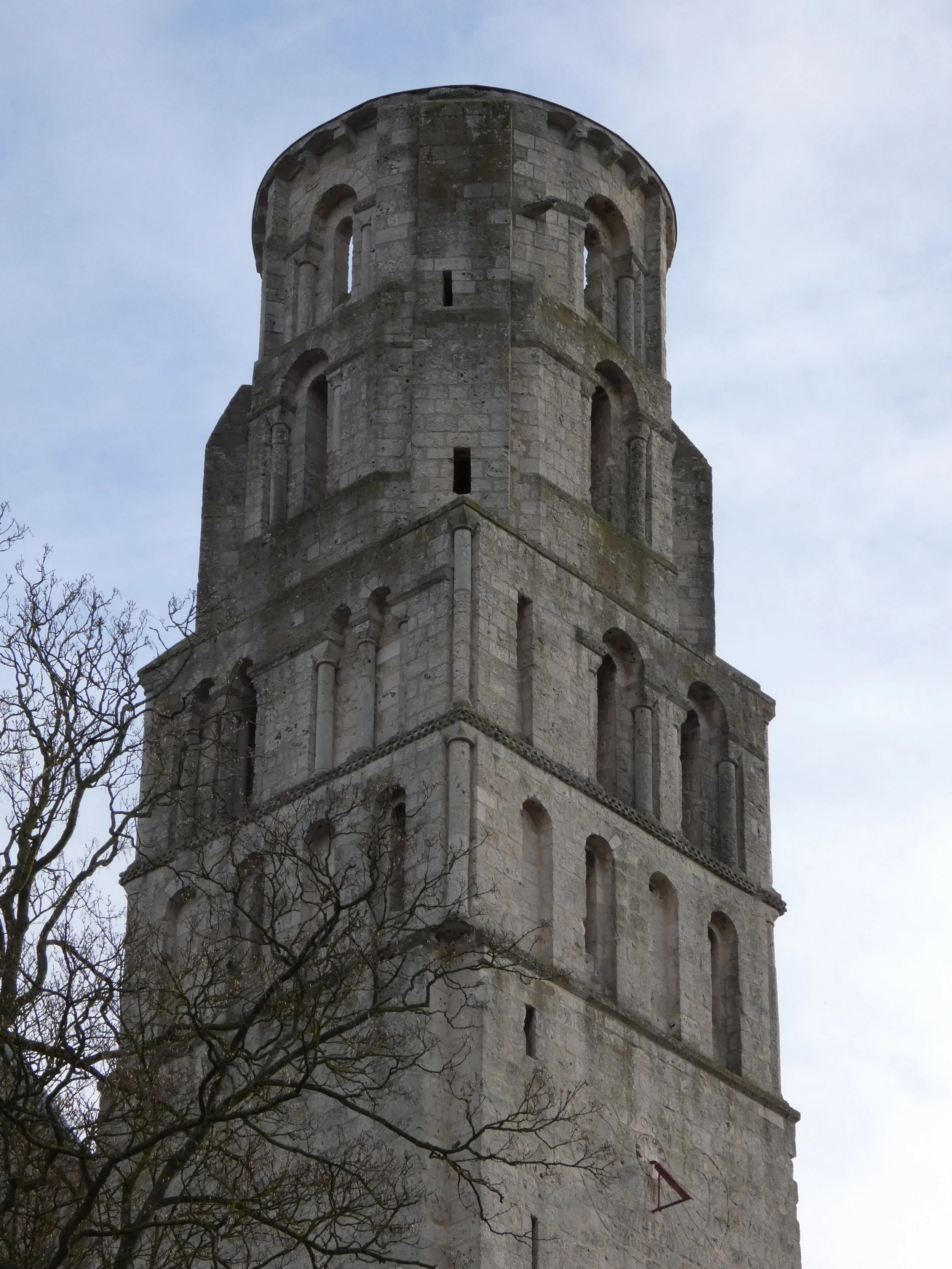
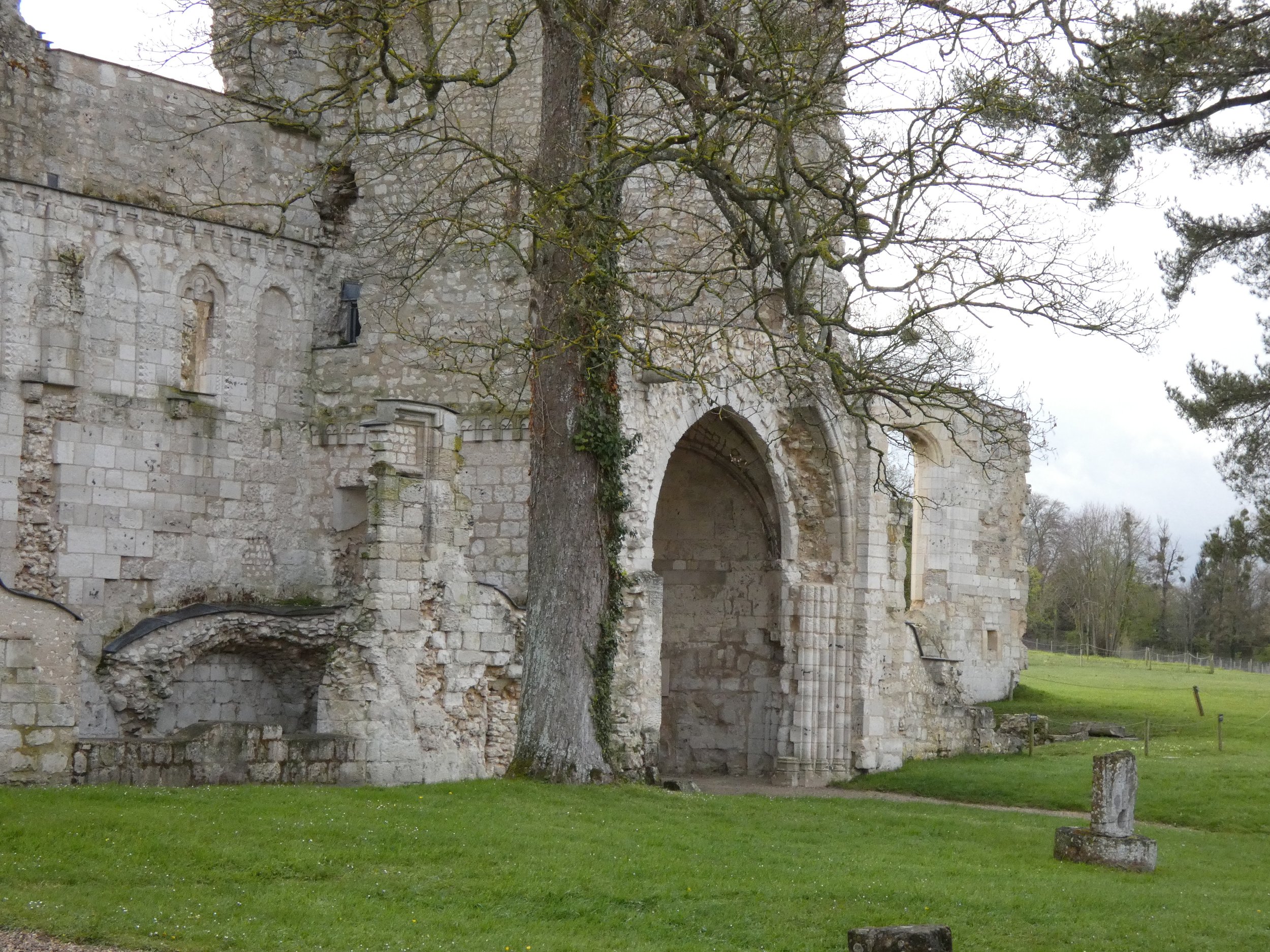
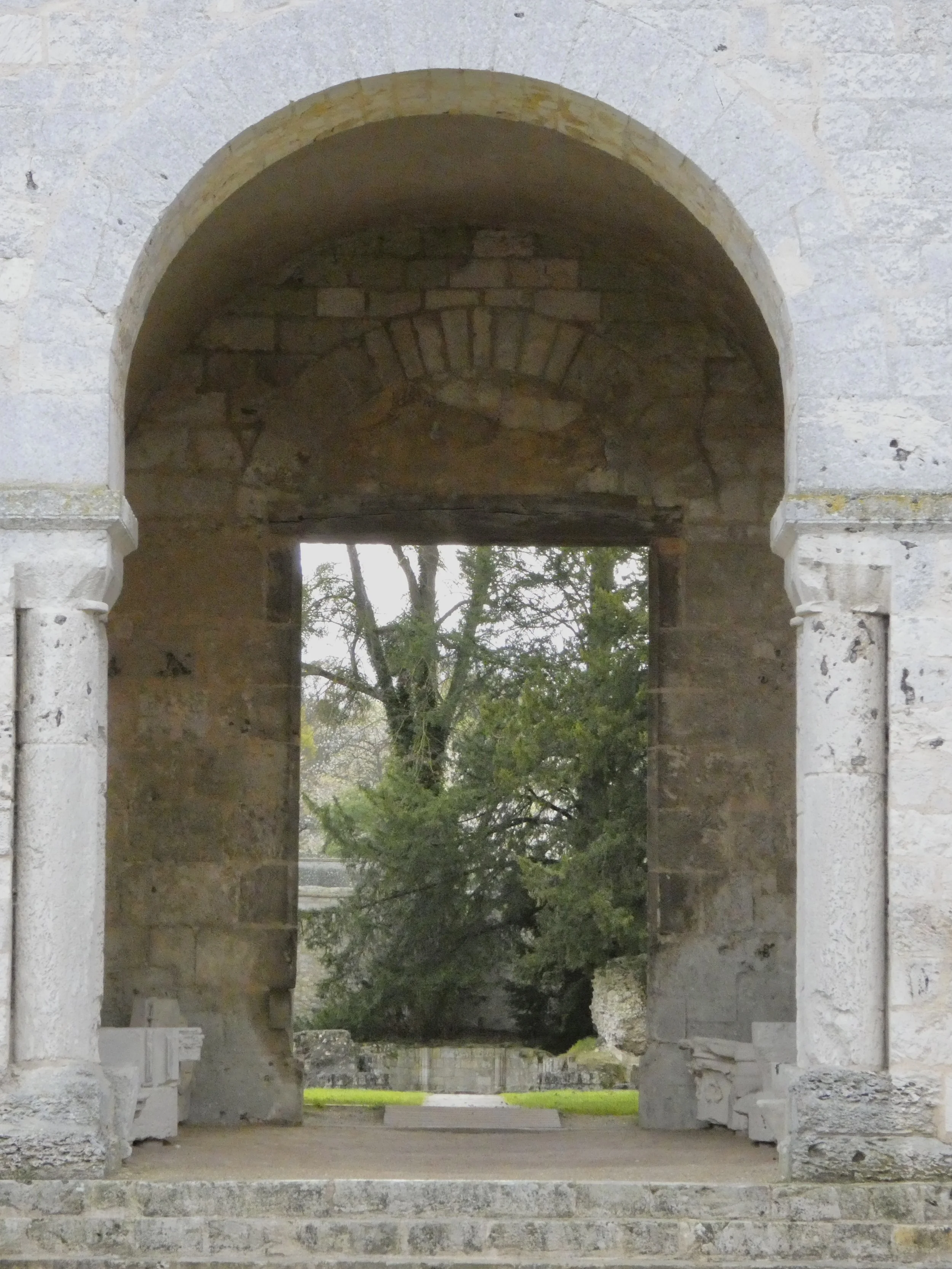
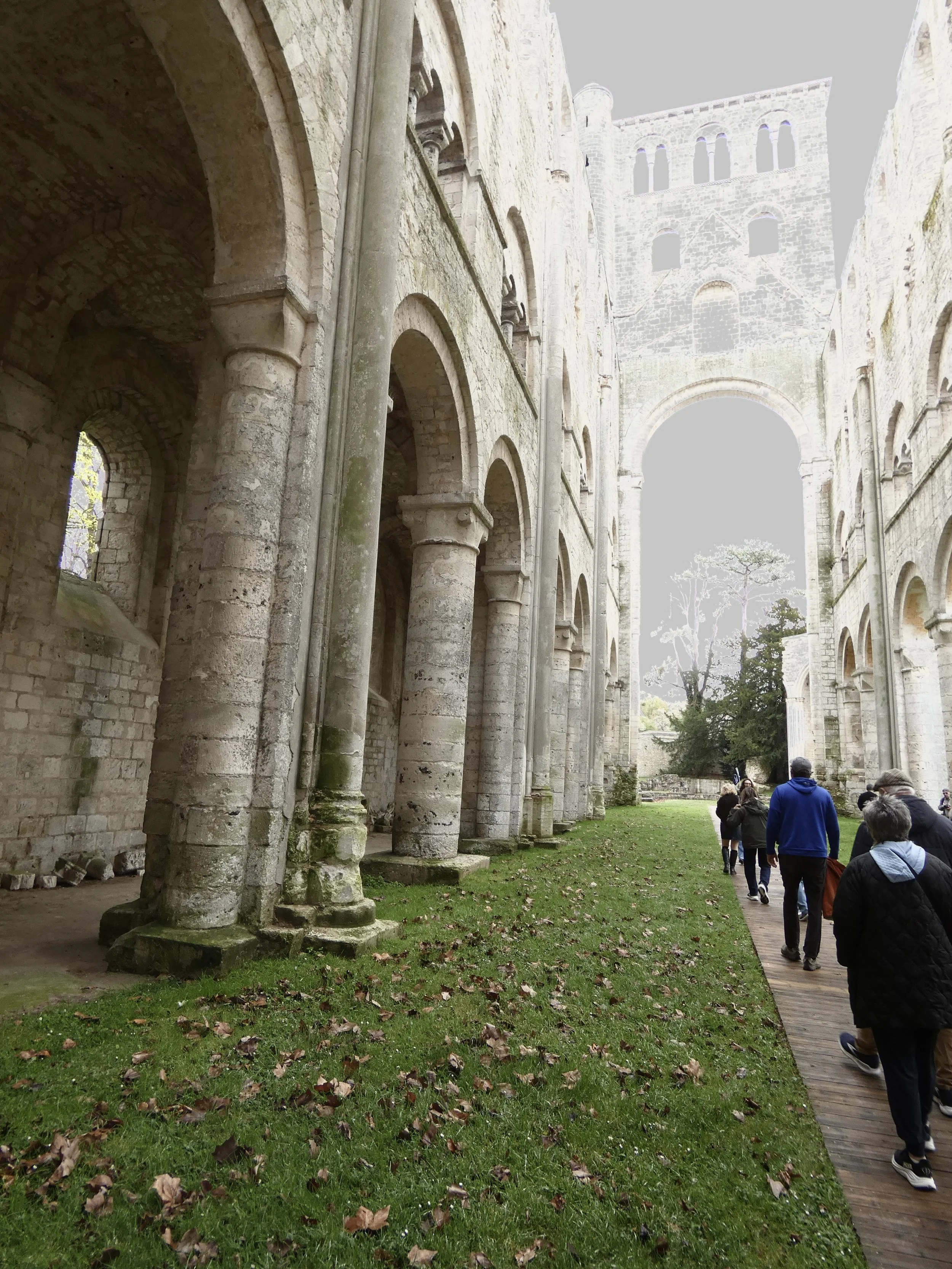
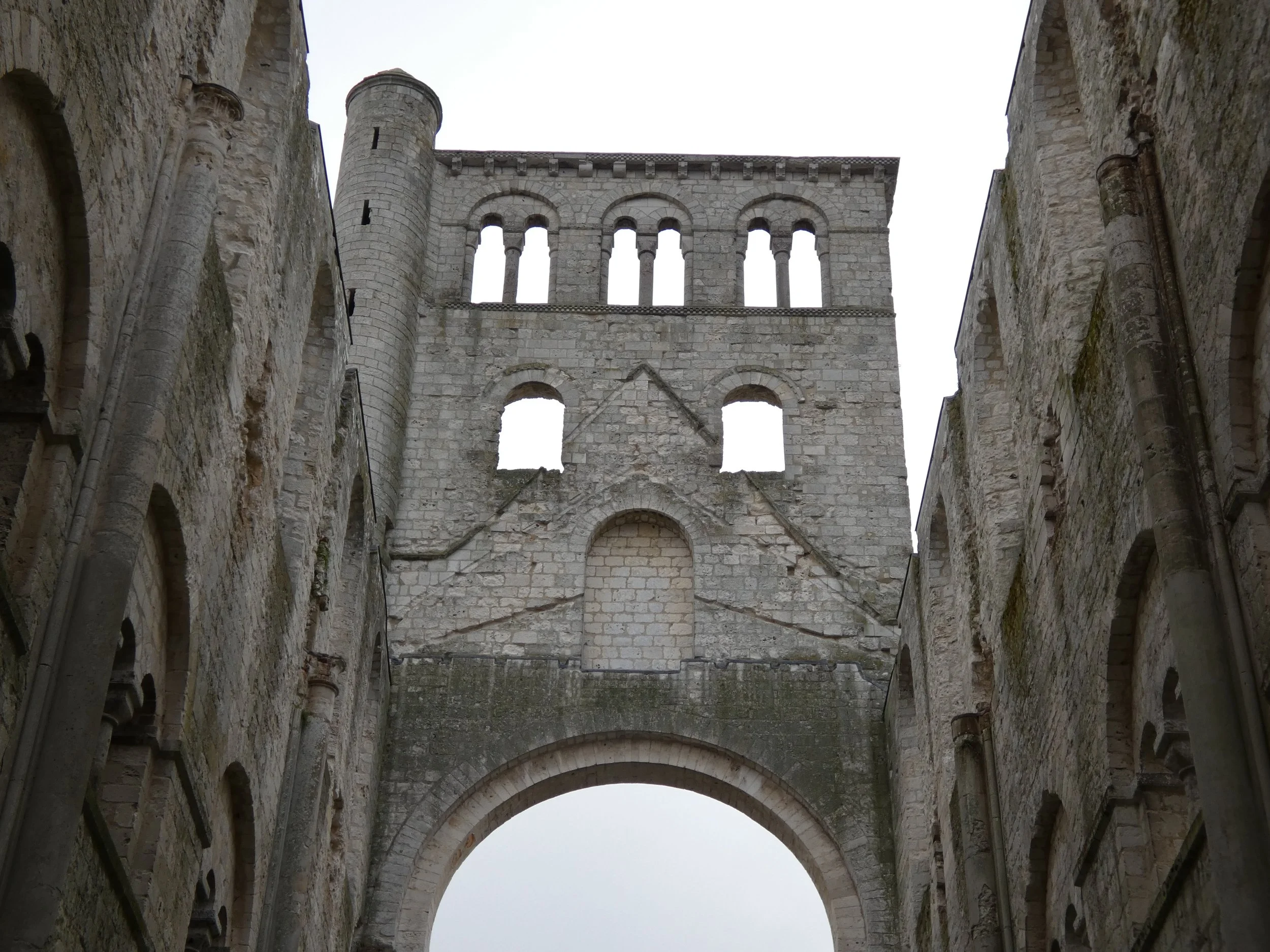
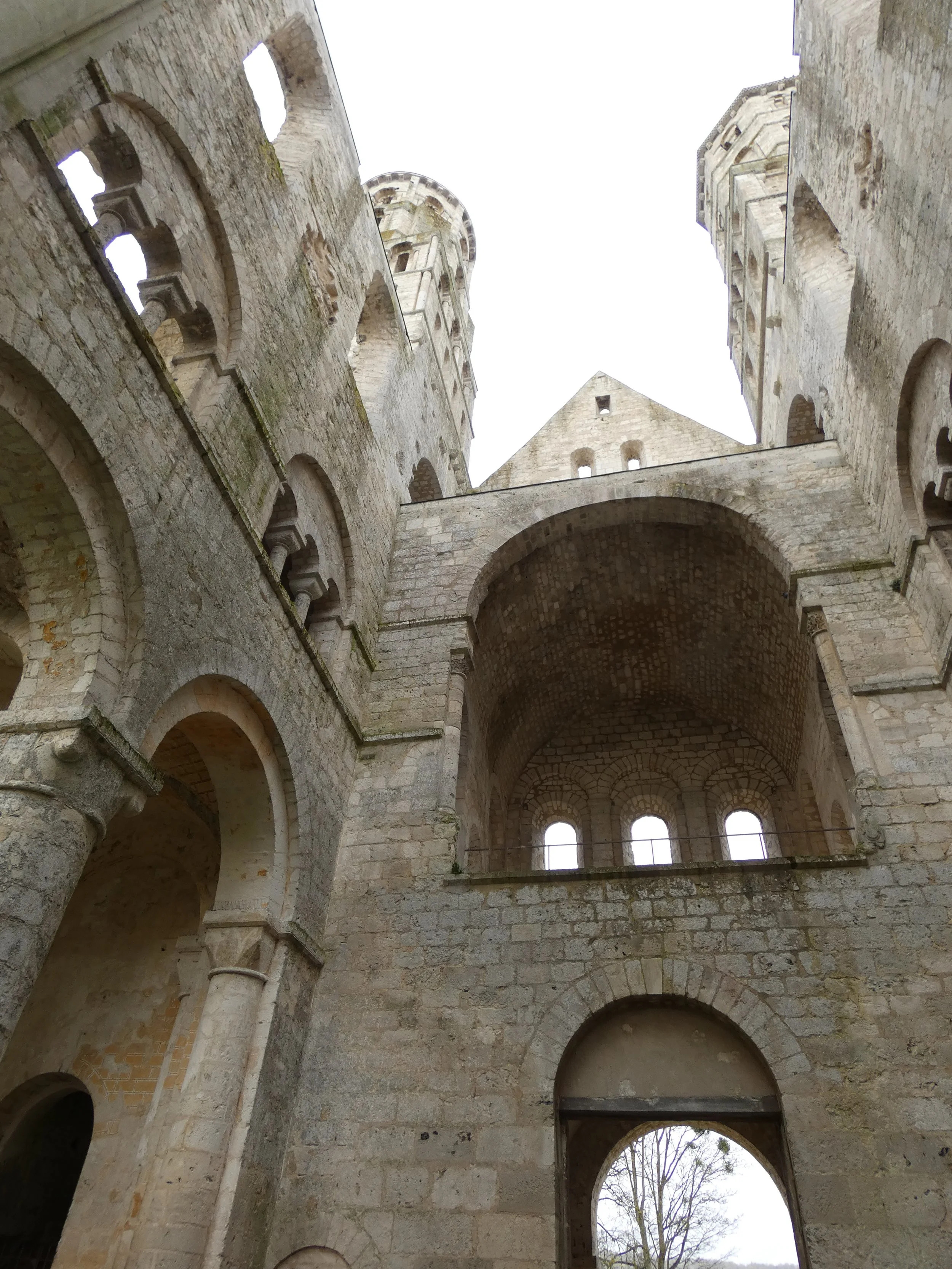
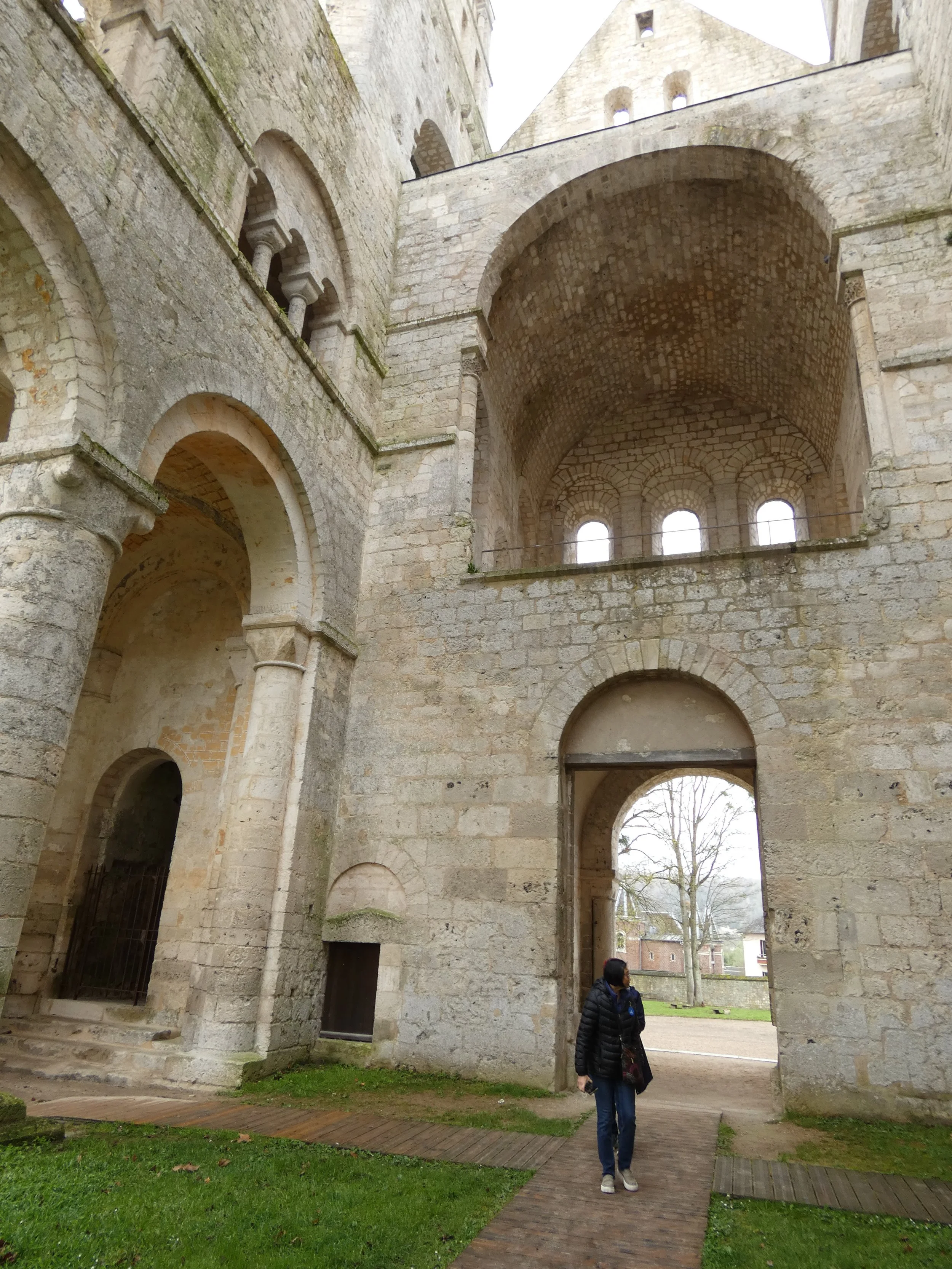
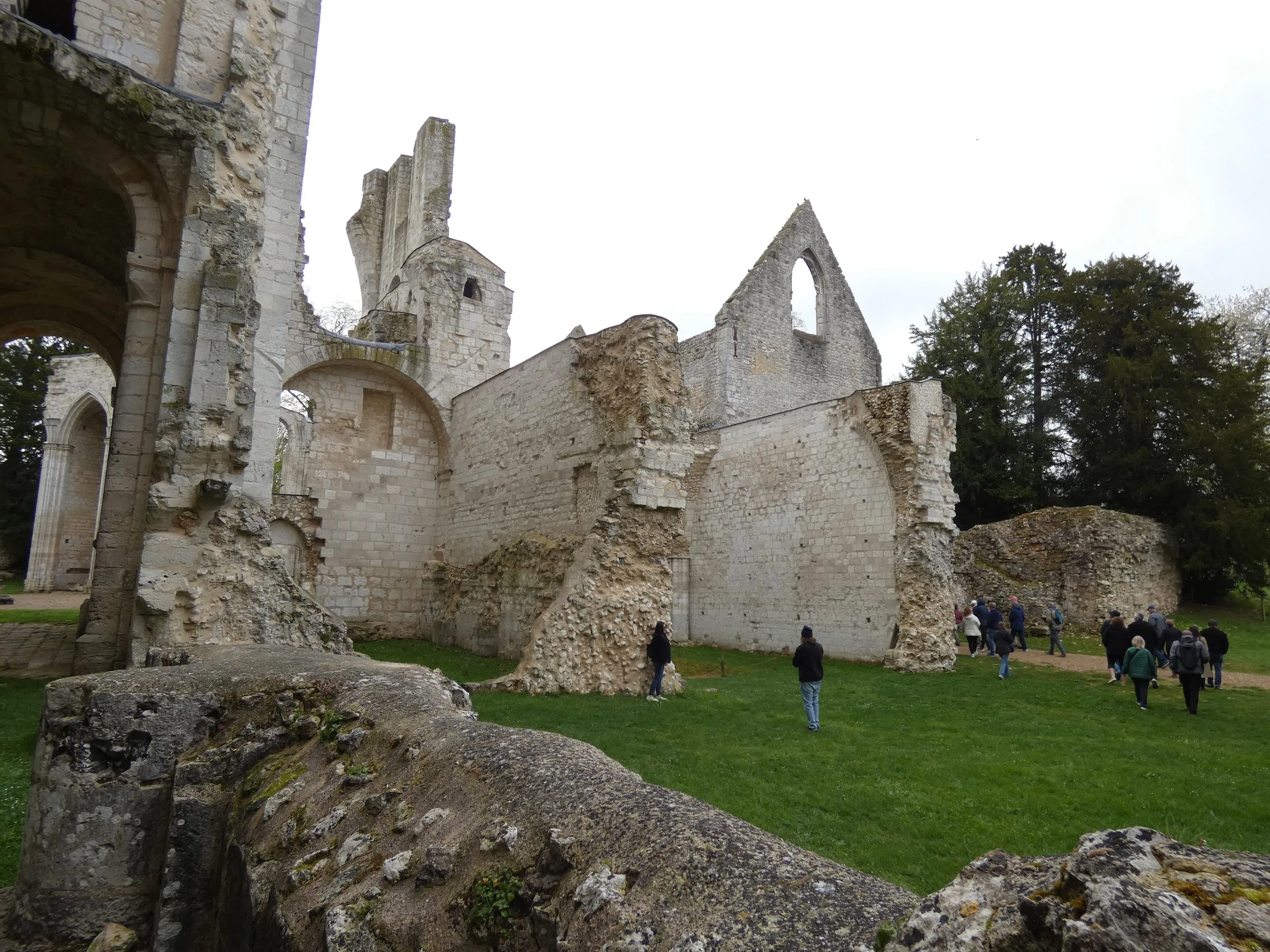
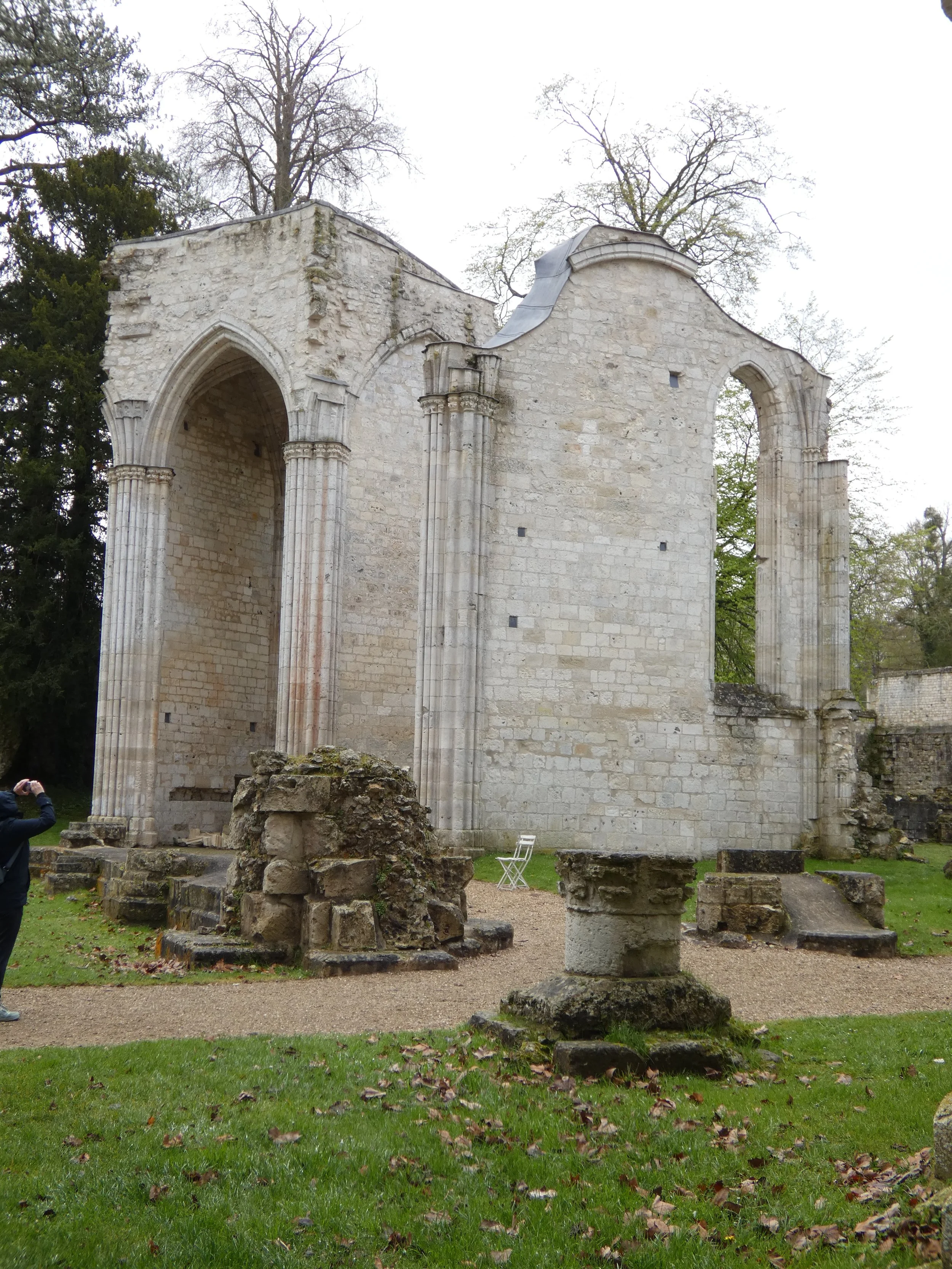
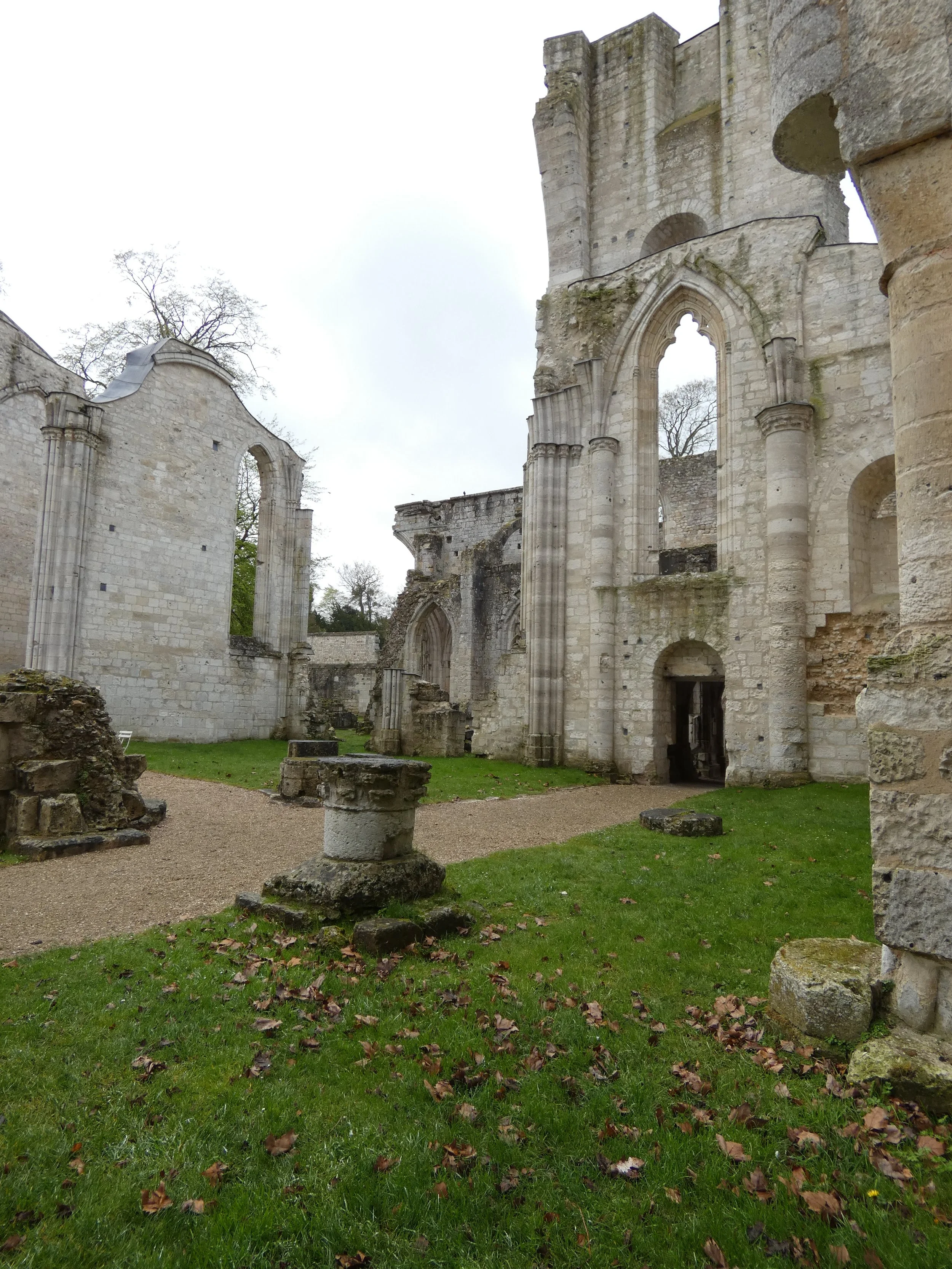
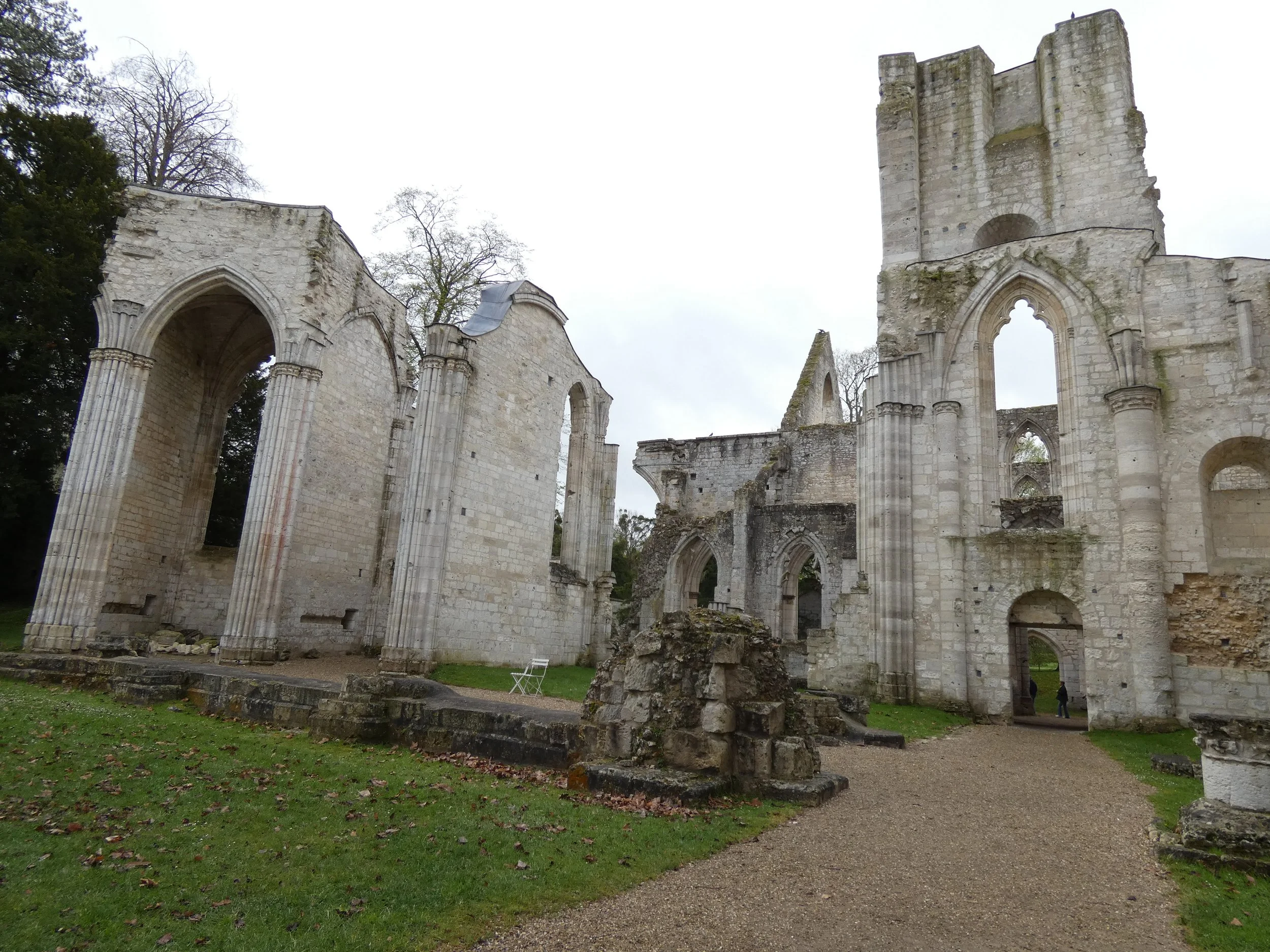
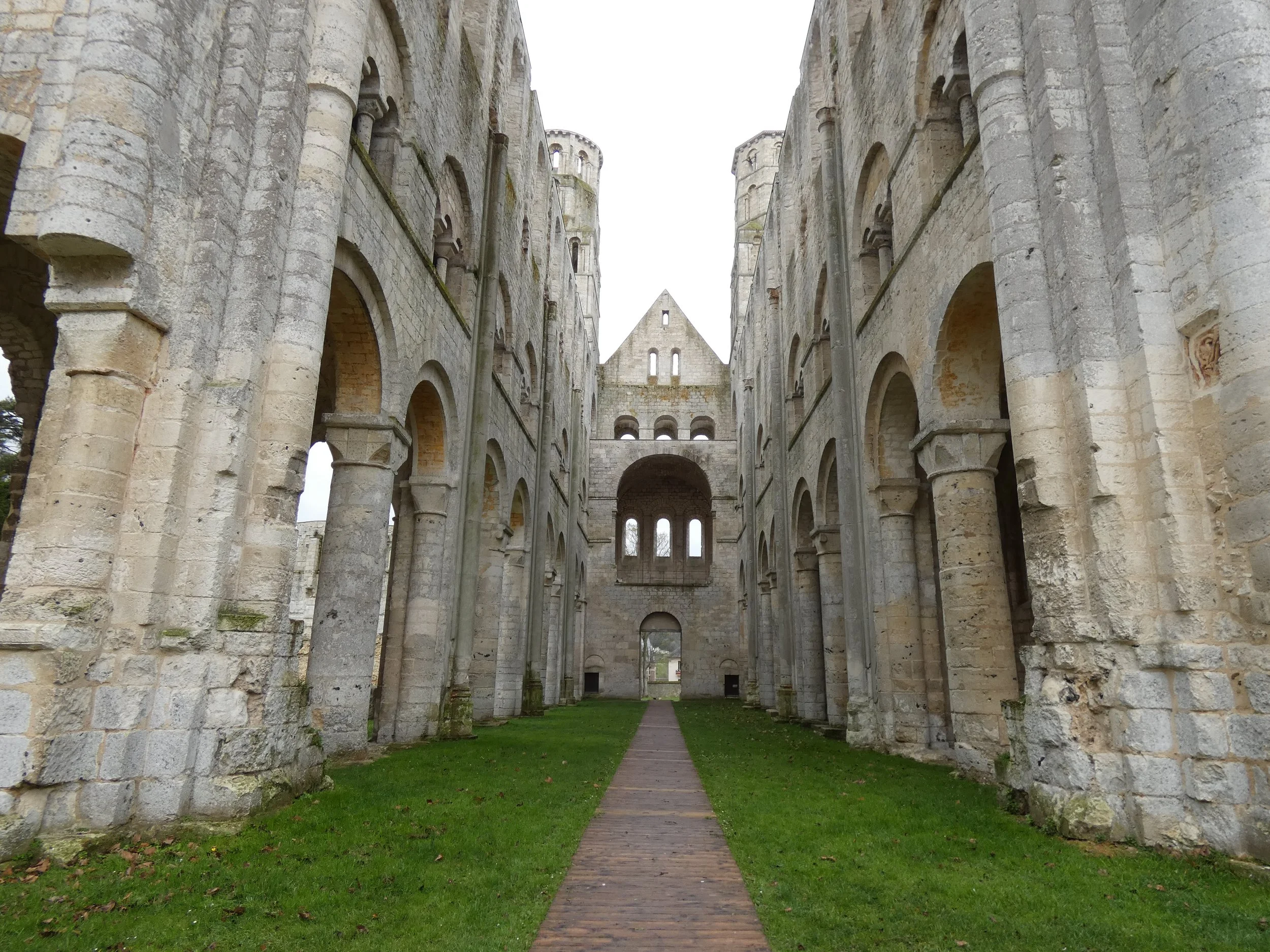
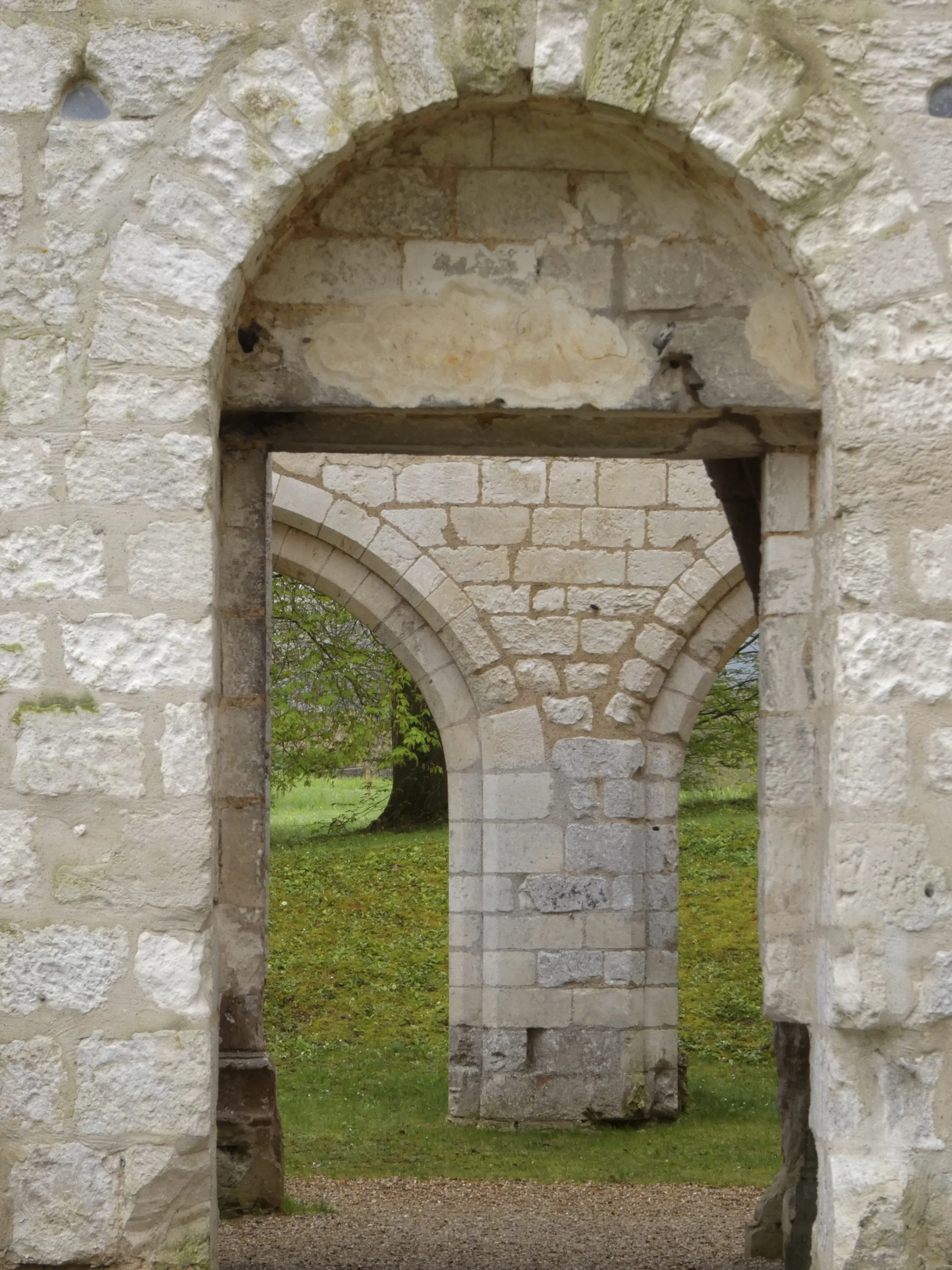
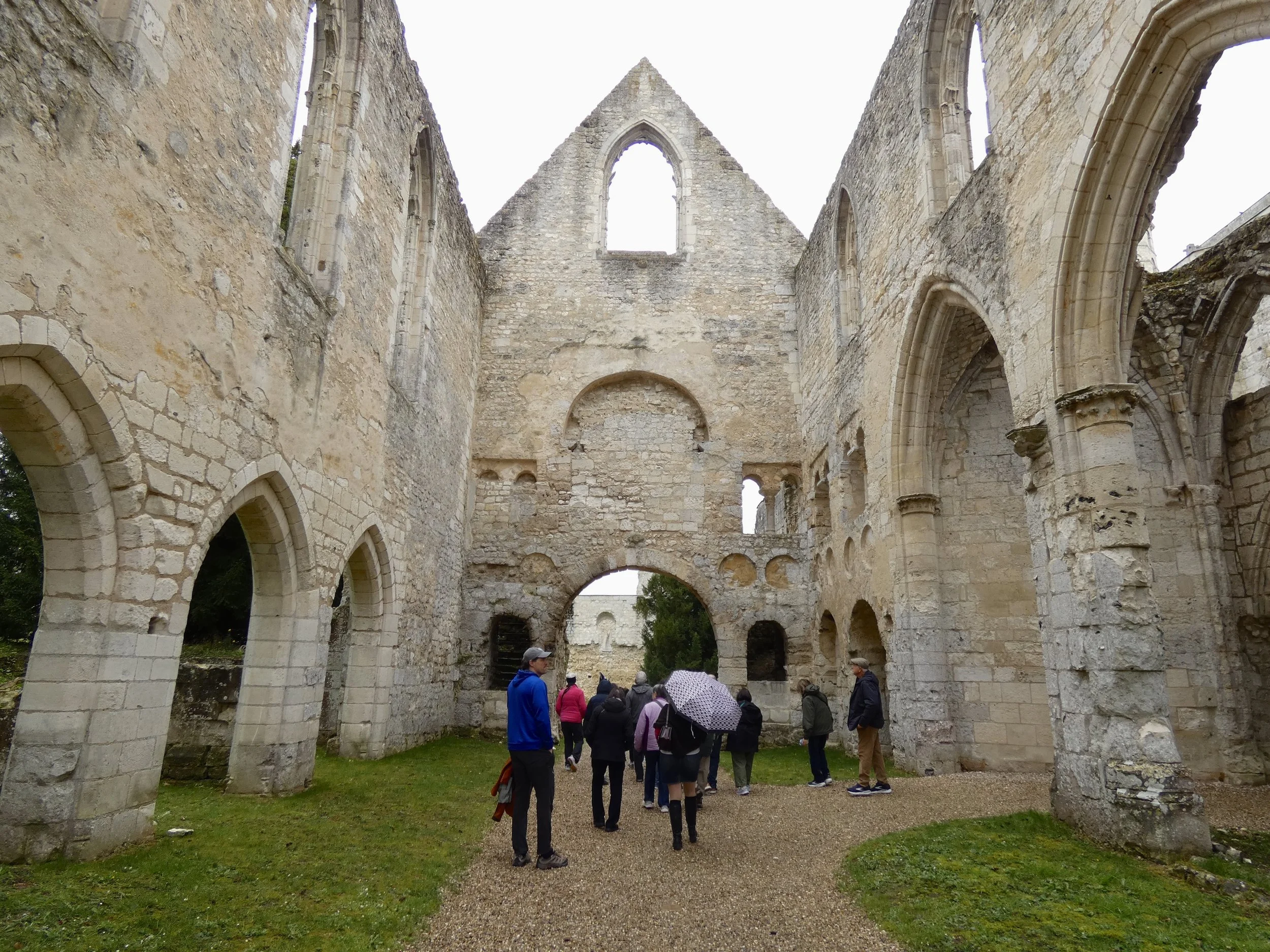
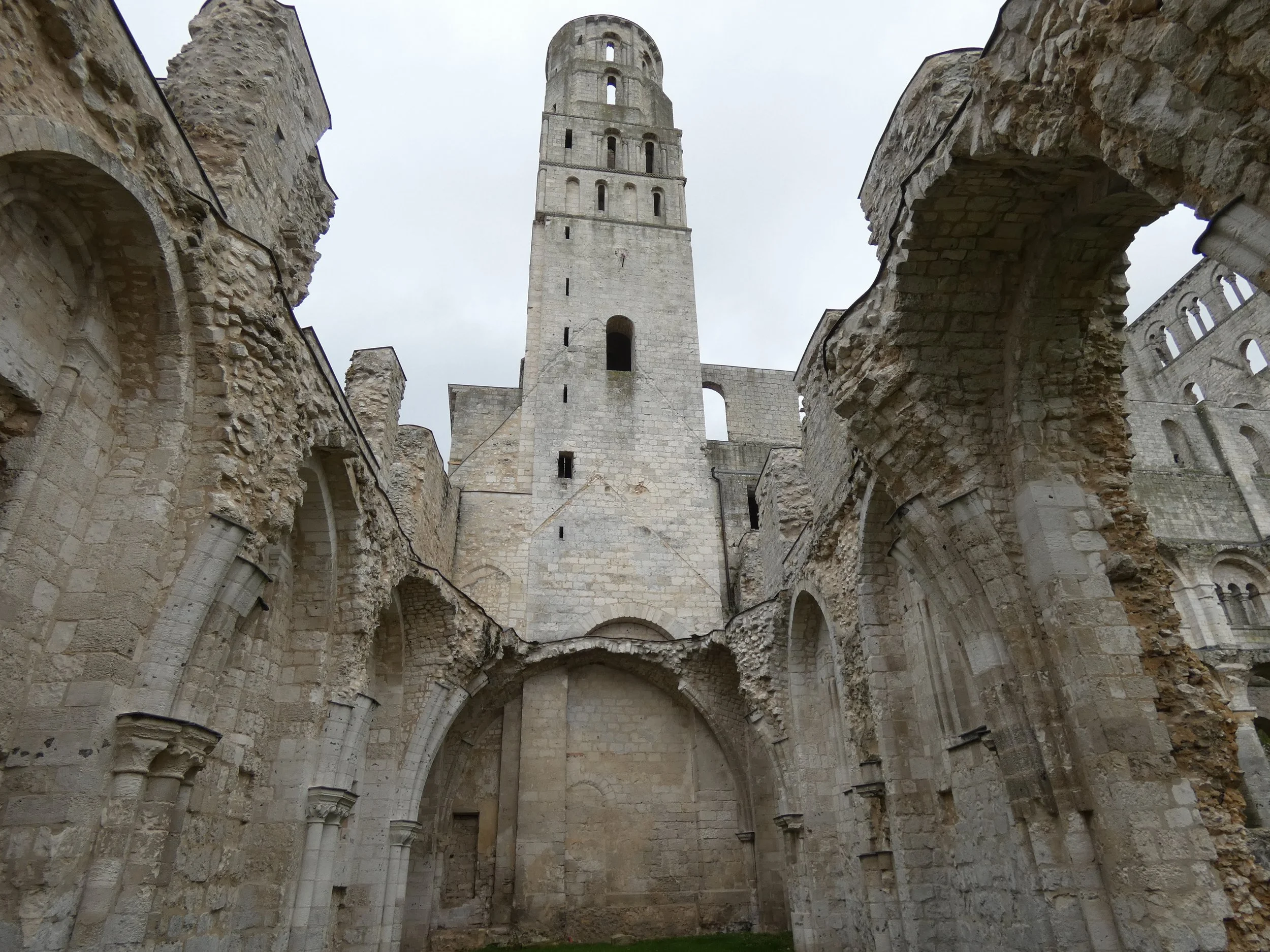
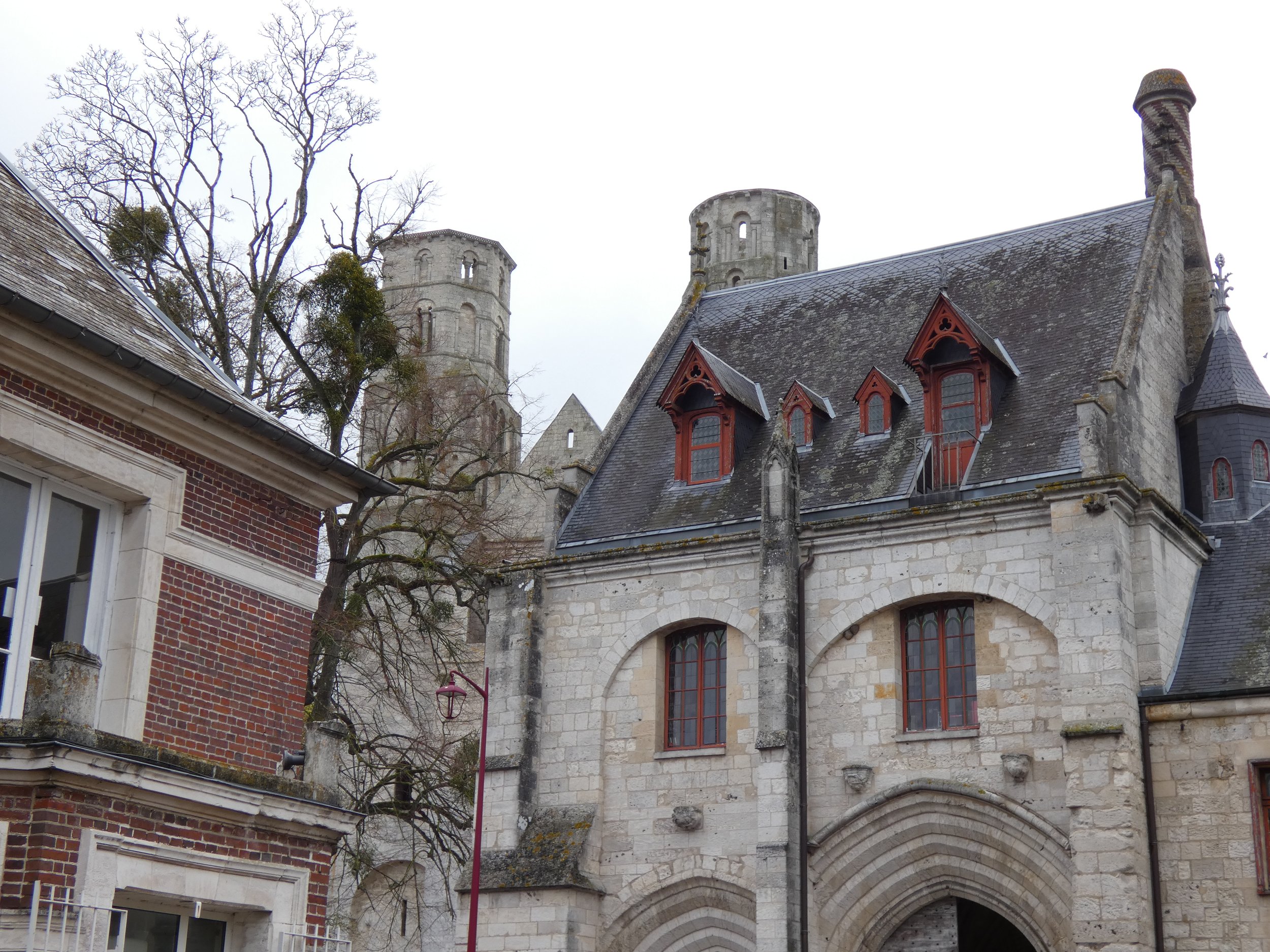
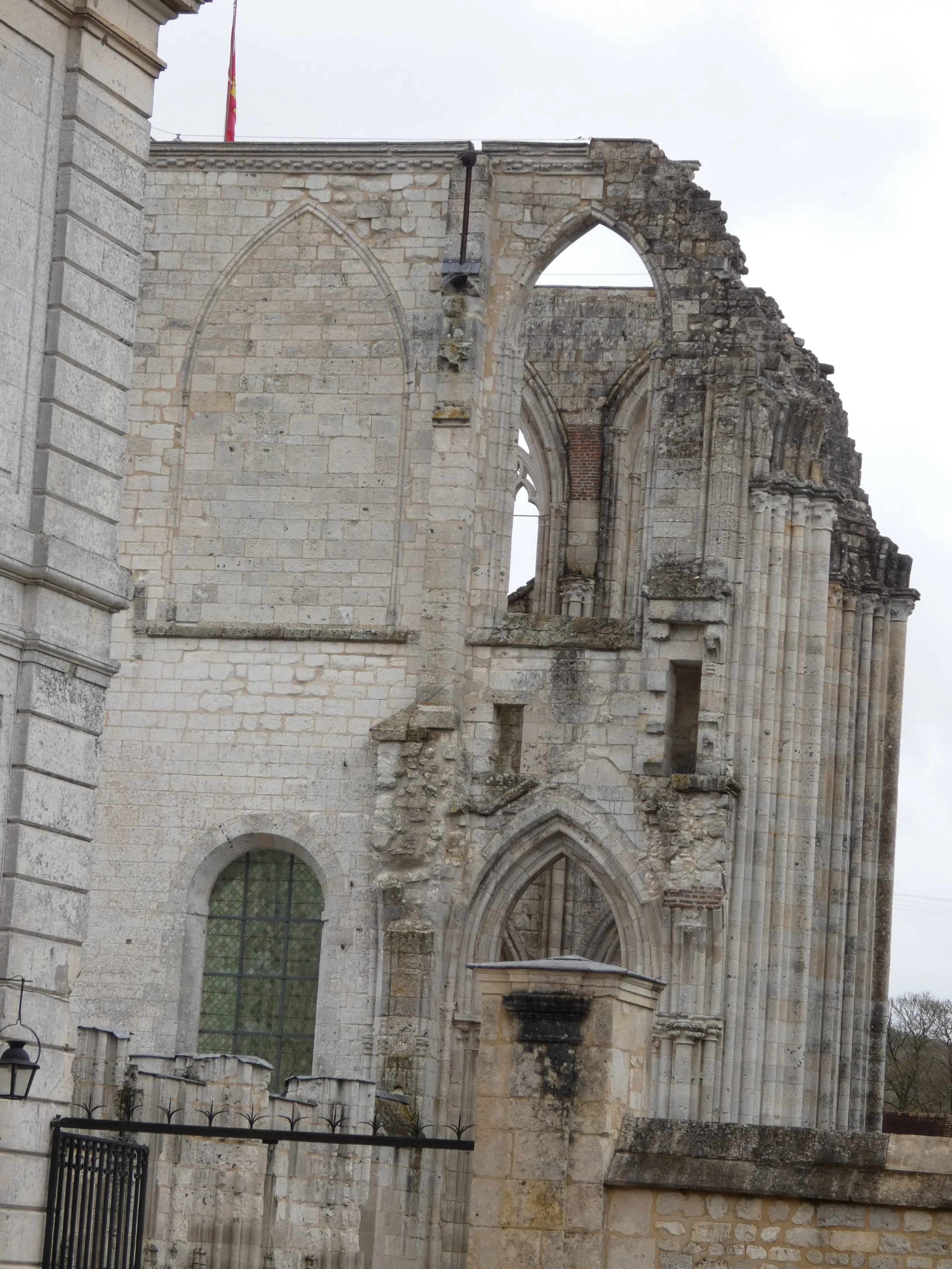
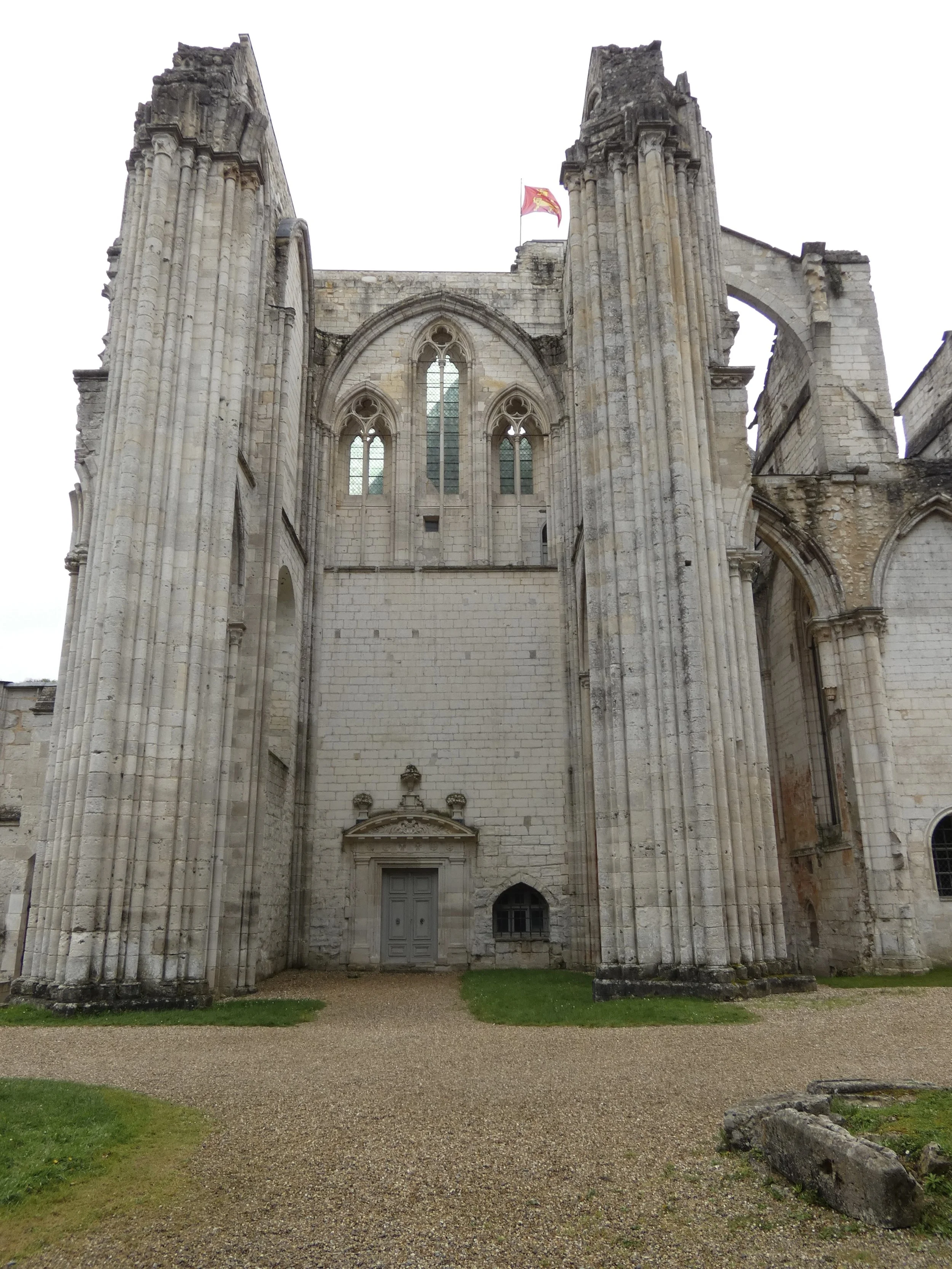
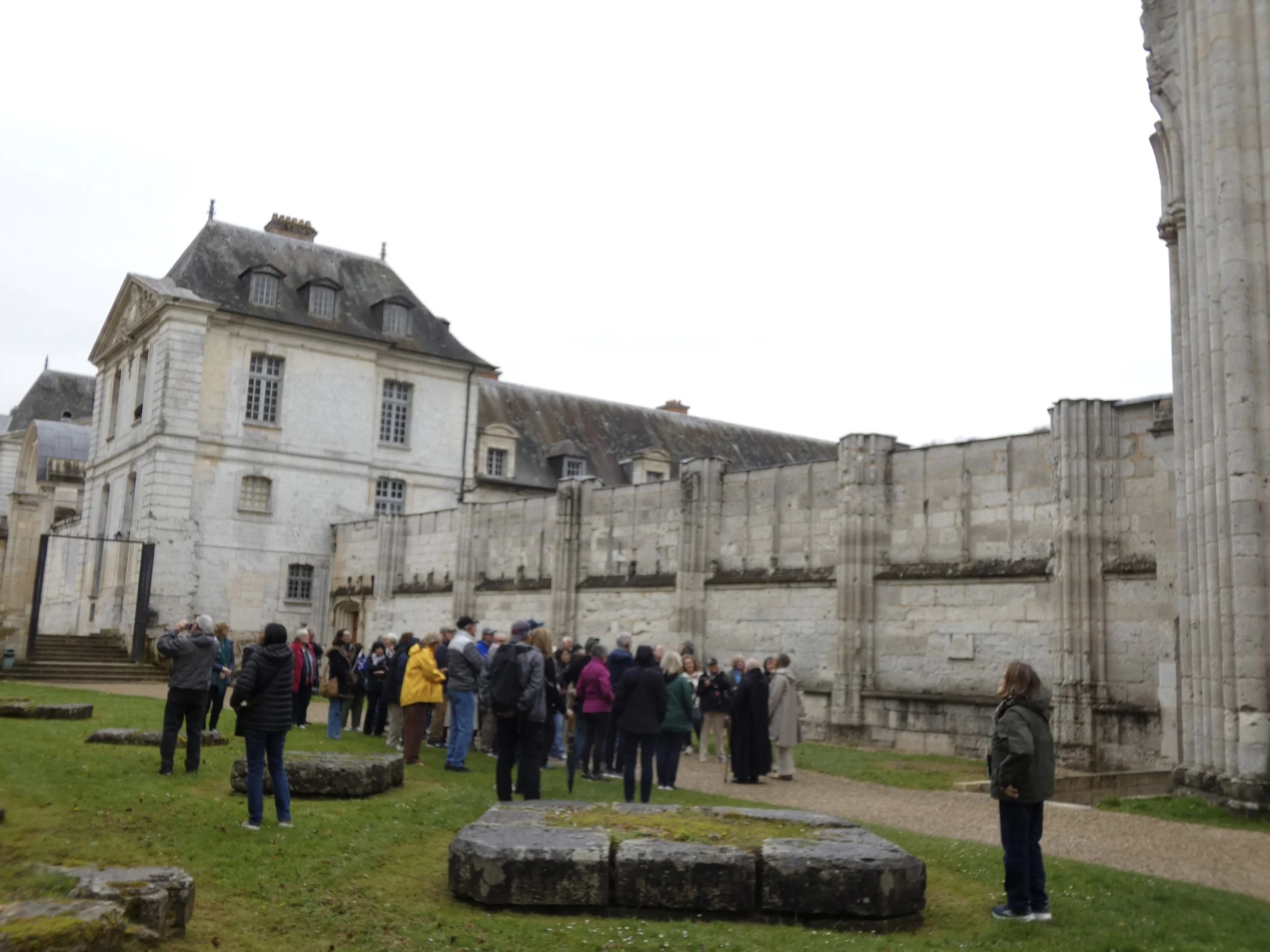
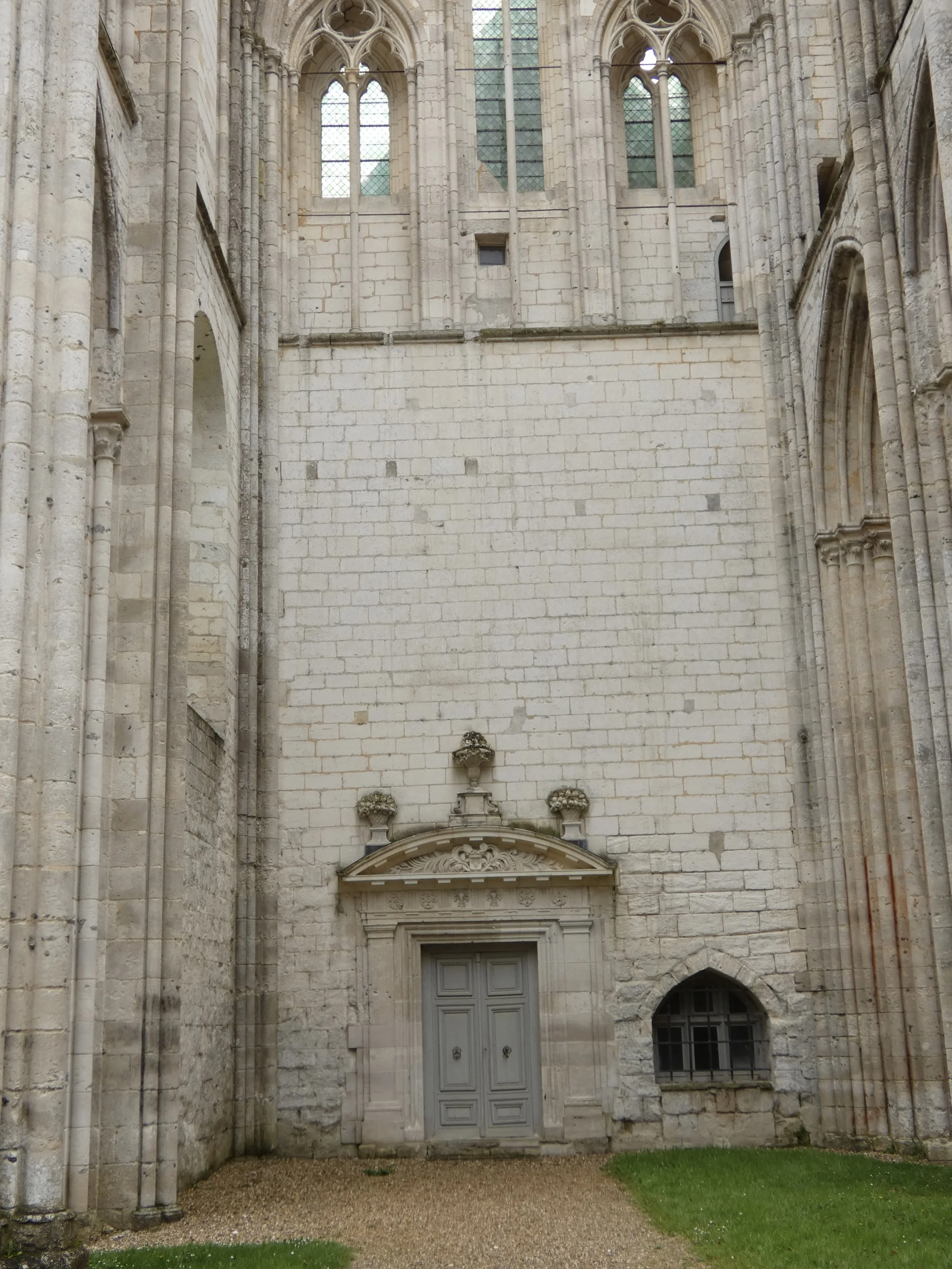
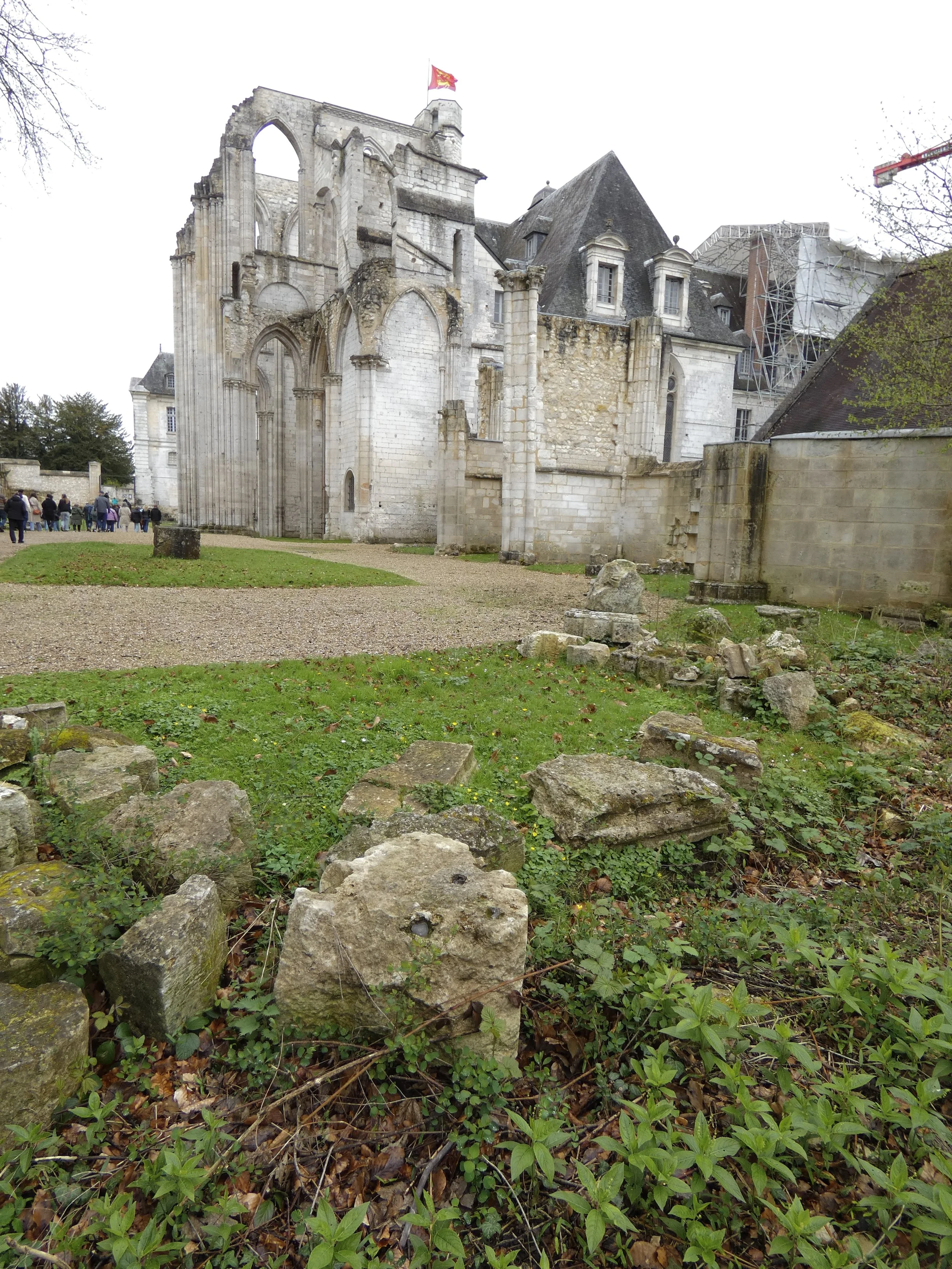
The first stop of the day was to explore the ruins of Jumièges Abby. It was founded in 654 under the patronage of the Dukes of Normandy. William the Conqueror attended the consecration of a new building in 1067, one year after his big deal over in England.
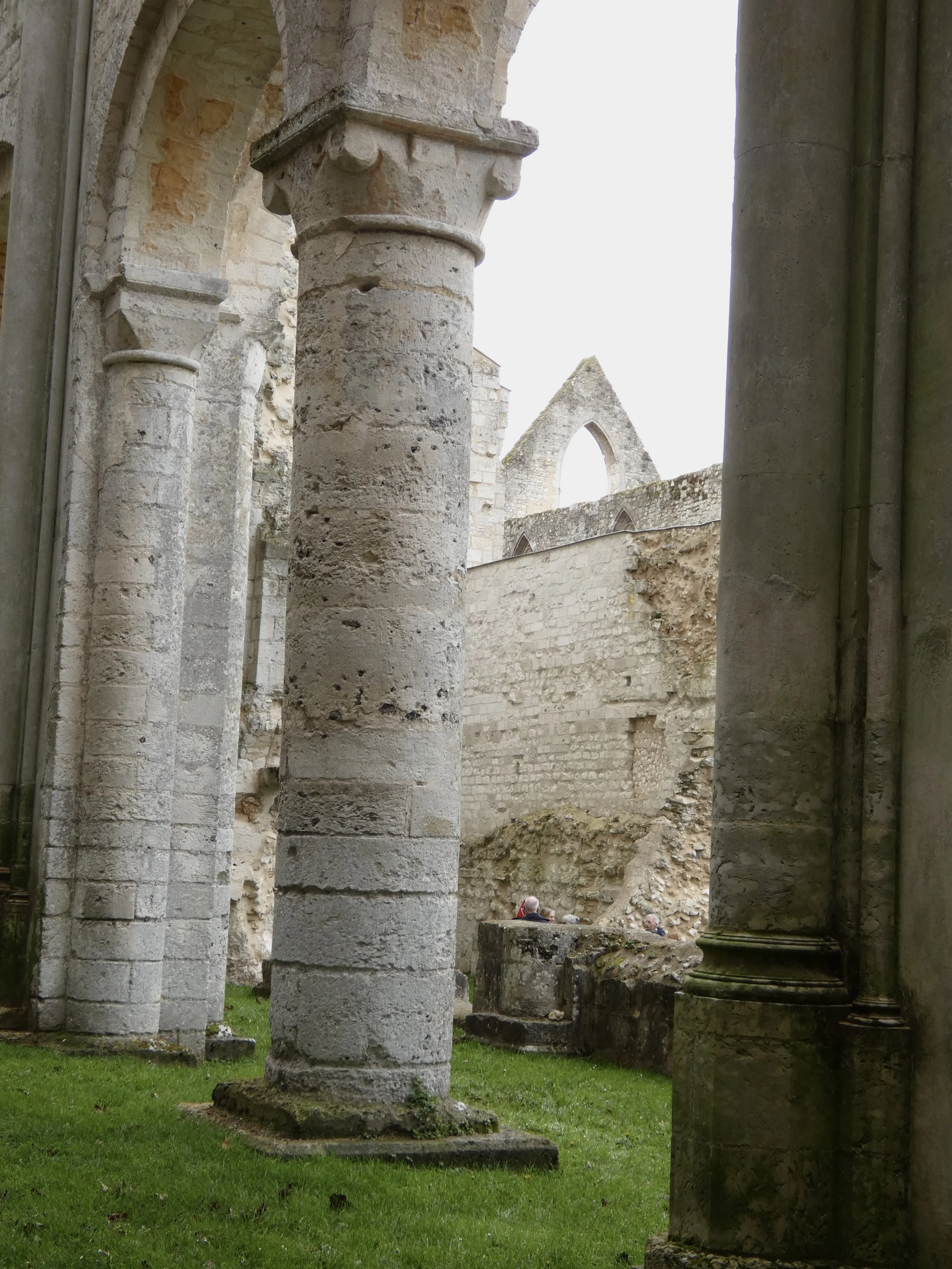
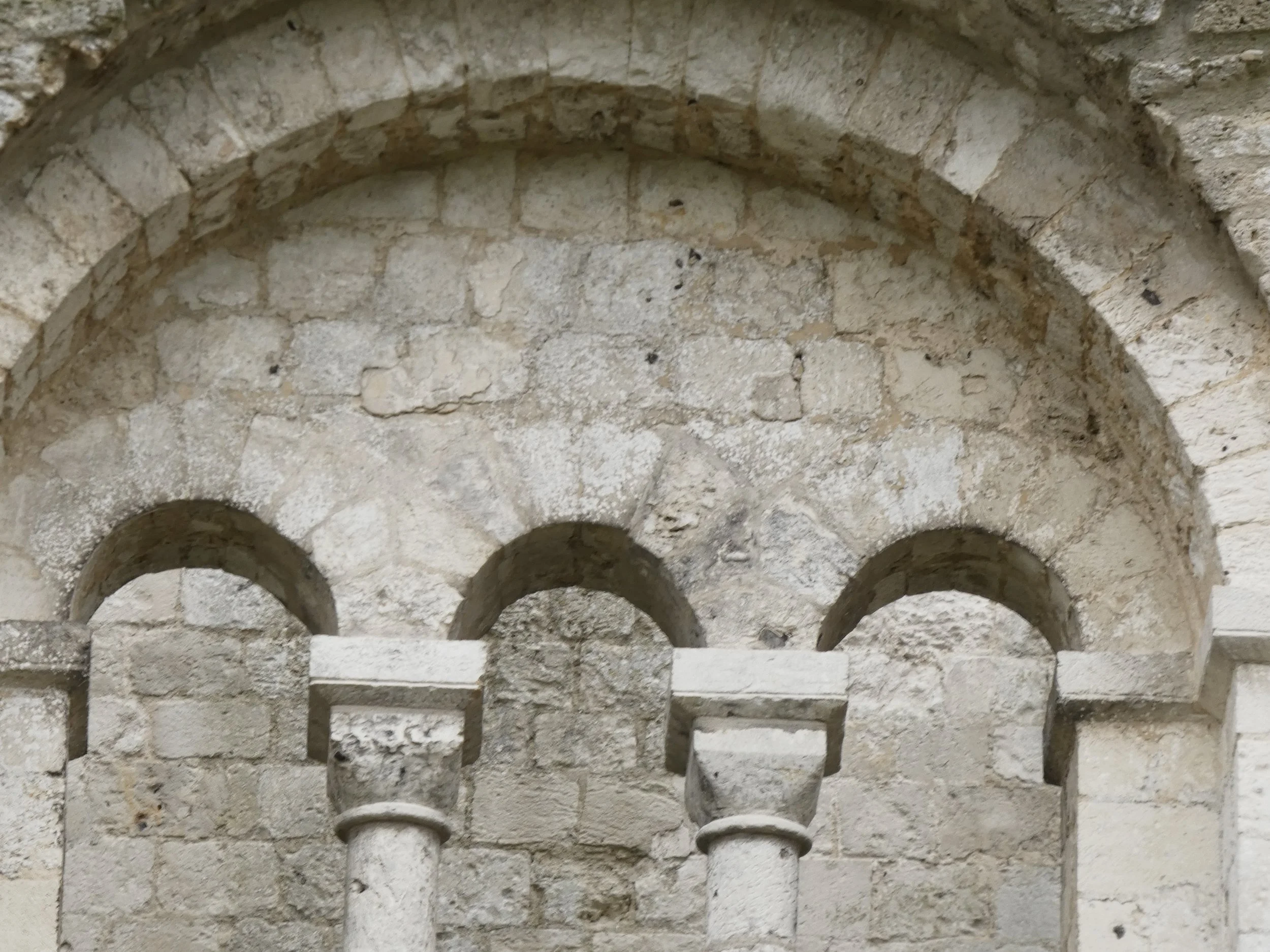
The abbey used a Romanesque style of architecture, lacking the flying buttresses of the Gothic style used at Notre Dame of París and Rouen. An impressive height of 25 meters (compared to 28 meters at Rouen) was possible by use of a wood roof at Jumièges rather than much heavier stone.
The abbey was closed completely at the time of the French Revolution and much of its stonework carted off to use elsewhere. What we see today, while impressive, is only a fraction of what was there originally.
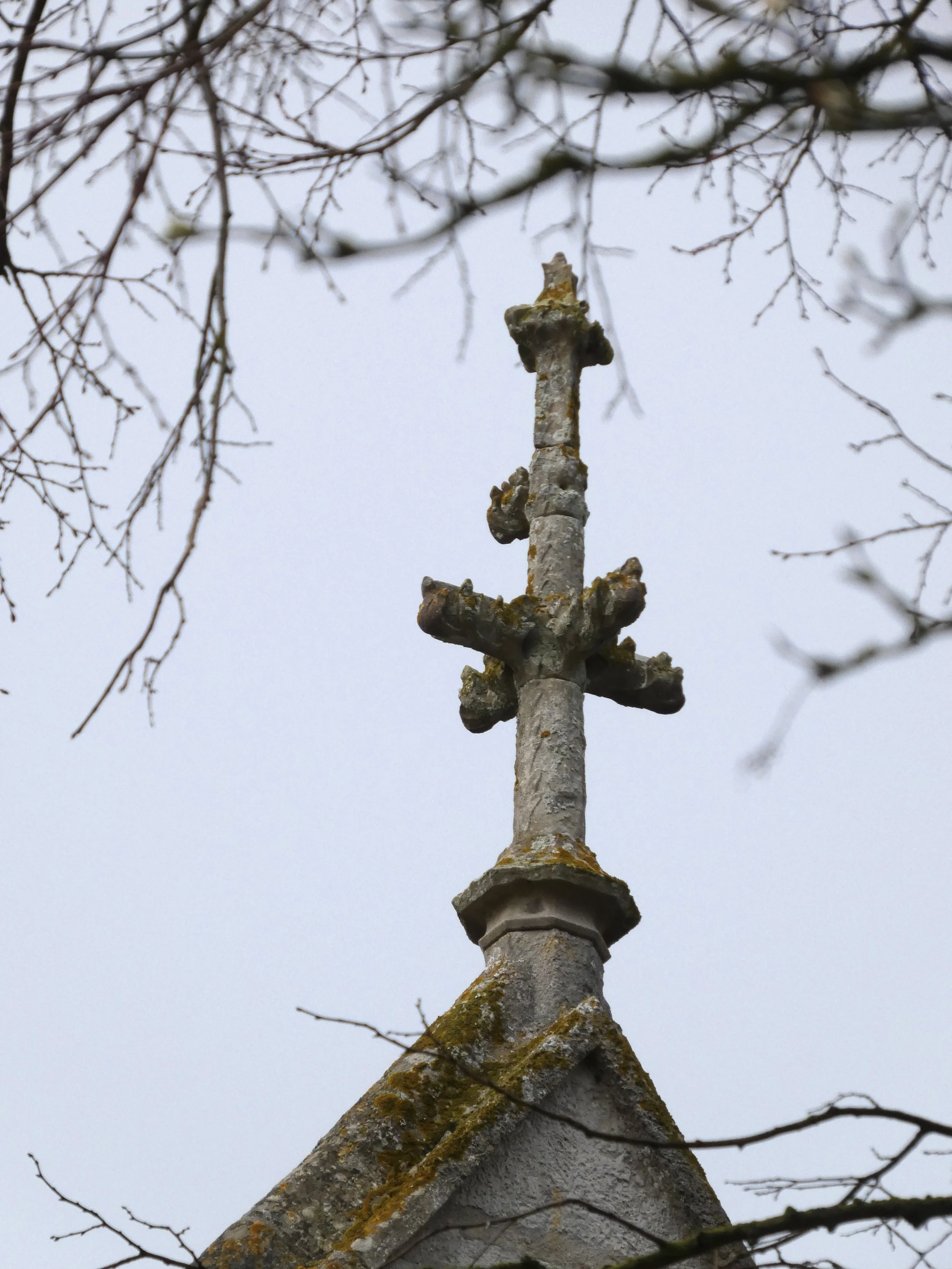
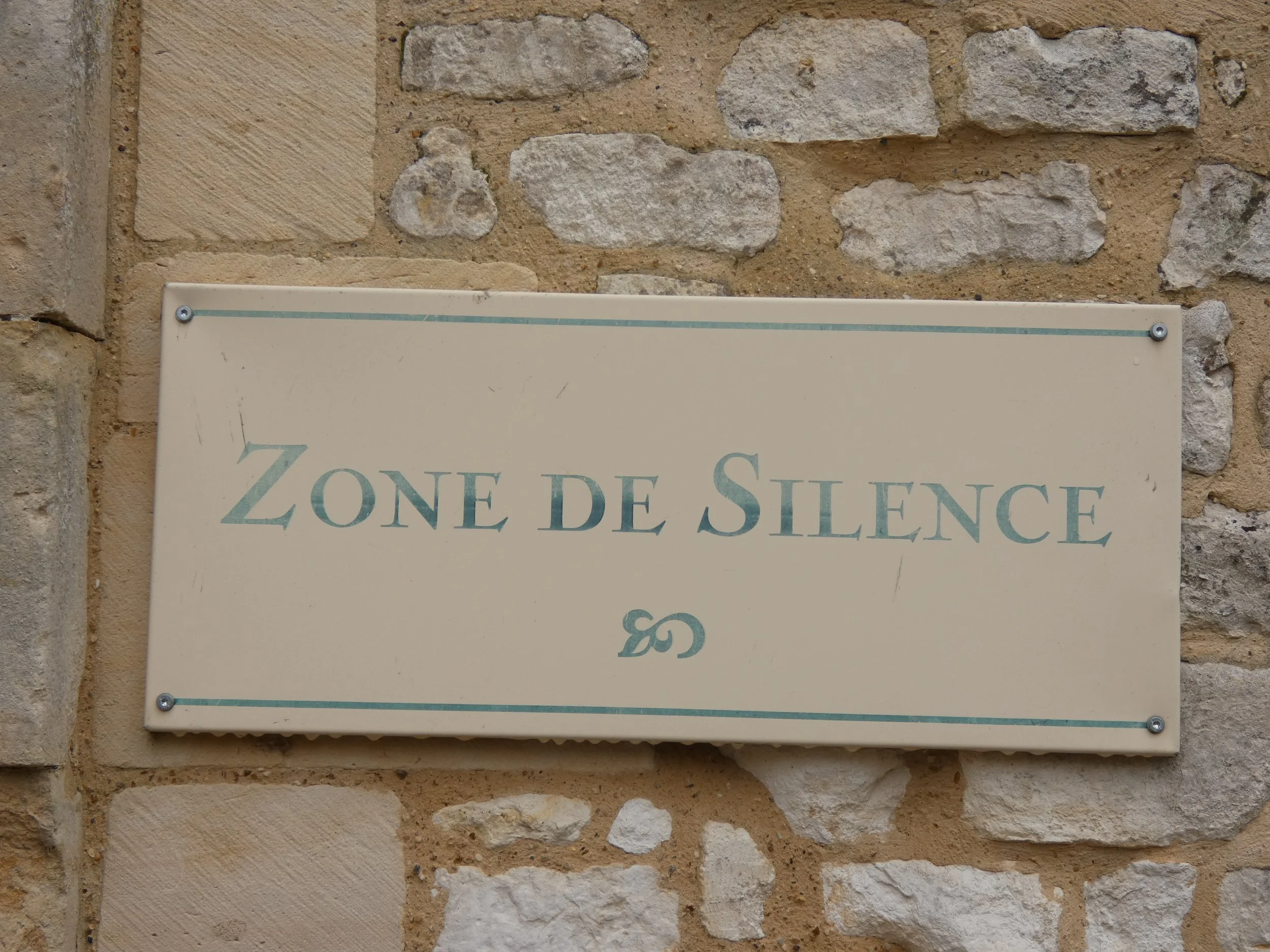
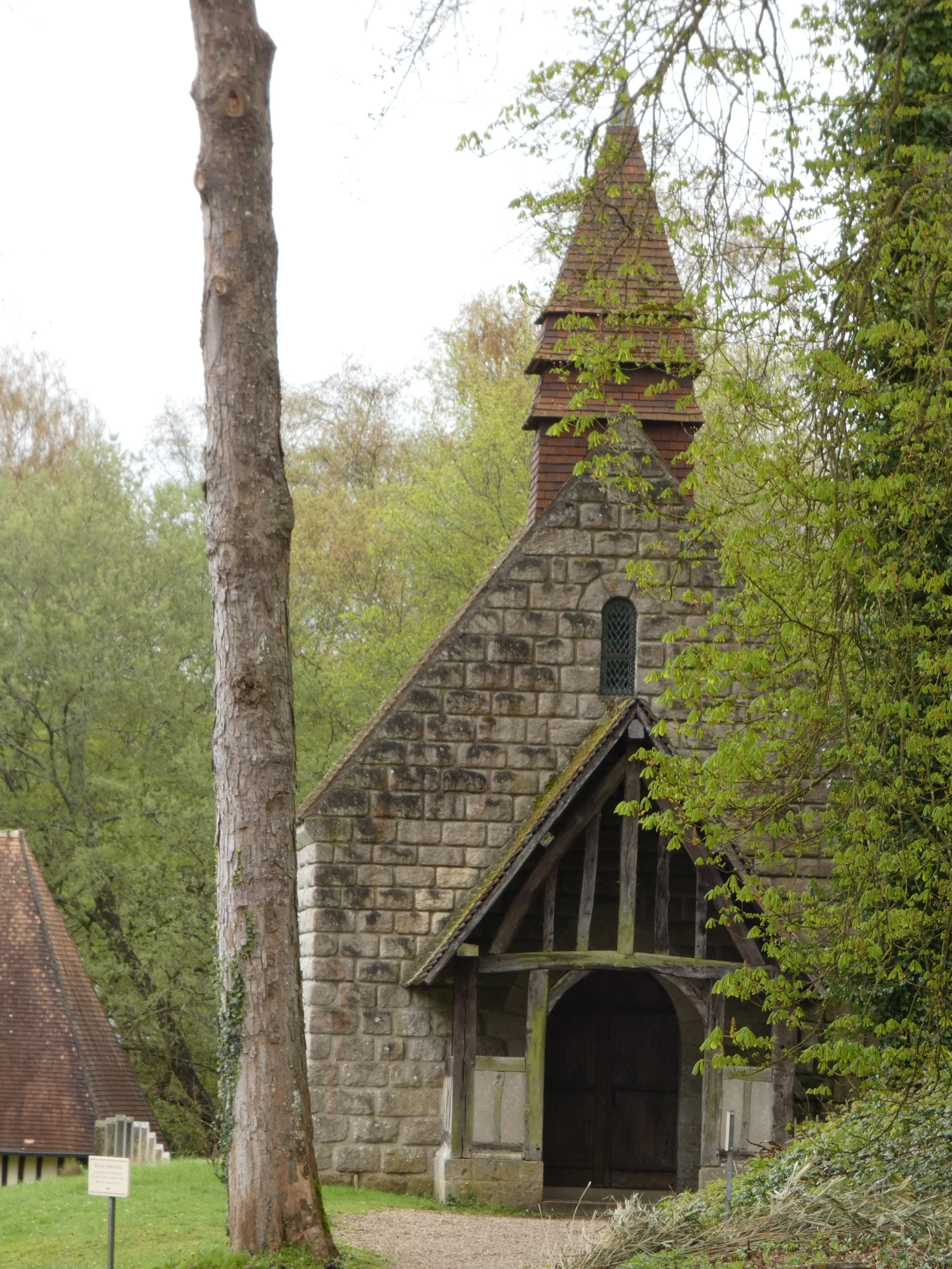
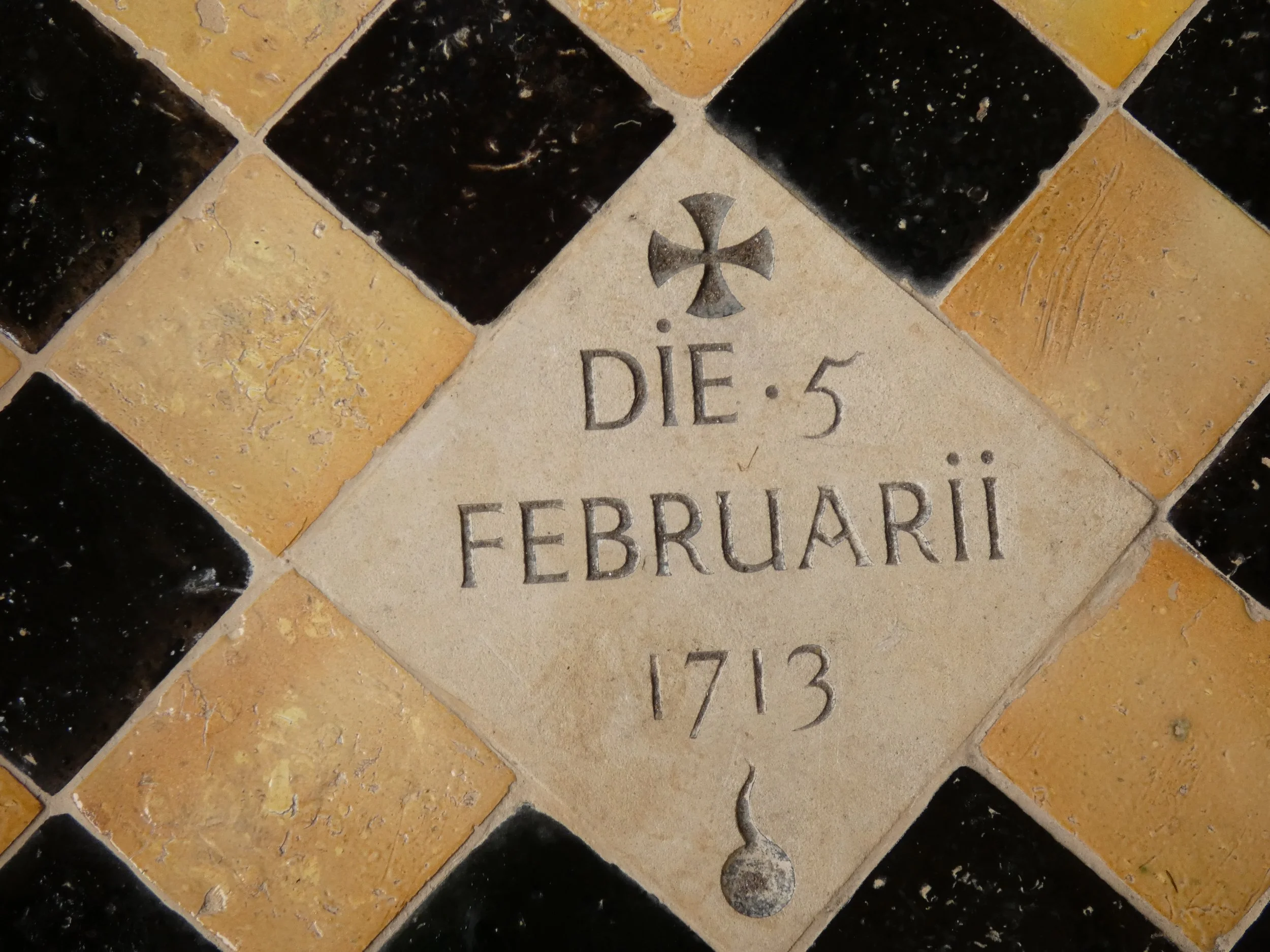
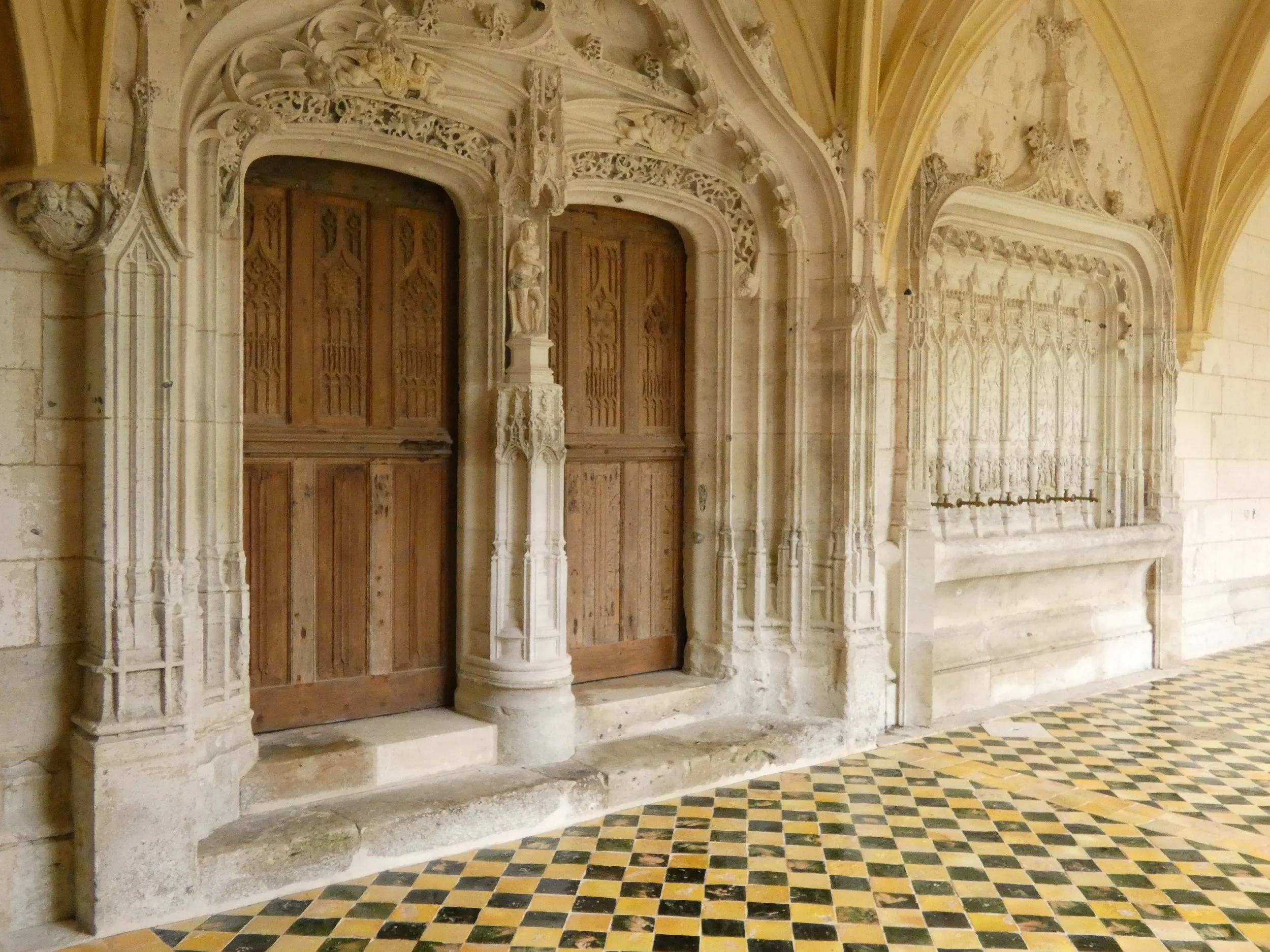
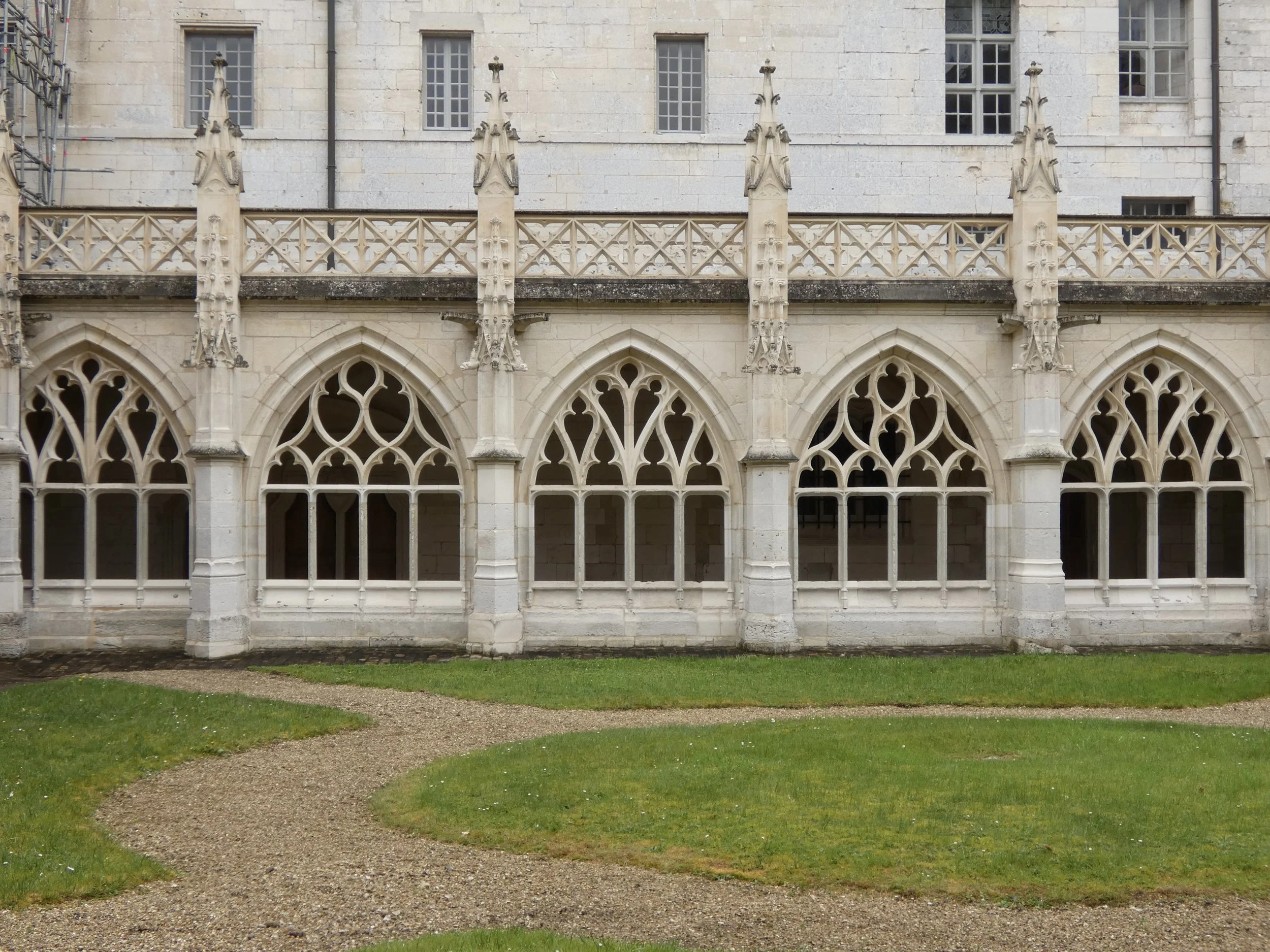
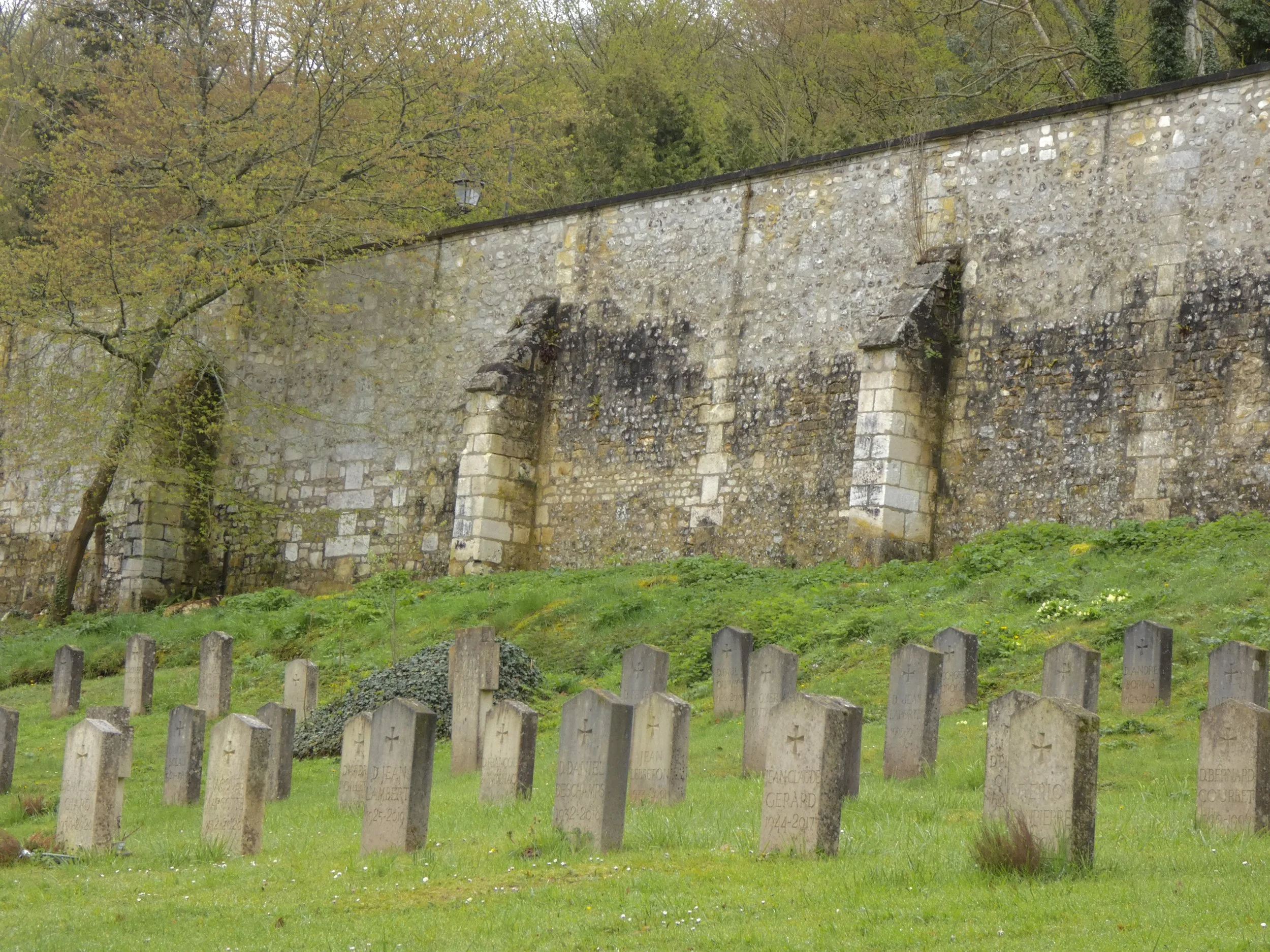
The Abbey of St Wandrille was founded in 649 and remains an active Benedictine community of 28 monks who live by the Rules of St Benedict. That means obedience (to the abbot), humility, silence and stability. A balance of prayer and manual labor is also called for; monks hold seven prayer services each day. They restore manuscripts and brew beer among other enterprises.
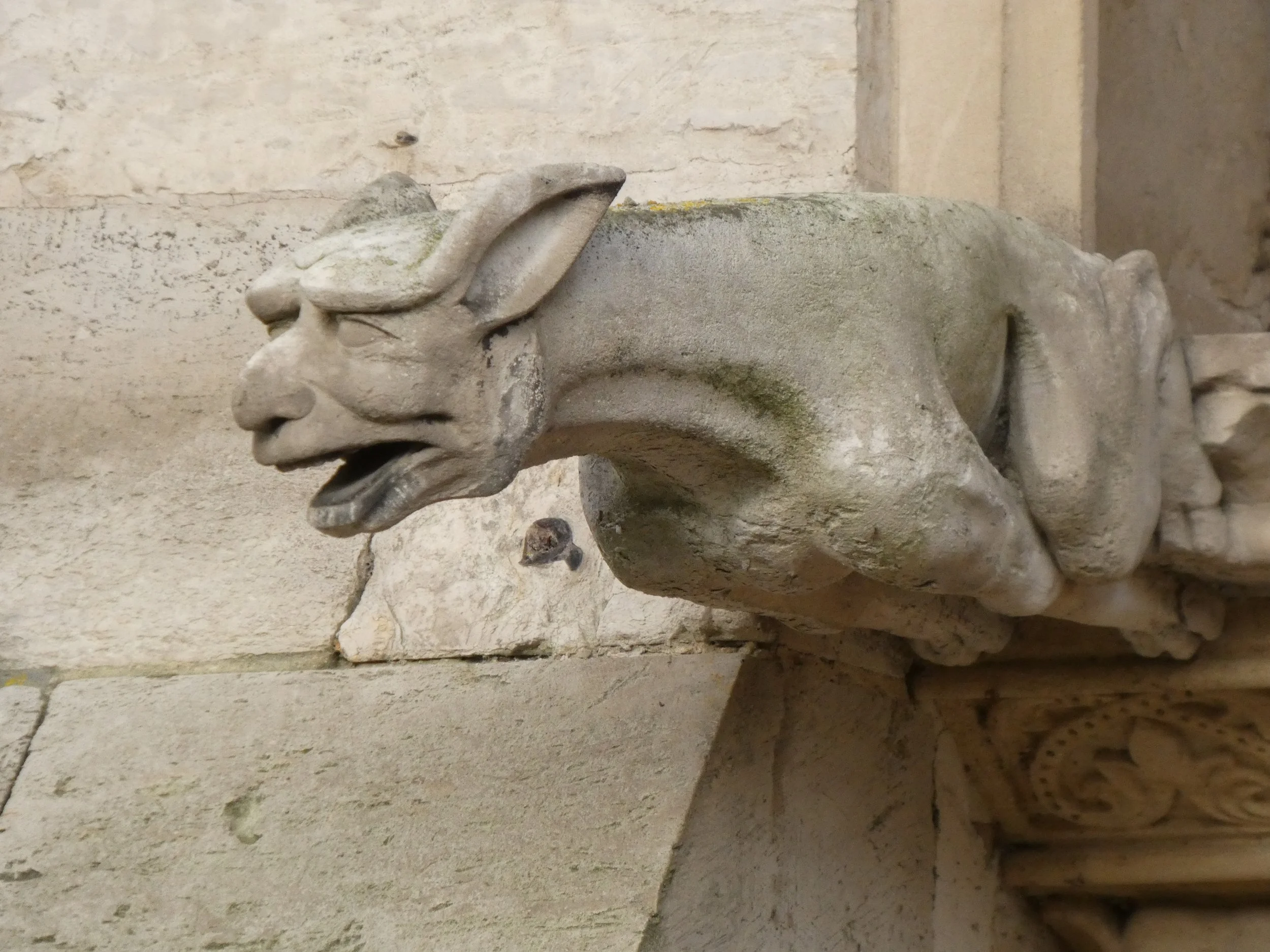
The buildings of the abbey have, over its 1,400 year history, been burned, collapsed, destroyed by Vikings, damaged in times of war (100 Years War and WII) and shut down and razzed during the French Revolution. But here it still is.
The monks have been expelled from the abbey several times as was the case during the Revolution and most recently after the Association Bill of 1901 placed significant limits on religious practice in France.
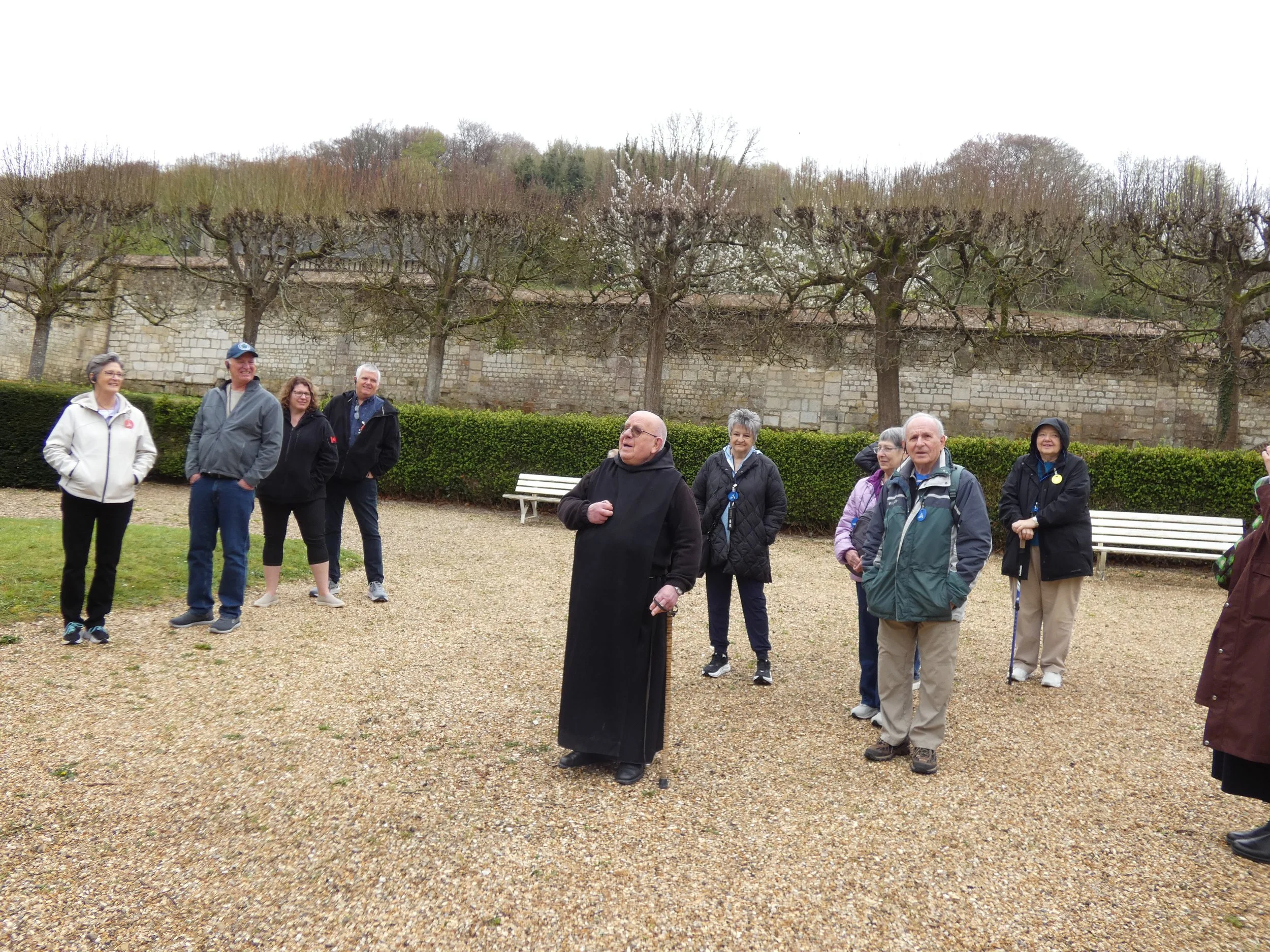
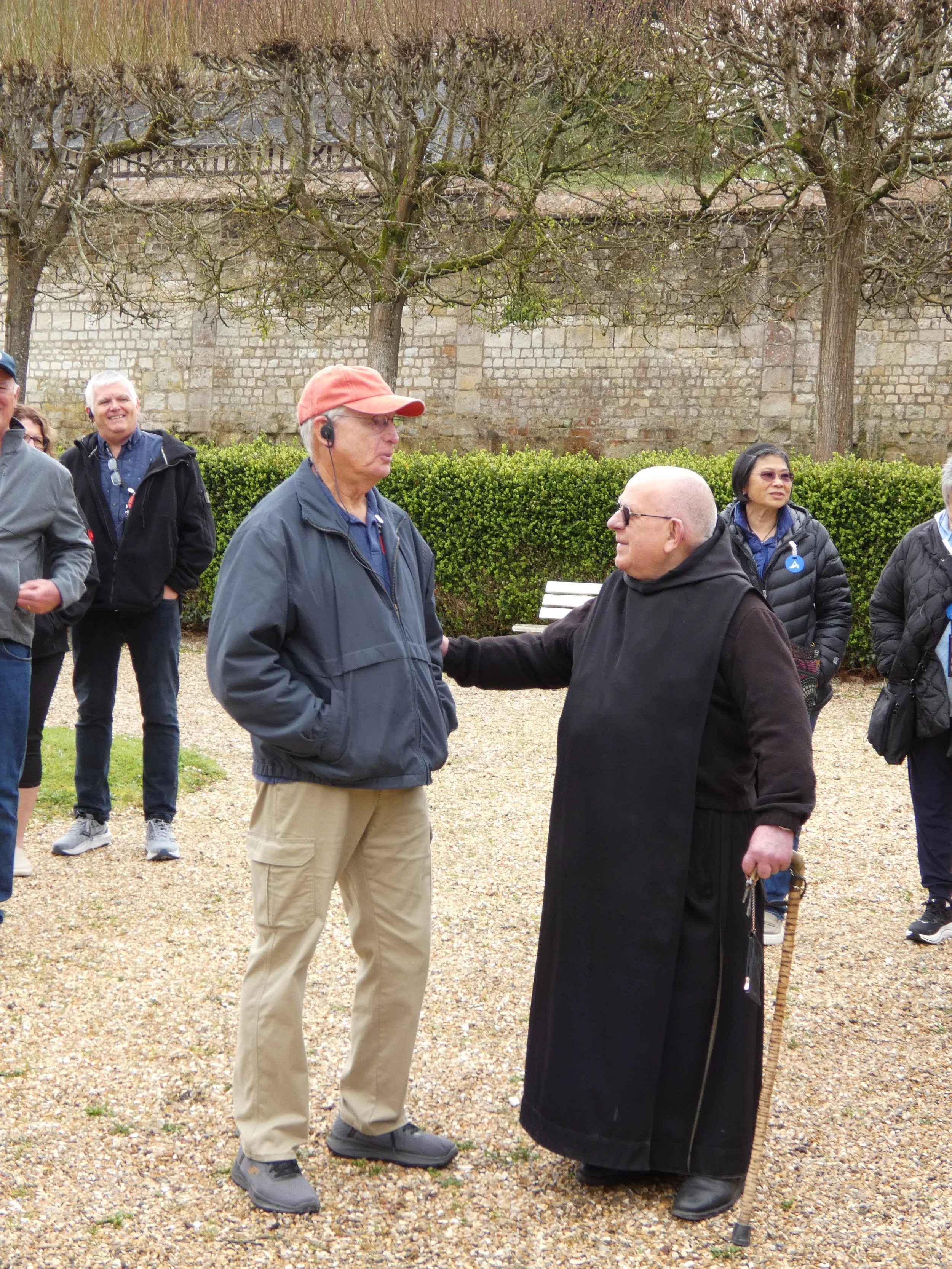
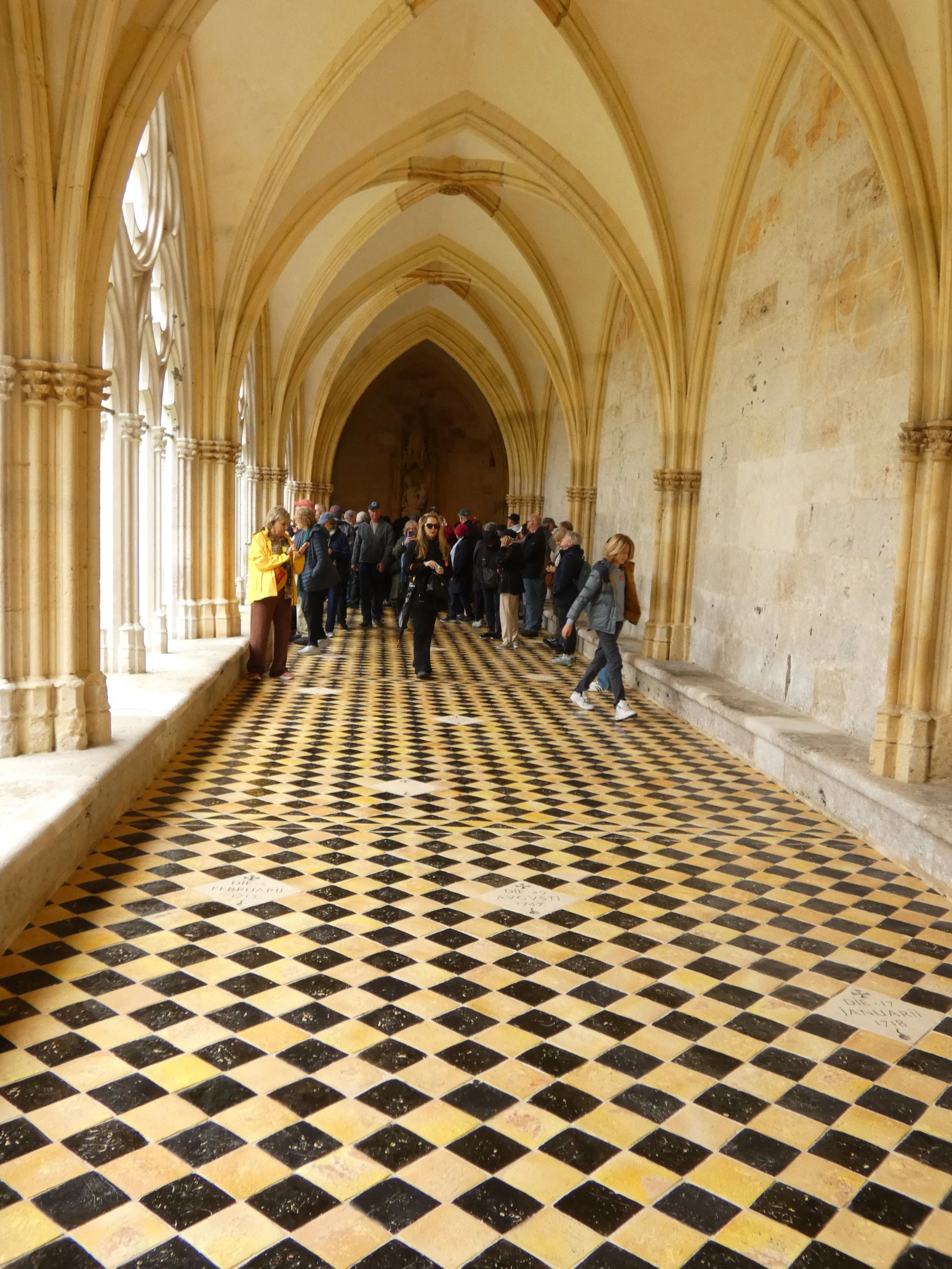
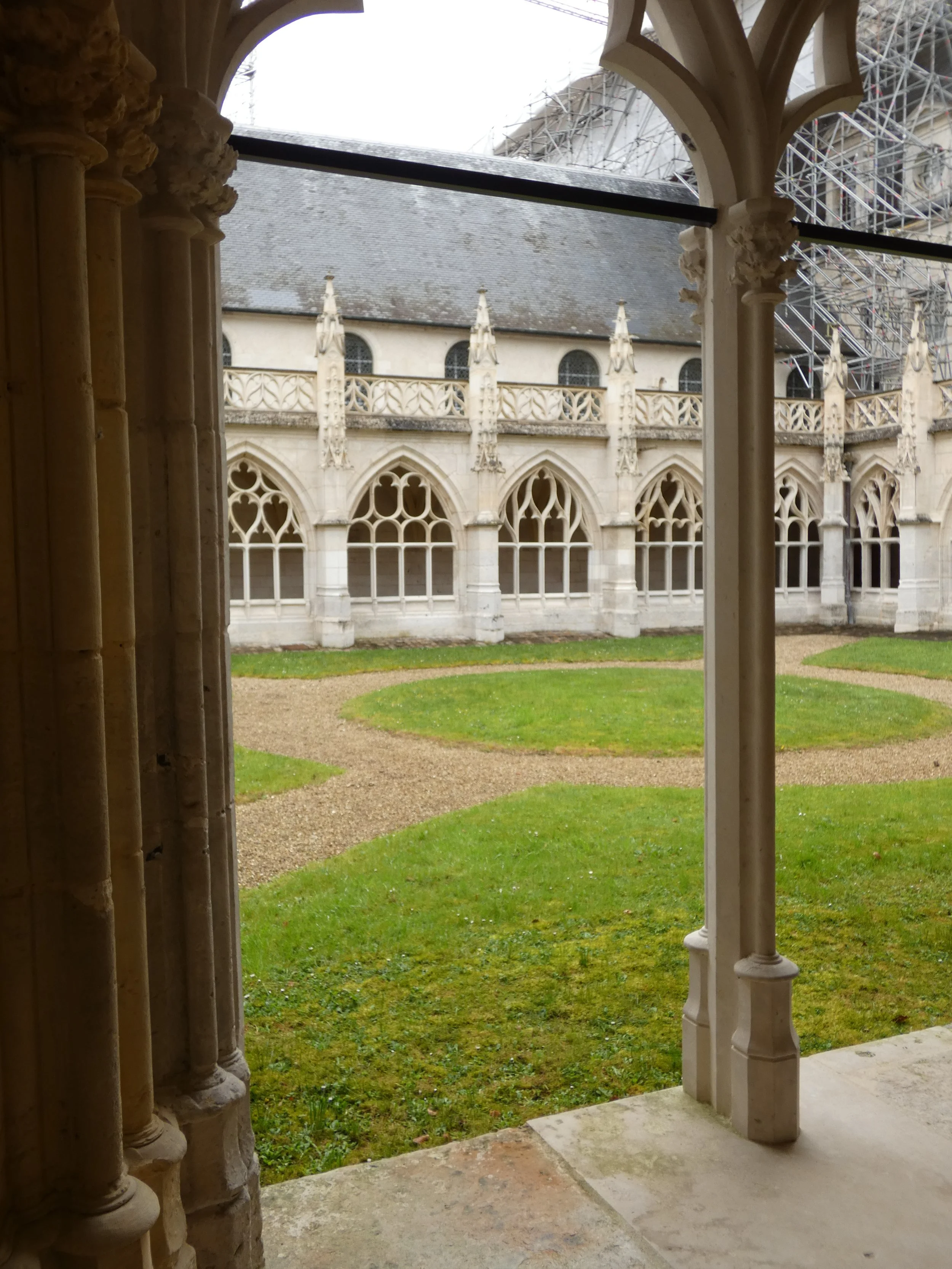
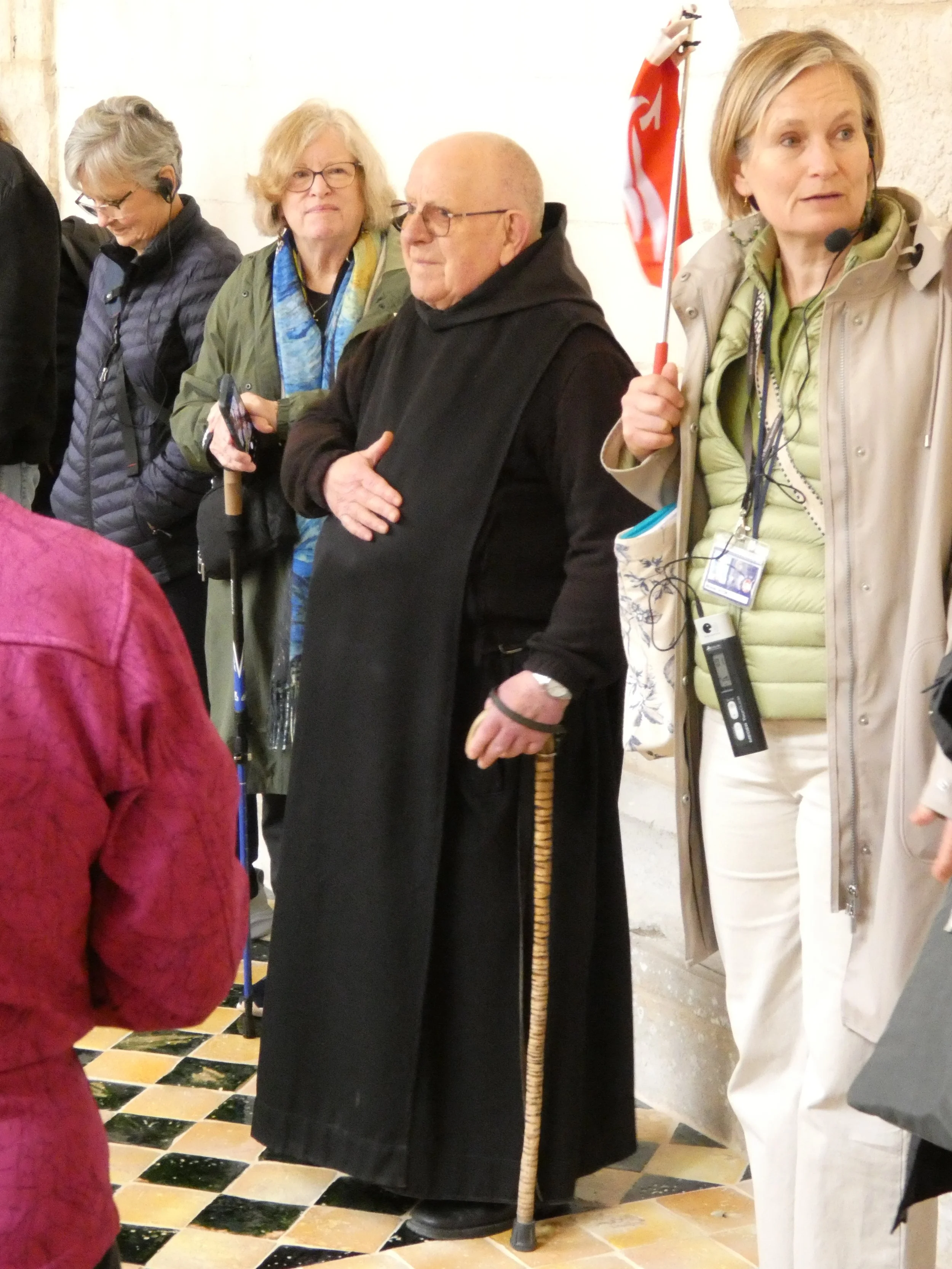
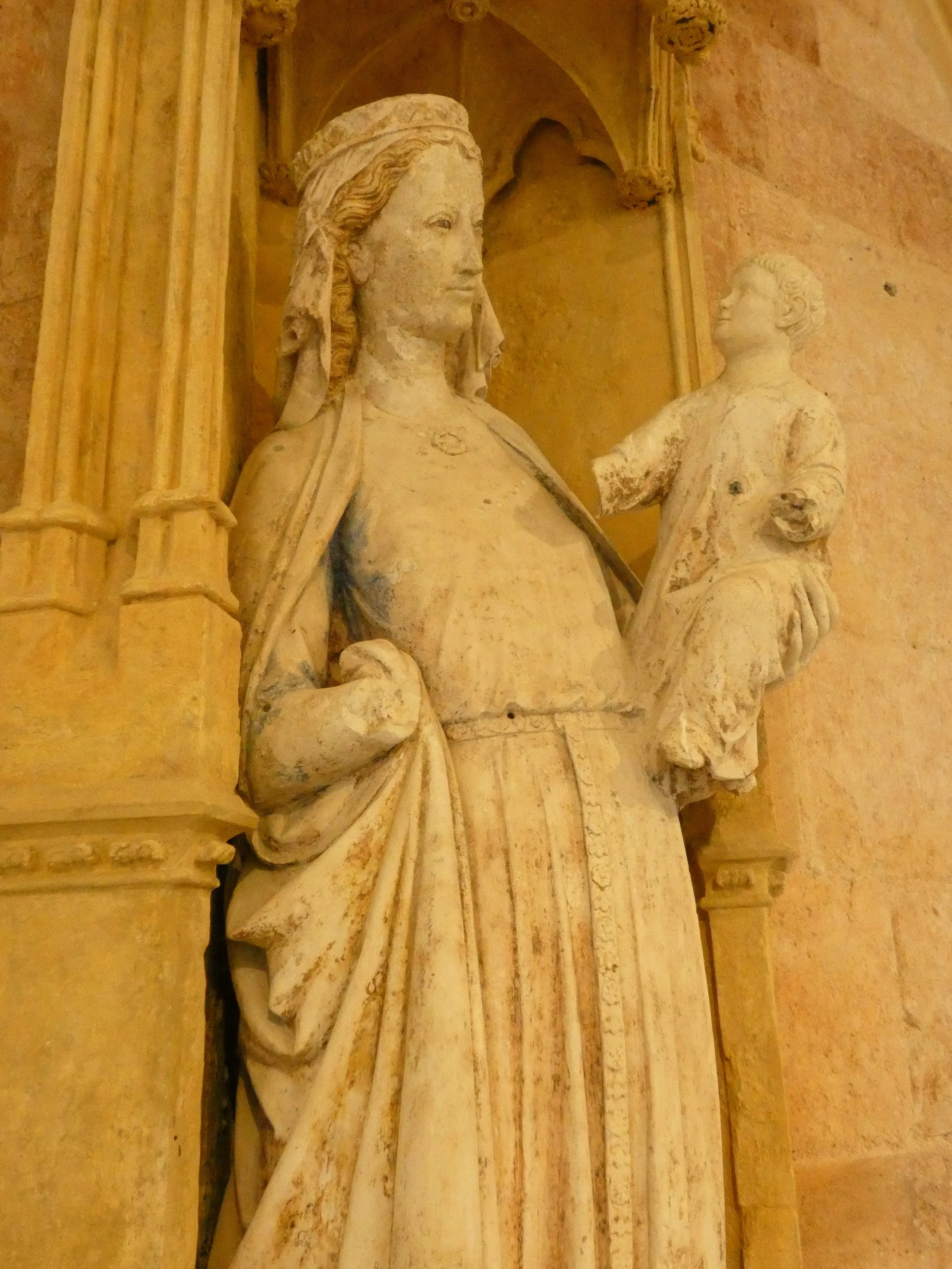
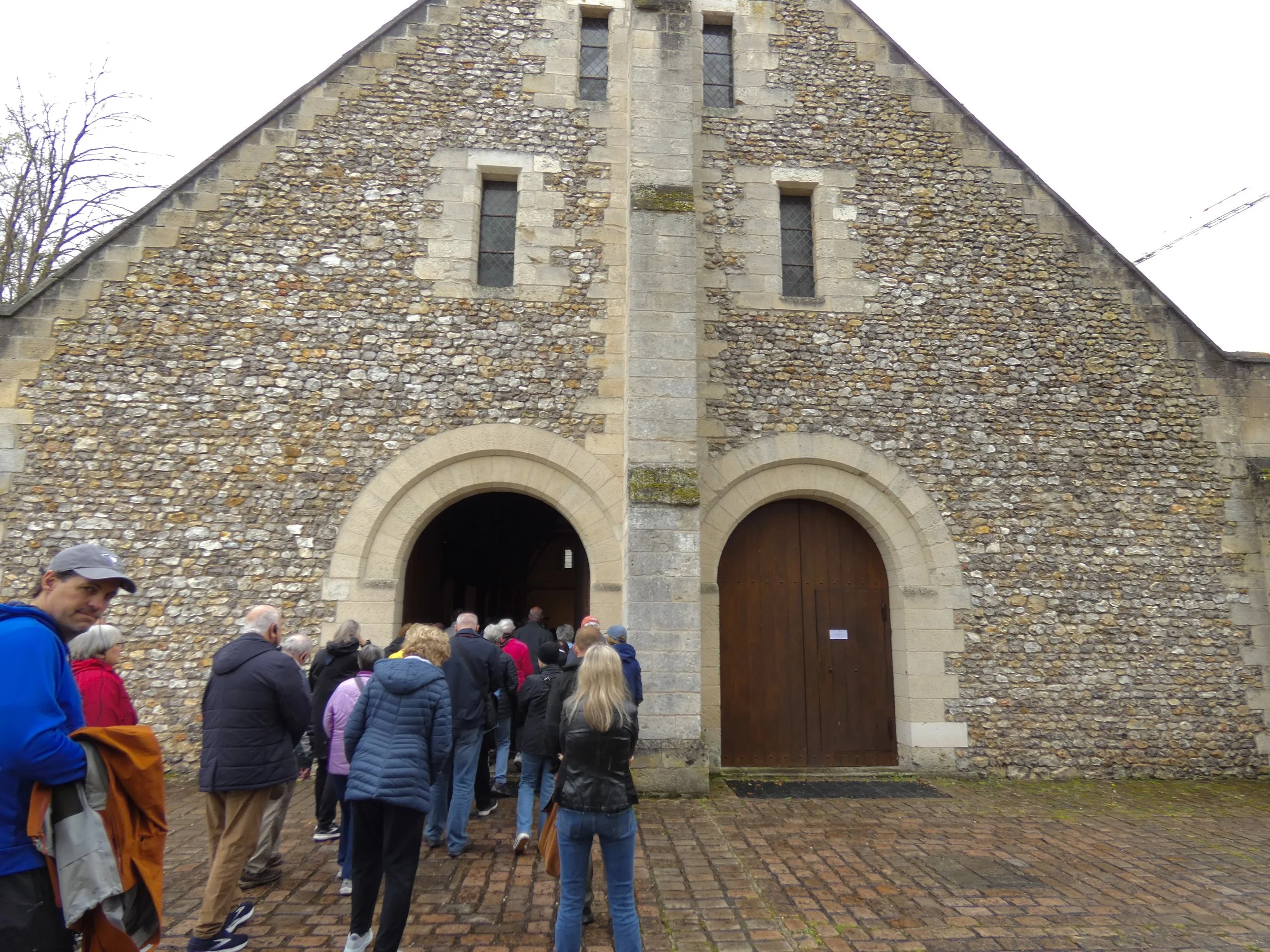
Our tour of the Abbey was led by one of the resident monks, who spoke in French, which our guide translated. He showed us wing after courtyard, chapel after nave, reciting the date of each, most around 1400, give or take 300 years. Enough to make your head spin.
The highlight of the day was when one of our number asked, "If silence is one of your virtues, how do you justify singing and selling CDs?" Our monk, a jolly-seeming man of a certain age who wears hearing aids, was obviously hoping someone would ask that question.
“What is silence?" he asked in return. After much fumbling around the monk answered, "Silence is the absence of words that need not be spoken. Commands, words of worship and singing don't violate the oath of silence but everything else is just noise and is prohibited.
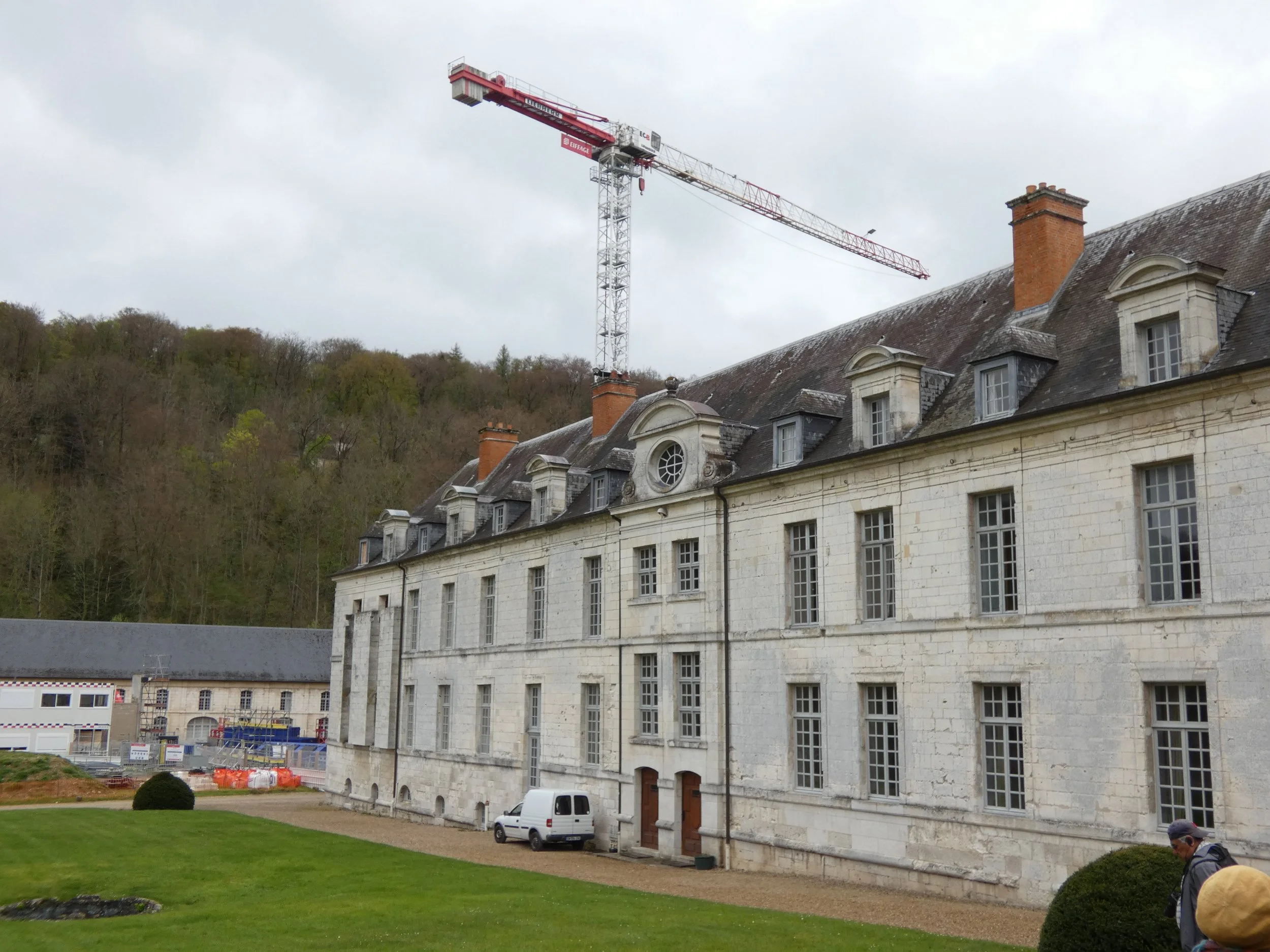
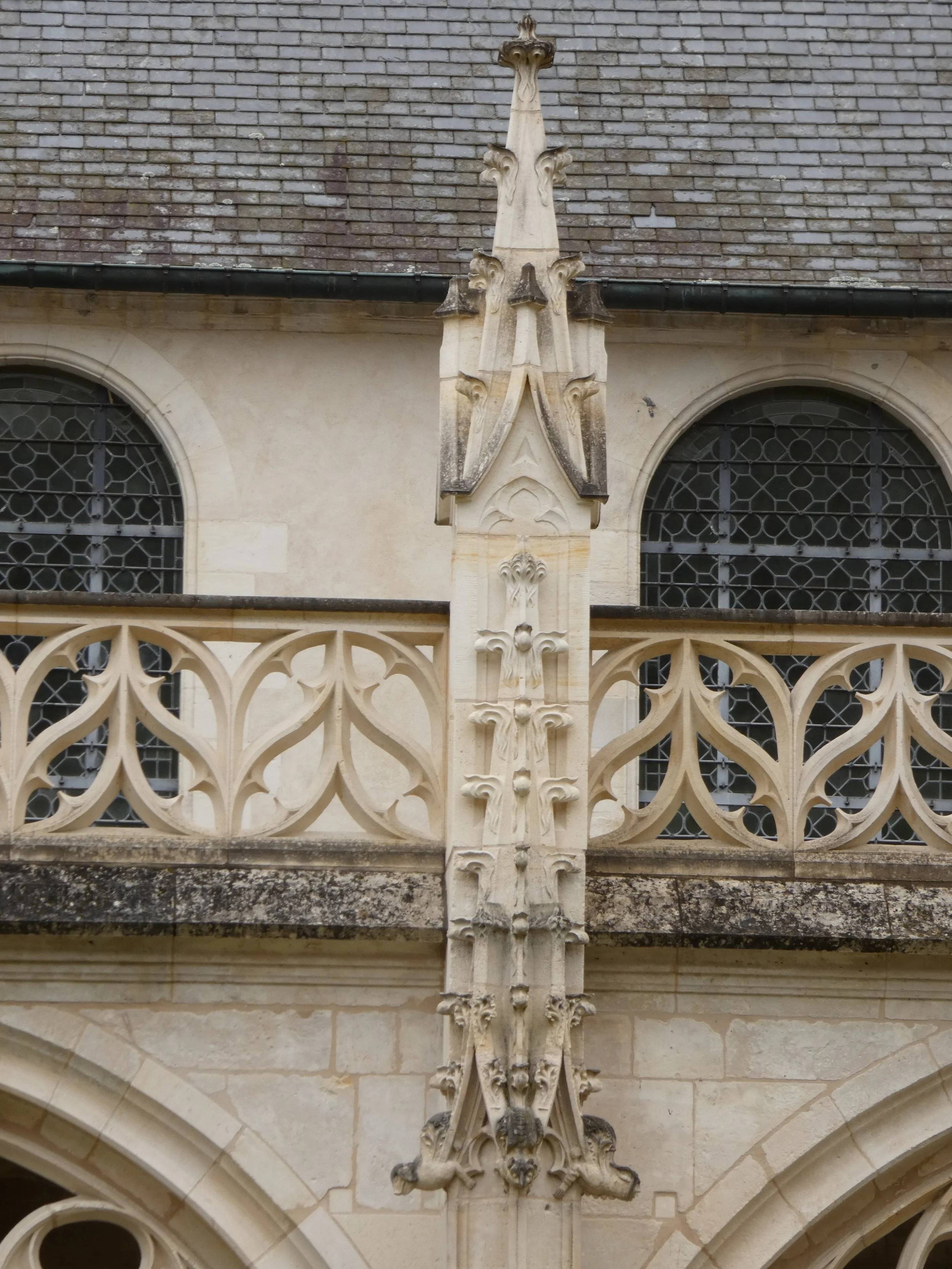
A major reconstruction project Is underway, including a crane tall enough to build a 20-story Marriott. Our guide, after Brother what's-his-name was out of earshot, was aghast to hear that poured concrete is being used in the restoration rather than cut stone that was used in the original. The work is being financed by a foundation and government grants.
The Abbey’s 28 resident monks range in age from 25 to 97. To become a monk, one must first live a year with the monks to see what life is like. Next follows seven years of study after which the monks of the Abbey vote to admit the novice or not.
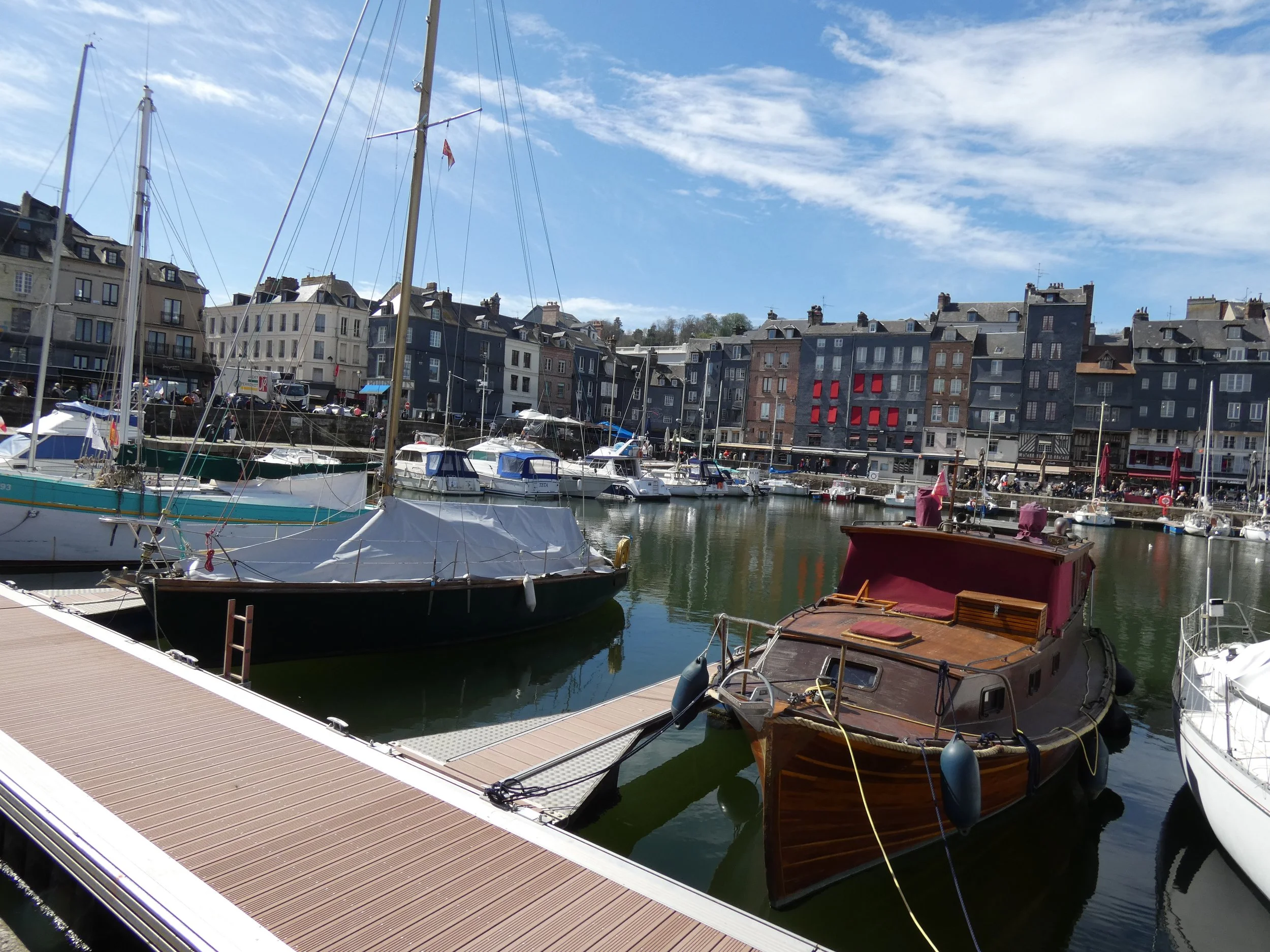
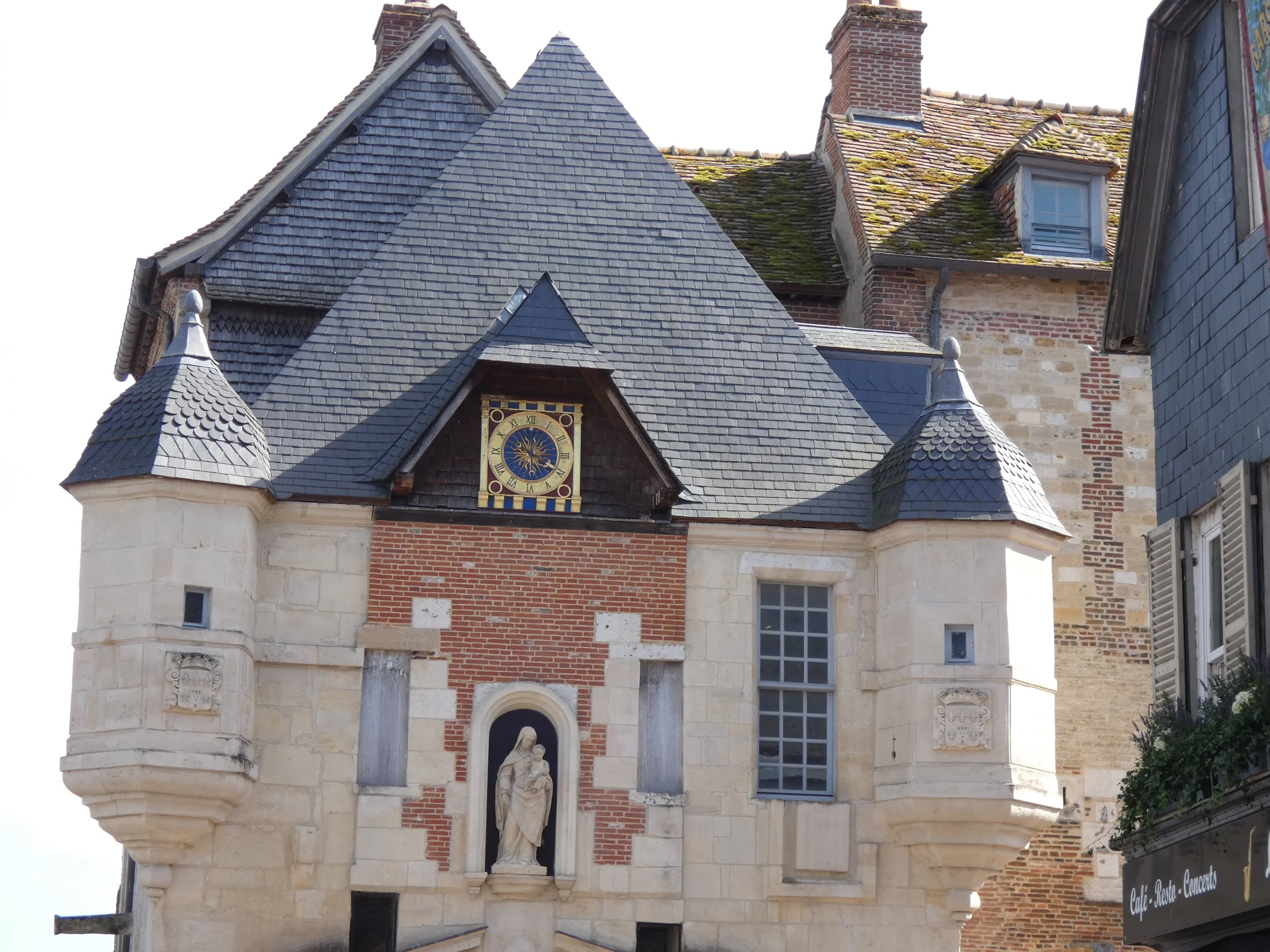
We returned to the ship in time for a quick but cruise-boat-plentiful lunch before reporting to the bus for a 45-minute drive to Honfleur at the mouth of the Seine where it empties into the English Channel.
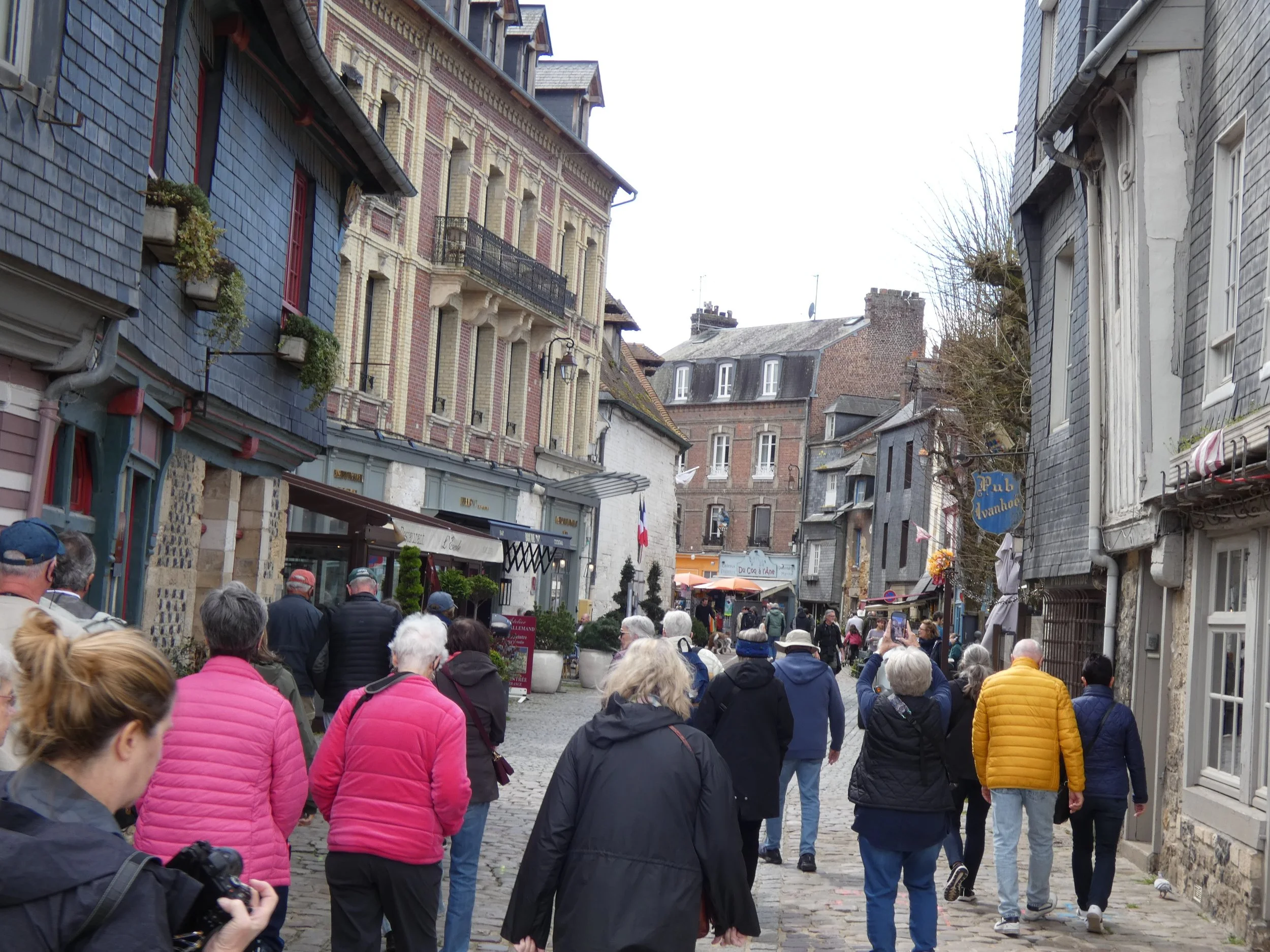
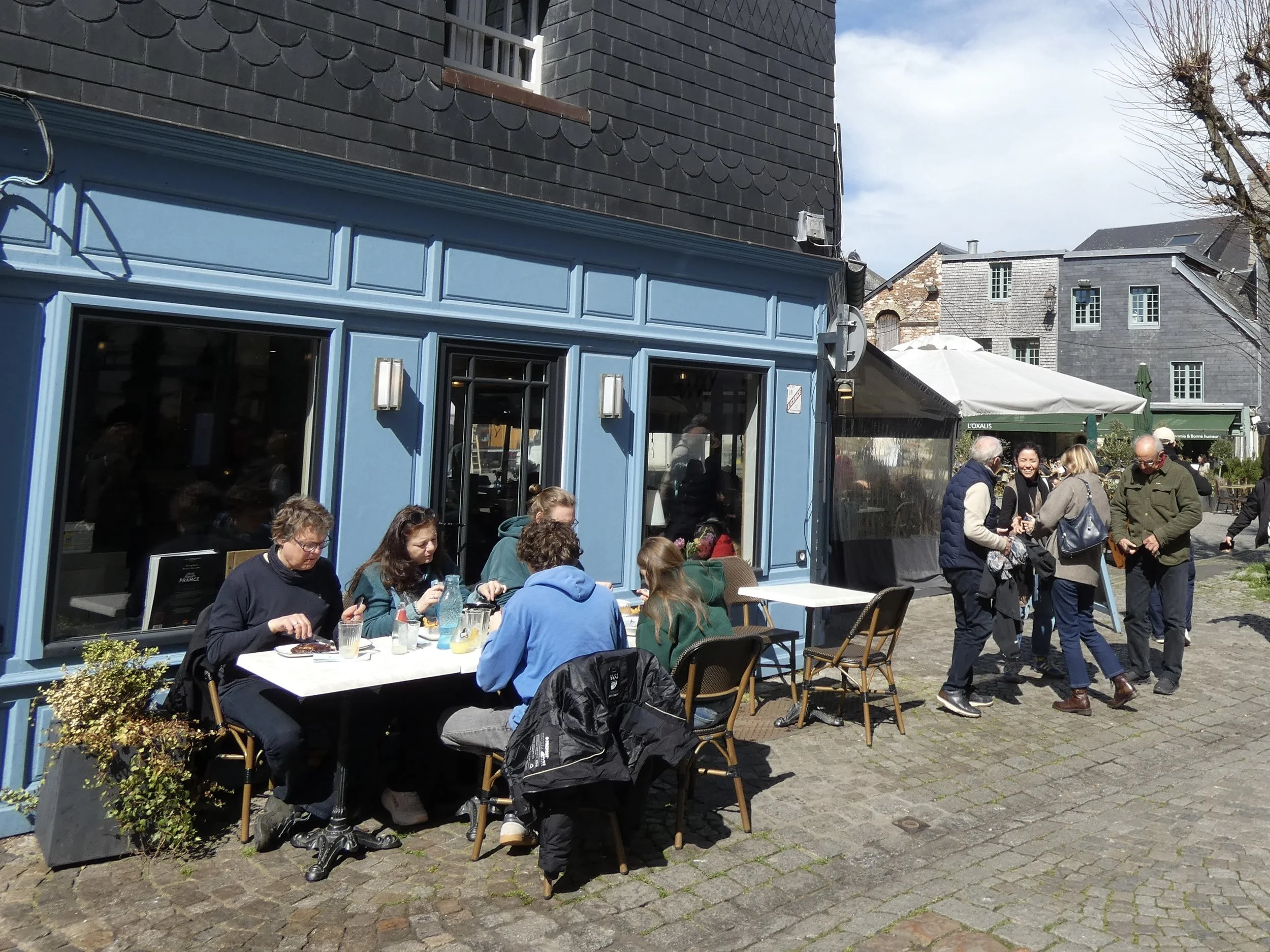
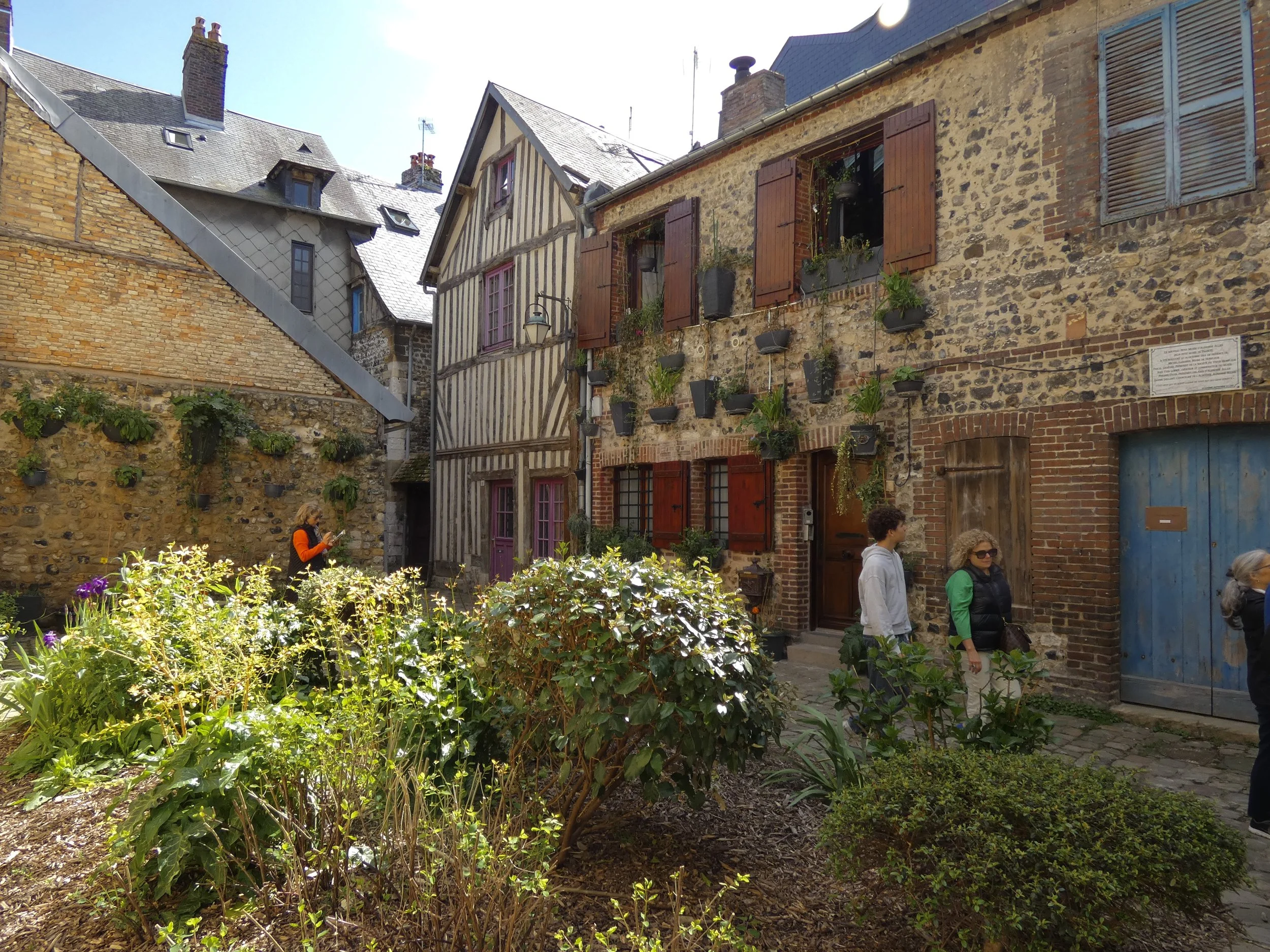
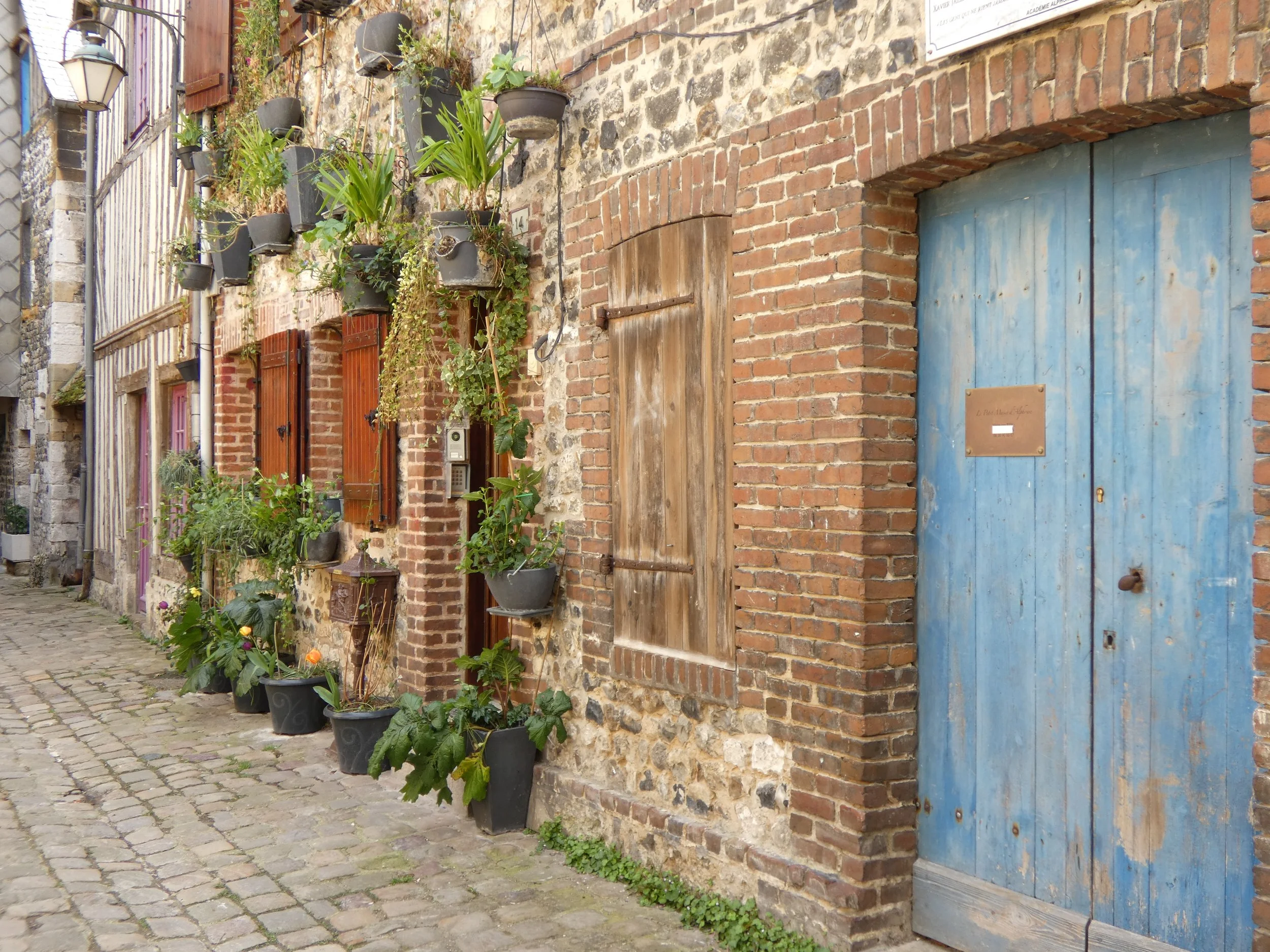
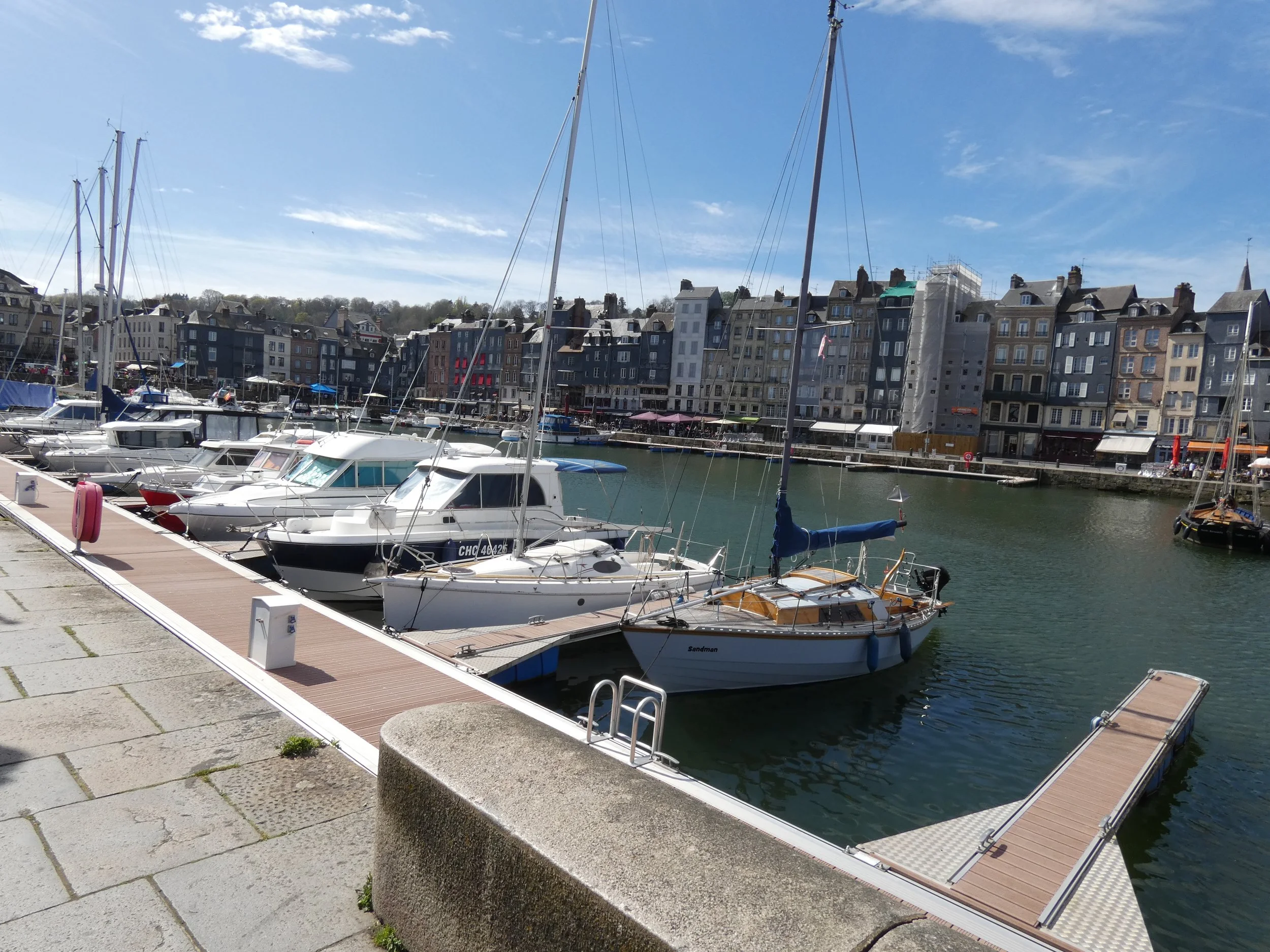
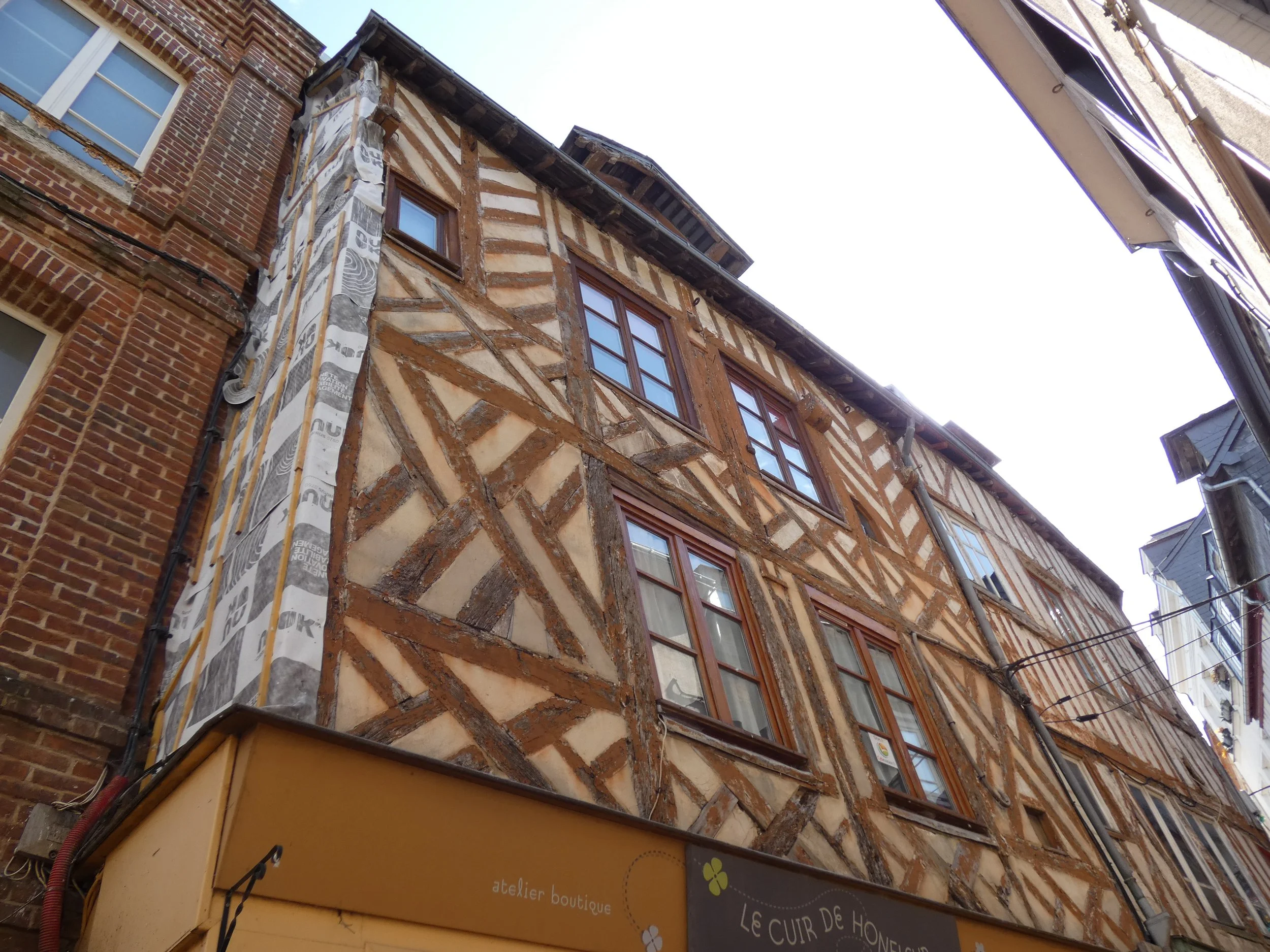
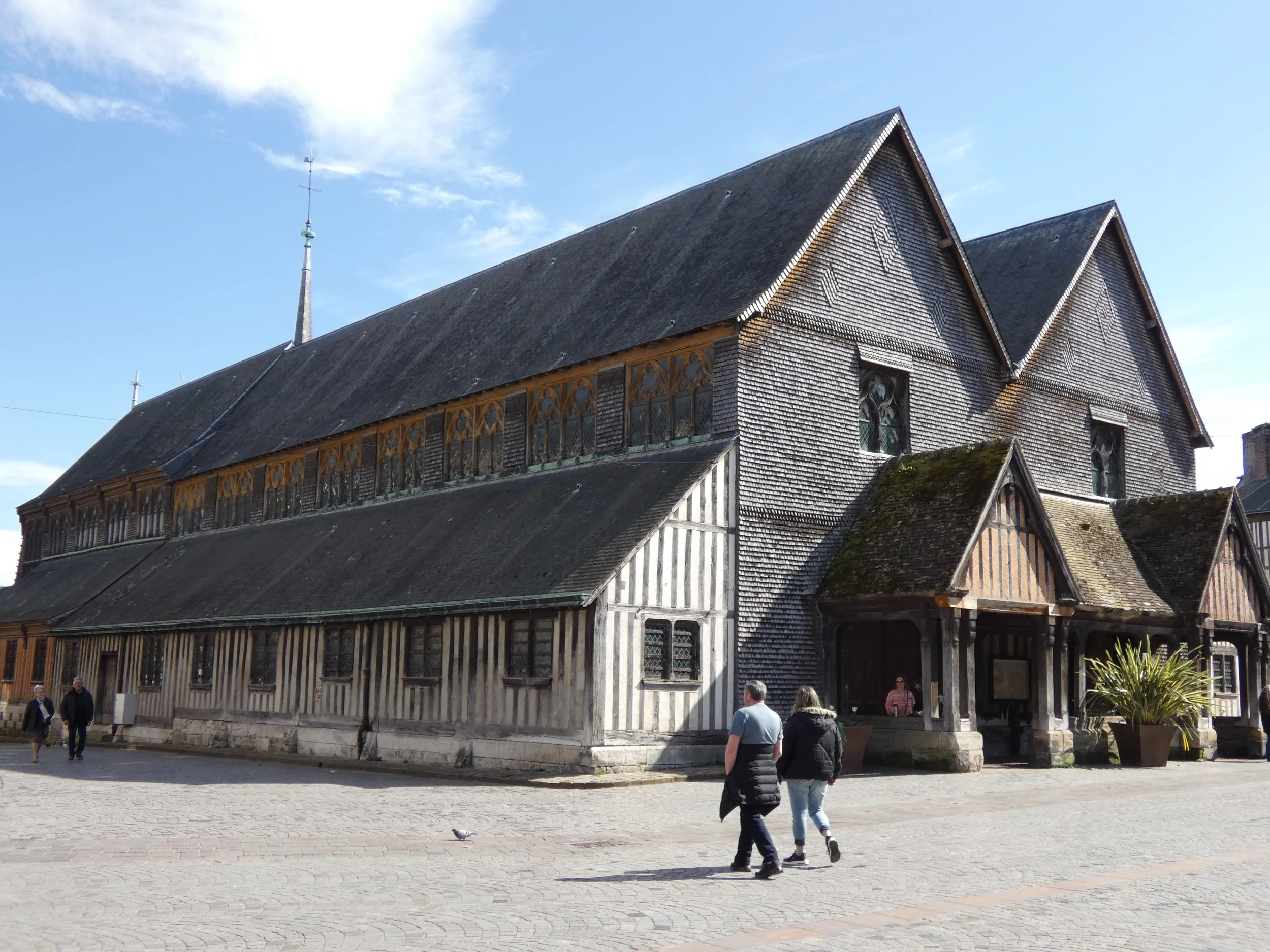
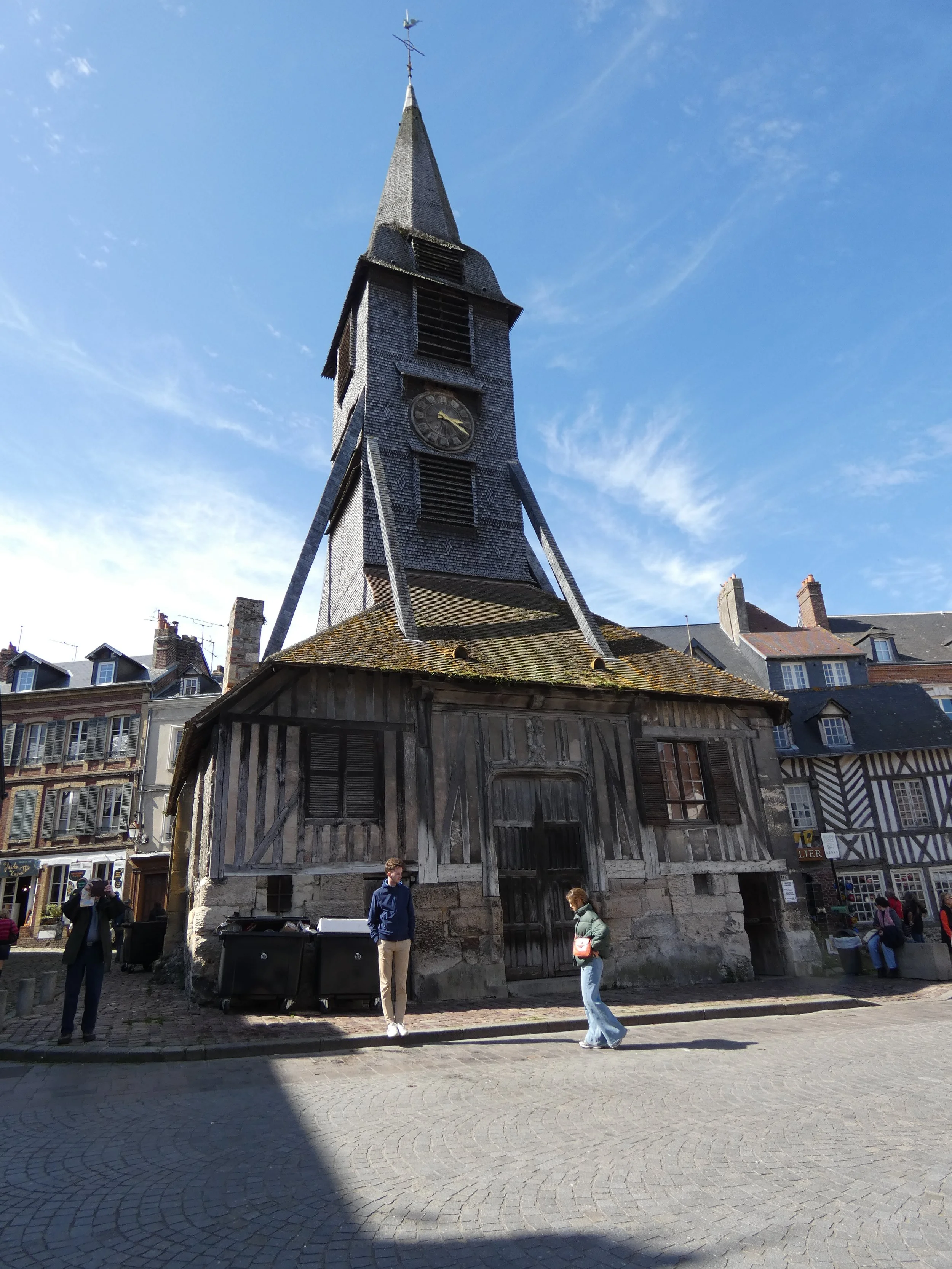
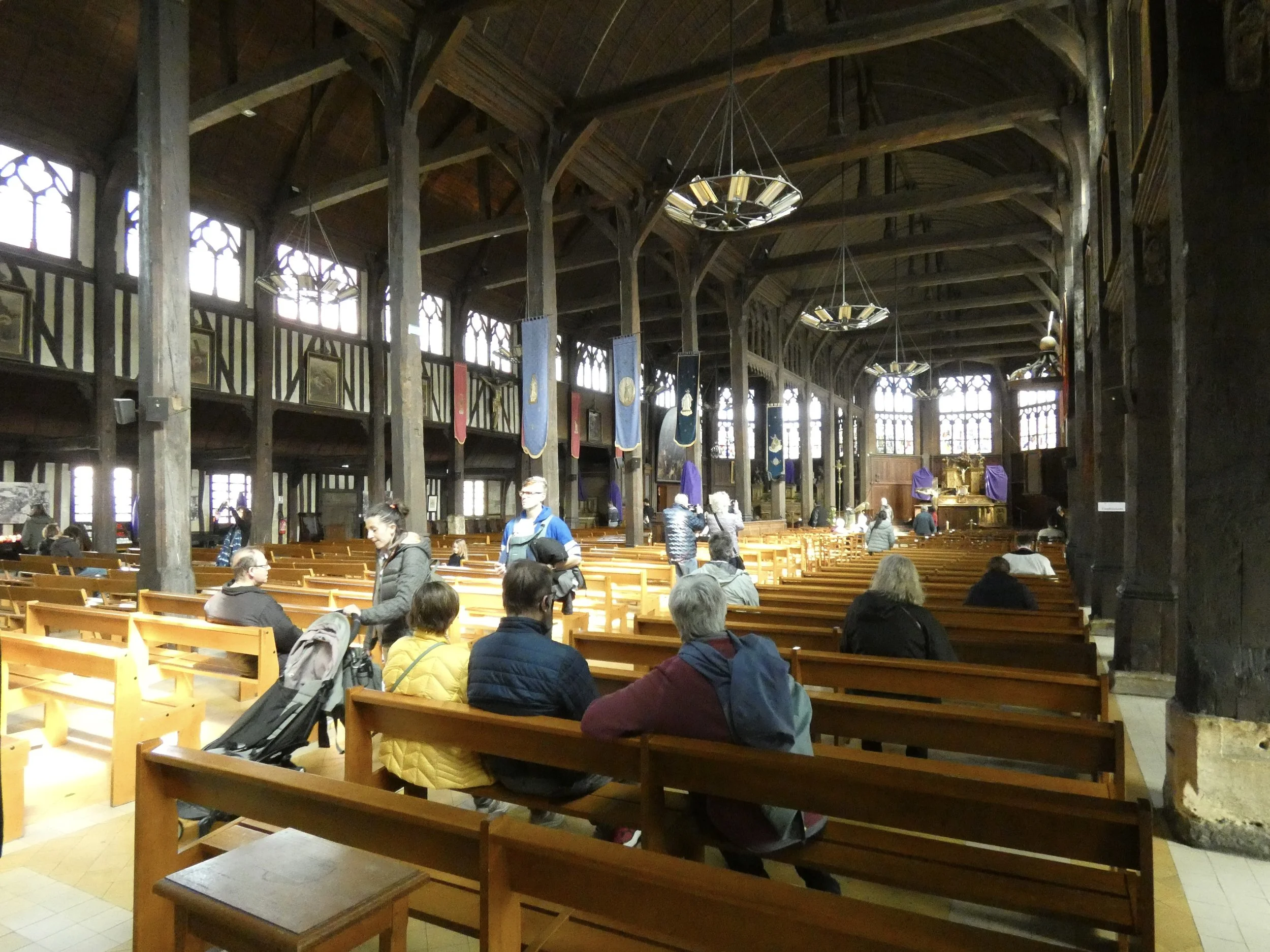
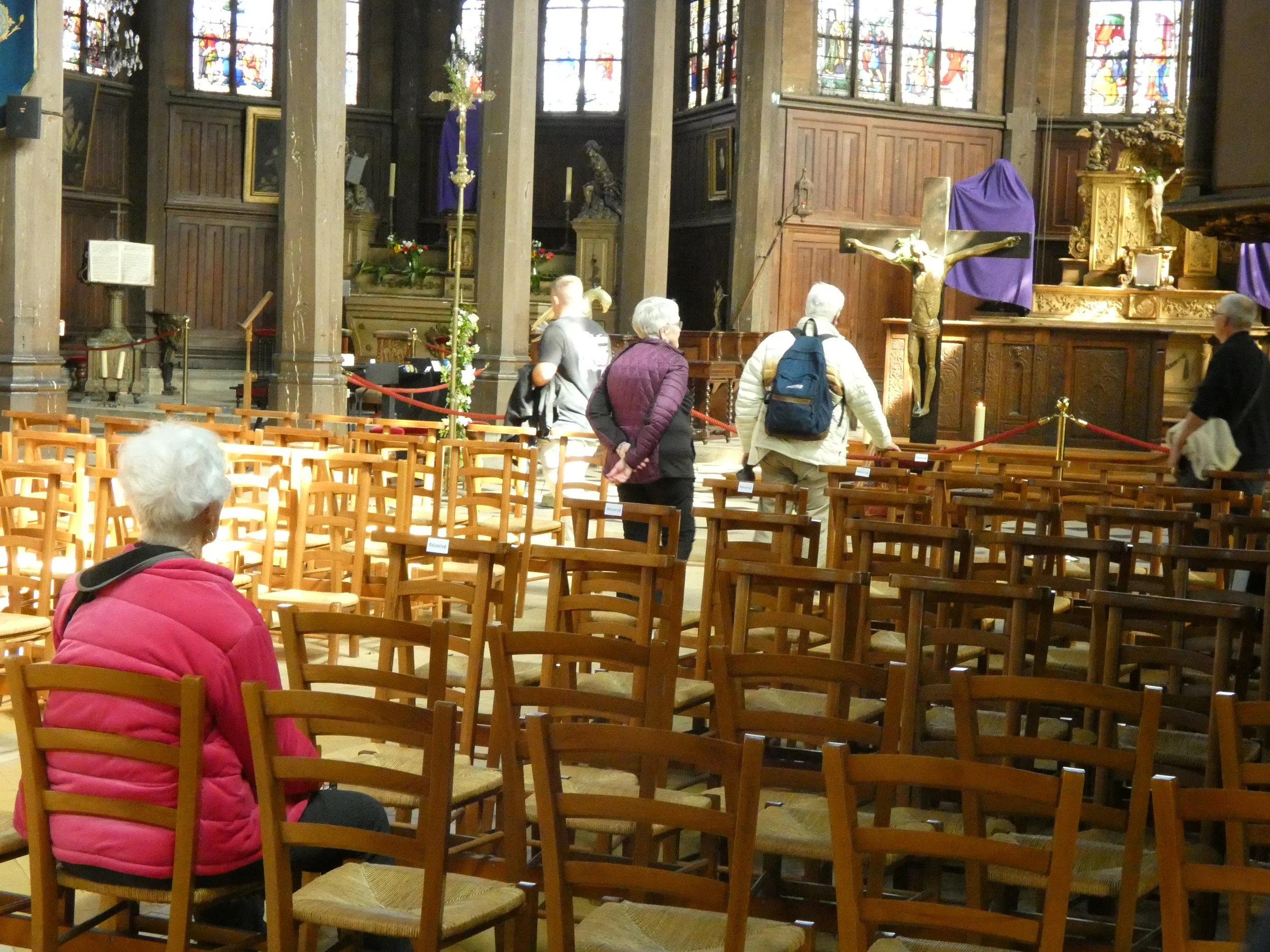
Honfleur is the home of the composer Eric Satee and where Impressionism got its start. Claude Monet was introduced to en plein air painting for which he became famous. But that didn’t stop him from setting up his easel in the lingerie shop to paint the Rouen cathedral.
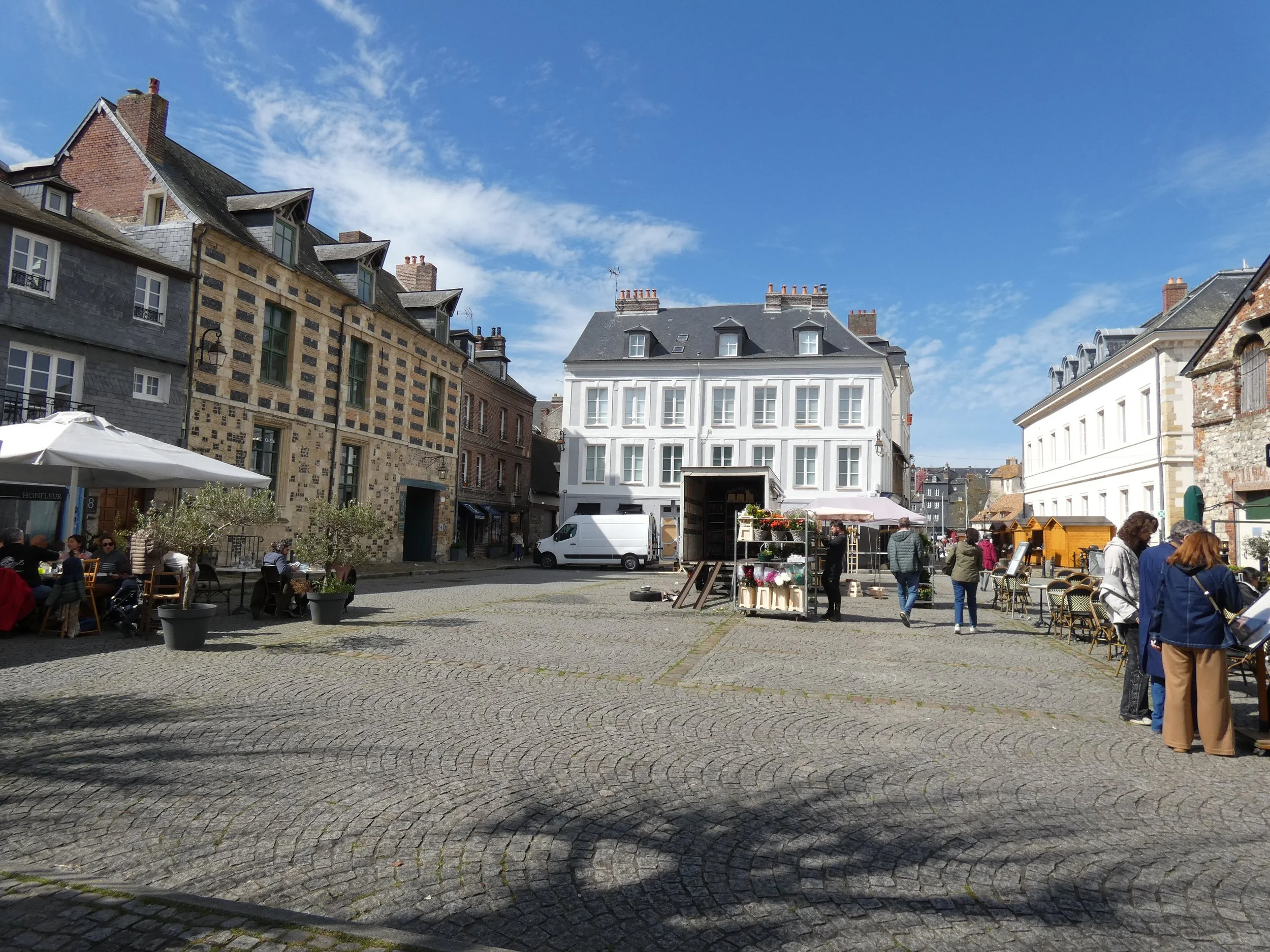
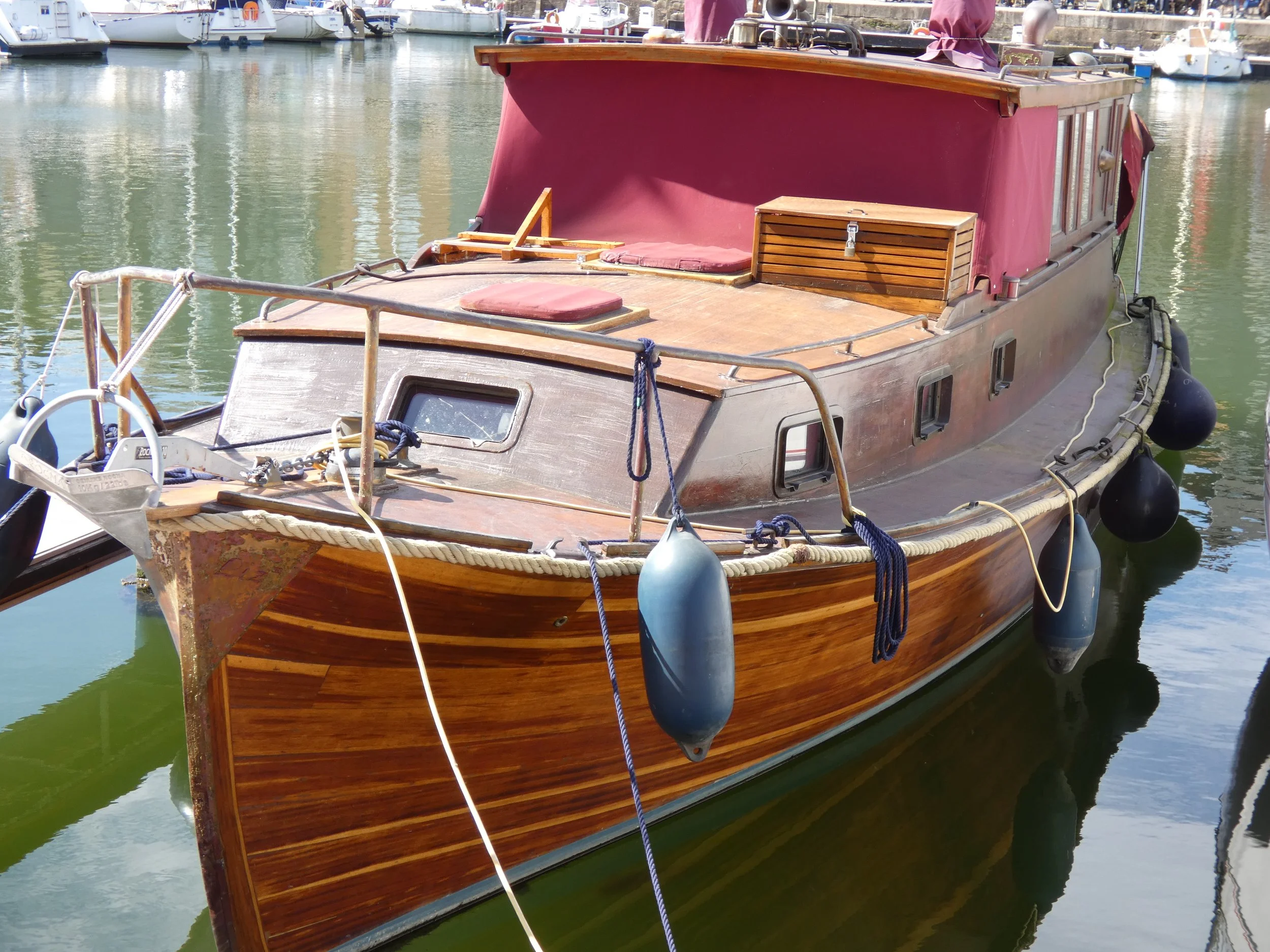
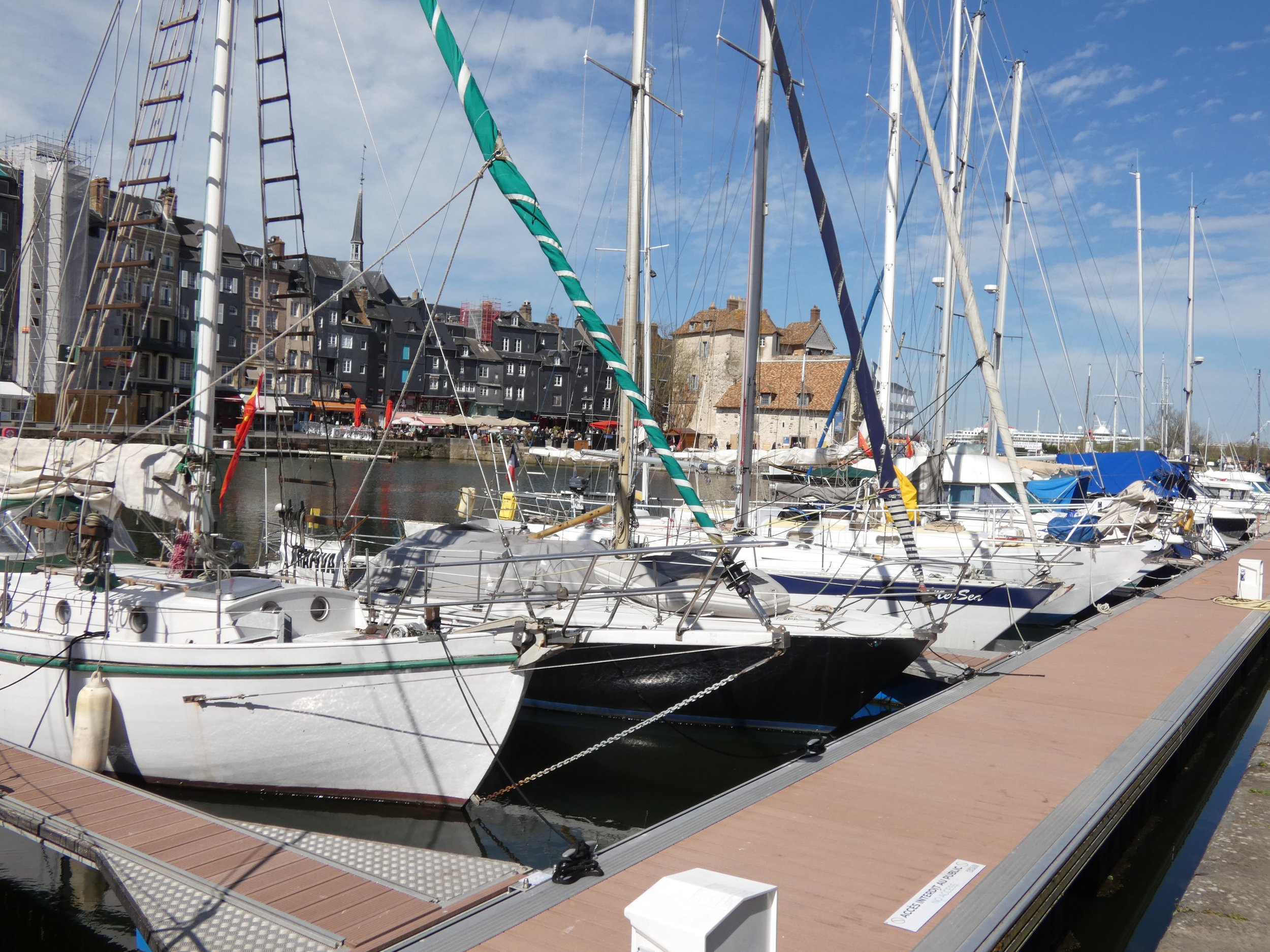
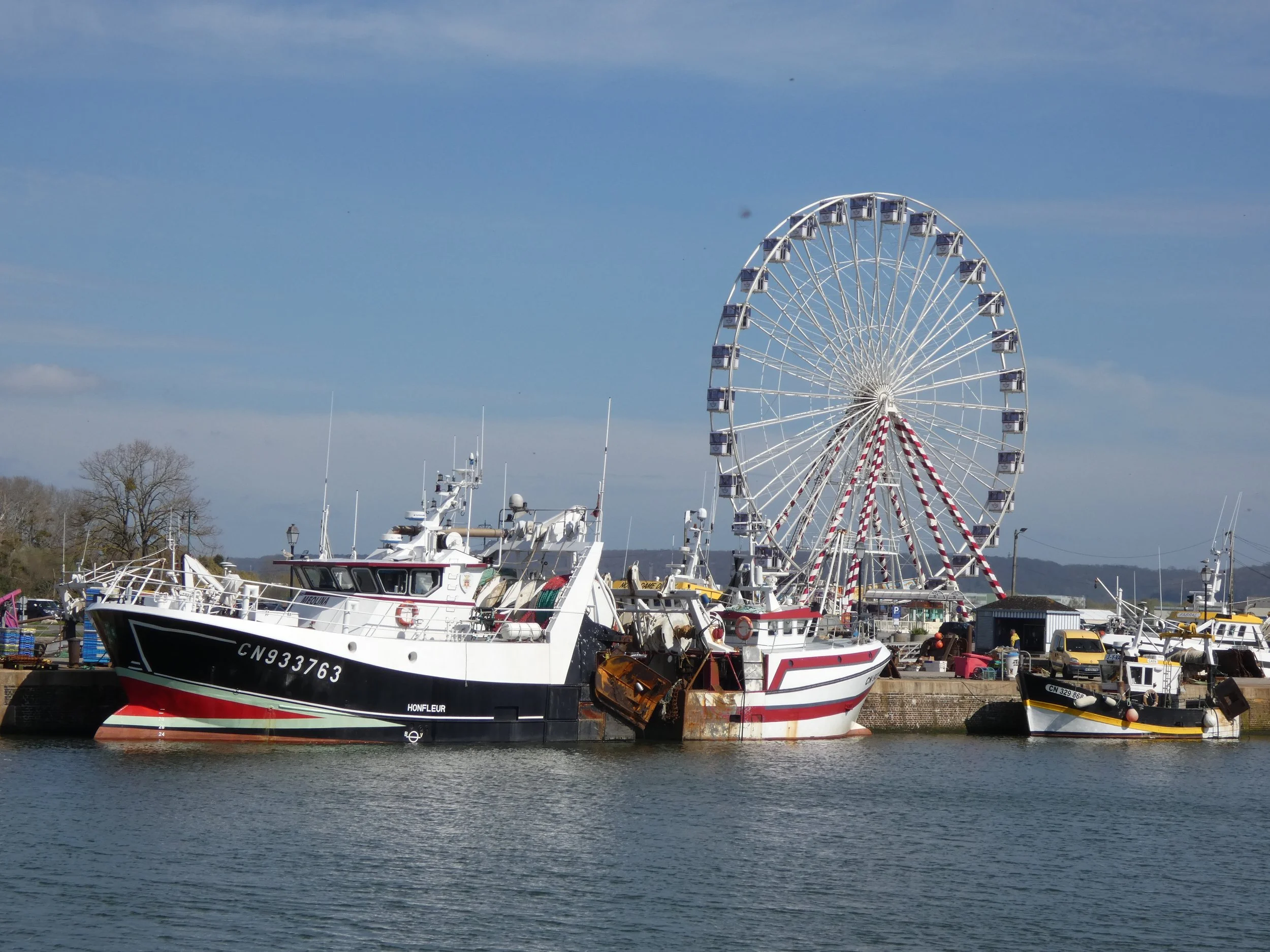
Honfleur’s claim to fame has always been its position at the Seine estuary, setting it up as an important port for trade with first England and then Canada (cod from Newfoundland).
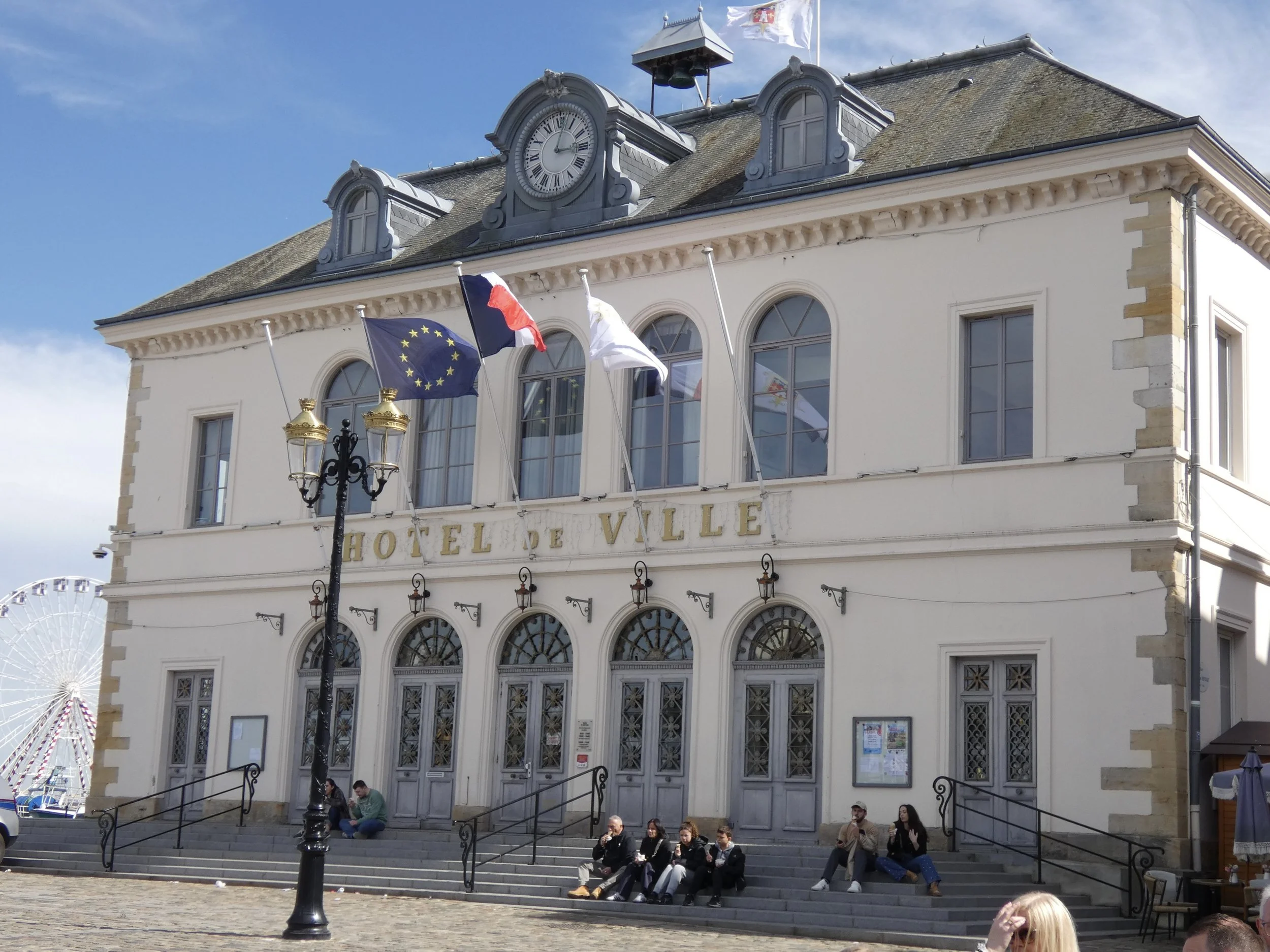
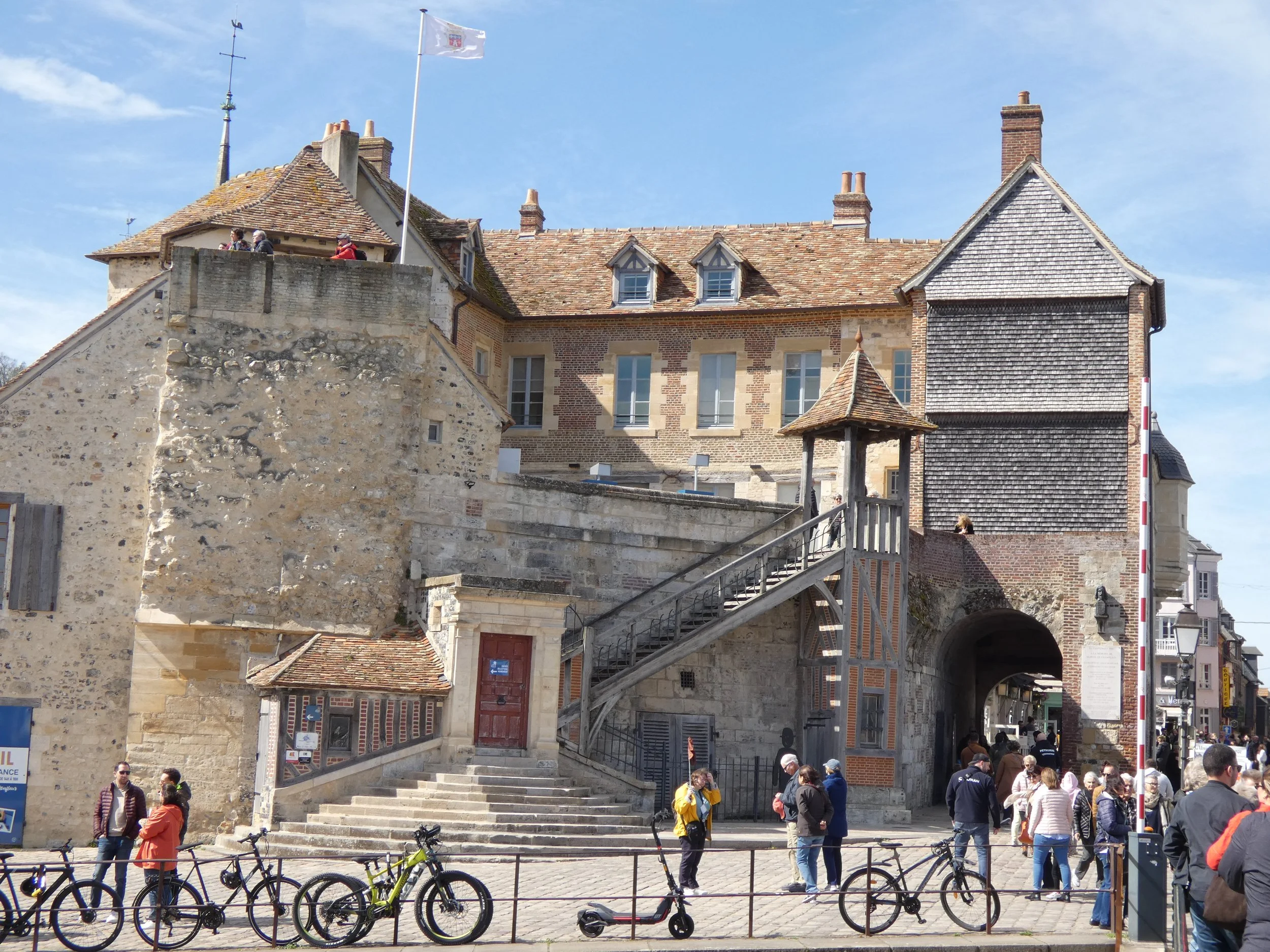
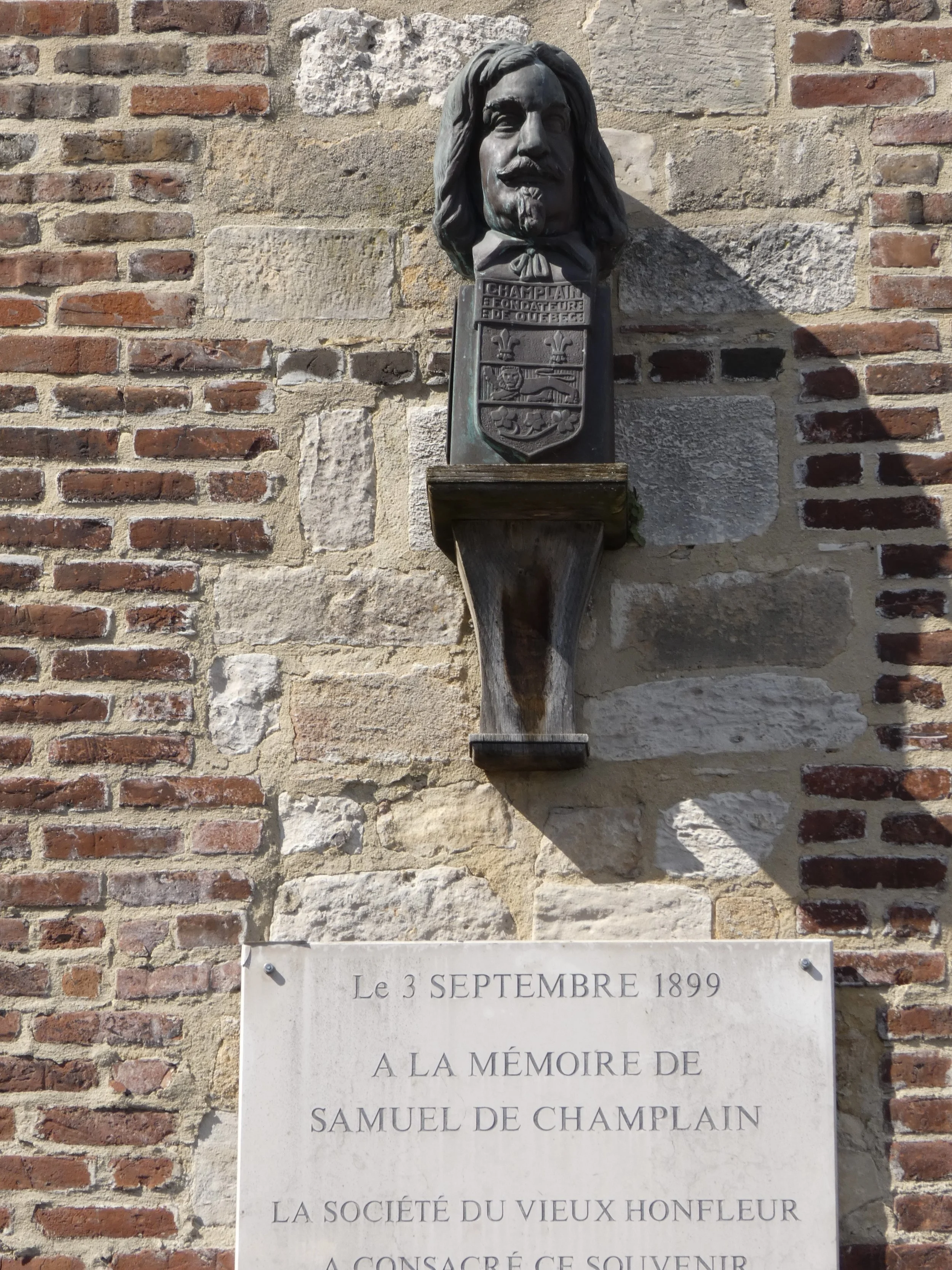
Control of Honfleur bounced between the English and French during the 100 Years War. At the time of the French Revolution and the costal blockade at the beginning of the 19th century, trade was halted. The port silted up and Le Havre across the river took over as the principle port. Today the city center seems dedicated to serving oysters, shrimp and candy to tourists.
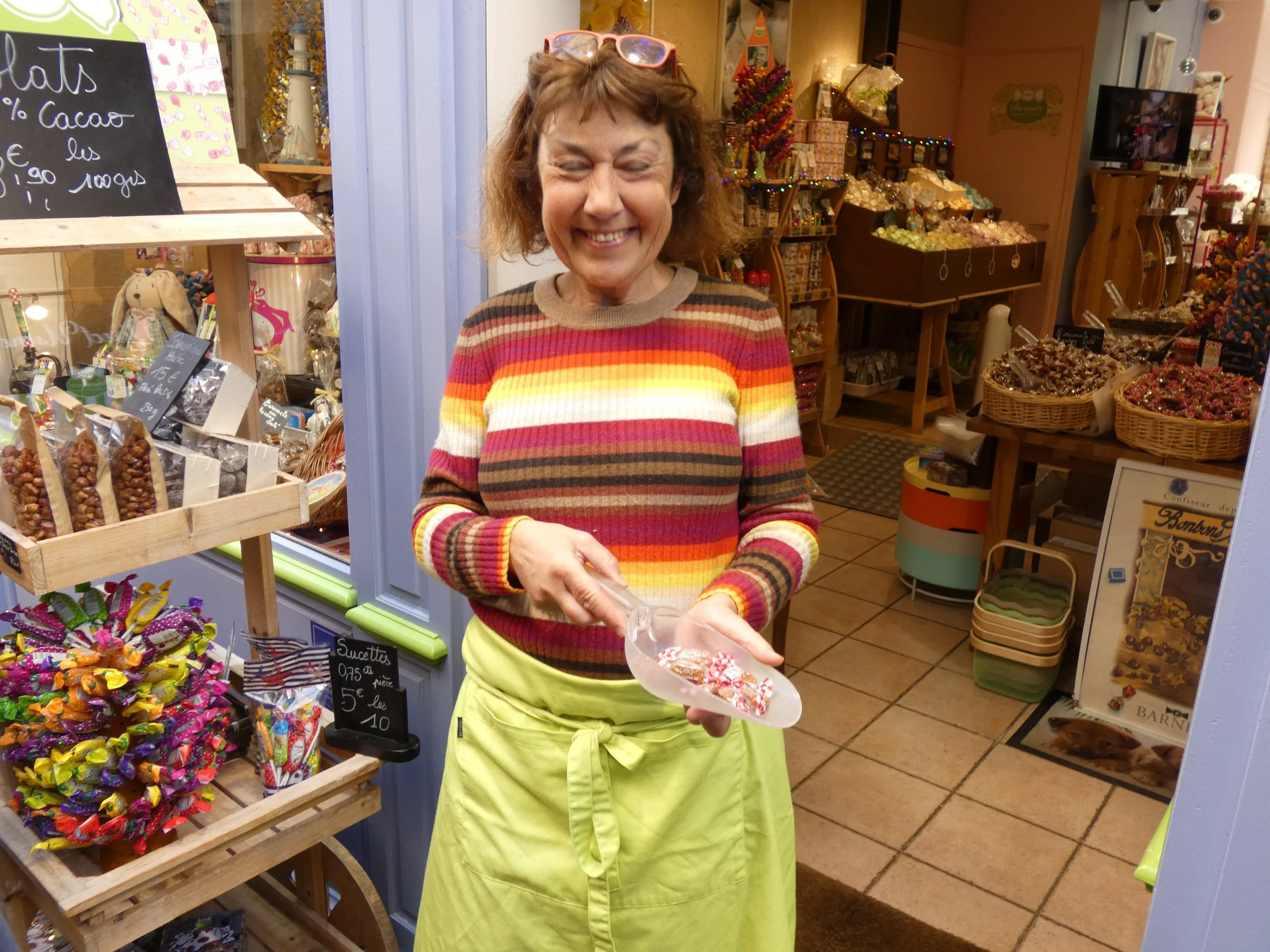
A candy shop lady came out on the street and offered us each a piece of local salted caramel candy. Guess what we bought on our way back to the bus? "Early to bed, early to rise, polish your shoes and advertise." She read the book I read too.
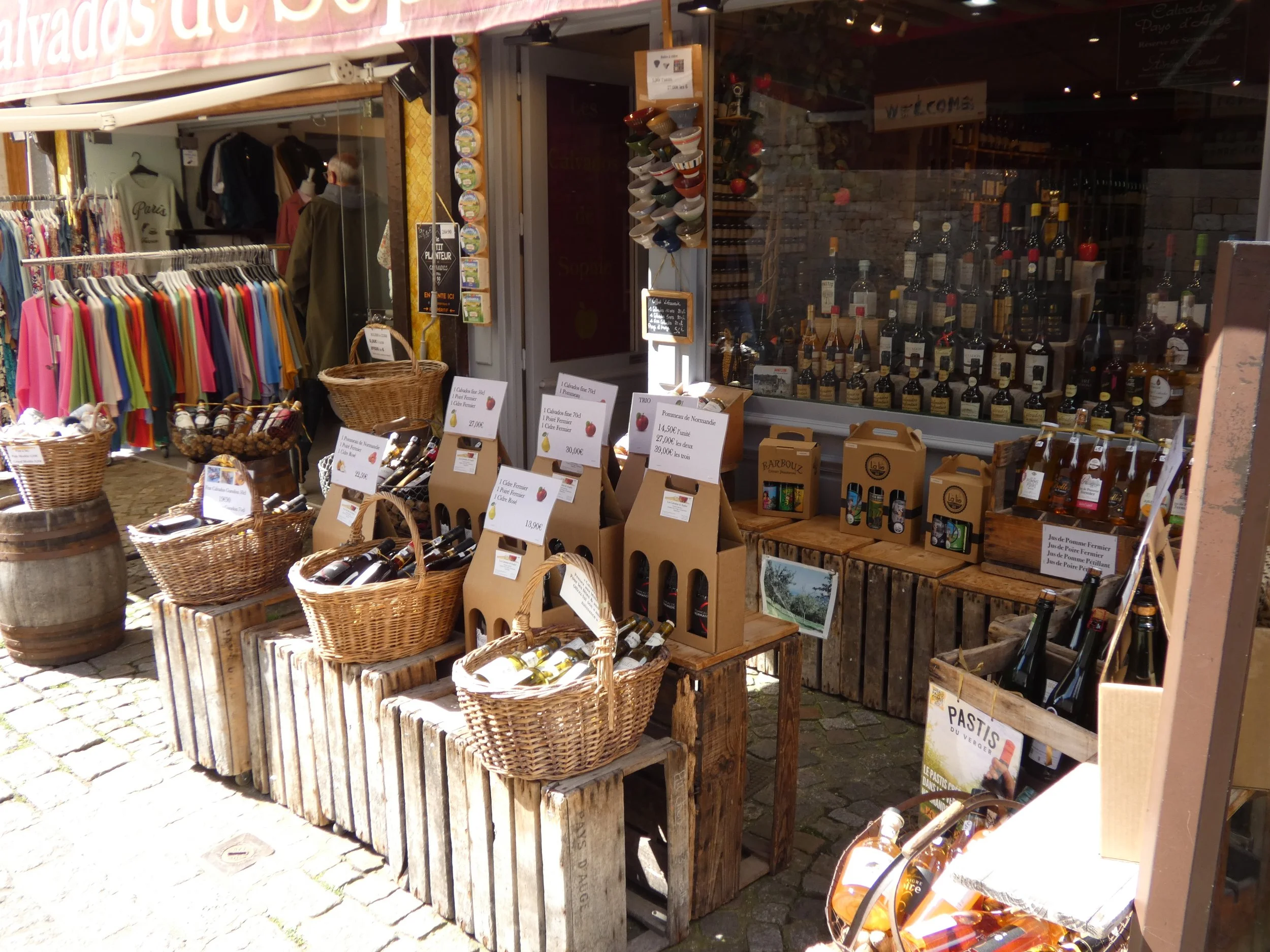
The Normandie region is known for Camembert cheese. Lots of dairy cows here on marshy land. The wine here was so poor they could only export it and sell it to Brits. They gave that up in 1500 and started growing fruit, especially apples for cider. Calvados, anyone?
Tomorrow we’re off to the East side of the Normandie peninsula to relive D Day at Pointe du Hoc, the American cemetery and Omaha Beach.