France Day 5 – 4/3/2026 — Jon the Lionheart
Judy and I did separate outings this morning. Before explaining the “Jon the Lionheart” thing, here first is Judy’s story; her pictures come first in the gallery:
AndelLesys
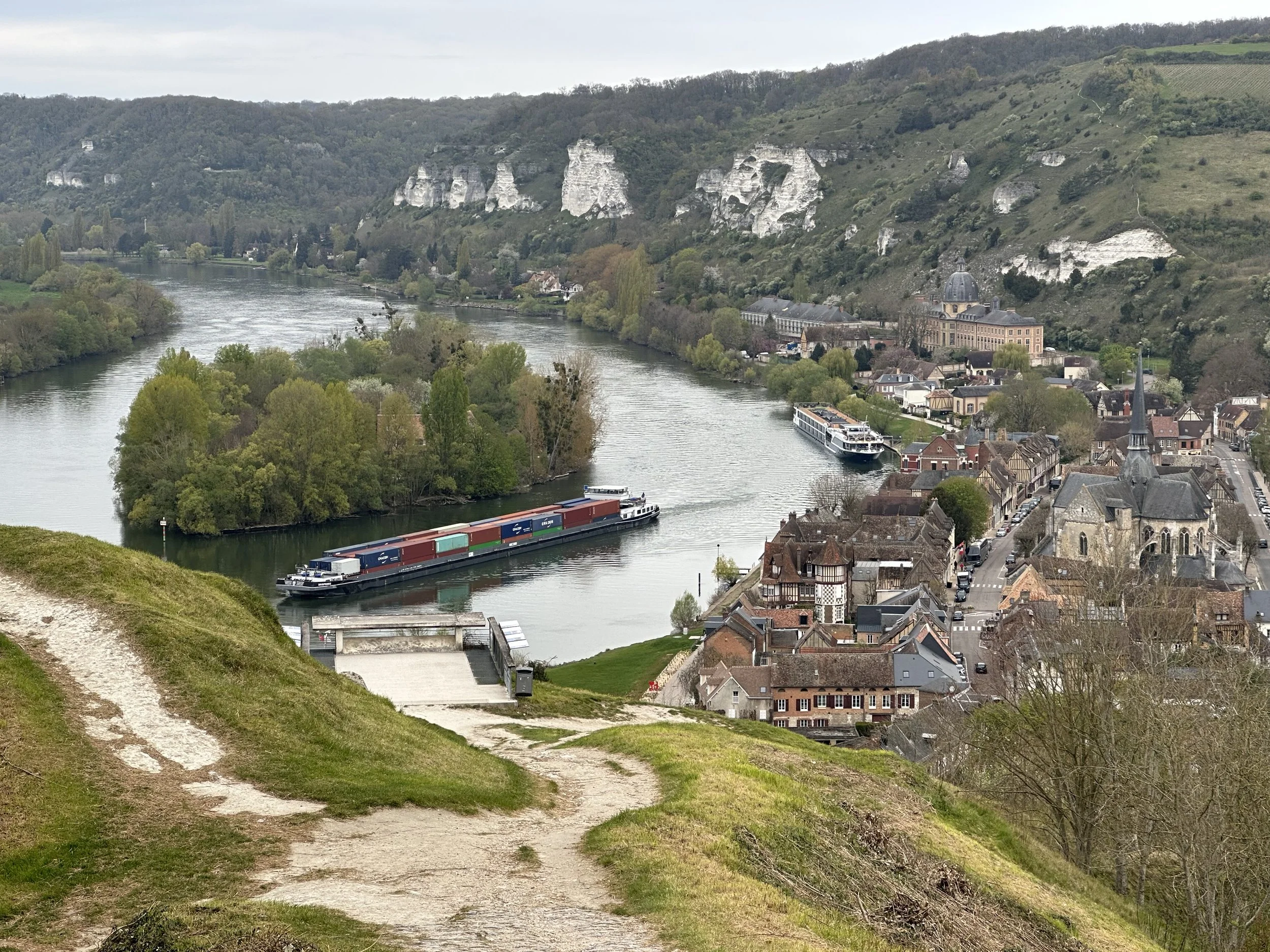
I loved this town!
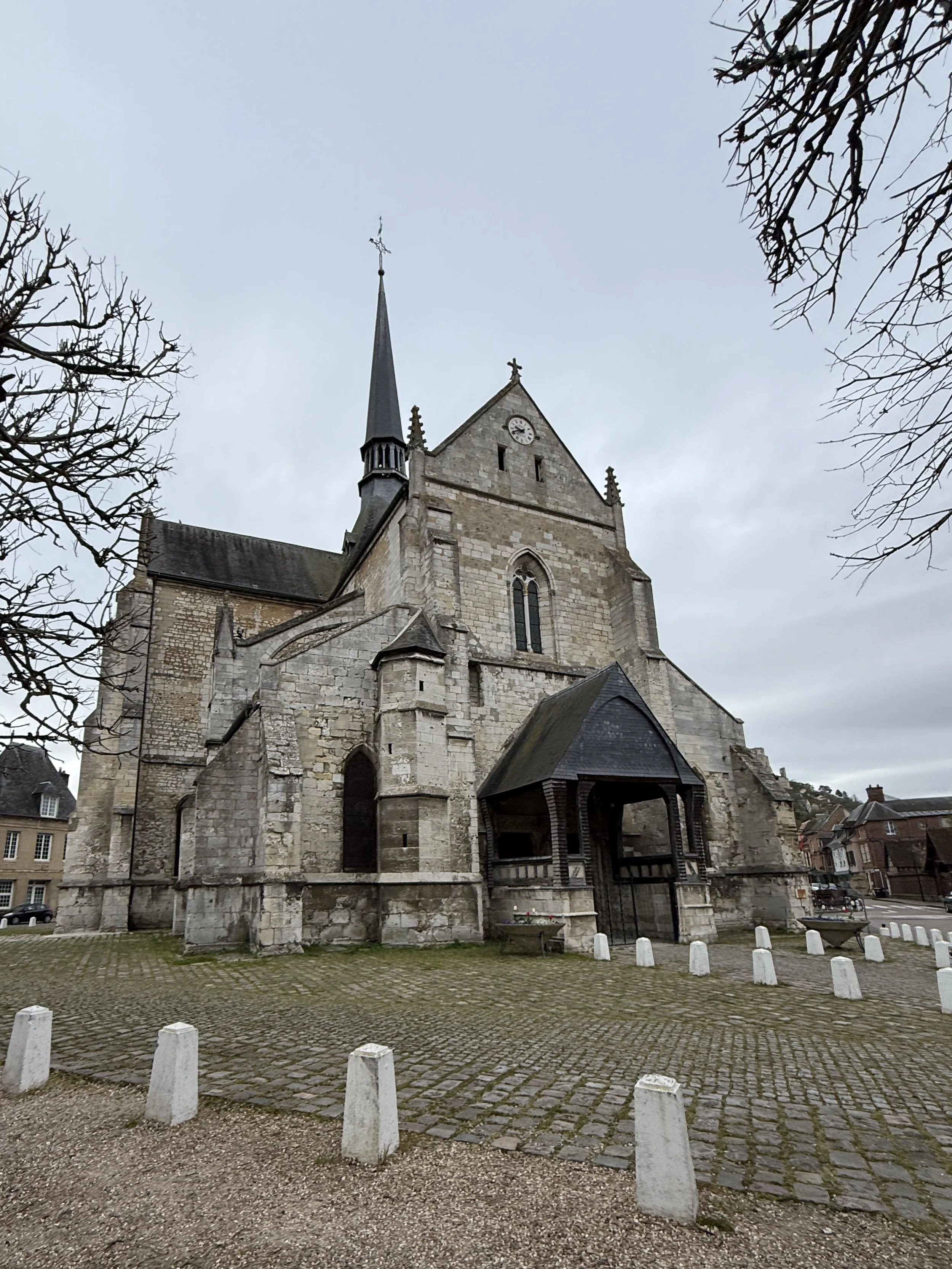
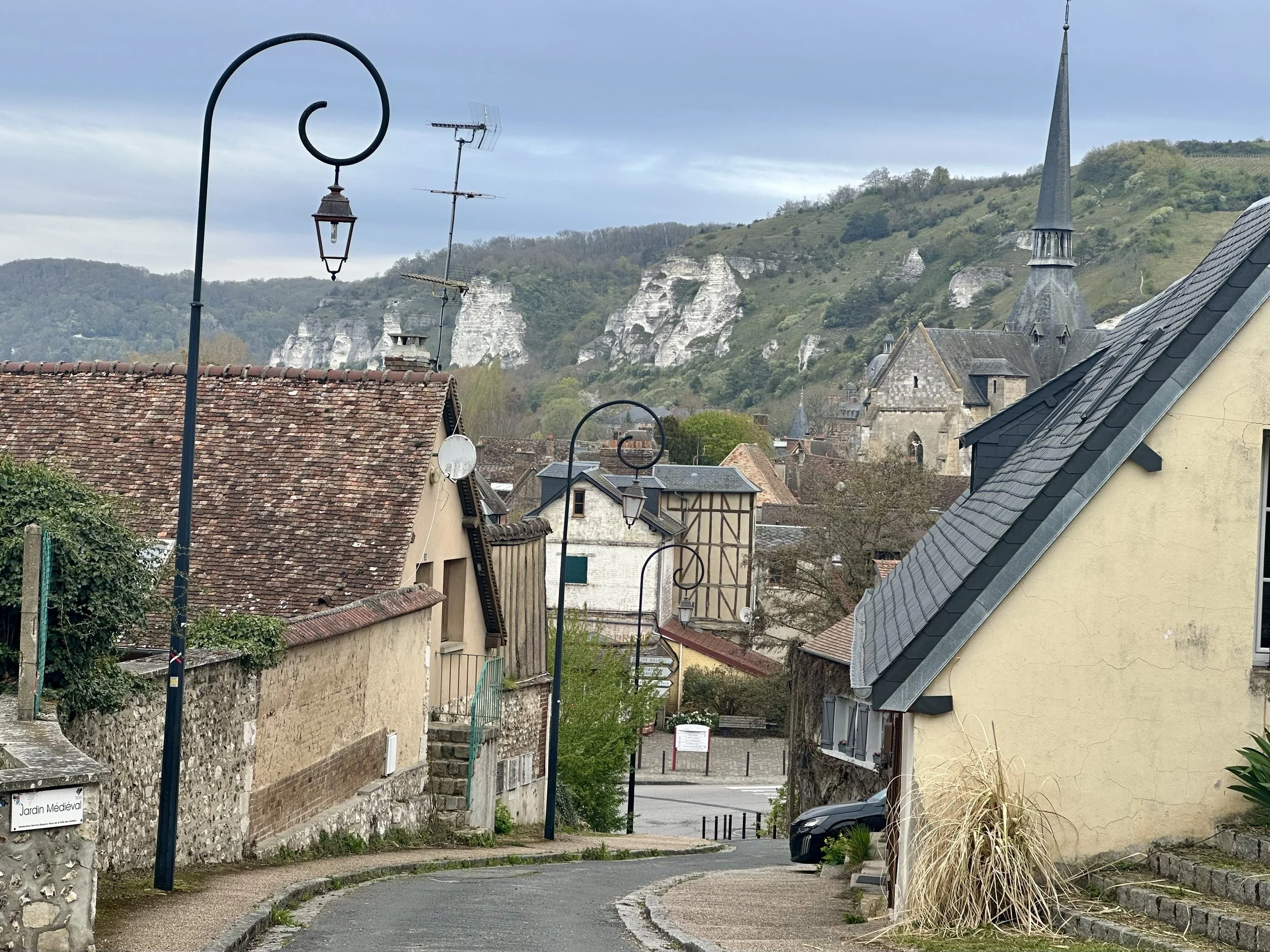
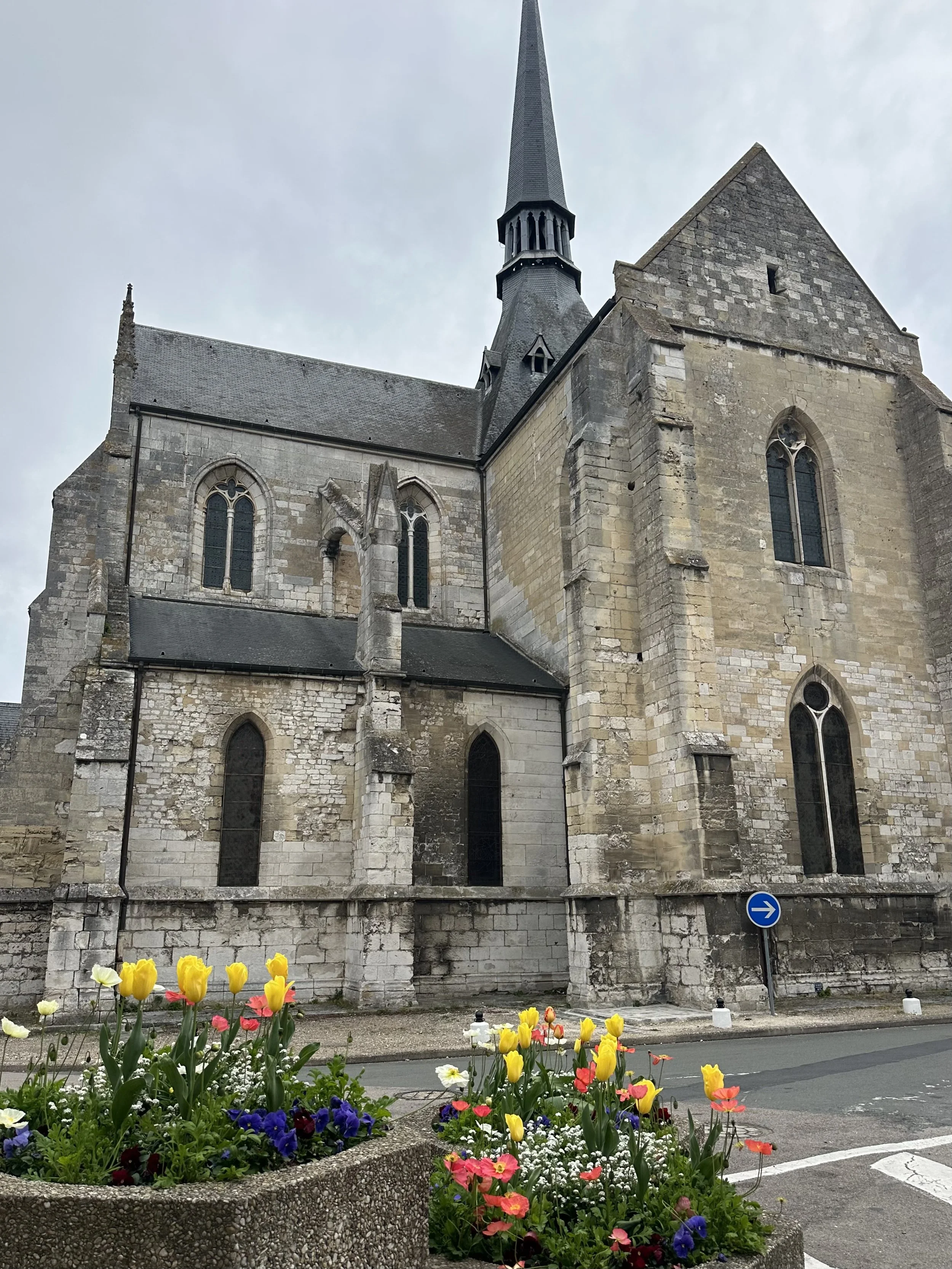
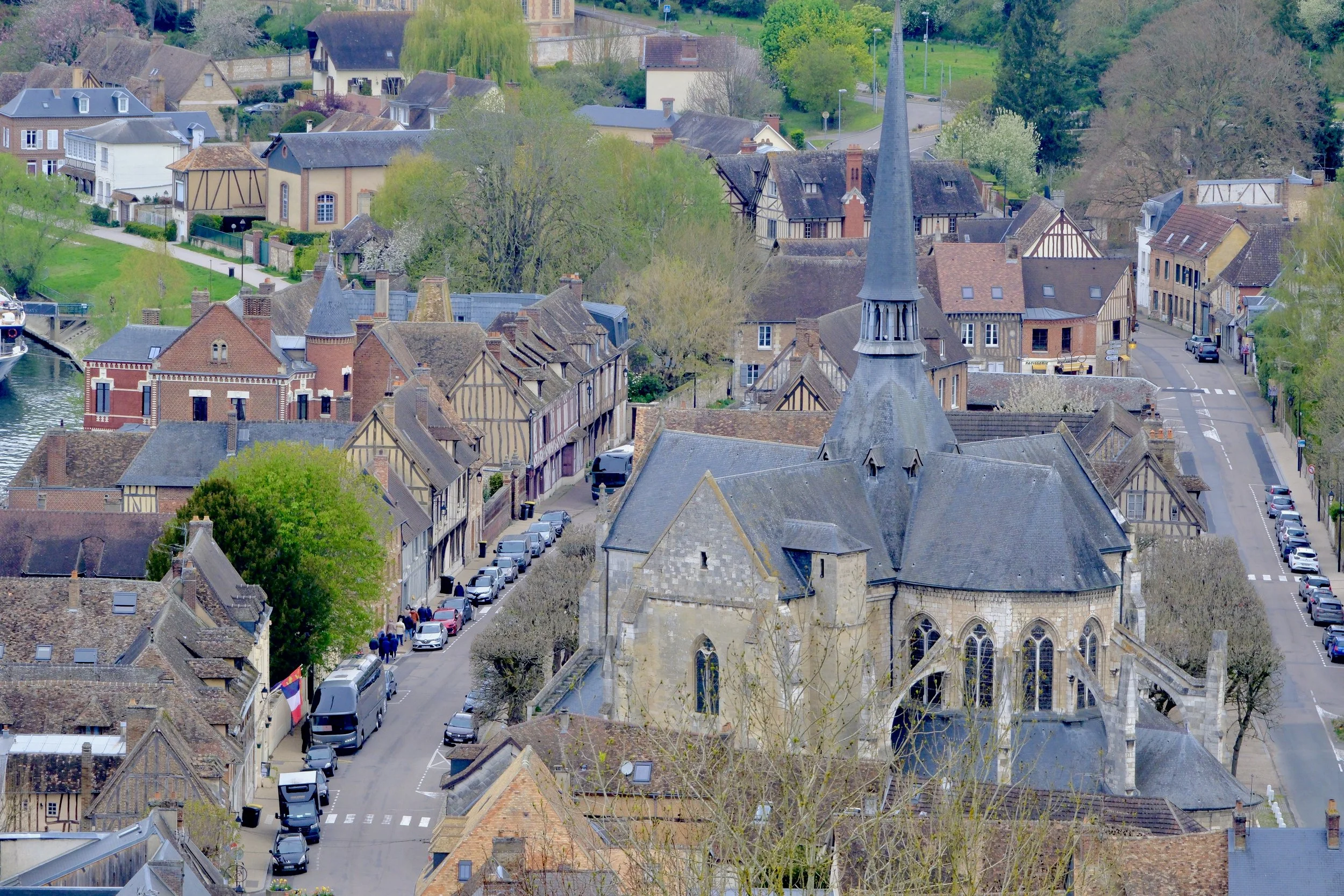
I went on the walking tour that included the Medieval St Saveur Church as well as the village.
We are now in the Normandy region, and I learned that the name comes from the Vikings who settled in this territory meaning Men of the North.
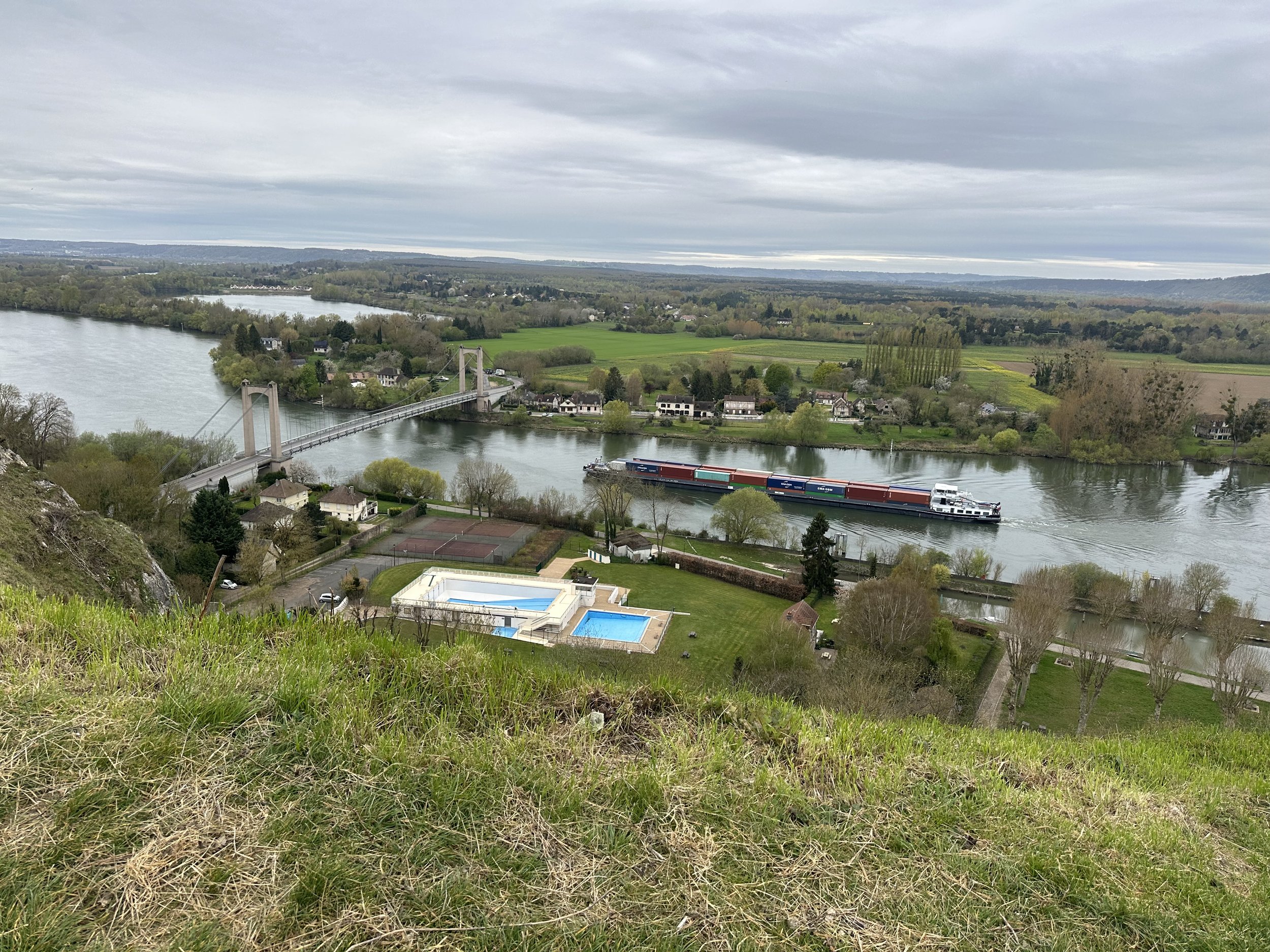
The guide said this town is the only town in Normandy not destroyed during World War II. The bridge was the only thing destroyed so it is newer.
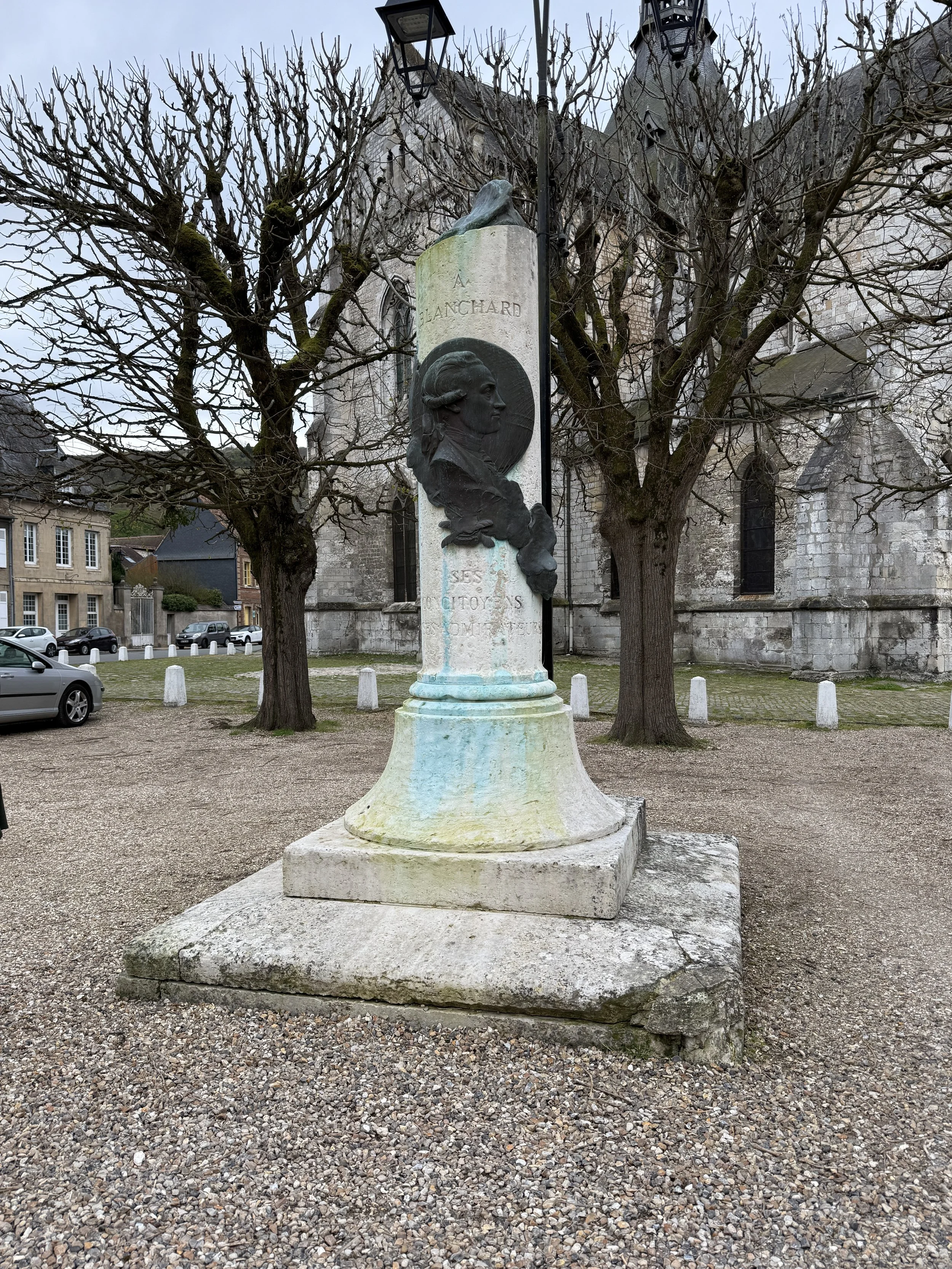
We saw a monument to Jean-Pierre Blanchard who was the first to cross the English in a balloon in 1785. He died in1809 after he had a heart attack in his balloon, fell from the balloon and died a year later of his injuries. His wife later died in a balloon accident.
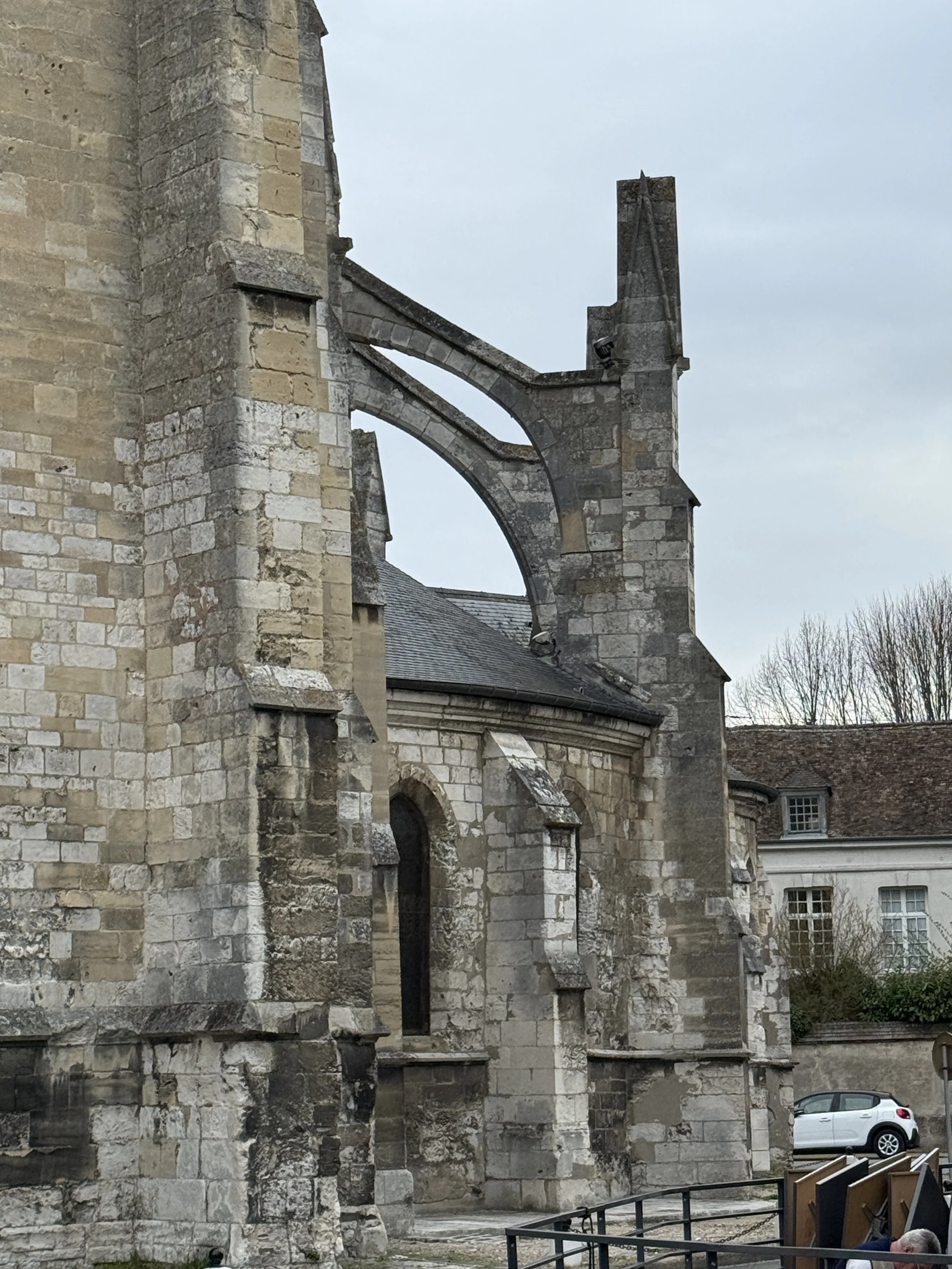
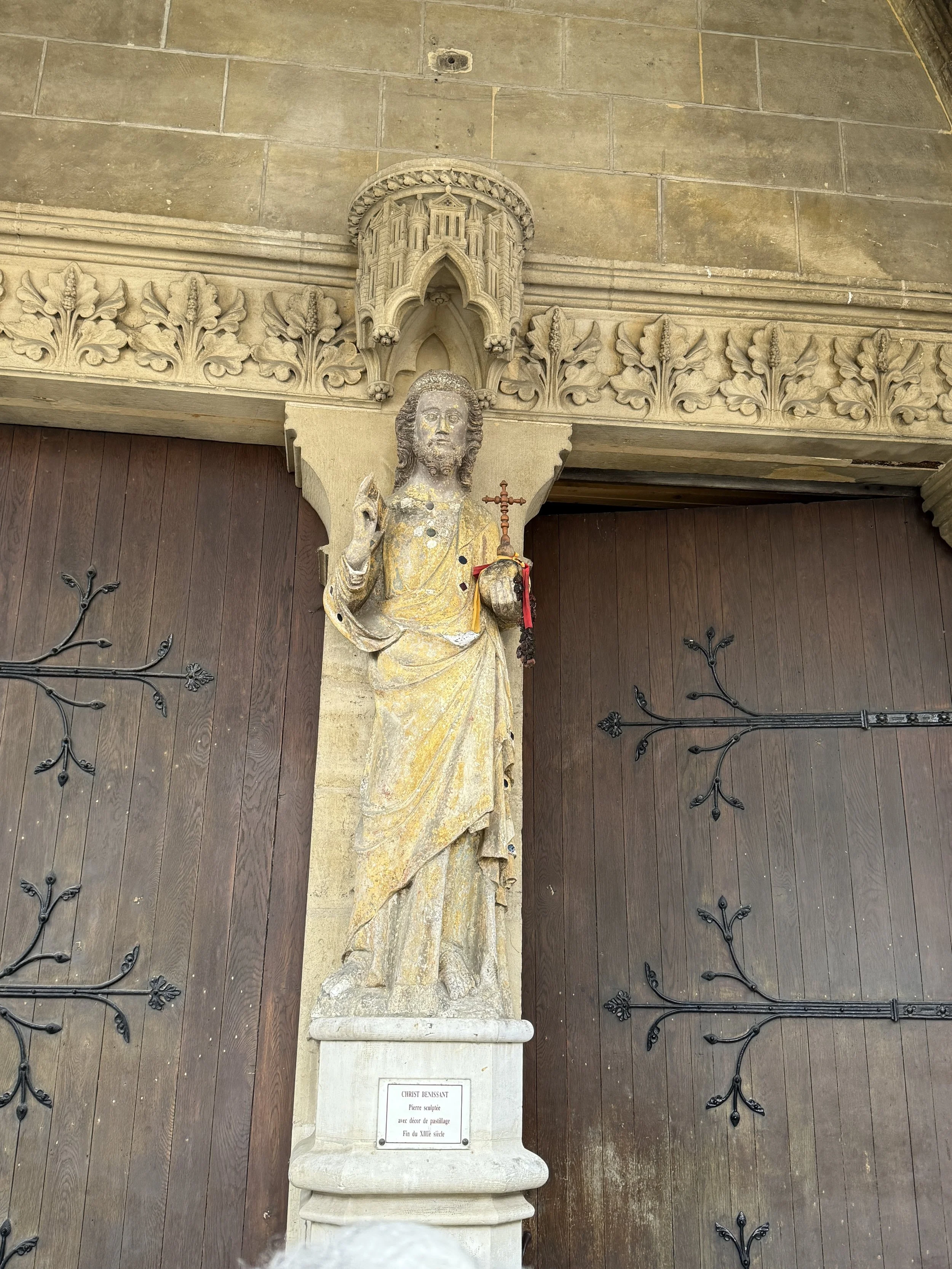
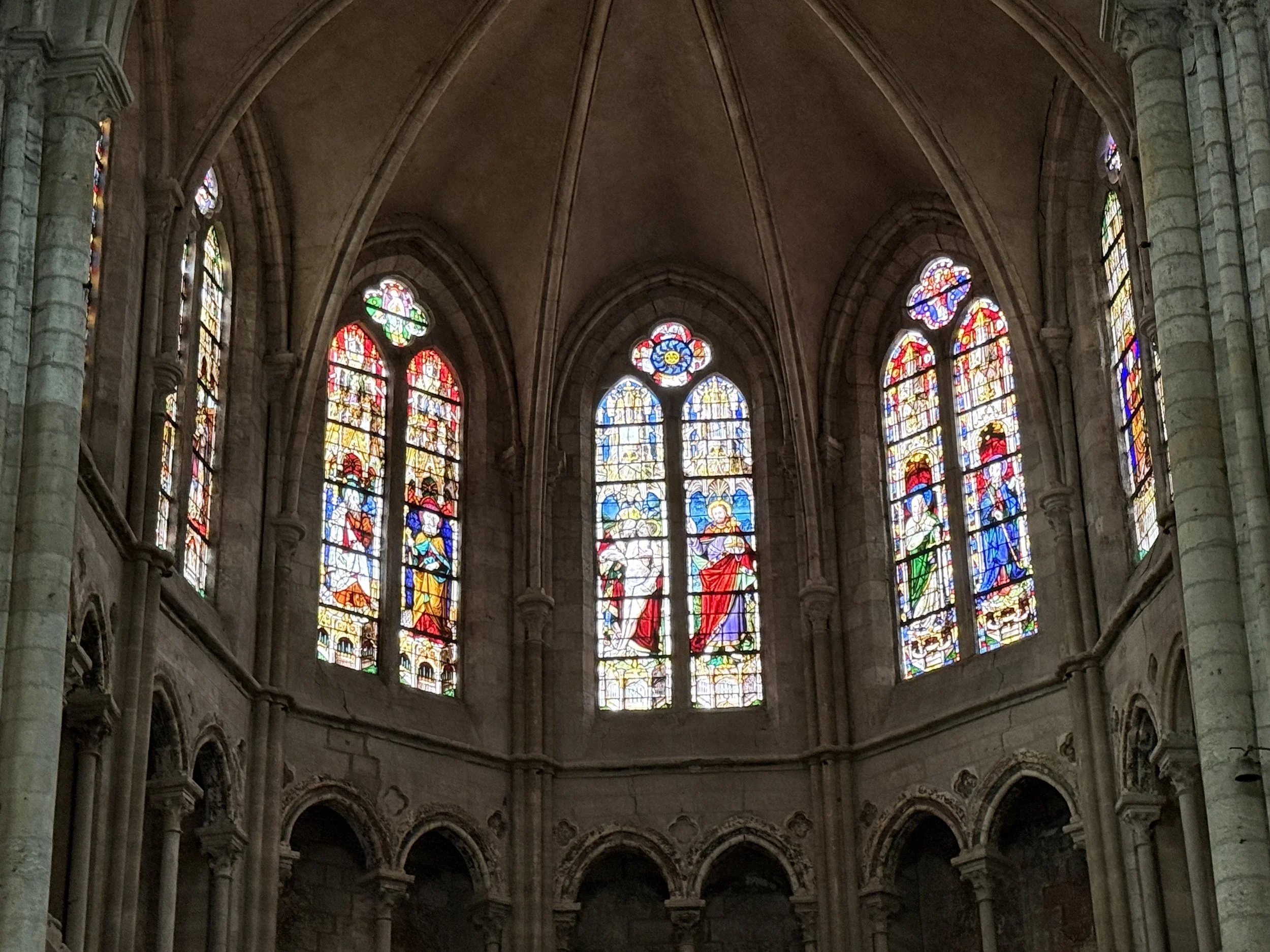
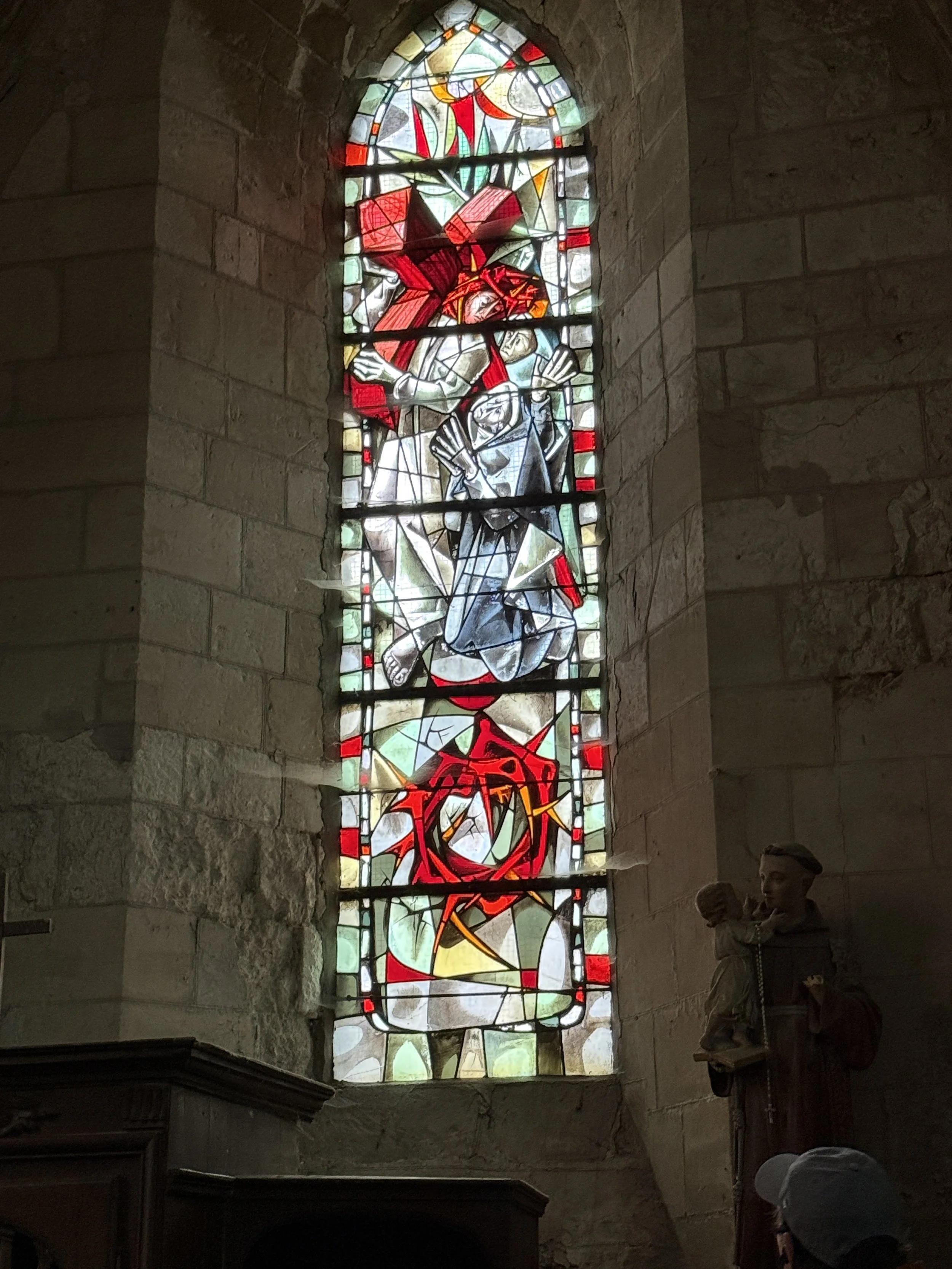
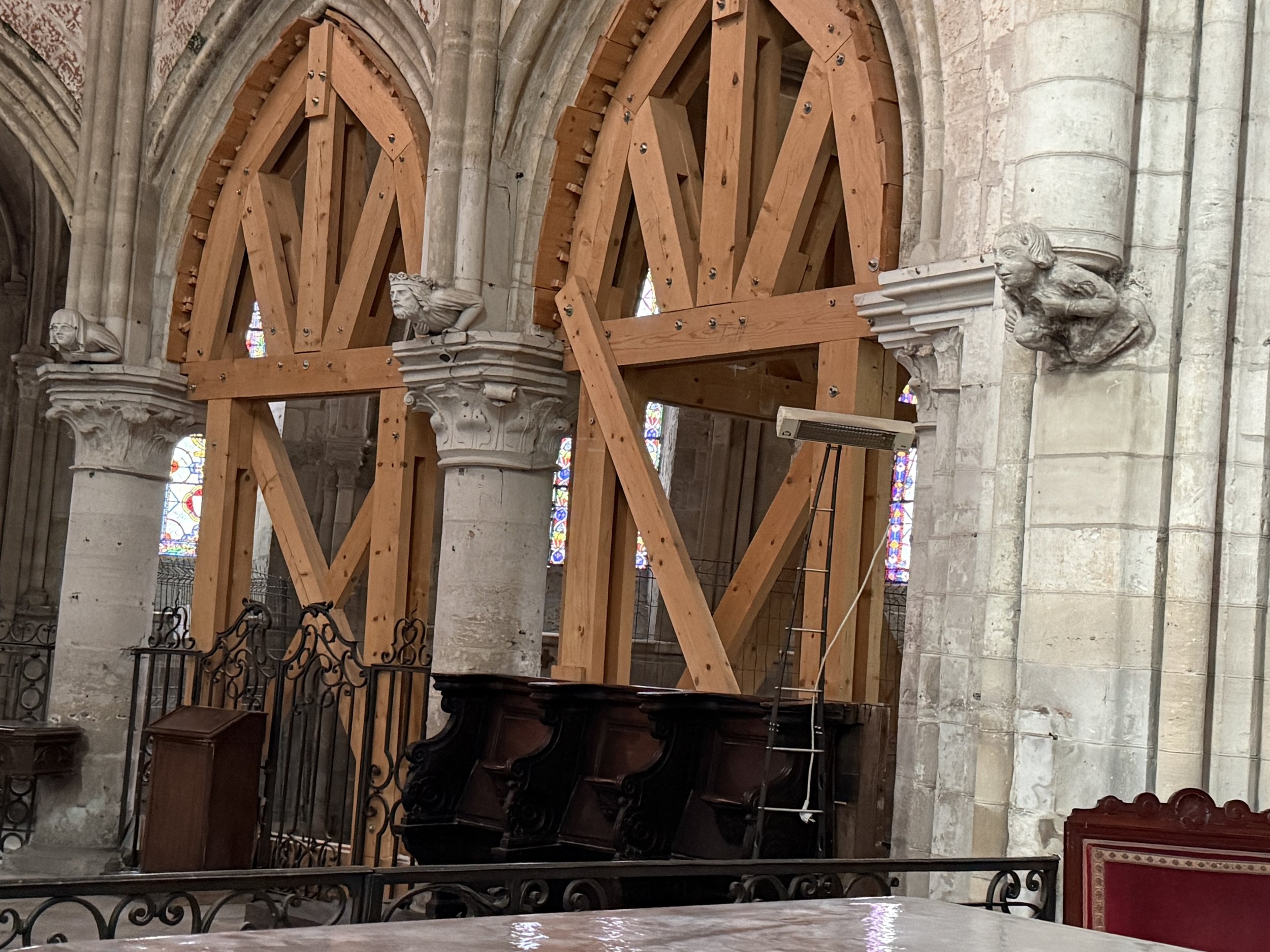
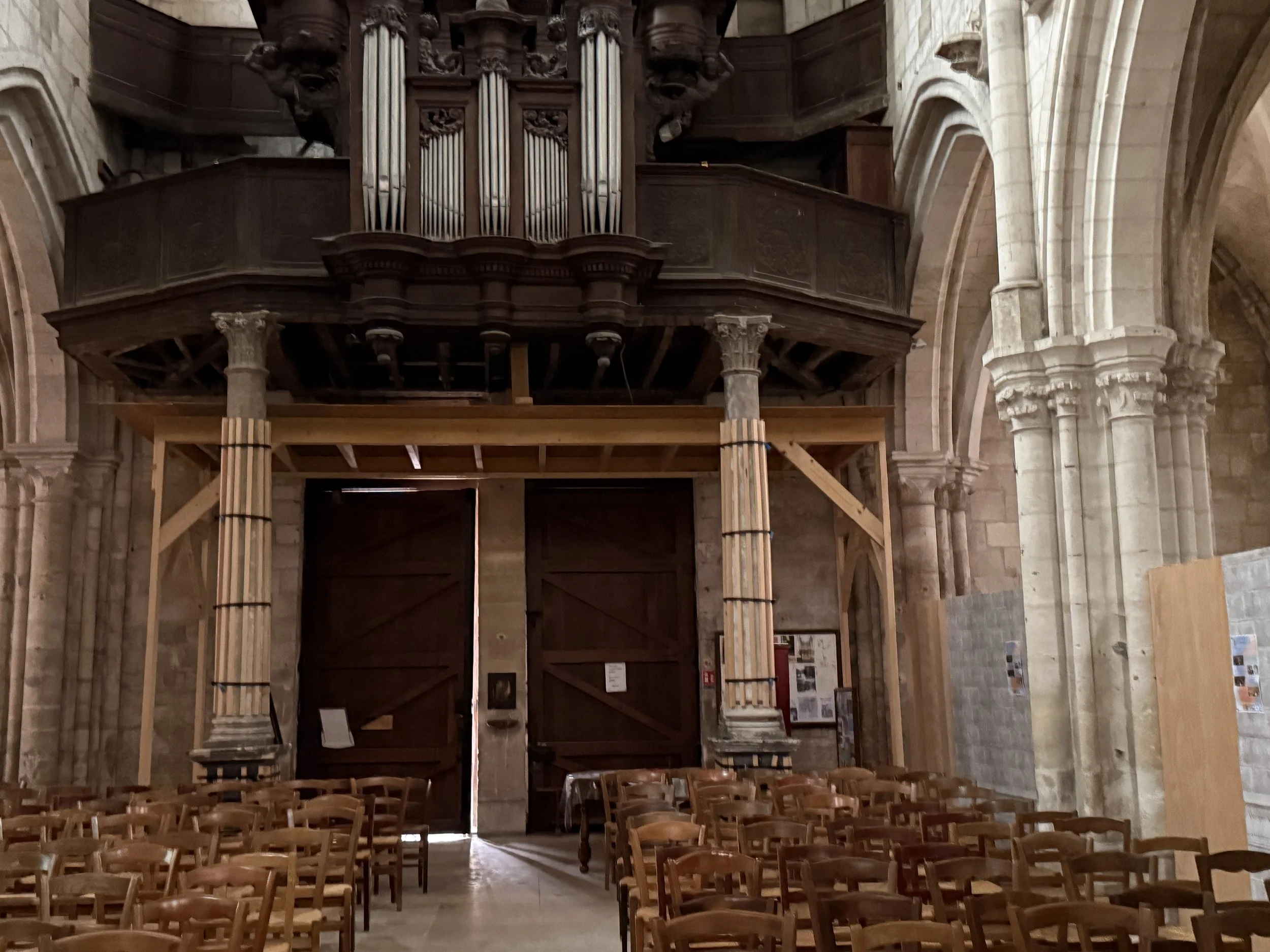
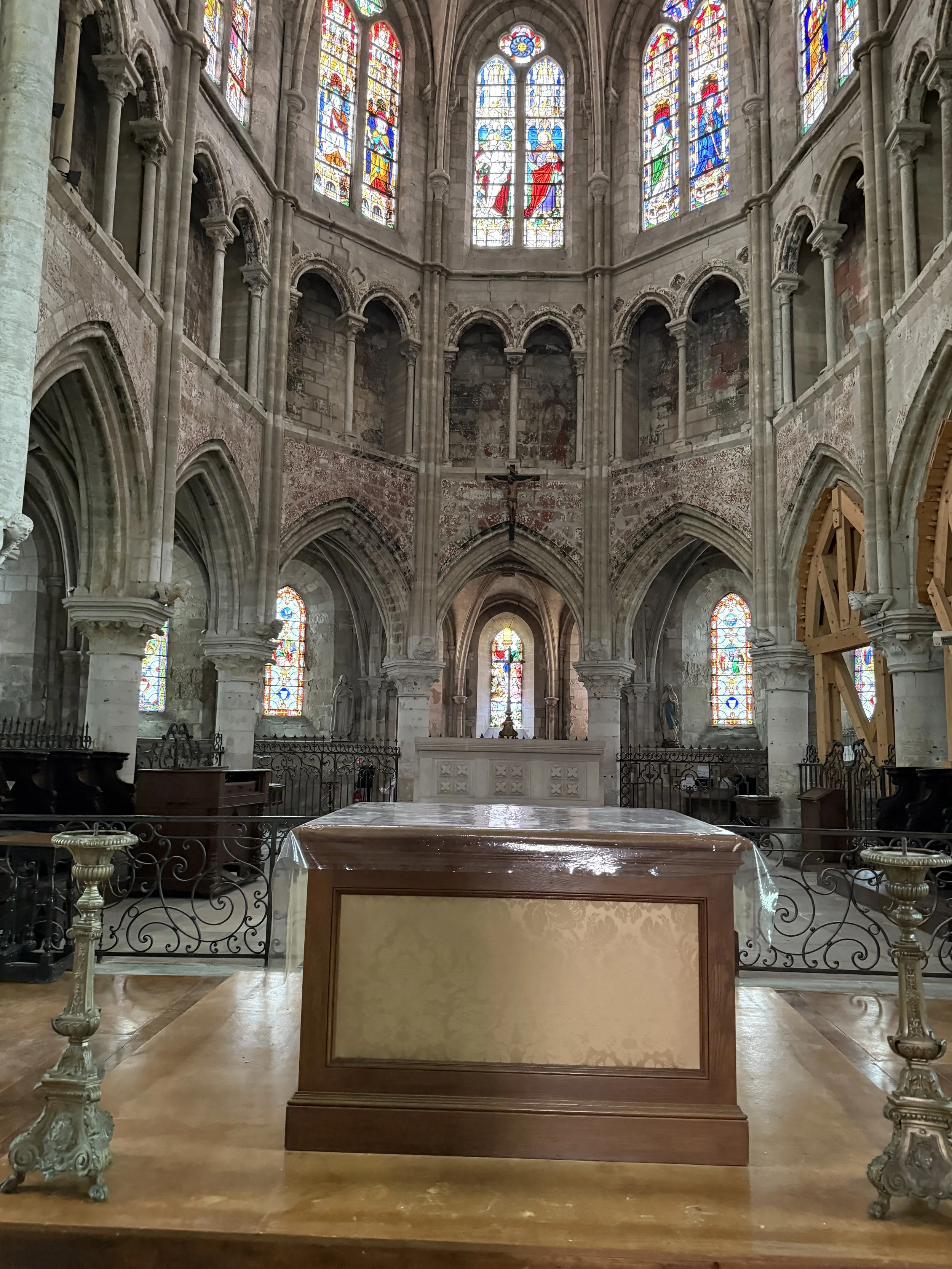
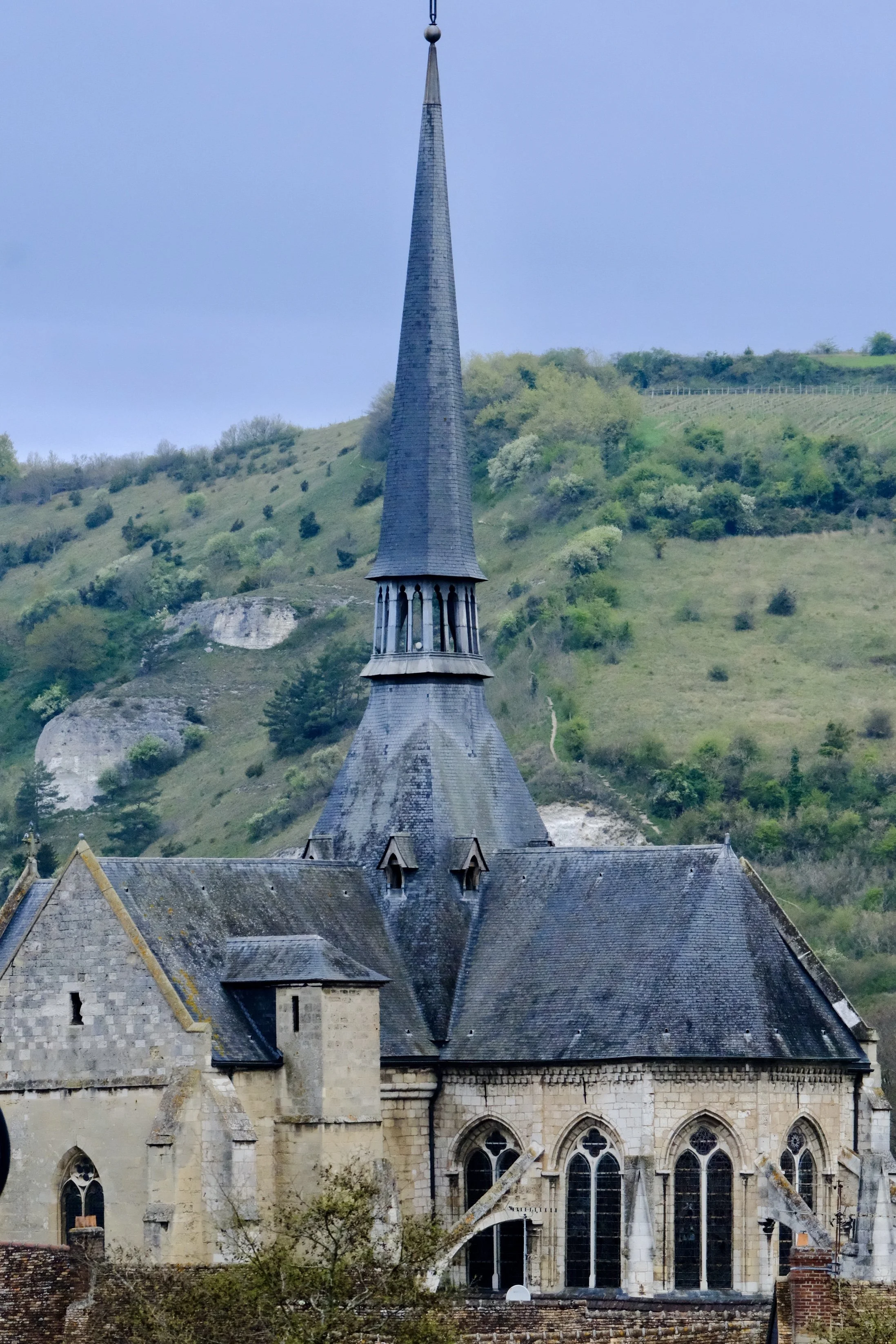
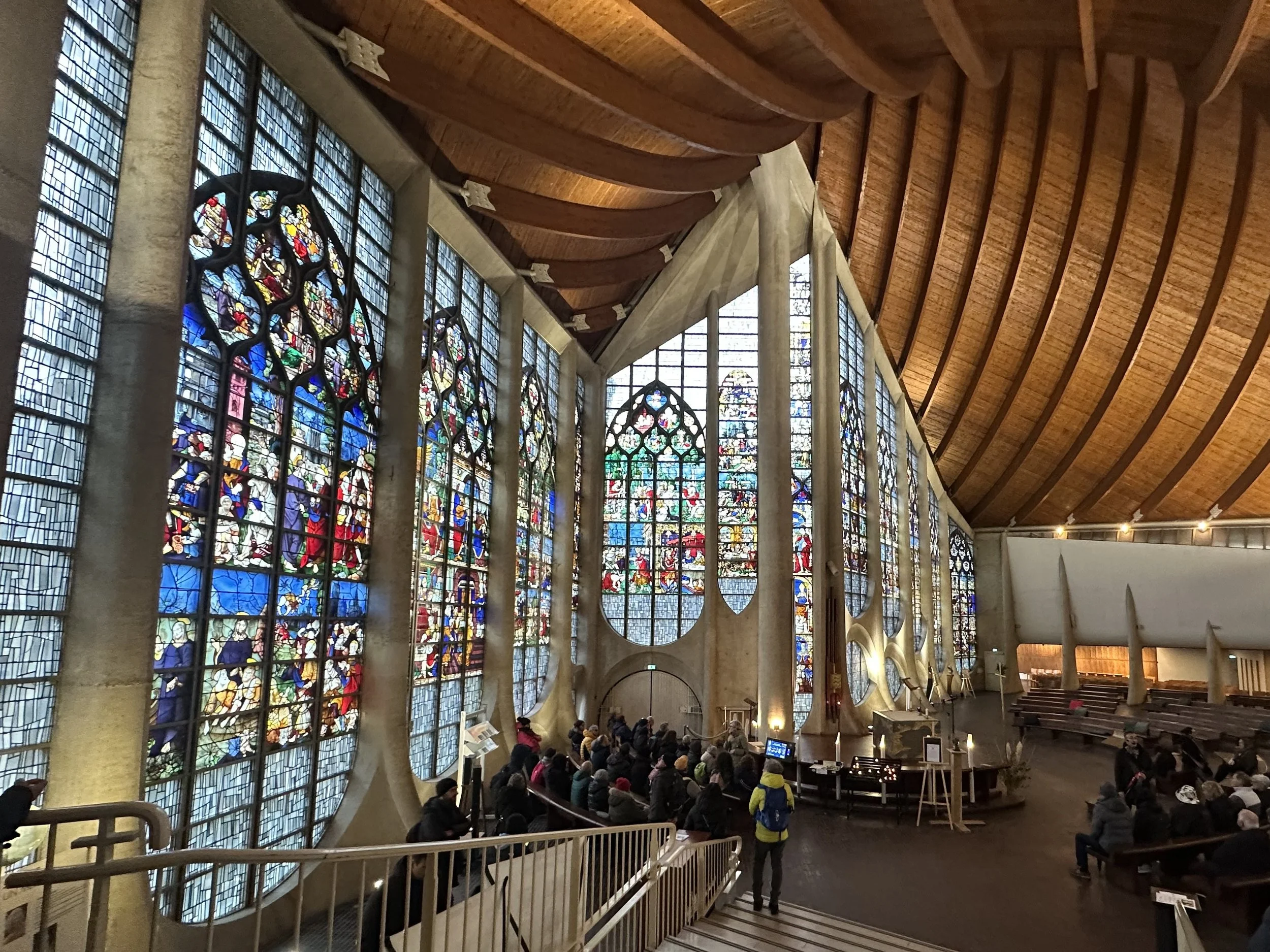
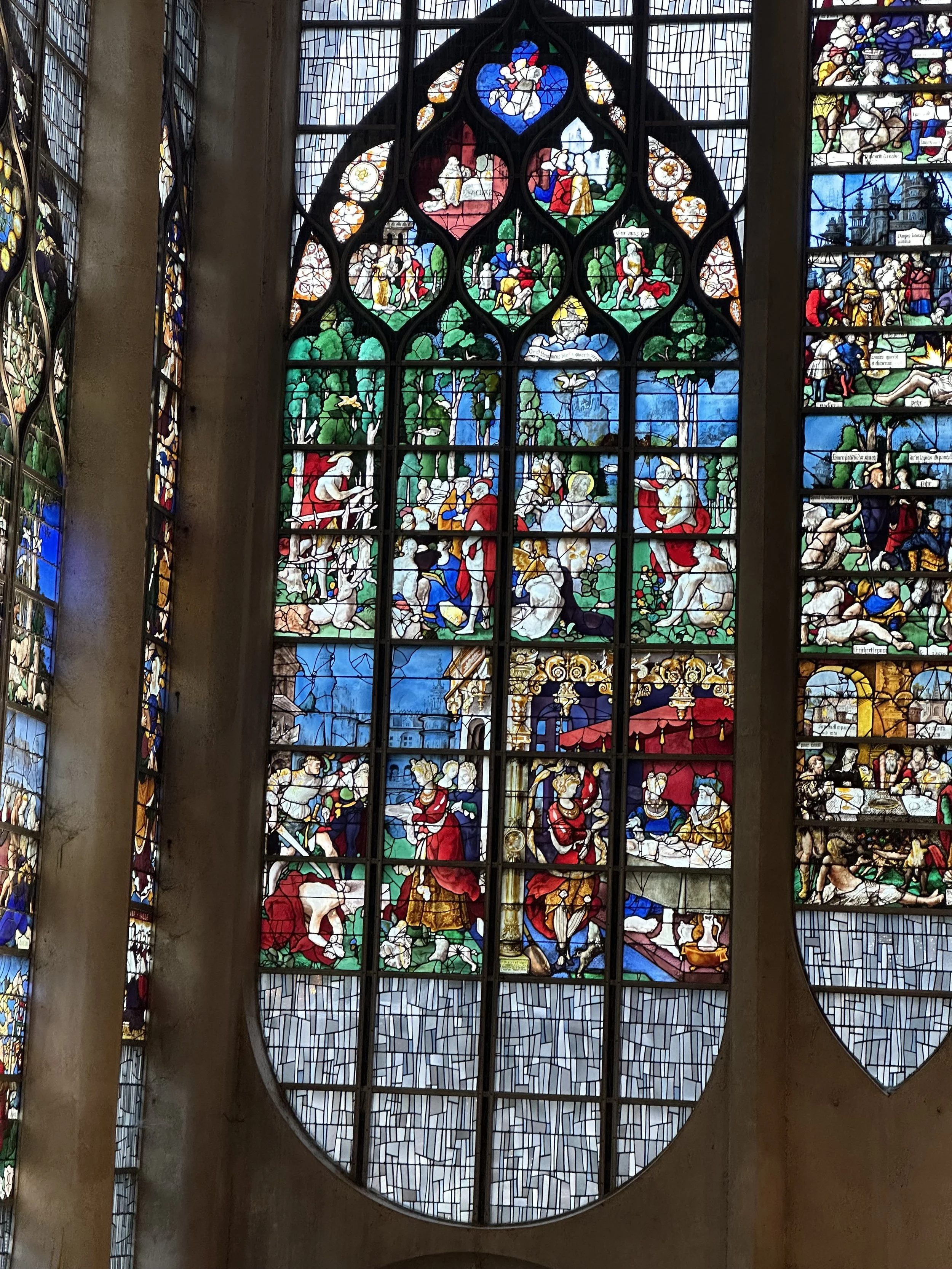
We went to the St Sauveur church built in 1220. This old church had some modern stained glass with sharp edges in the design. Being Good Friday, I especially enjoyed the one of Christ carrying the cross. You will also see pictures of the reinforcement they have in the archways by the choir loft and the reinforcement holding the organ up over the door. The churches are property of the French government and fixing churches is not high on their list of priorities.
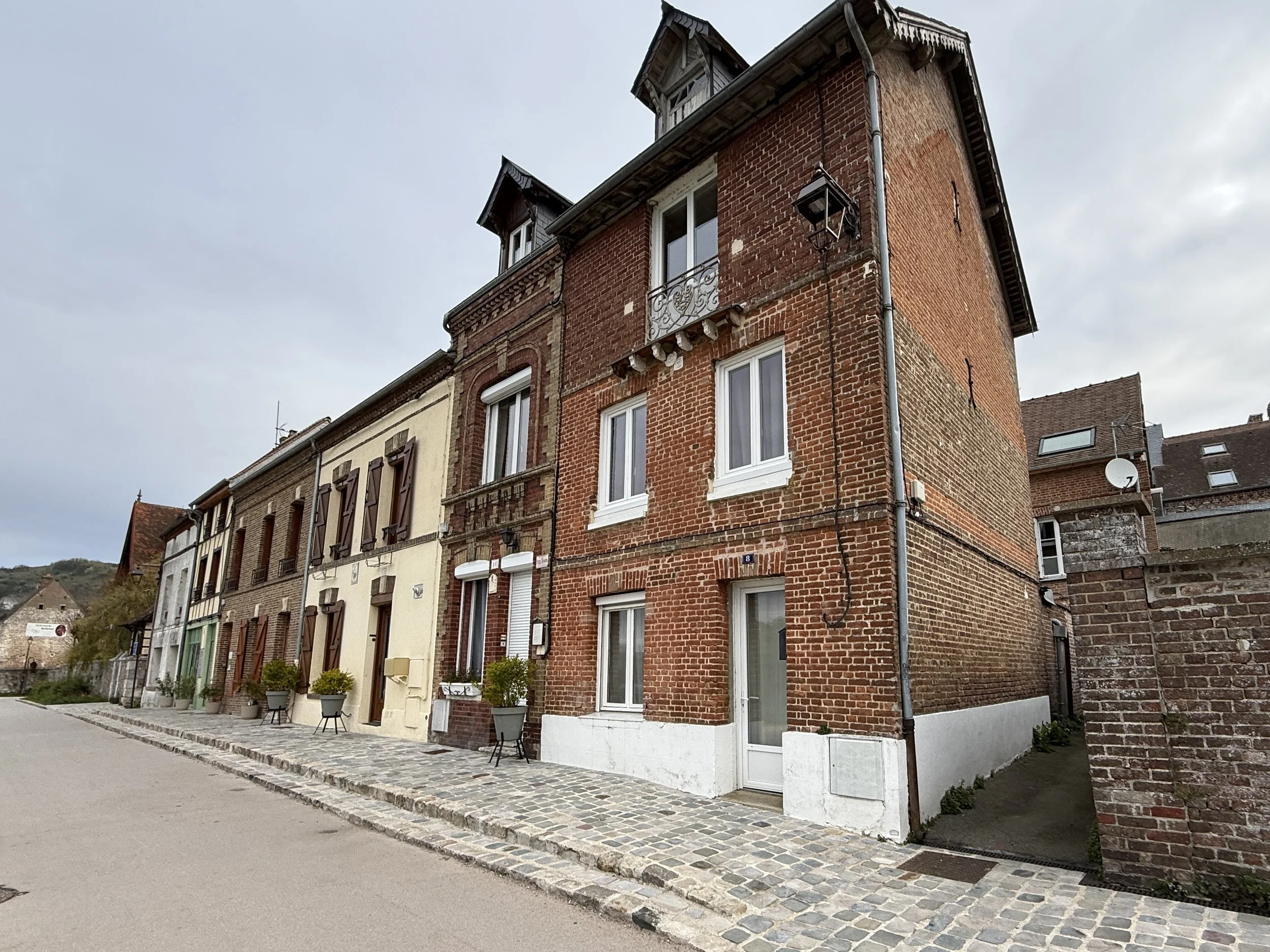
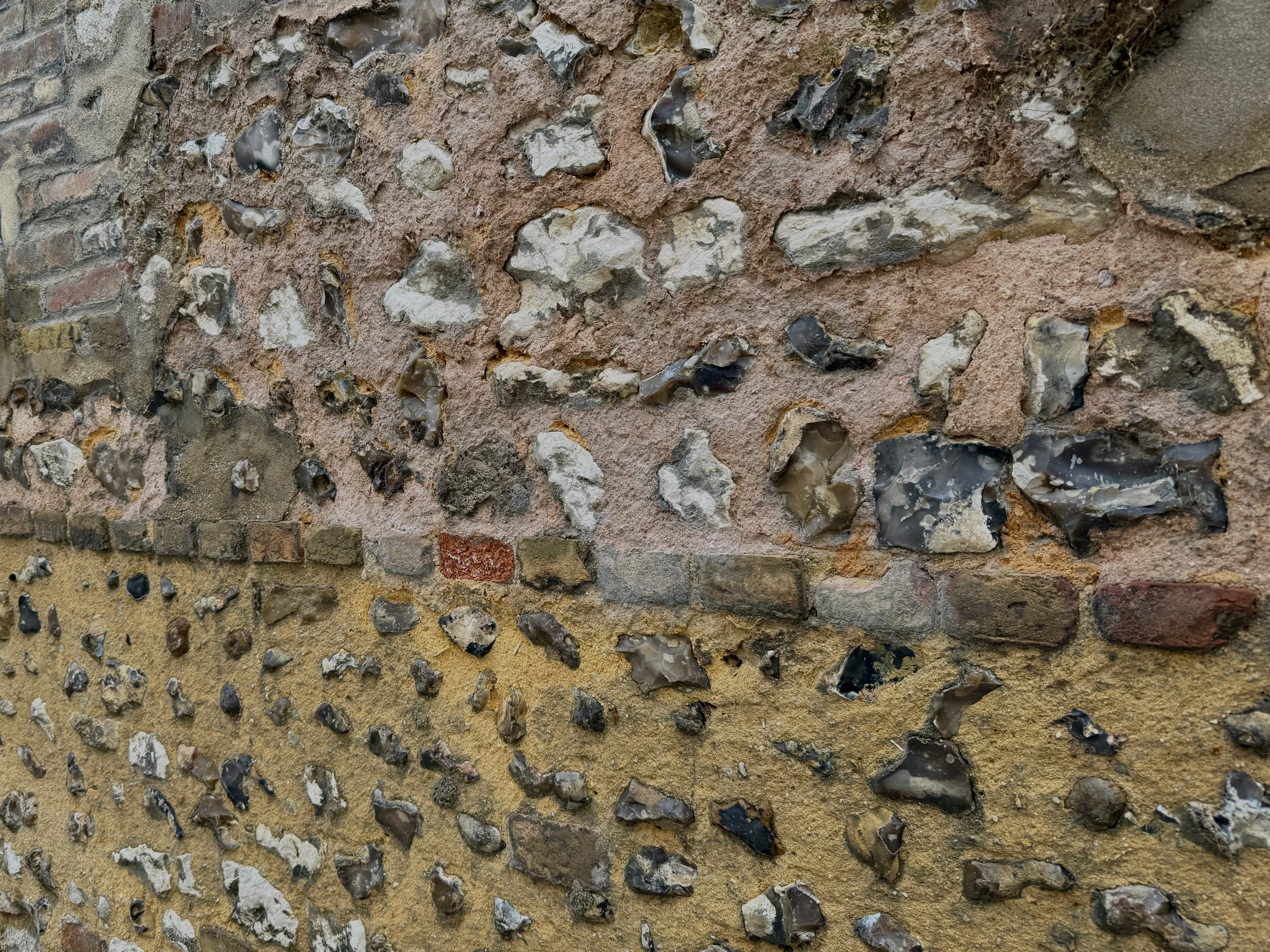
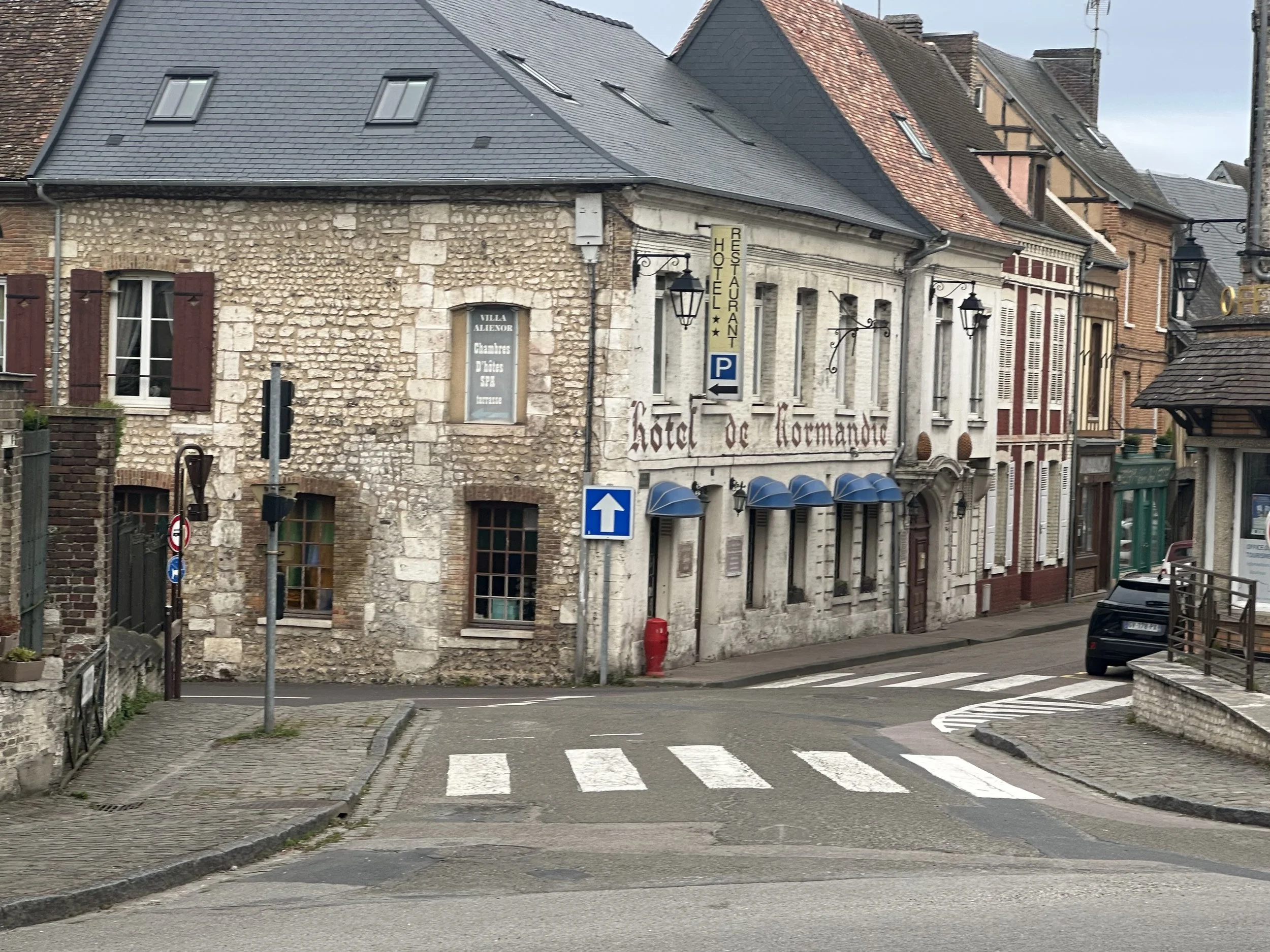
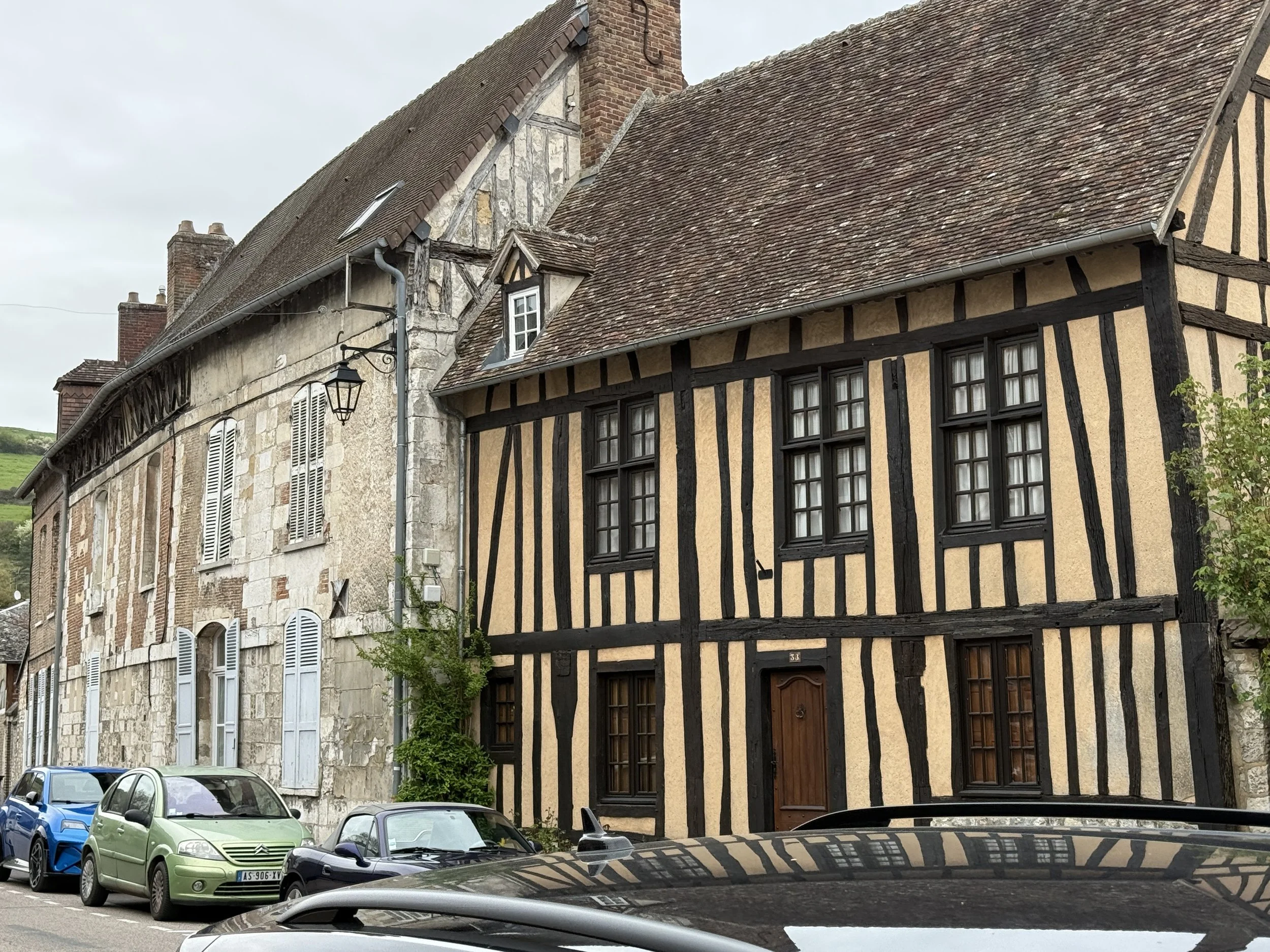
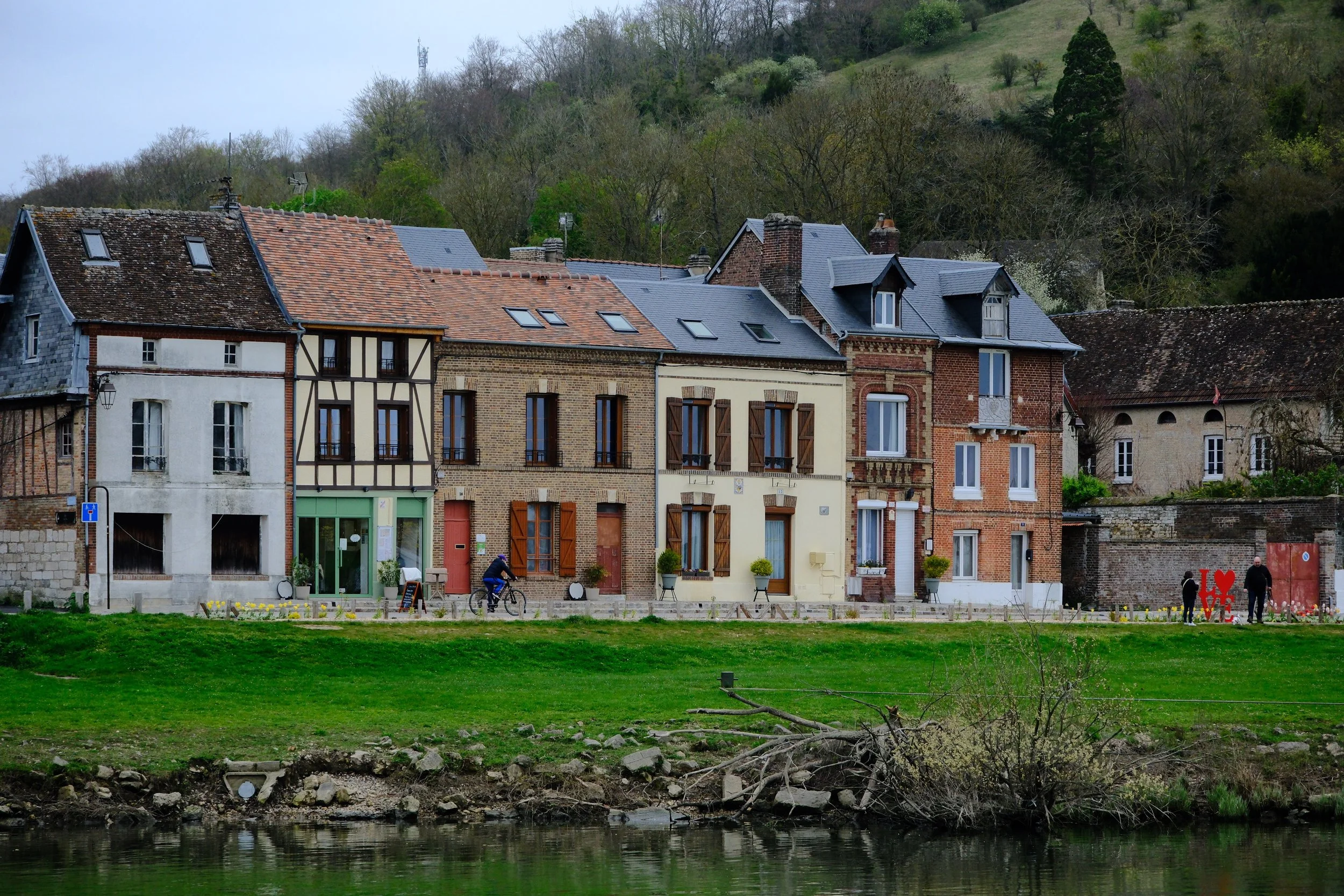
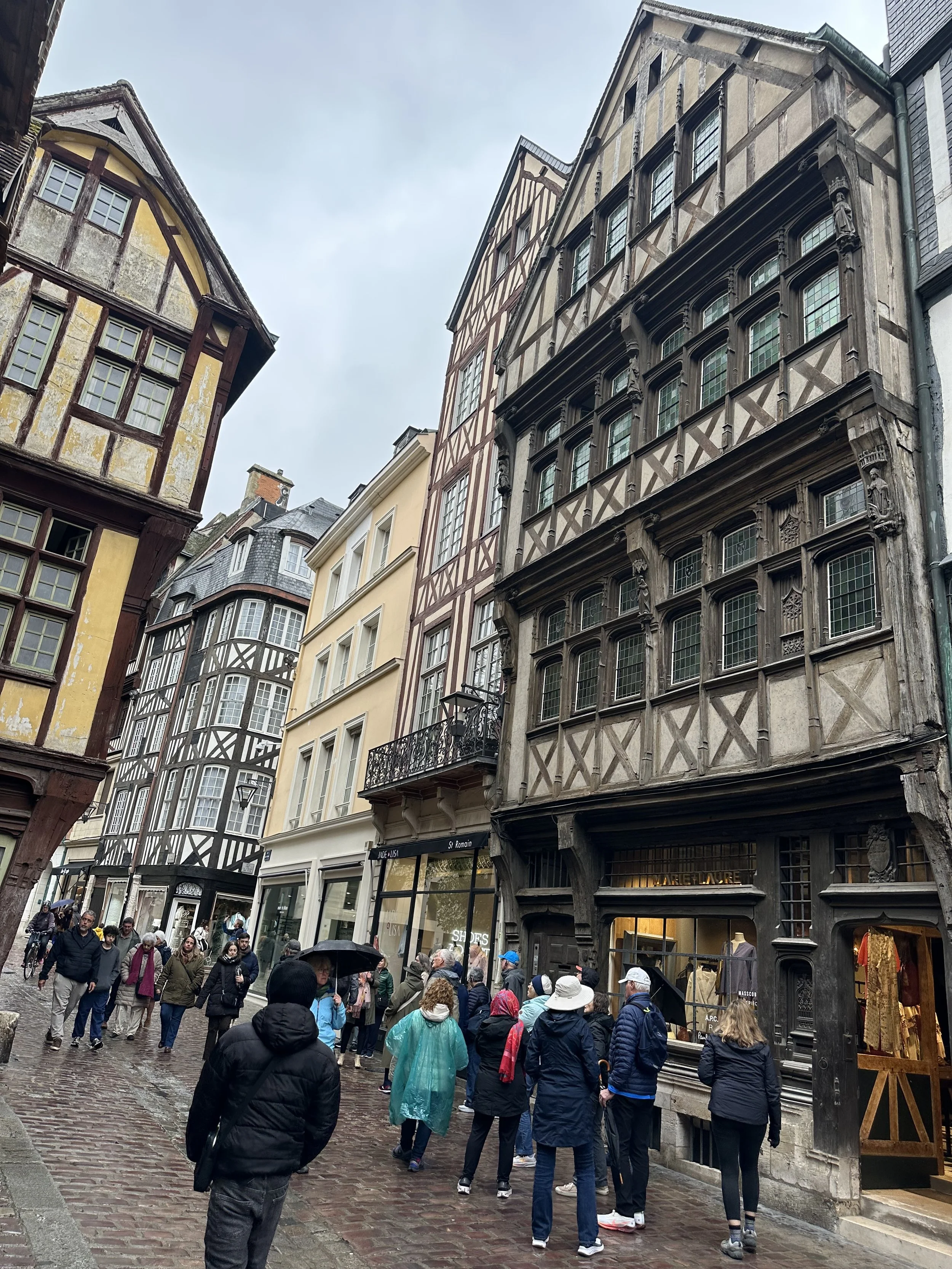
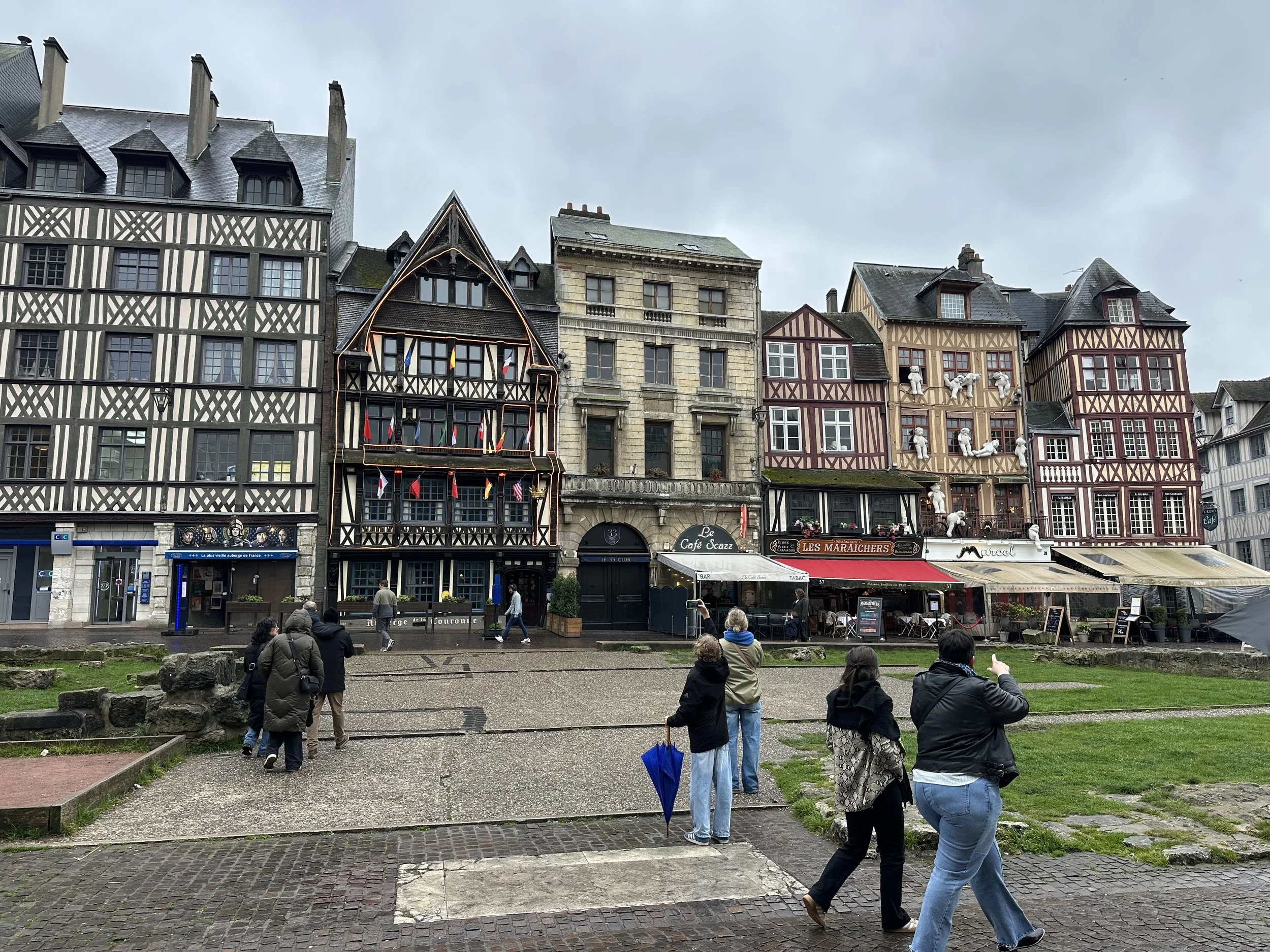
I really loved all the old buildings and how the different designs and types of construction are side by side. You will also see a picture of the town hall with three flags. The center one is the flag of Normandy. The others are France and EU flags.
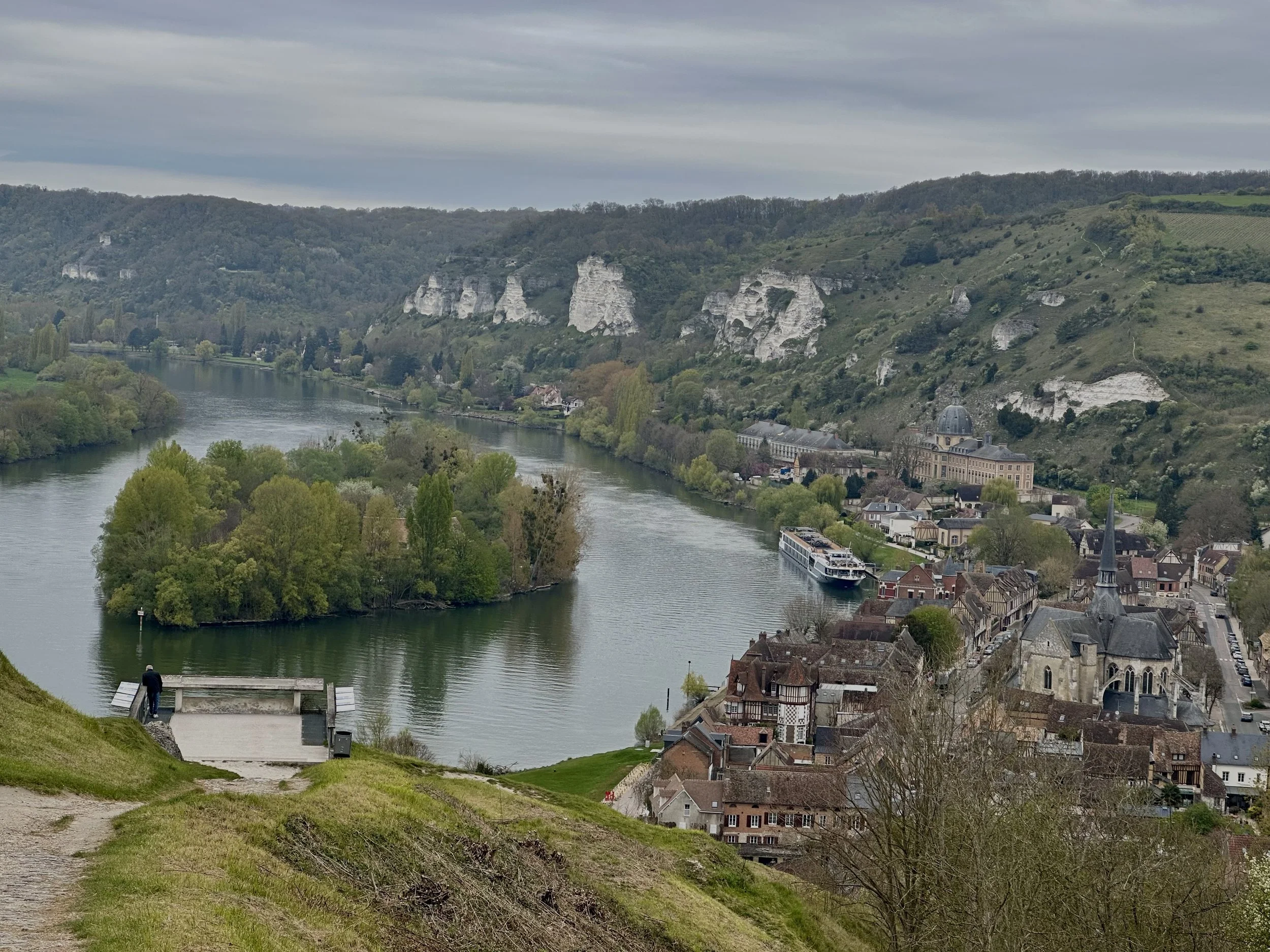
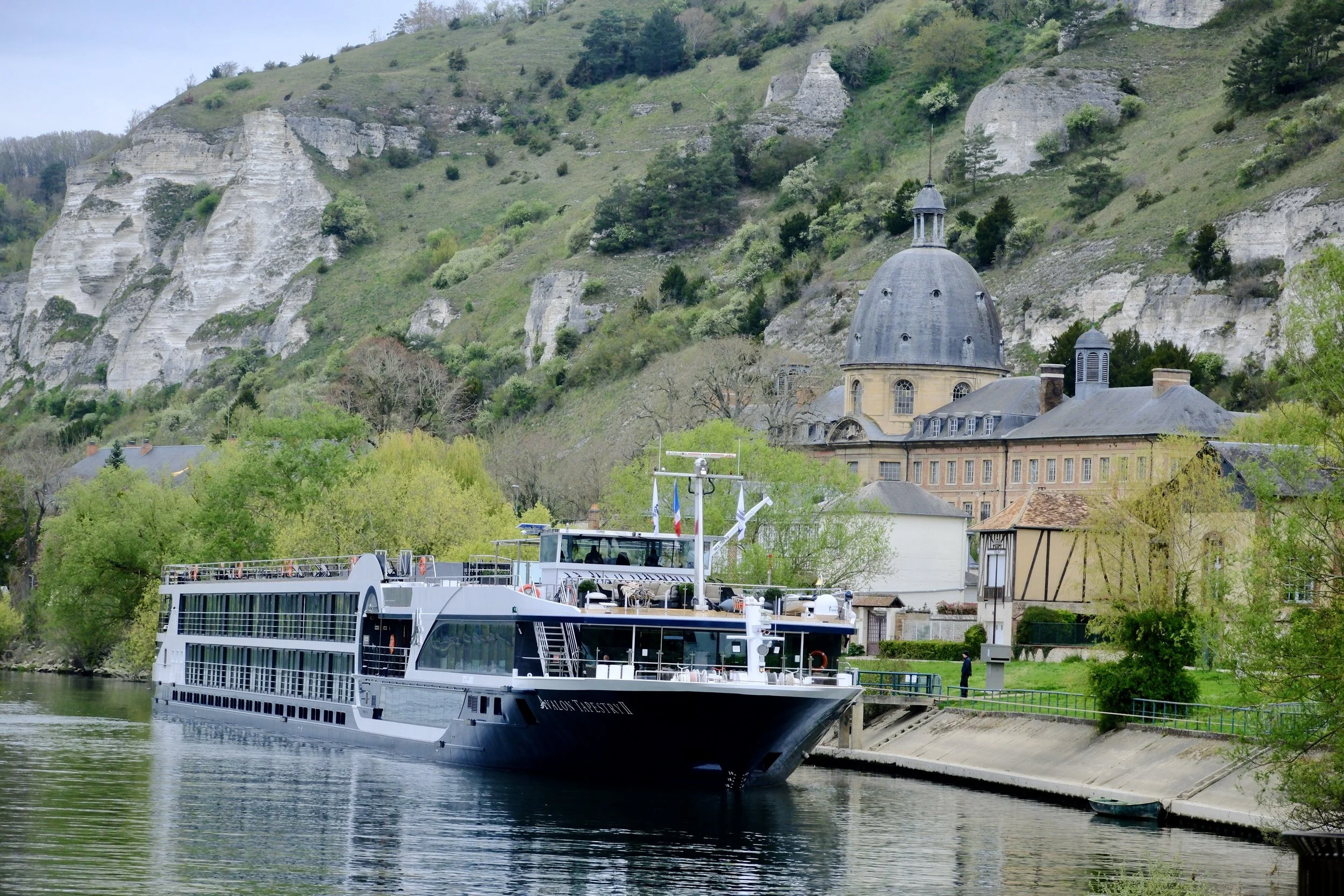
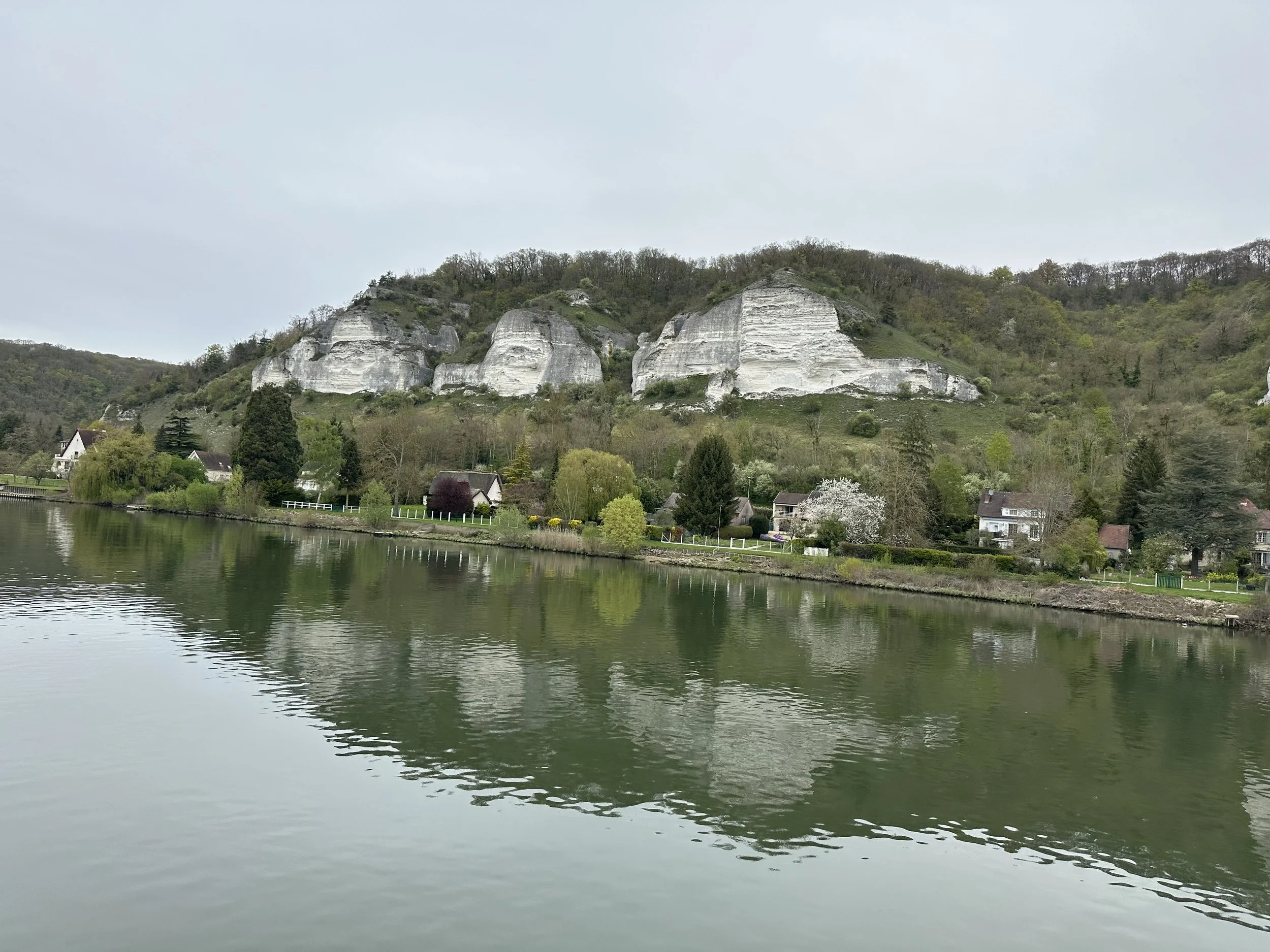
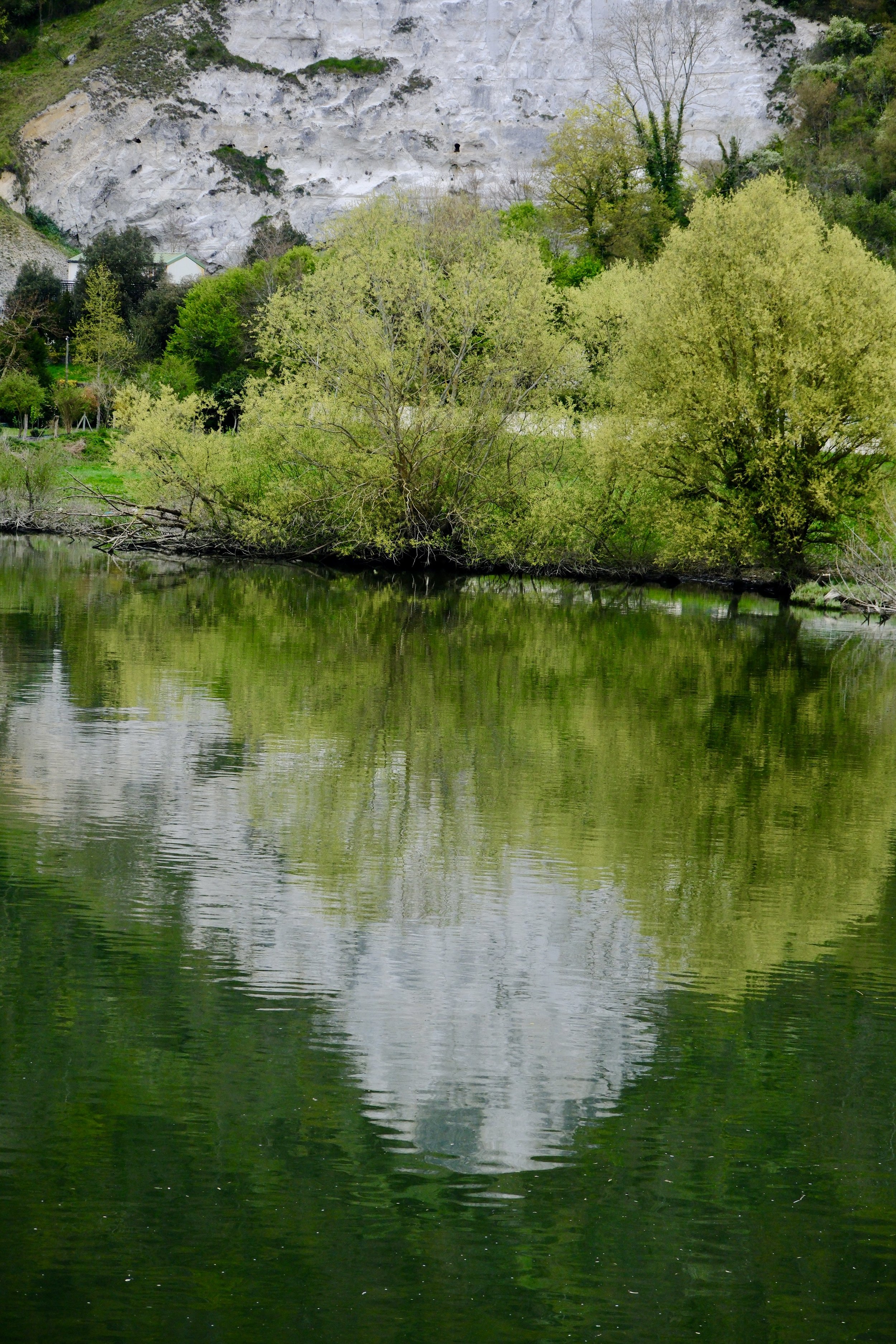
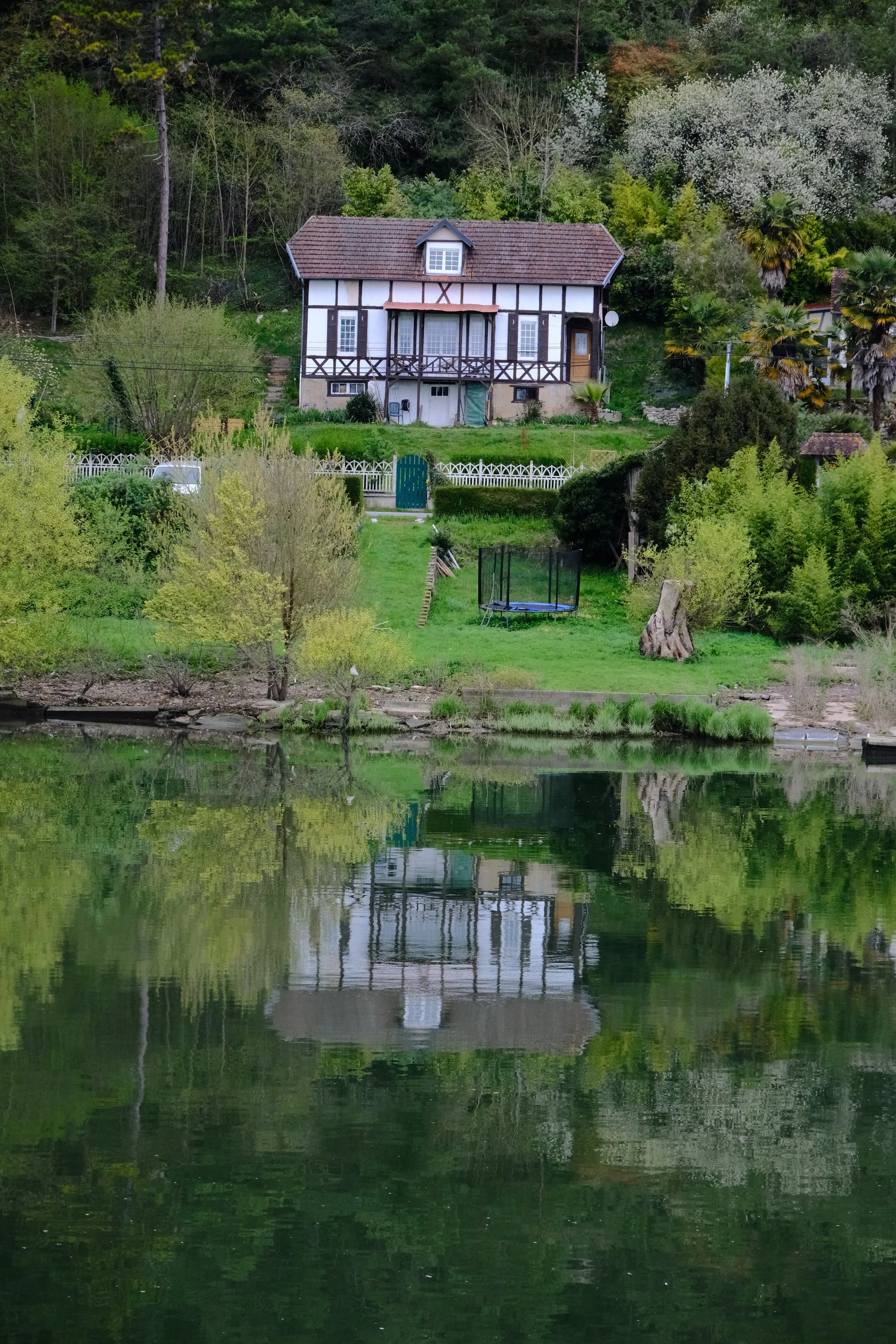
Another part of the day has been watching the scenery go by from what I call the gathering area on the bow of the boat, from the dining room and now from my bed before I take my afternoon nap. I was watching trees and suddenly there was a cathedral and a small village. So much fun!
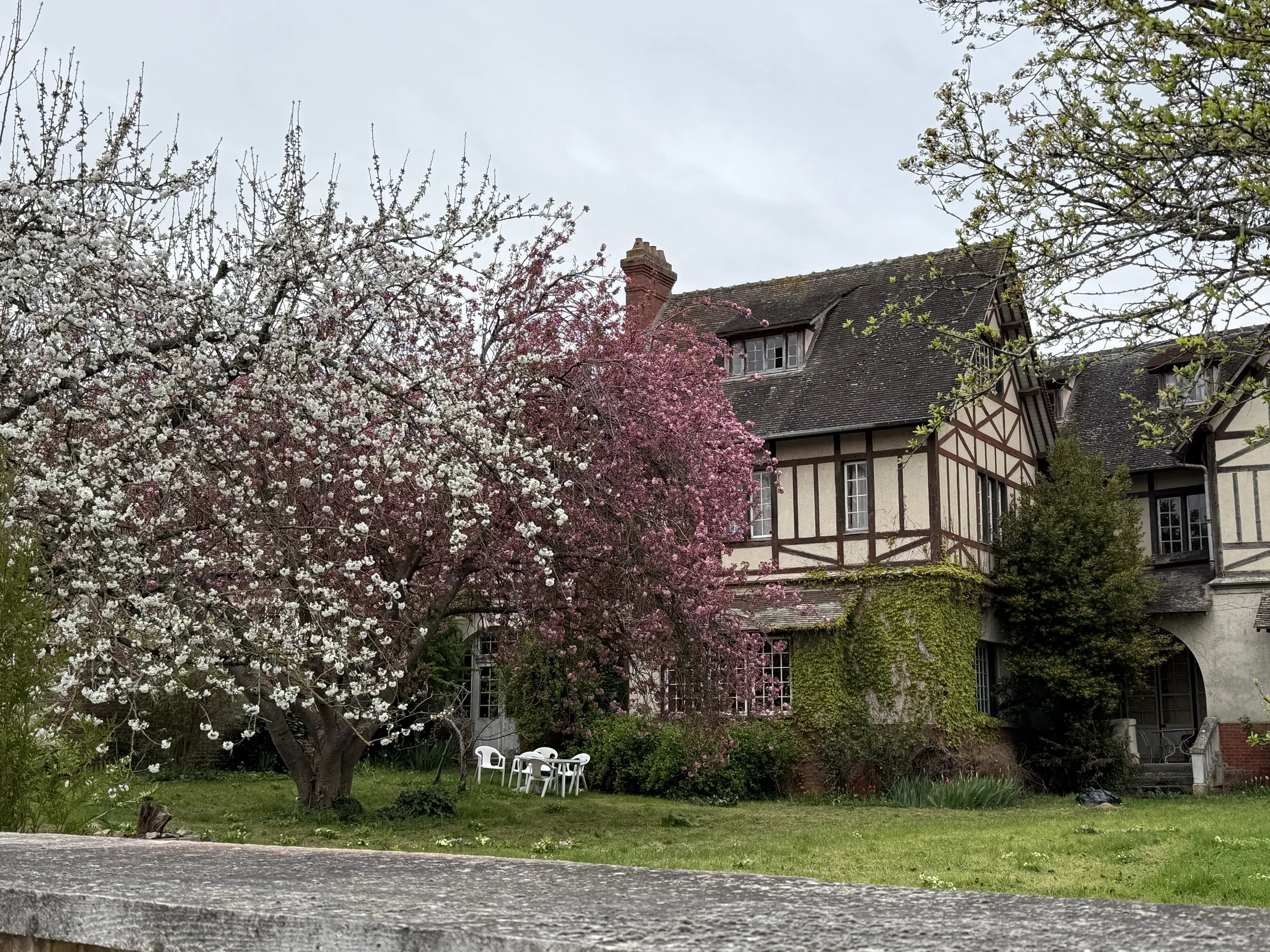
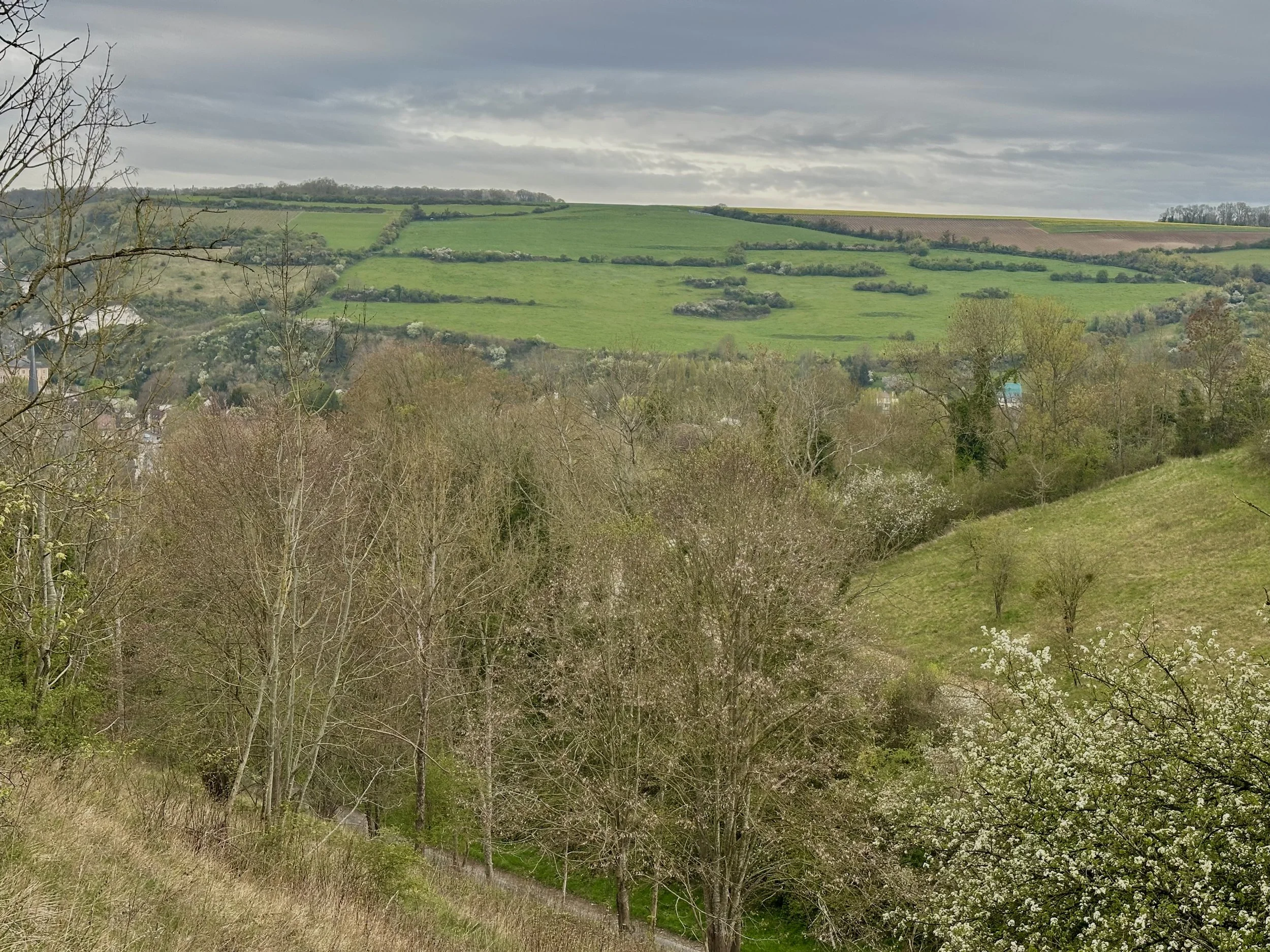
This is a beautiful time of year with the trees just budding, with all the shades of green, the apple and cherry trees in bloom, and the spring flowers. I am so grateful to see this part of the world at this time and in this way of travel. What a wonderful opportunity it is!
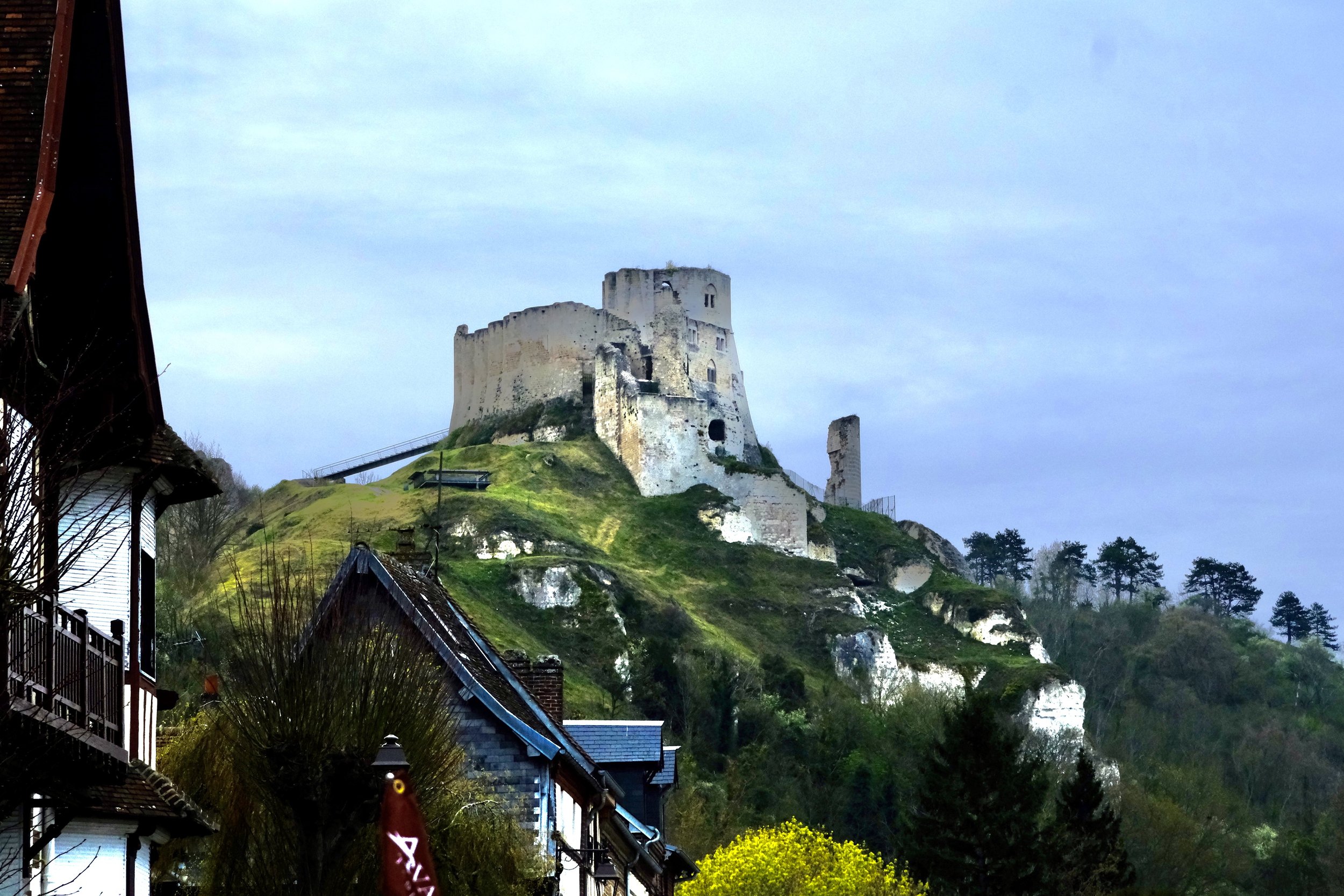
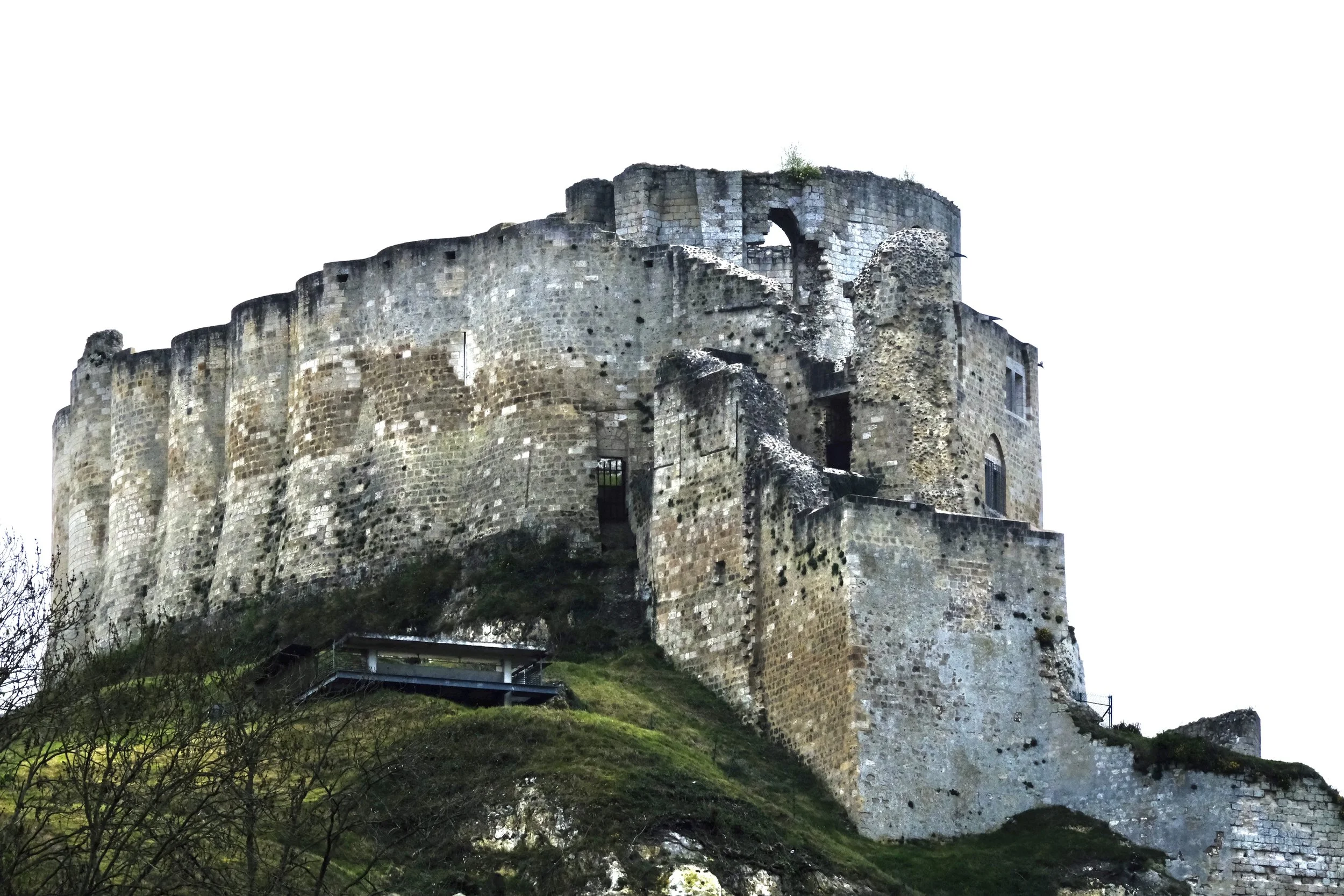
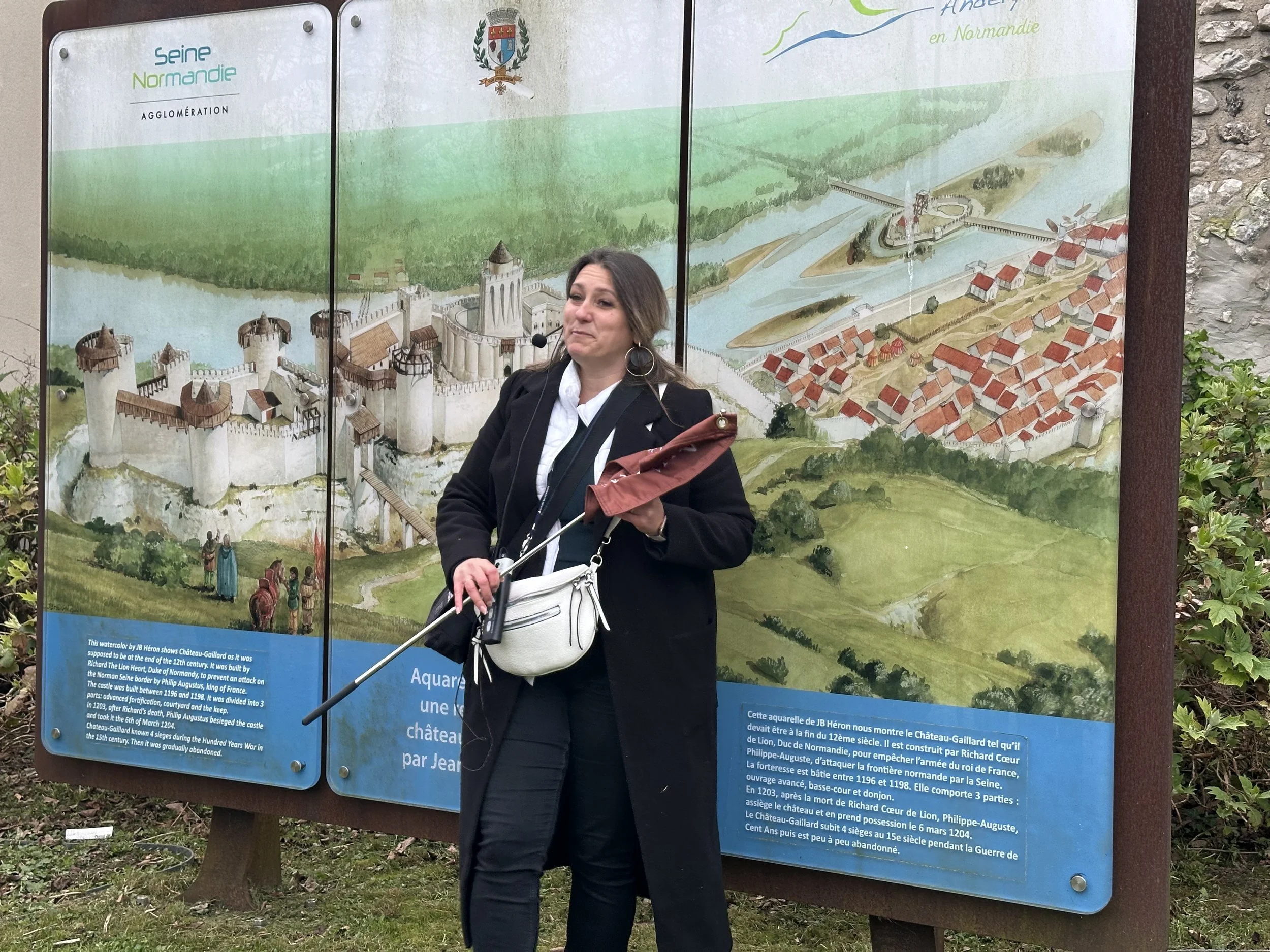
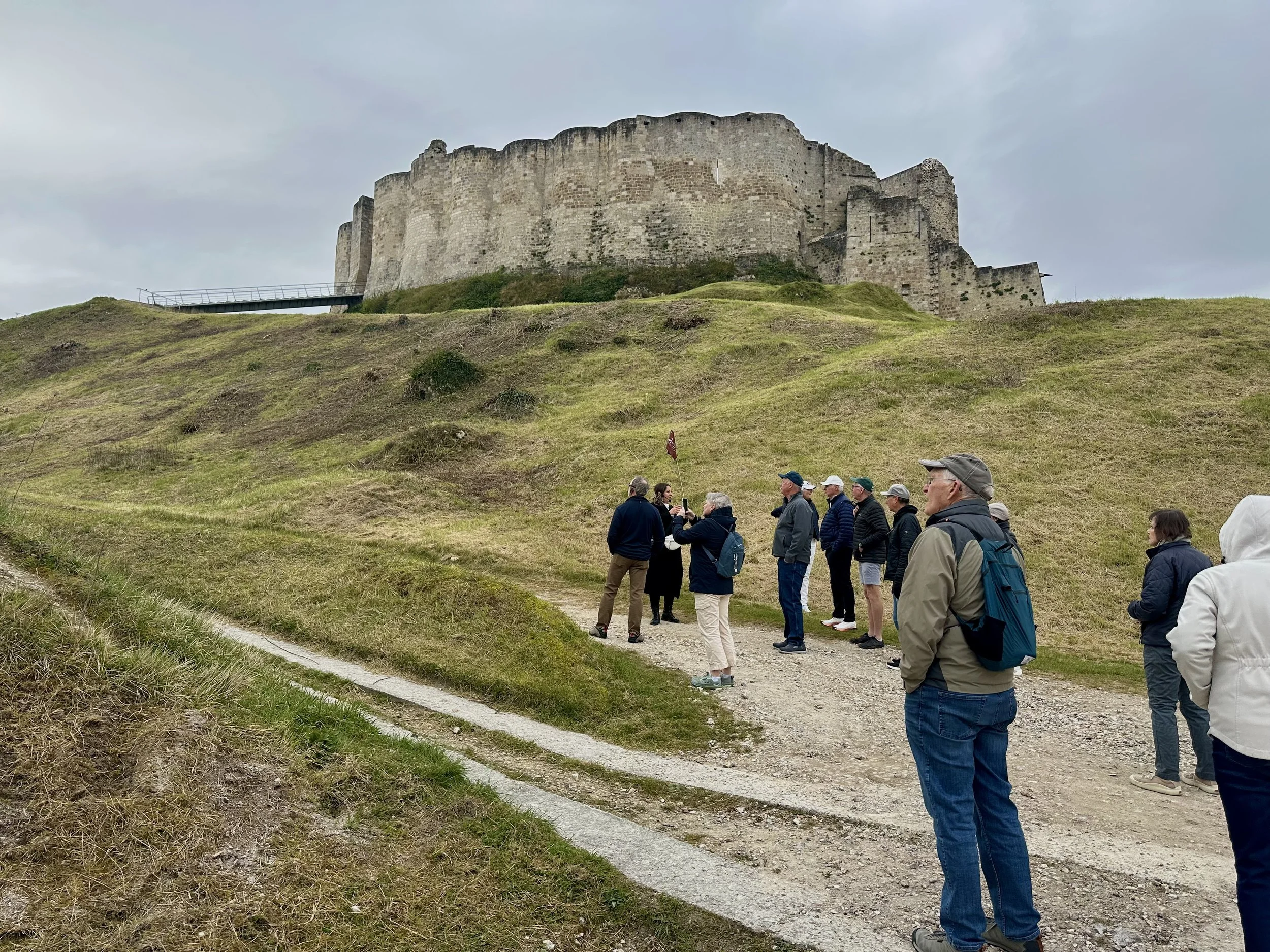
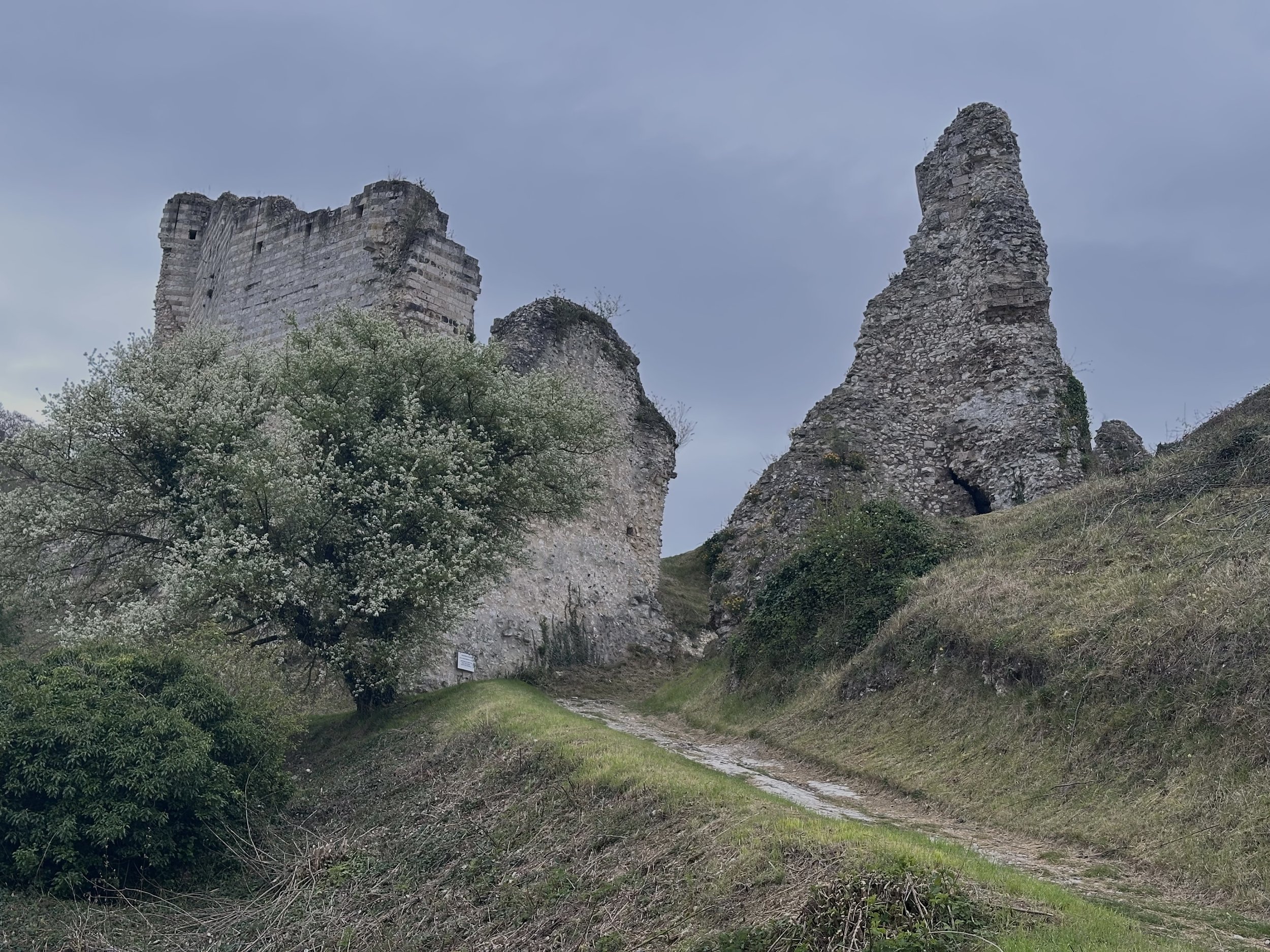
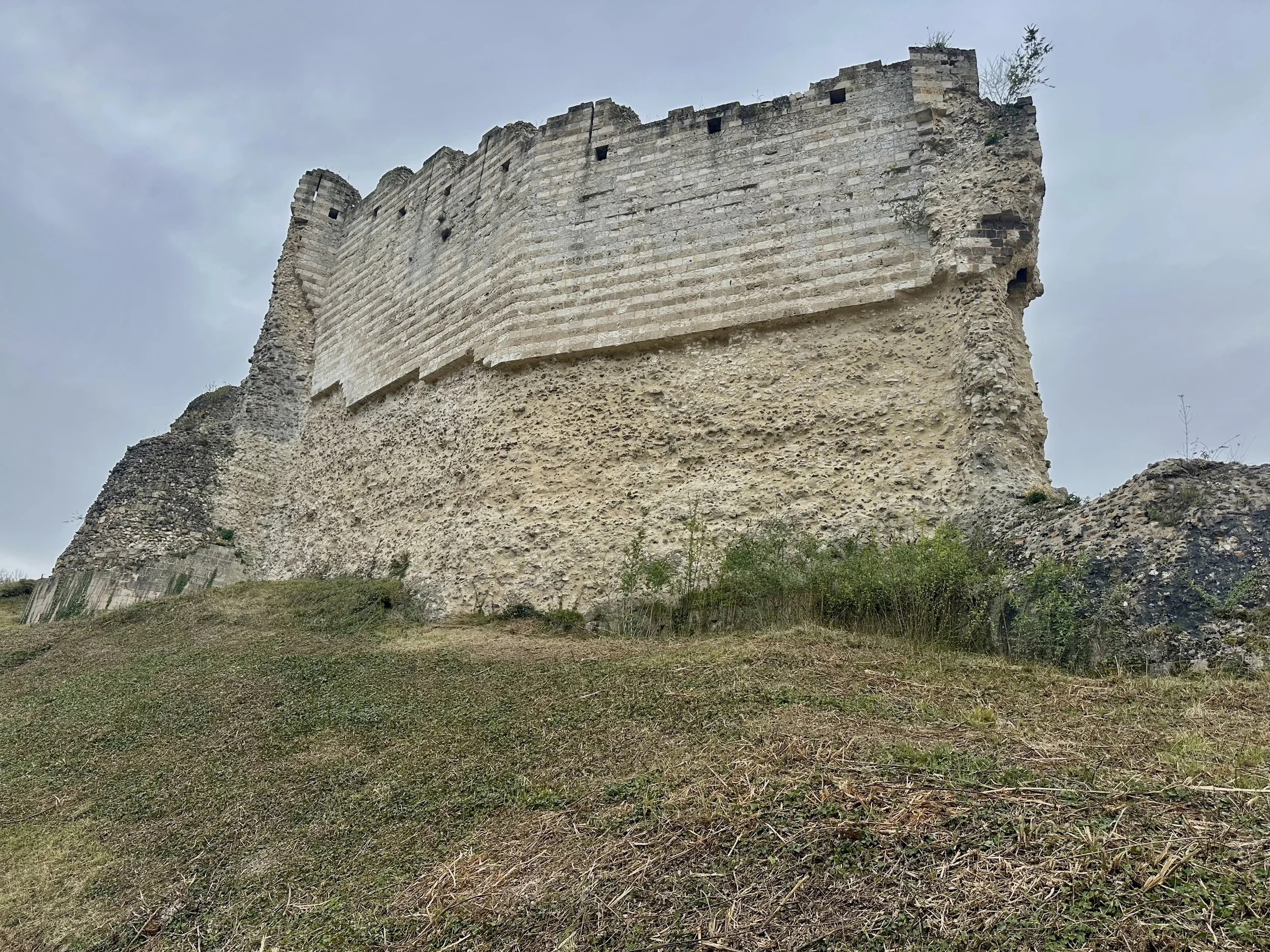
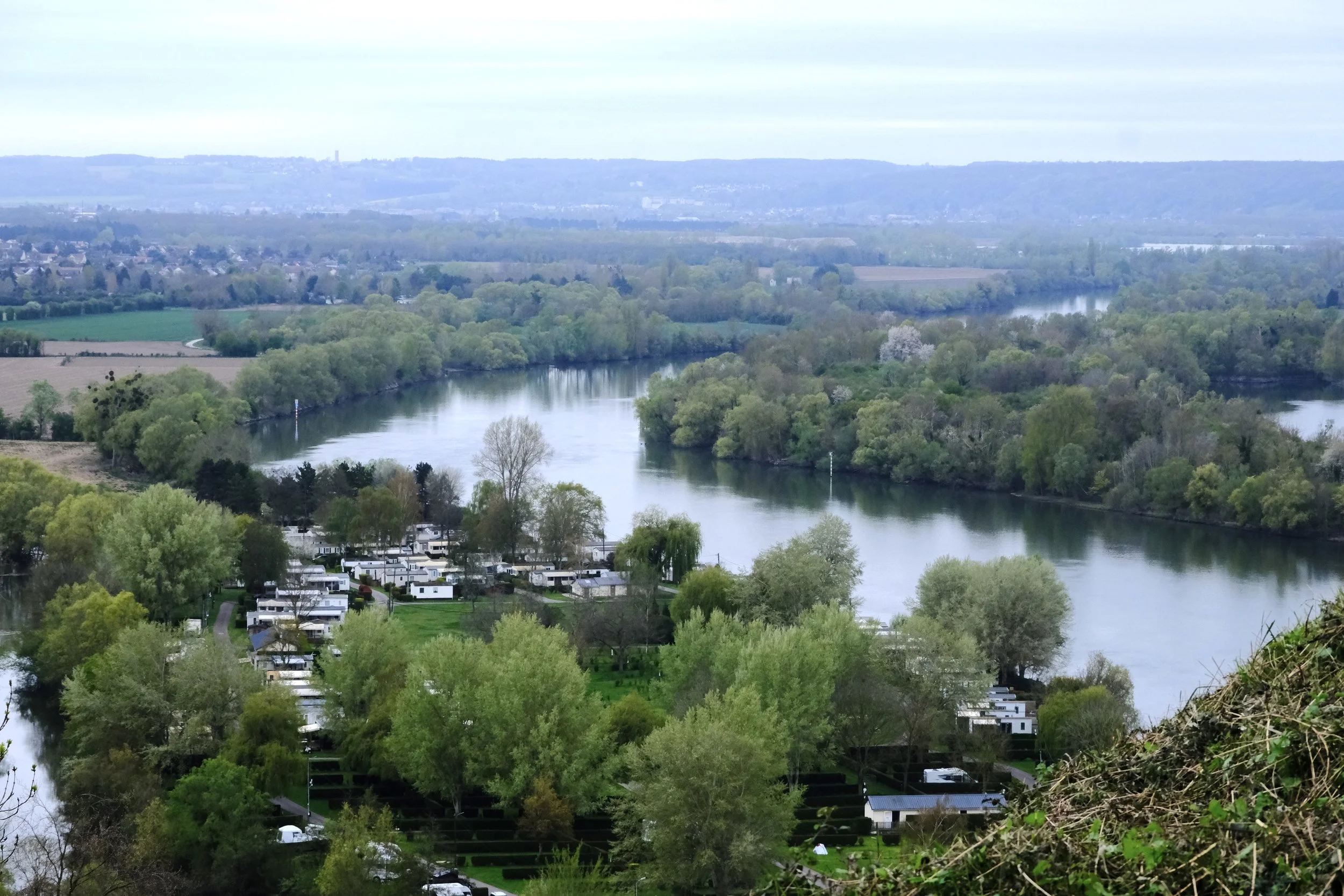
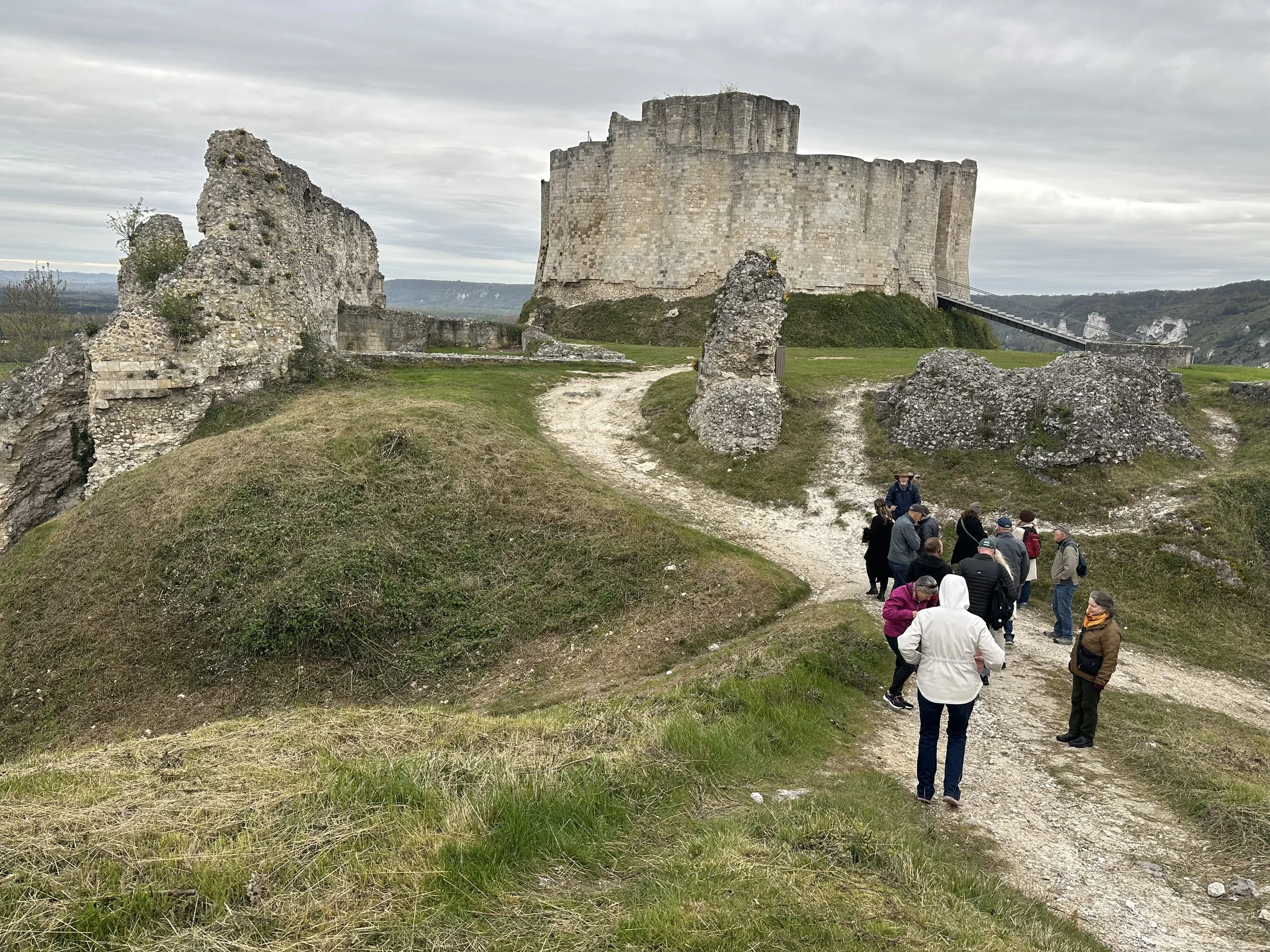
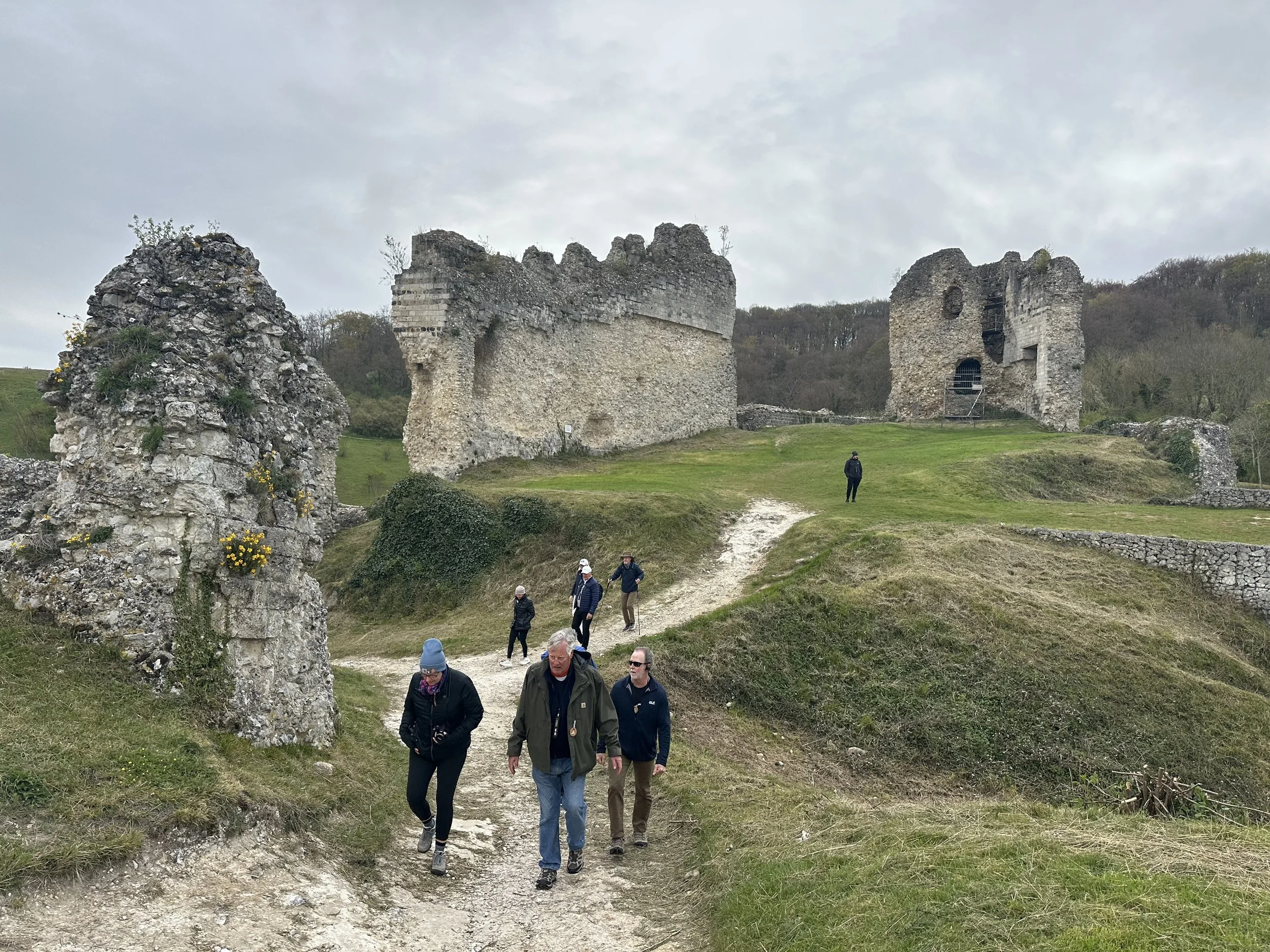
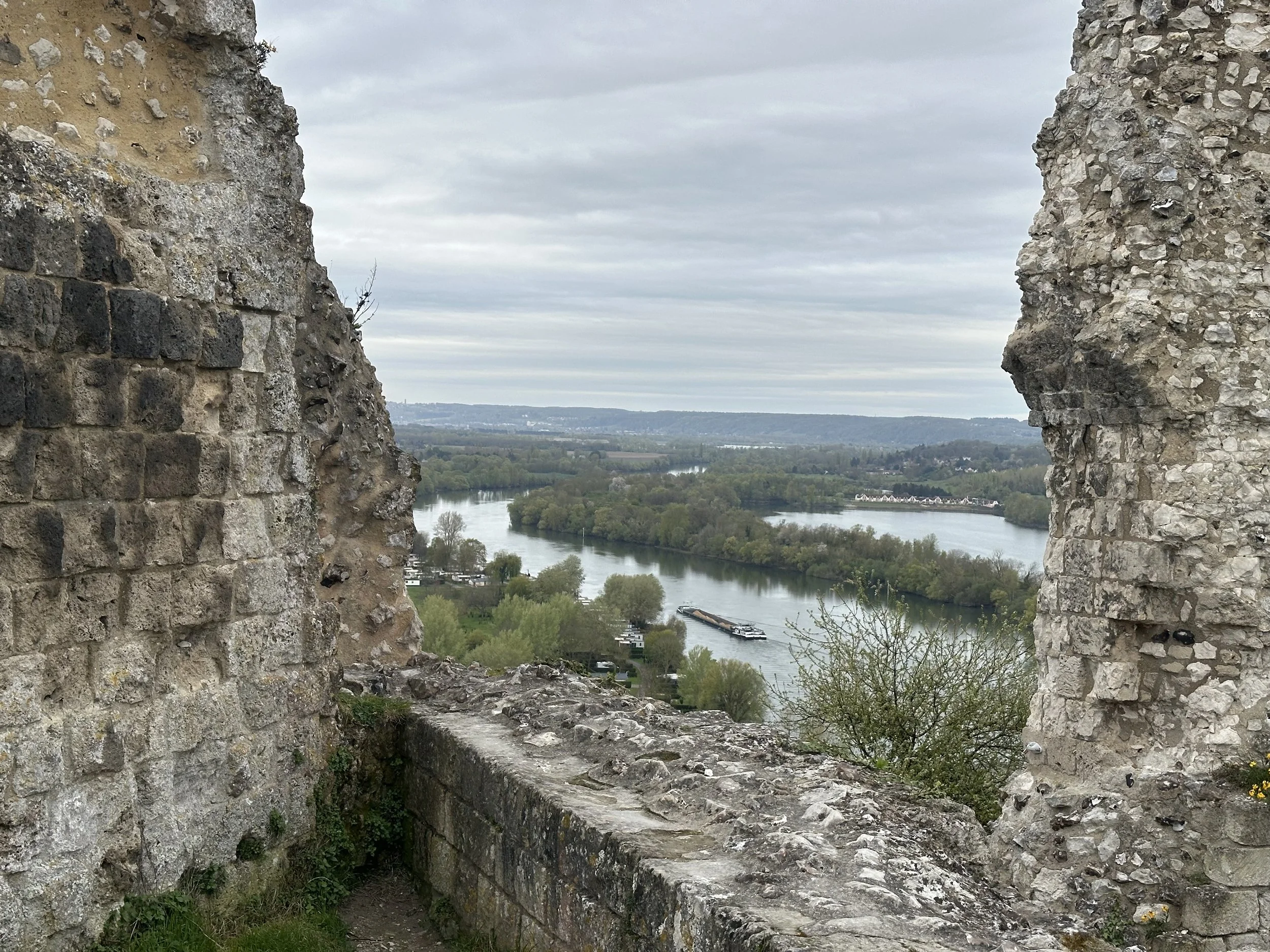
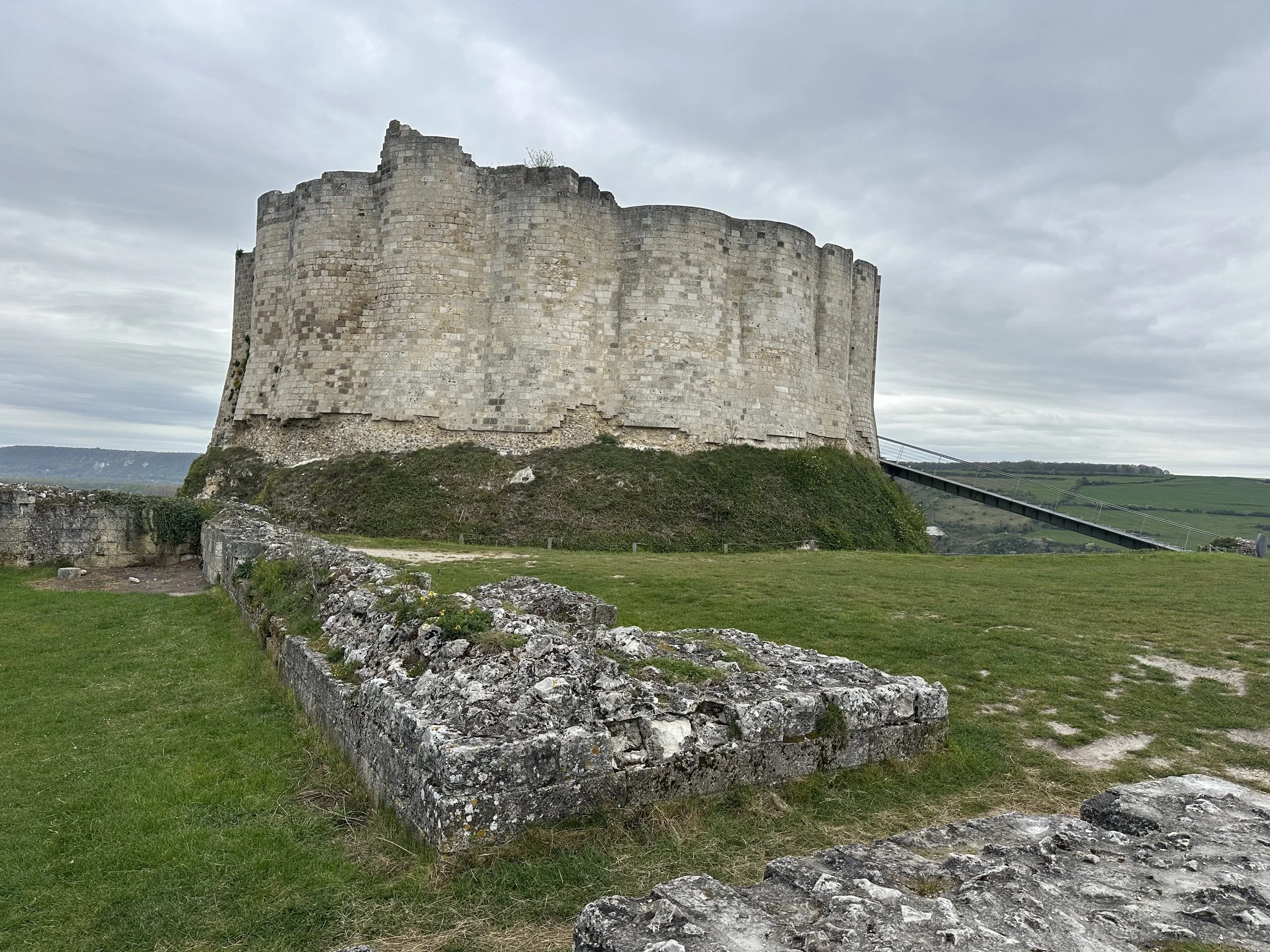
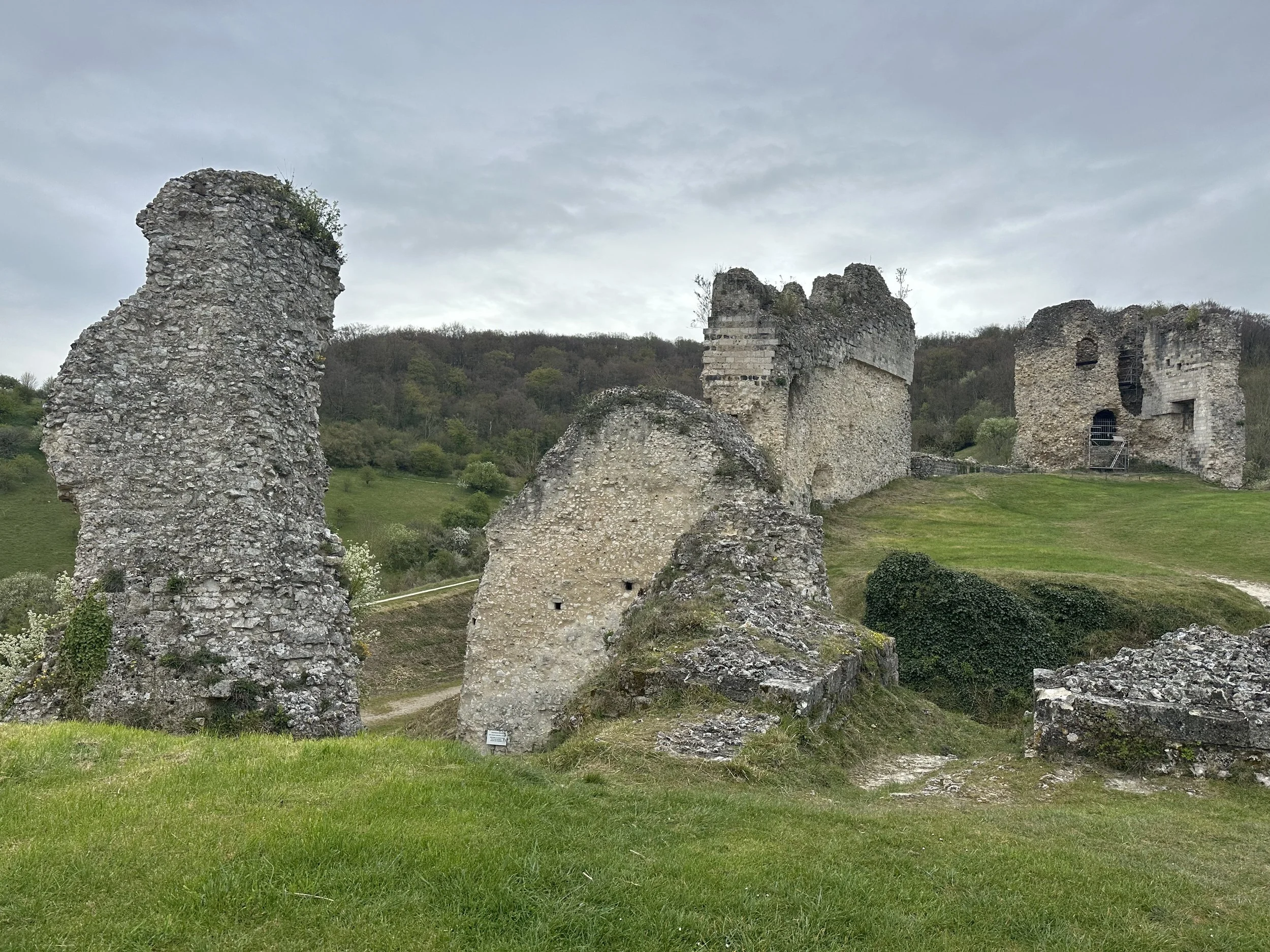
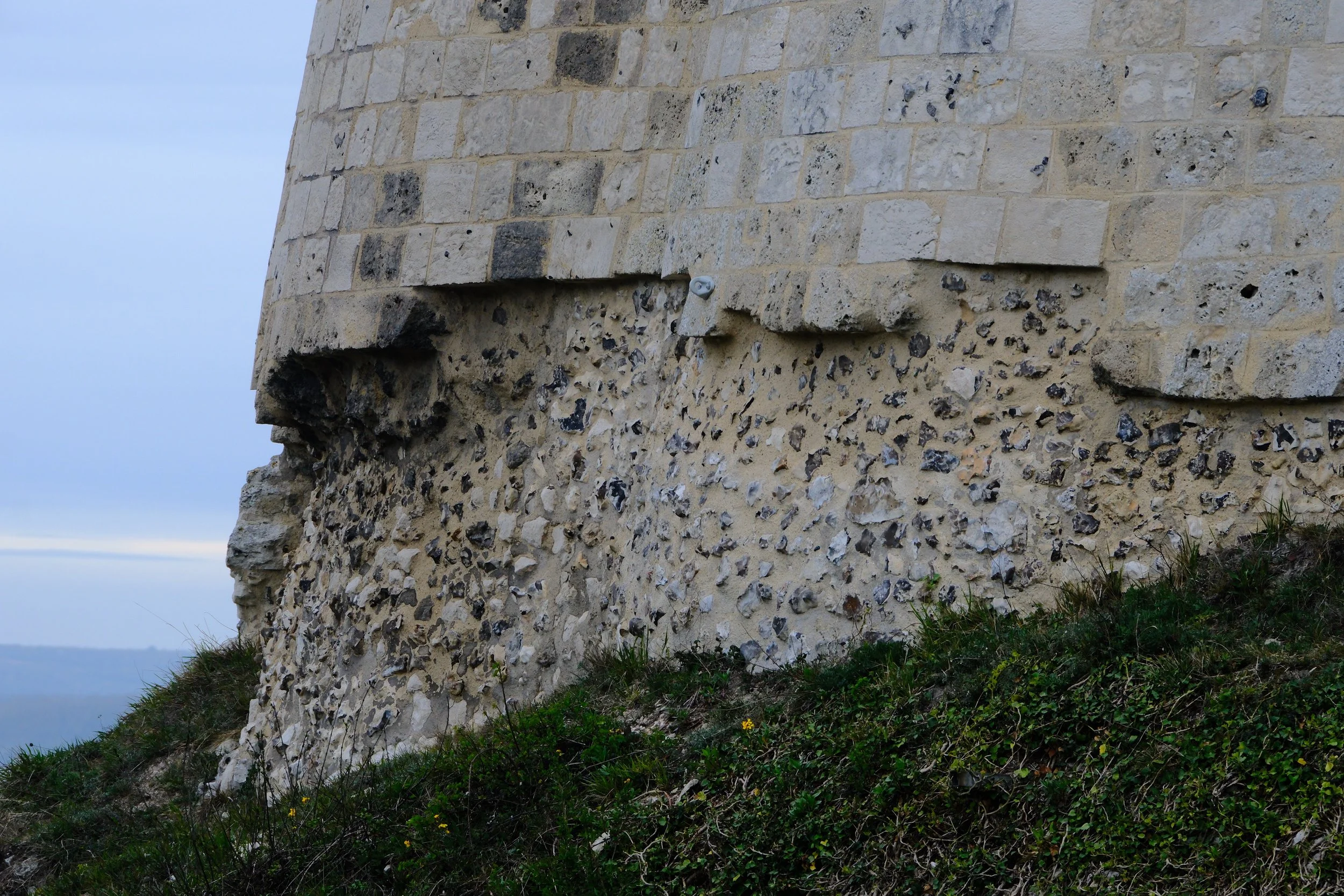
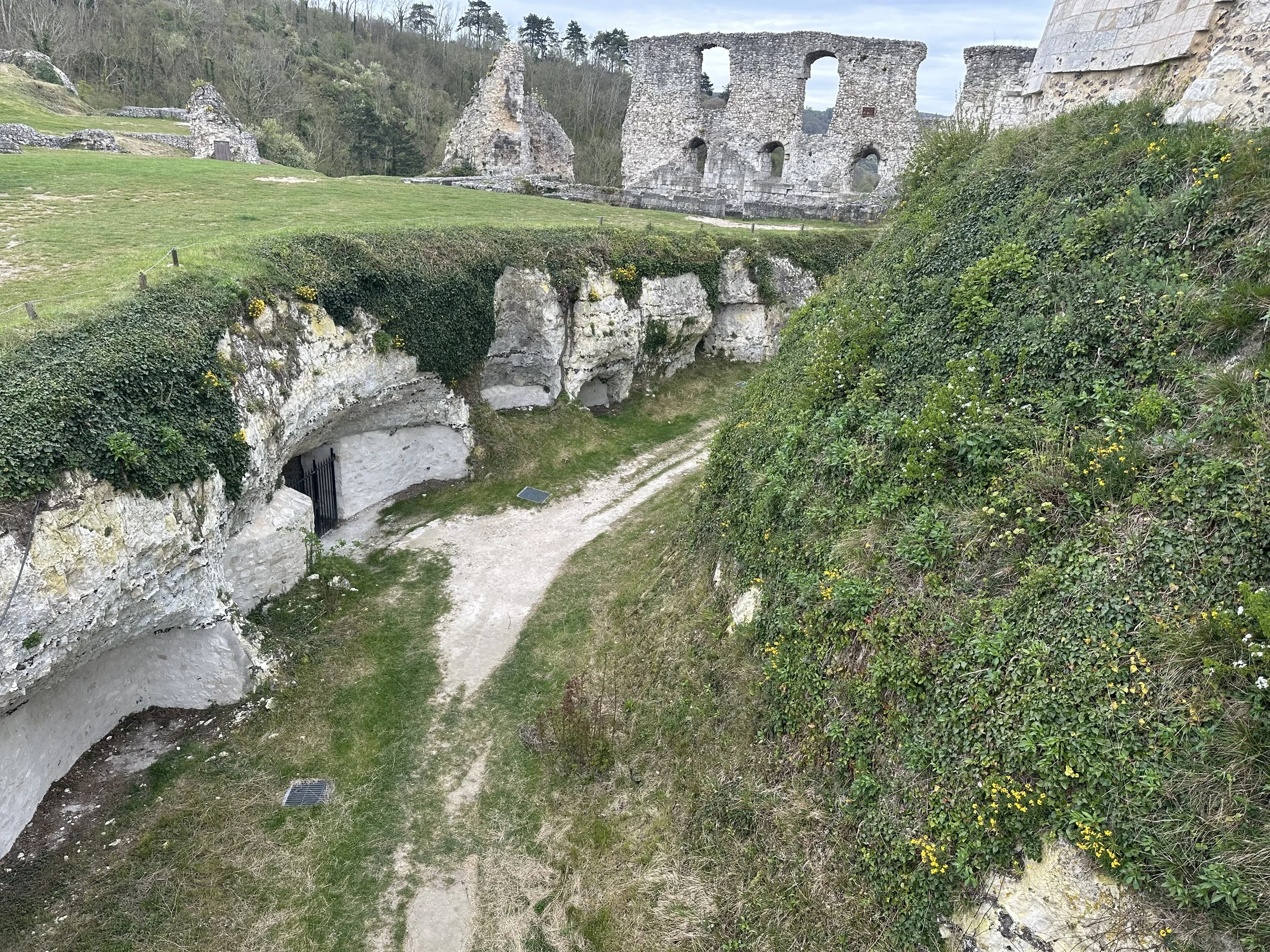
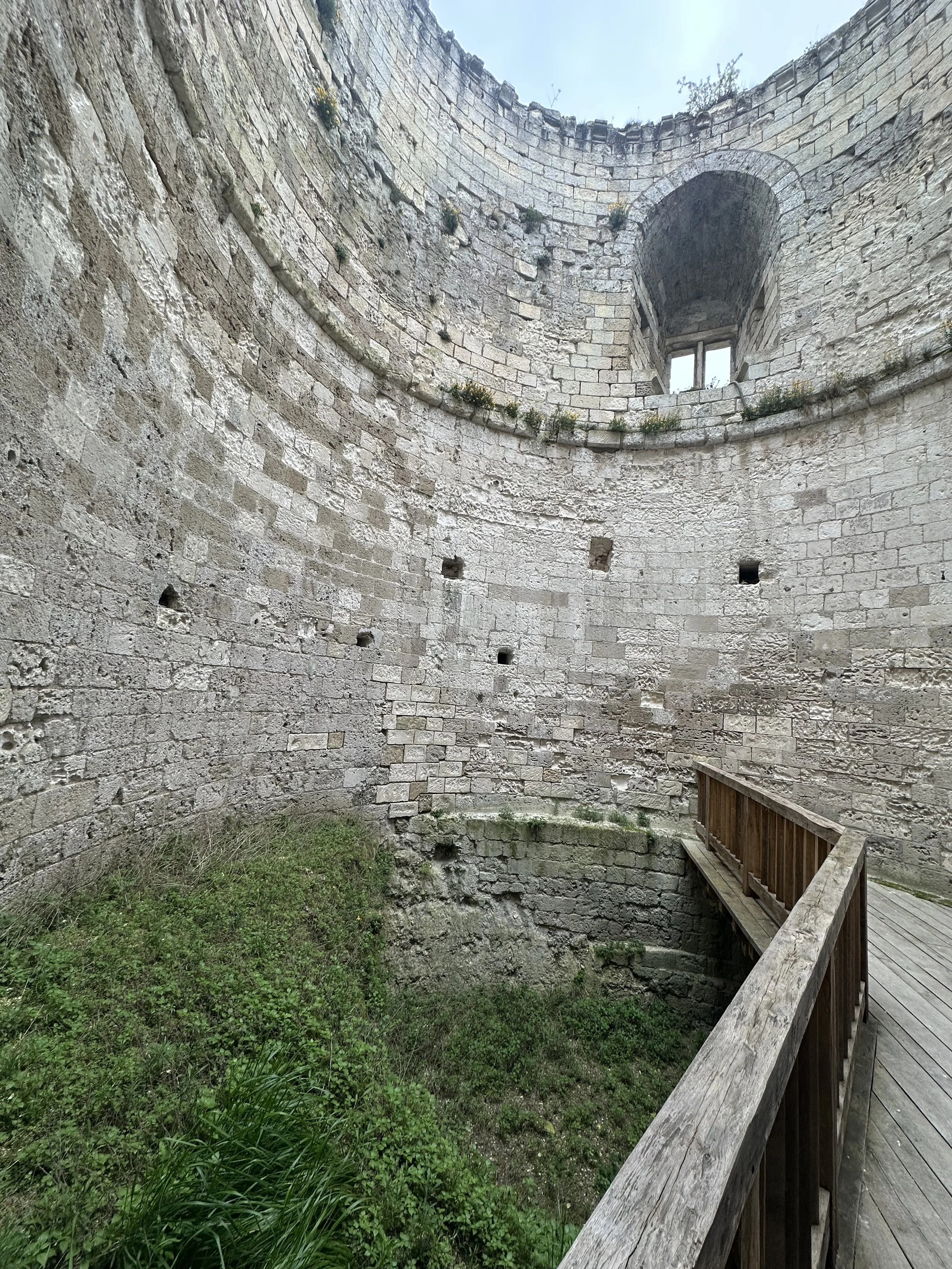
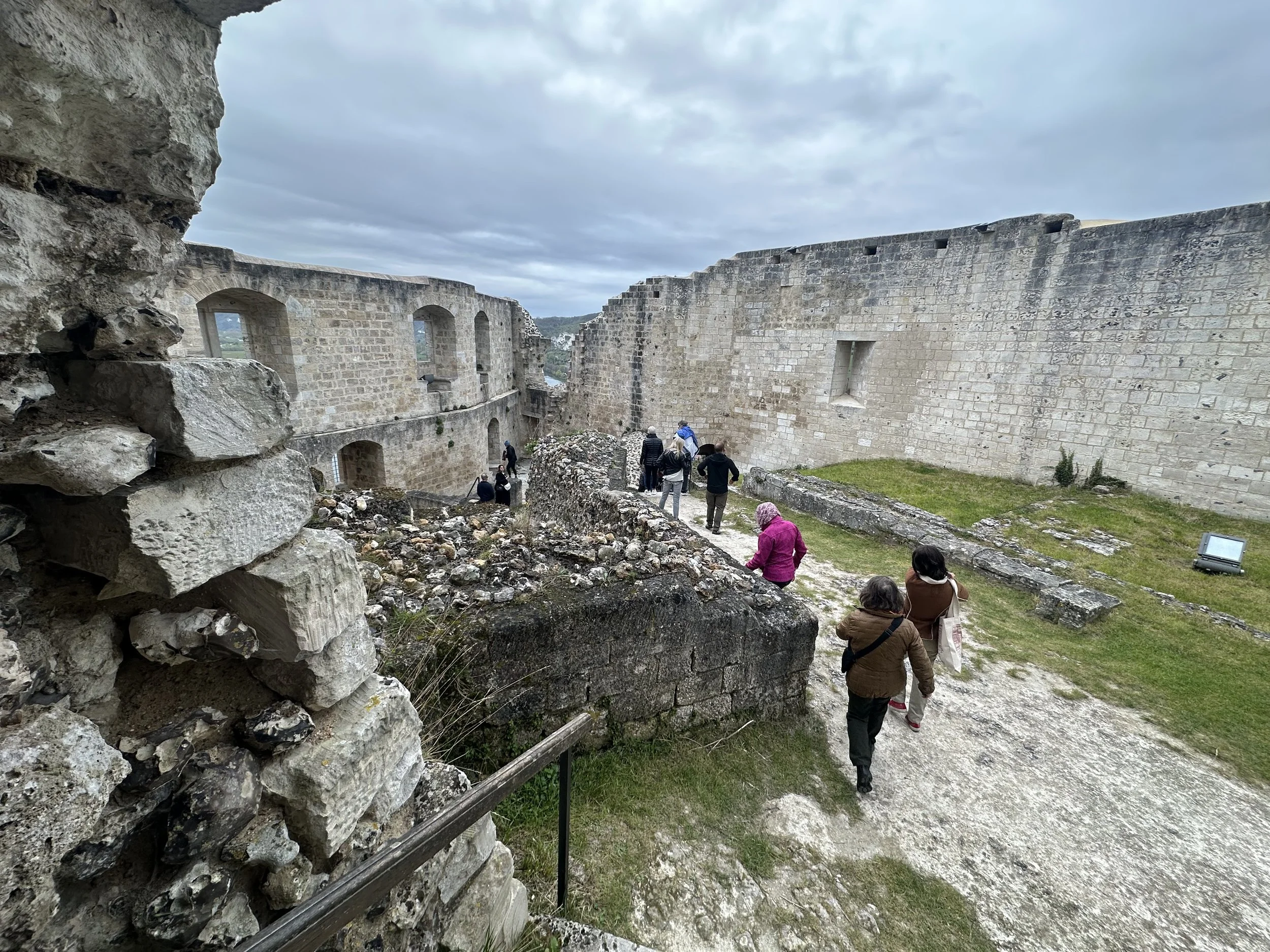
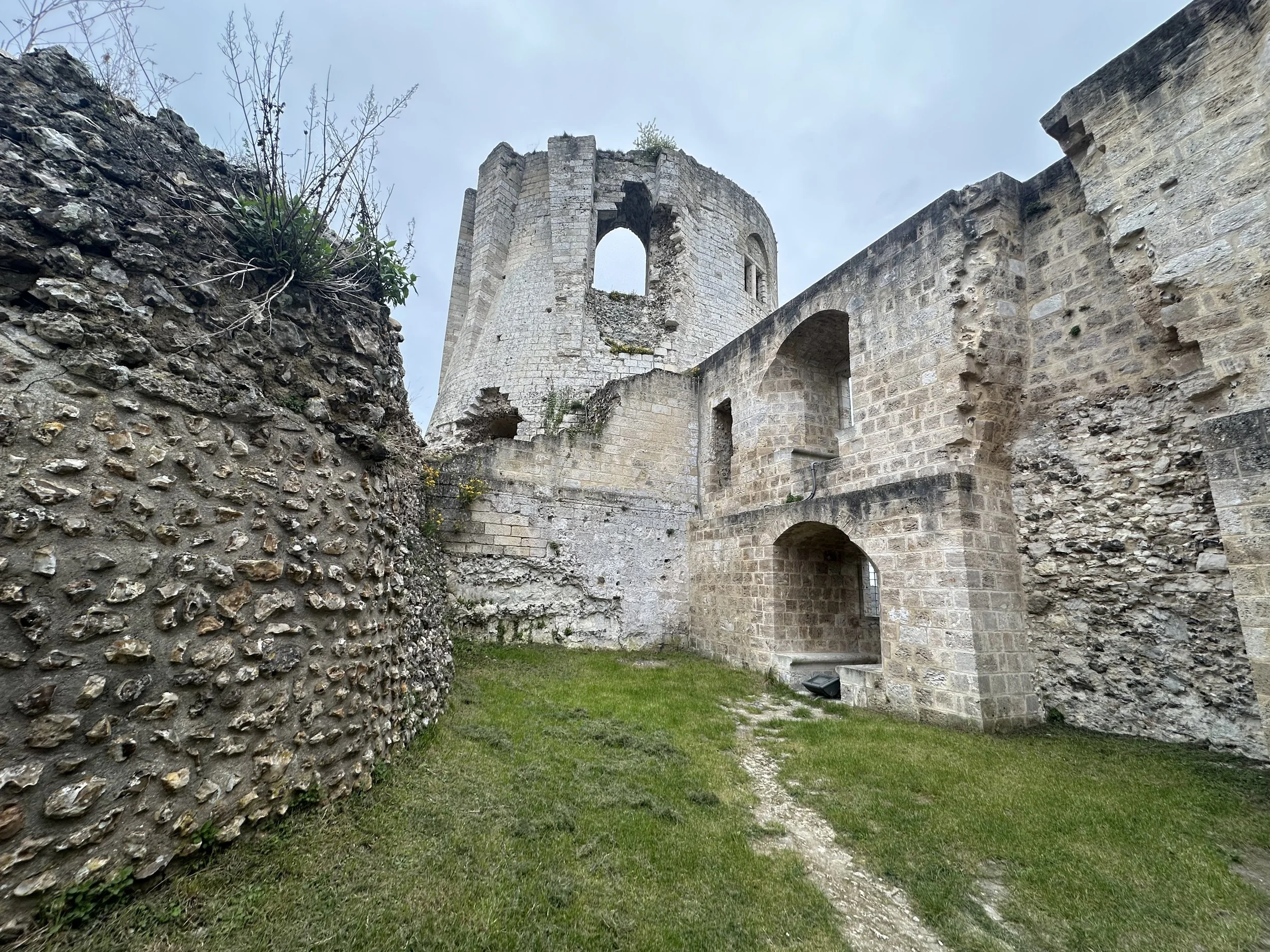
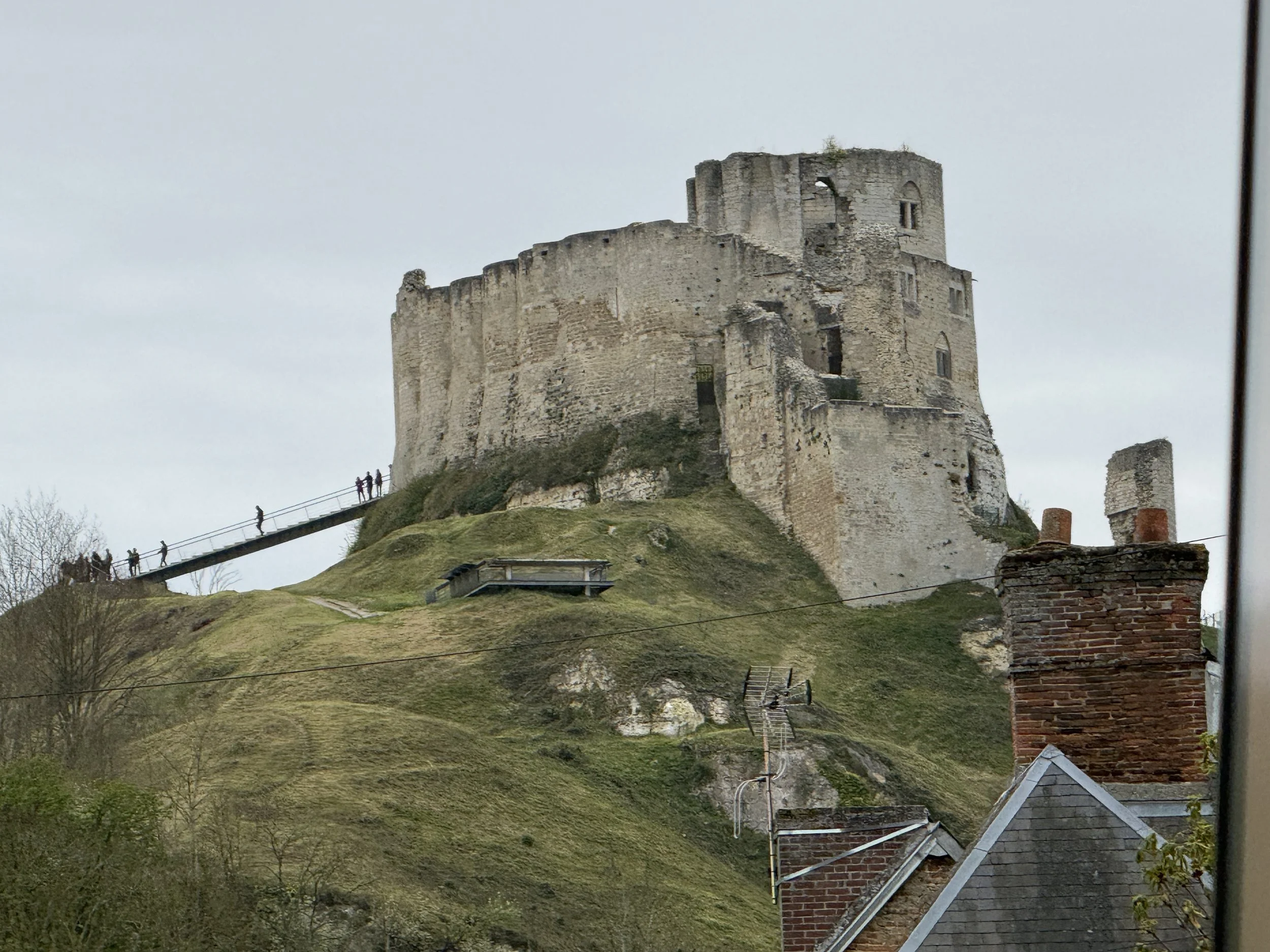
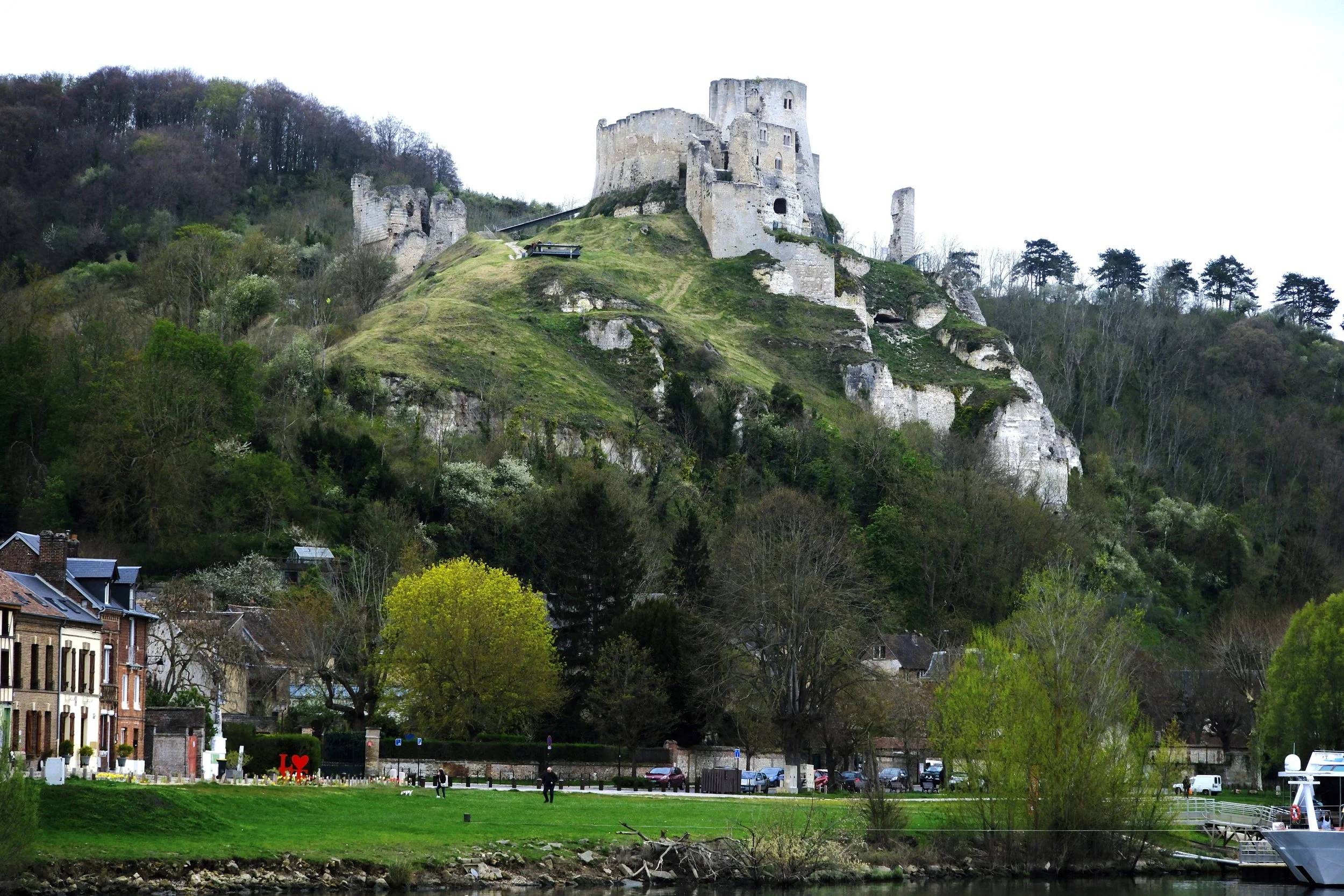
OK, so my (Jon’s) climb up to Cháteau Gaillard wasn’t all that tough. But the excursion was labeled as “Active” with 300 feet of vertical climb and a 14% grade. (The path up Borestone Mountain is much steeper and longer, even the initial road climb.) And the Cháteau was built by King Richard I – Richard the Lionhearted - so I can claim some lionheartedness.
Richard was King of England from 1189 until his death in 1199. We was, at the same time, Duke of Normandy and several other places in France, a Duke of this and an Overlord of that. He is thought to have spent at most six months in England during his reign, leading the Third Crusade with King Philip II of France and building stuff in Normandy most of the time. His intent was to build a series of fortifications to fend off King Phillip II.
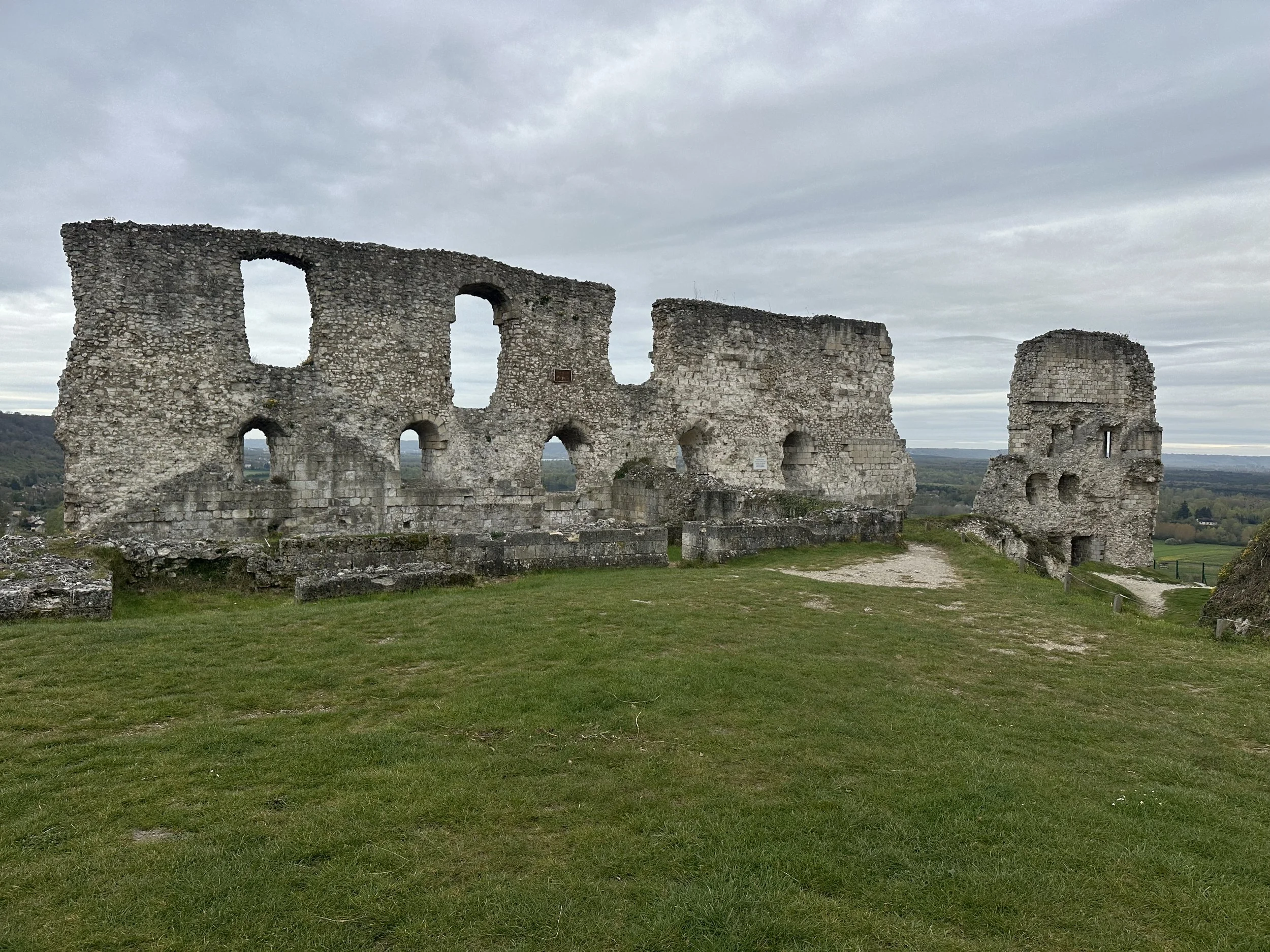
The two kings distrusted each other and, to make sure the other wouldn’t take advantage of the other, they both went together on the crusade. King Richard was taken prisoner on his way back and Phillip took advantage of his absence to gather resources to besiege Gaillard. Philip didn’t start the siege until, shortly after his return, Richard died of an arrow wound and his brother, John (of Robin Hood fame) took over. John was no Richard militarily and in addition he added on a chapel with large windows (to let in the light of God), which served as entry points for the French.
By the way, the version of history that says the French got access through the castle’s privy is fake news put out by the English to cover up John’s ineptitude.
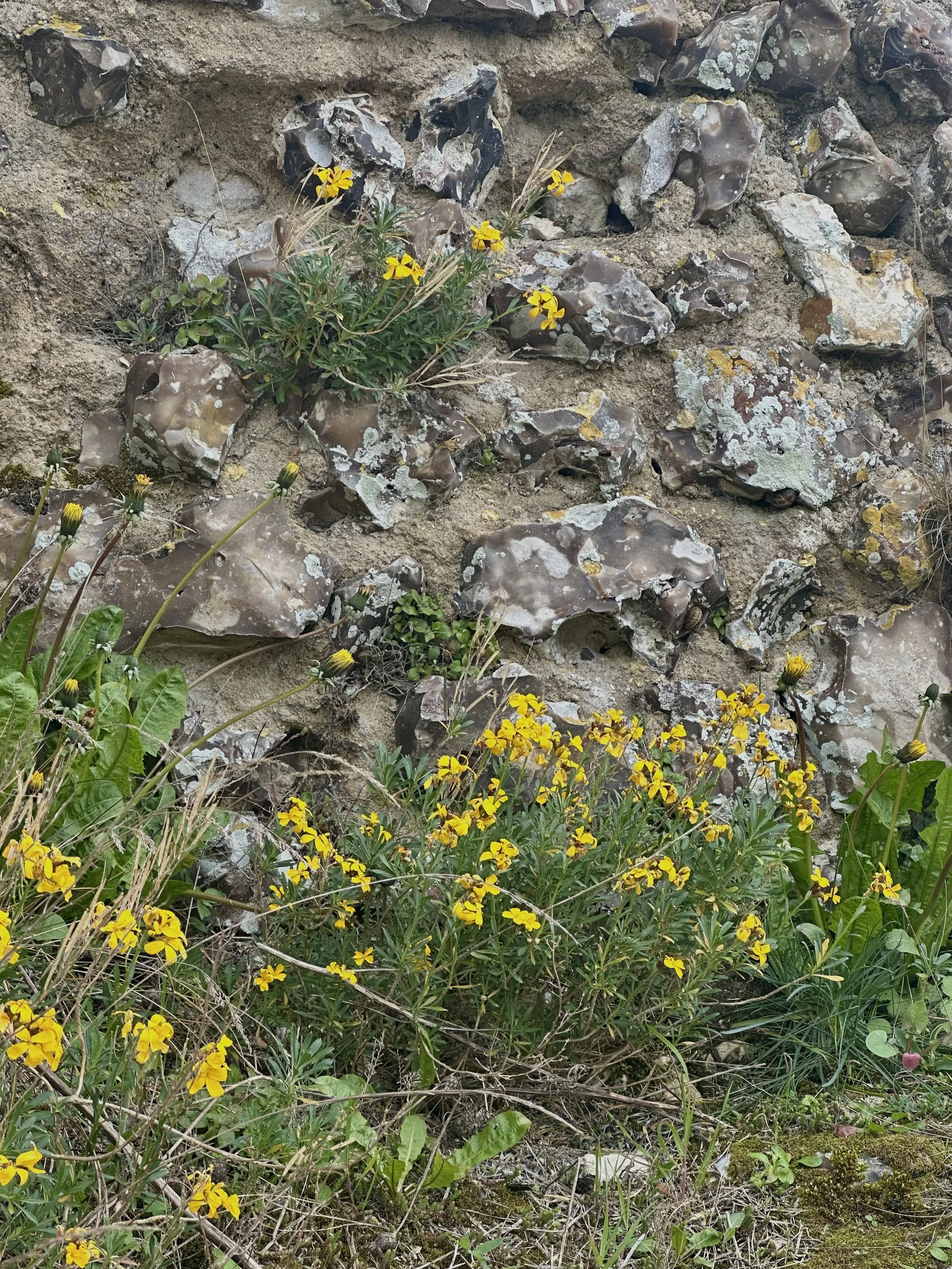
The chateau changed hands several times over the years and fell into disrepair. King Henry IV (the Sun King’s father) ordered it dismantled and used as a quarry for building material. What we saw today is the remnants of the chateau.
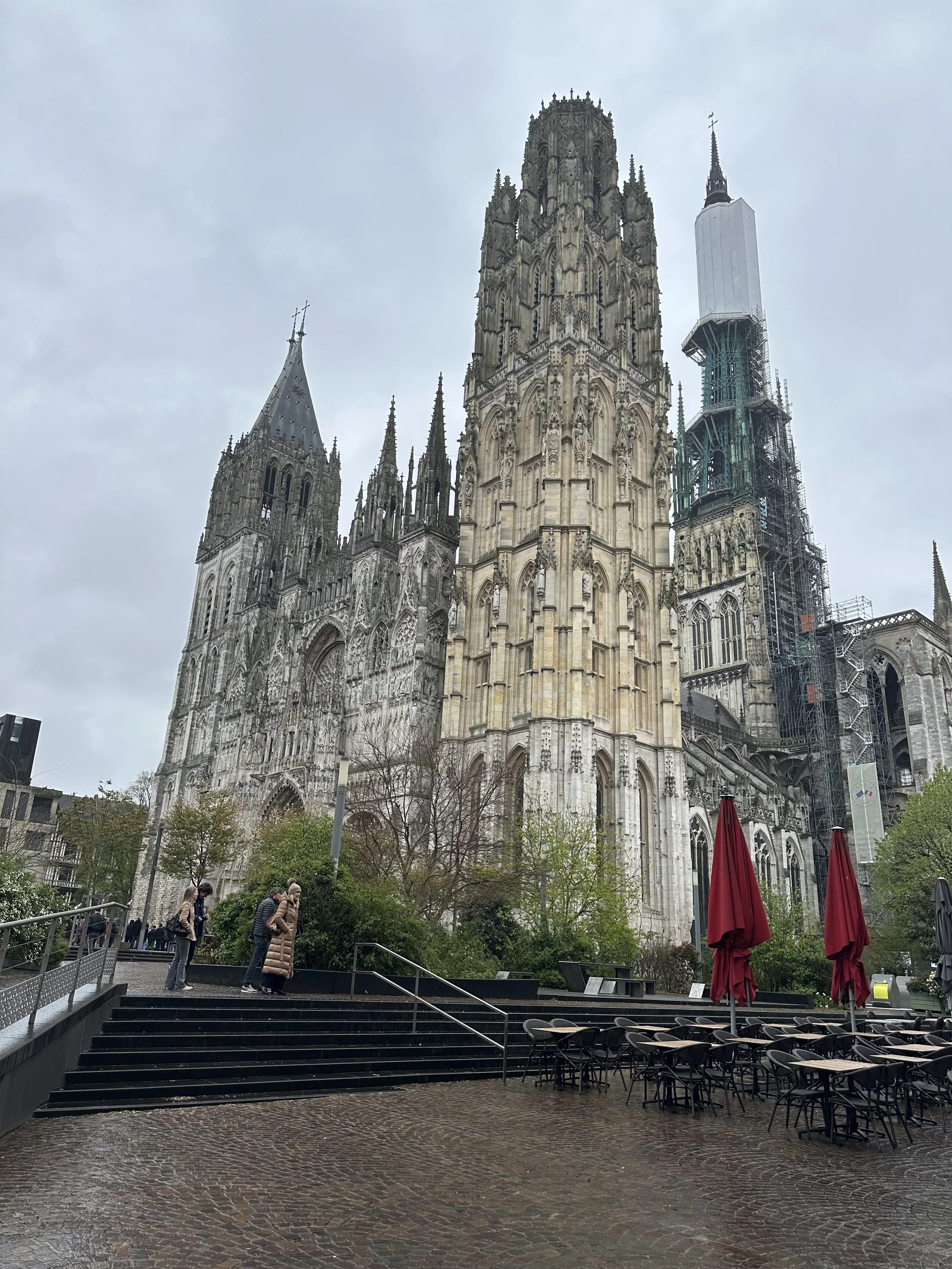
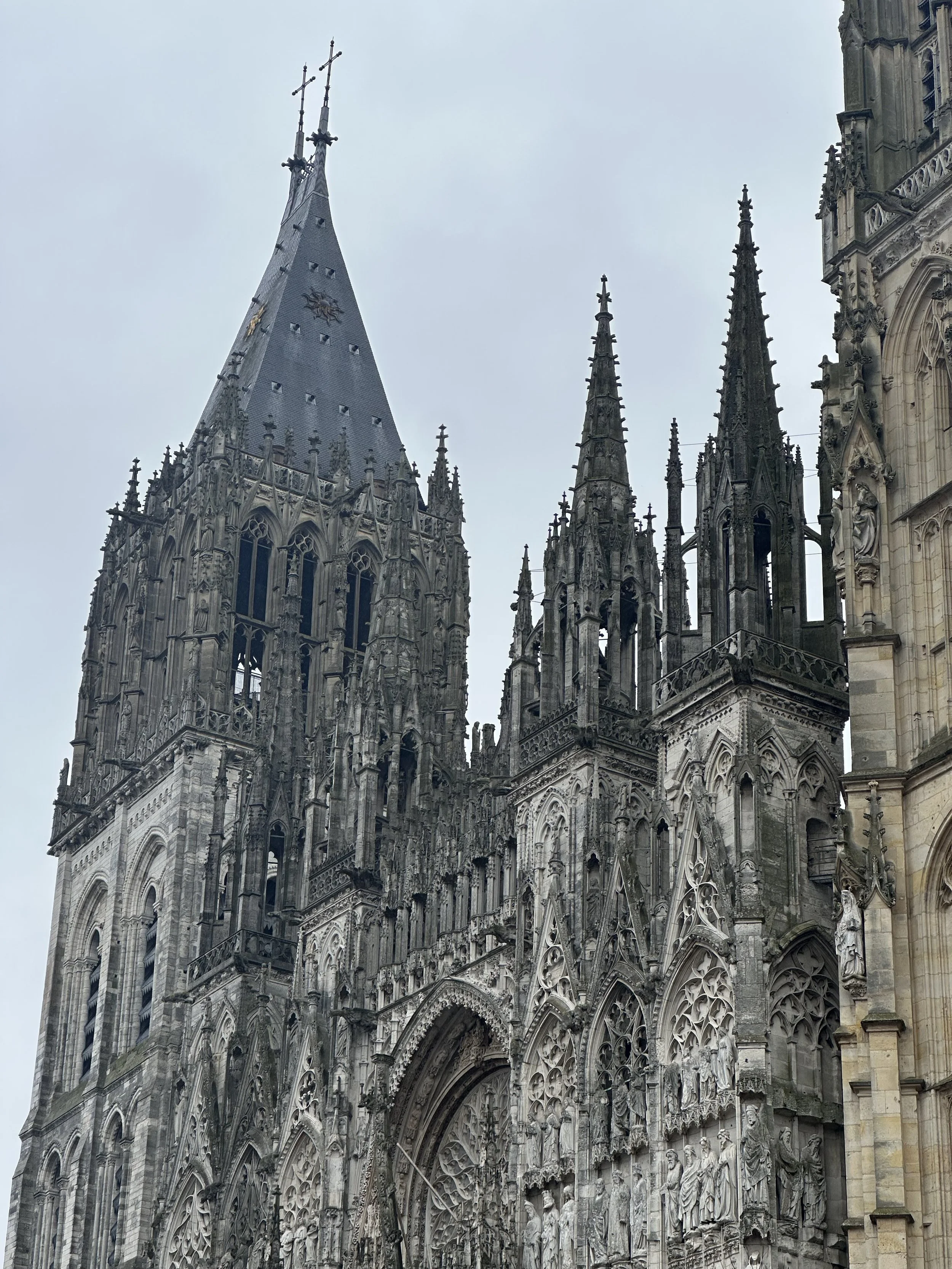
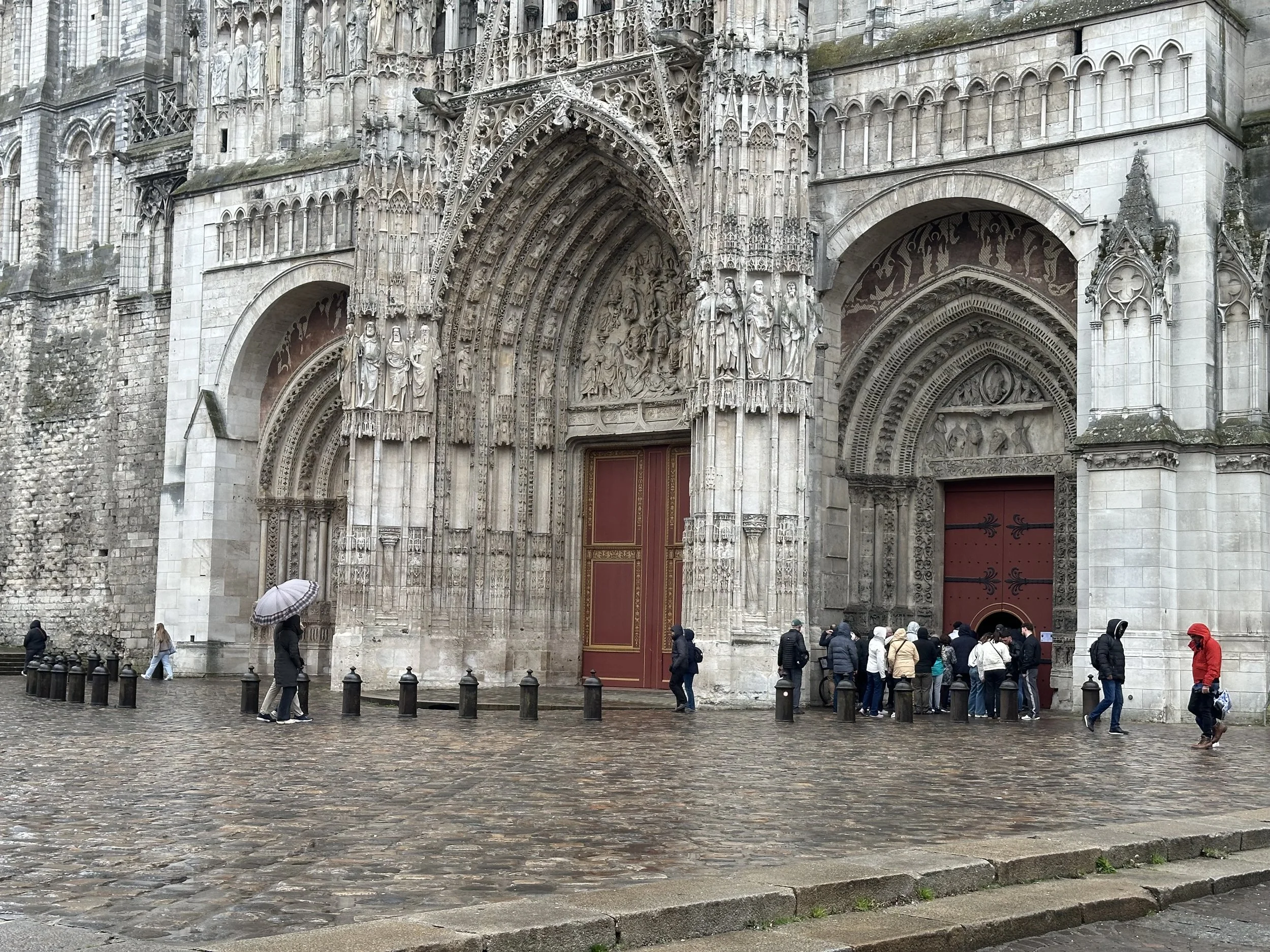
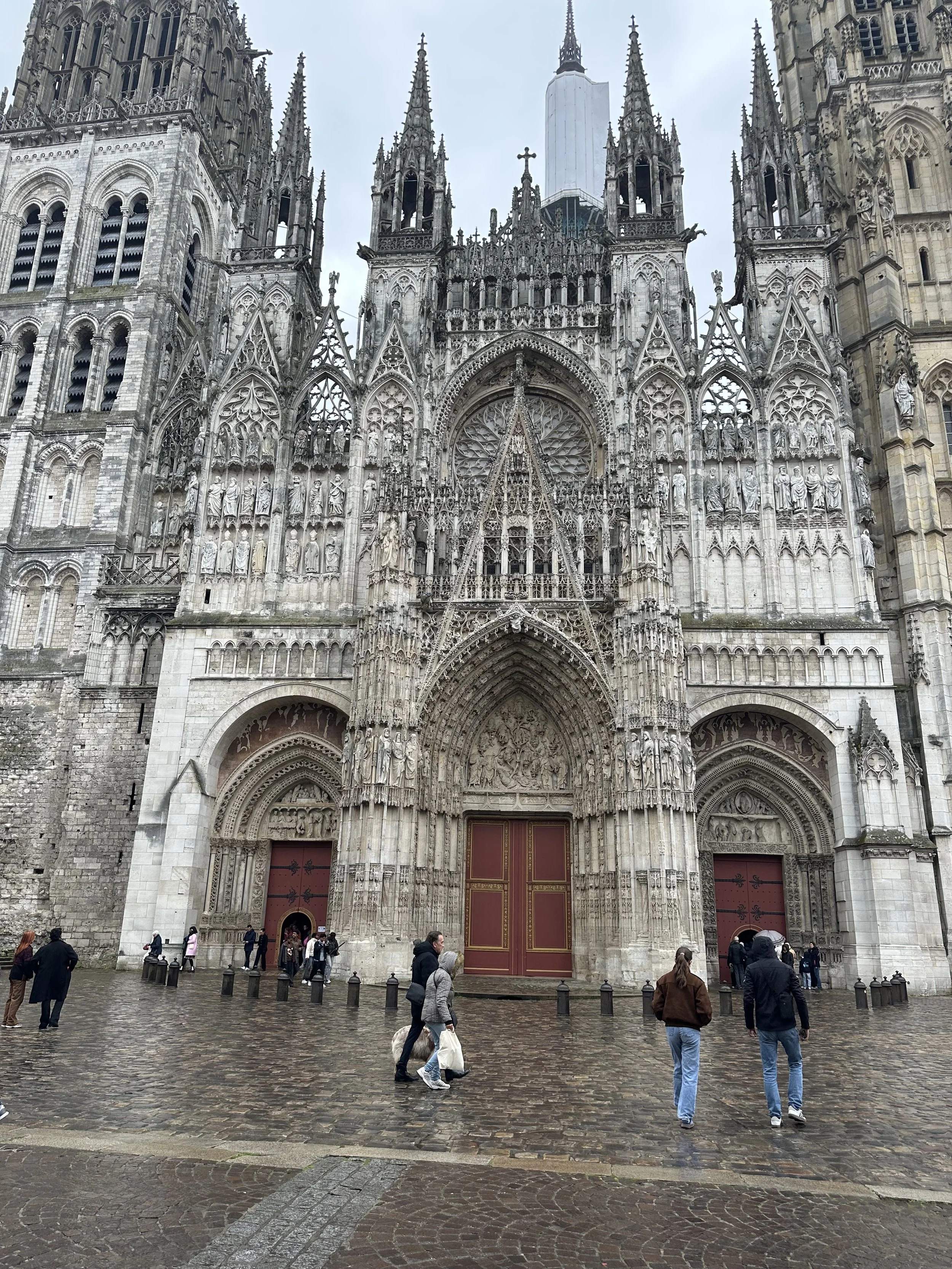
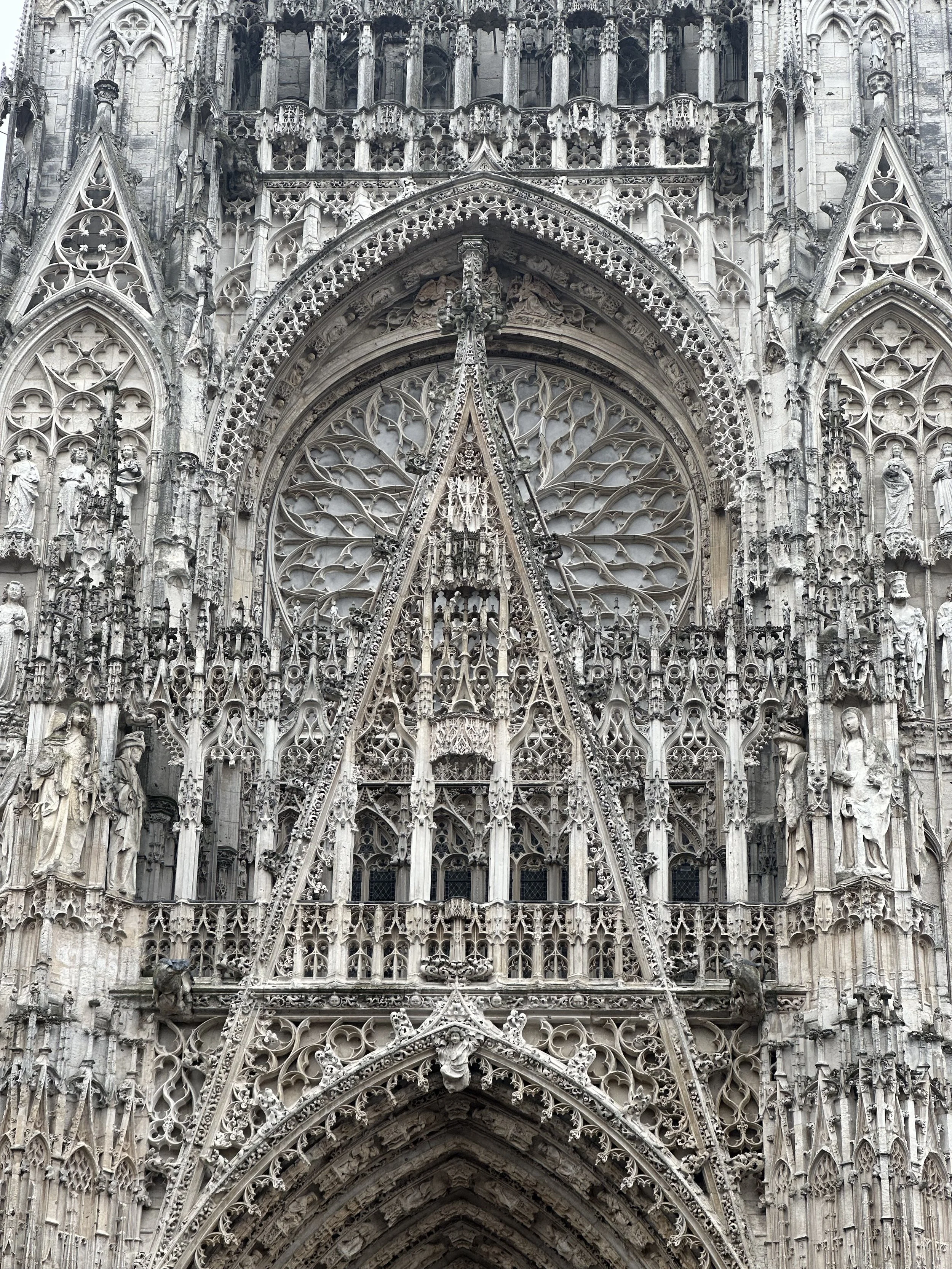
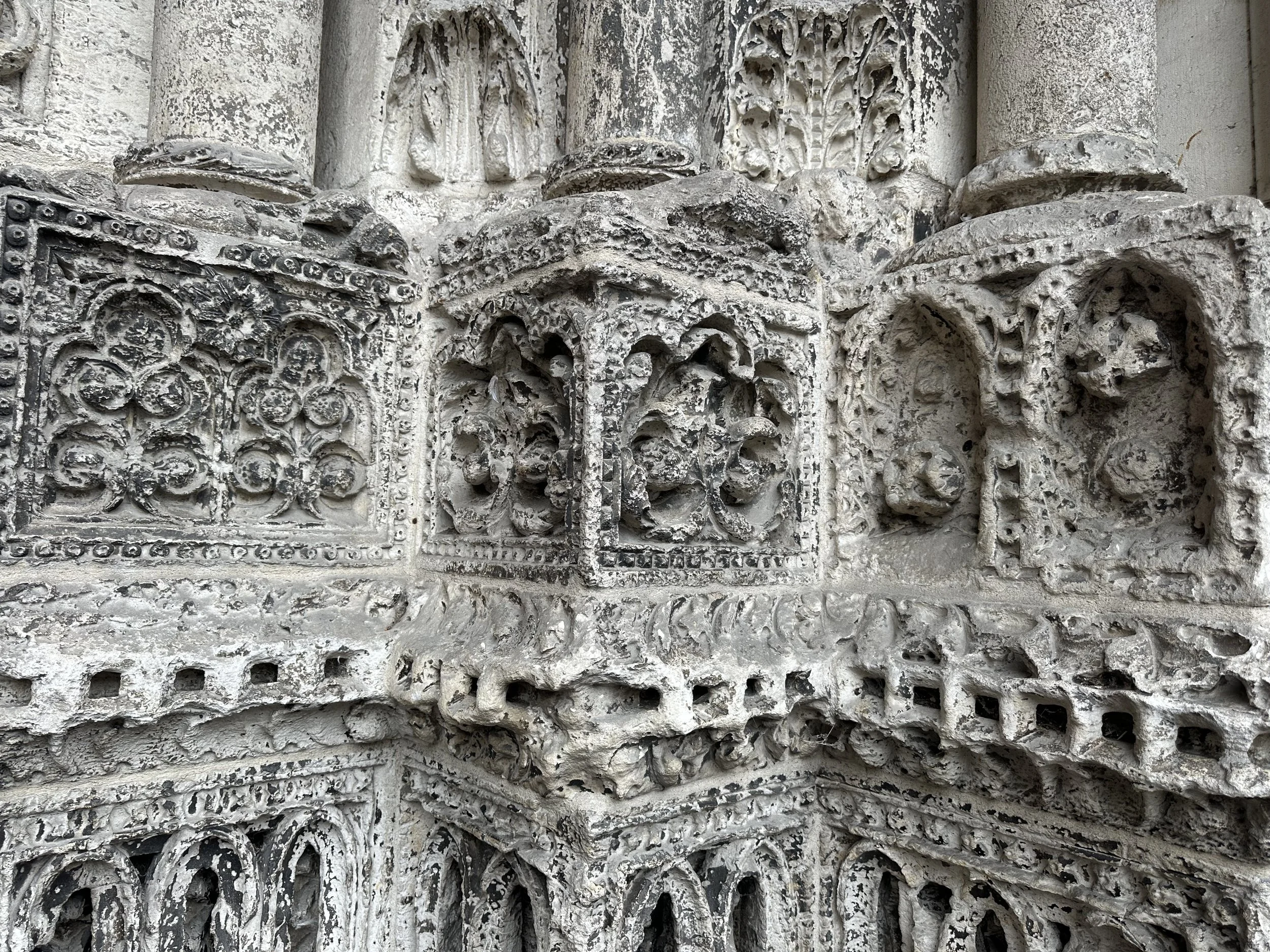
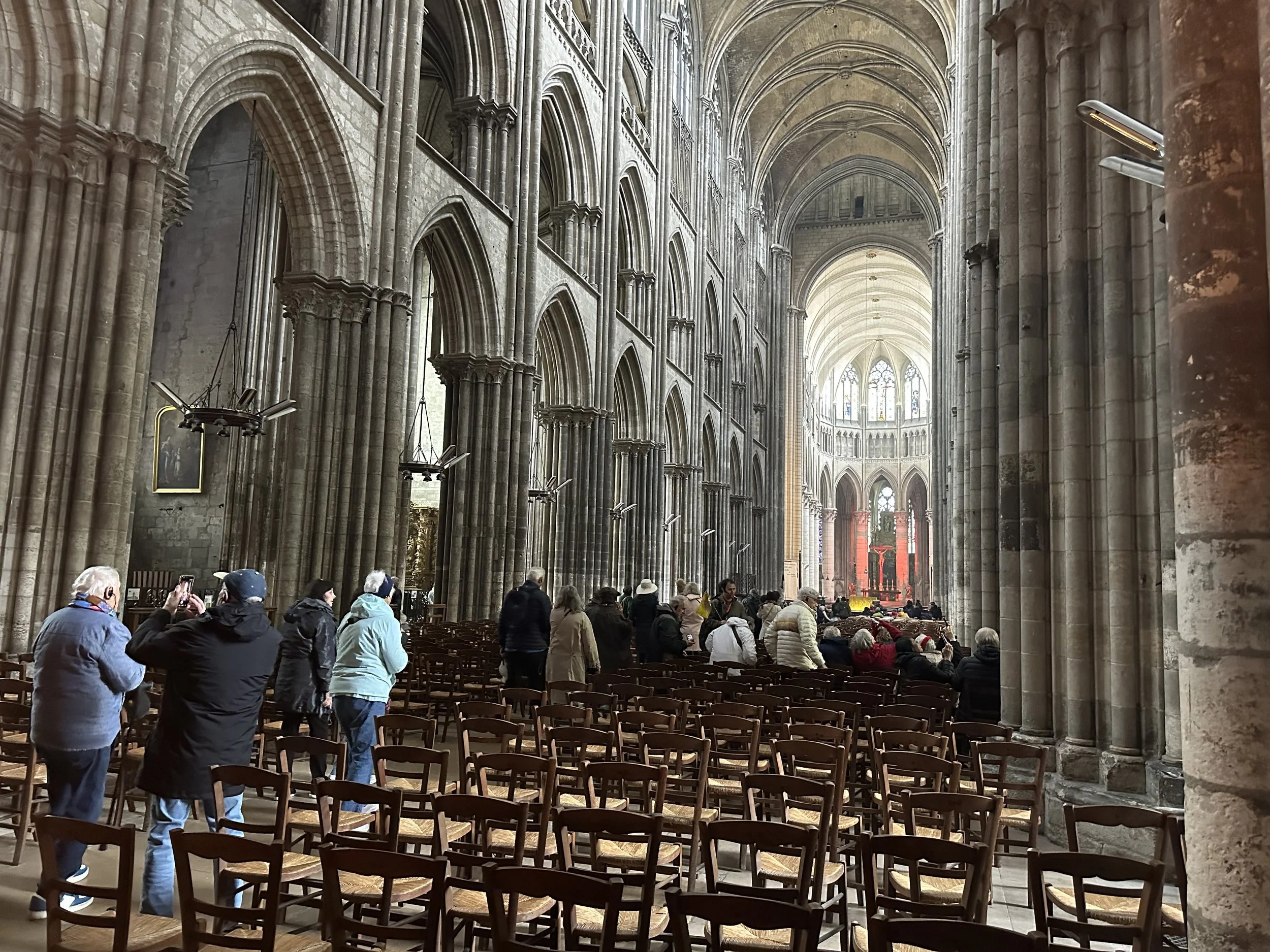
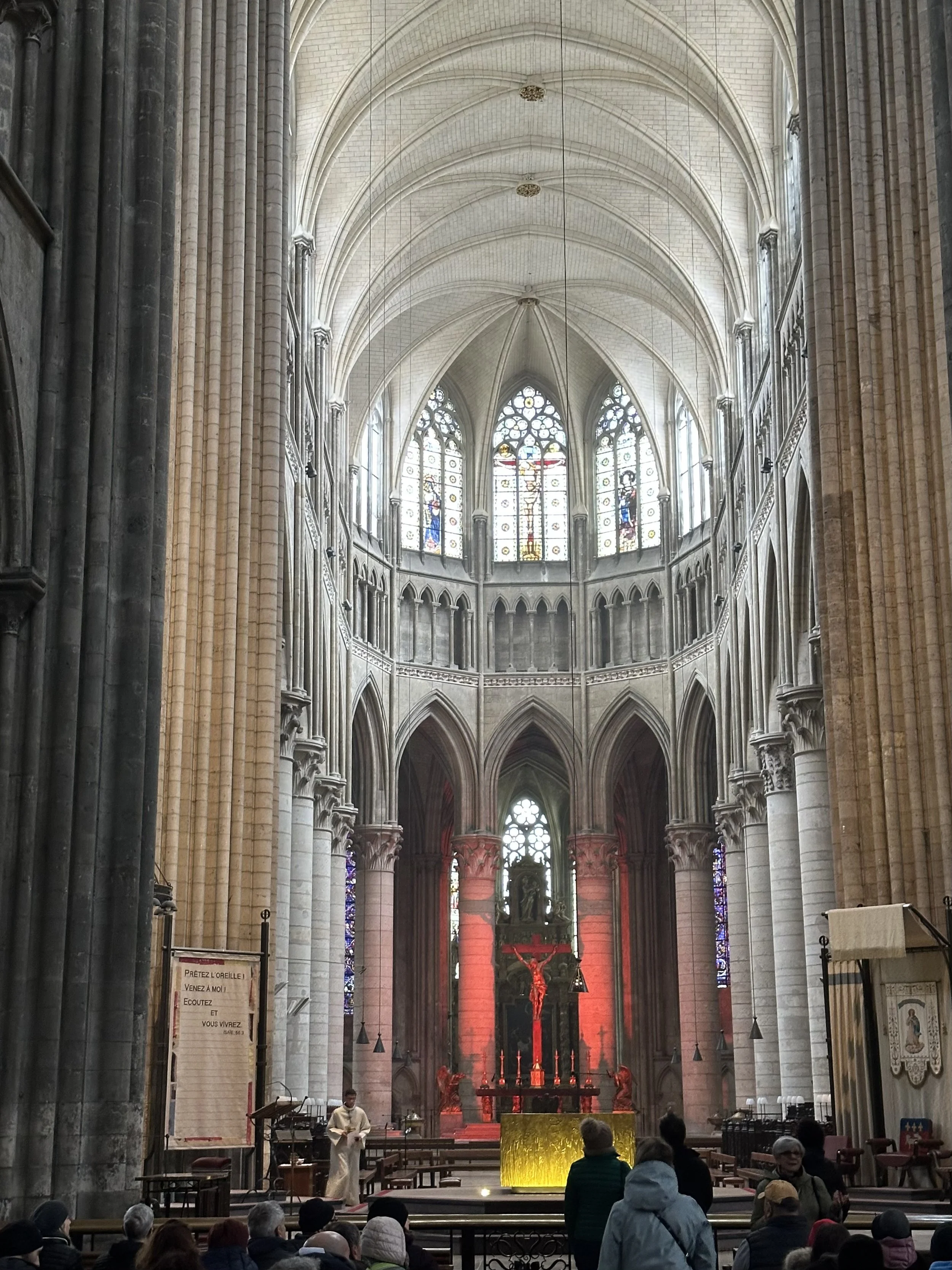
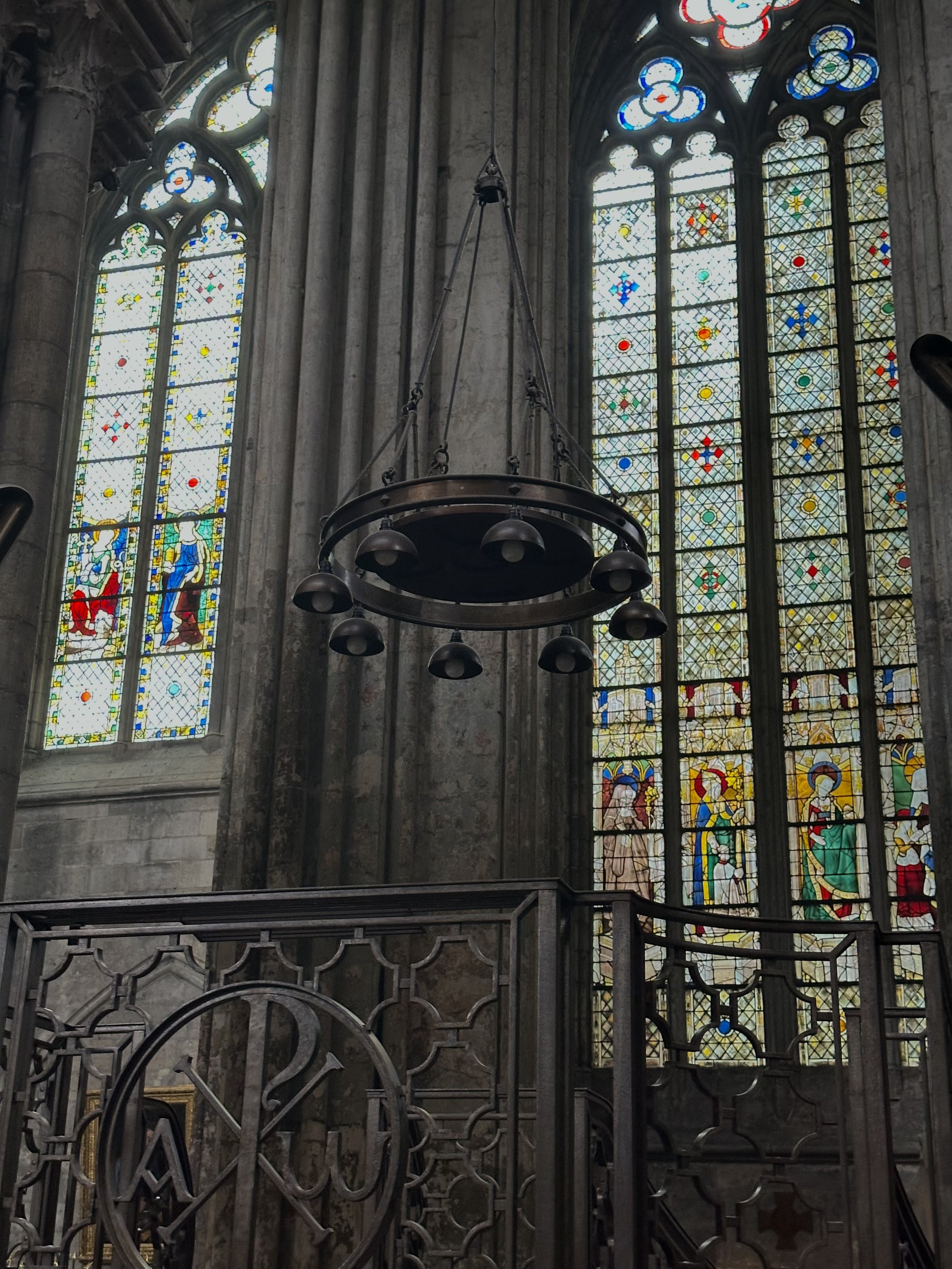
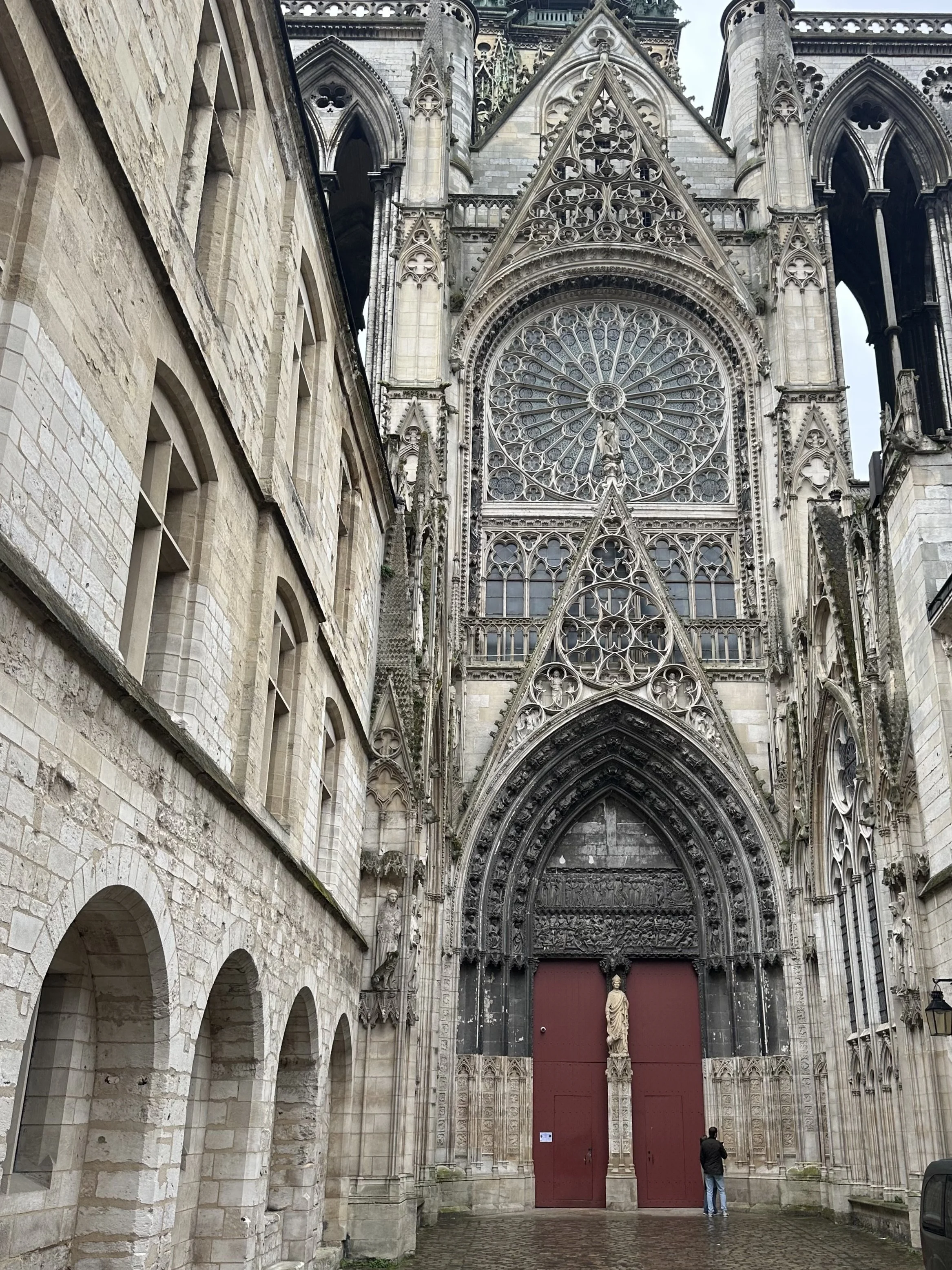
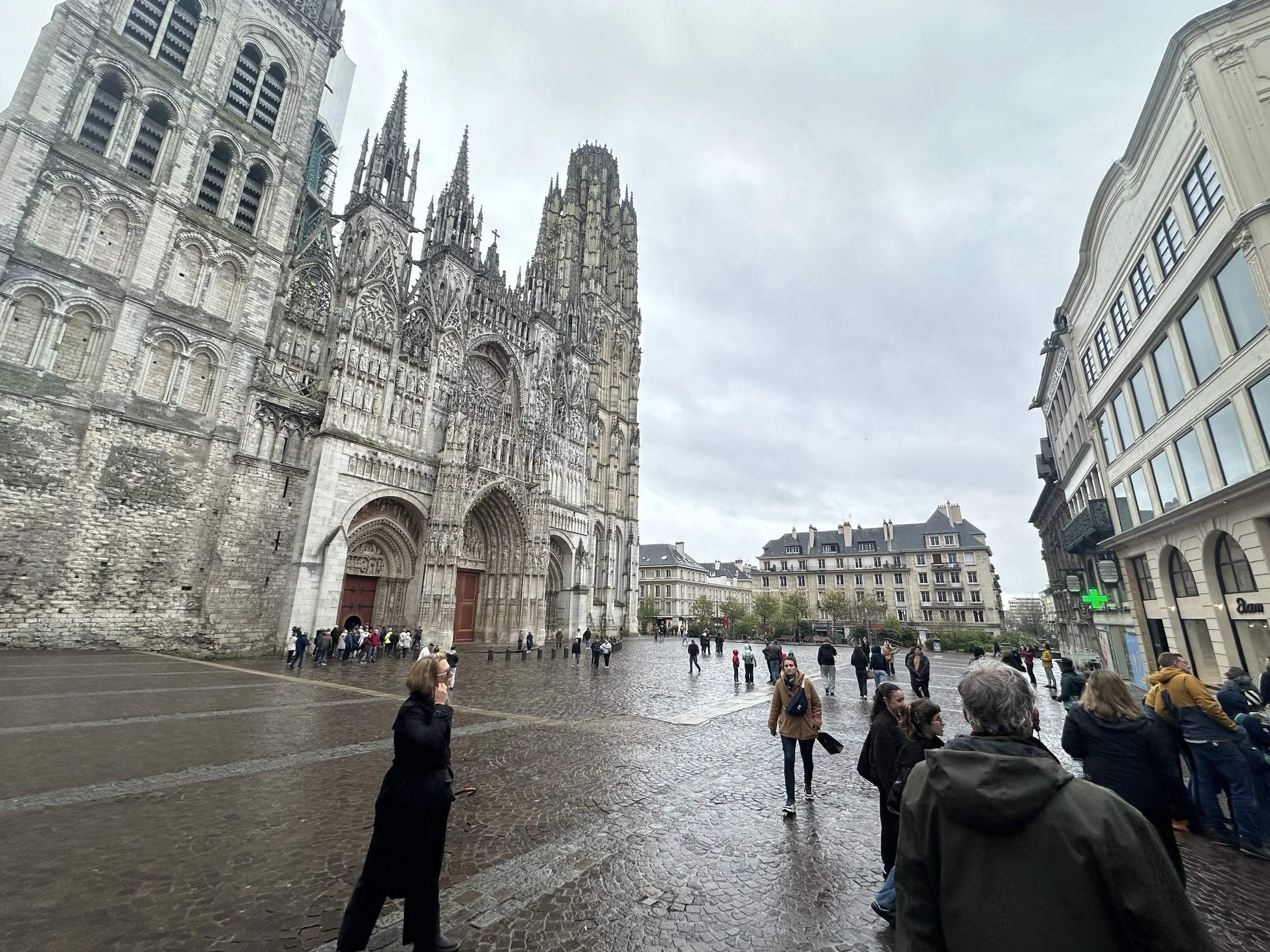
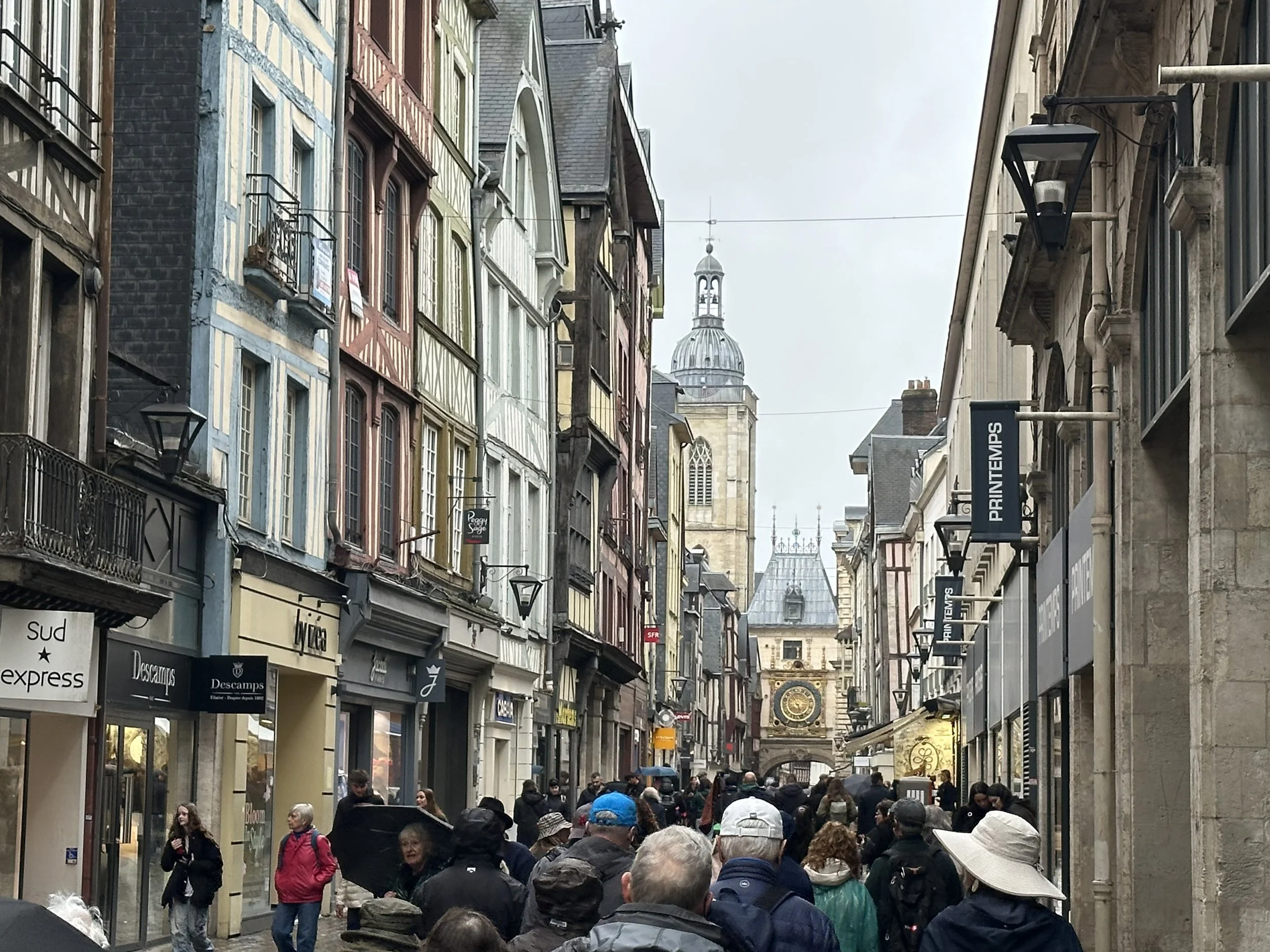
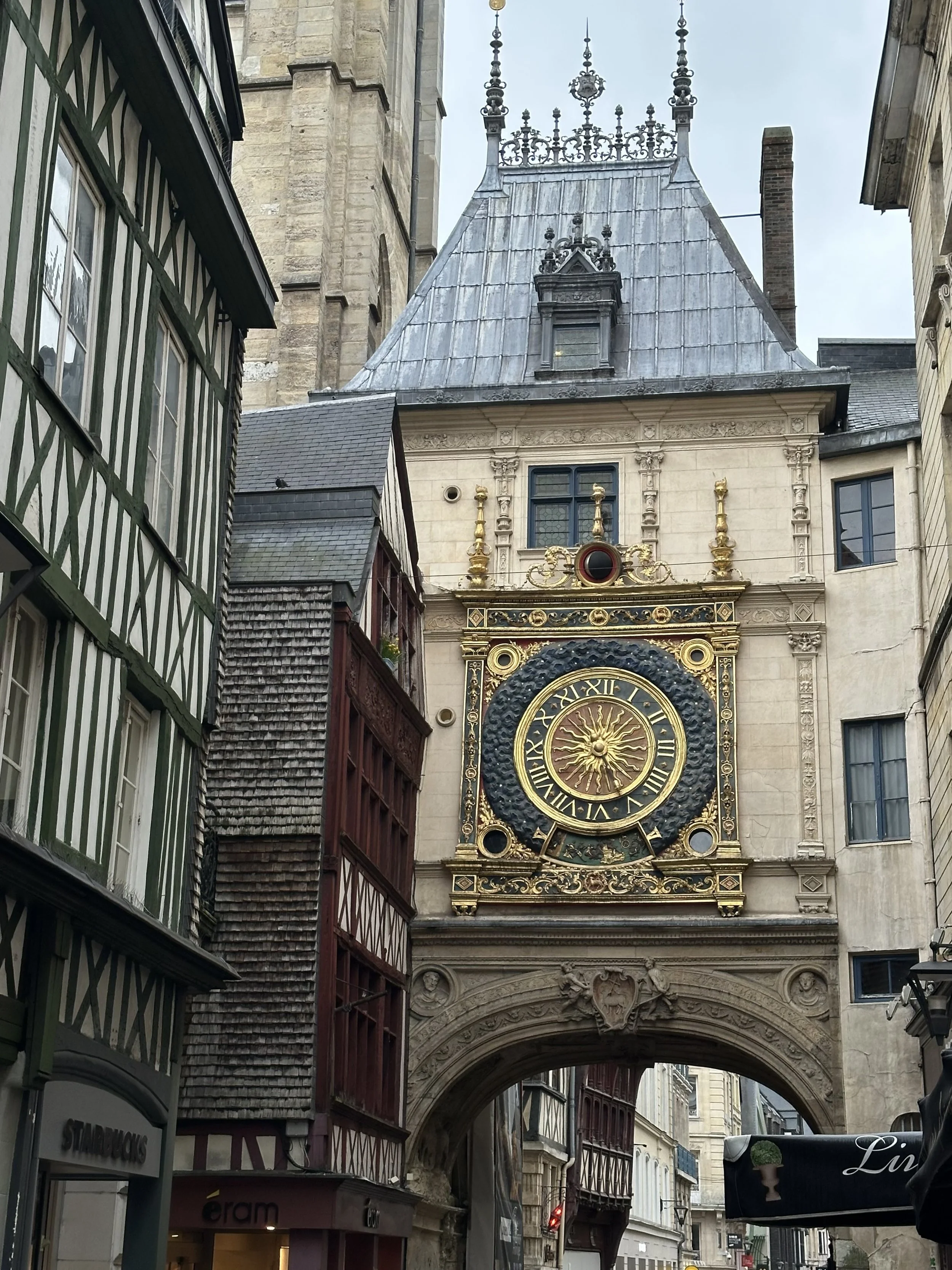
The boat left for Rouen about 10:30 AM, arriving around 4:00. Judy and I joined a walk through town, the highlight of which was the Notre Dame cathedral, not to be confused with the one in Paris and the who-knows-how many other Notre Dames in the world. It’s a magnificent structure, rivaling the one in Paris. Claude Monet liked the place so much he set up his easel in a lingerie shop across the street and made more than 30 paintings of it in various times of day and seasons of the year. It, along with much of the town, was damaged during fires and bombing during WWII. It took 12 years to repair.
It’s history dates back to the Third Century when Roman Catholicism came to Rouen. Building continued on the site over the years, one structure replacing the previous one. The Vikings came in the 9th Century and did great damage. But the Viking leader Rollo was baptized there and his grandson, Richard I (yes, THAT Richard) made extensive repairs. A Romanesque version was built in 1020; William the Conquerer attended its consecration. Charlemagne worshiped there. You name it, he’s been there.
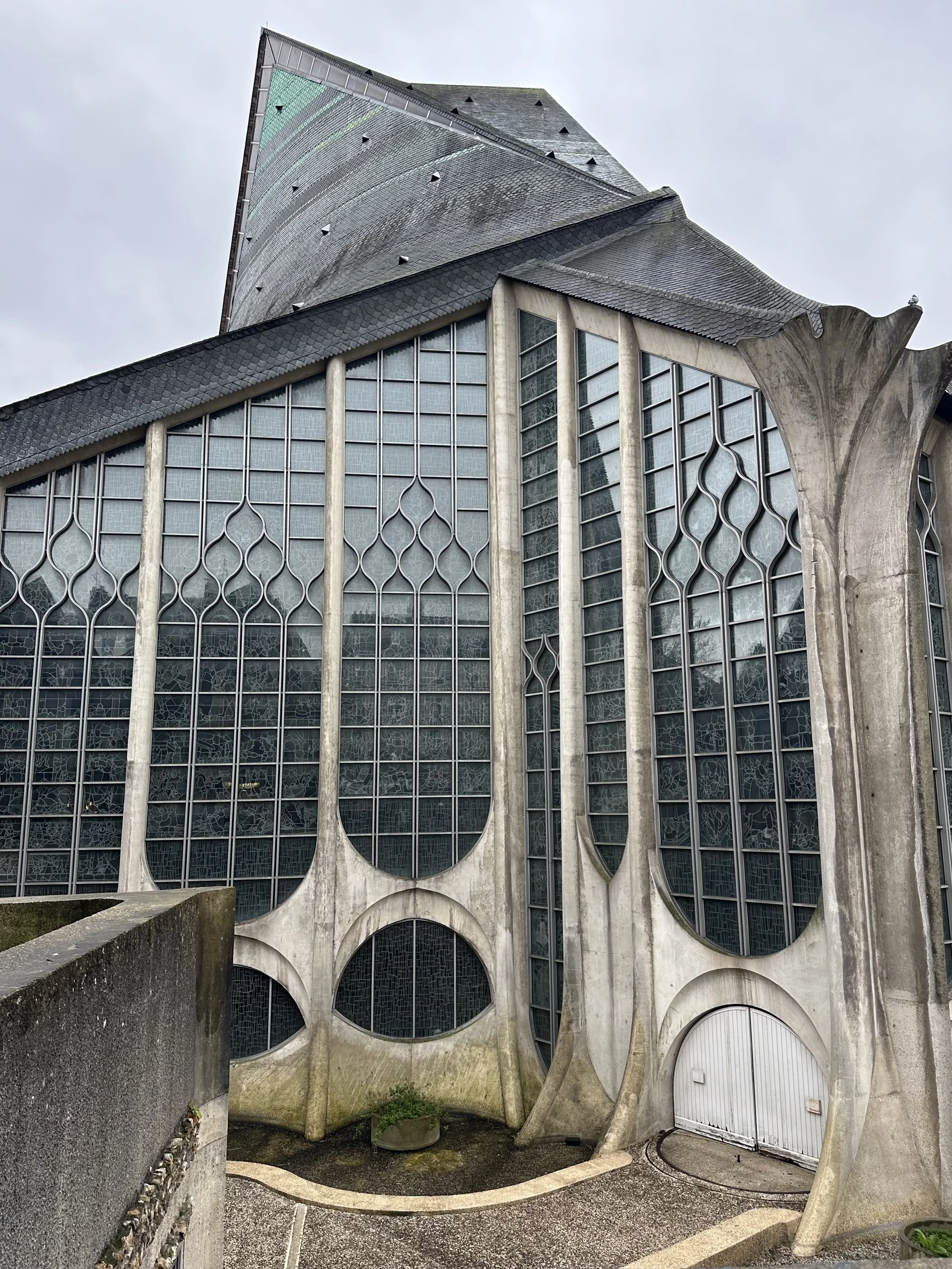
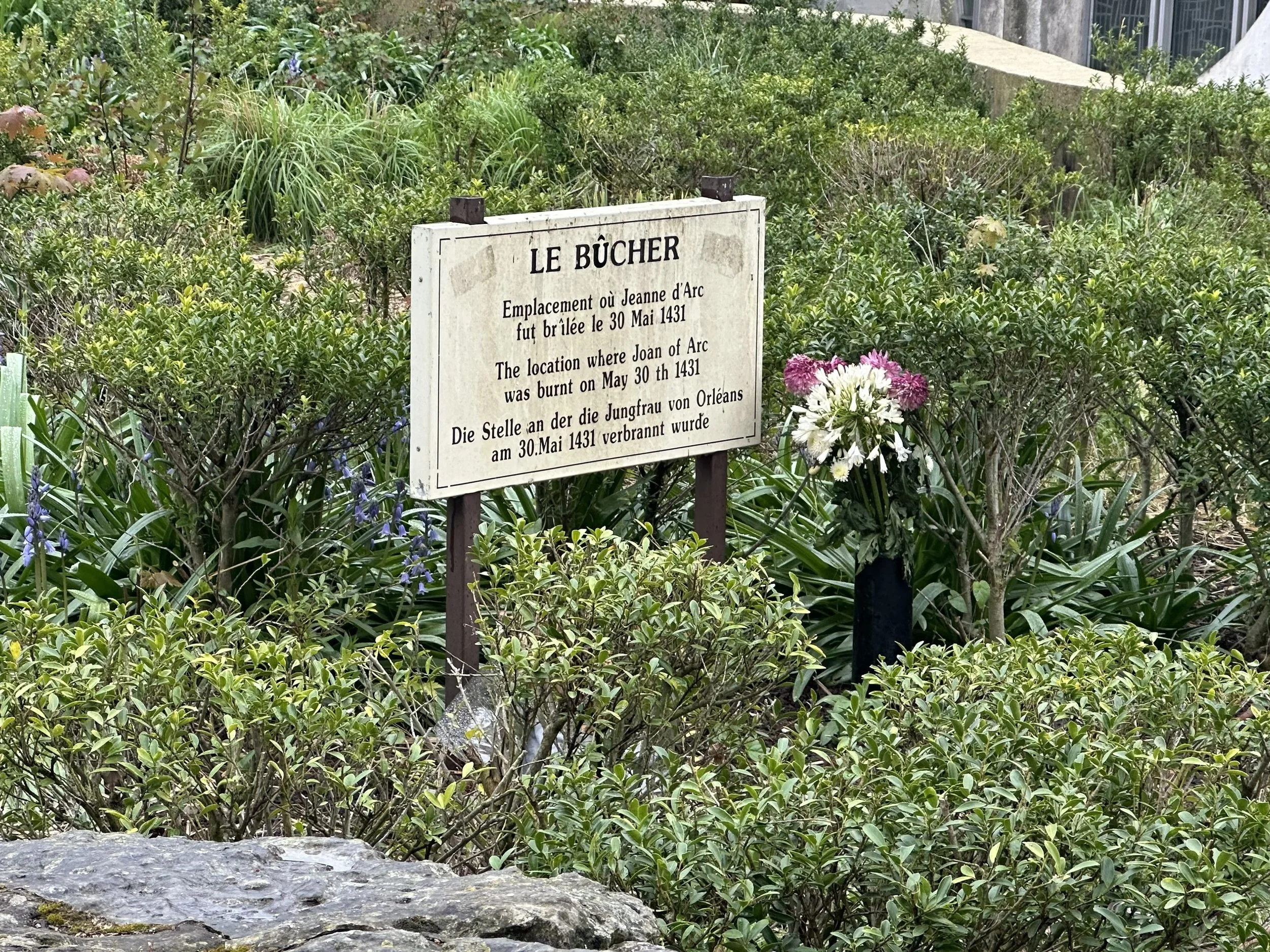
Rouen is also famous as the spot where Joan of Arc was burned at the stake for being a witch. A later trial found her innocent, little good it did her, but she was made a saint.
This afternoon was misty and rainy, so sightseeing was somewhat impaired. The place was crawling with tourists too, so the crowds were significant. Long boats from Viking and Tauk were both in port, so we had to be careful to get on the right ship, given our past history with both travel companies.
Tomorrow we sail to the small town of Caudebec. Judy and I have a 3 ¾ hour excursion in the morning and a 4 hour excursion in the afternoon. No rest for the wicked.