France Day 4 – 4/2/2026 – Van Gogh
A nice day – relaxing in the morning and an interesting expedition this afternoon.
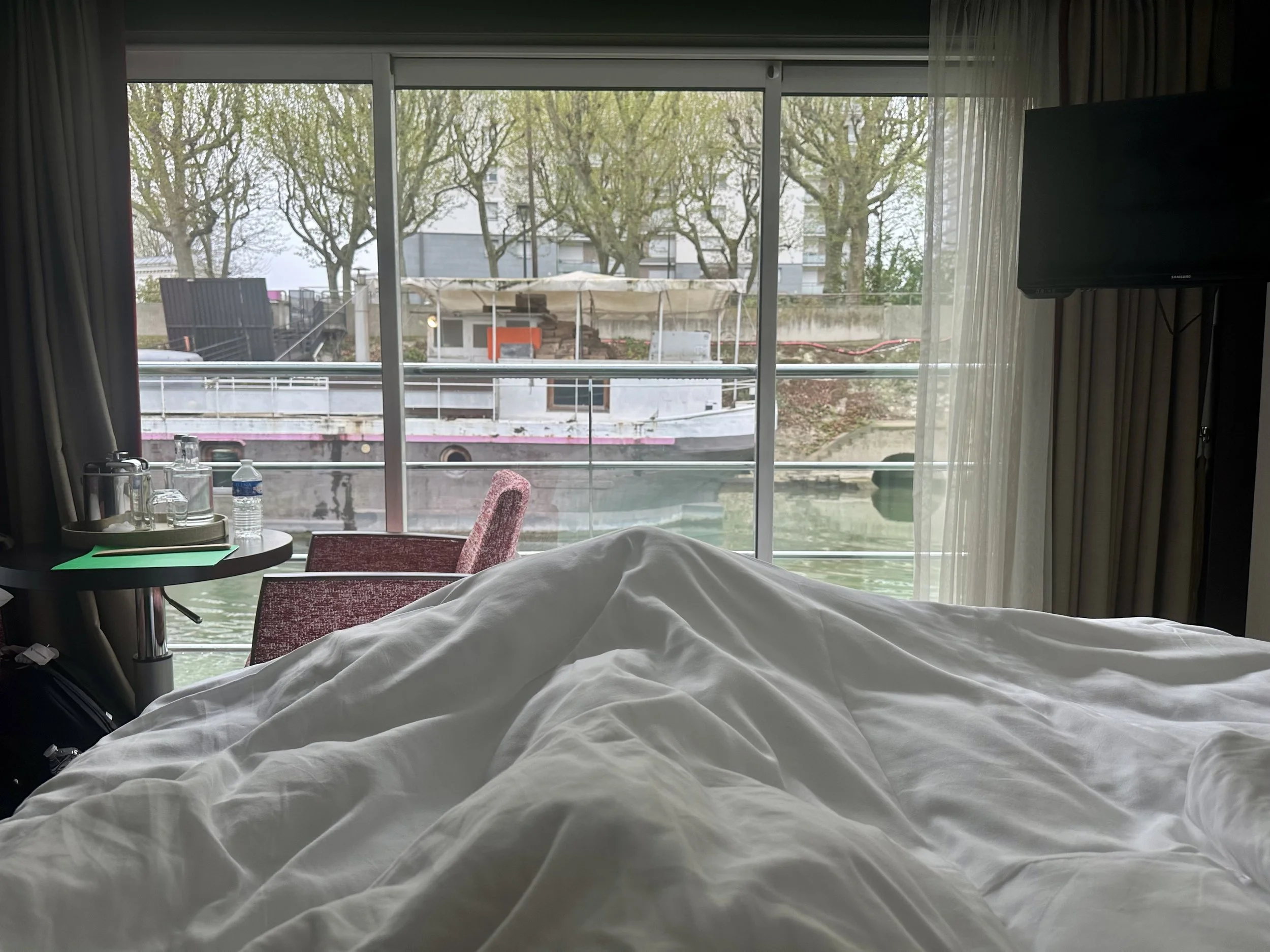
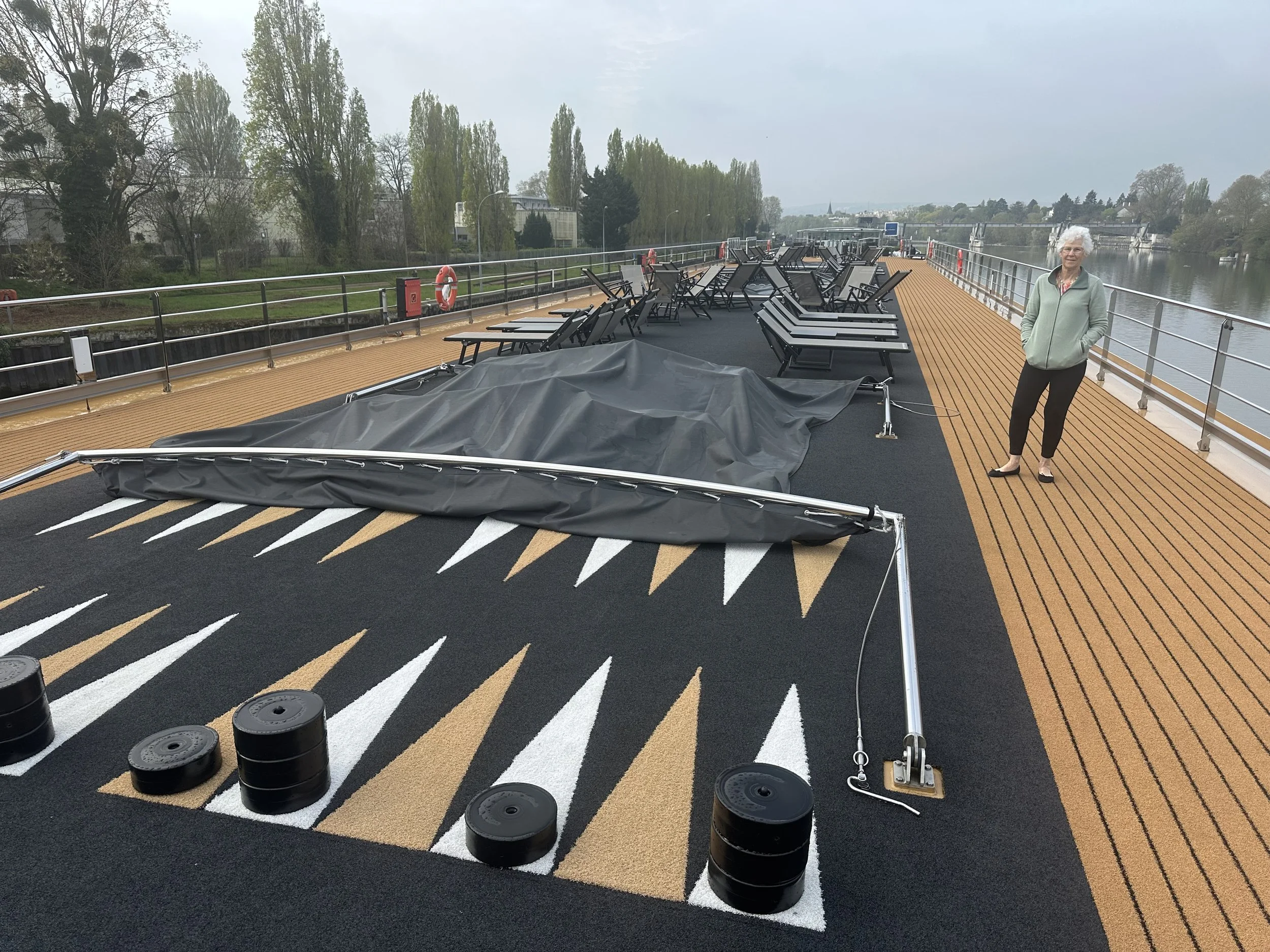
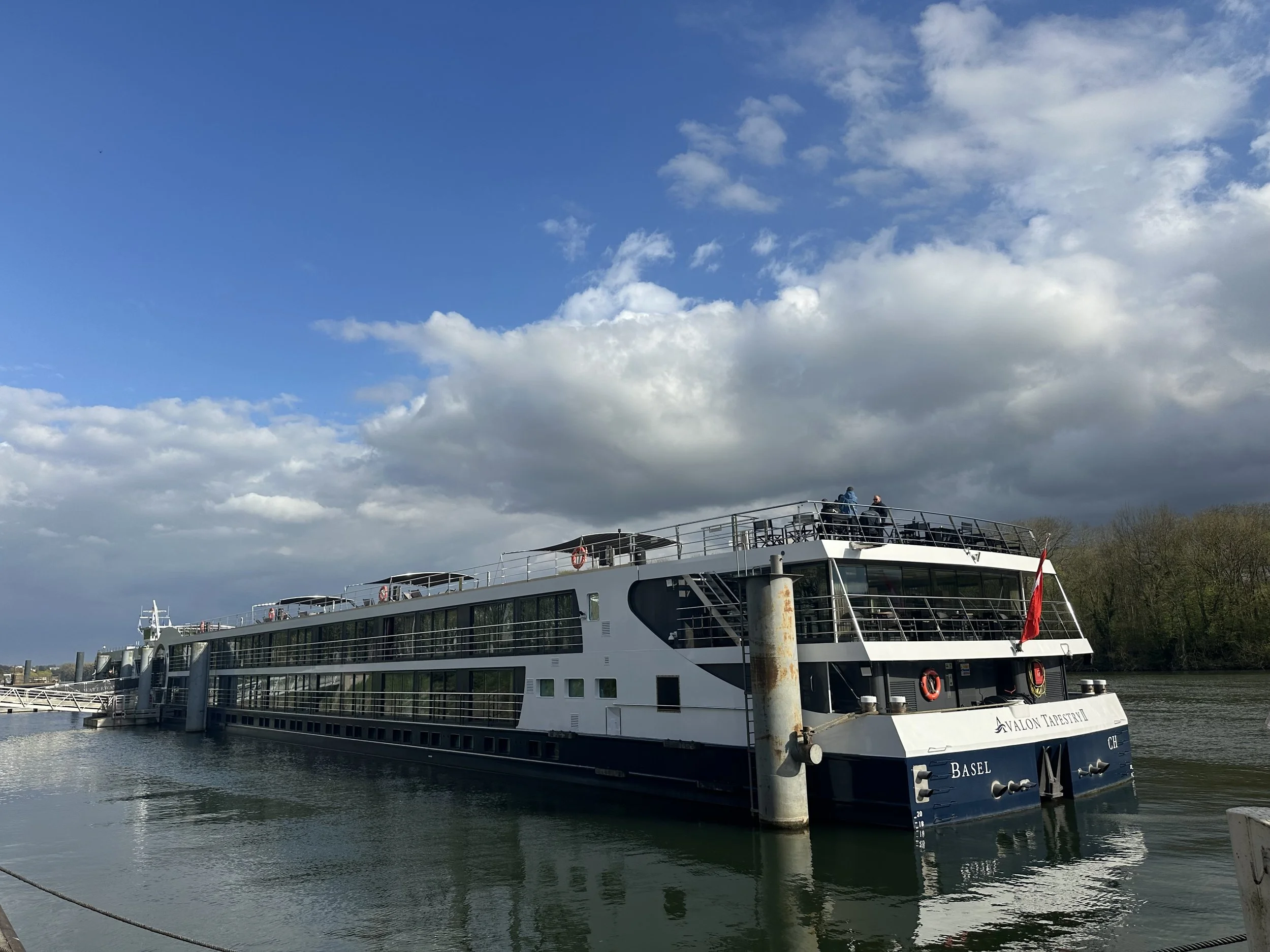
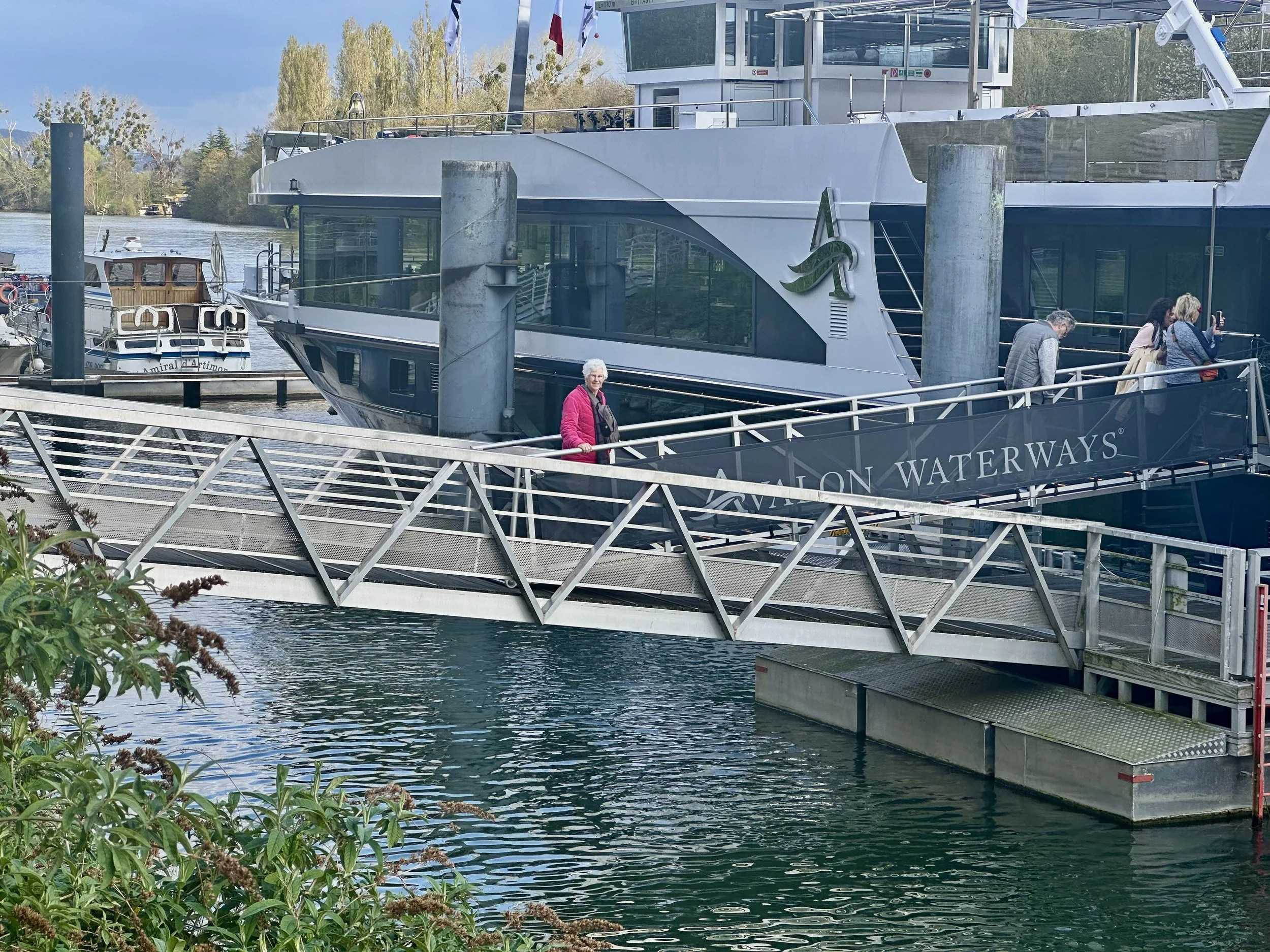
They tell us the ship cast off from Paris at 6:45 AM. We awoke about 8:30 and somehow managed to make it to breakfast just before they closed the doors at 9:30. We cruised until we reached Conflans around 1:30 PM.
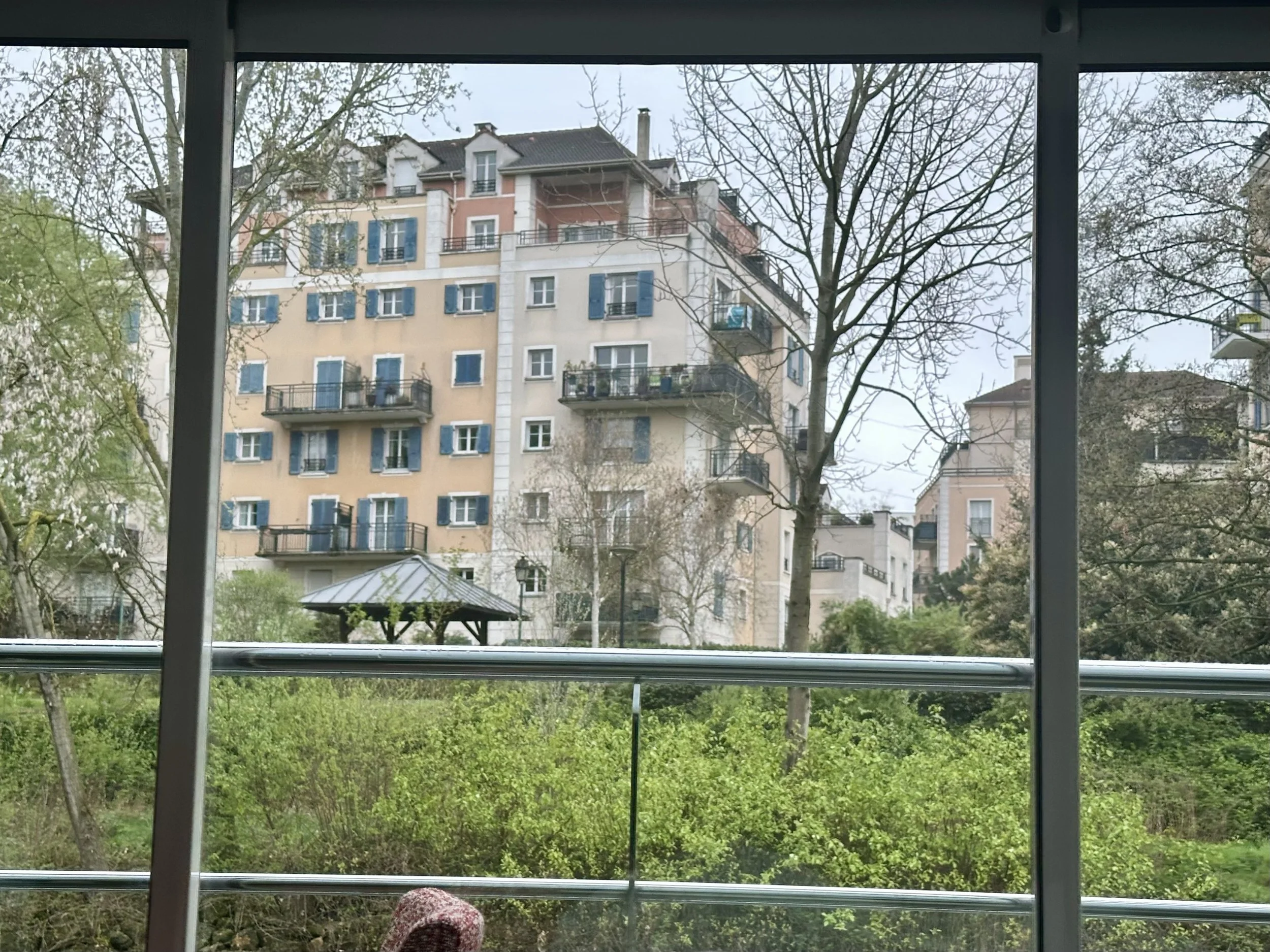
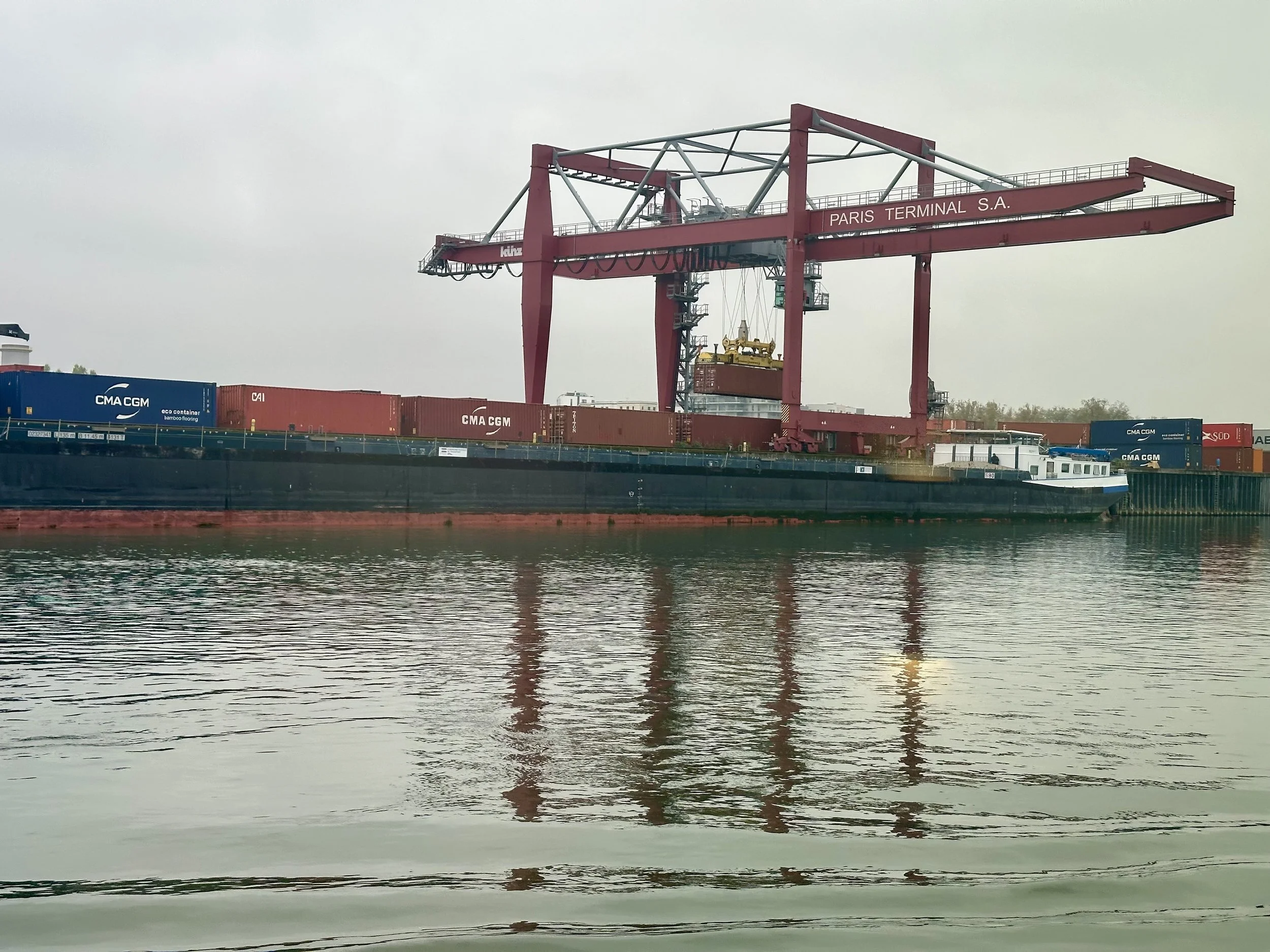
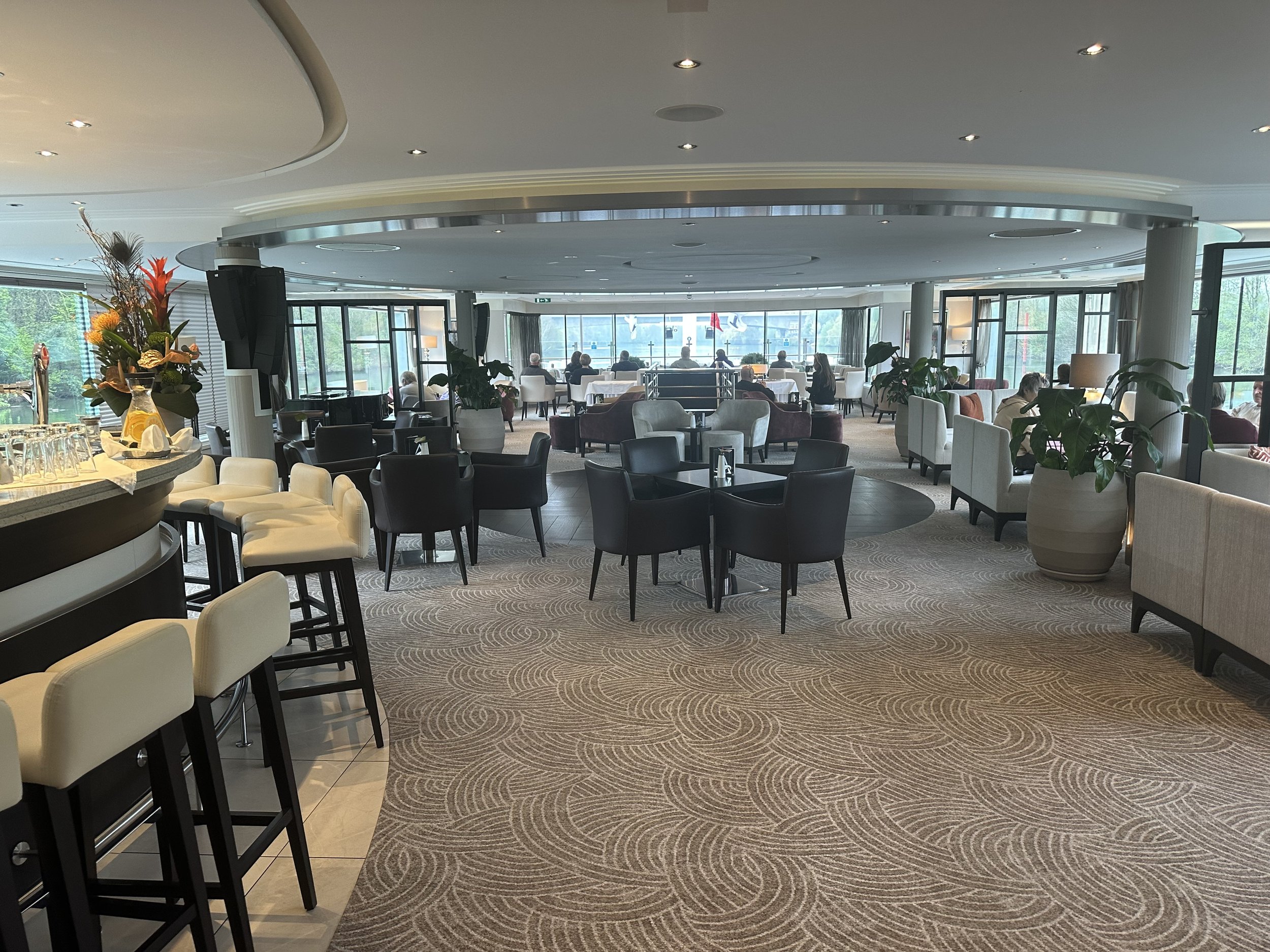
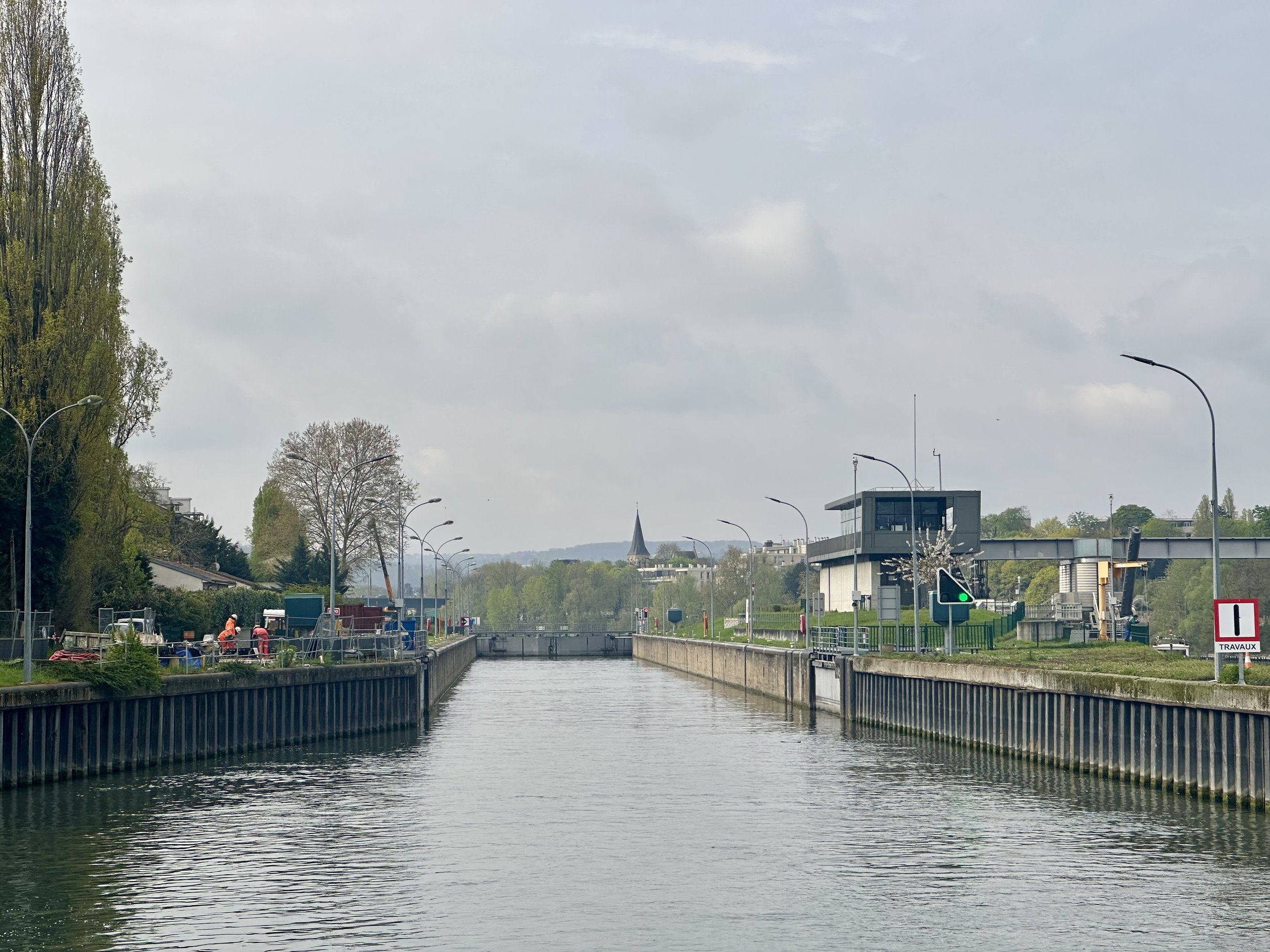
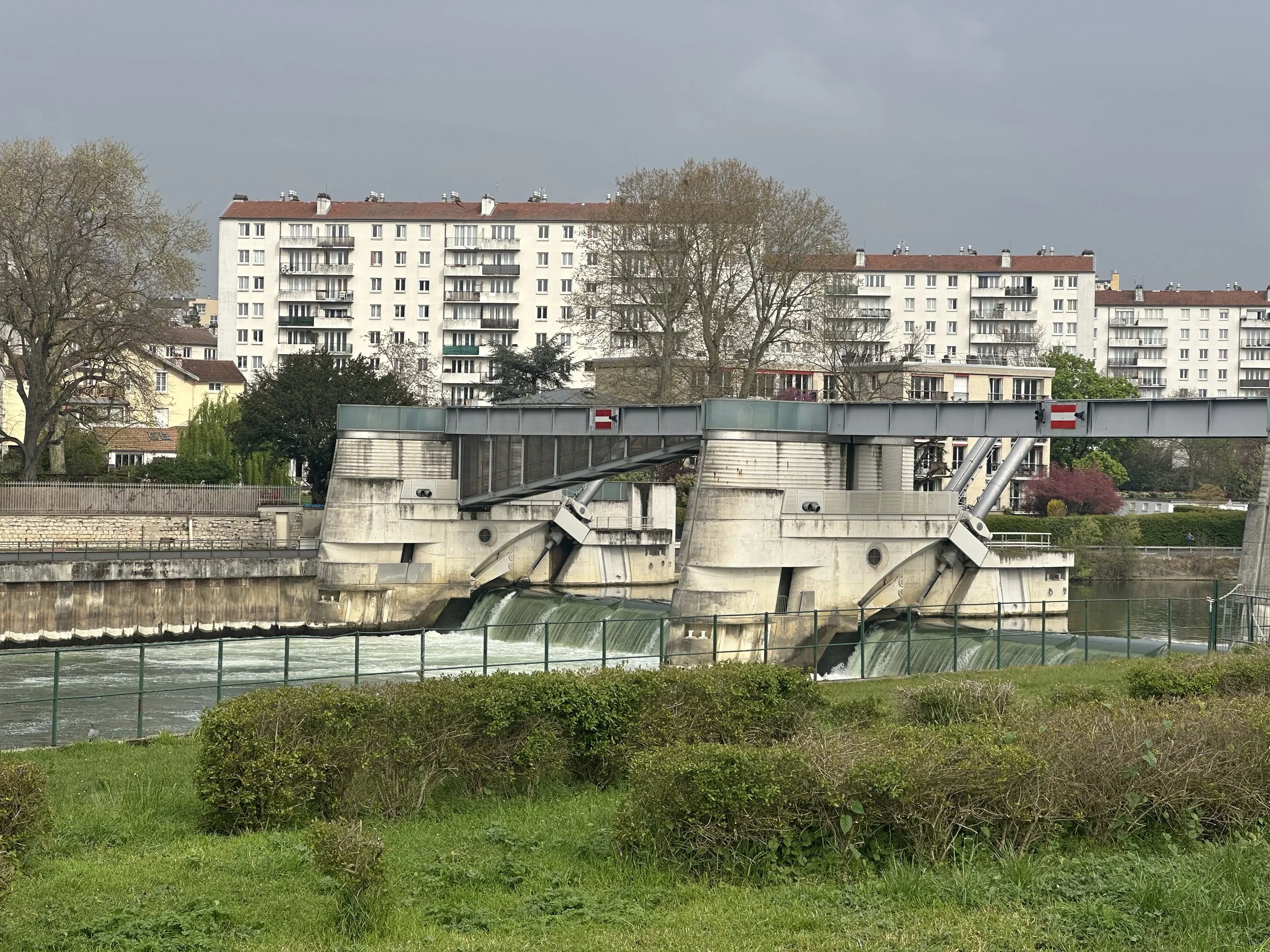
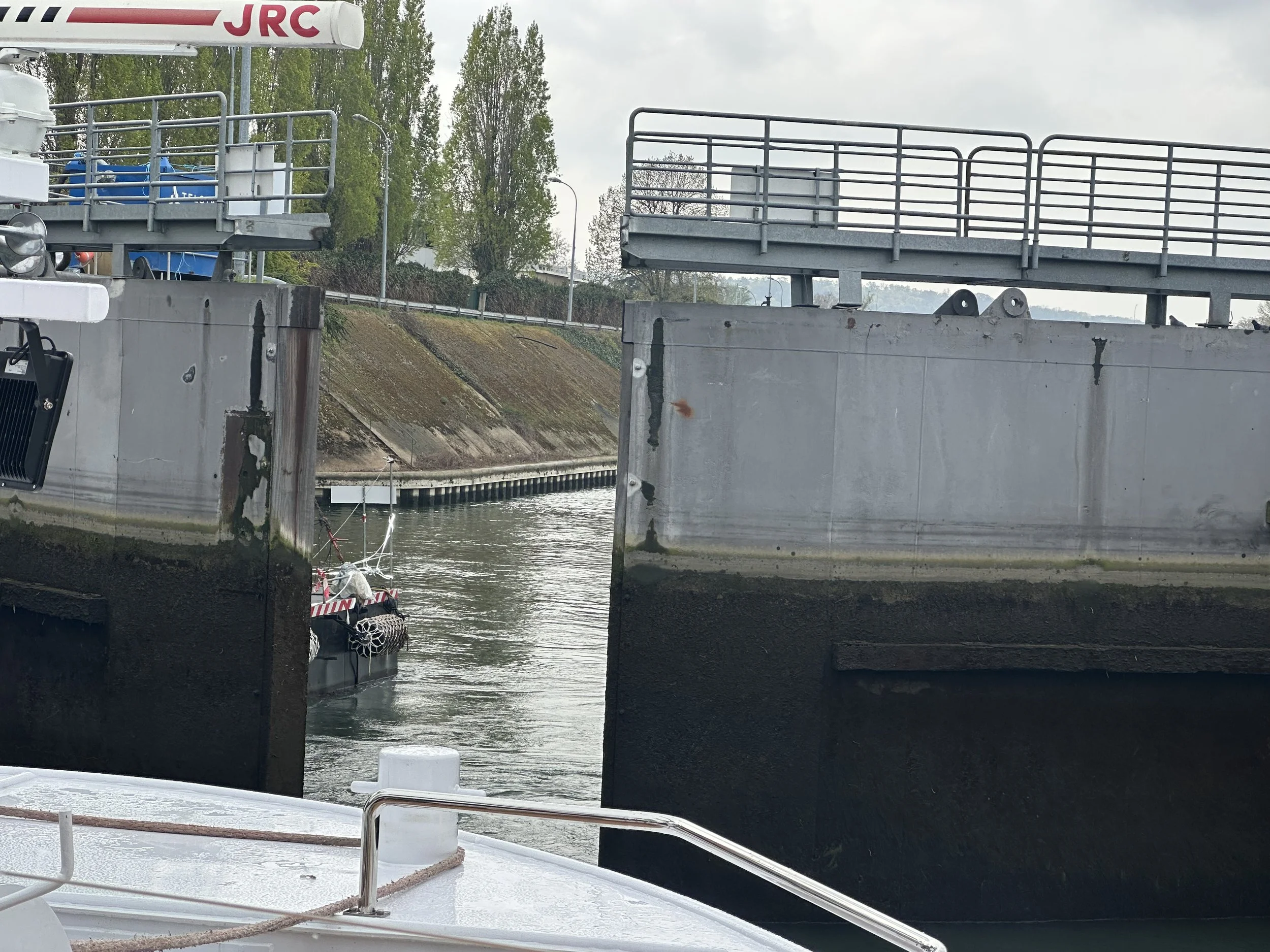
We watched the scenery pass by, traversed a lock (maybe an 8-foot drop) and had a nice lunch. The river is very slow moving, there is hardly a ripple except the bow wave from our boat. Not much traffic on the river but lots of boats tied up along the riverbank. They look old and tired and probably out of service. Most are cargo boats designed to carry material like gravel. We passed by cities, warehouses and industrial complexes. We’re told the Paris system is the largest freshwater river system in the world, if you squint real hard. Frankfort is in some respects larger.
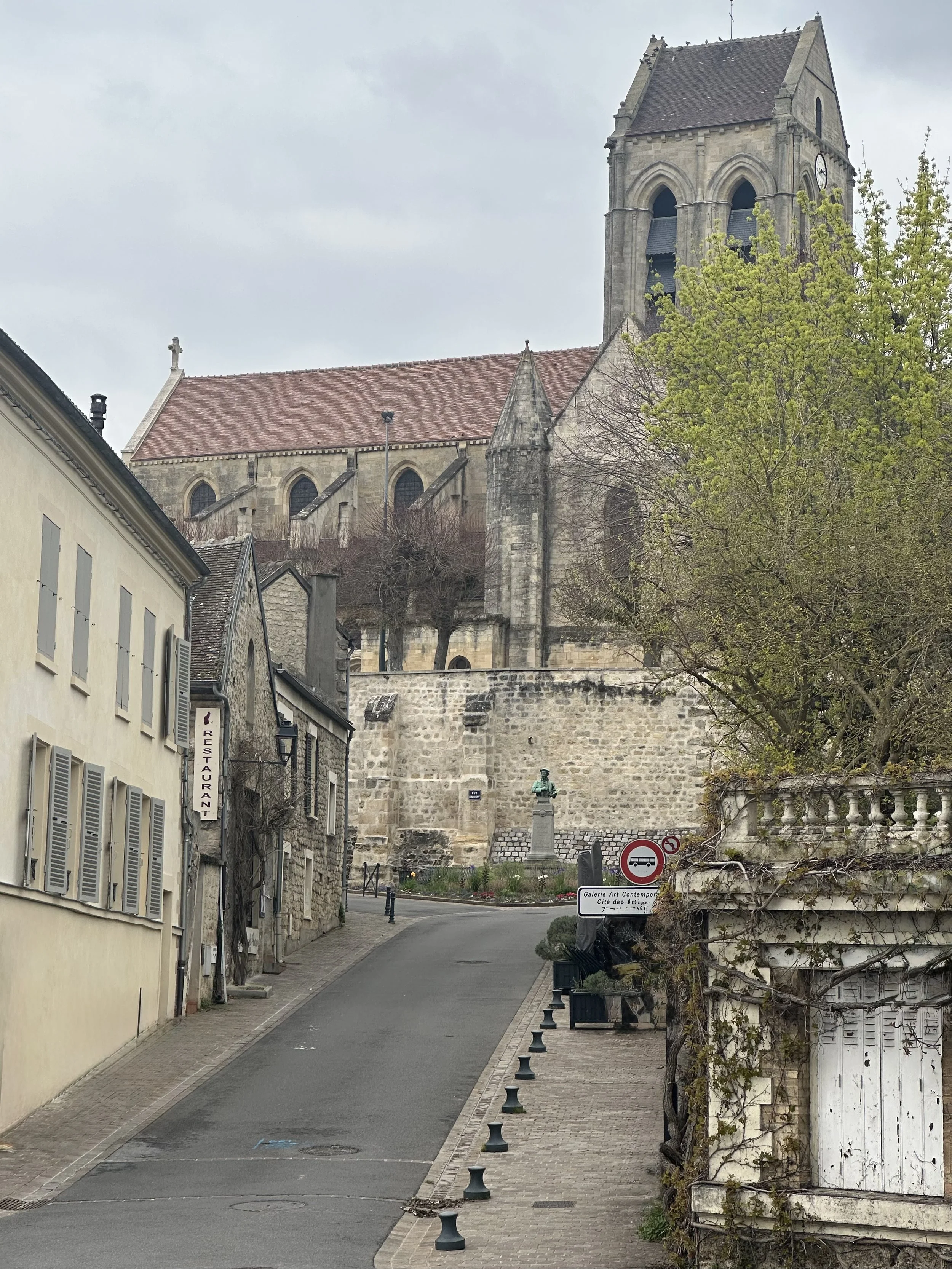
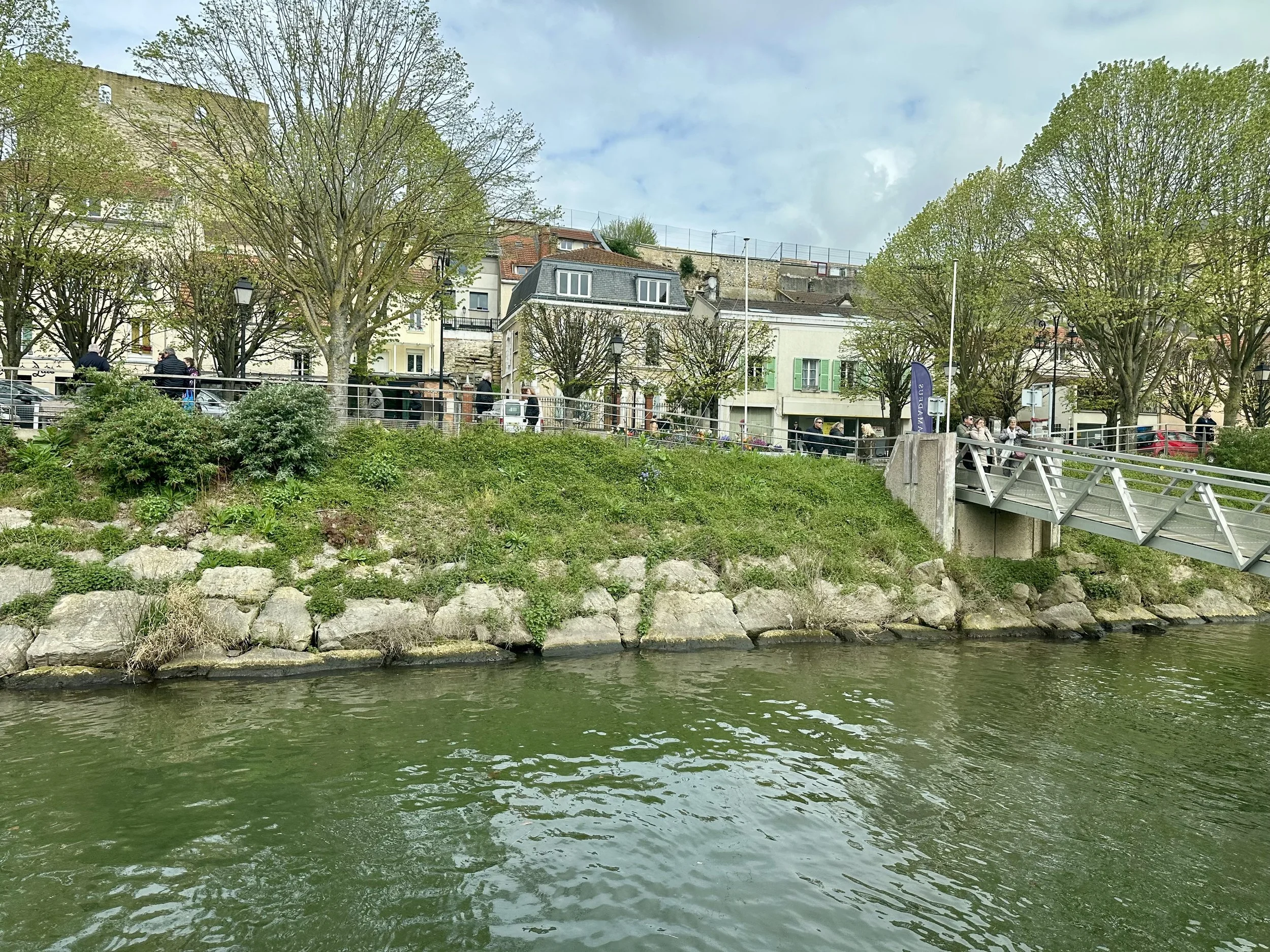
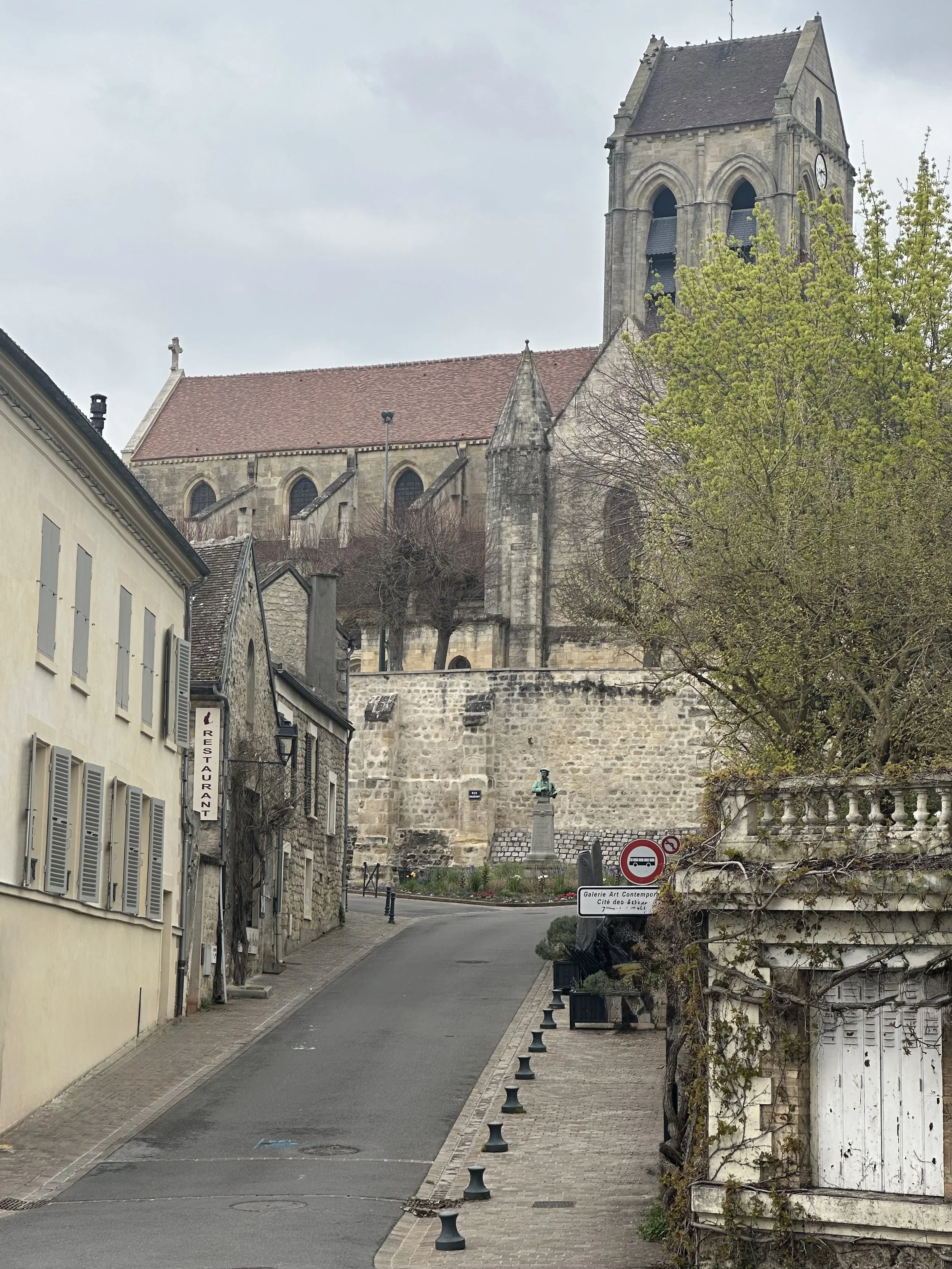
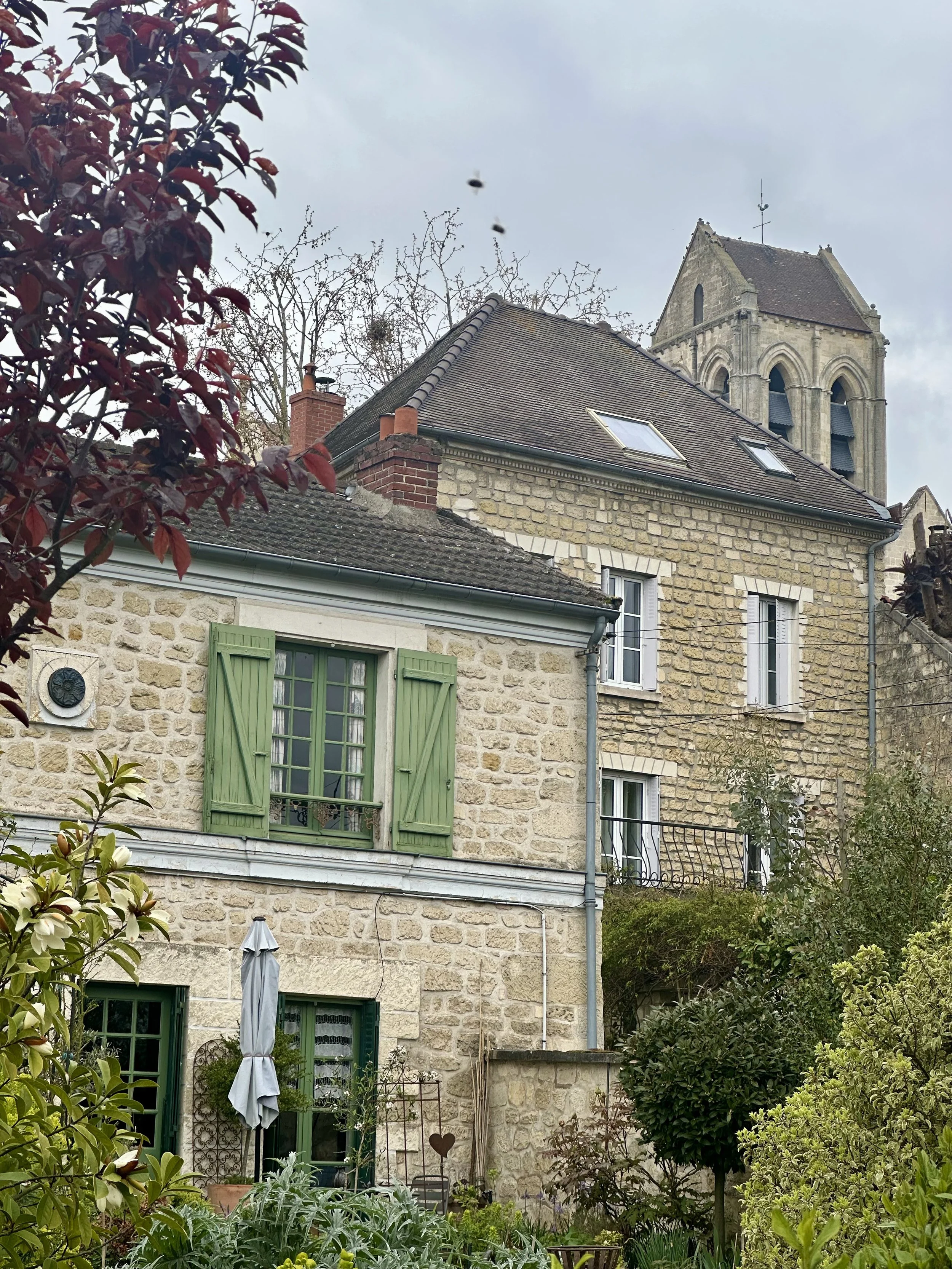
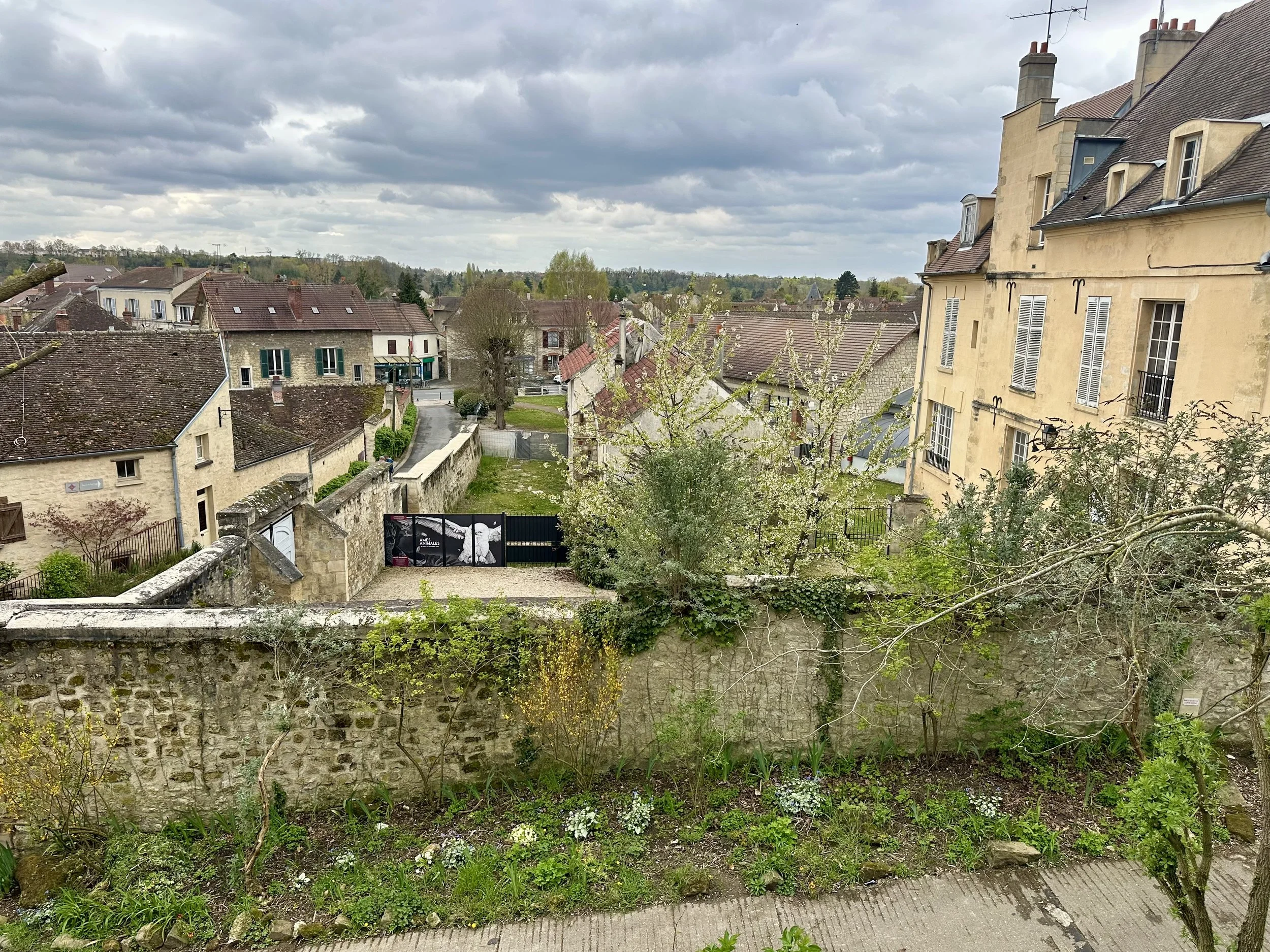
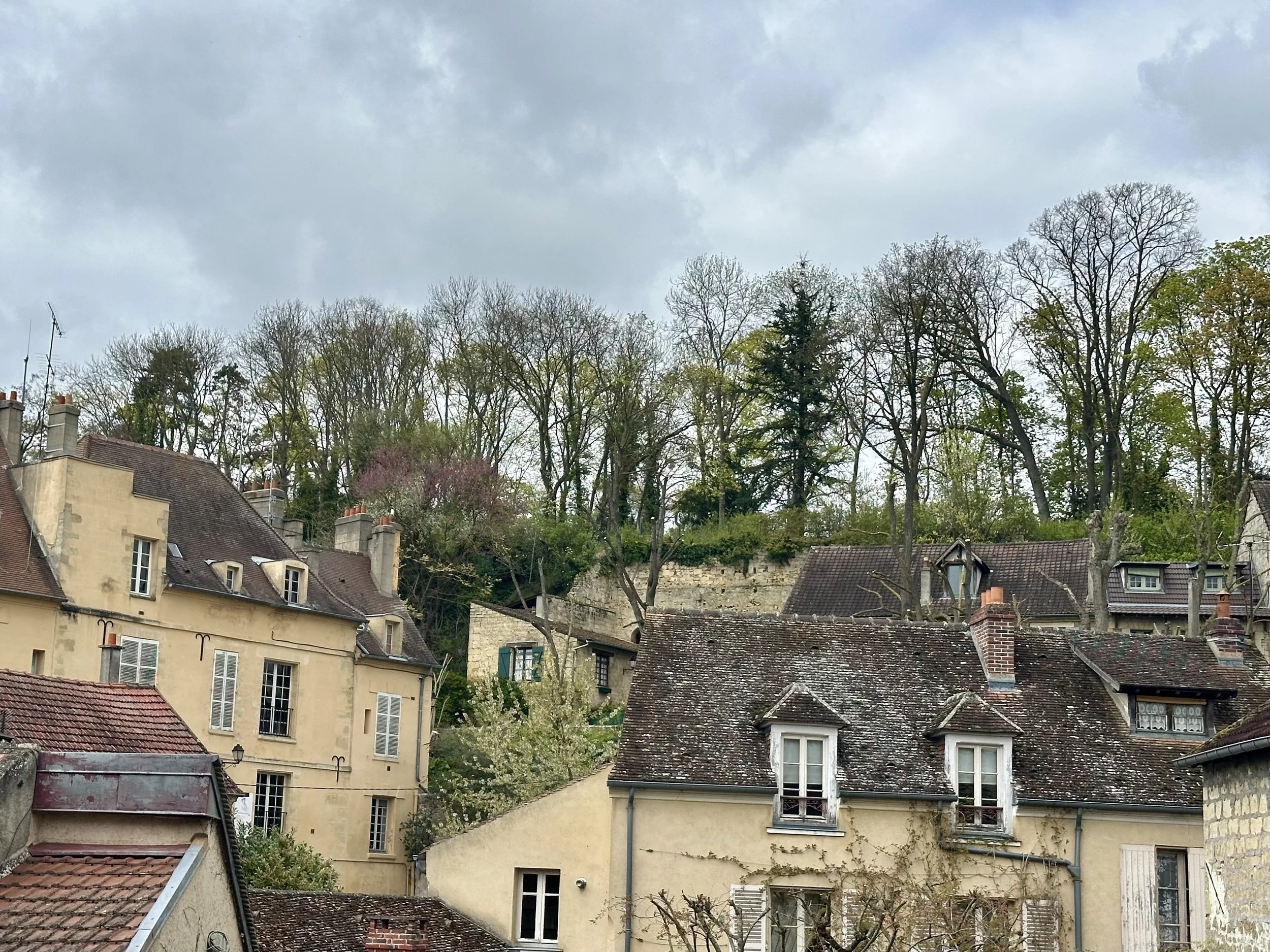
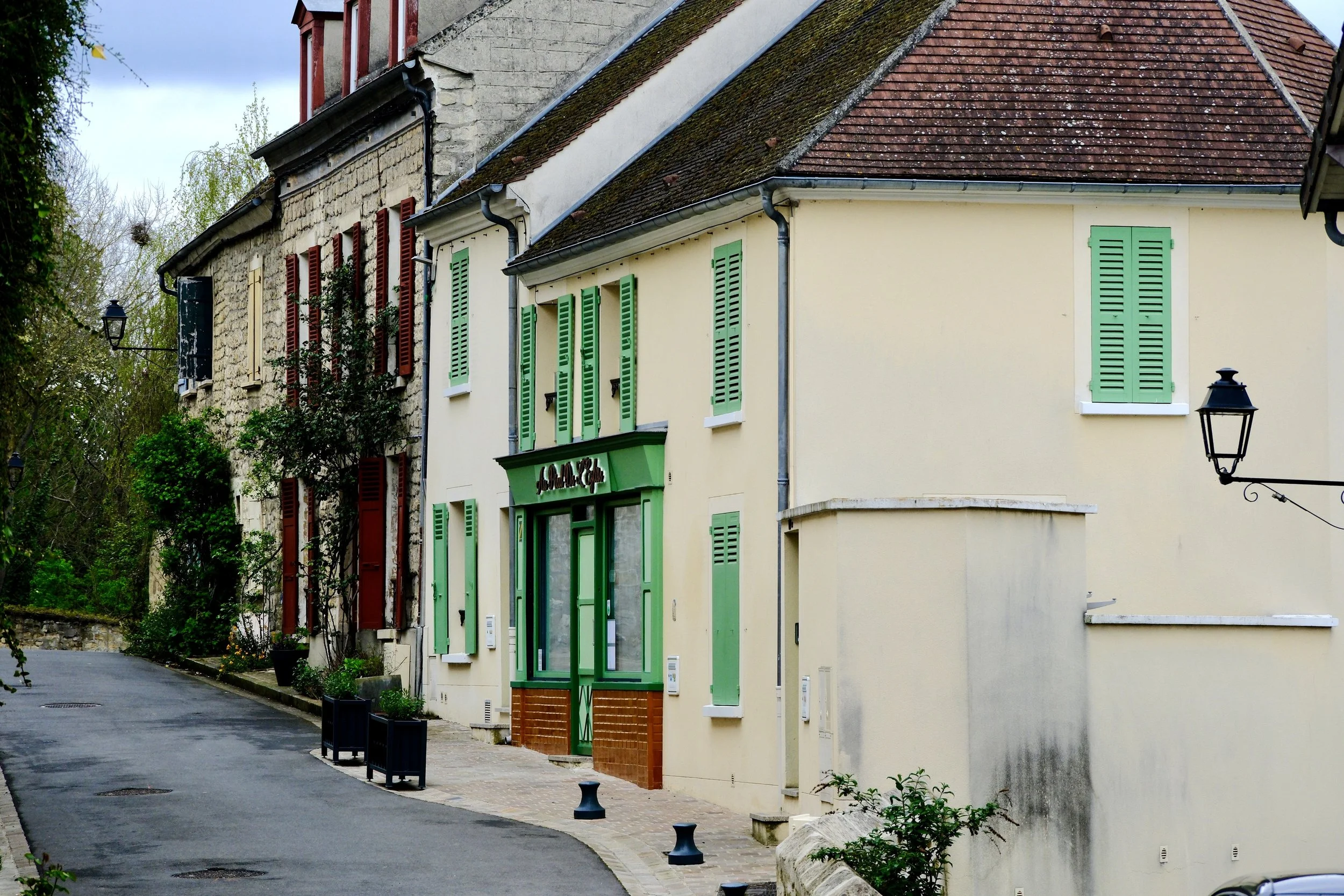
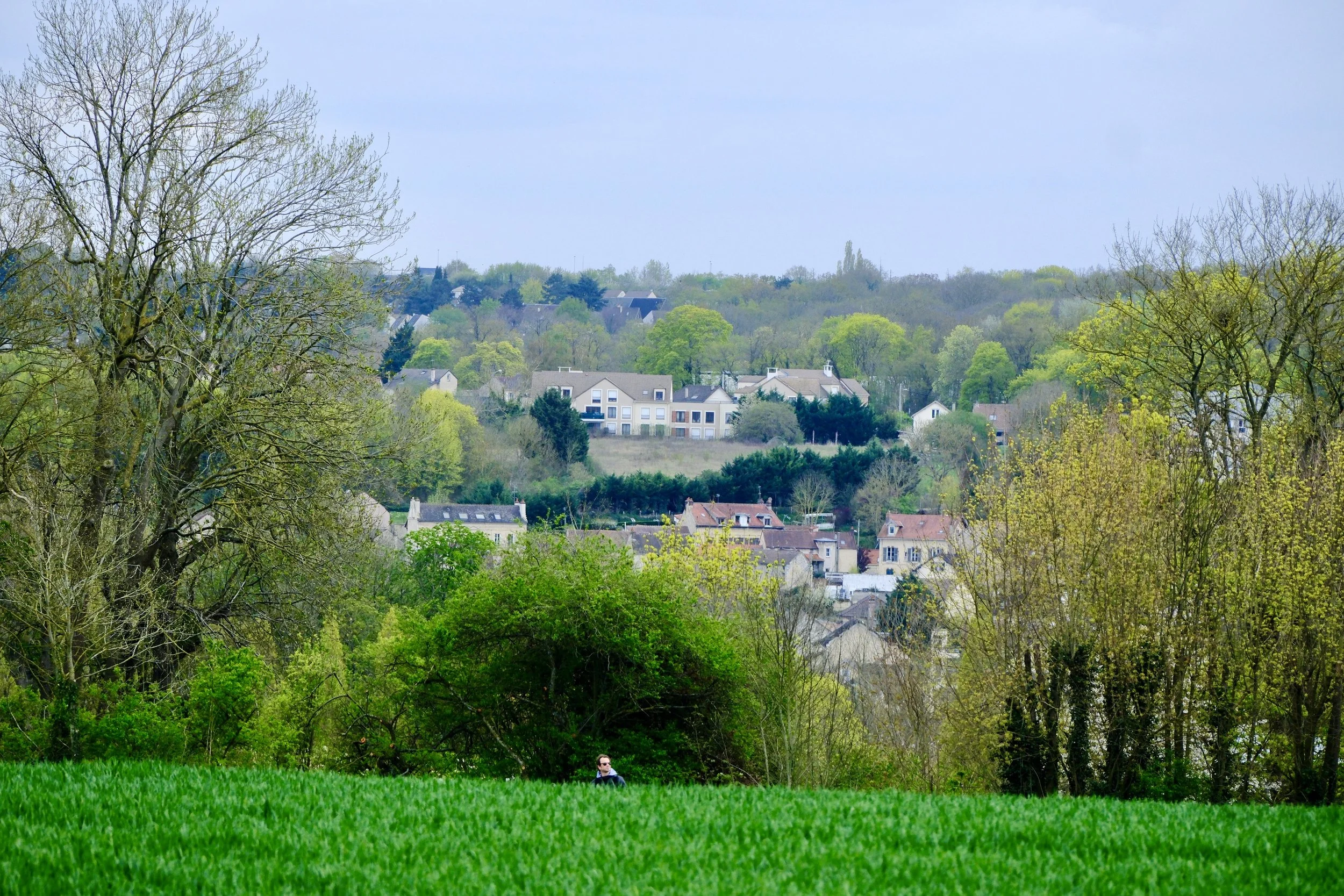
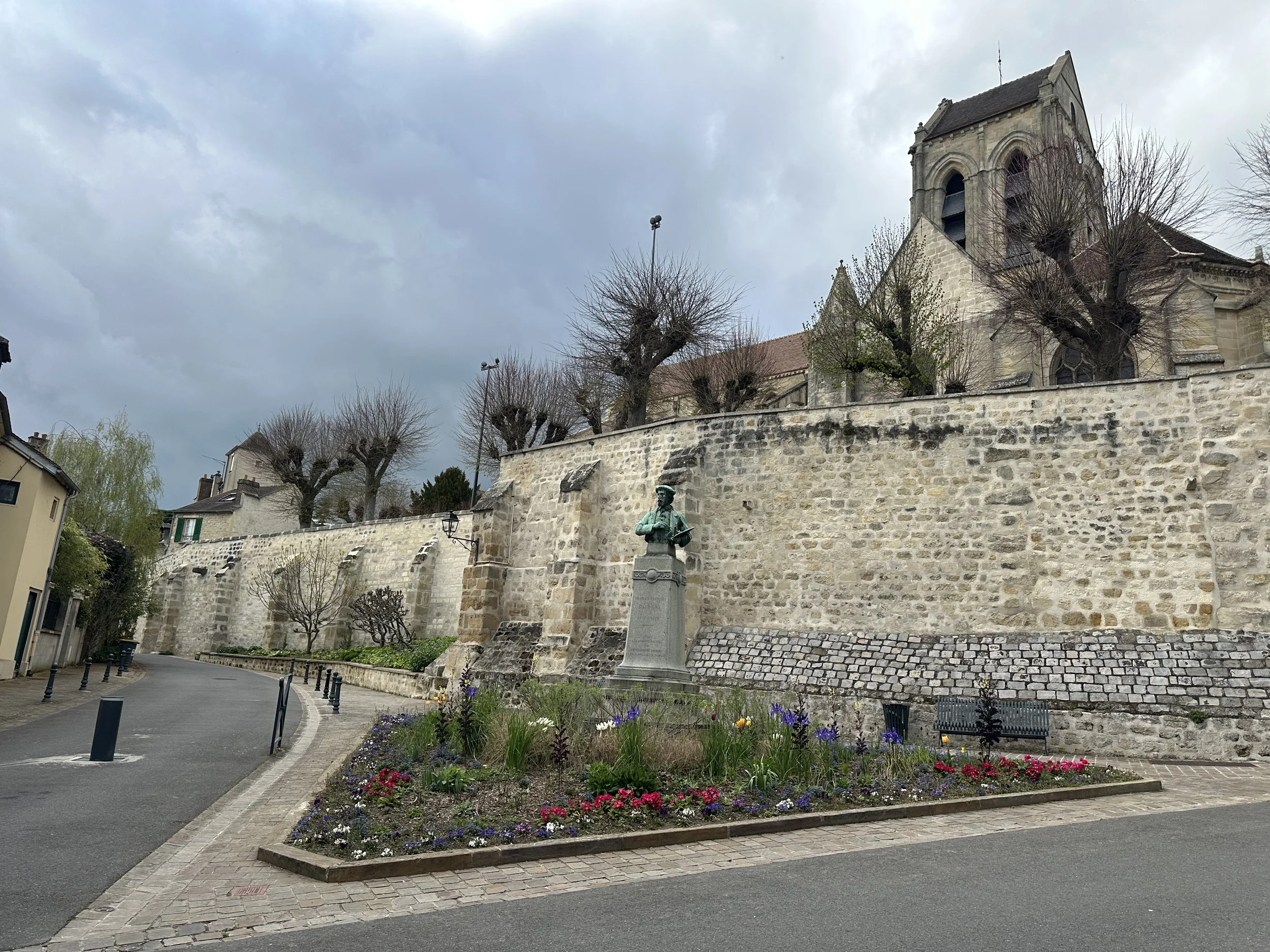
We’ve “done” Van Gogh in Amsterdam, the place of Vincent’s birth so it was perhaps fitting that we visited the place of his death and burial here in Auvers-sur-Olse, a 45-minute drive from our docking location in Conflans.
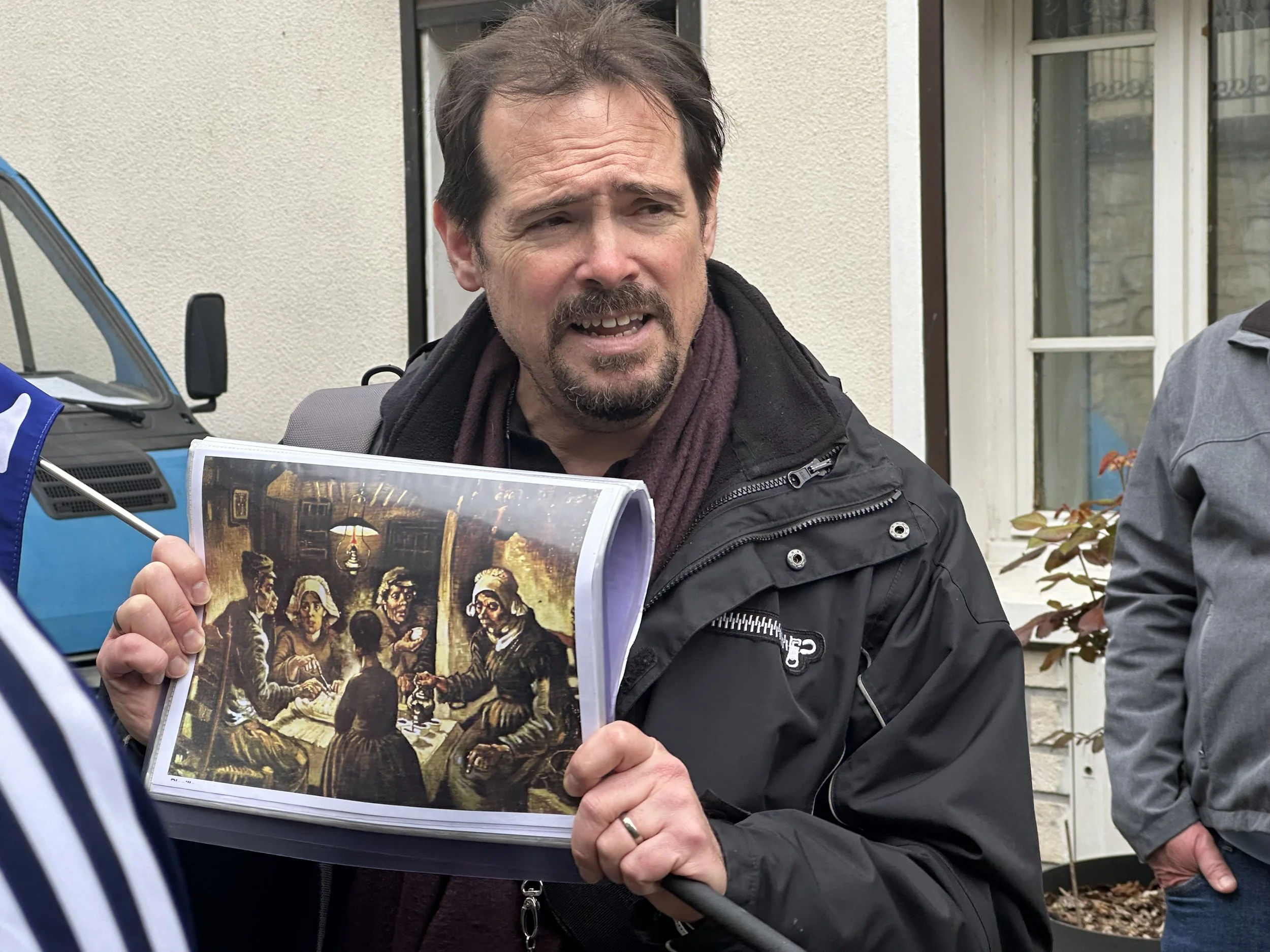
We had the same guide, Joshua, our man from Waterville, who proved to be as entertaining and knowledgeable as he was with the Louis line yesterday. We heard it again: “I came to France in 1998 for a semester abroad and I’m still working on it. I’ve added a wife and two kids since then.”
Joshua pointed out that the second half of the 19th century was a time of great technological change. The railroad made it possible for travel to distant locations for people who heretofore were confined to a small geographic circle. Photography had been invented (by Nepce and Daguerre) making it possible for people to have pictures of themselves and the places they’ve visited. And artists could now travel to remote locations to create art but also had to compete with realistic photo images. Hence Impressionism? I’m no art historian but it seems like a reasonable conclusion to me.
Vincent Van Gogh, living in Paris, found Olse to be an ideal escape from the city, a place to find inspiration from nature in a rural setting. Van Gogh was the son of a Protestant minister who attempted, unsuccessfully, to follow in his father’s footsteps. His failure led him to reject organized religion but remained quite spiritual, viewing Nature as the expression of God.
Other artists, including Paul Cezanne, came to Olse for the same reason. Not only is it a beautiful setting, but it was a short train ride from the city, making it economically possible to travel back and forth.
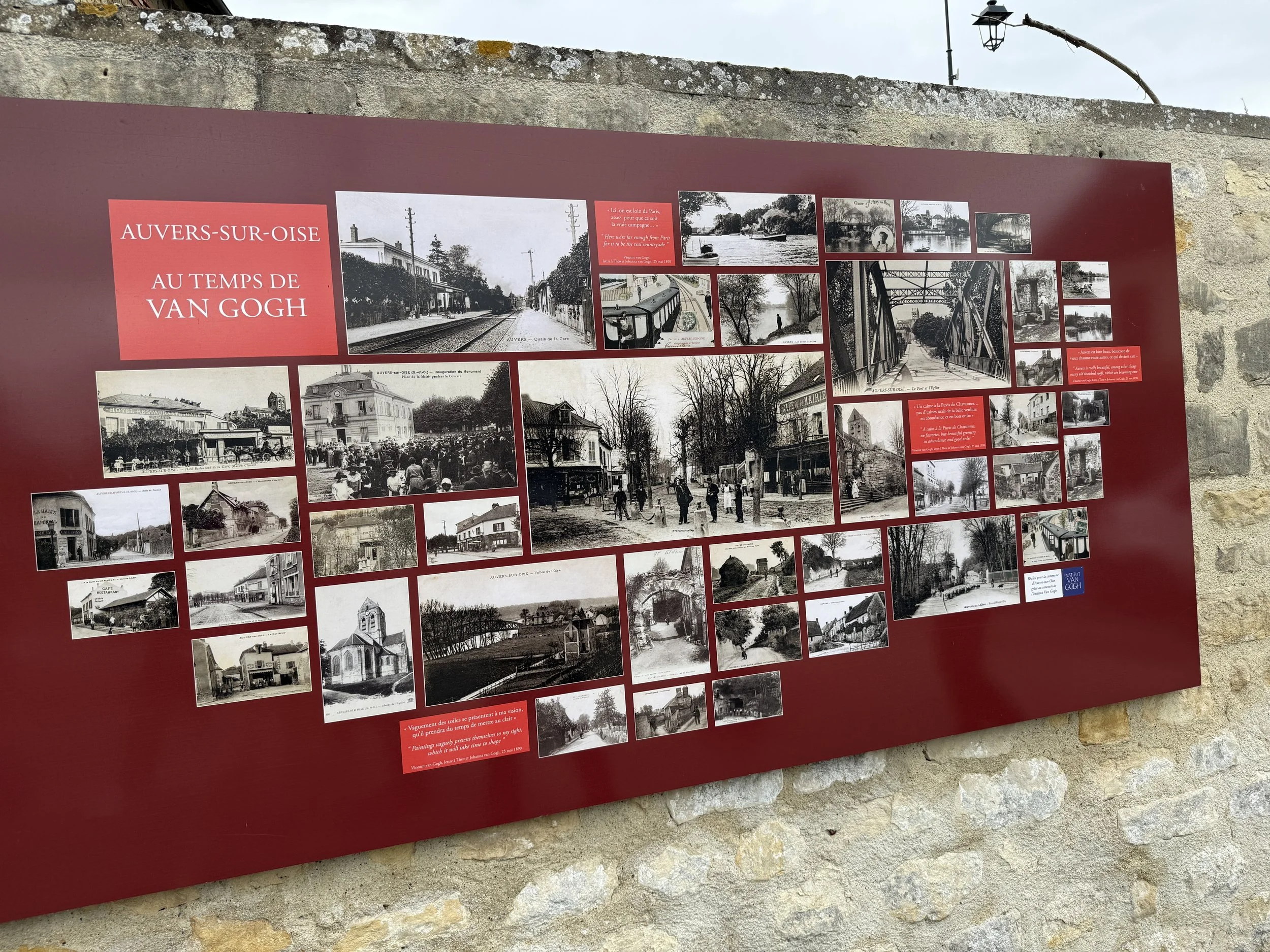
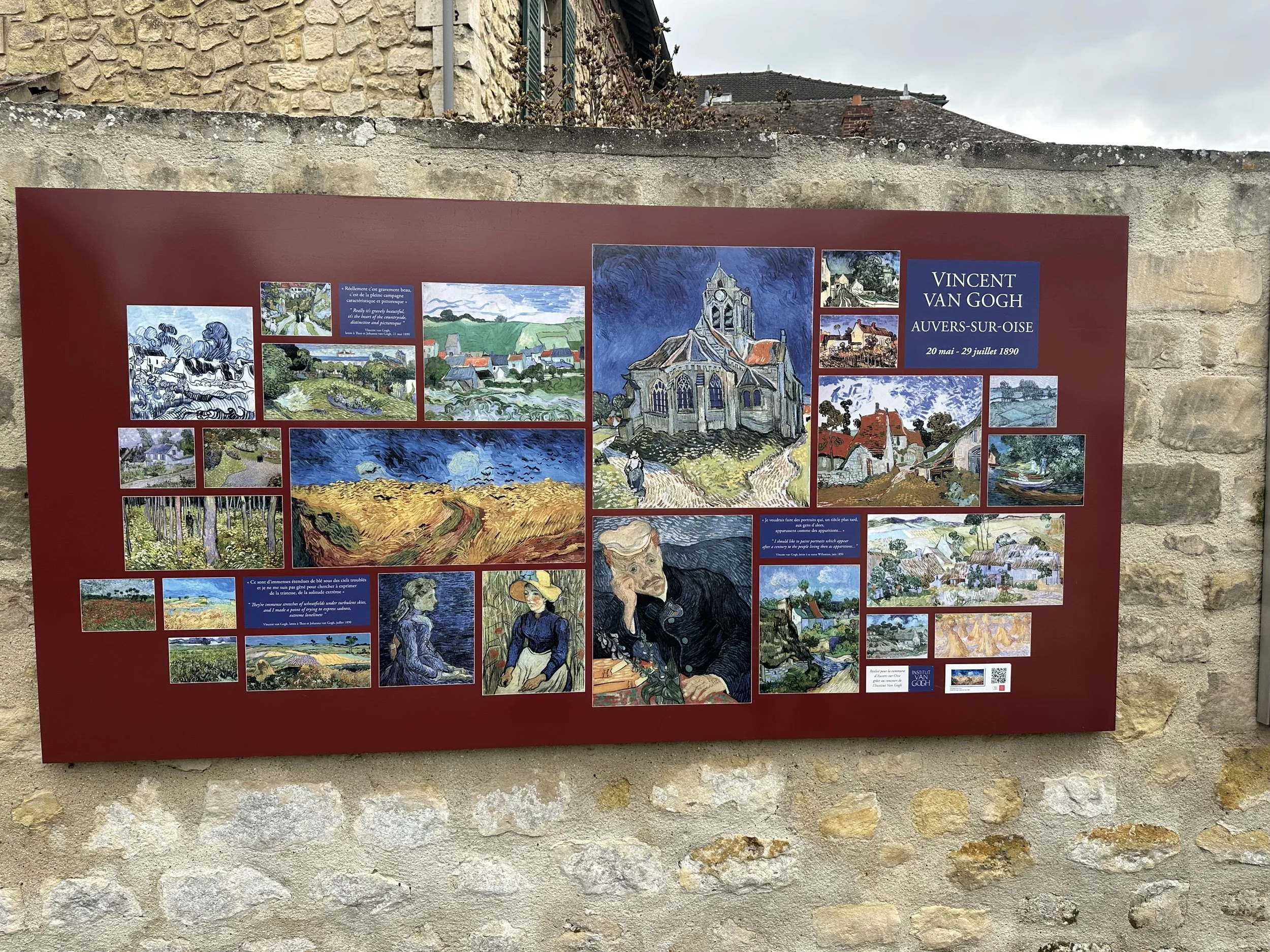
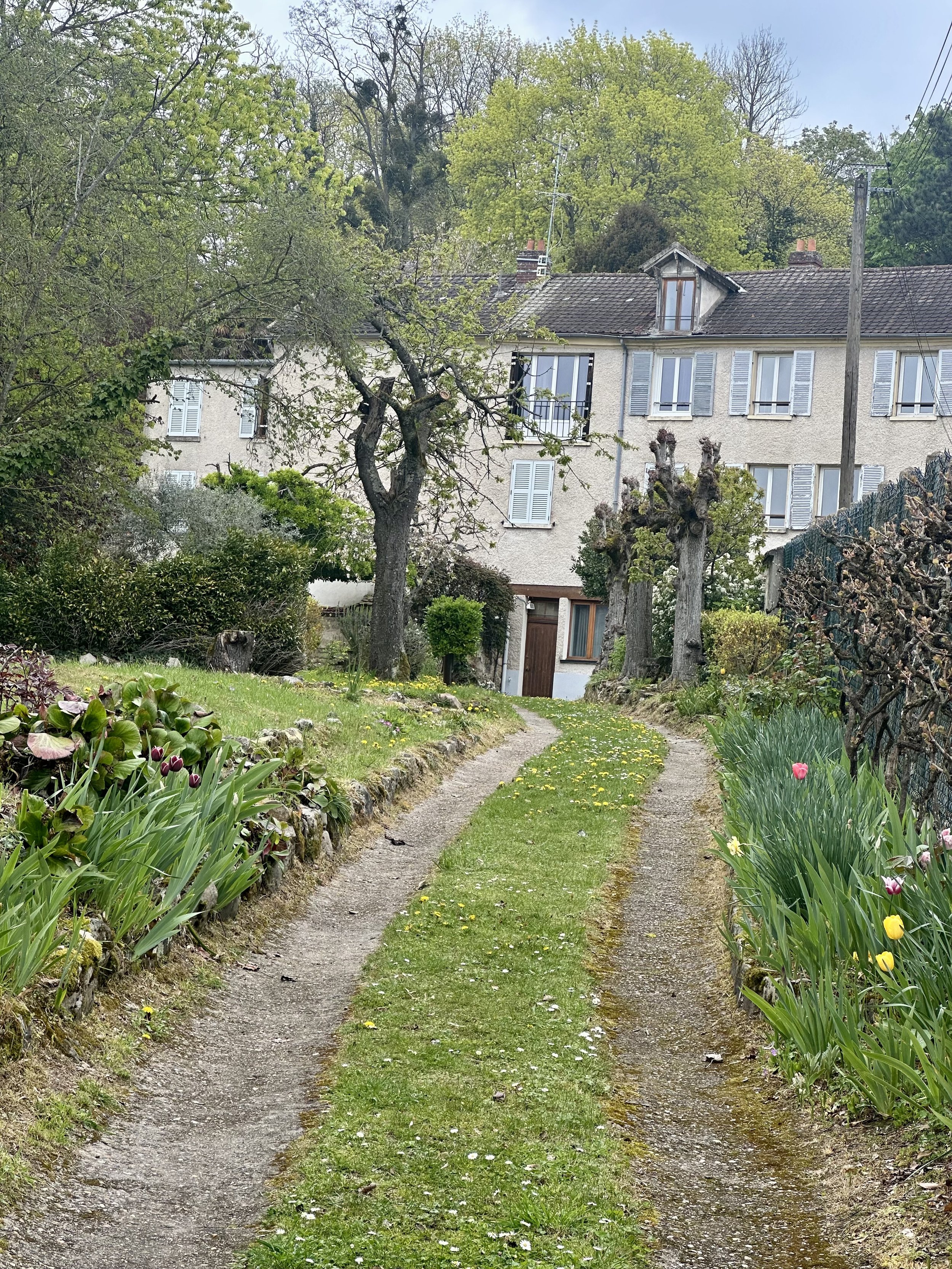
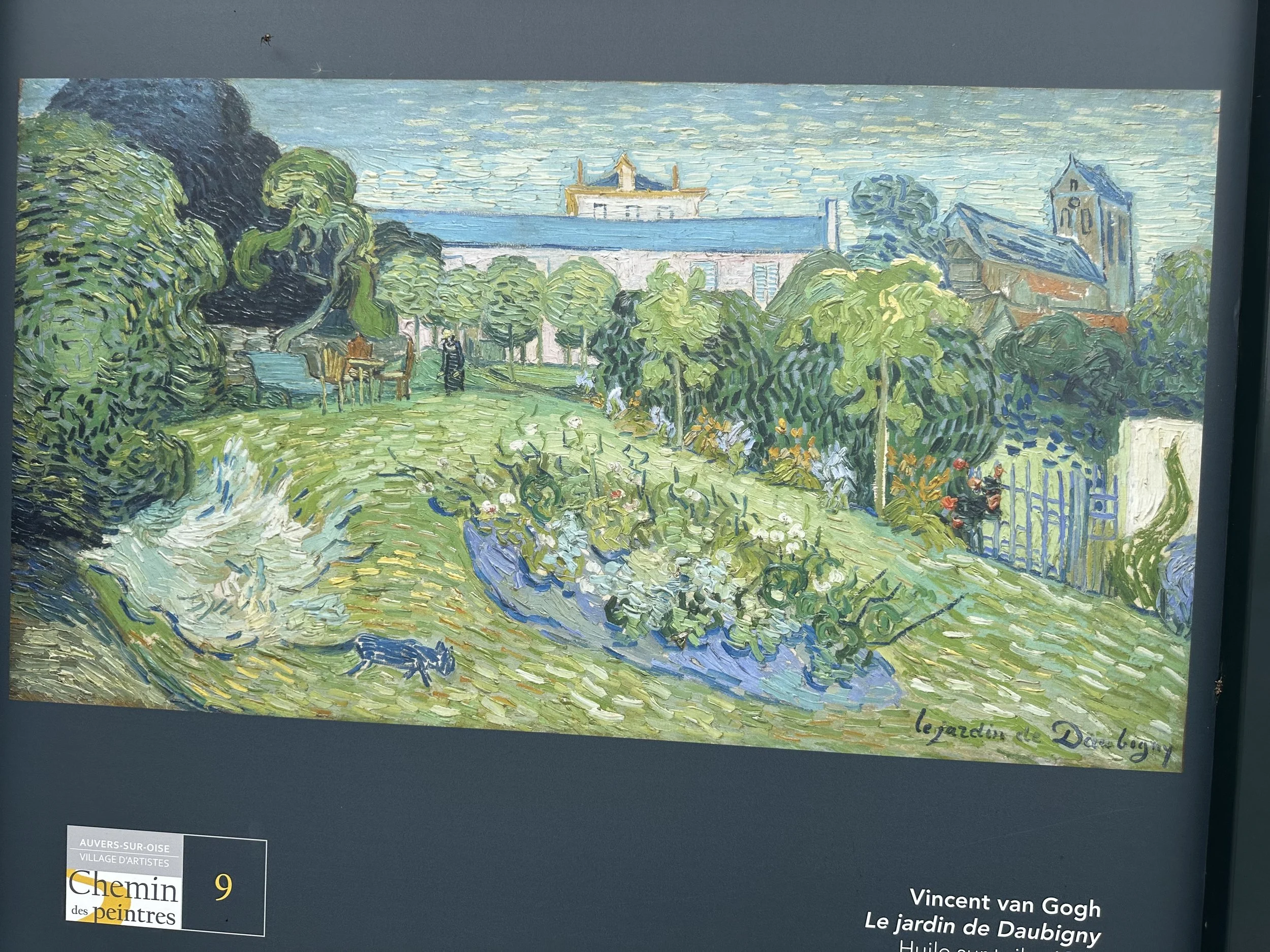
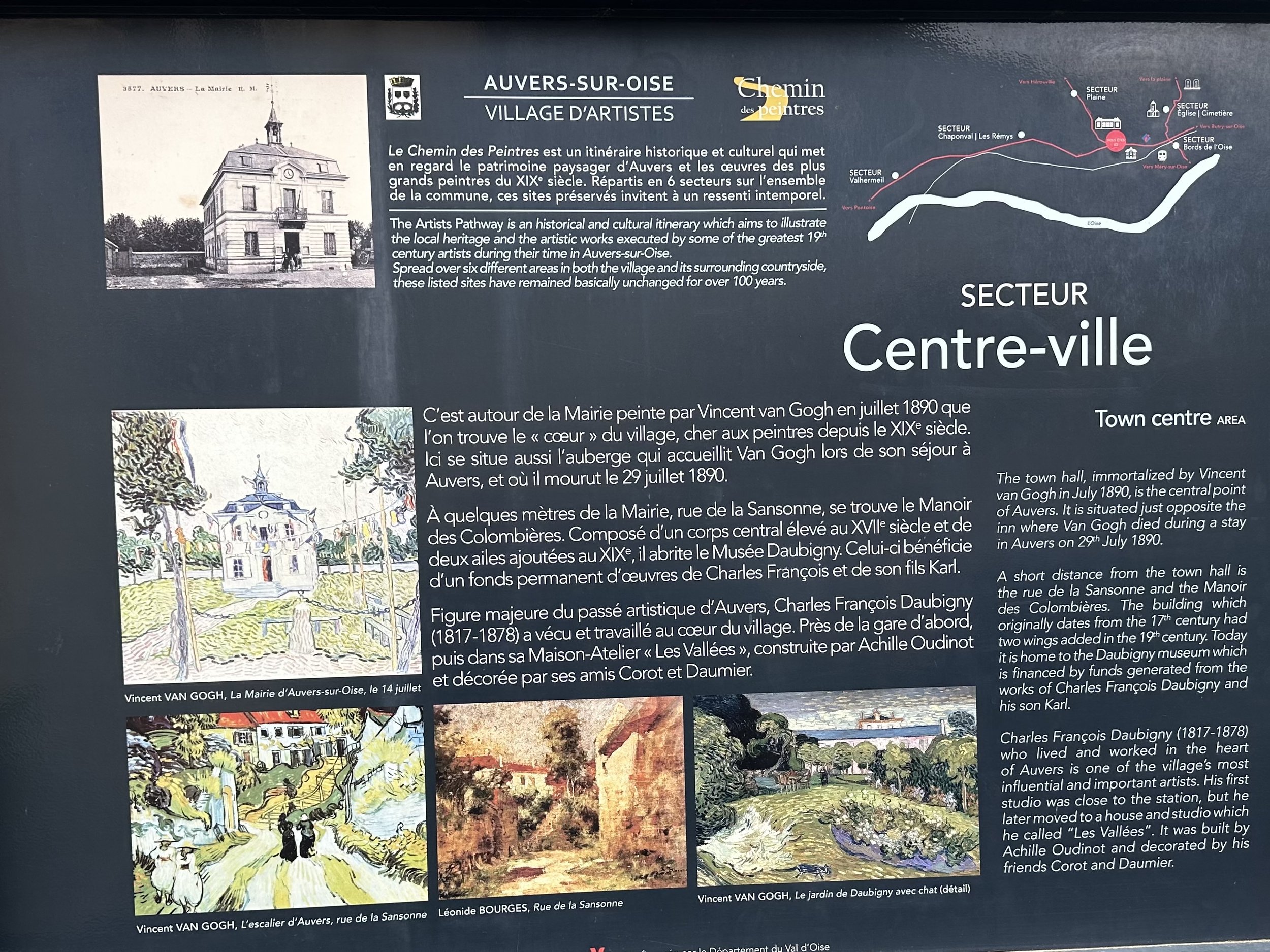
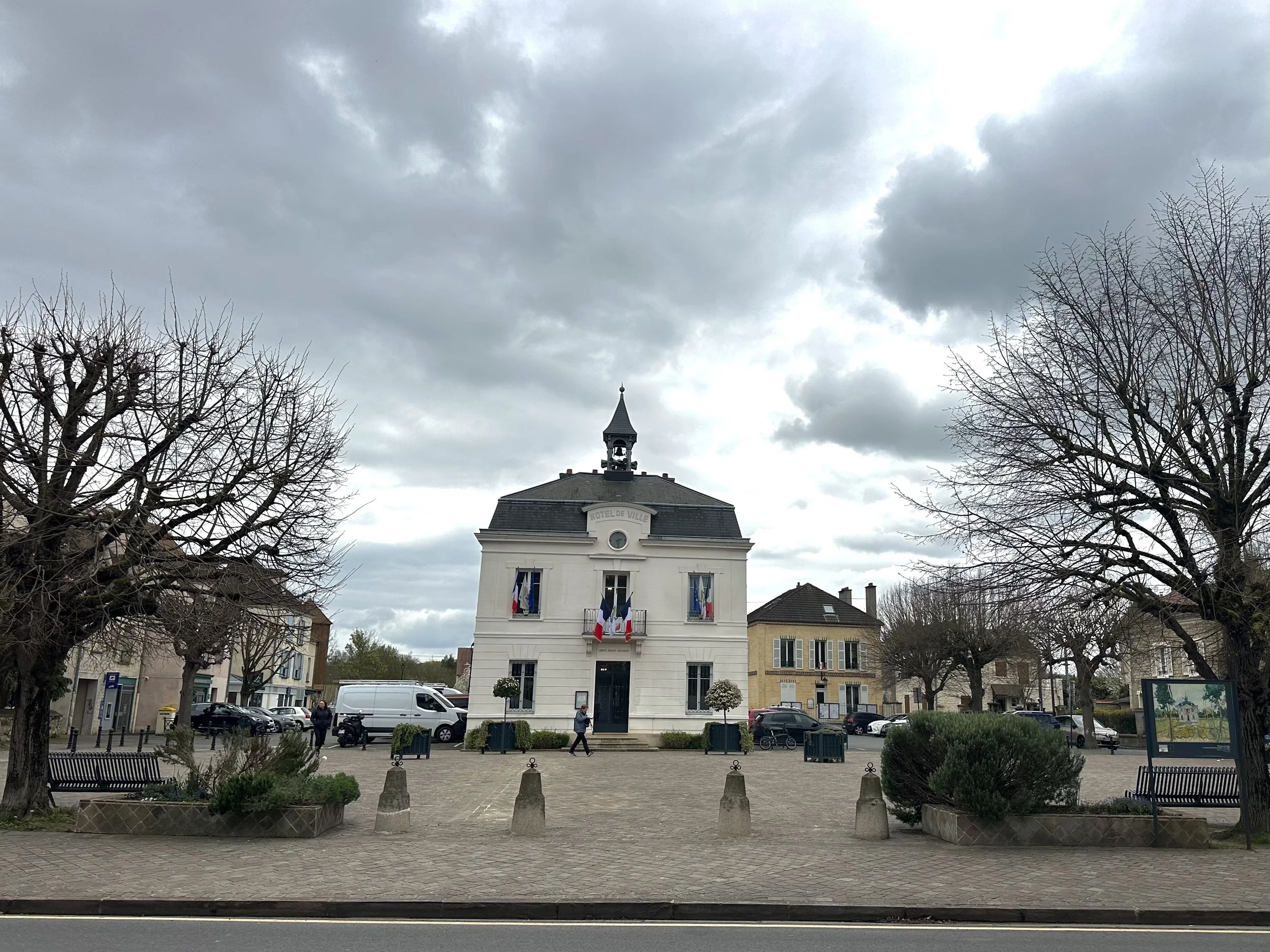
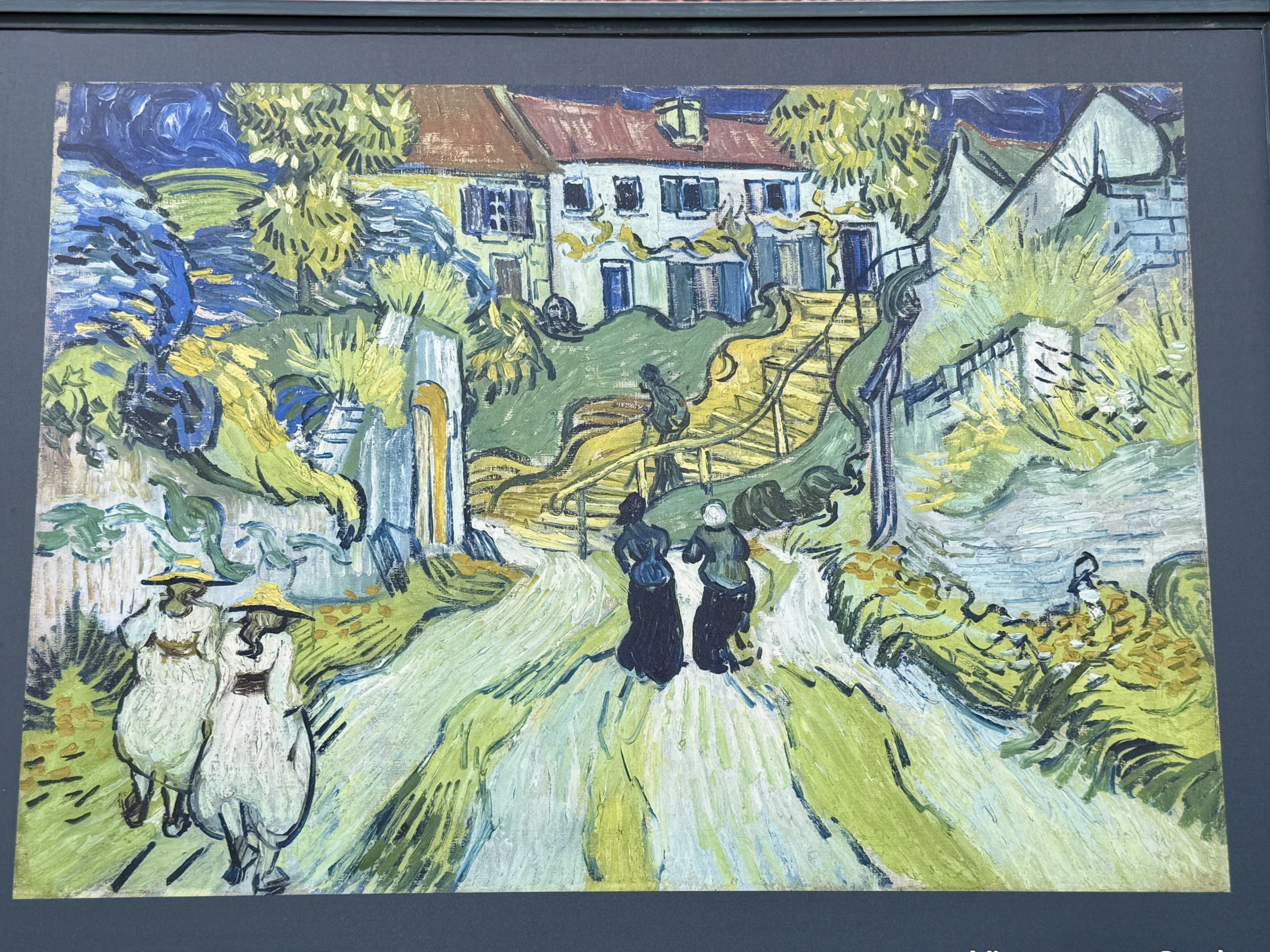
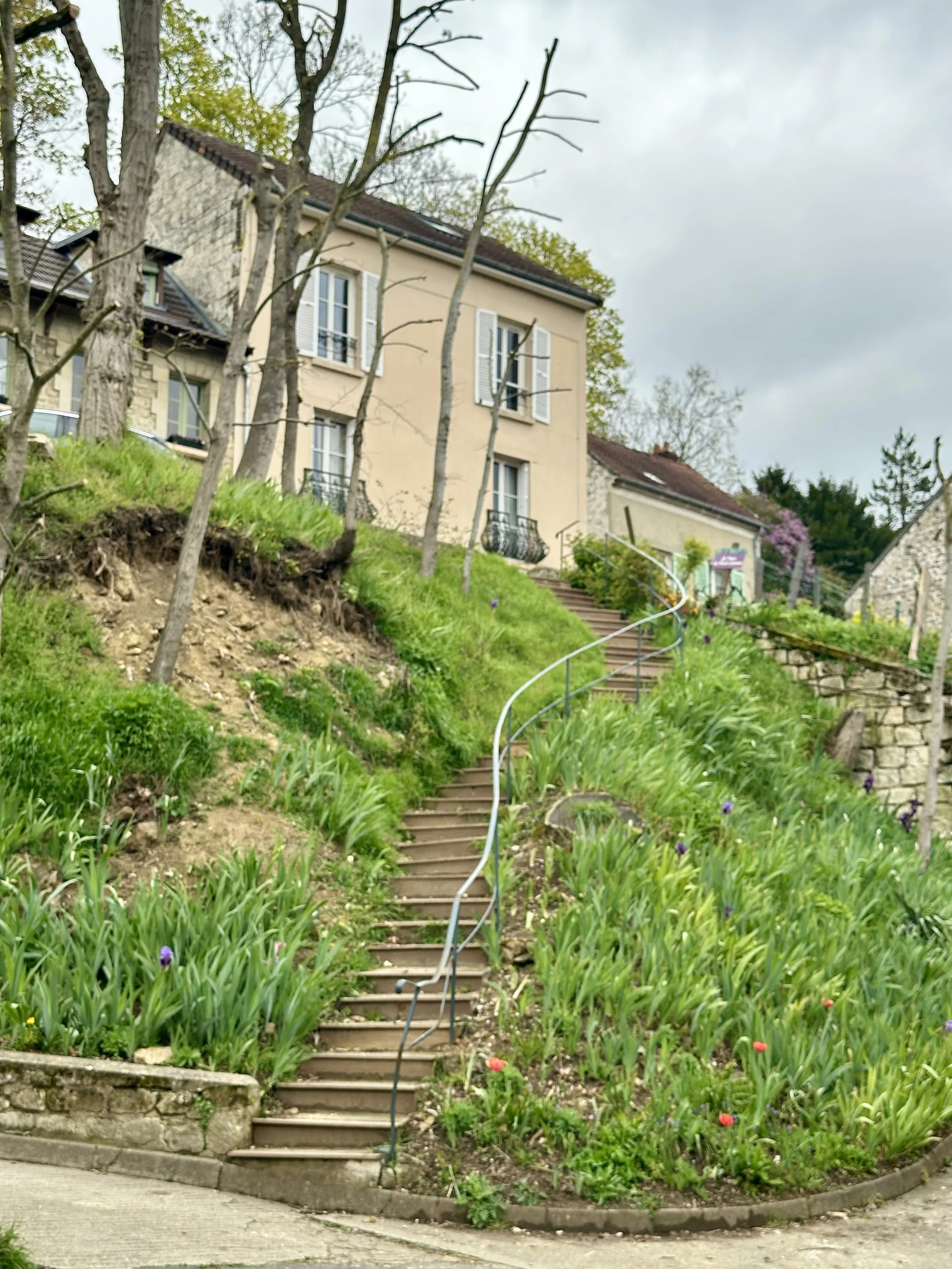
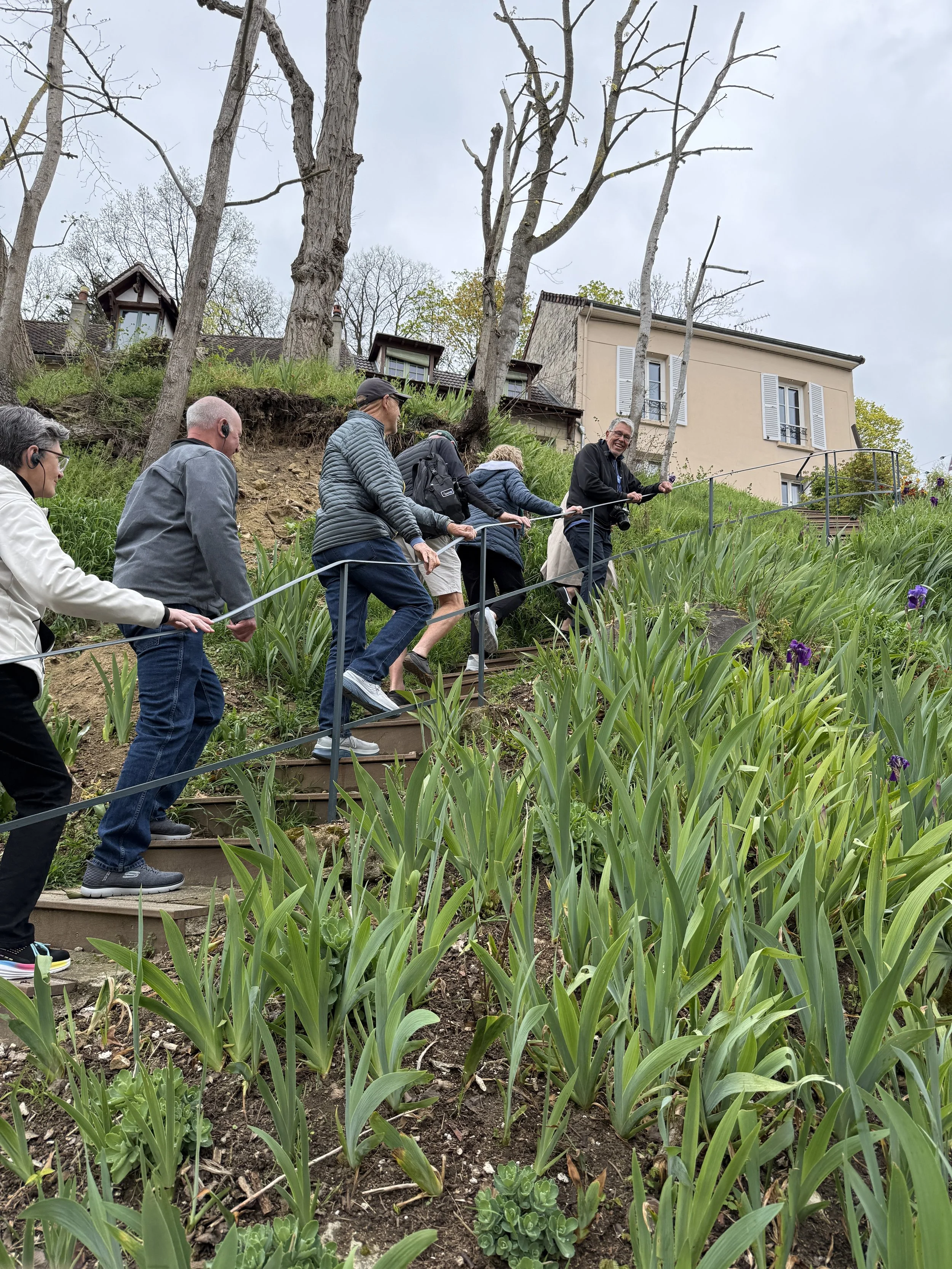
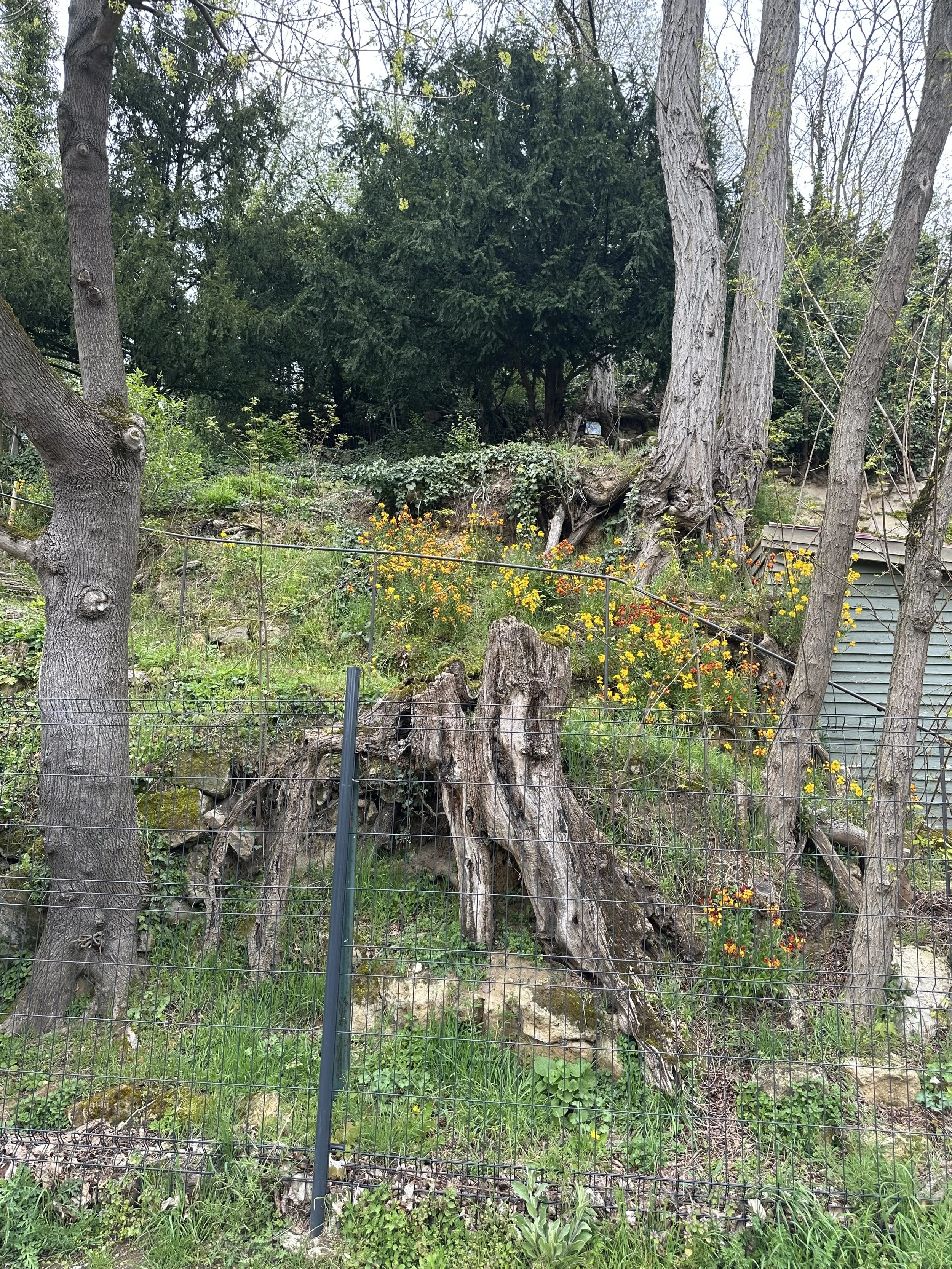
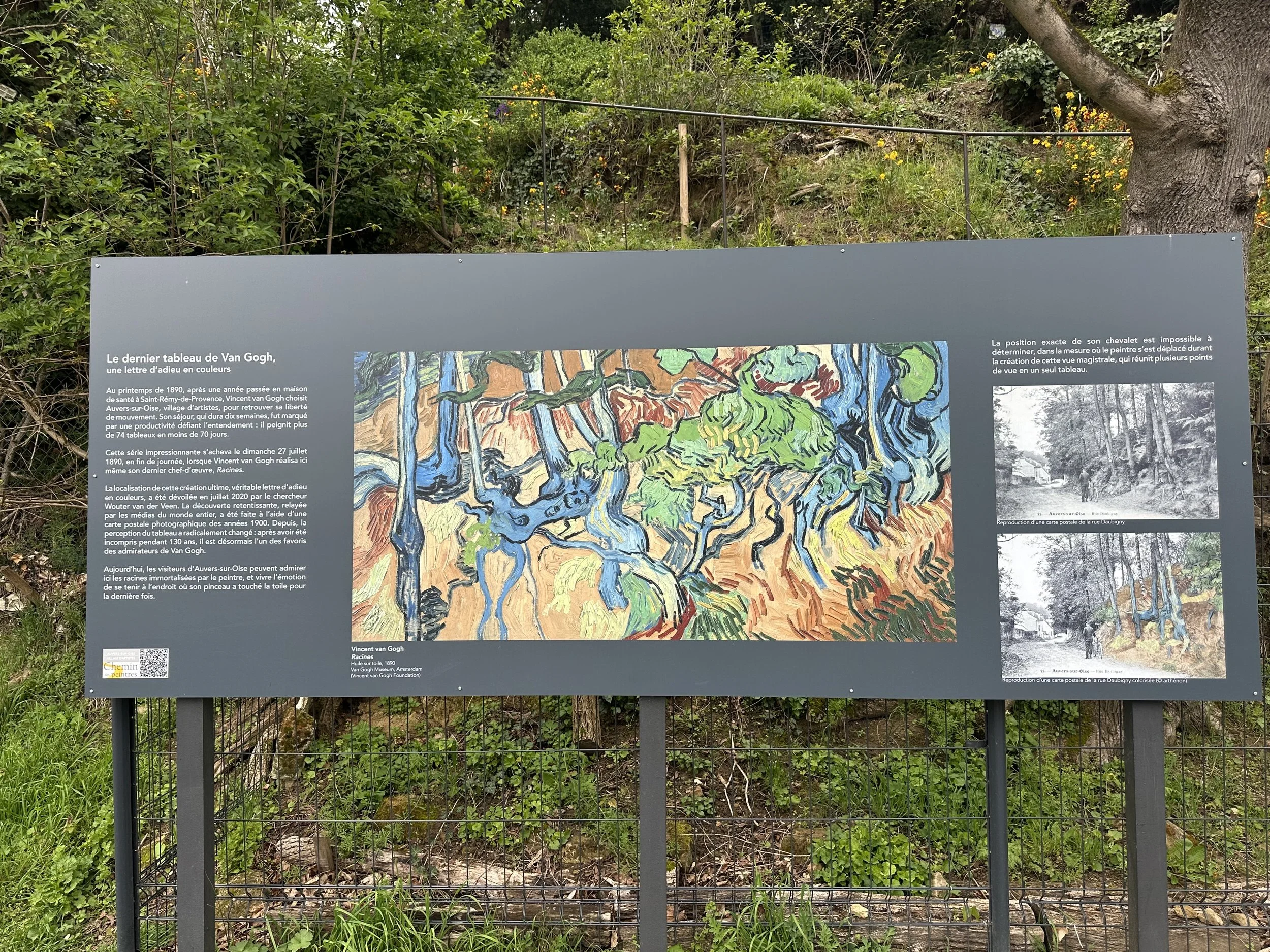
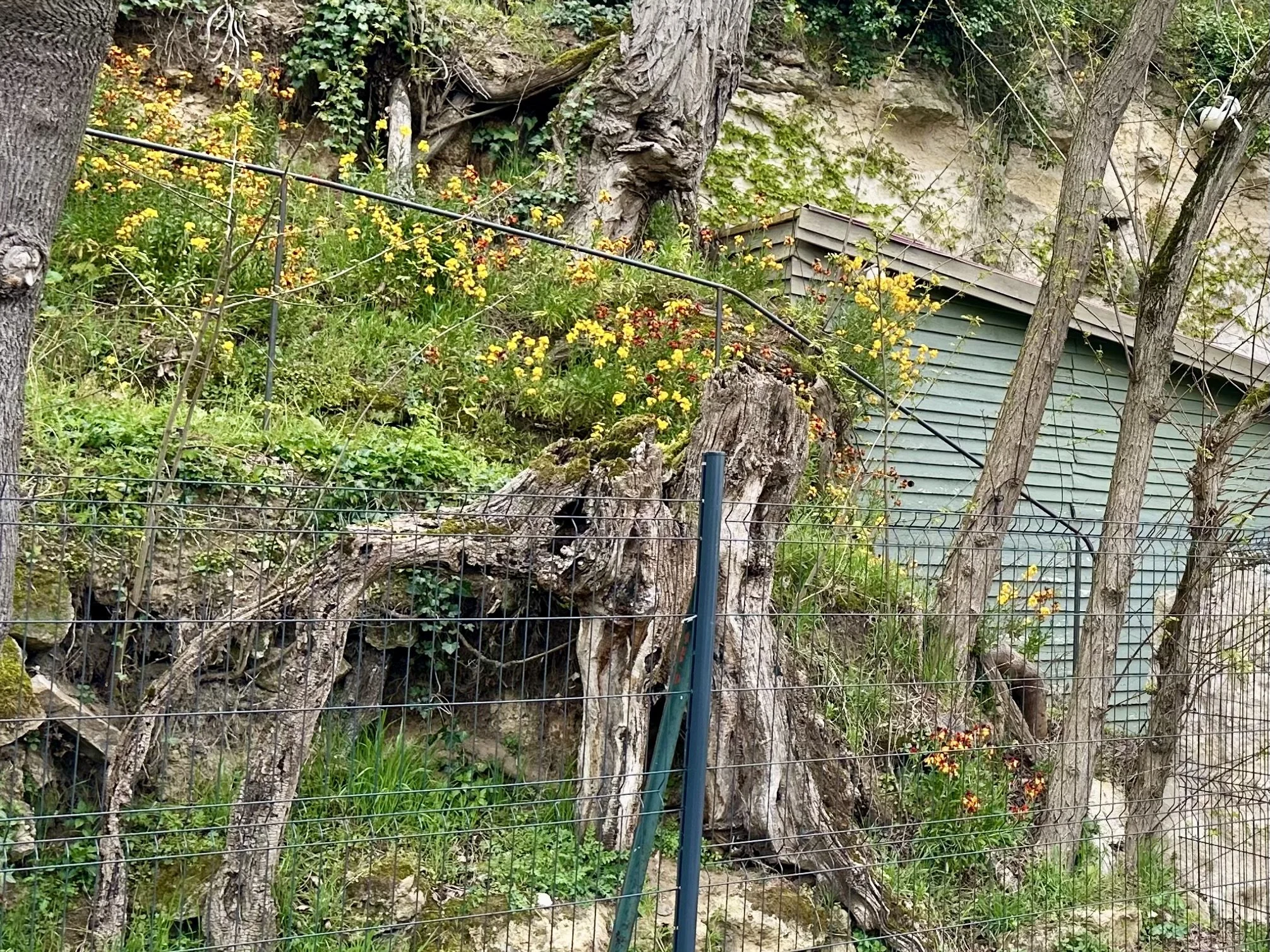
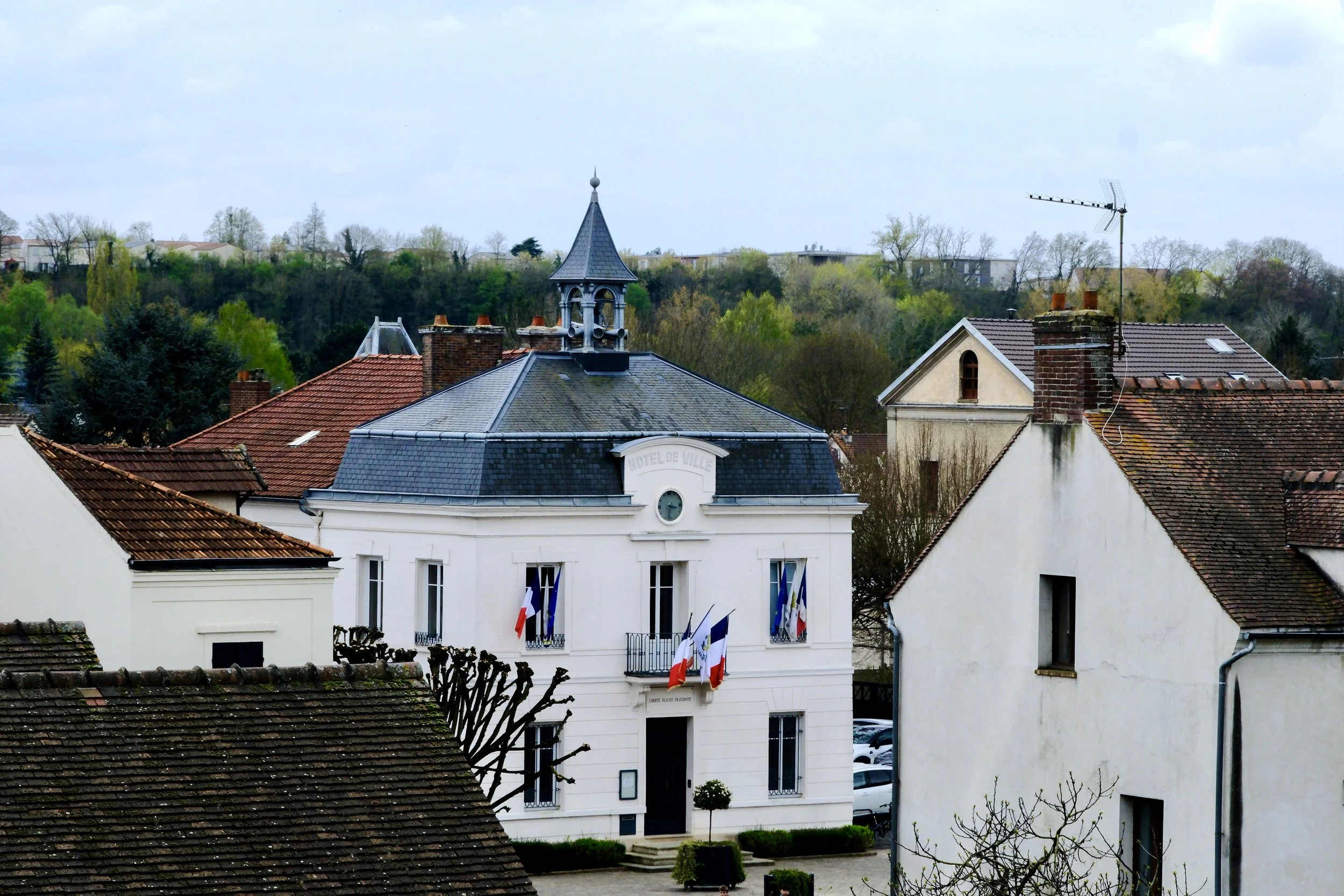
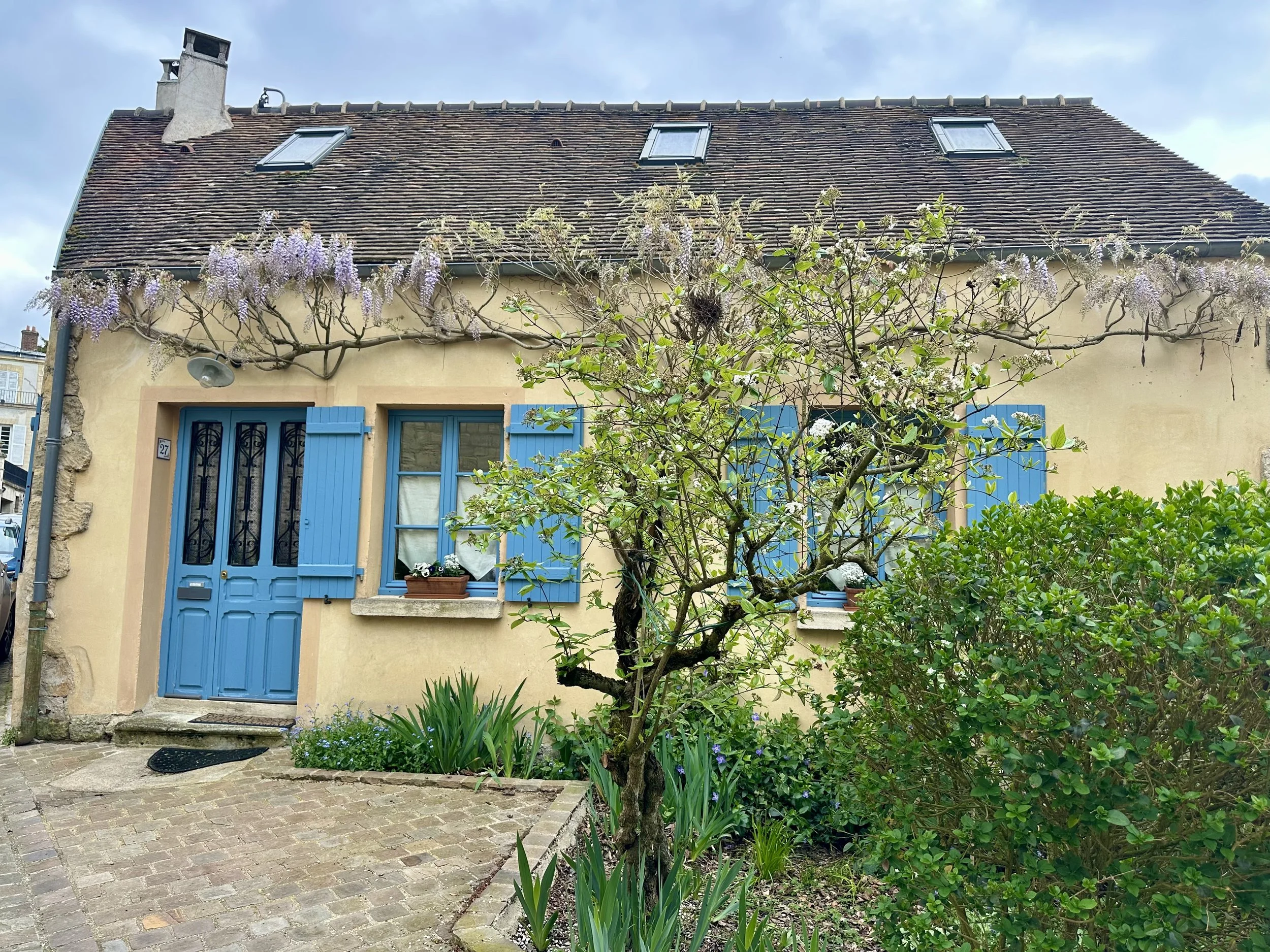
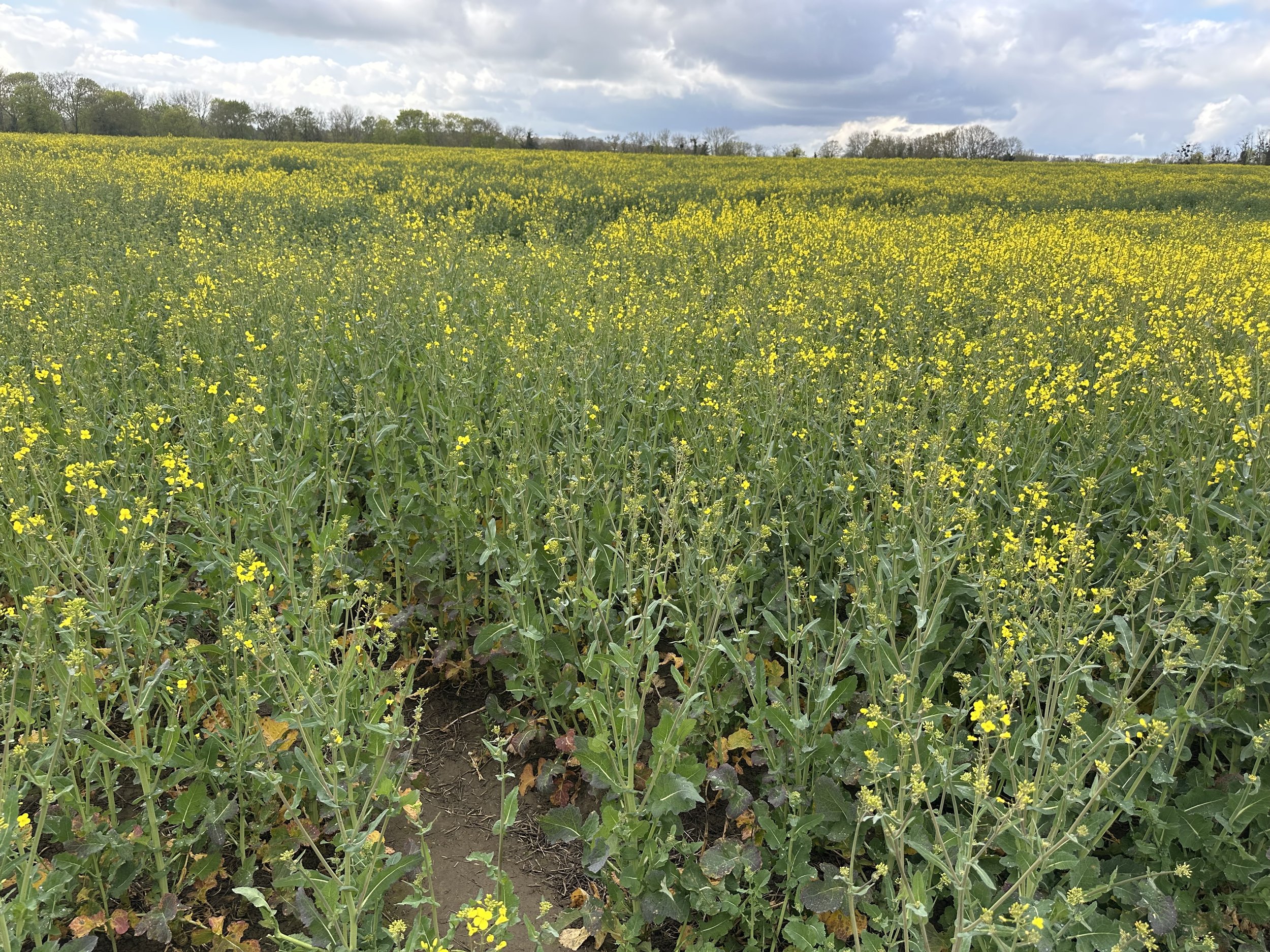
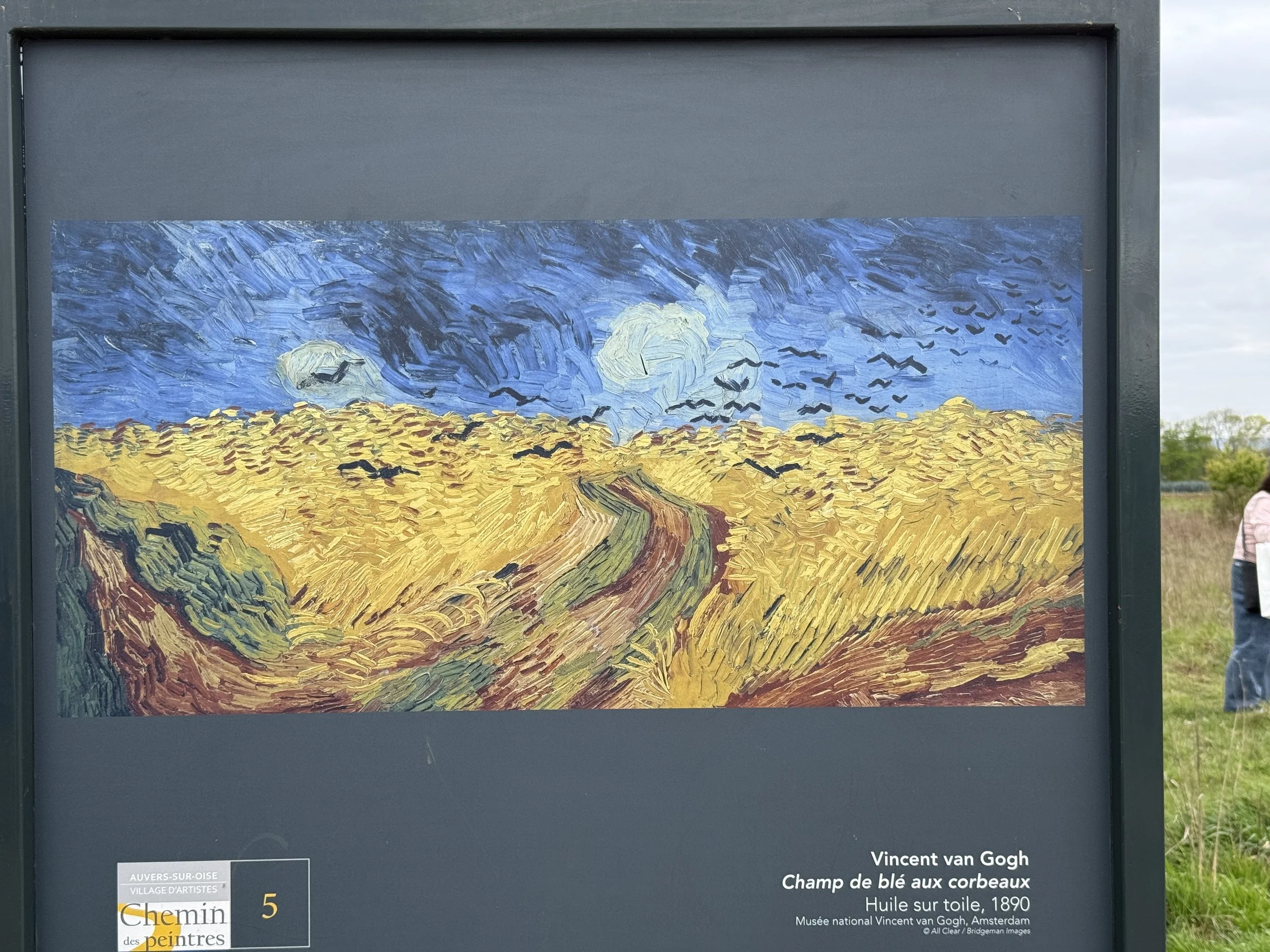
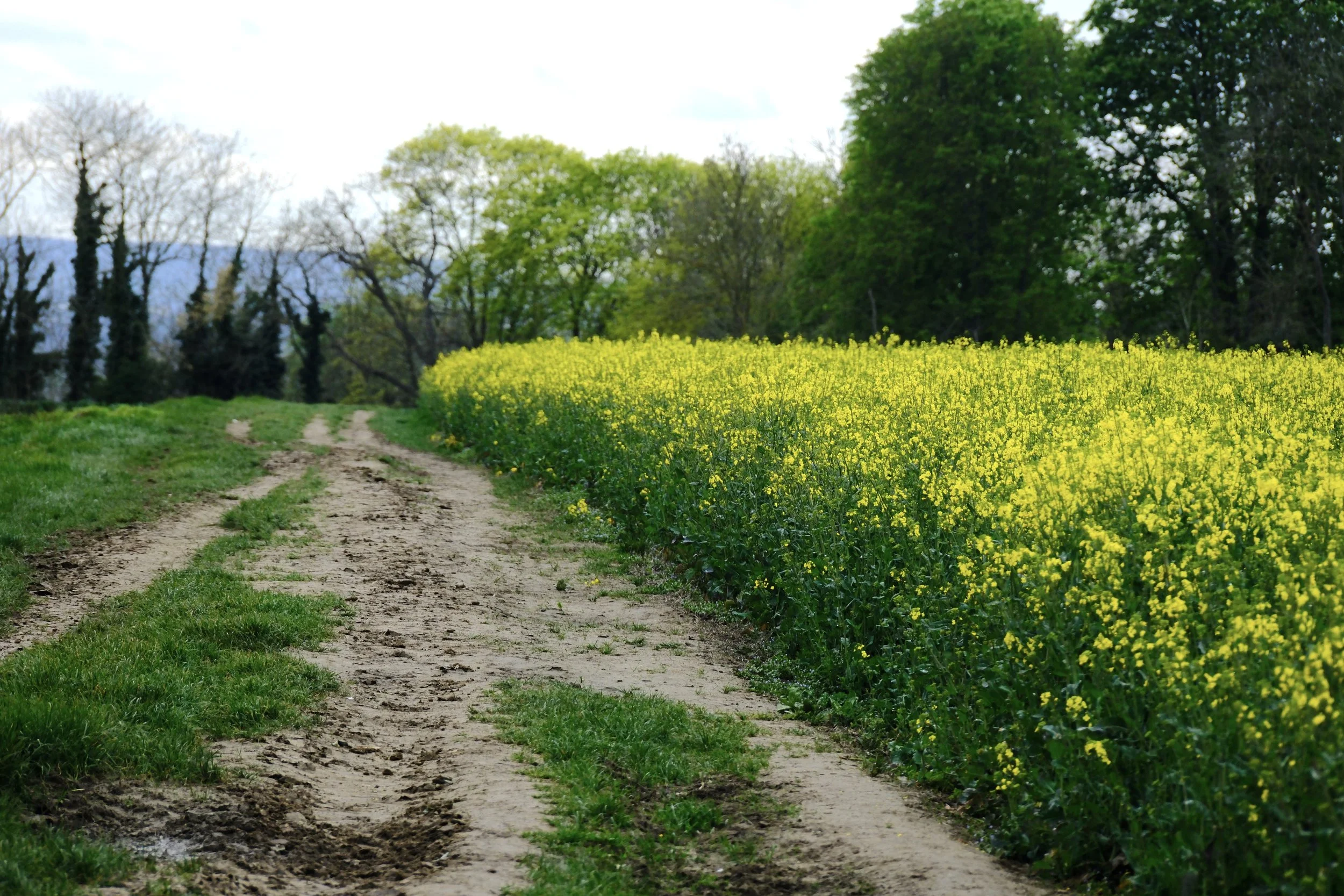
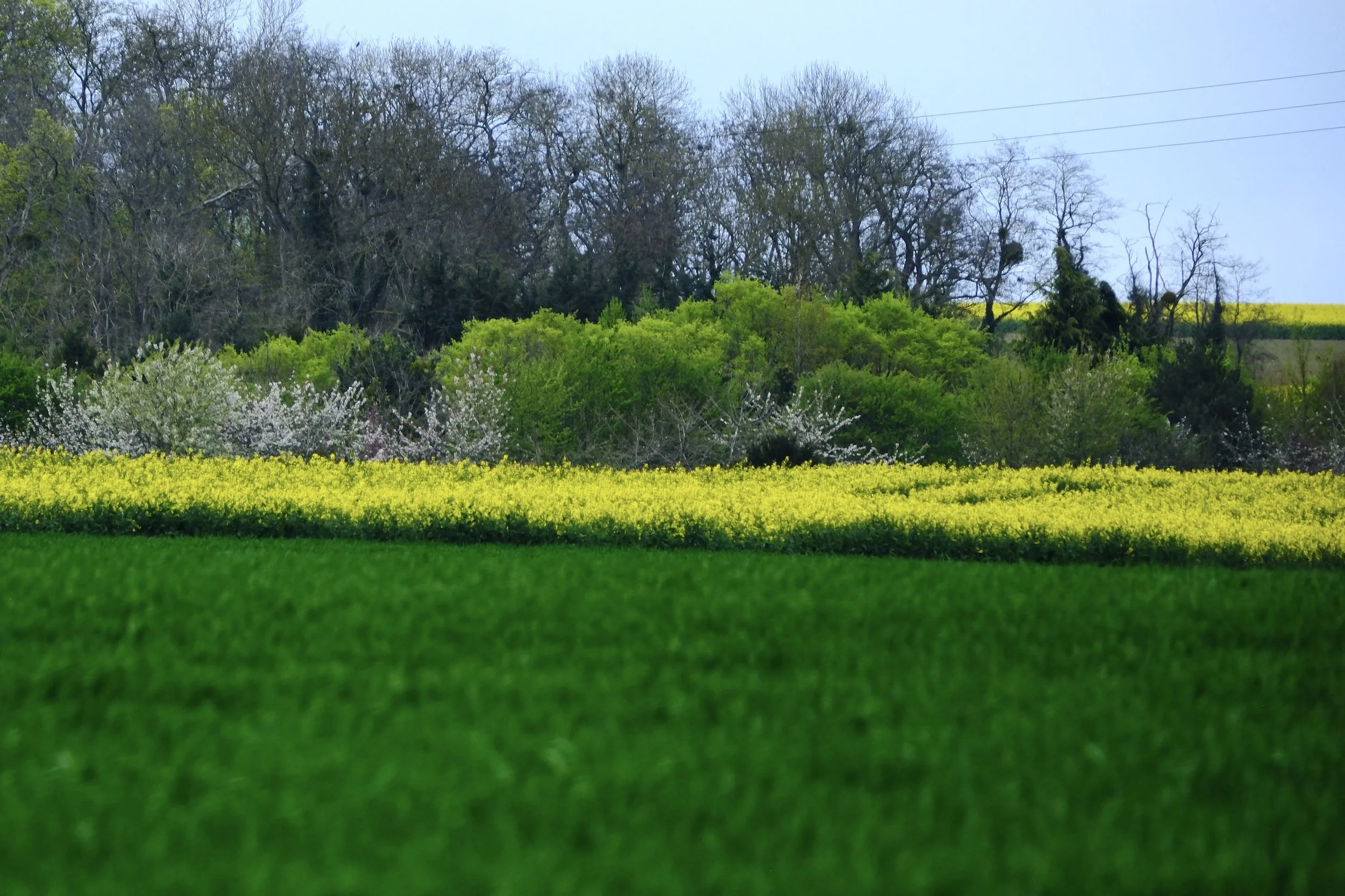
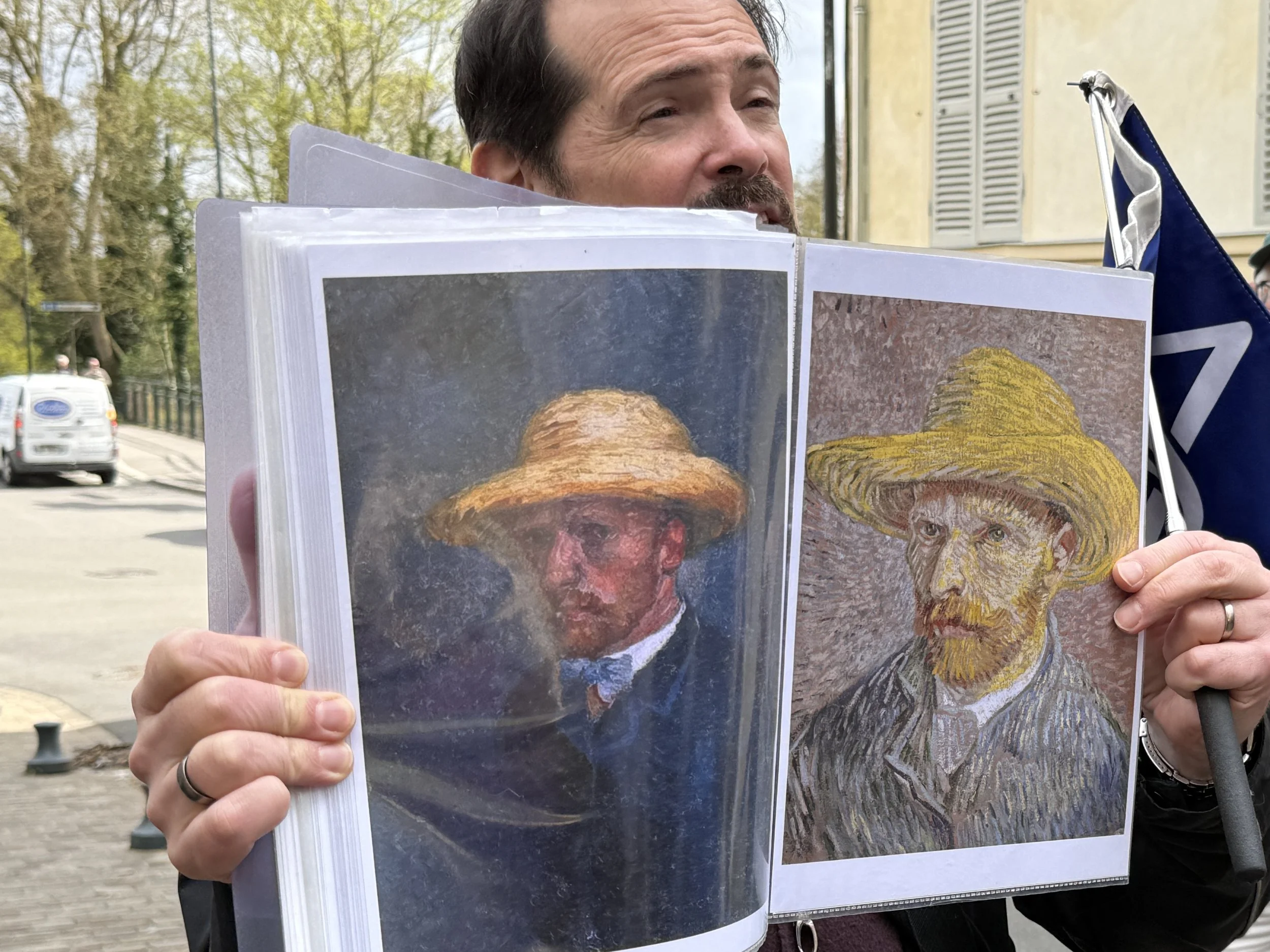
Our walk today went past several spots, including a wheat field, the town hall, a stairway and an old tree stump where Van Gogh painted during his final days. Boards are posted at several locations showing the artwork and a photo of the site for comparison.
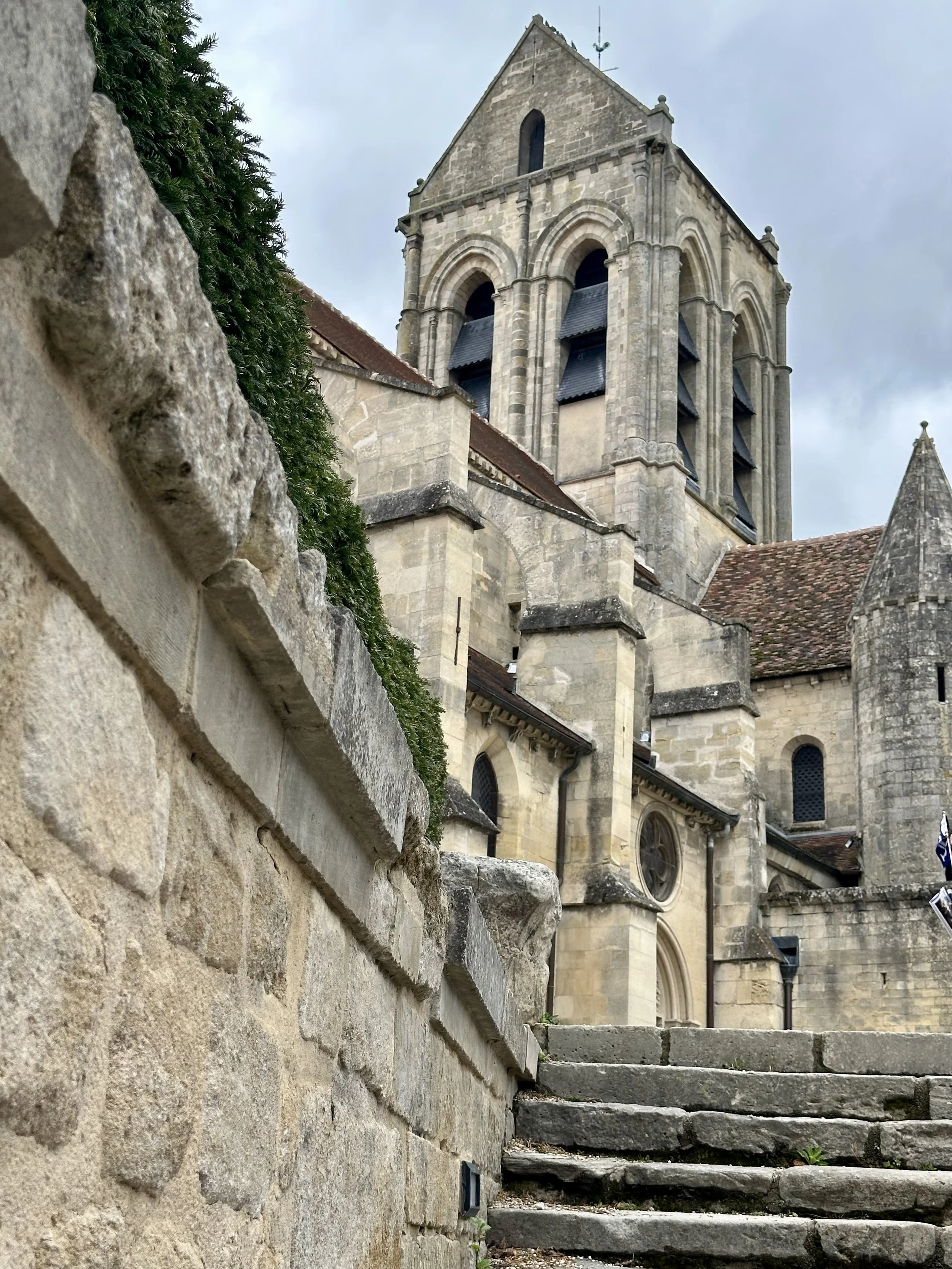
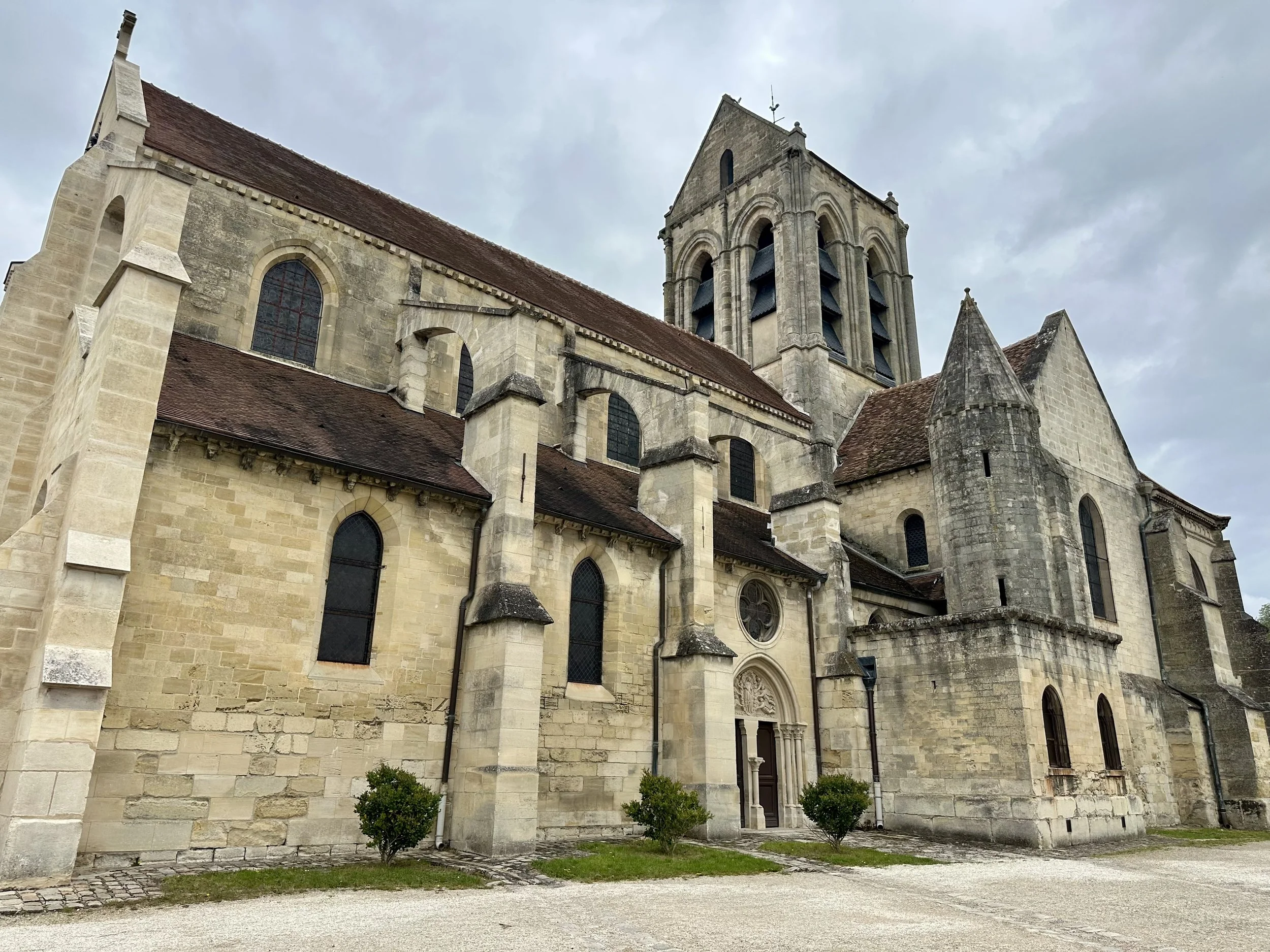
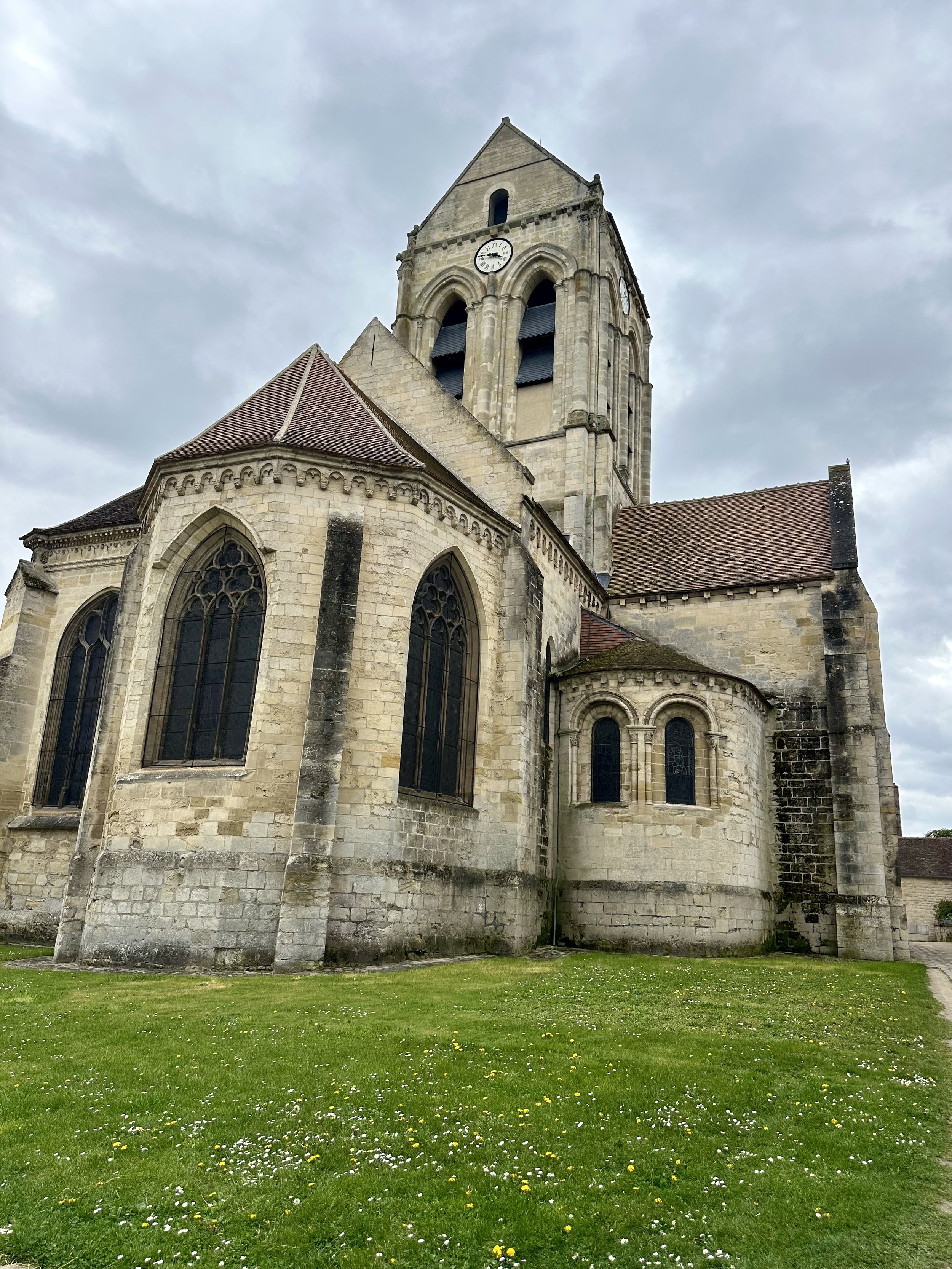
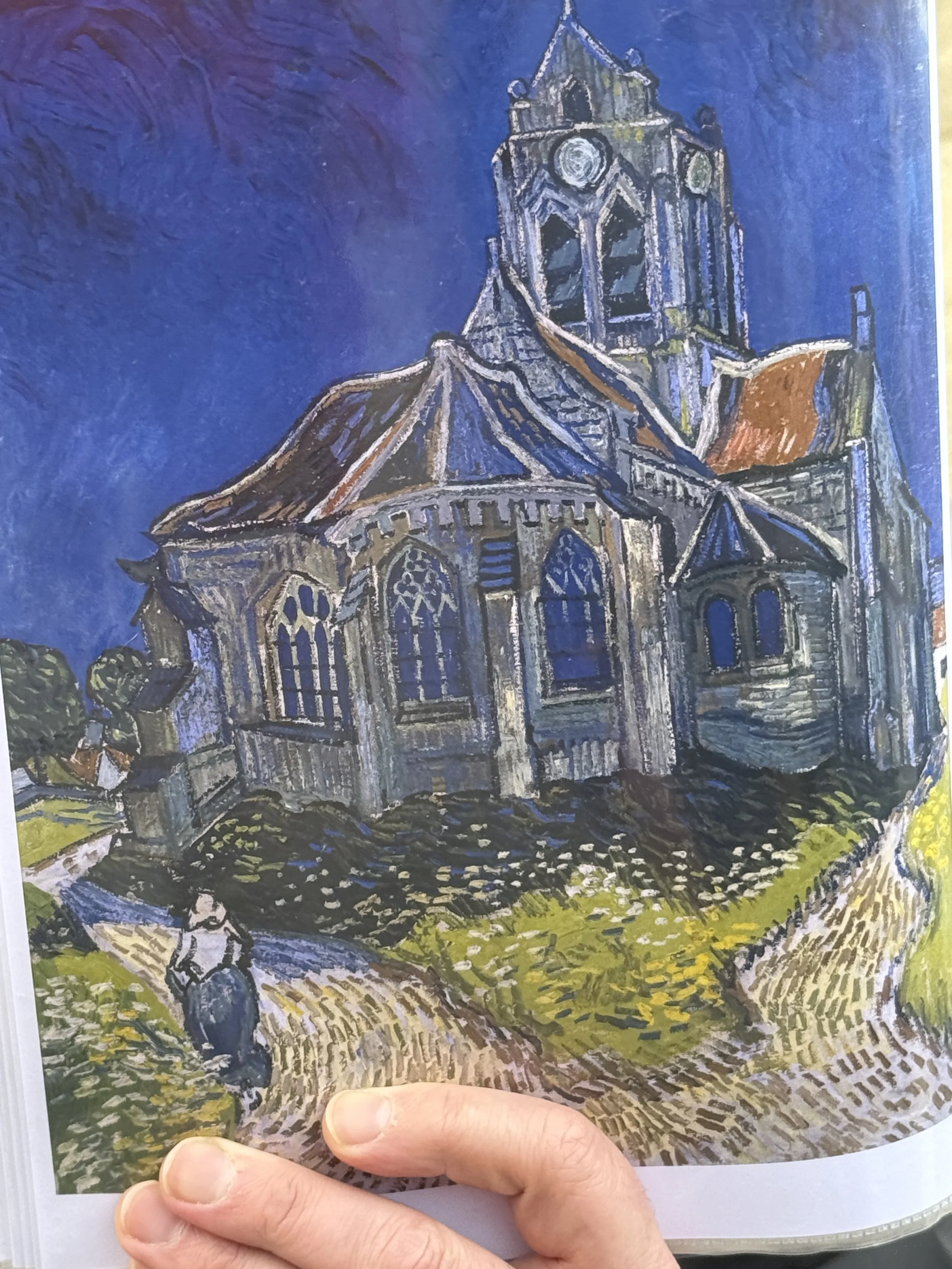
At one stop, the Notre Dame d’Auvers church, Joshua asked us to tell how we envisioned the church, standing where Van Gogh set up his easel. I said, “It appears to me to be a series of lines leading skyward.” Van Gogh, it turns out saw the opposite: sagging lines leading downward. The sky is a dark cobalt blue. The windows have the same color, rather than stained glass patterns.
Joshua pointed out that Van Gogh was a talented writer, leaving behind more than 1,000 letters written to friends and family members.
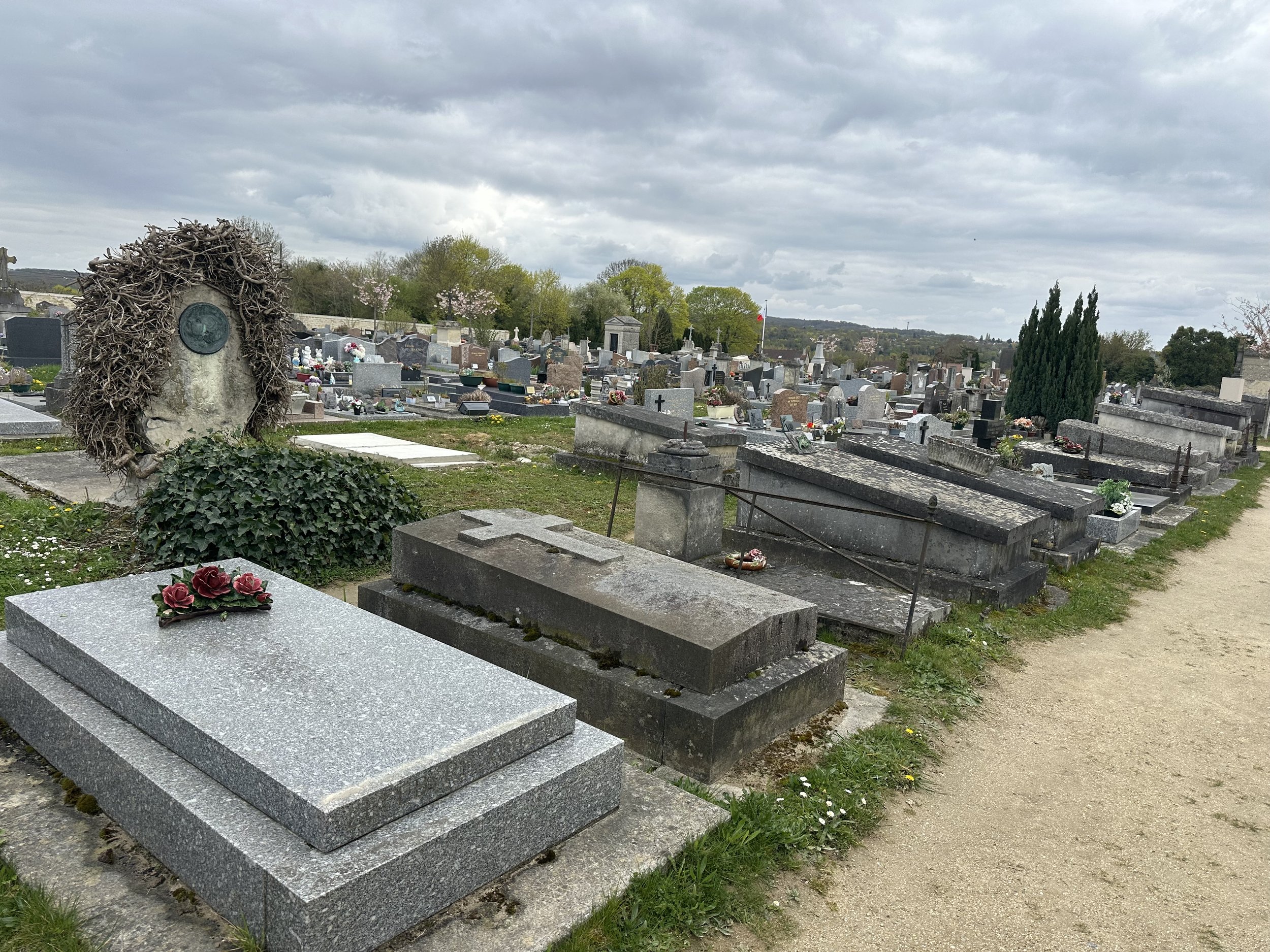
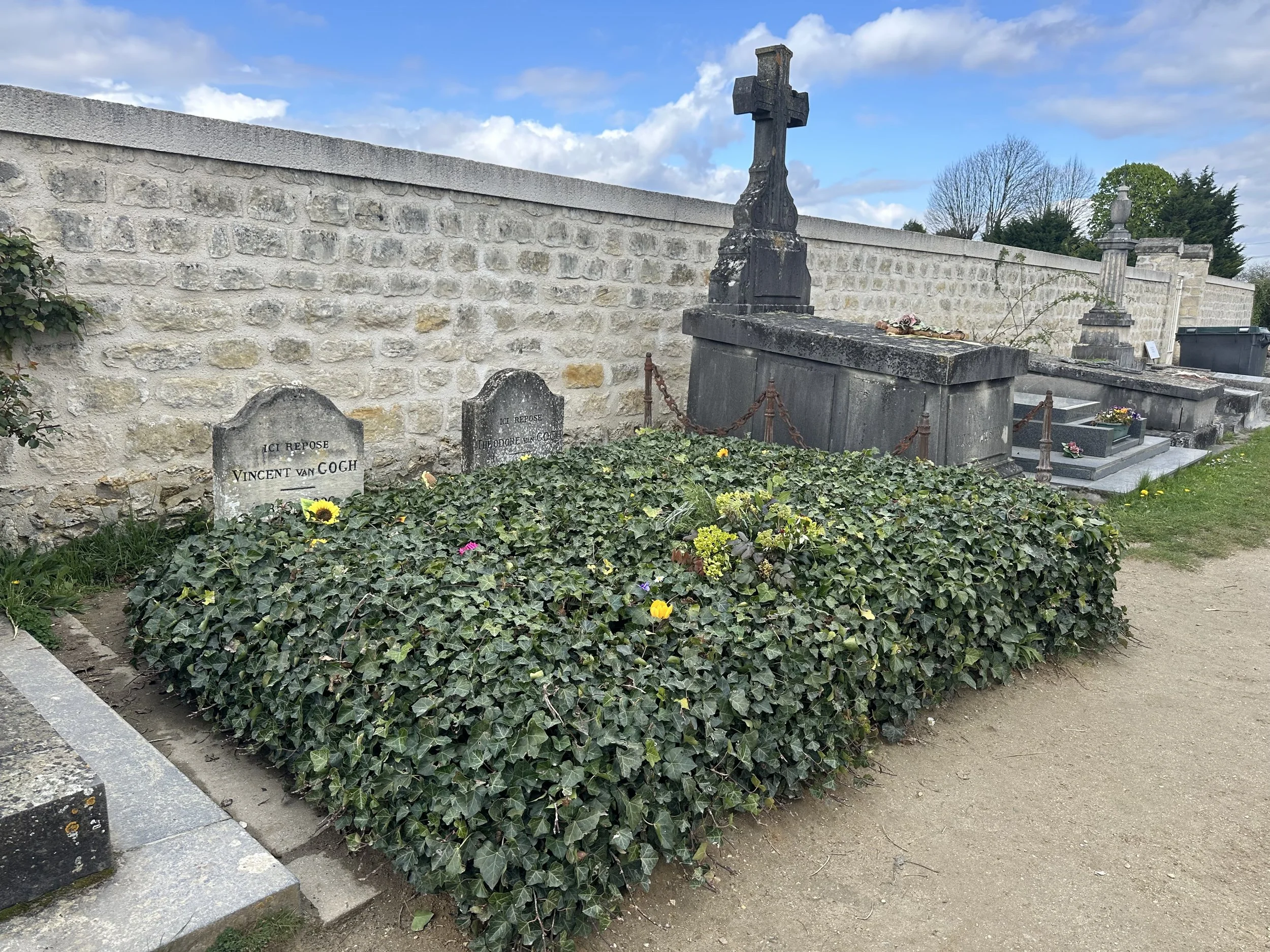
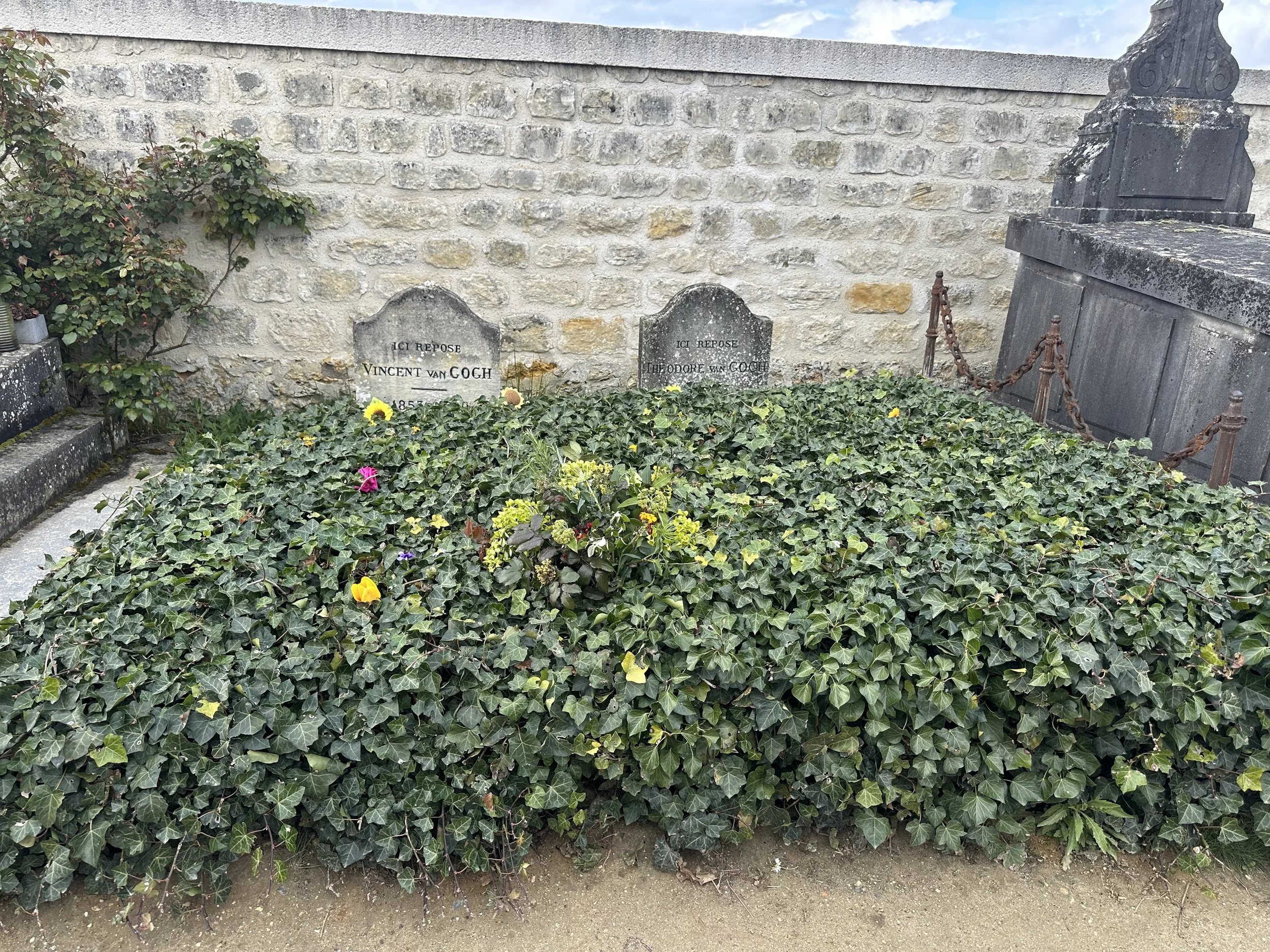
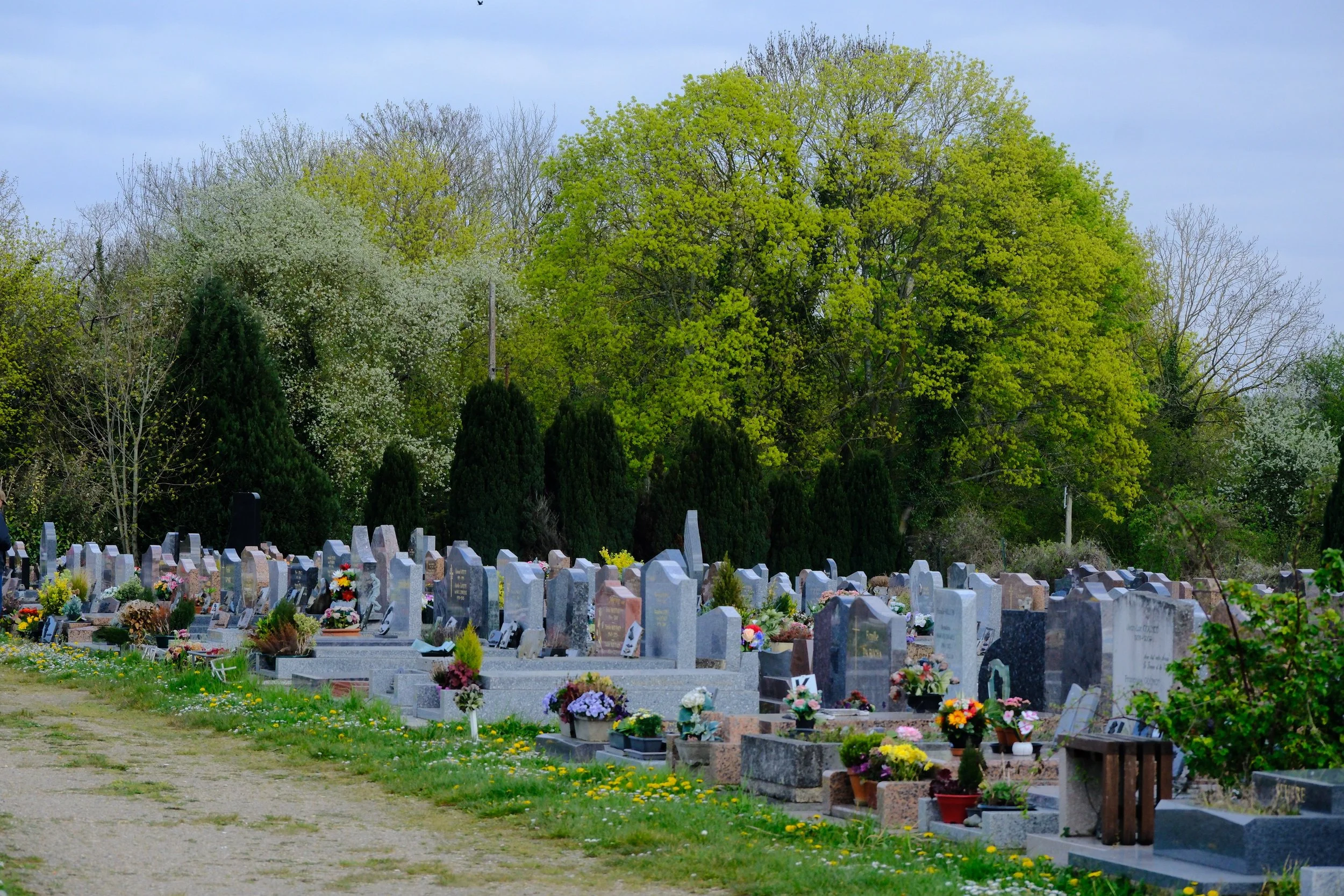
Vincent Van Gogh suffered from ailments, physical and mental, although a precise diagnosis is still debated. Whatever the cause, one day about a mile from his room in Olse, he borrowed a gun and shot himself in the chest, but not fatally. He made it back to his room but 30 hours later he died. The room where he died is open to the public and we visited it today. Because he wasn’t Catholic he was denied a church funeral and was buried in a pauper’s cemetery. Later, his remains were moved, along with his brother Theo’s, to a cemetery in town that we also visited today.
We returned by 6 PM in time for our 7 PM dinner. Judy and I are skipping the quiz bowl entertainment this evening. We sail at 11:45 PM for a brief stop tomorrow morning at St Andelys before heading on to Rouen. Distances are deceptive on this trip. After a hard day’s sailing on the Seine, we tonight are about a 45-minute drive to the Eiffel Tower. Not only do we go slow but the river twists and turns like a snake.