Day 10 – April 8, 2026 – Tournus
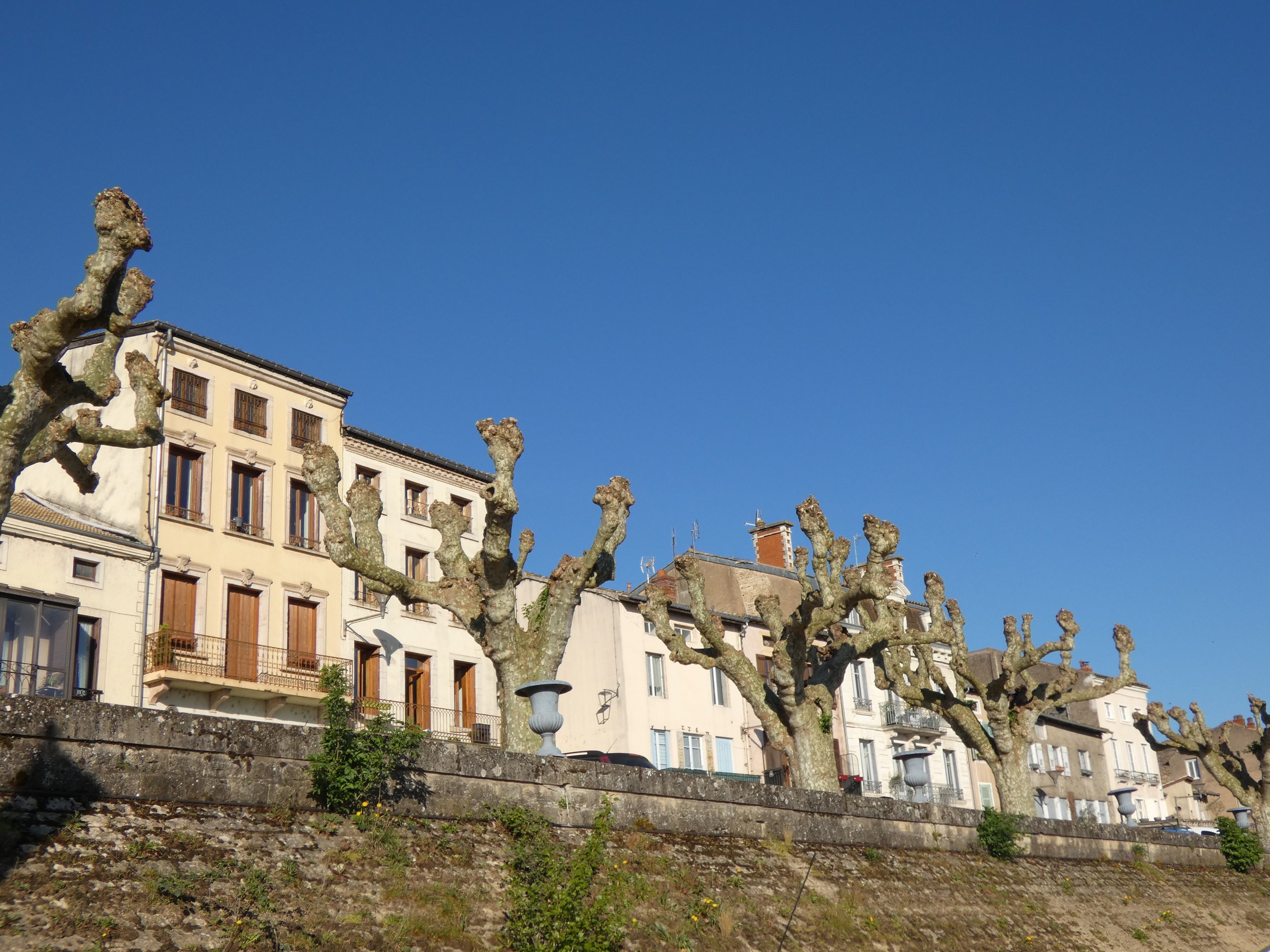
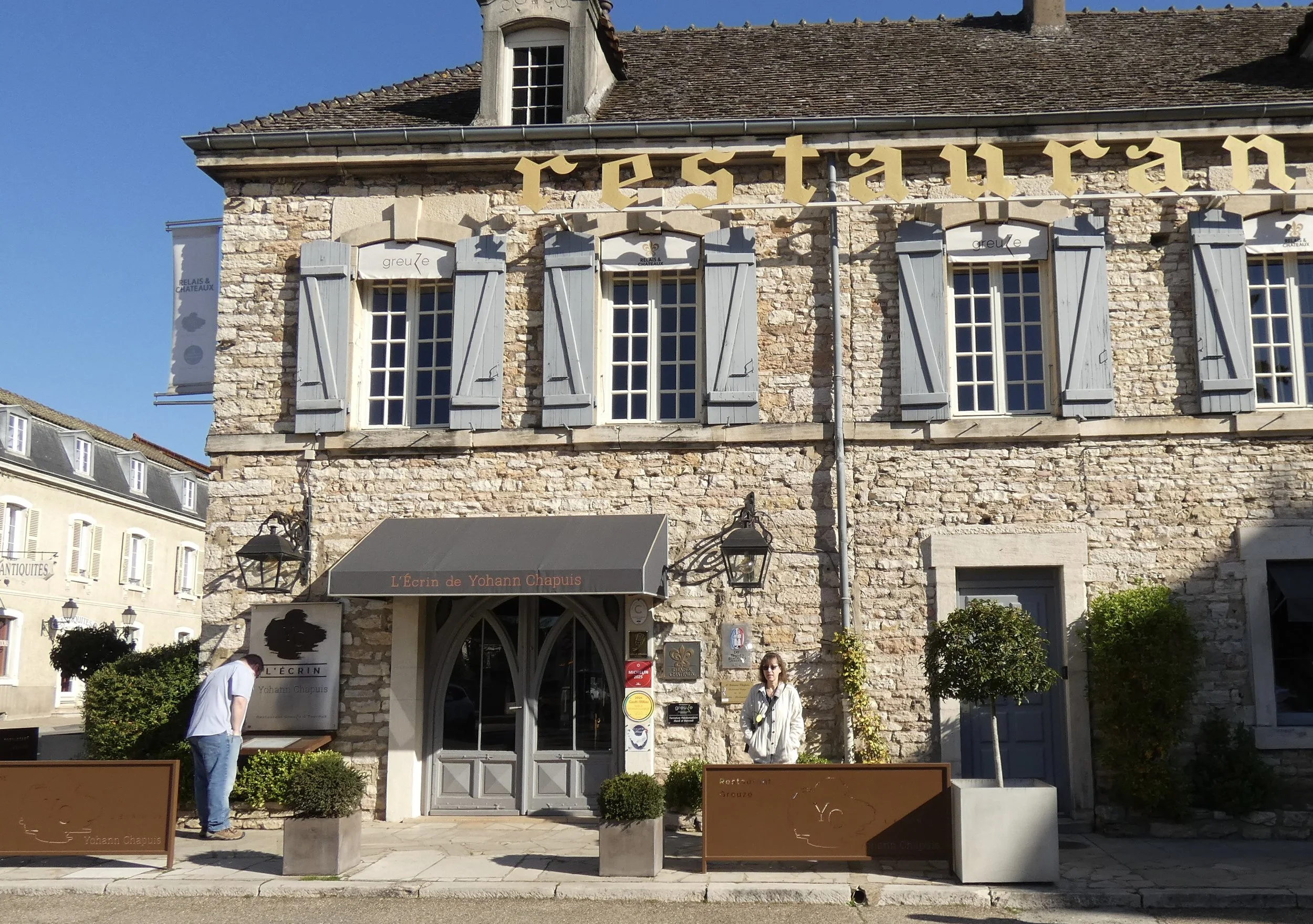
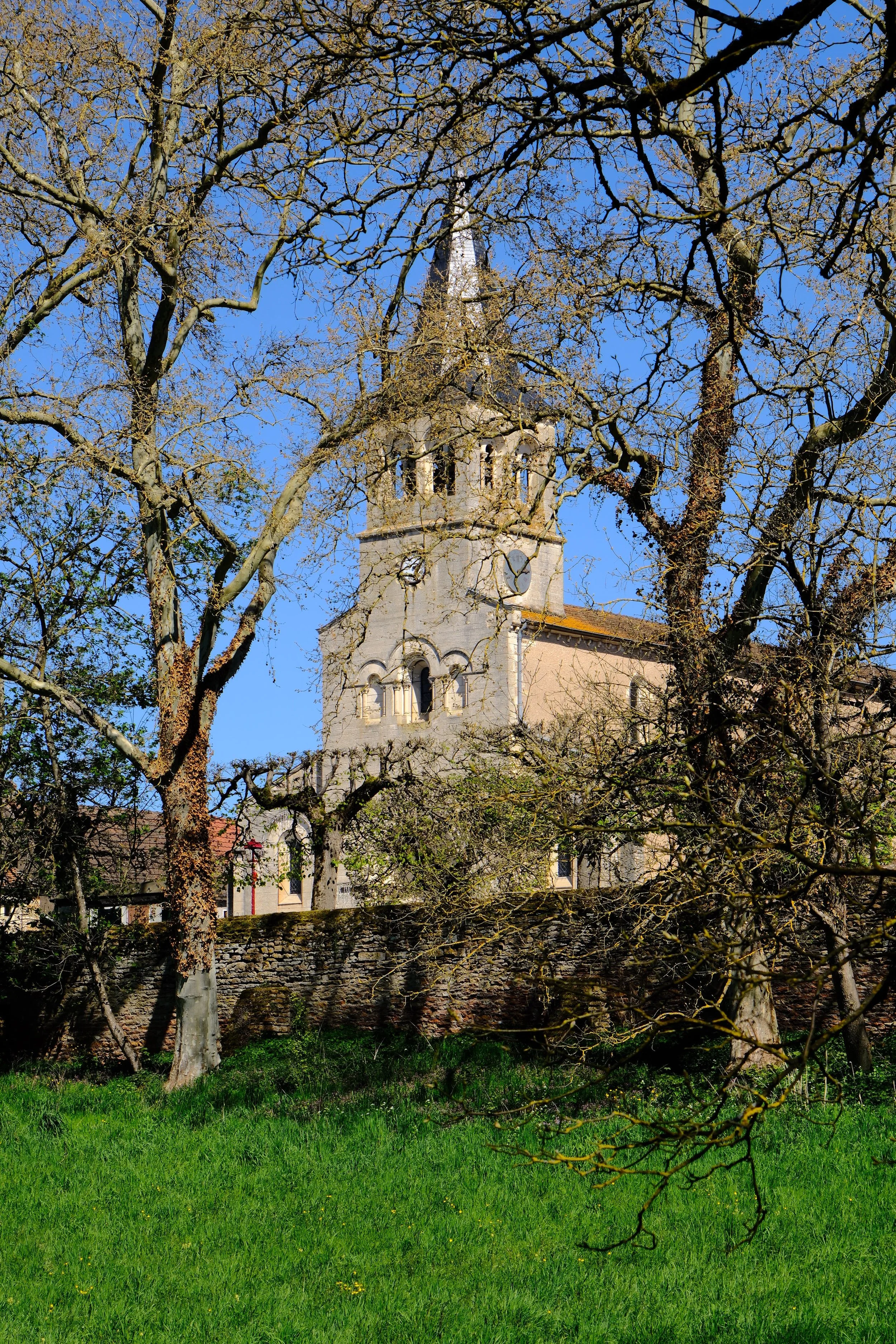
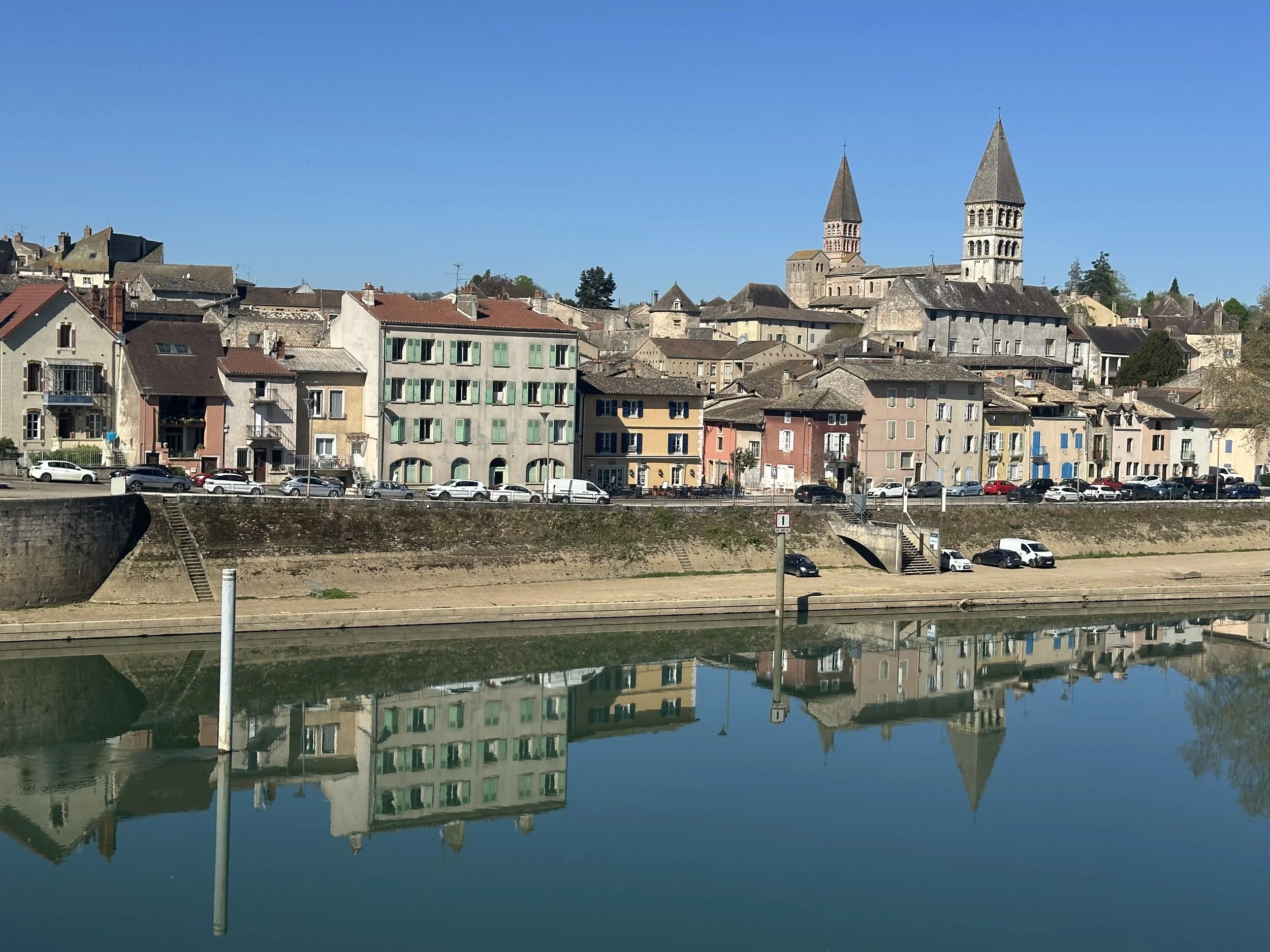
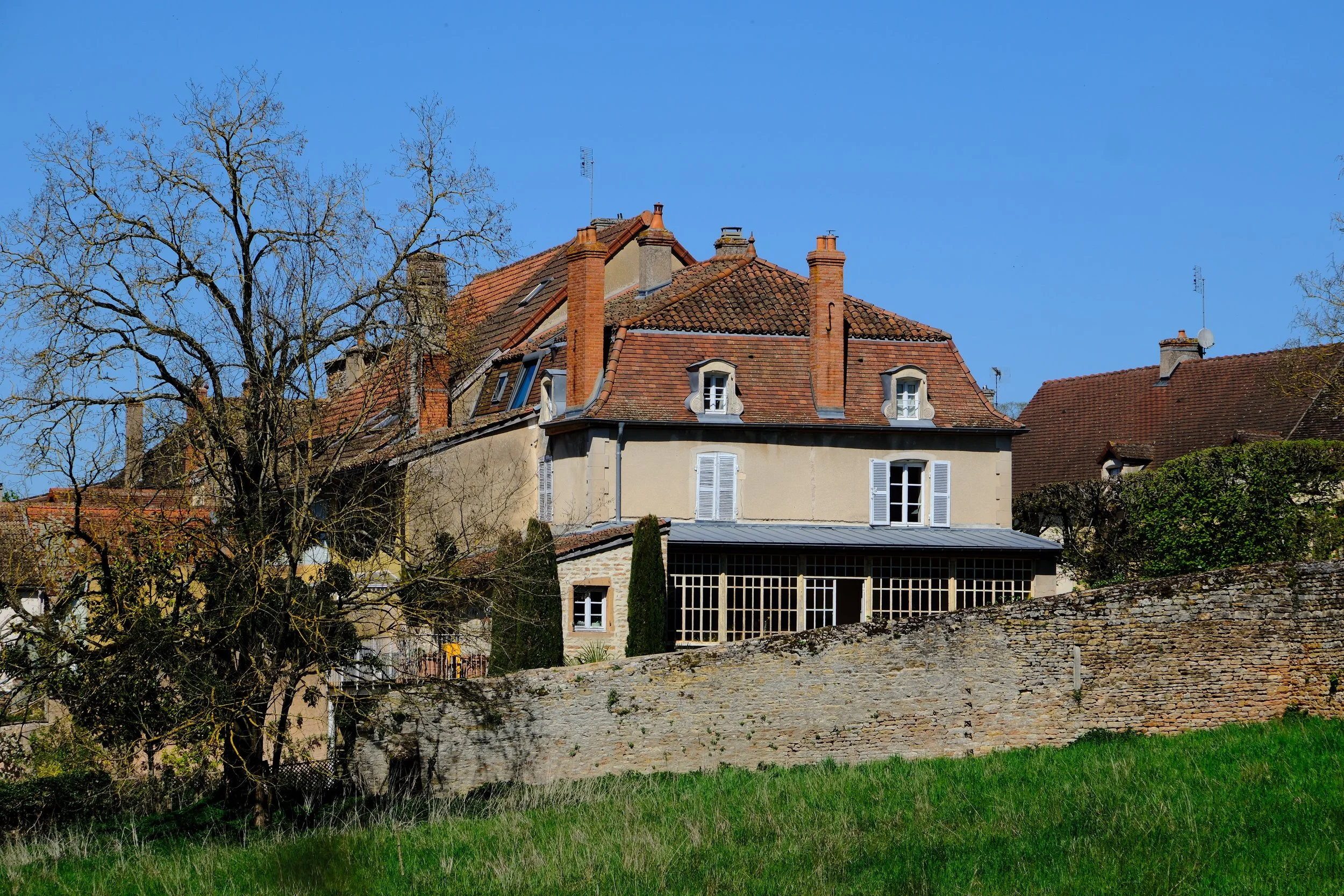
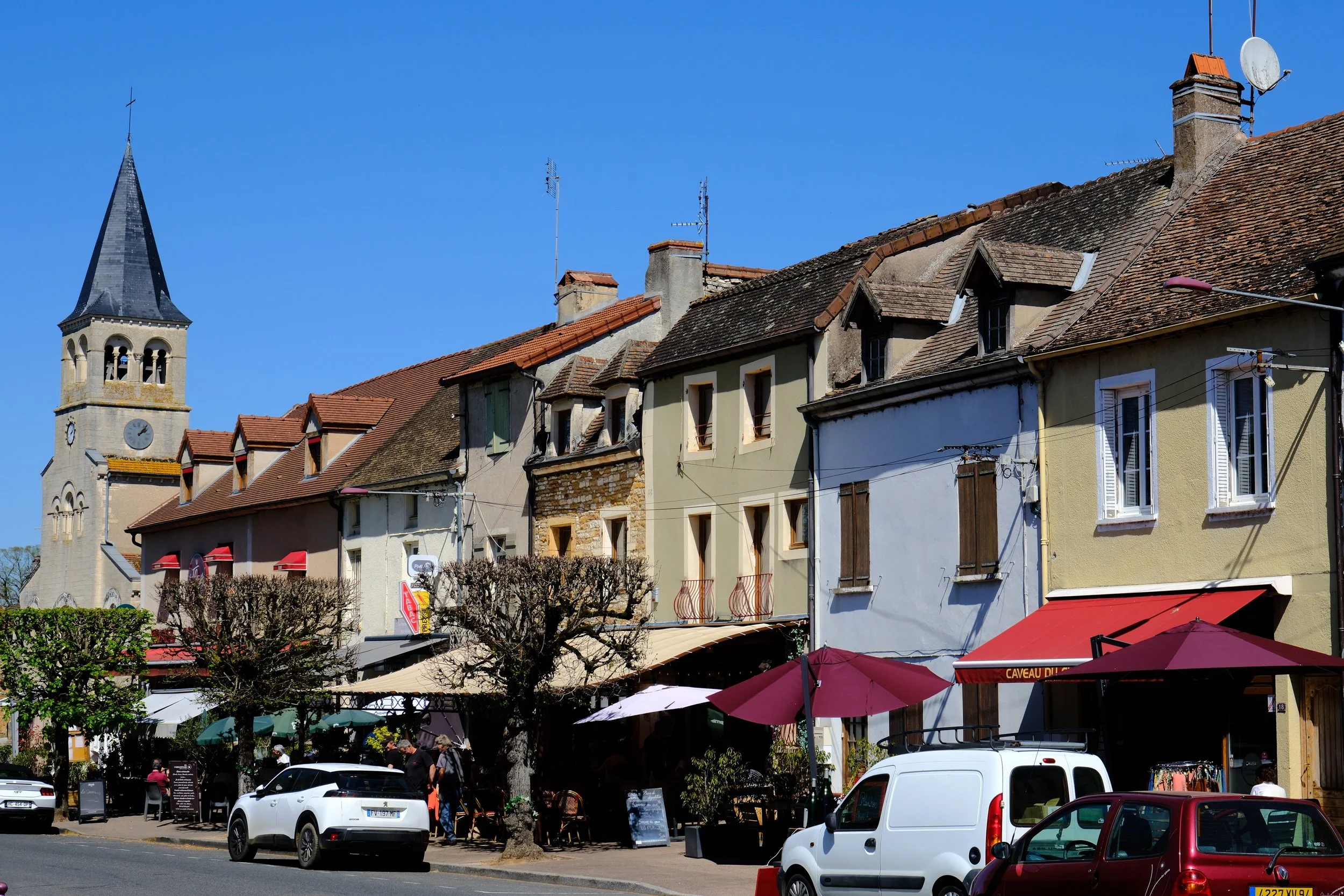
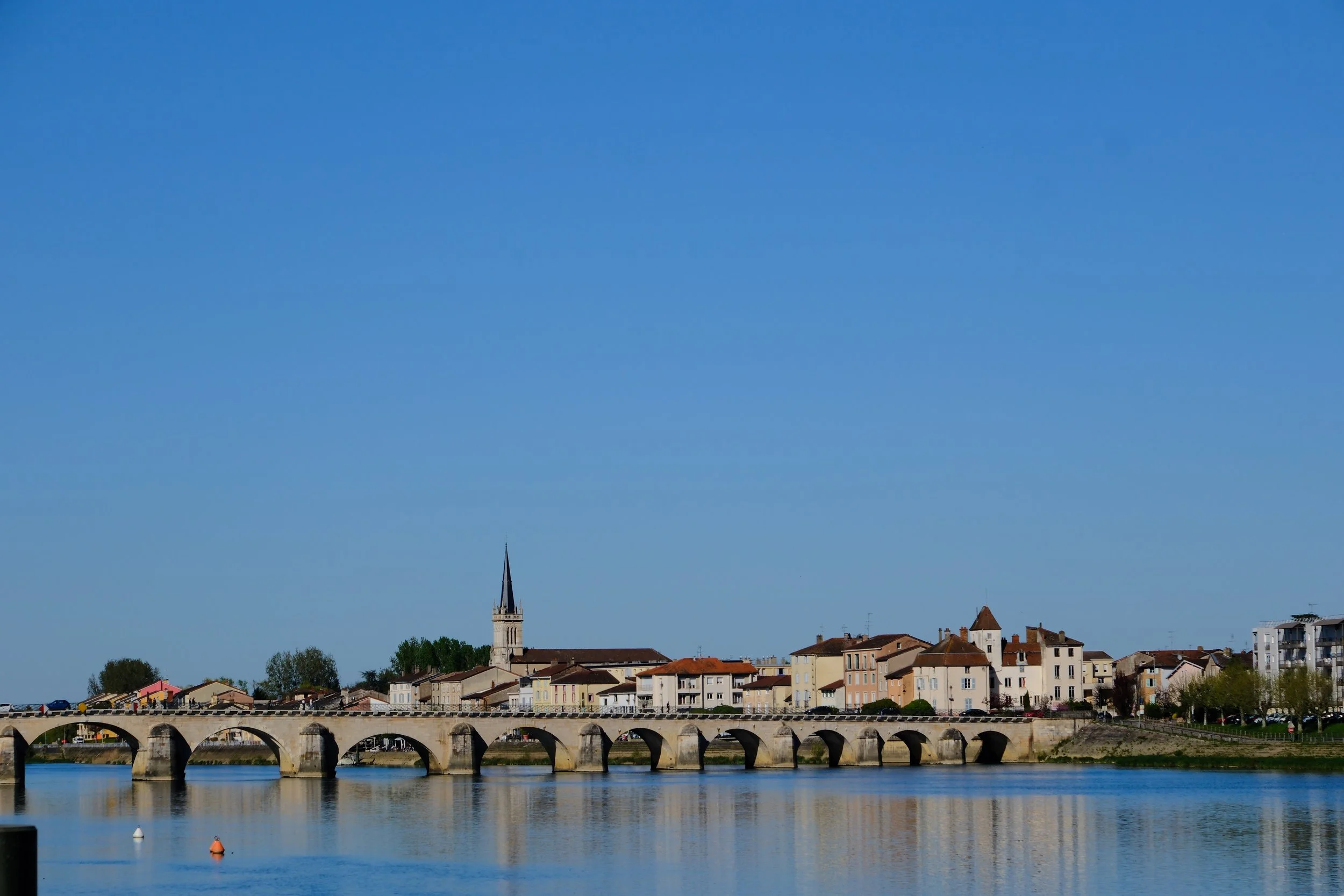
Tournus has lost some of its luster in the past few years. The city of 6,000 inhabitants used to have four Michelin-starred restaurants but now they’re down to only two.
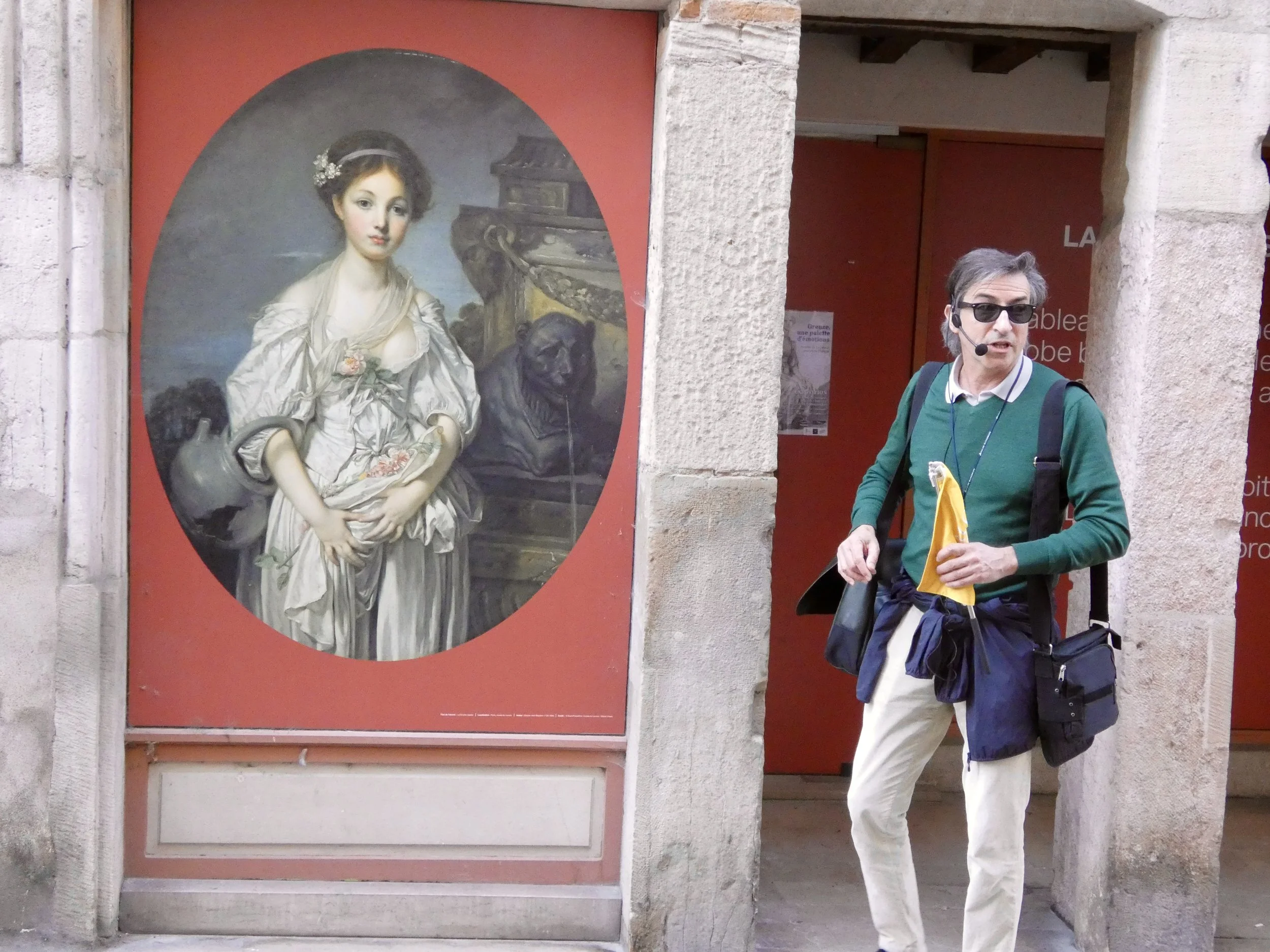
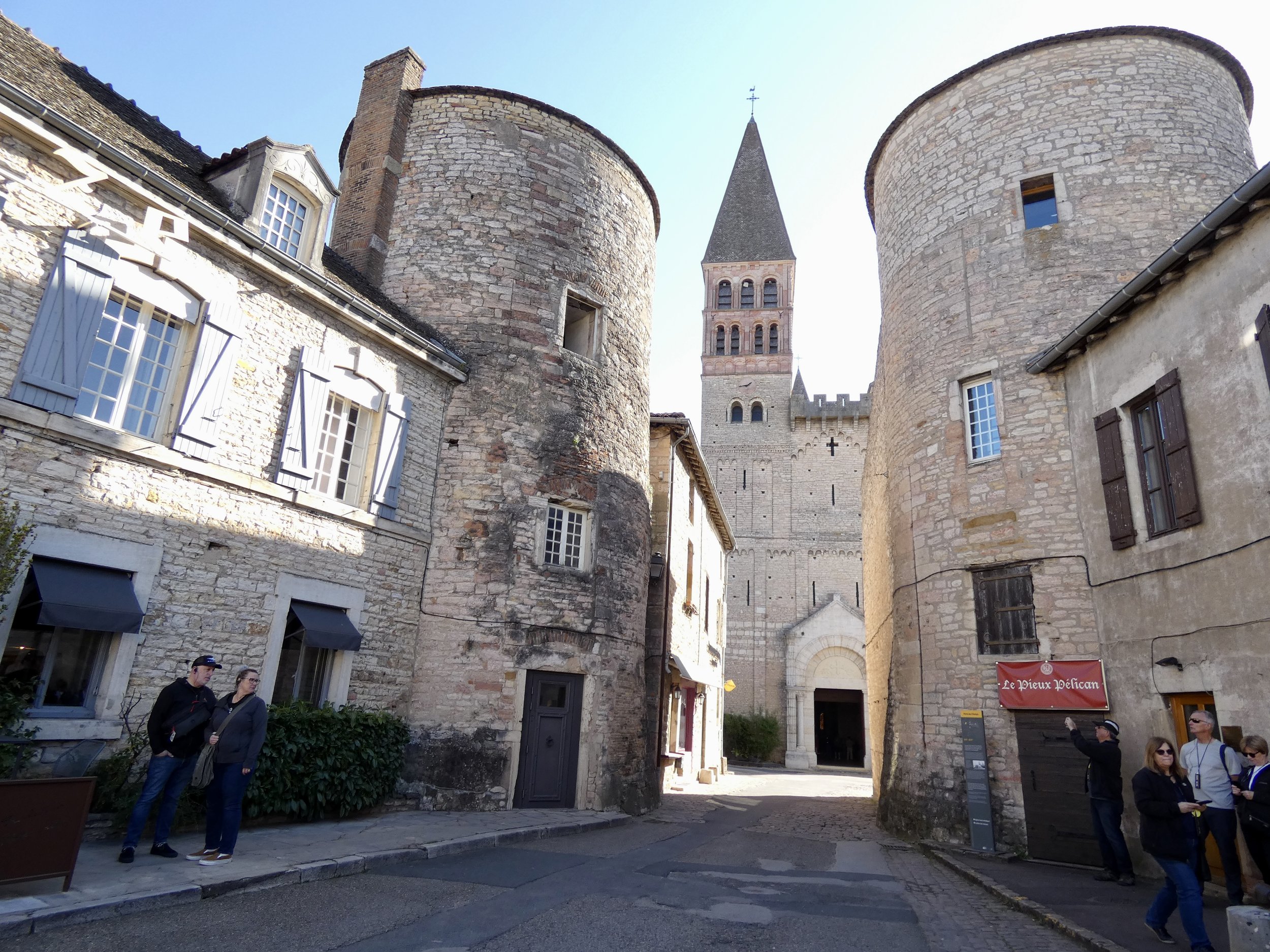
We toured the town in the morning with a guide from Italy – never did hear his story of why he came and didn’t go home but he knew his stuff.
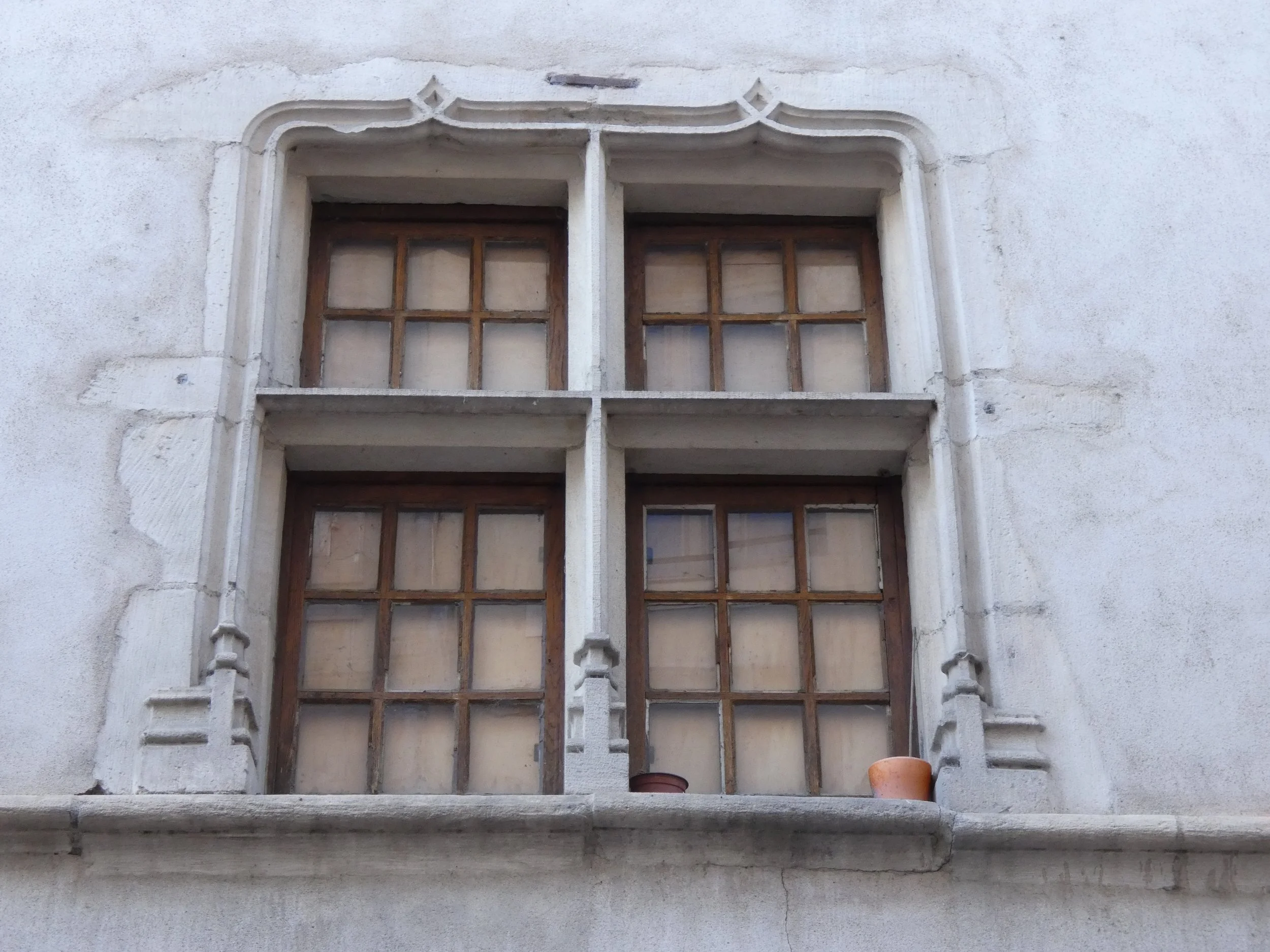
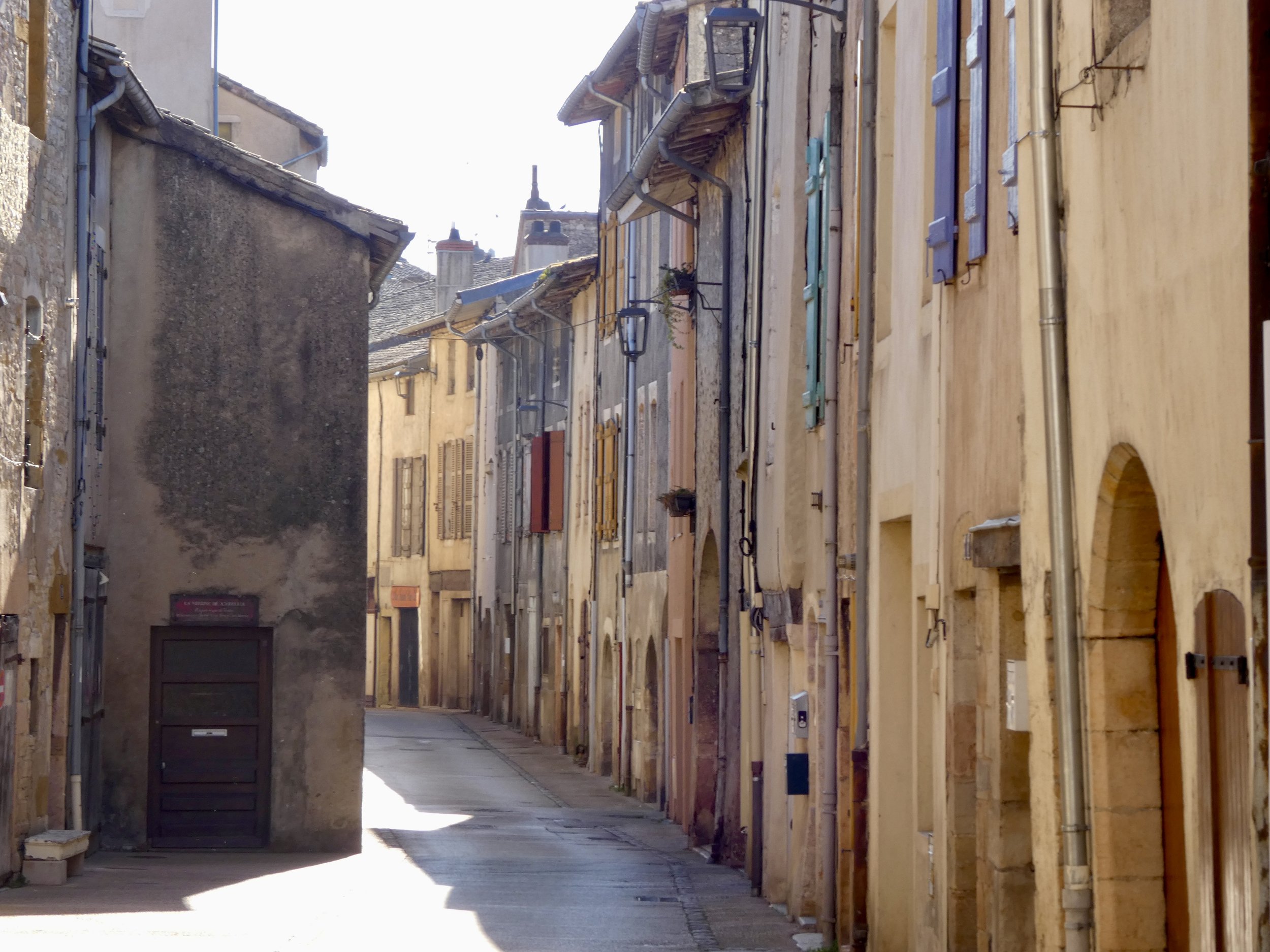
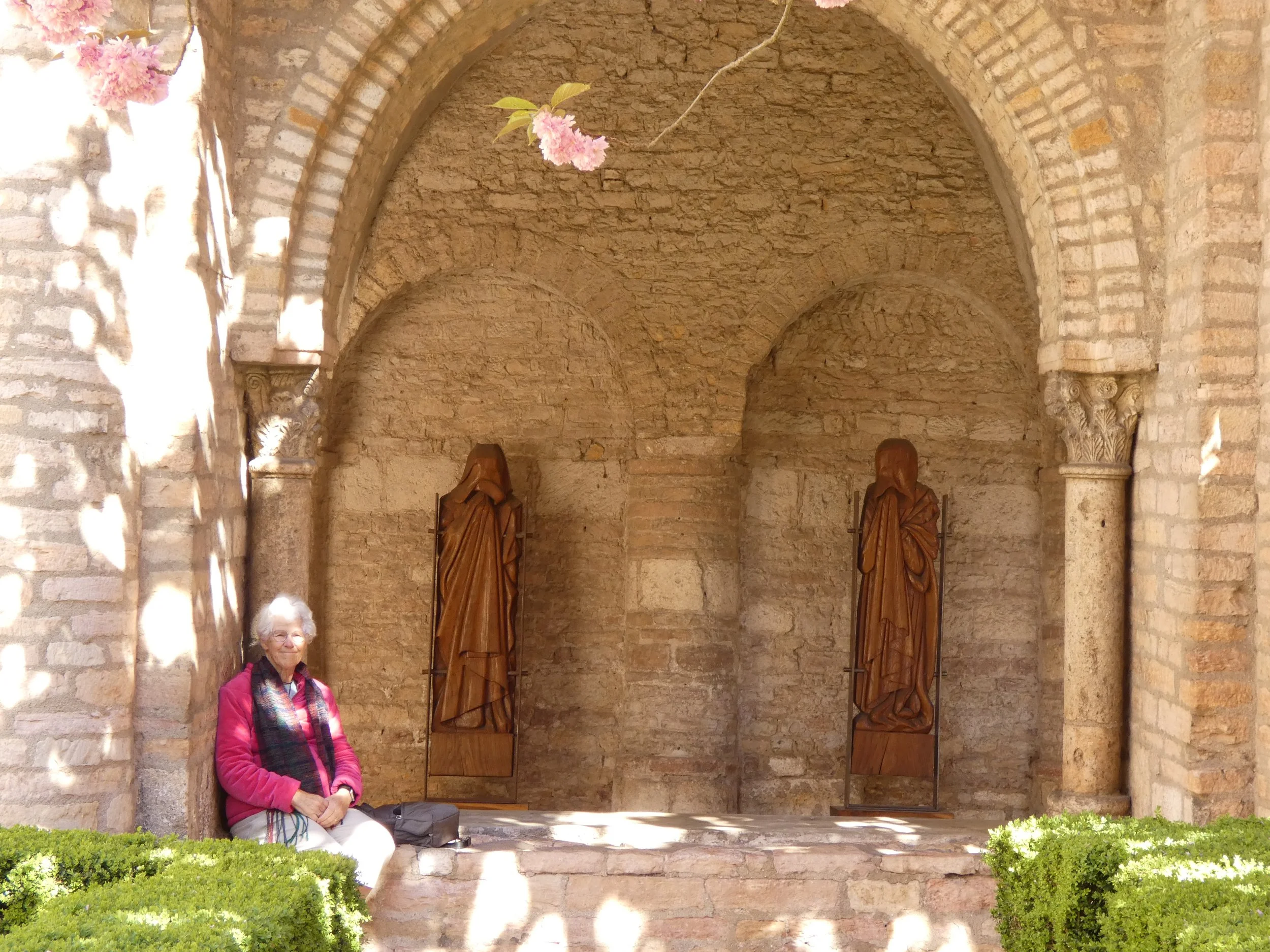
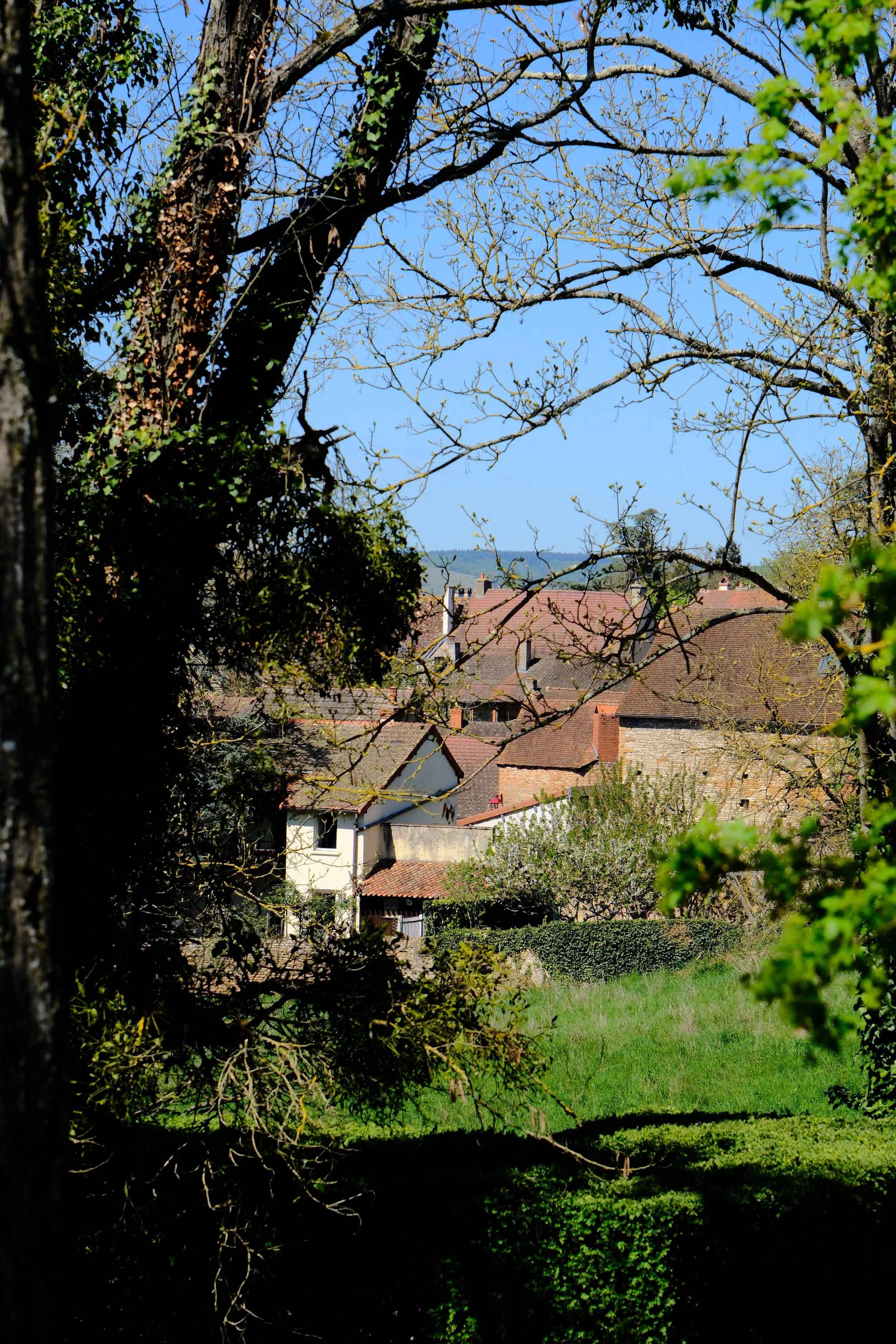
One interesting thing about Tournus is that Roman occupation 2,000 years ago is somewhat evident in the city. I’m sure other places we’ve been to have a Roman history, but there is a definite Roman section to the old town, surrounded by Medieval section. The Romans built a garrison here, one of a series spaced about 30 Km apart, or one day’s march for Roman soldiers.
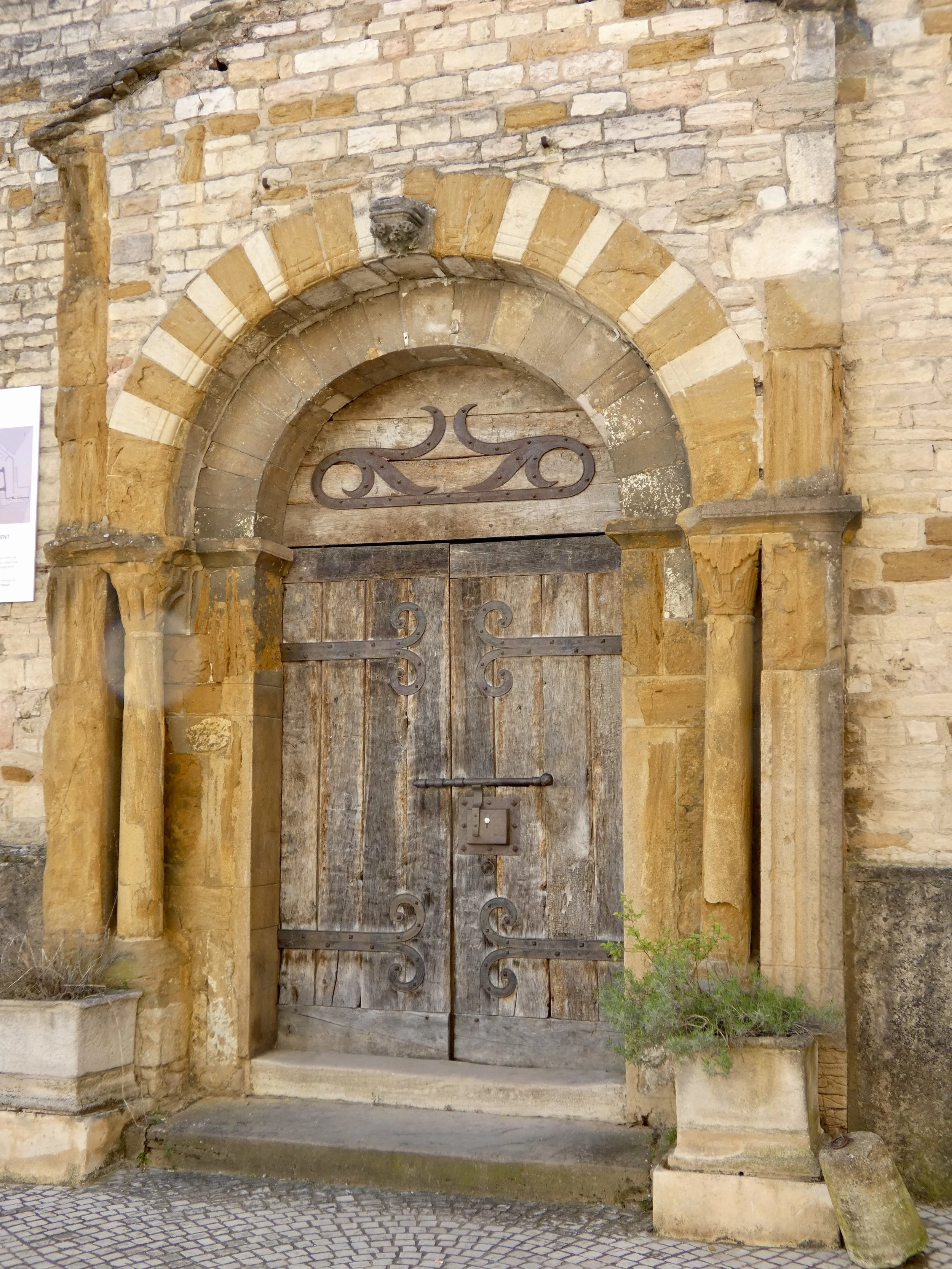
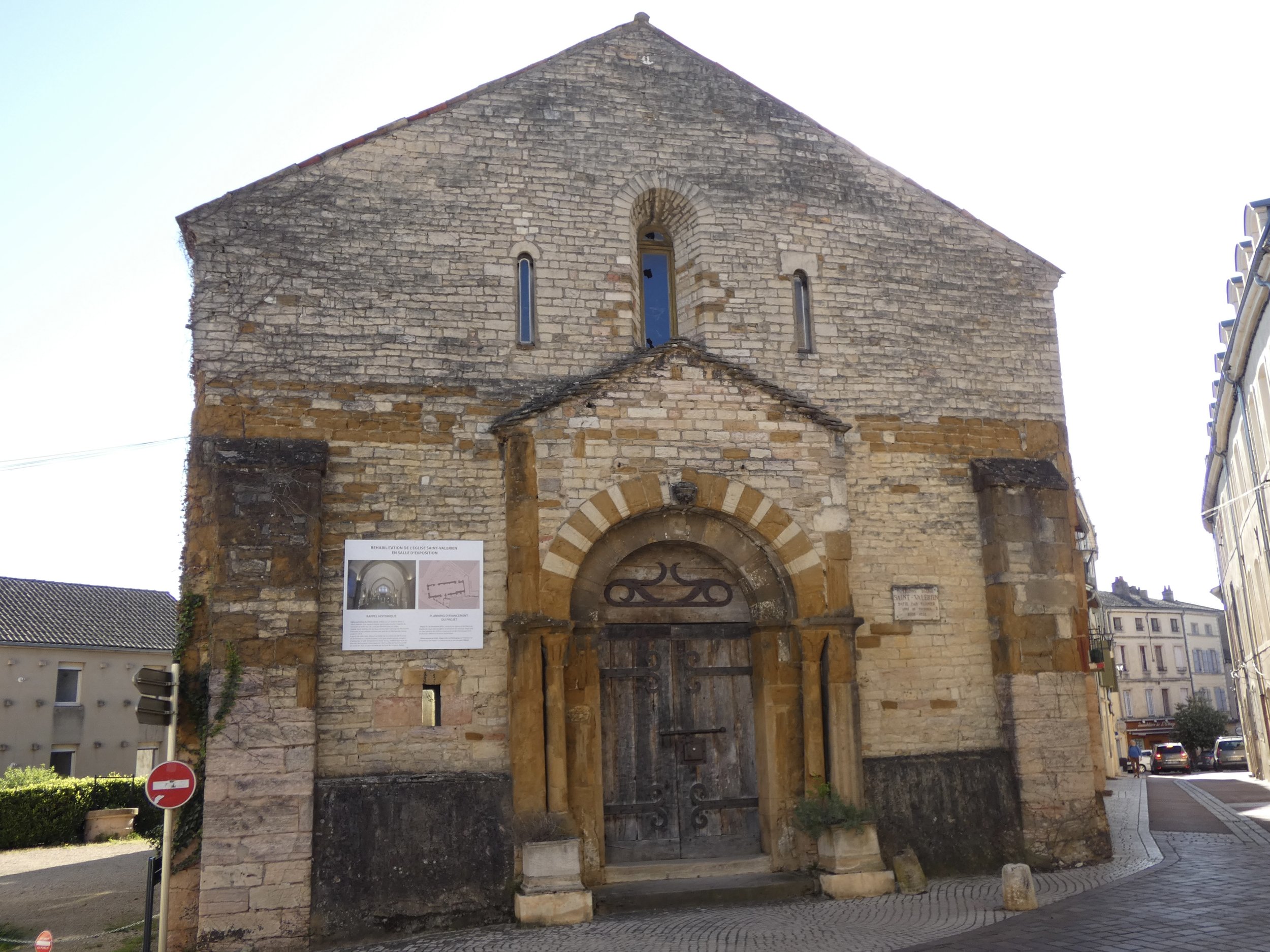
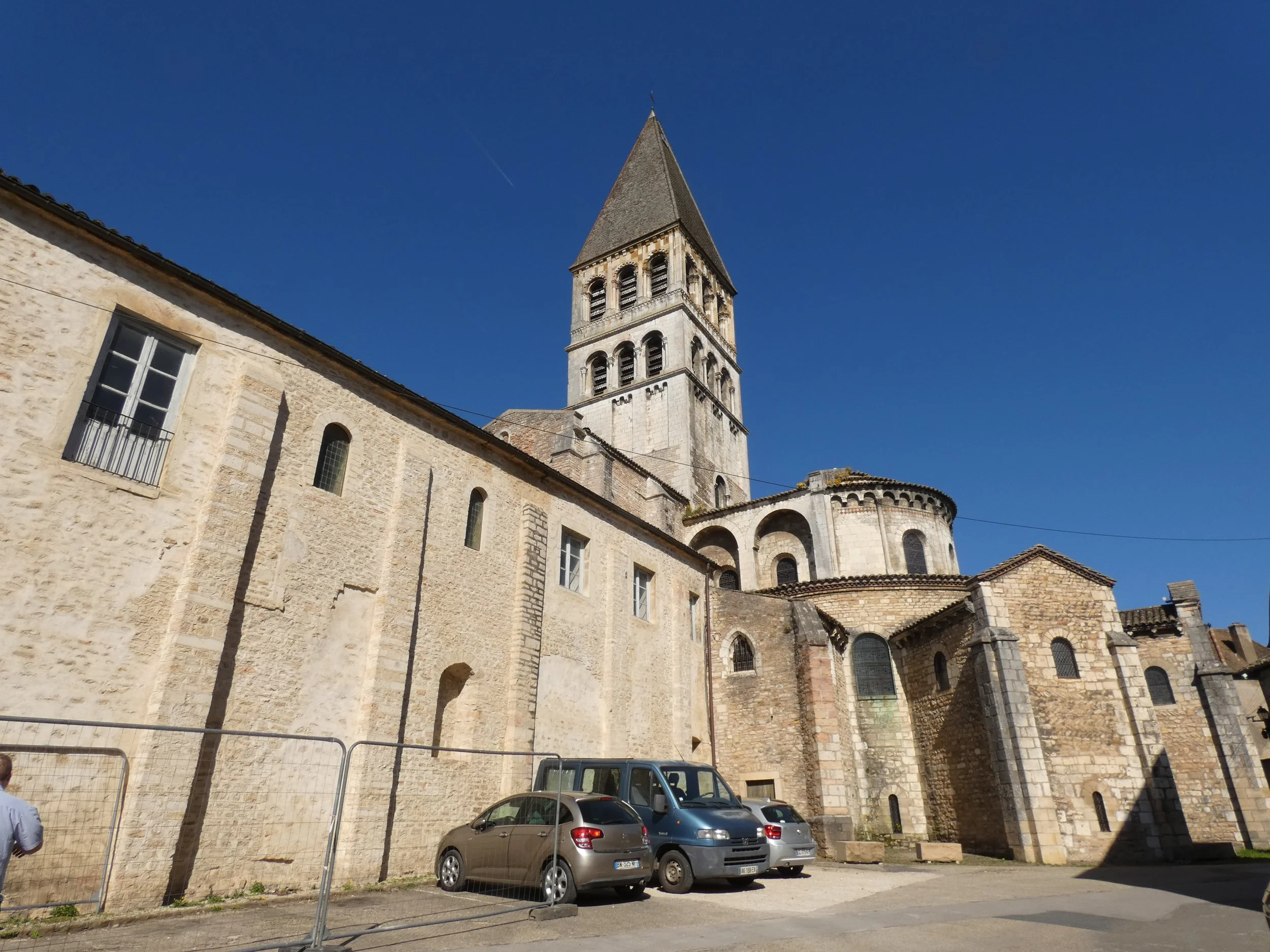
The Romans set Tournus’s religious history by executing the Christian martyr St. Valérien in the second century. His tomb became a pilgrimage site by the 9th century. Later, a monastery was established by Benedictine monks fleeing from persecution elsewhere. They came carrying relics (i.e., body parts) of St. Philibert. So, move over Valérien. There’s a new top dog in town.
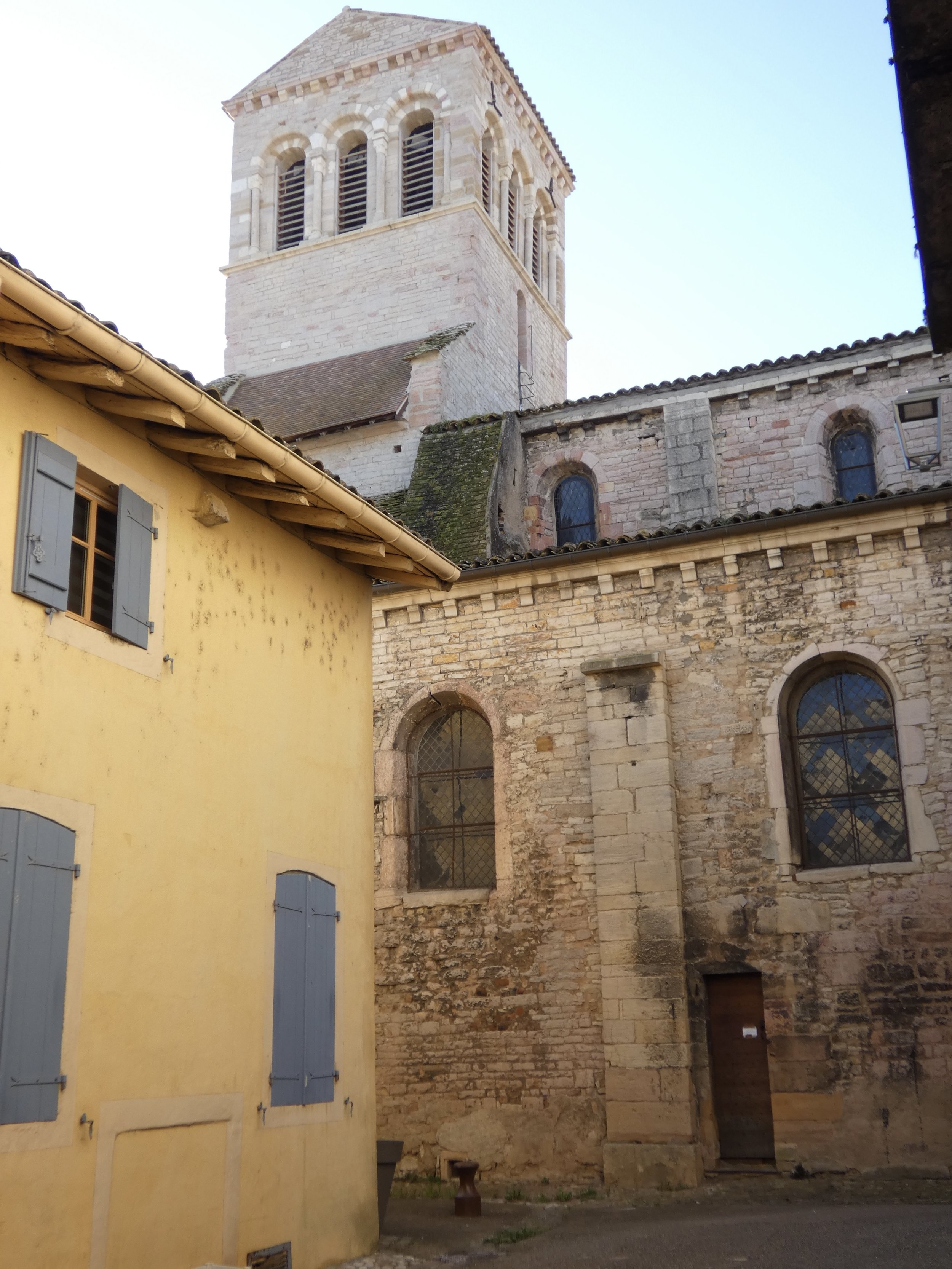
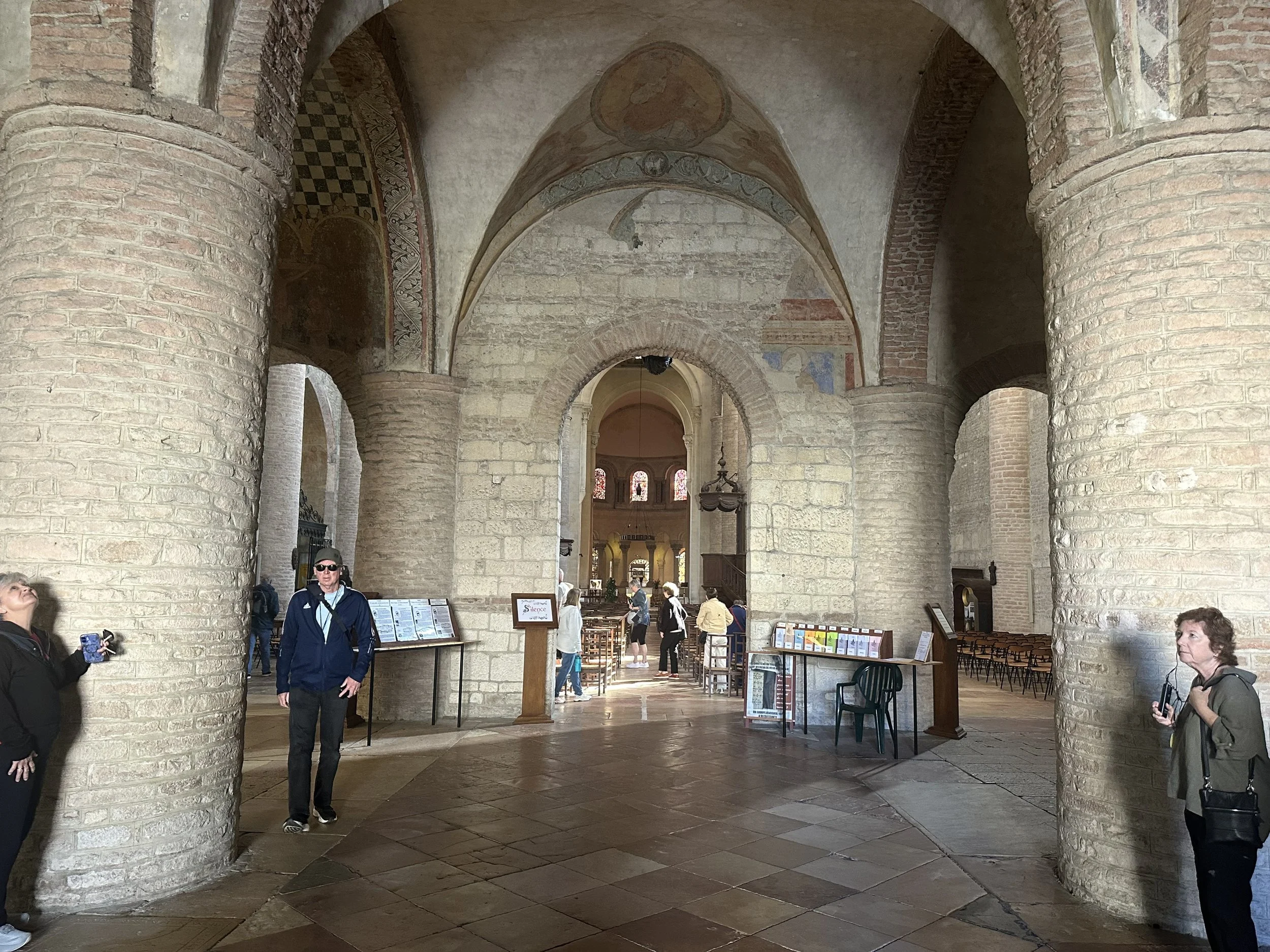
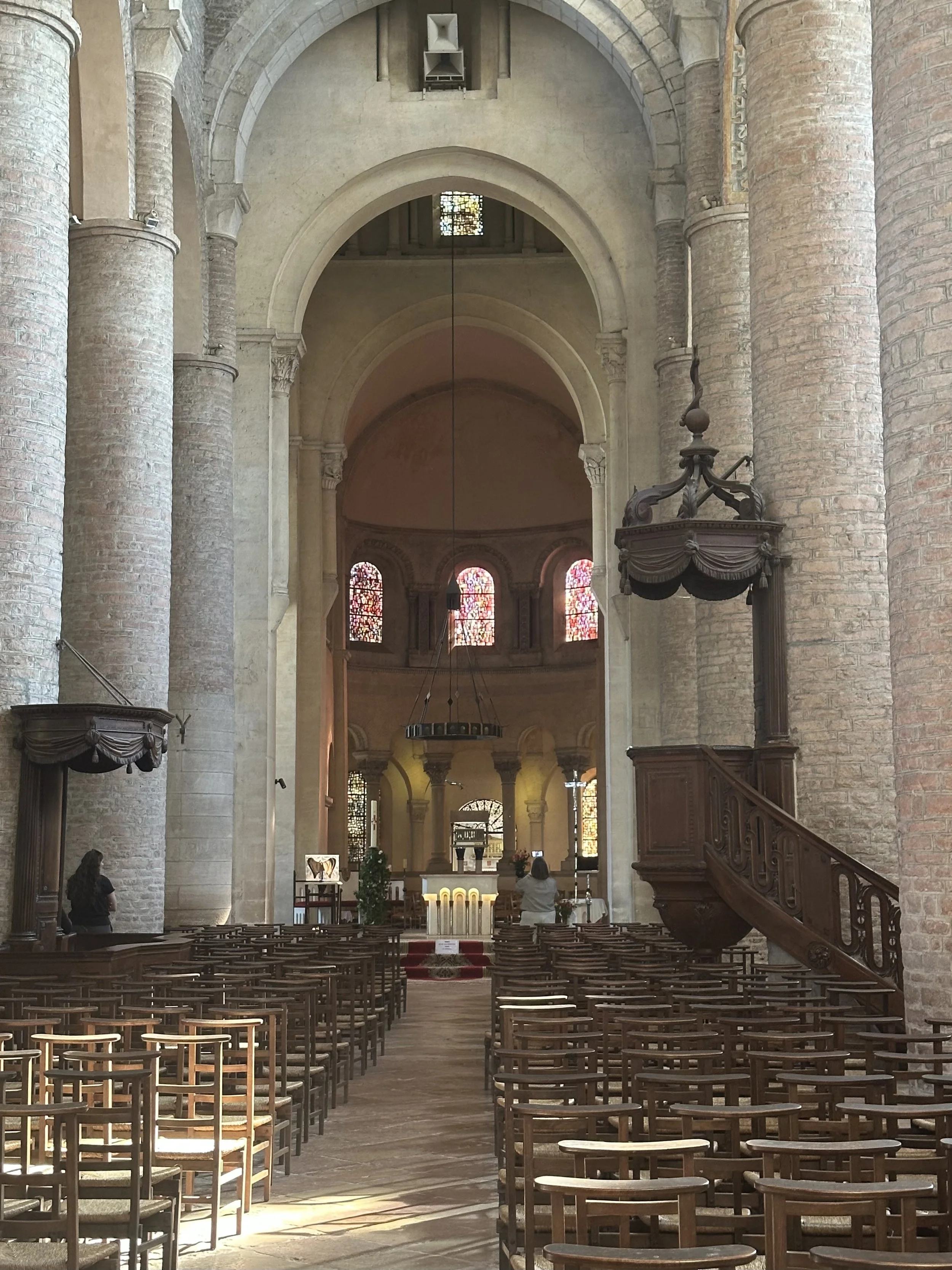
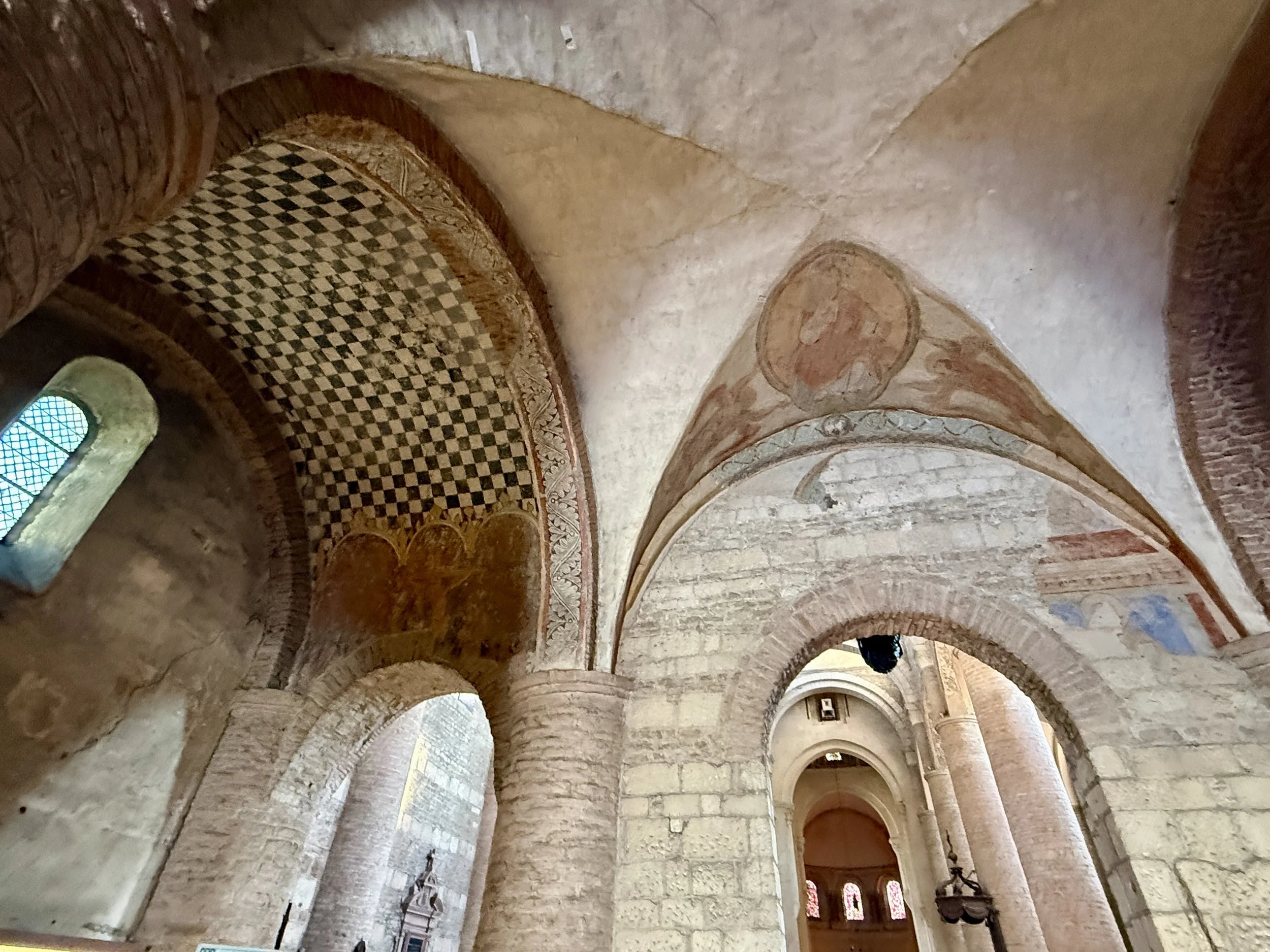
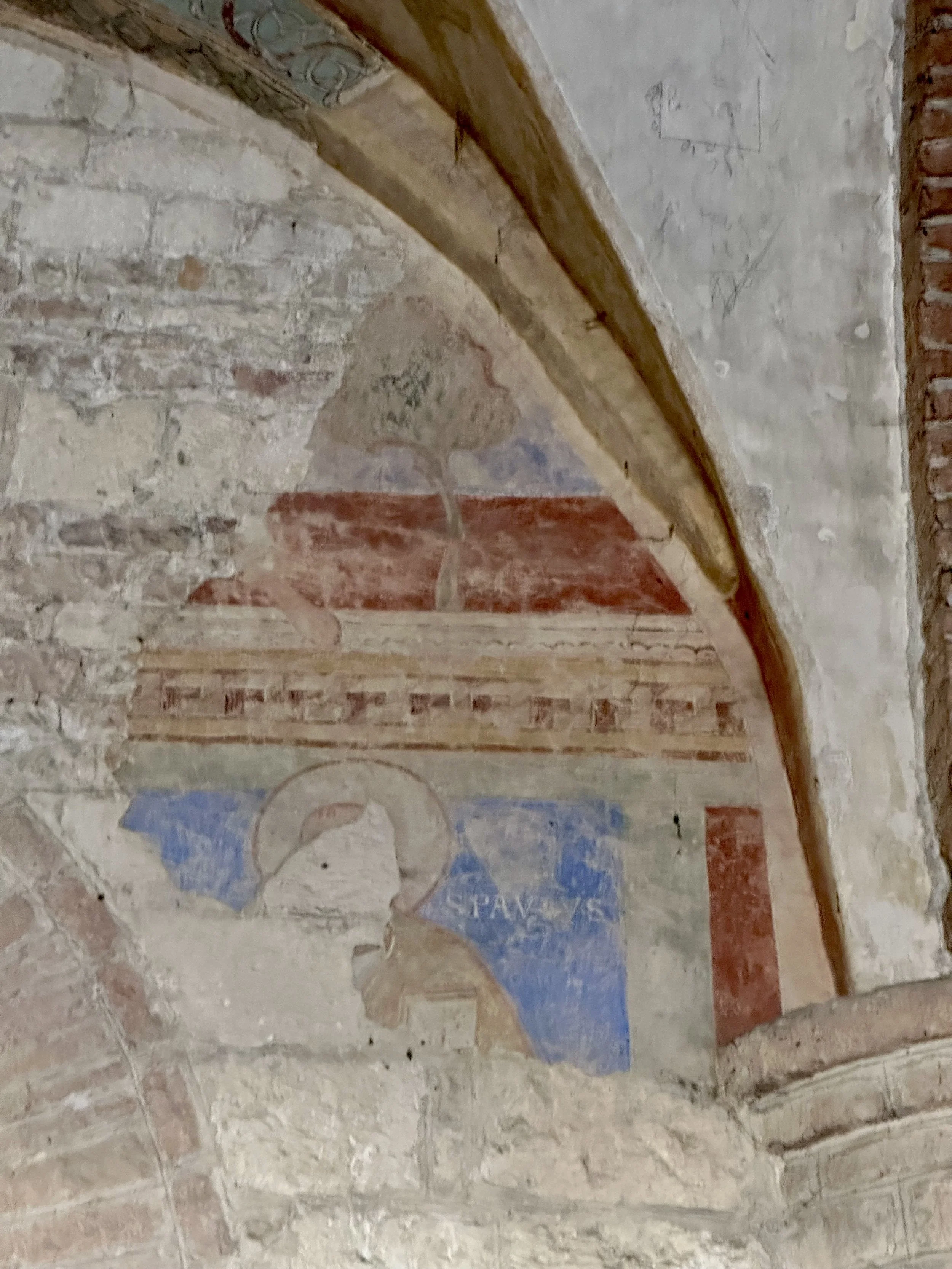
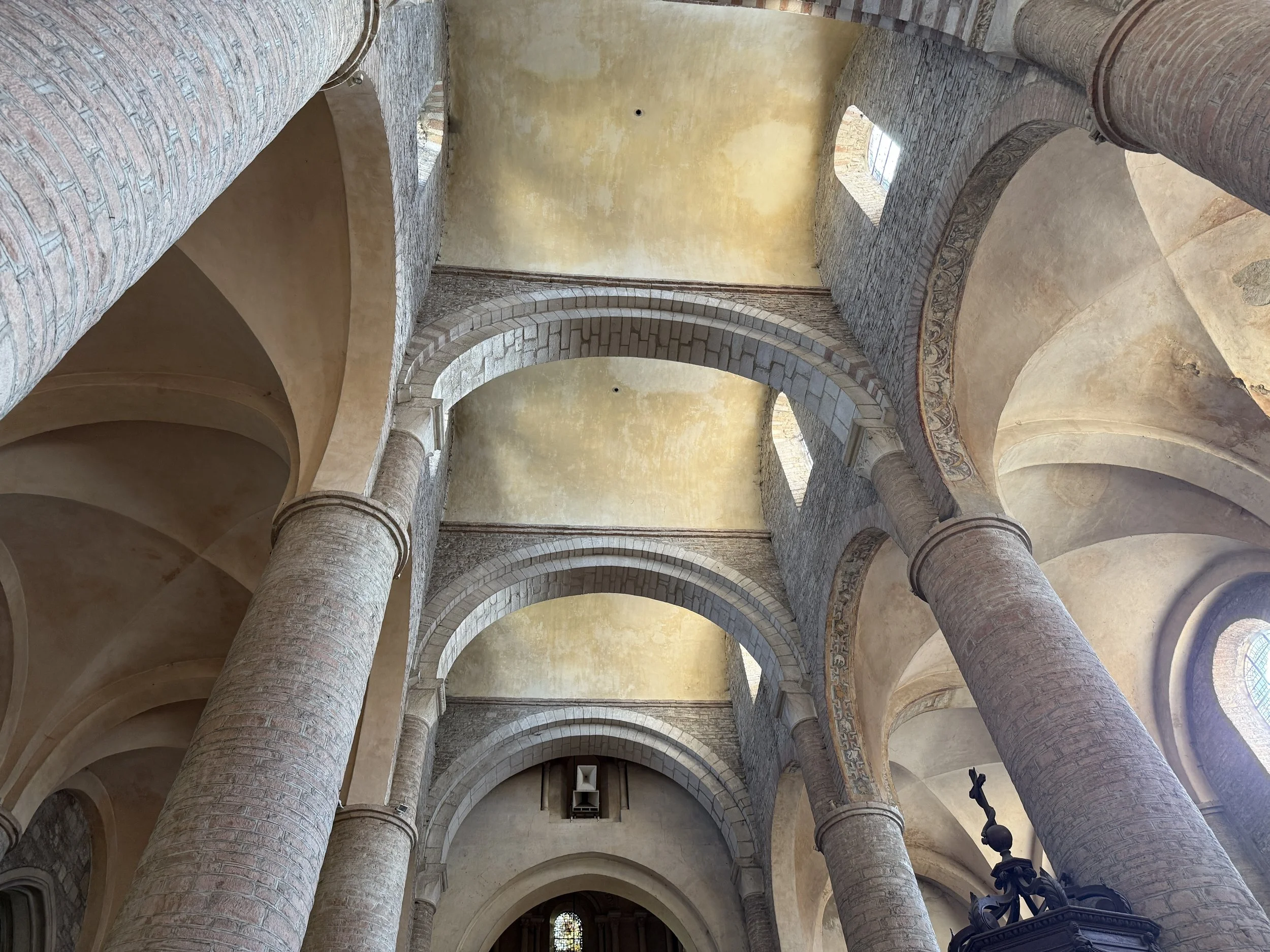
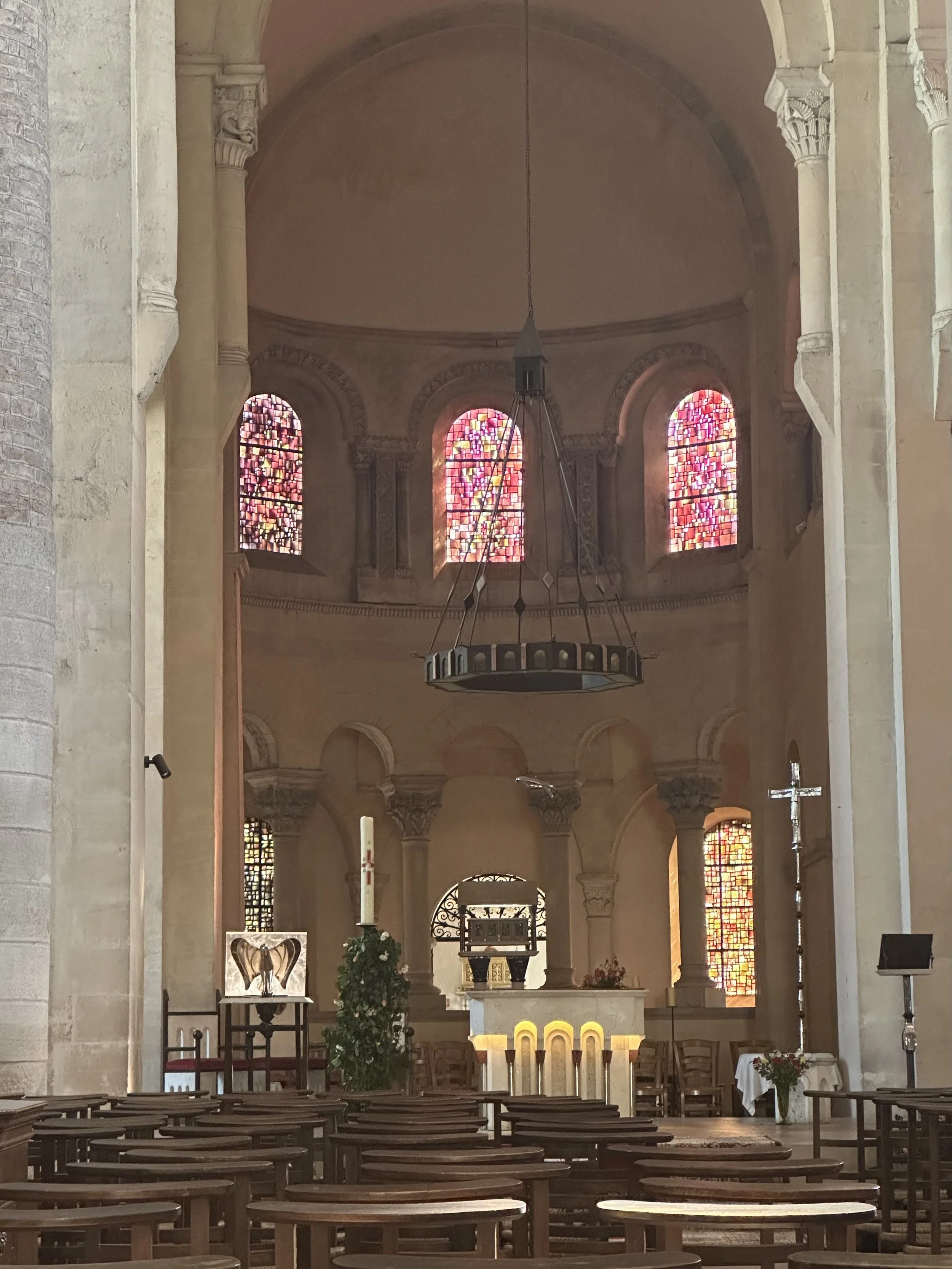
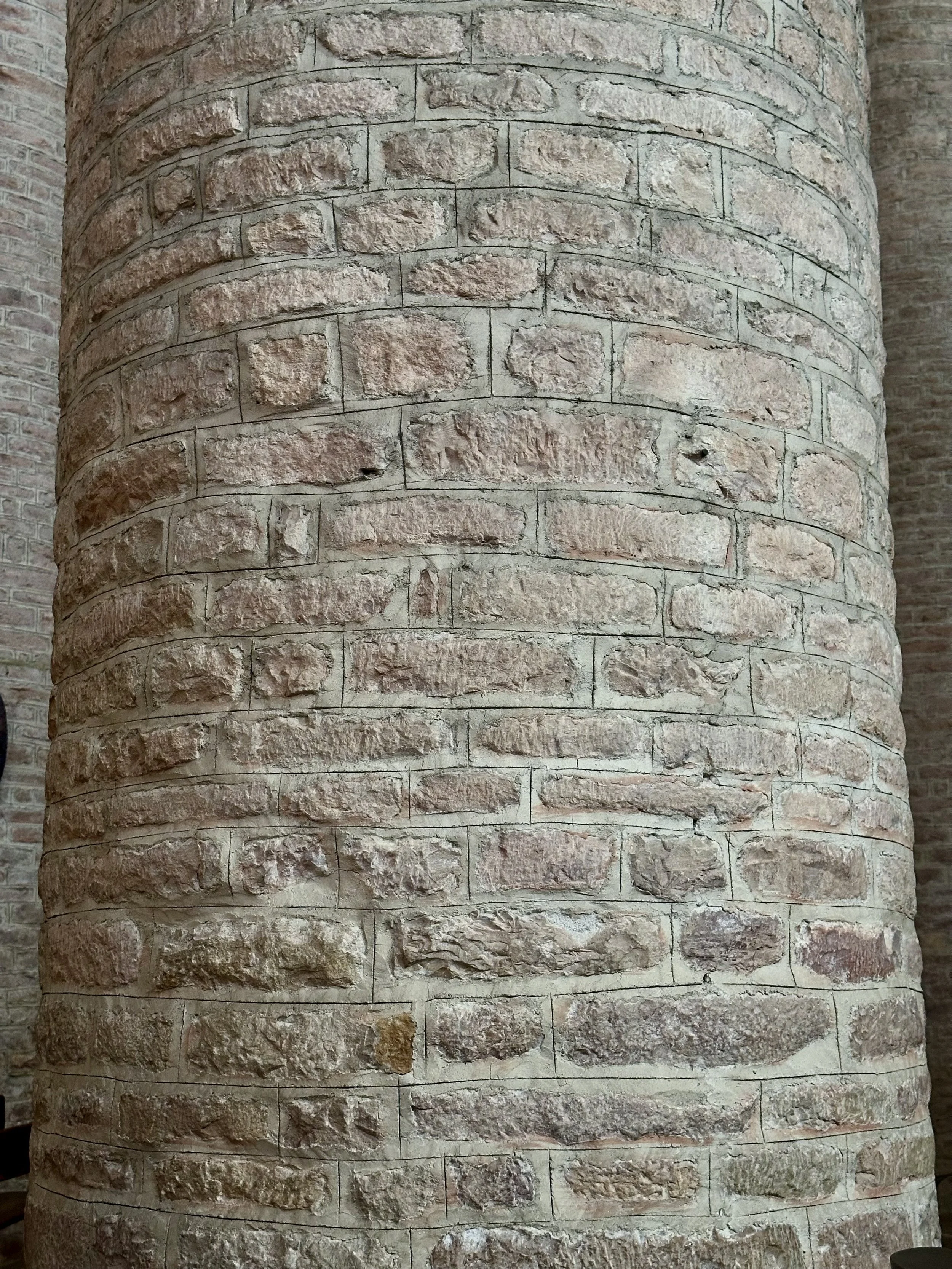
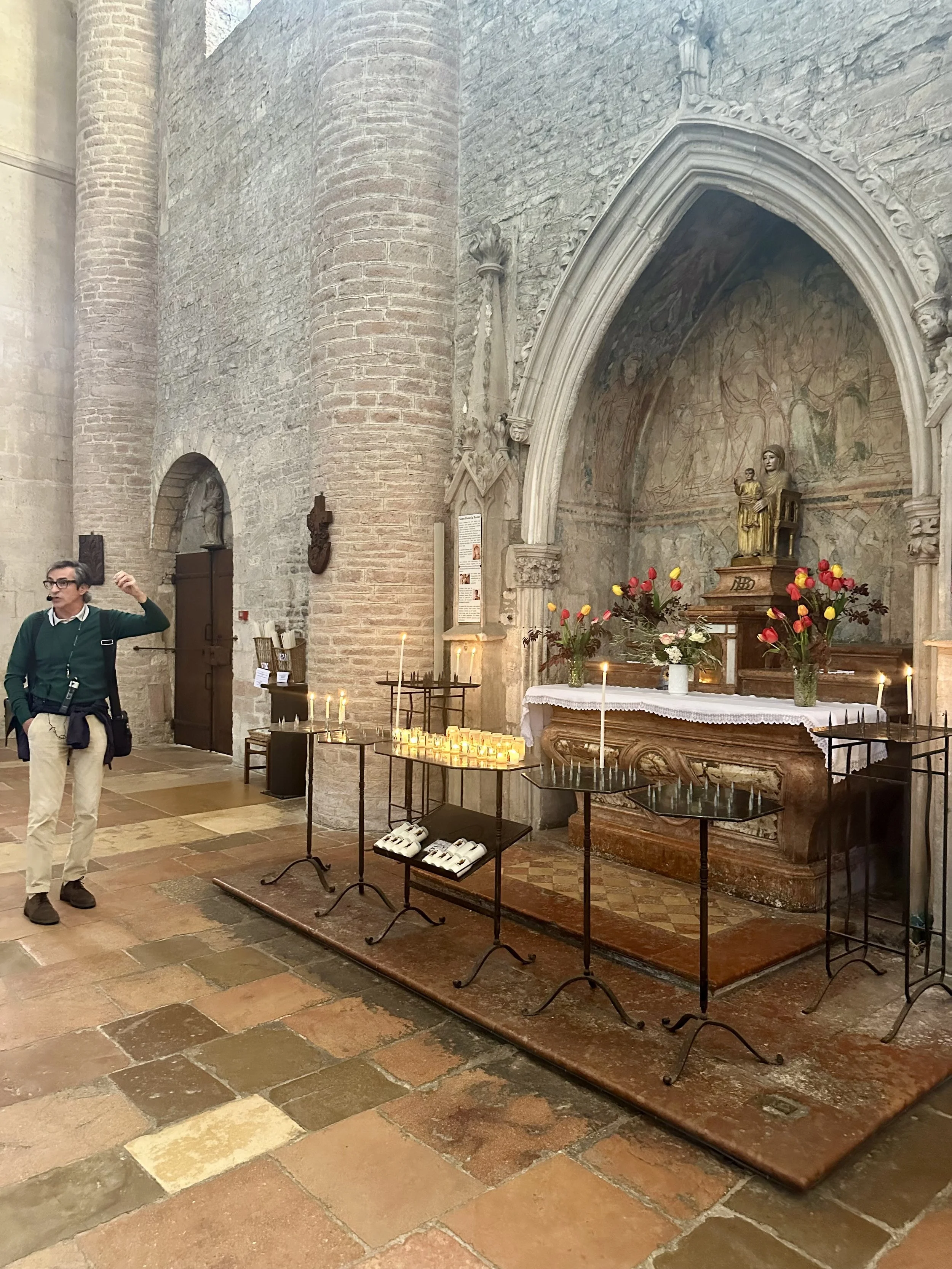
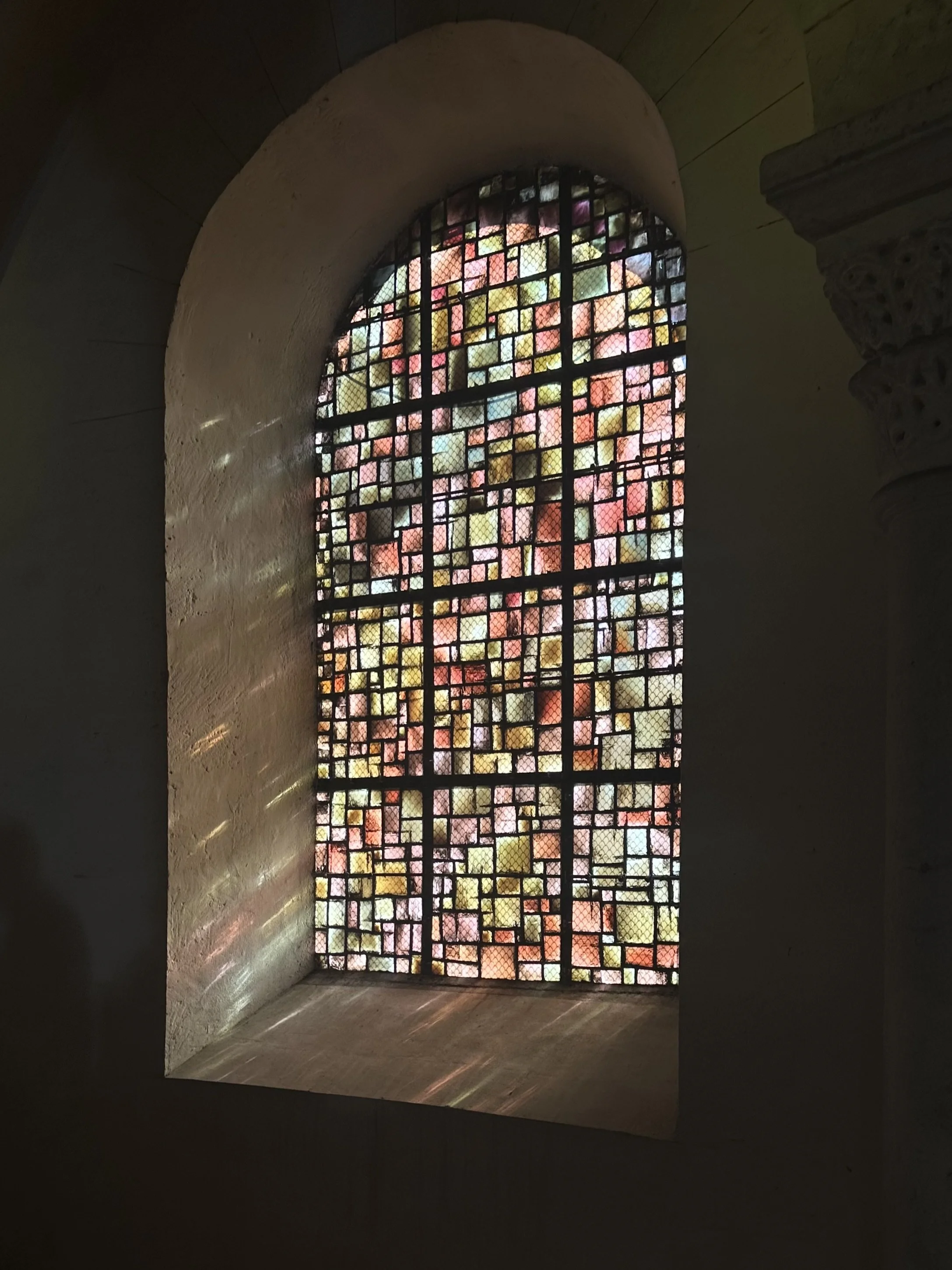
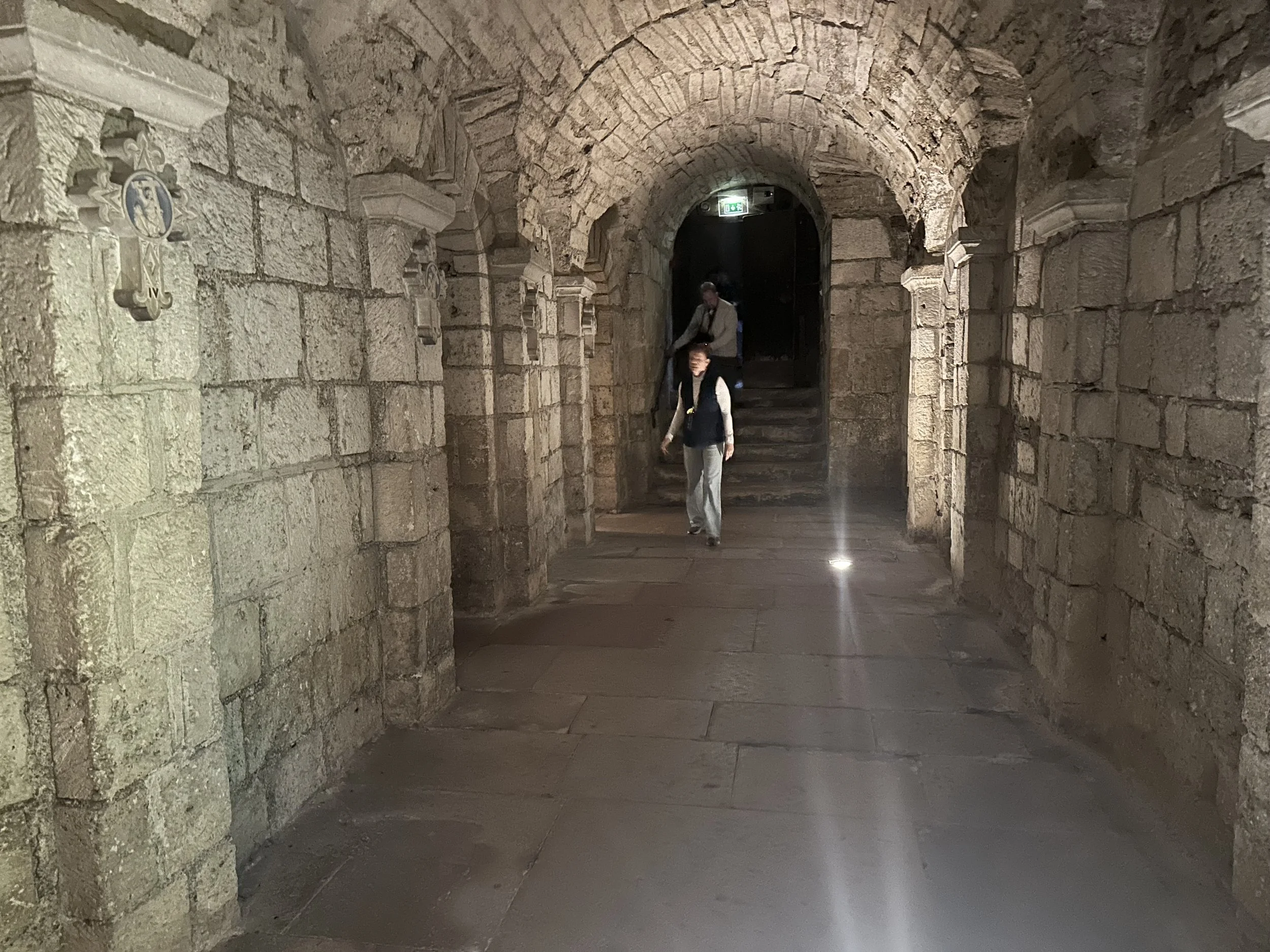
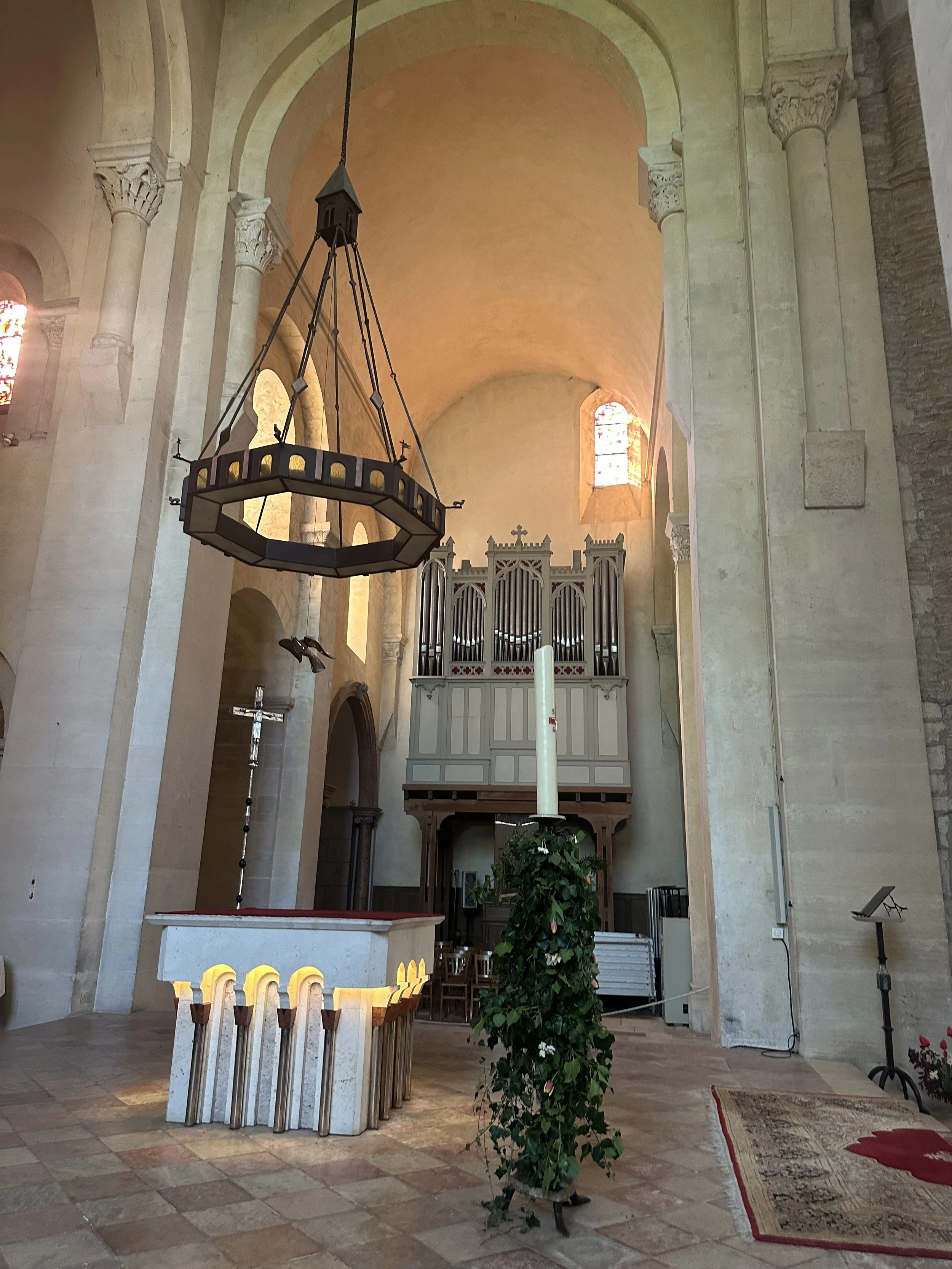
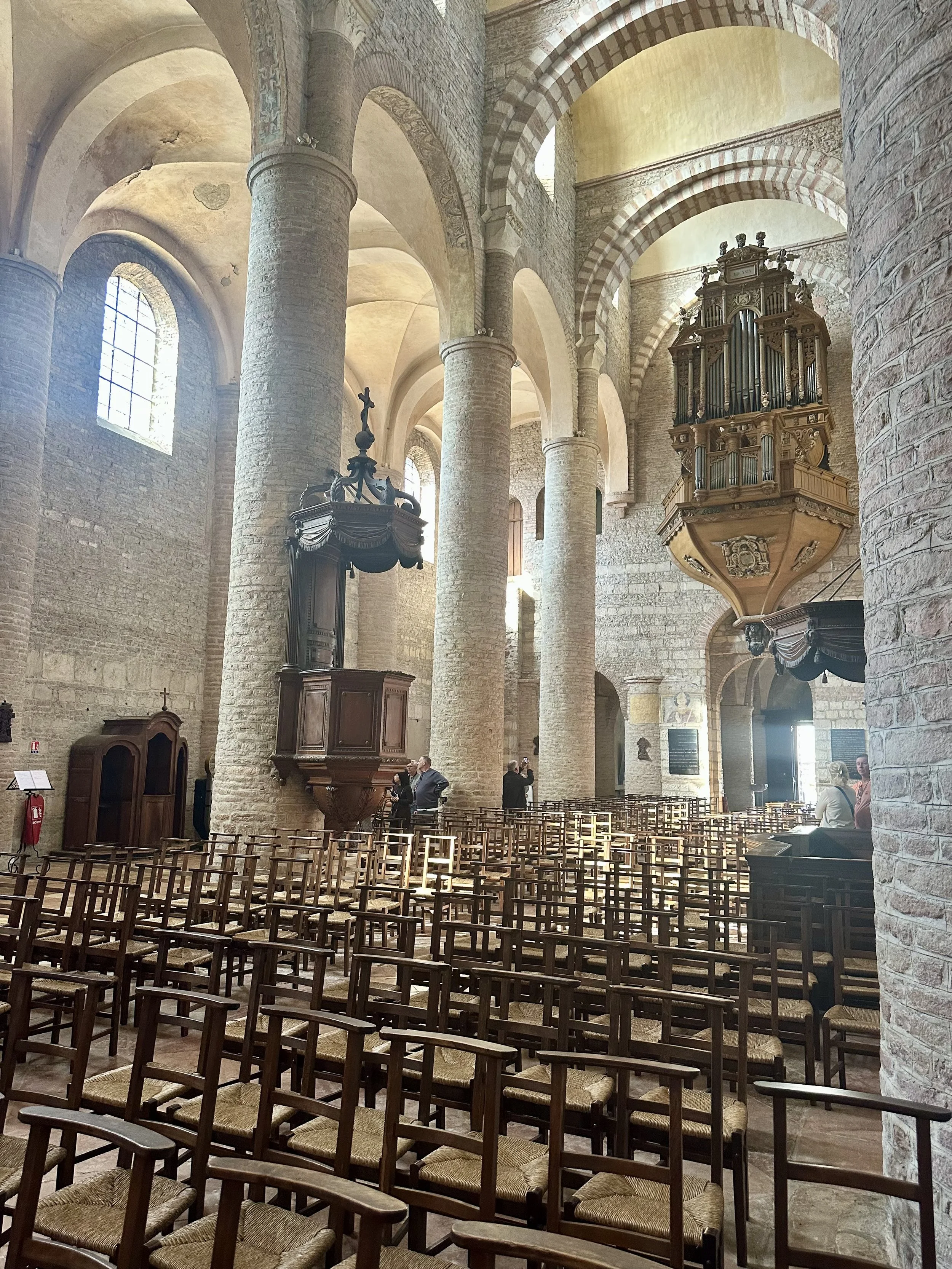
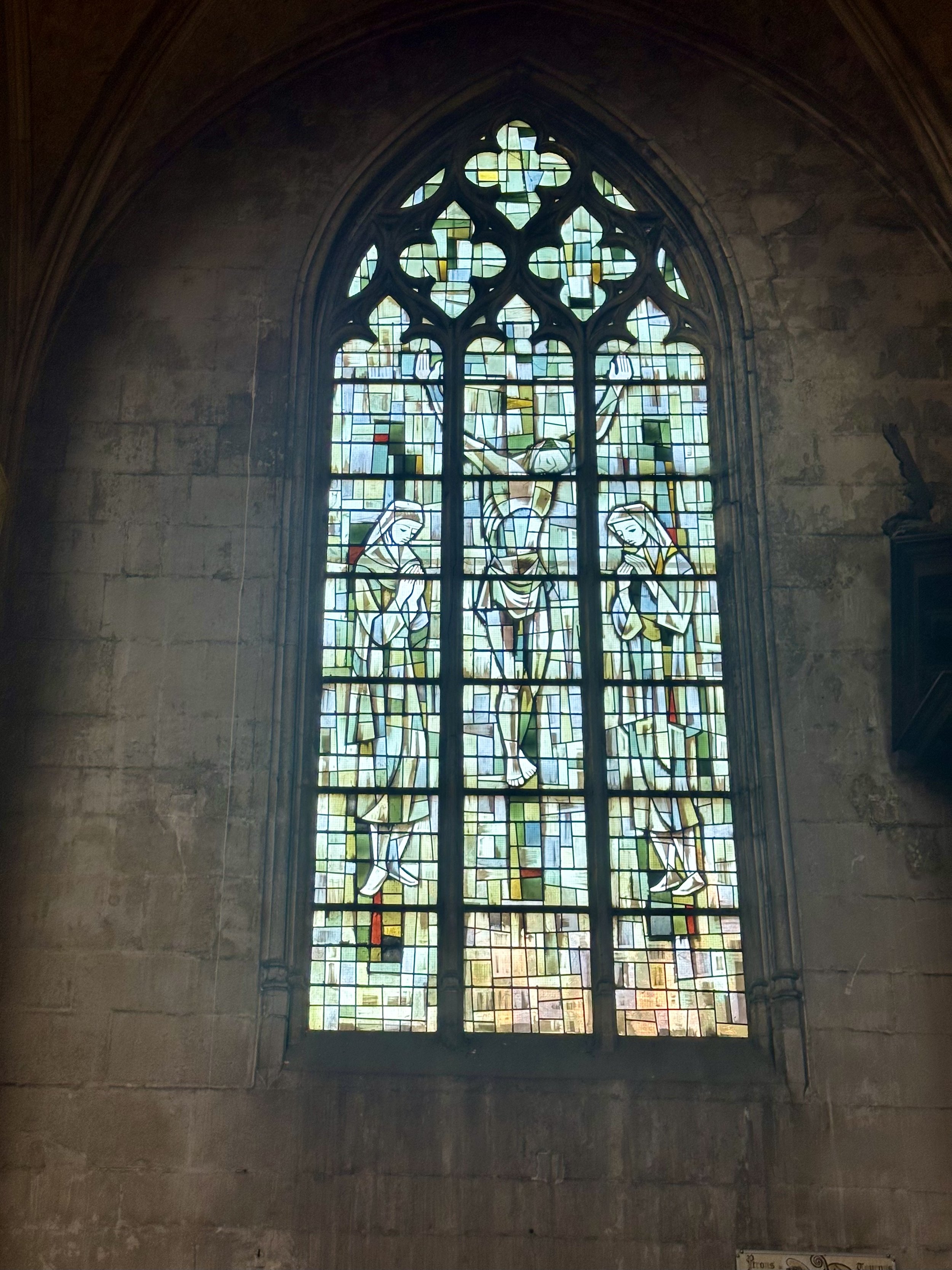
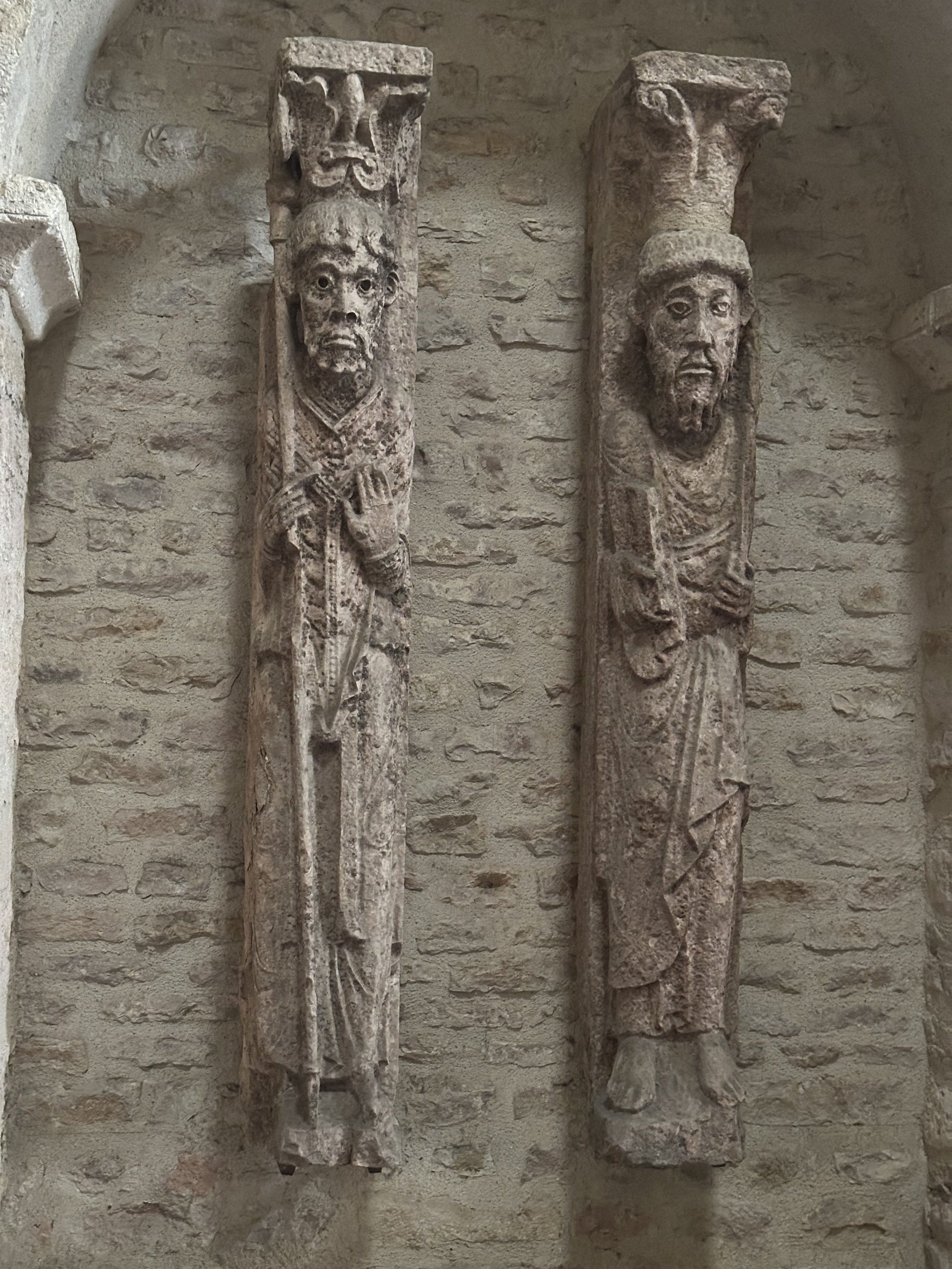
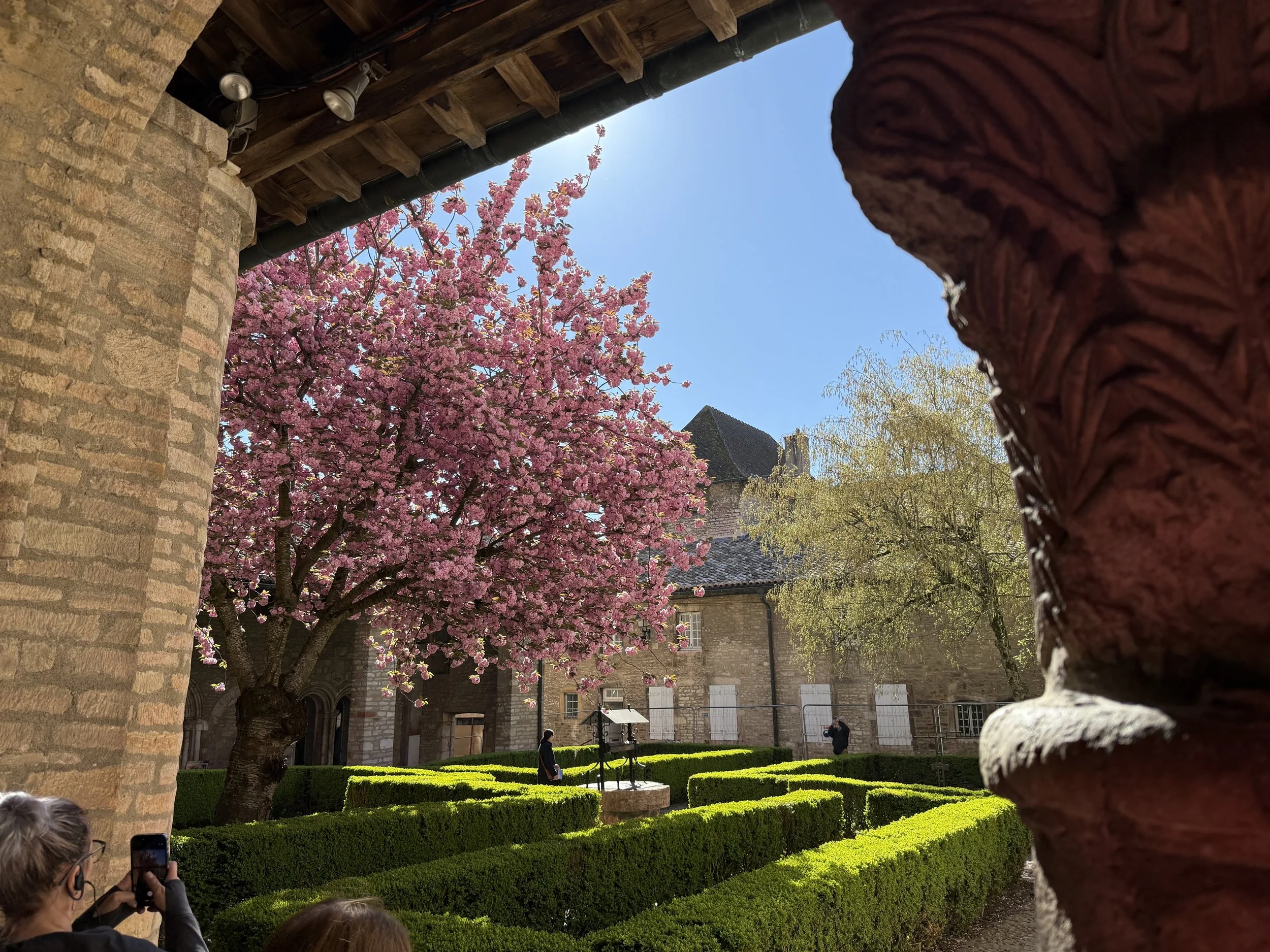
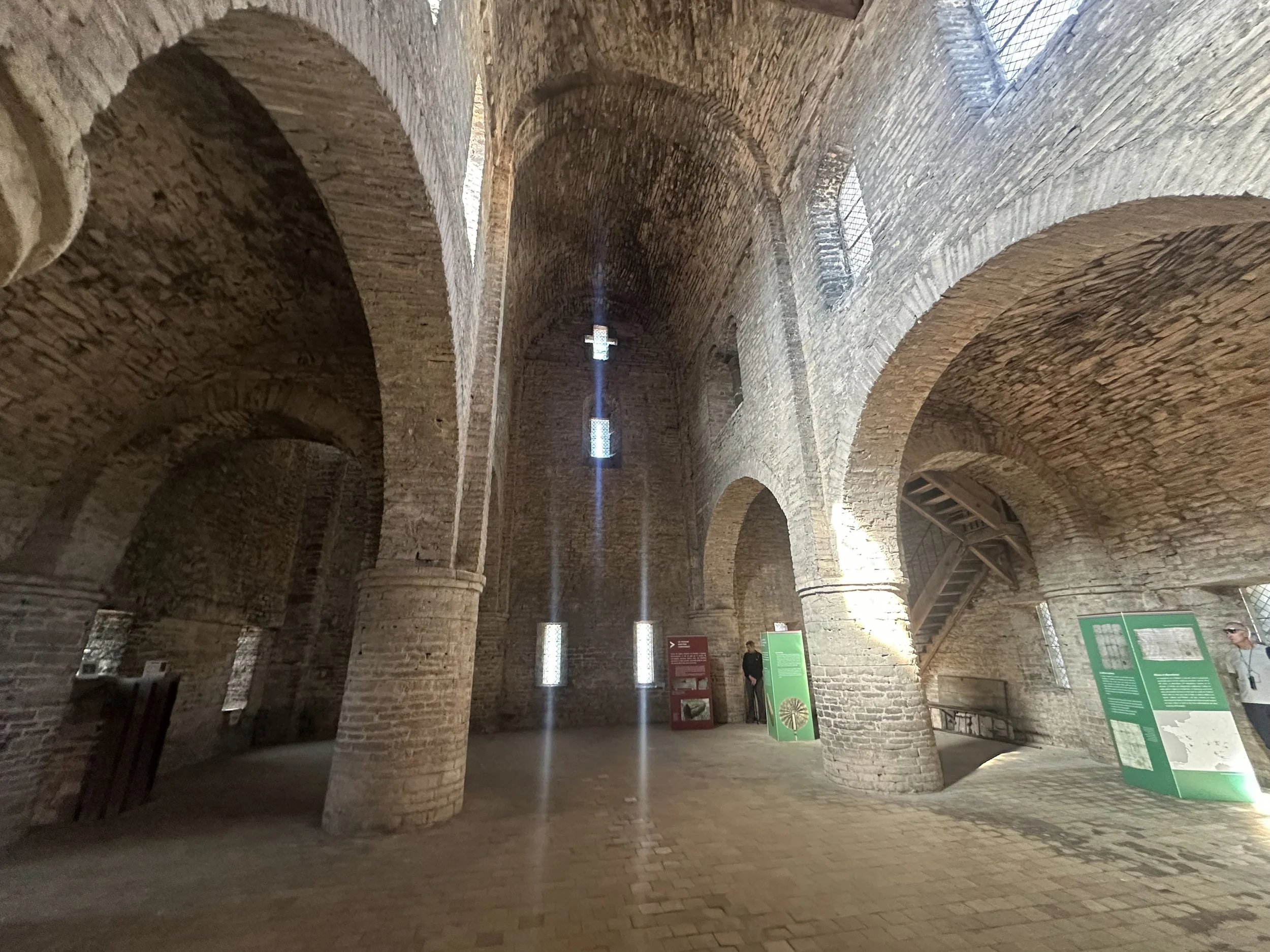
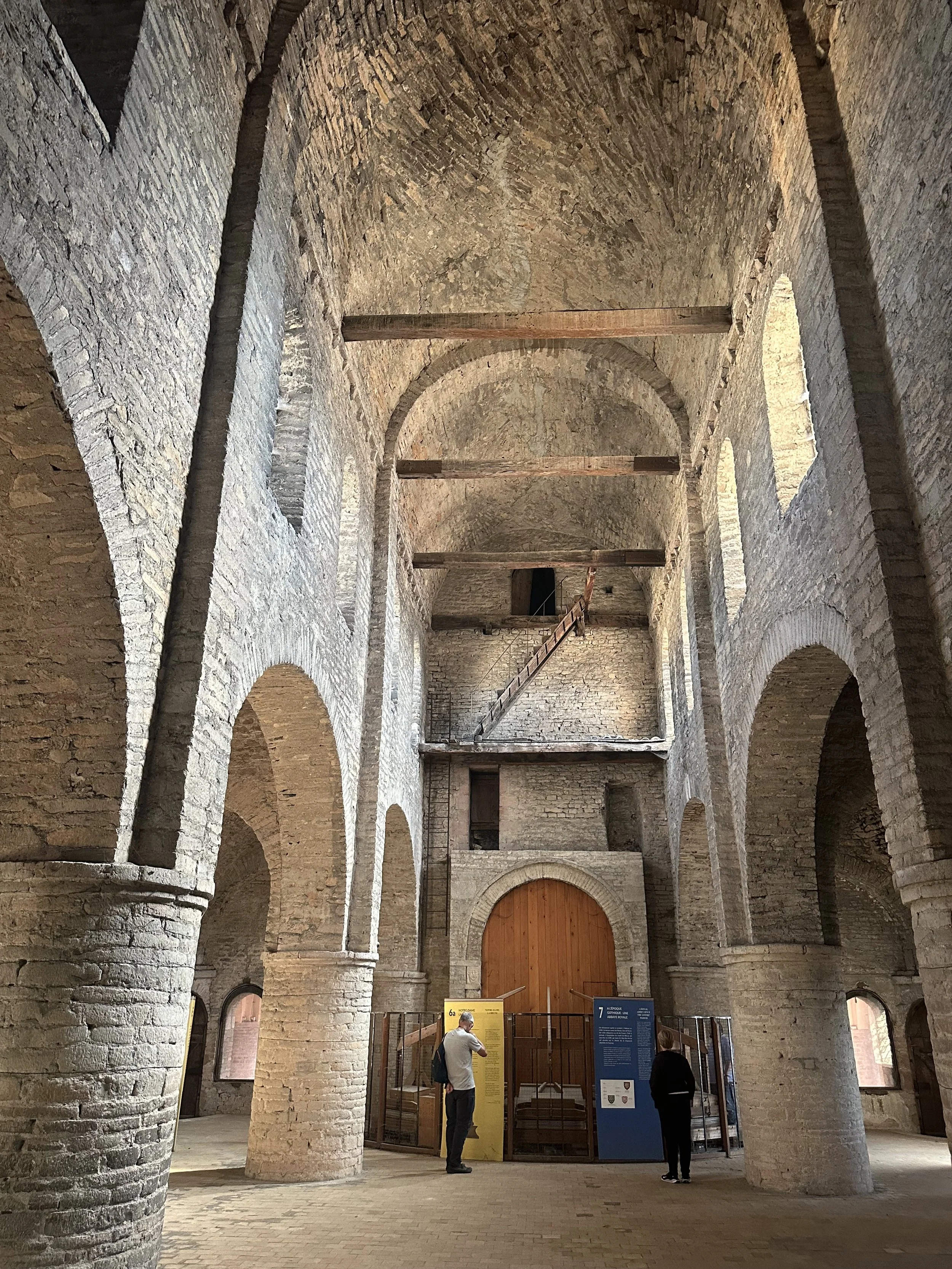
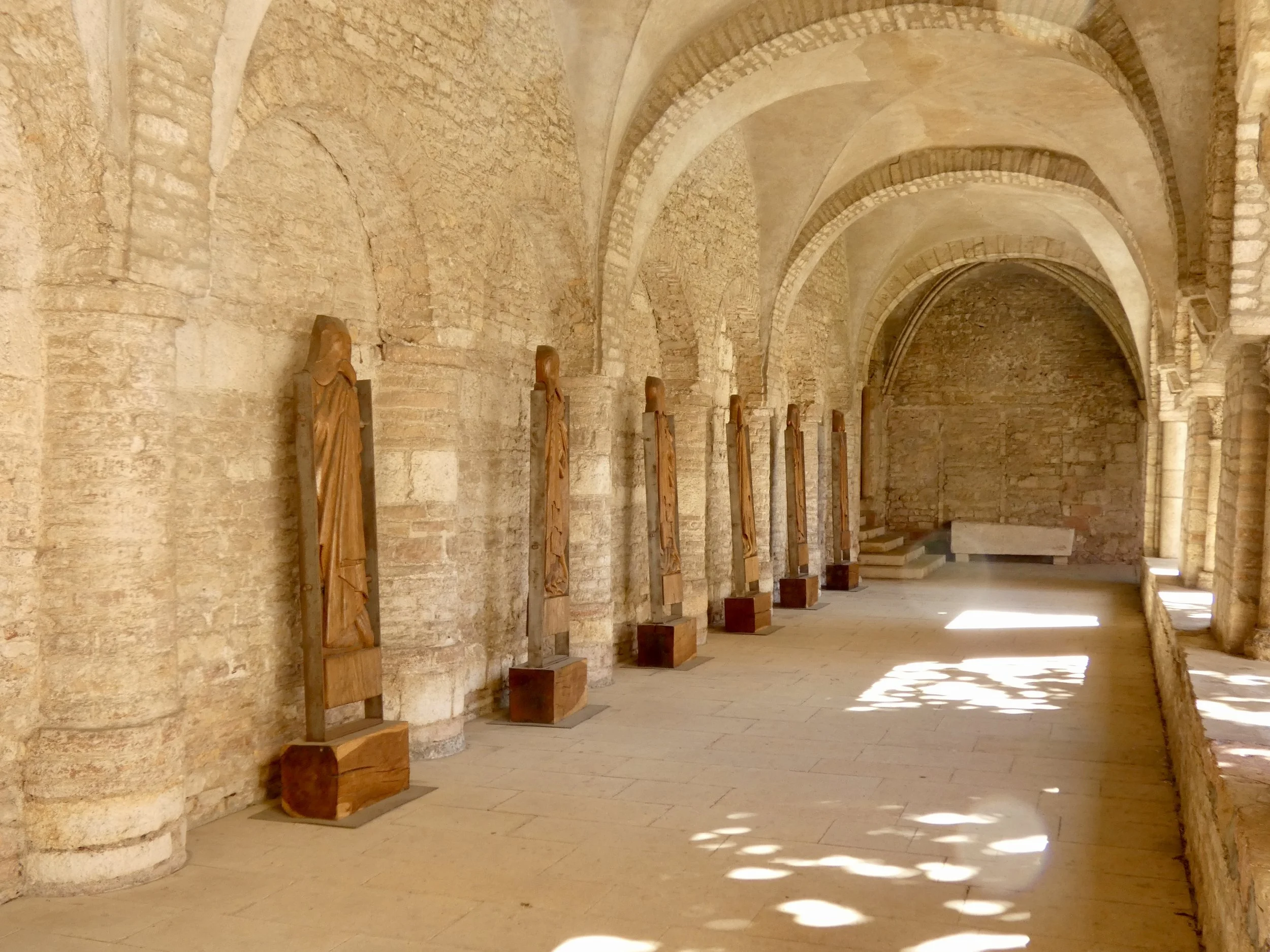
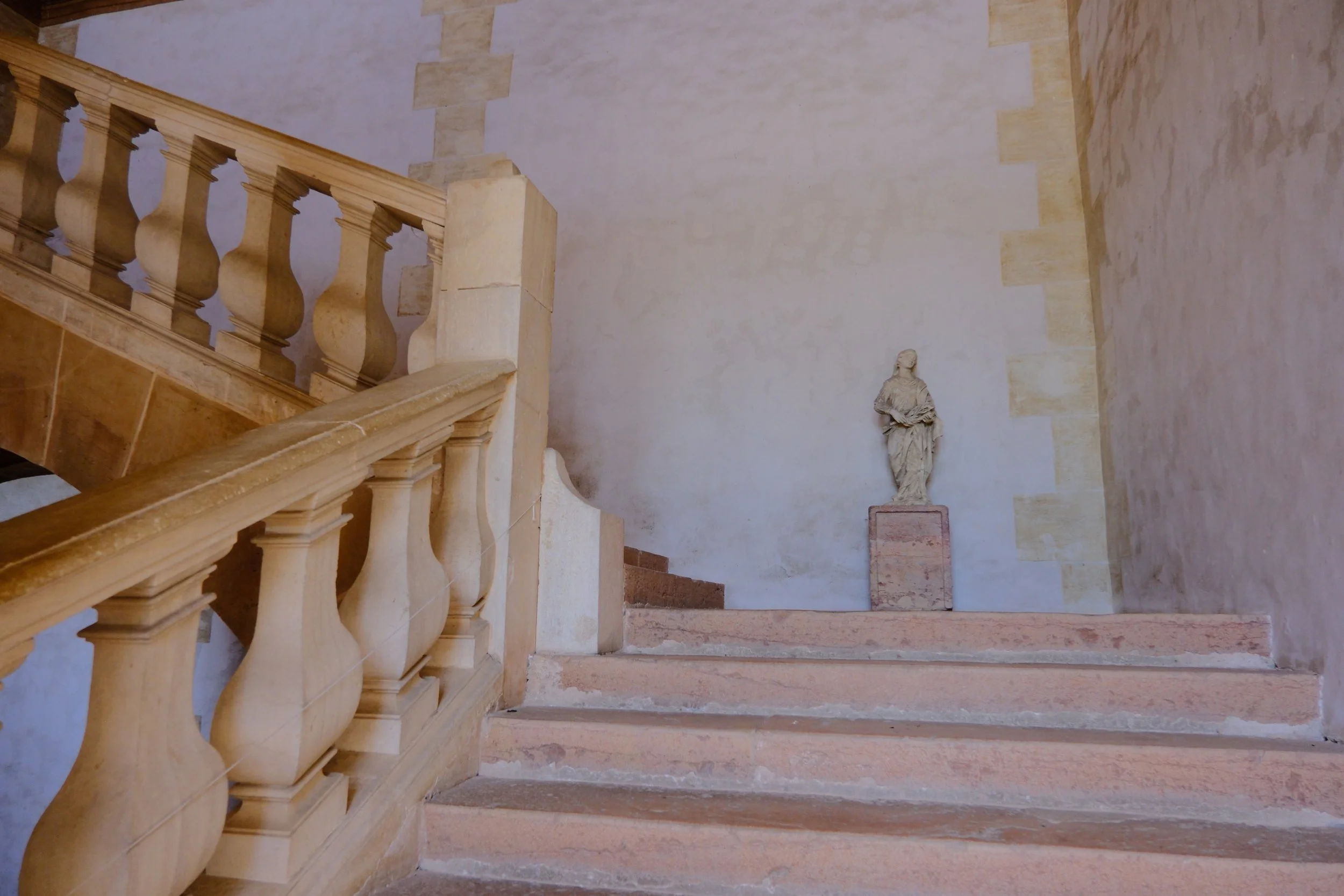
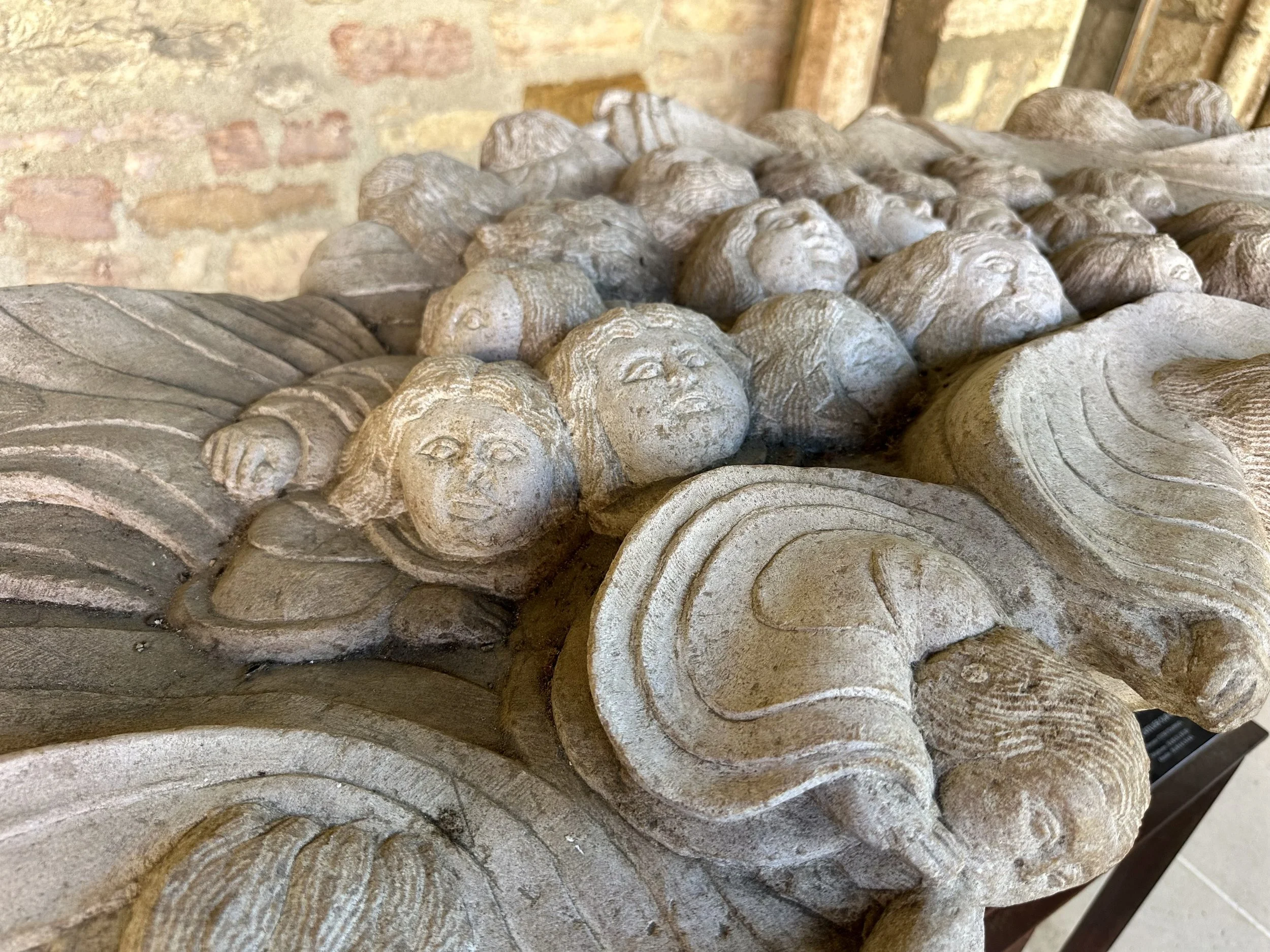
Naturally, we toured the Church of St. Philiert (the Abby shut down at the time of the French Revolution) and viewed its unique barreled ceilings supported by large pillars. The building is Romanesque, meaning that it lacks flying buttresses of the Gothic style. There is a 10th century crypt below and a large chapel reached via a set of stairs that would eventually lead one to the belfry. No bats, however.
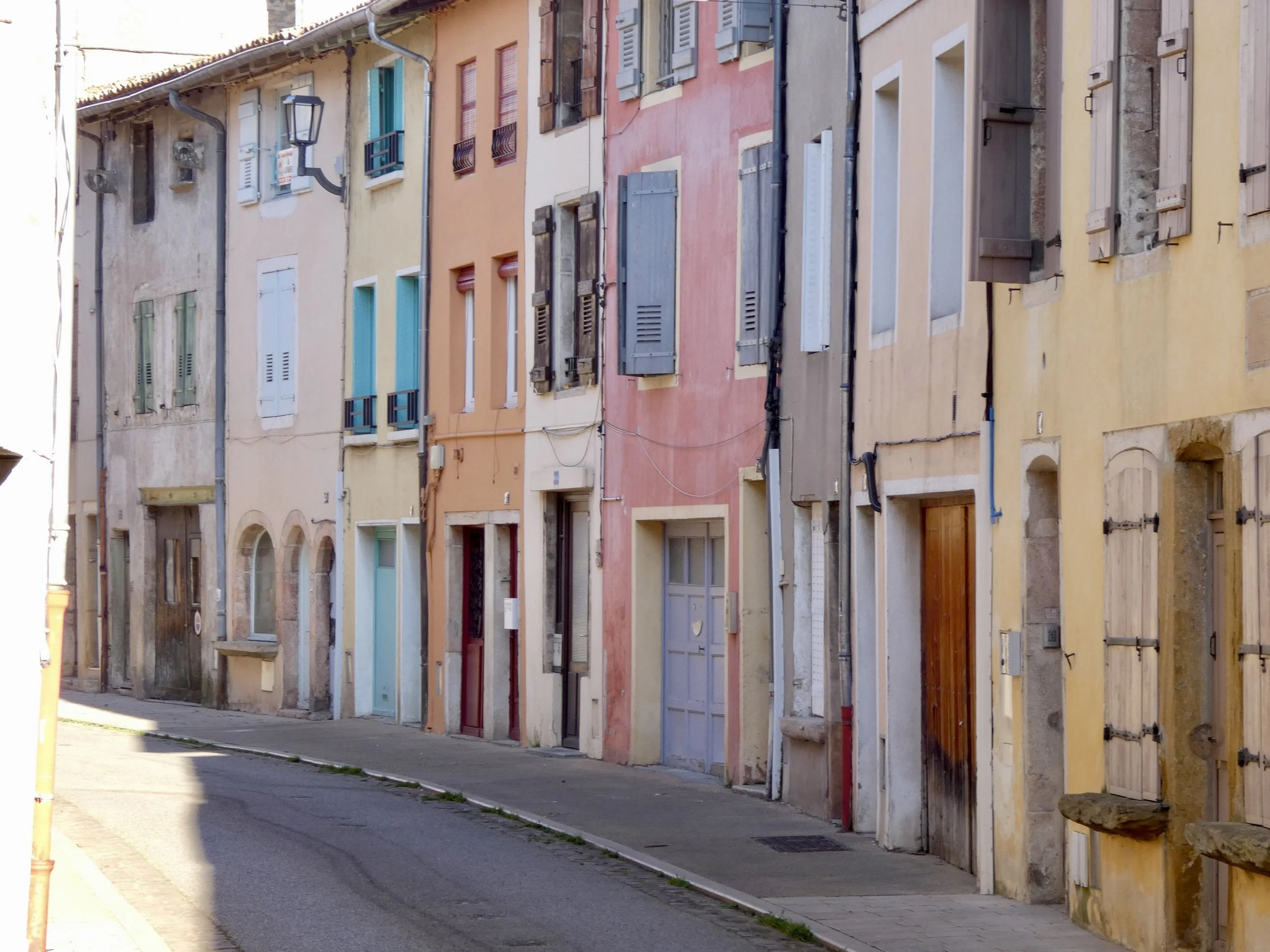
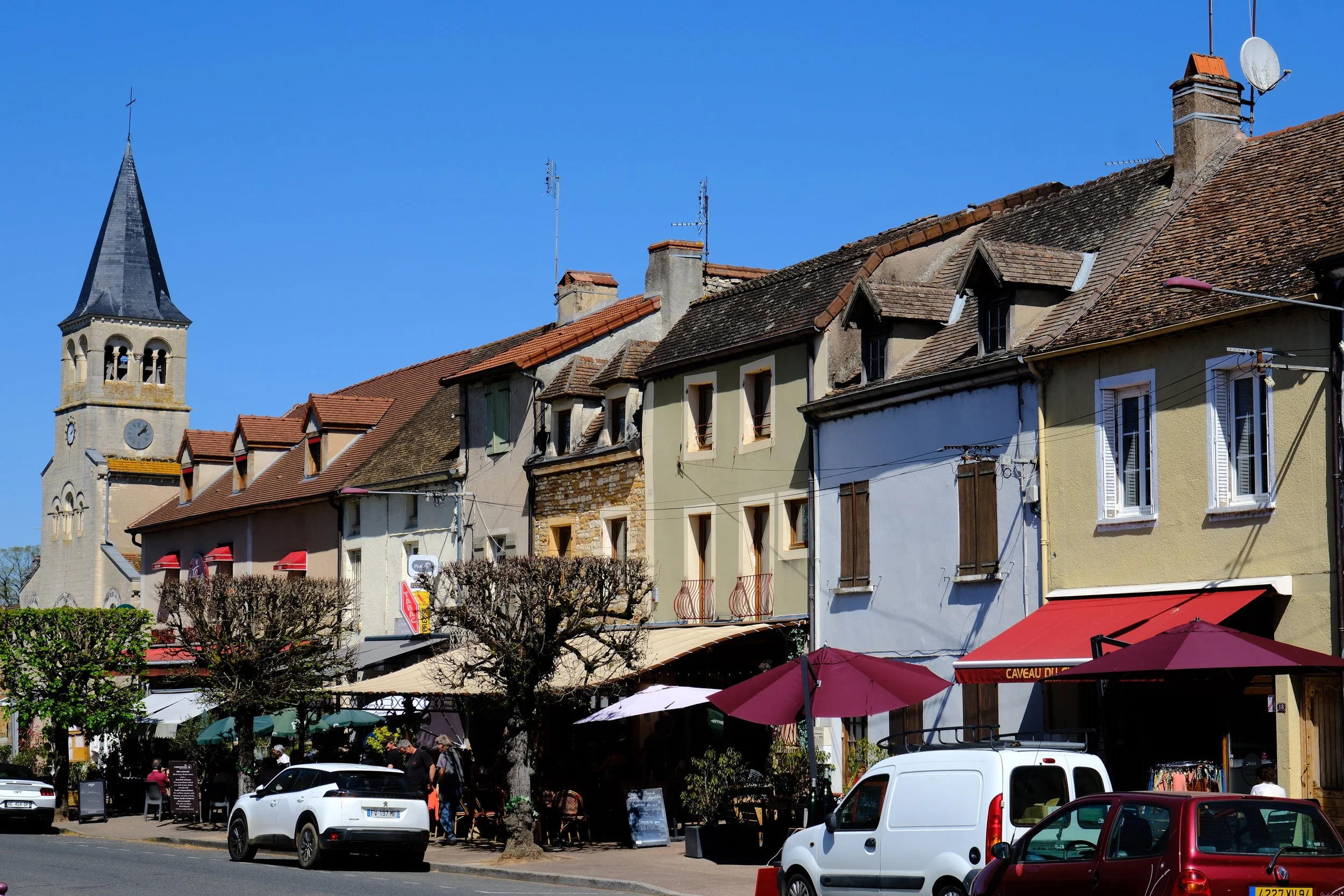
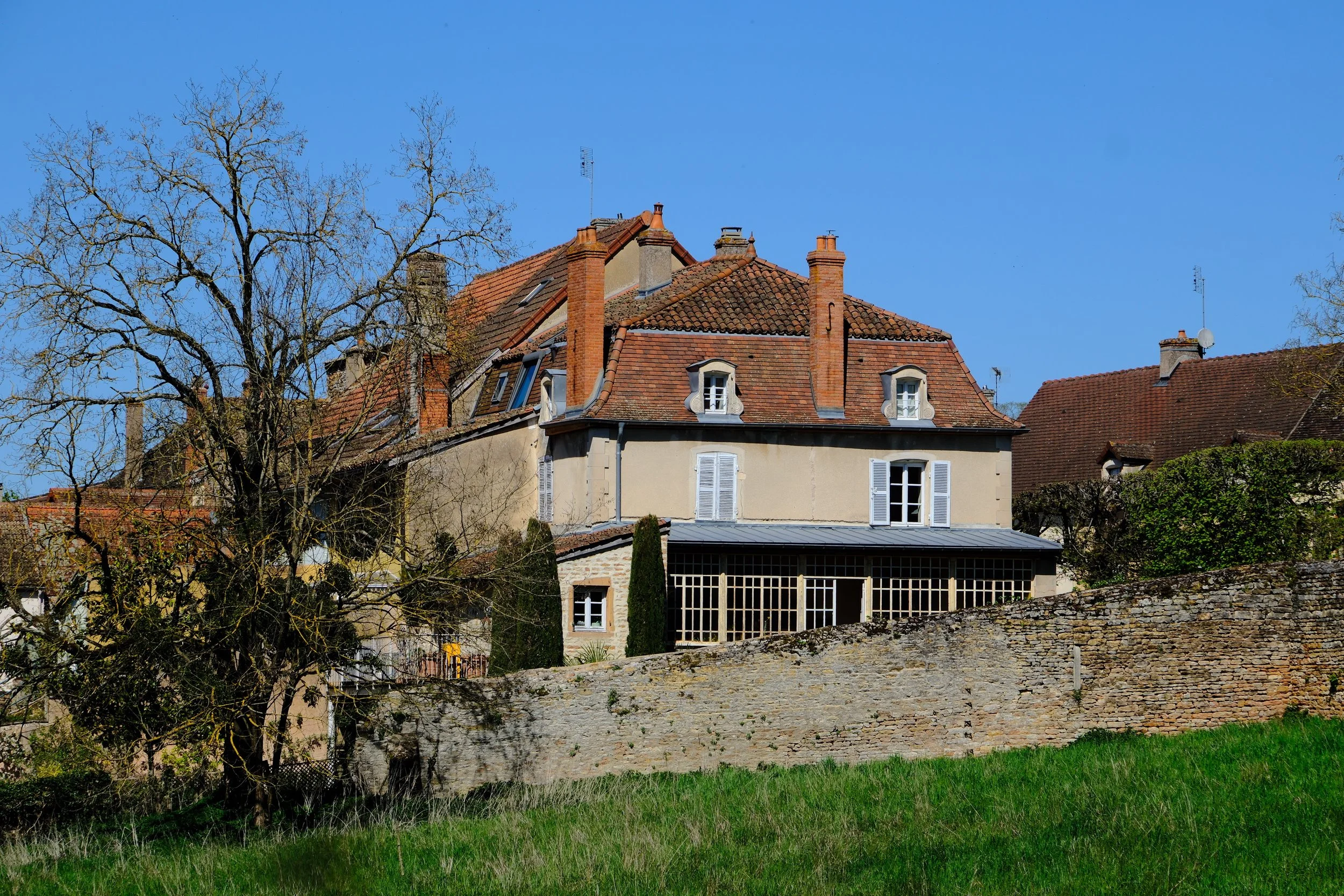
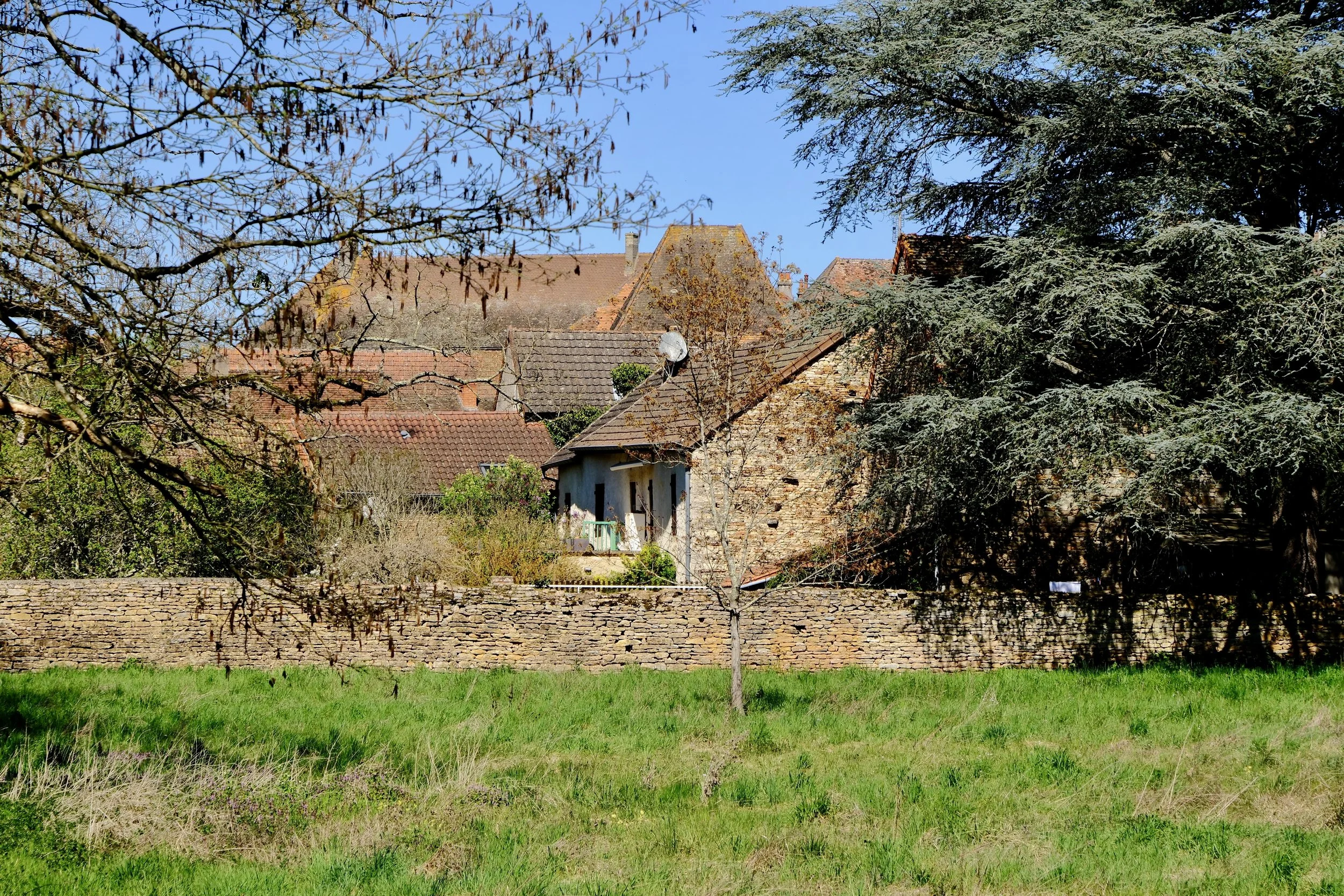
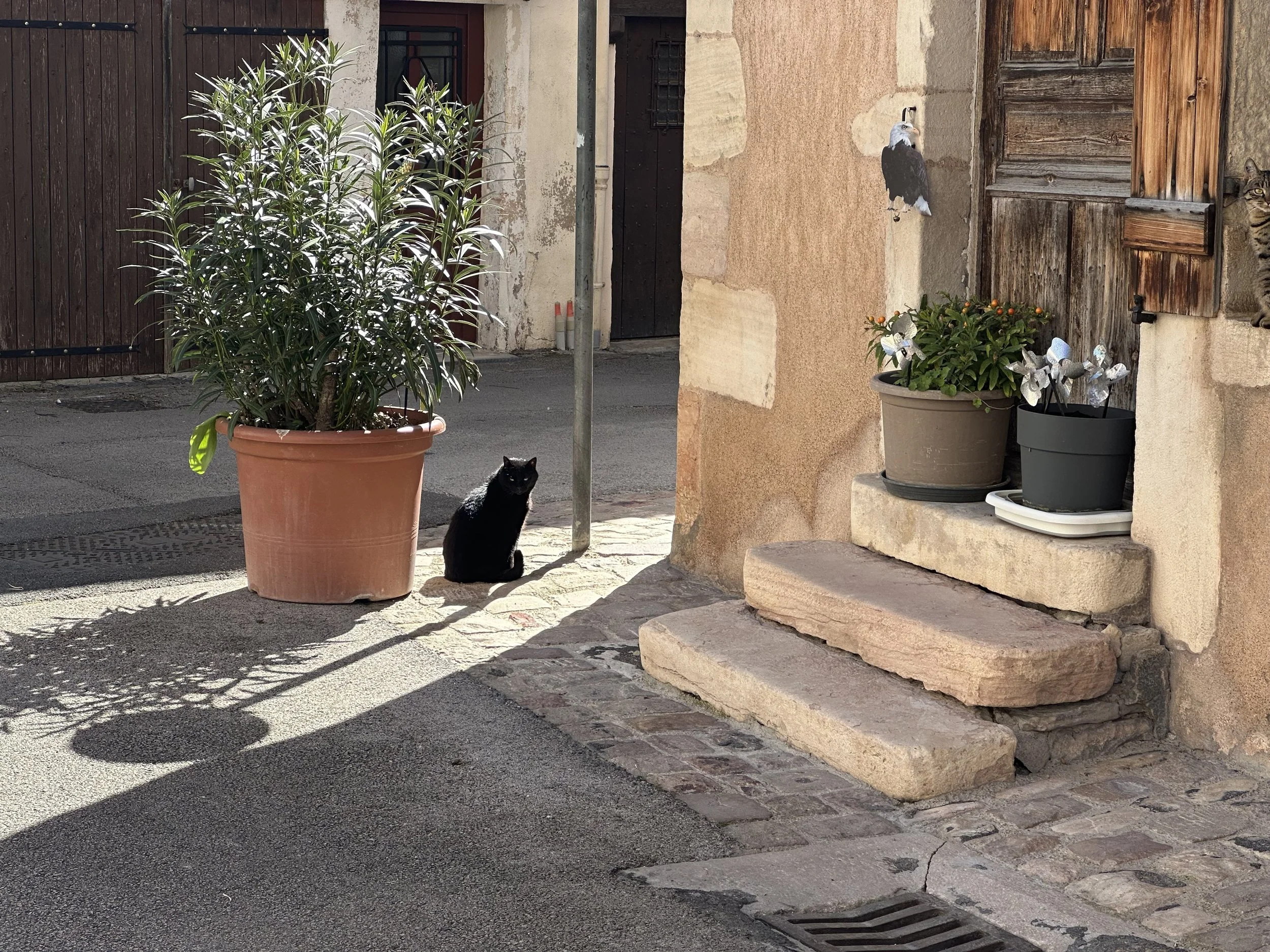
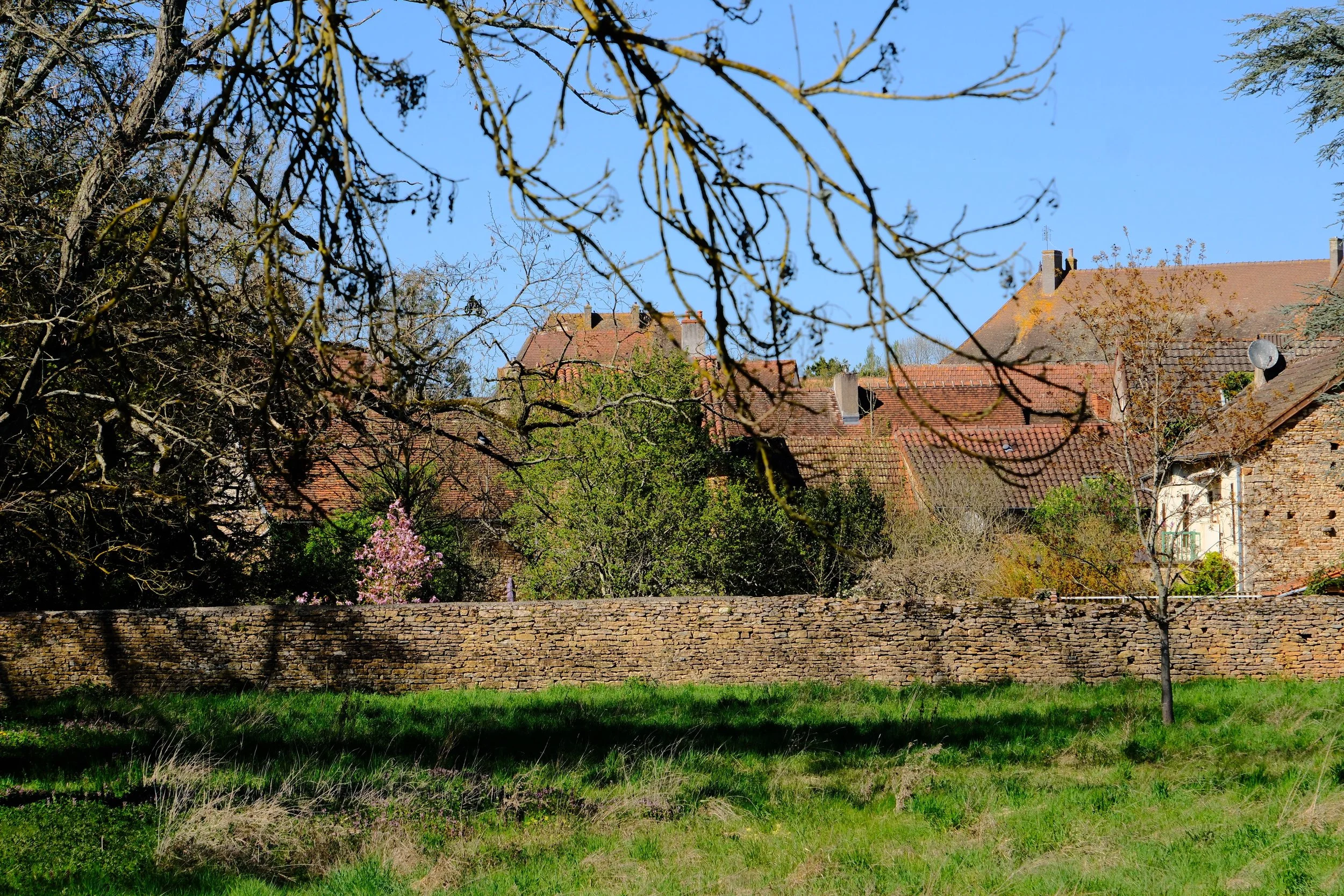
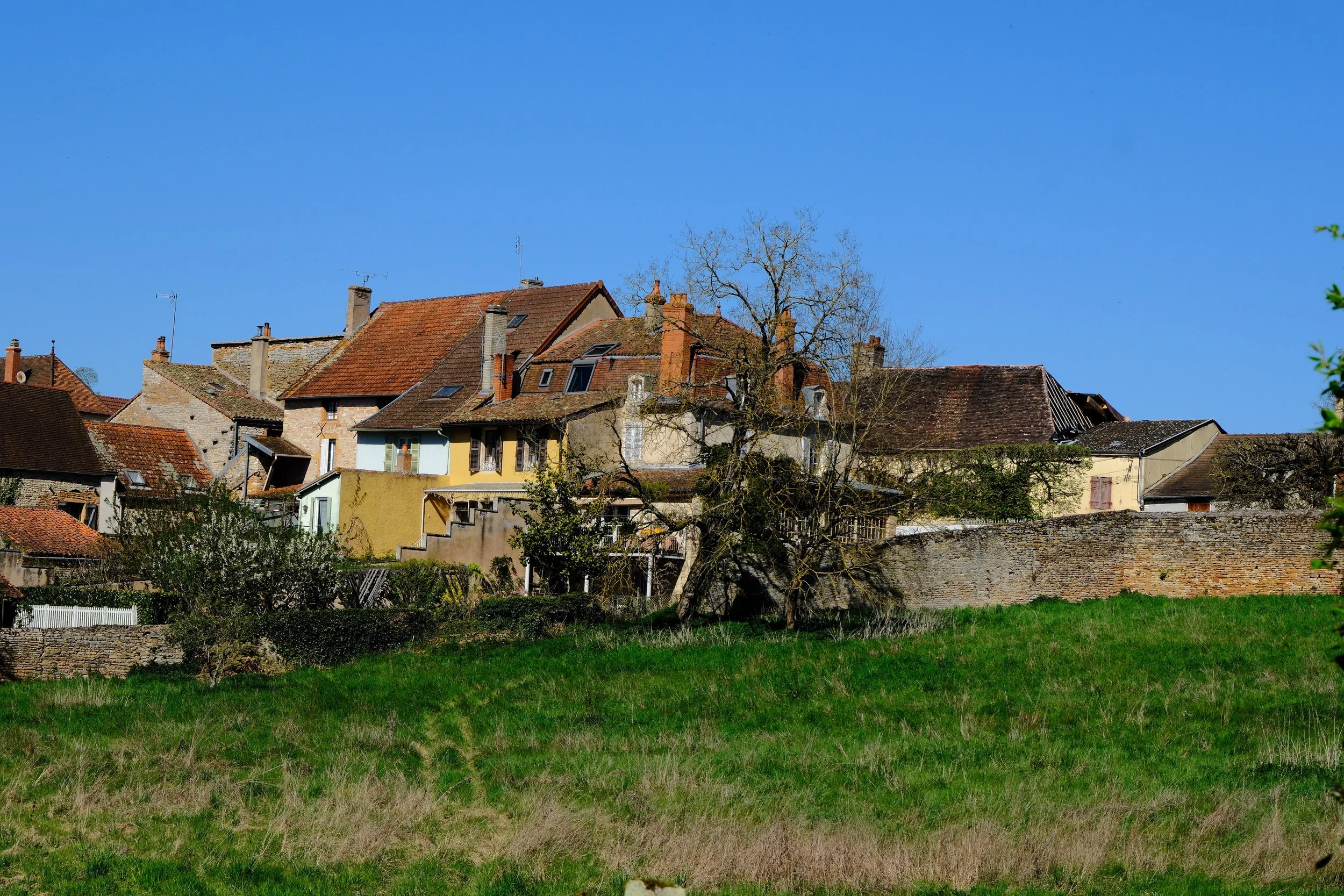
Tournus marks a division between northern Burgundy and the south. The traditional language becomes a different pronunciation and, most noticeably to us, there is much greater use of color in the buildings. No more drab whites and grays. You can almost believe you’re nearing the Mediterranean.
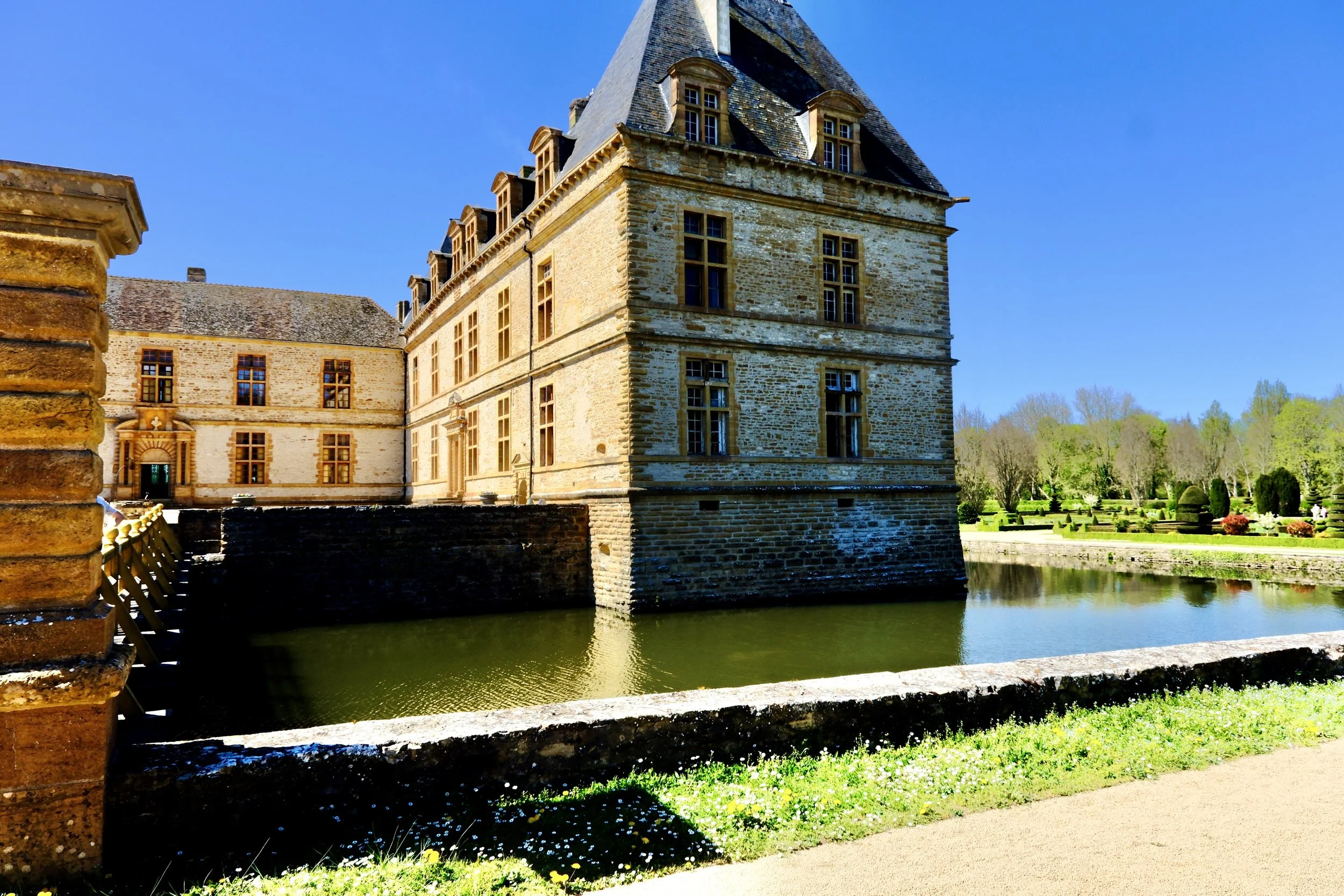
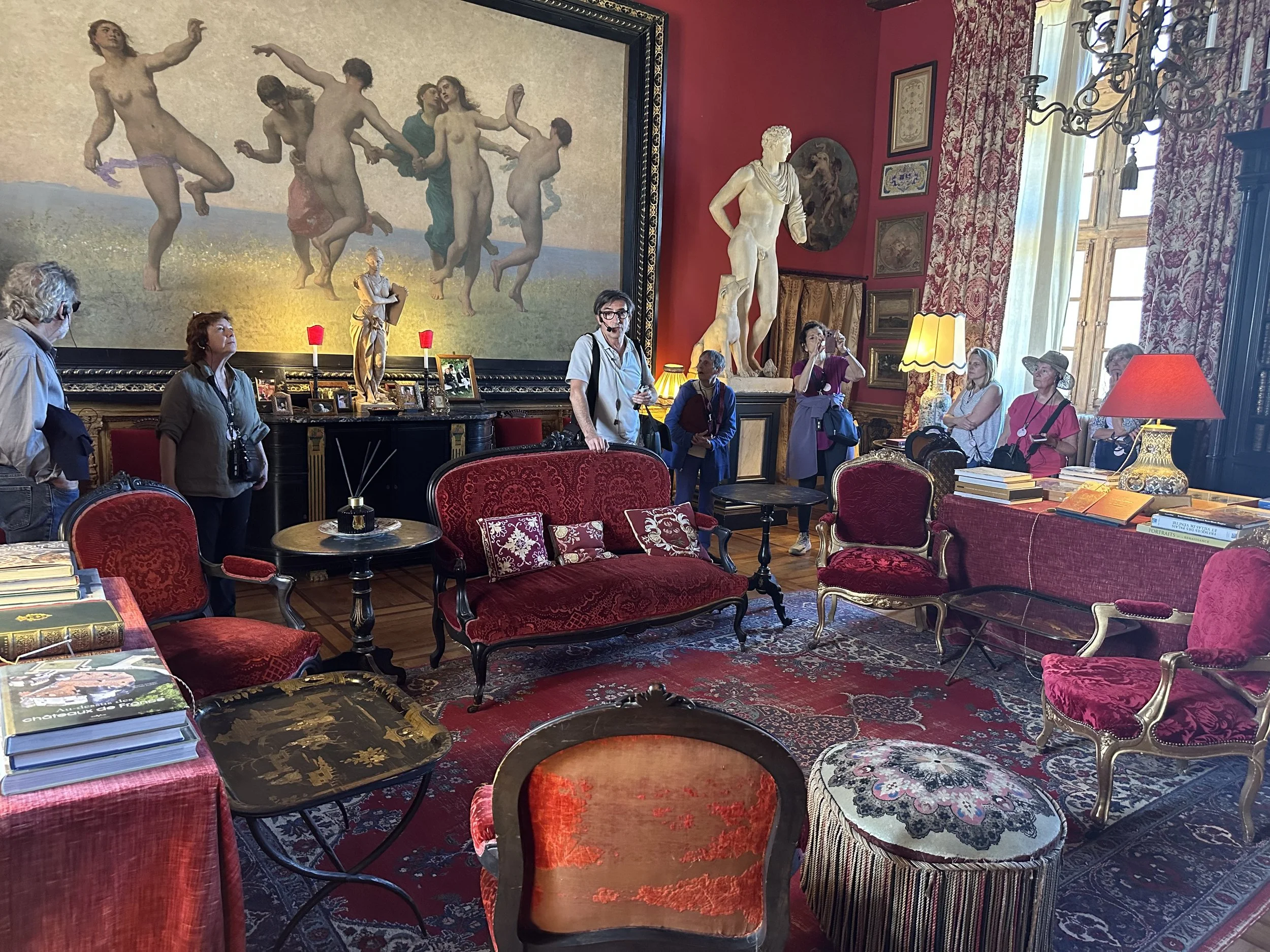
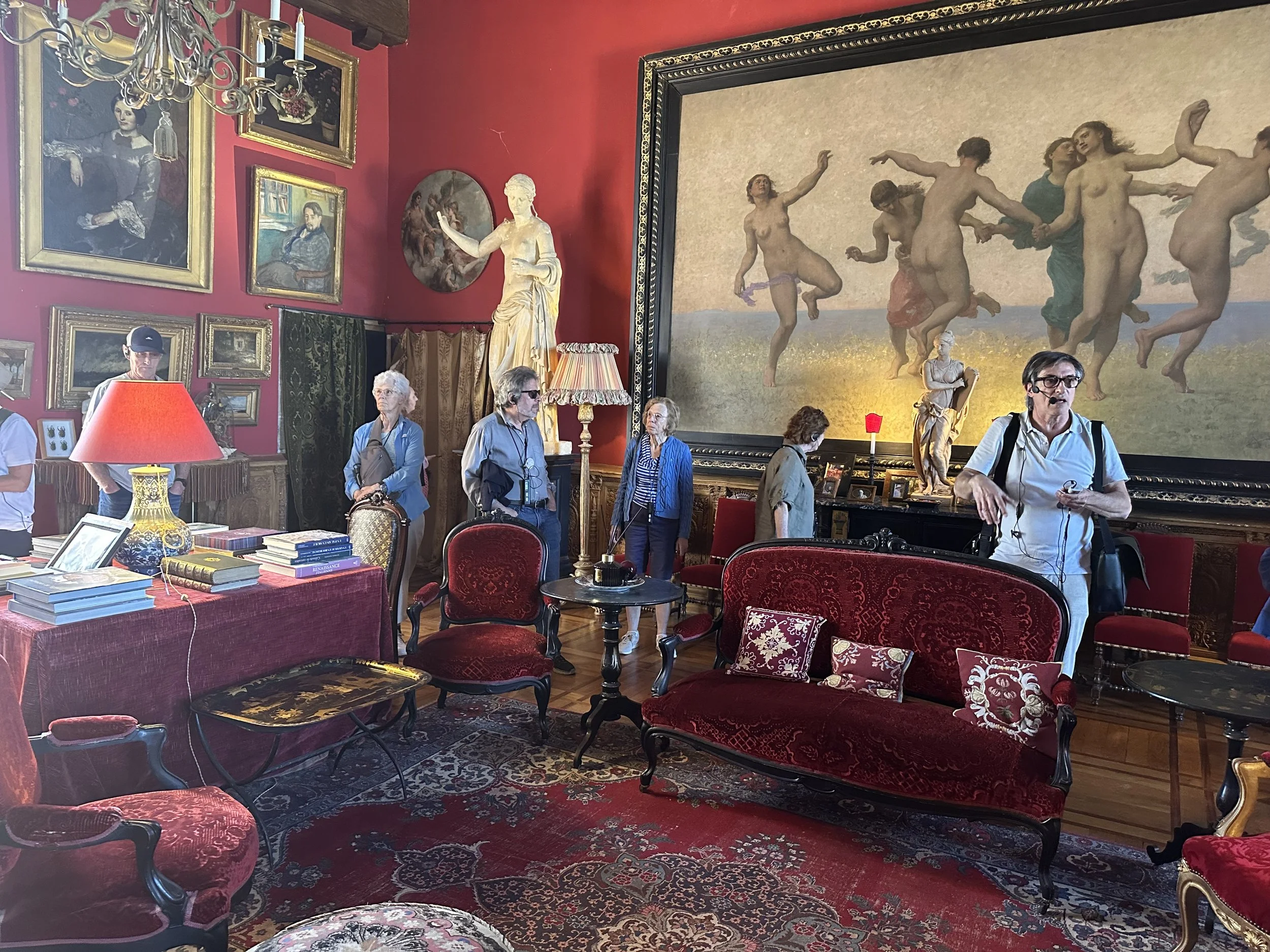
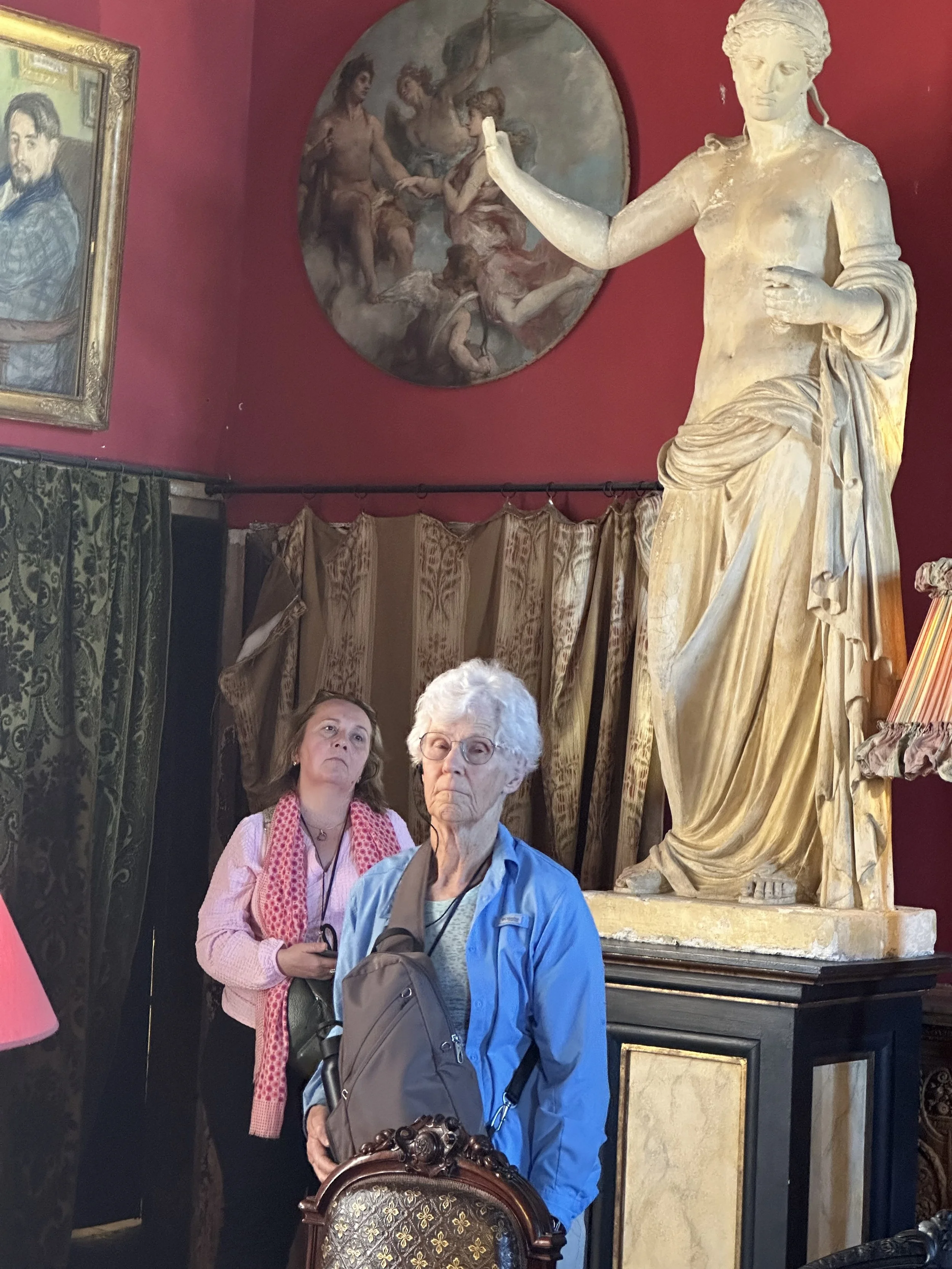
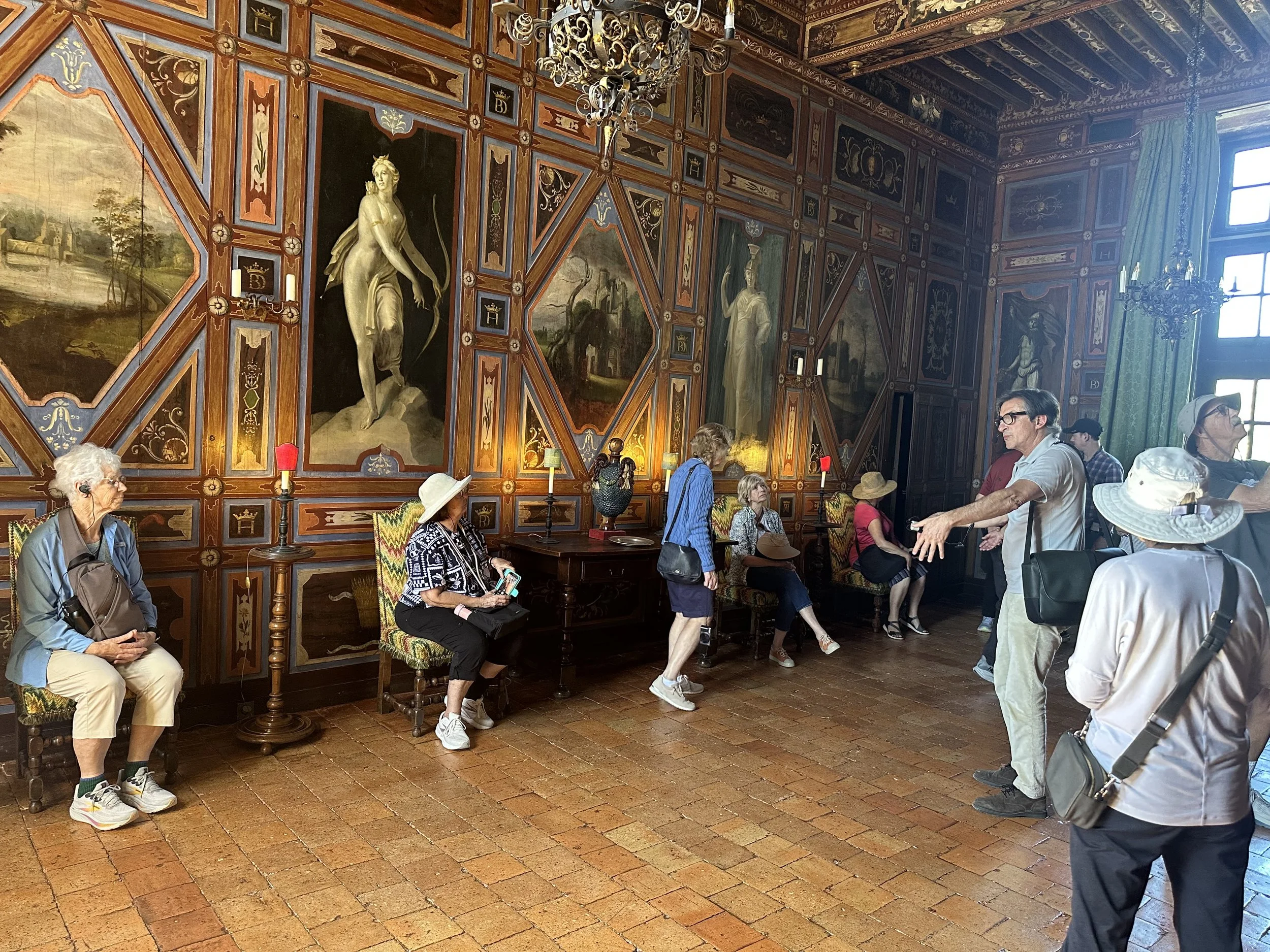
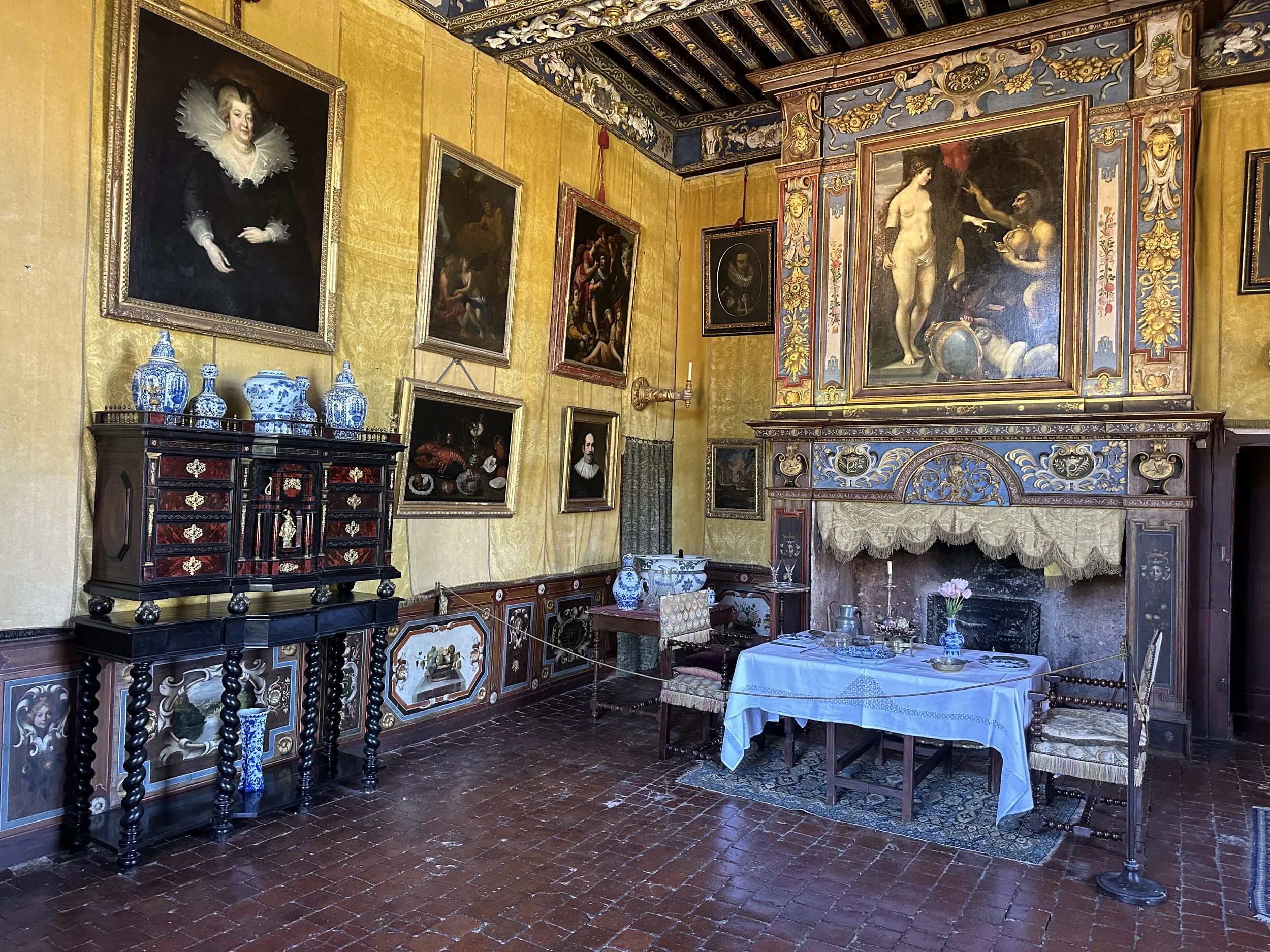
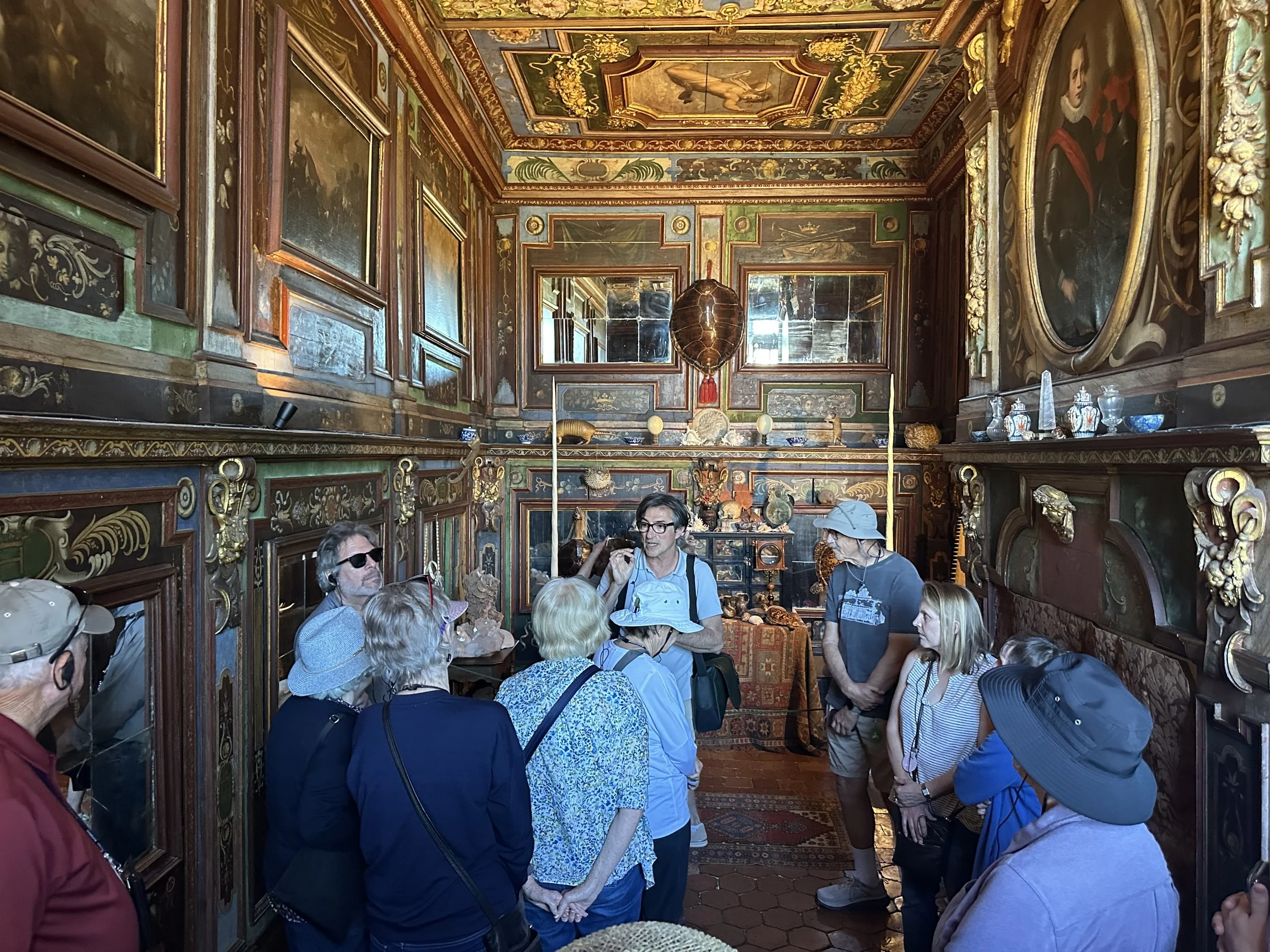
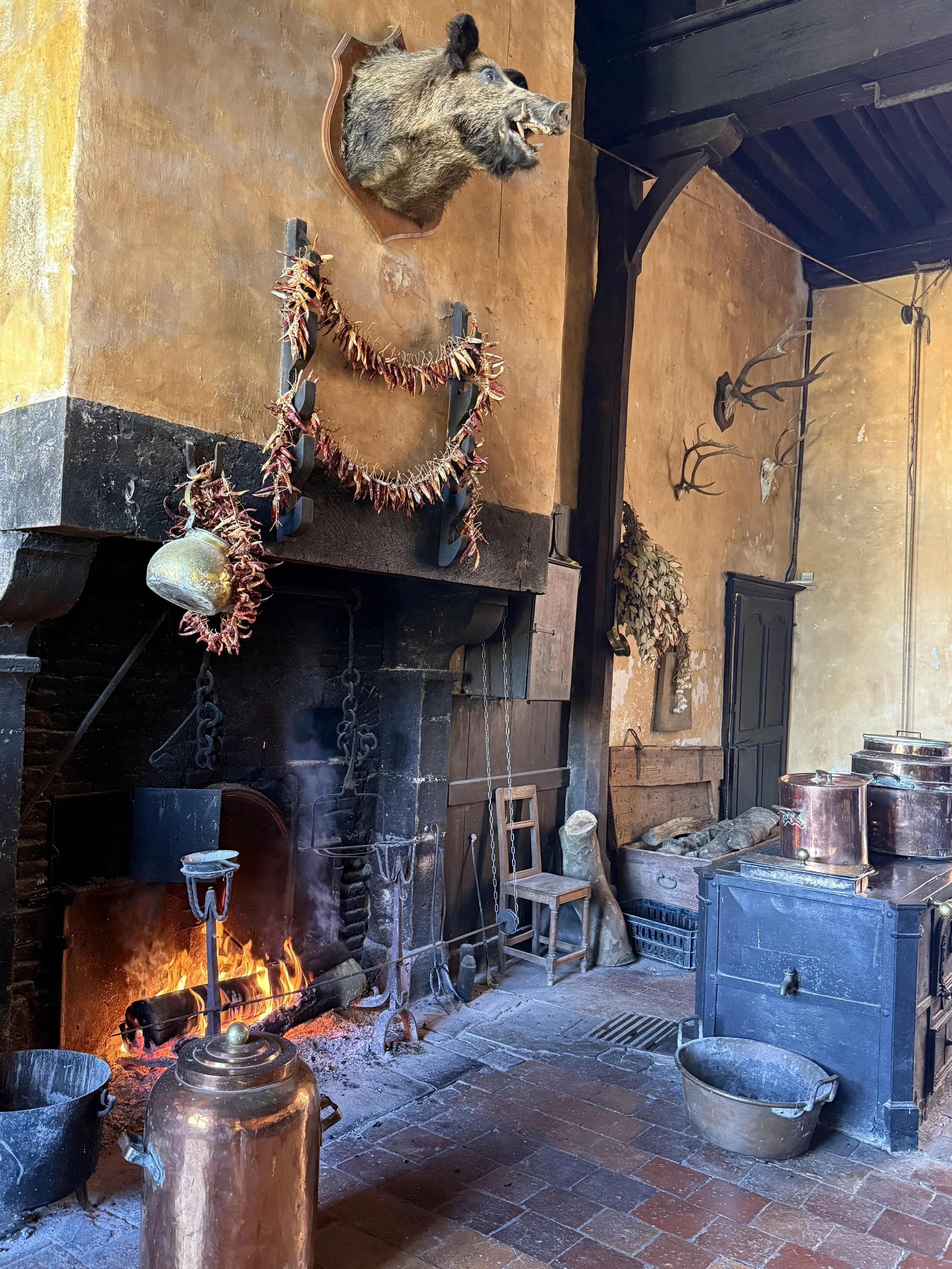
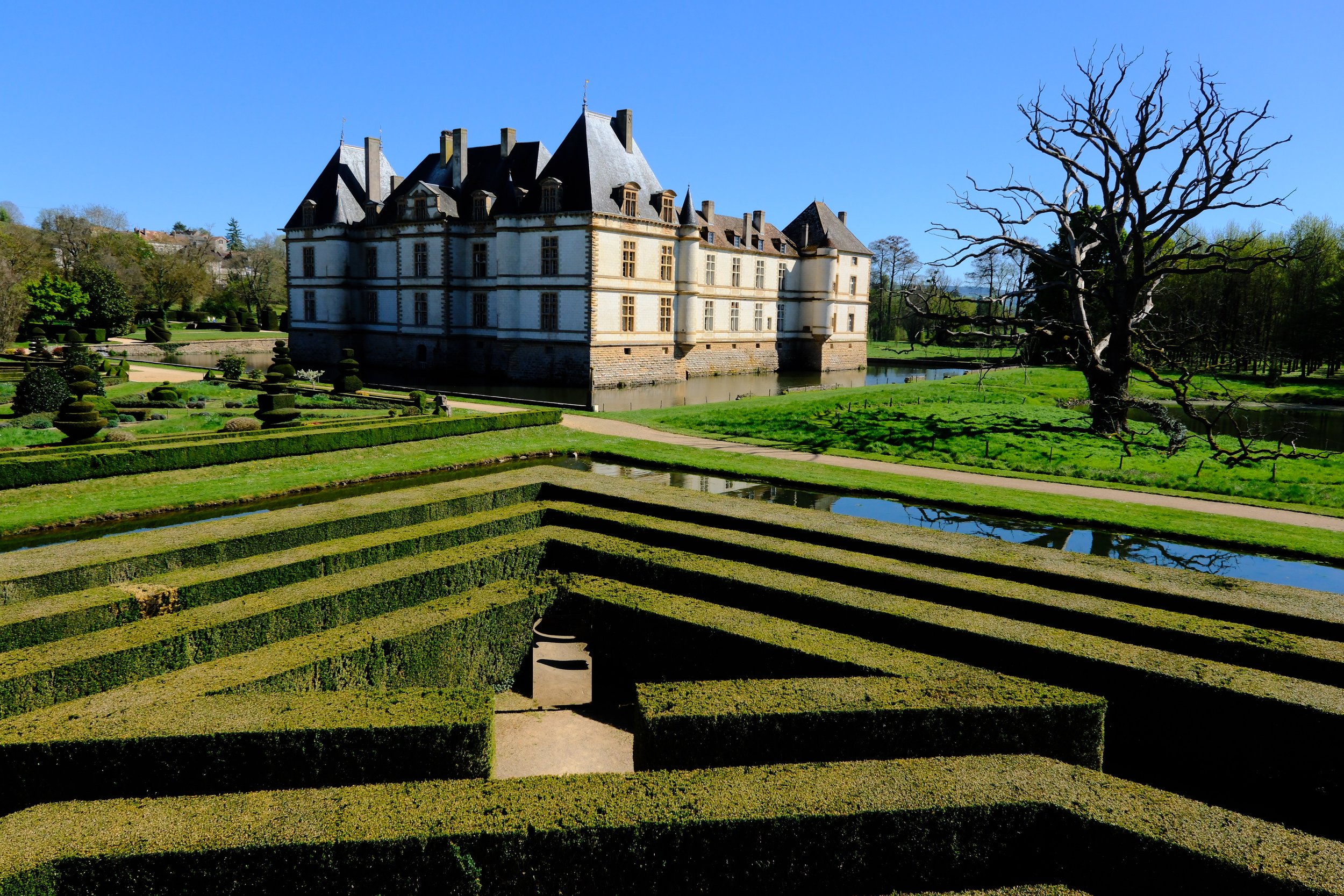
After lunch we opted for a bus ride to the Château de Cormatin. I’ll spare us a history recitation except to make a couple of points.
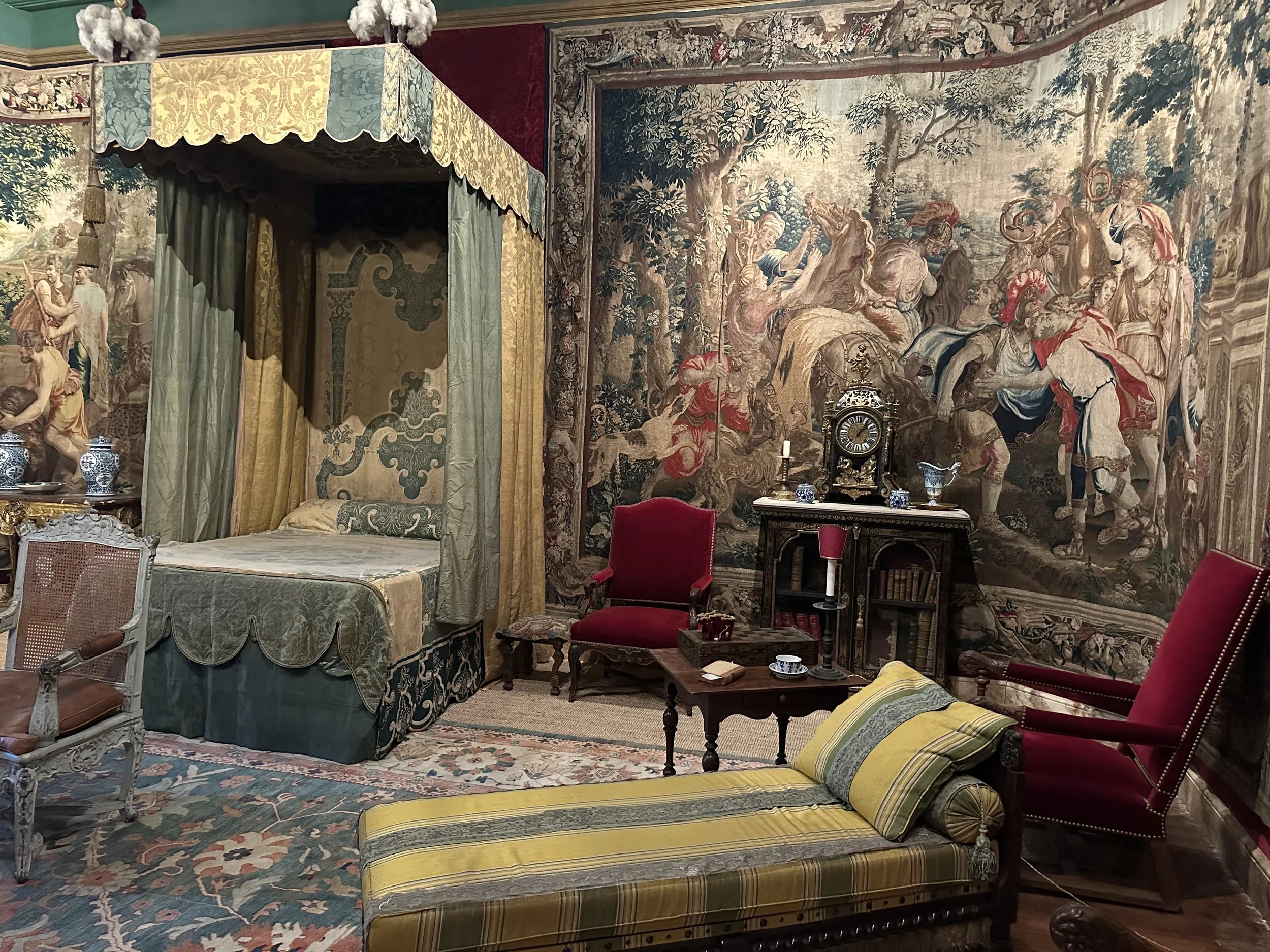
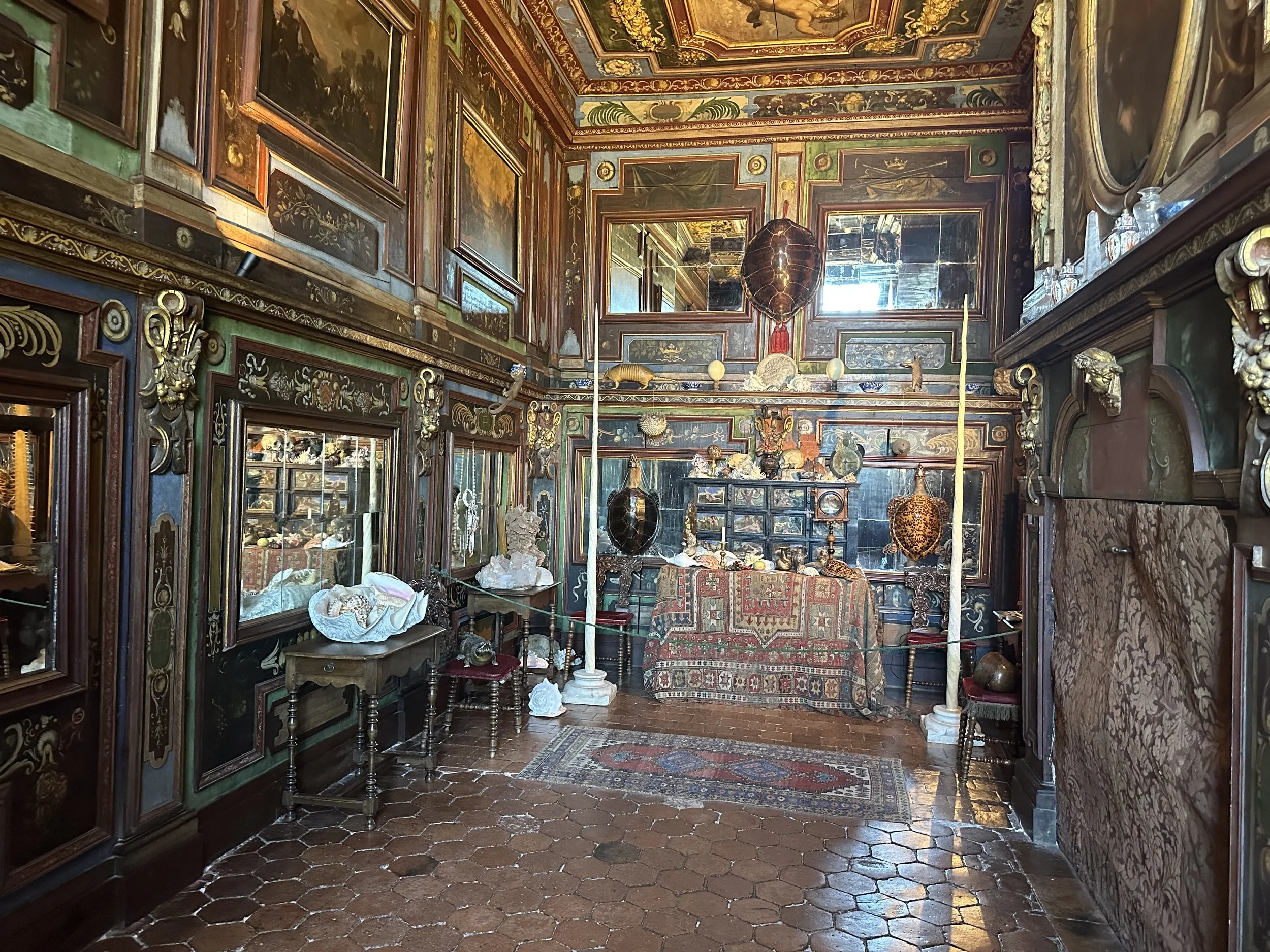
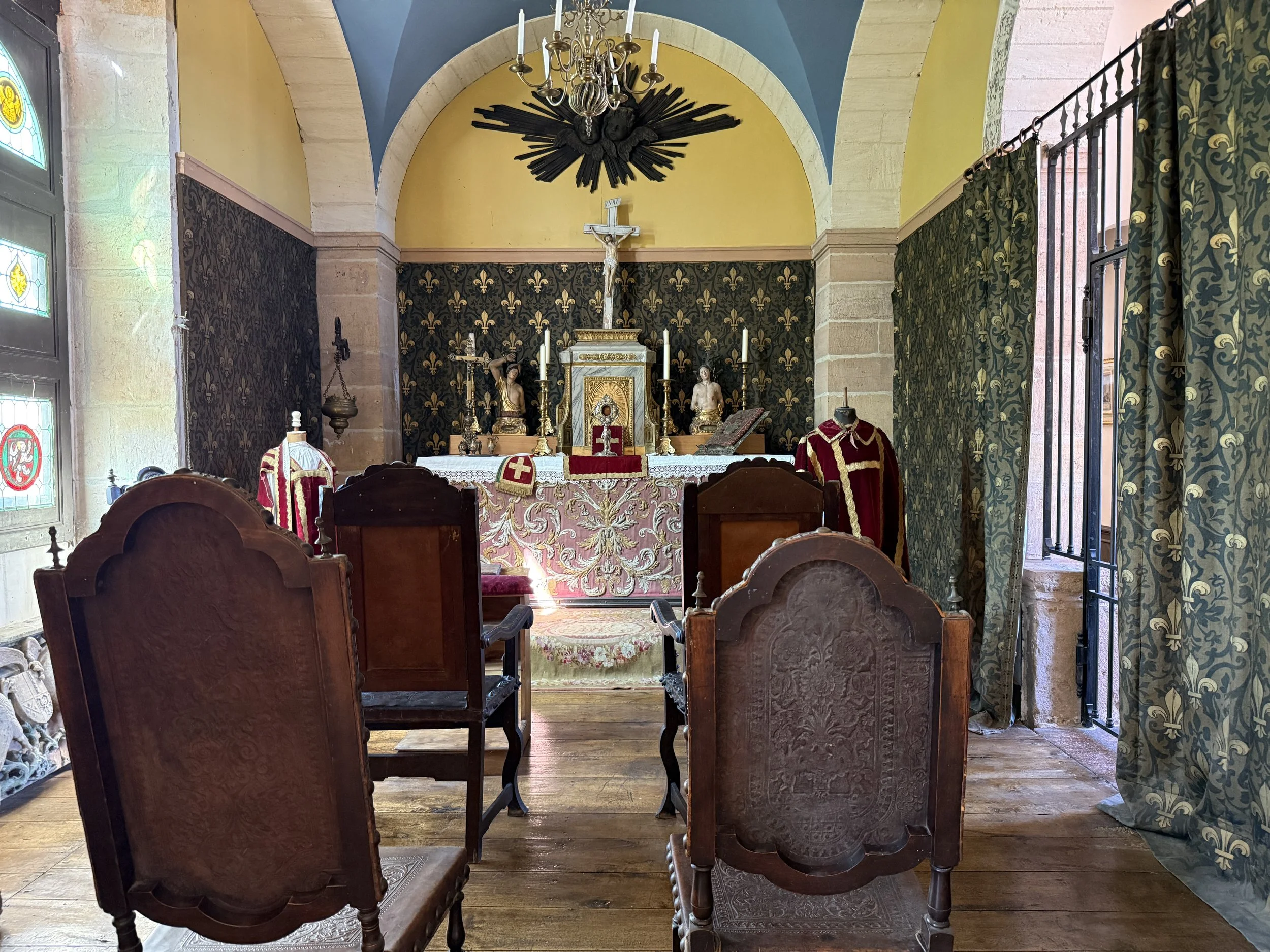
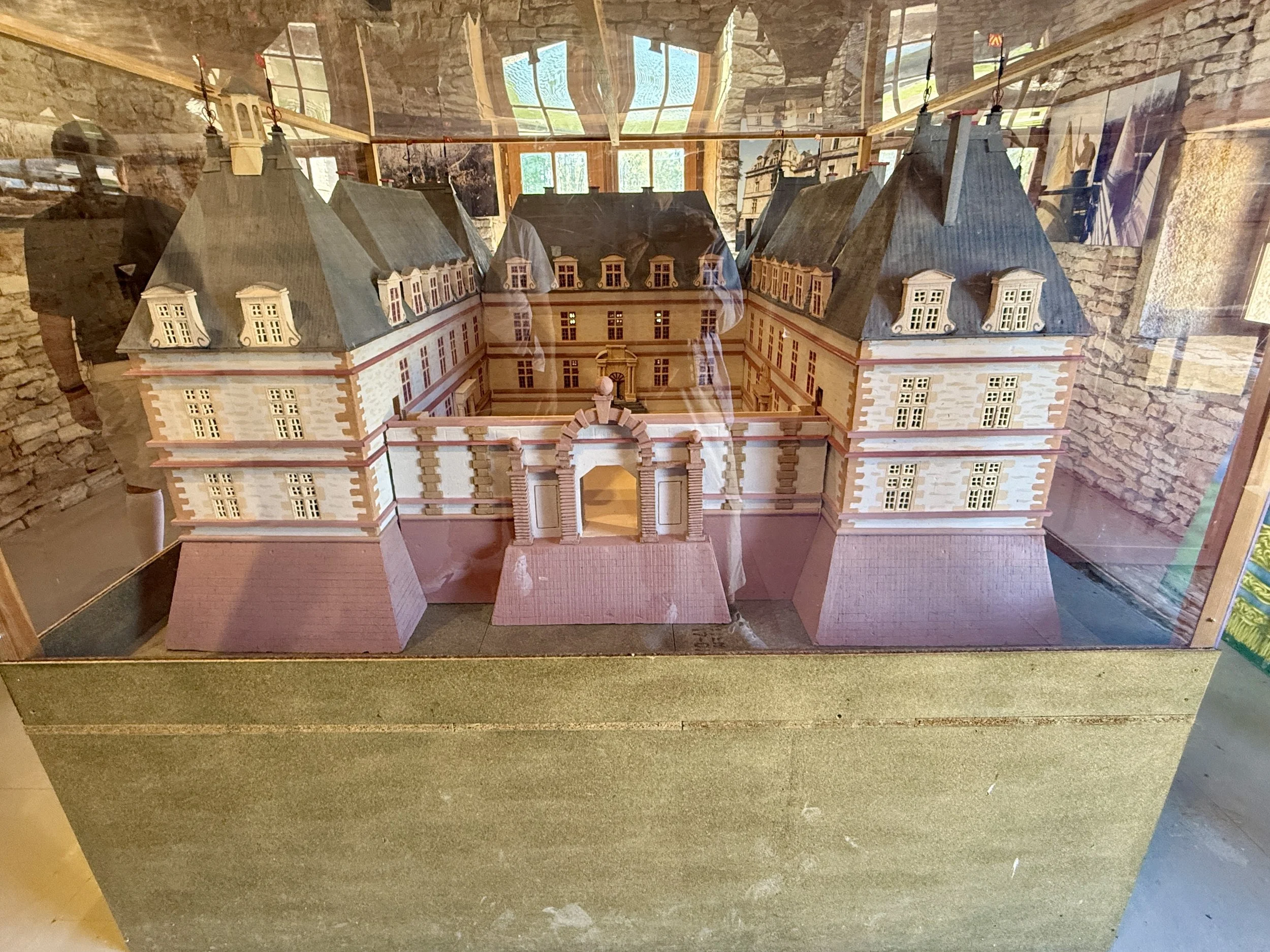
Cormatin started out life as a castle and transitioned to become a chateau. The difference is that a castle is built as a military fortress. A chateau is a house built to live in and to impress your neighbors.
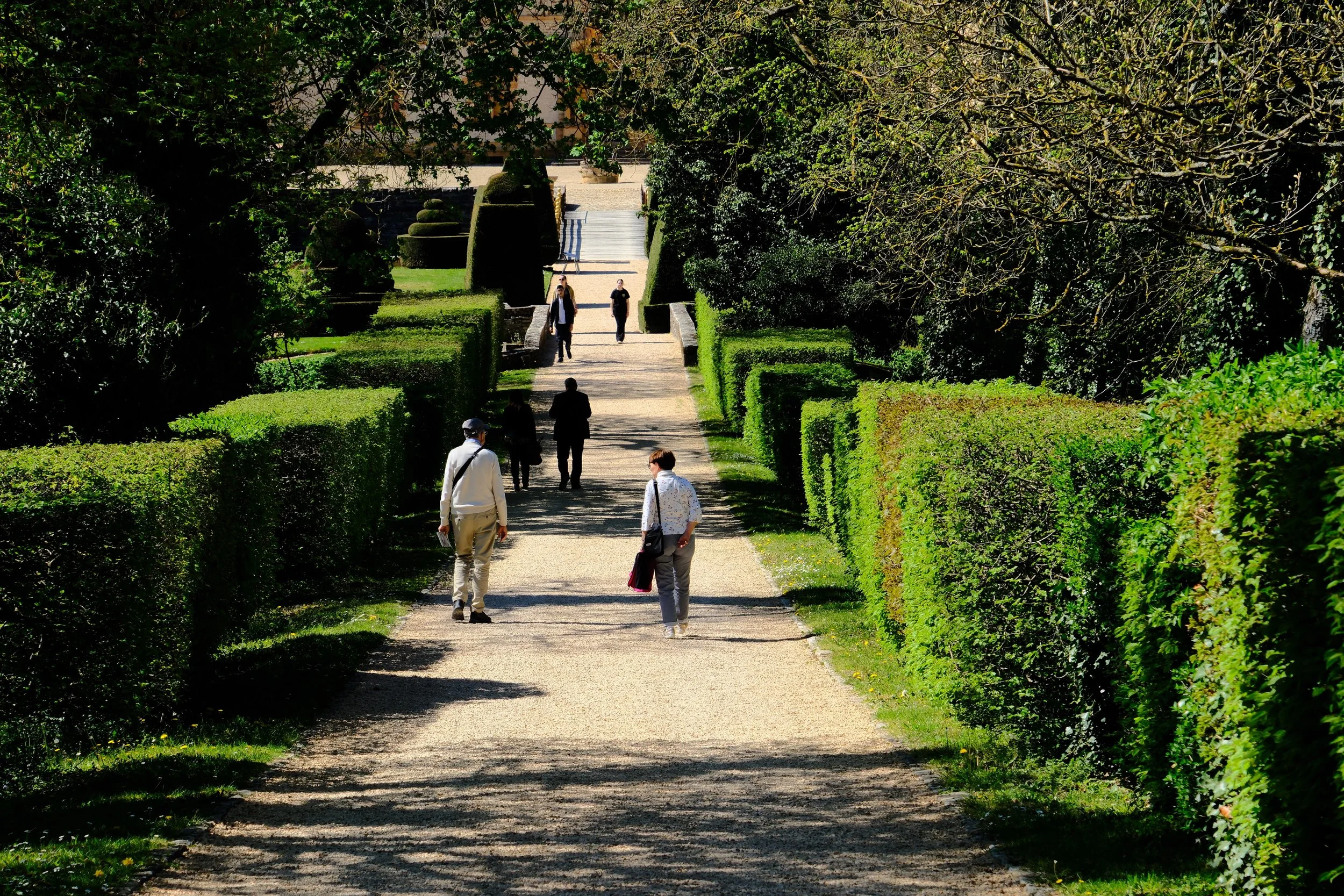
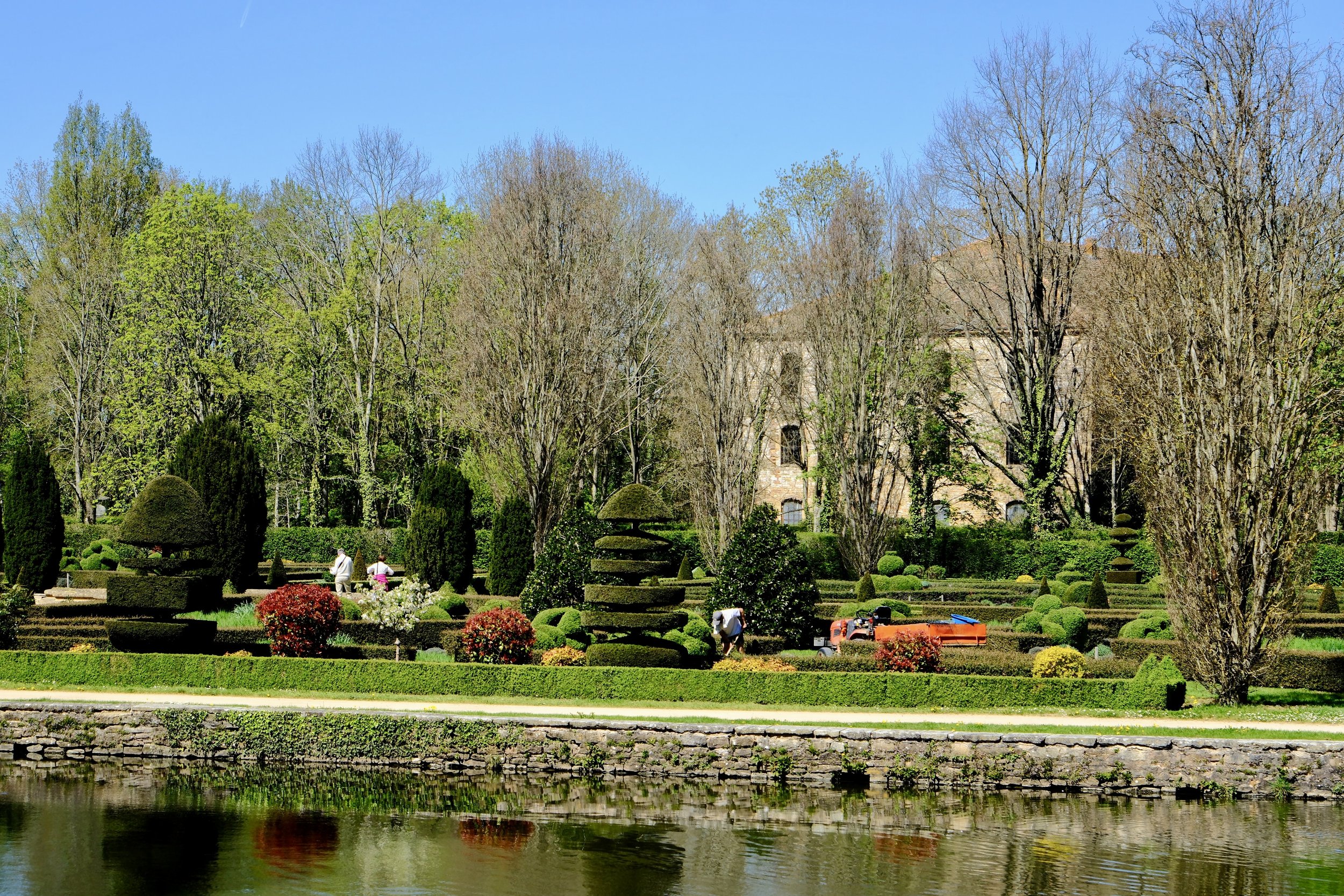
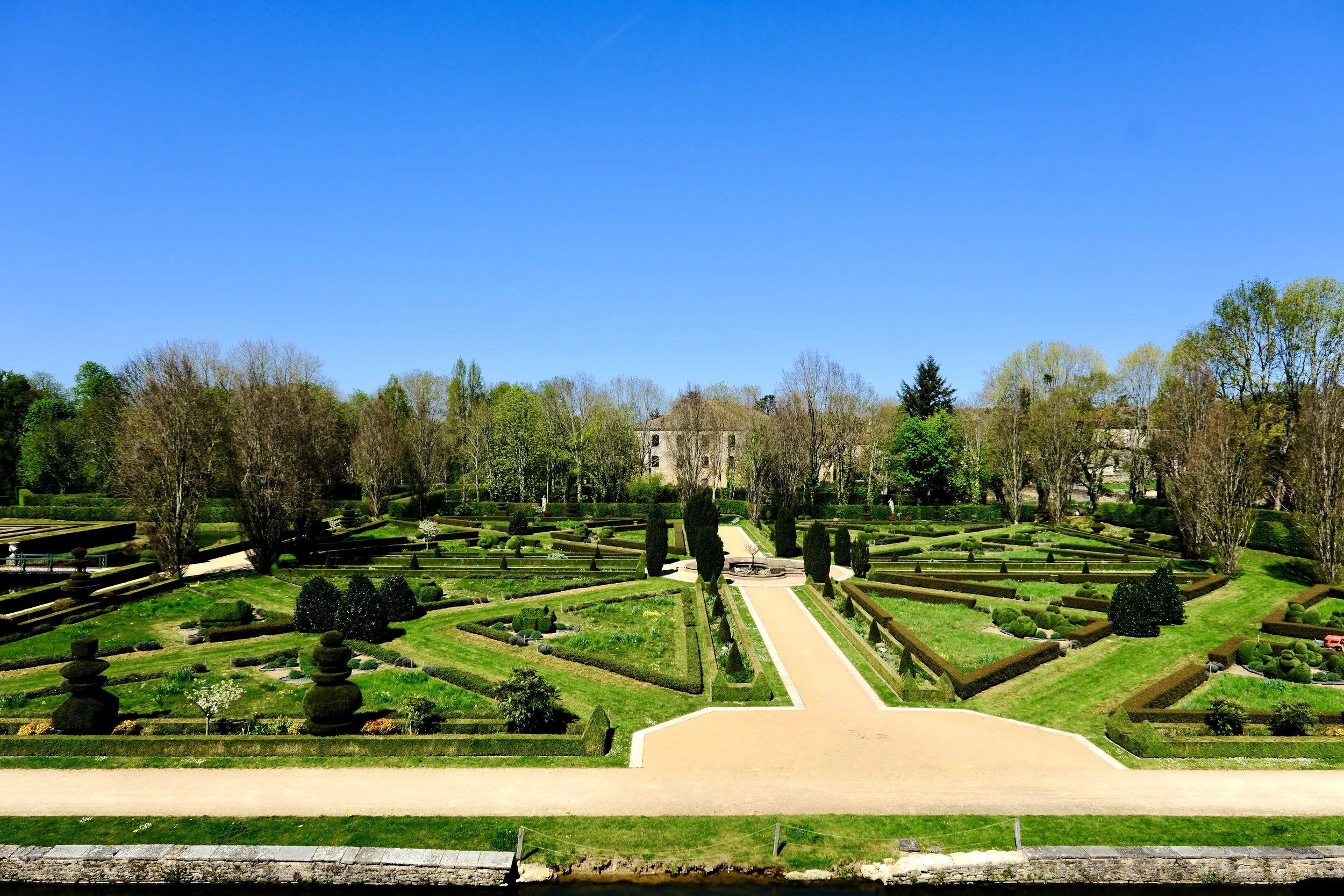
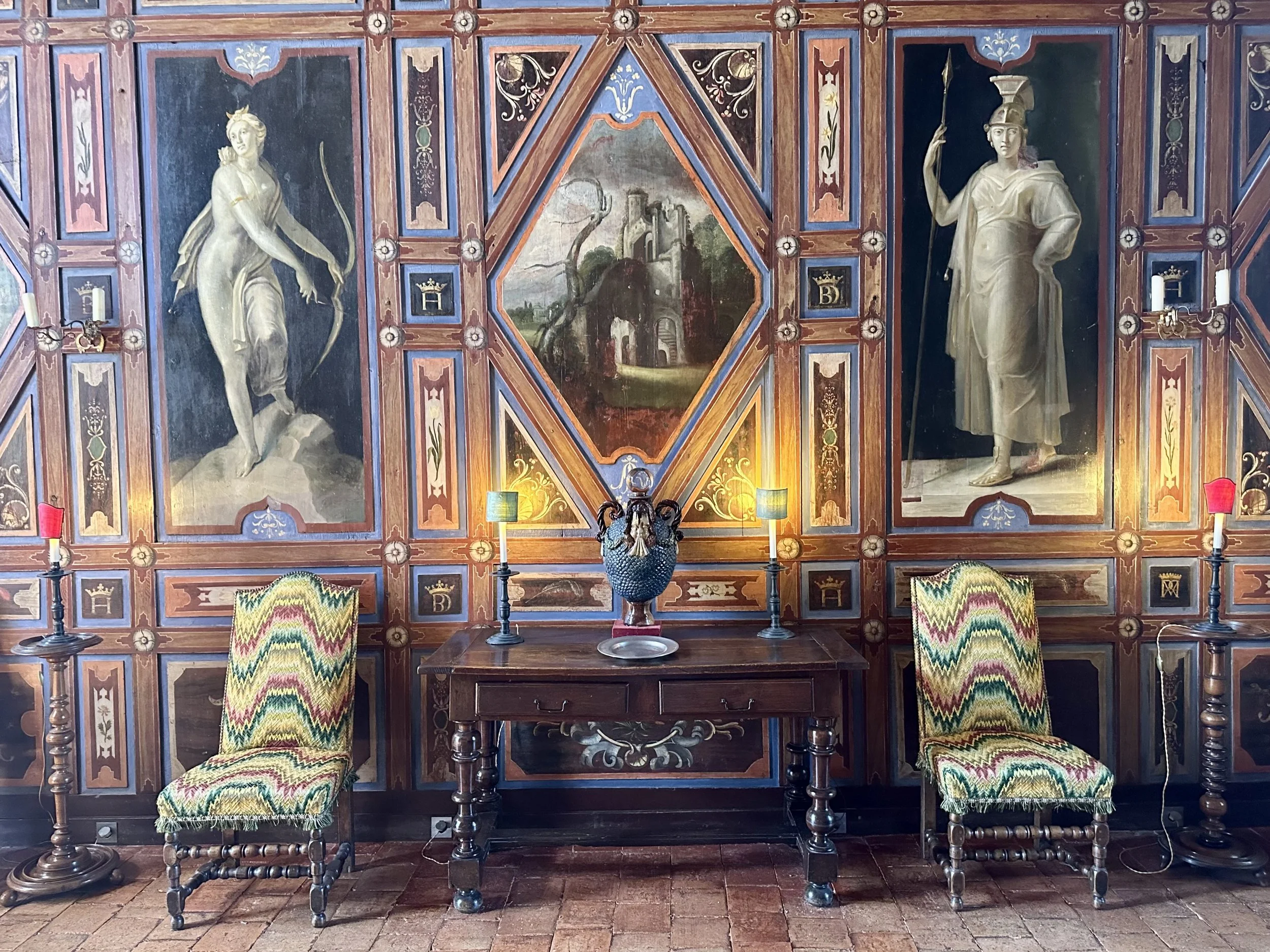
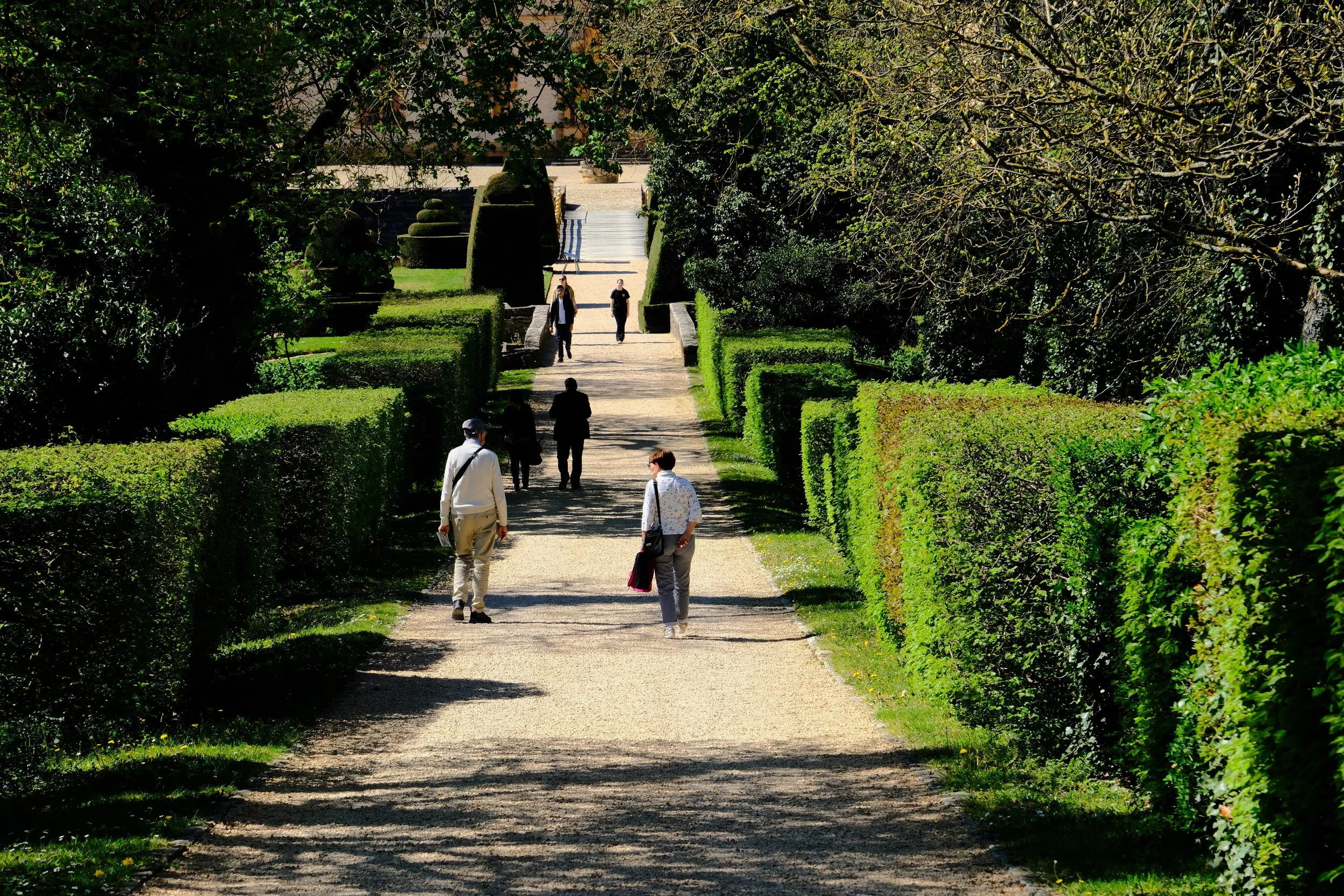
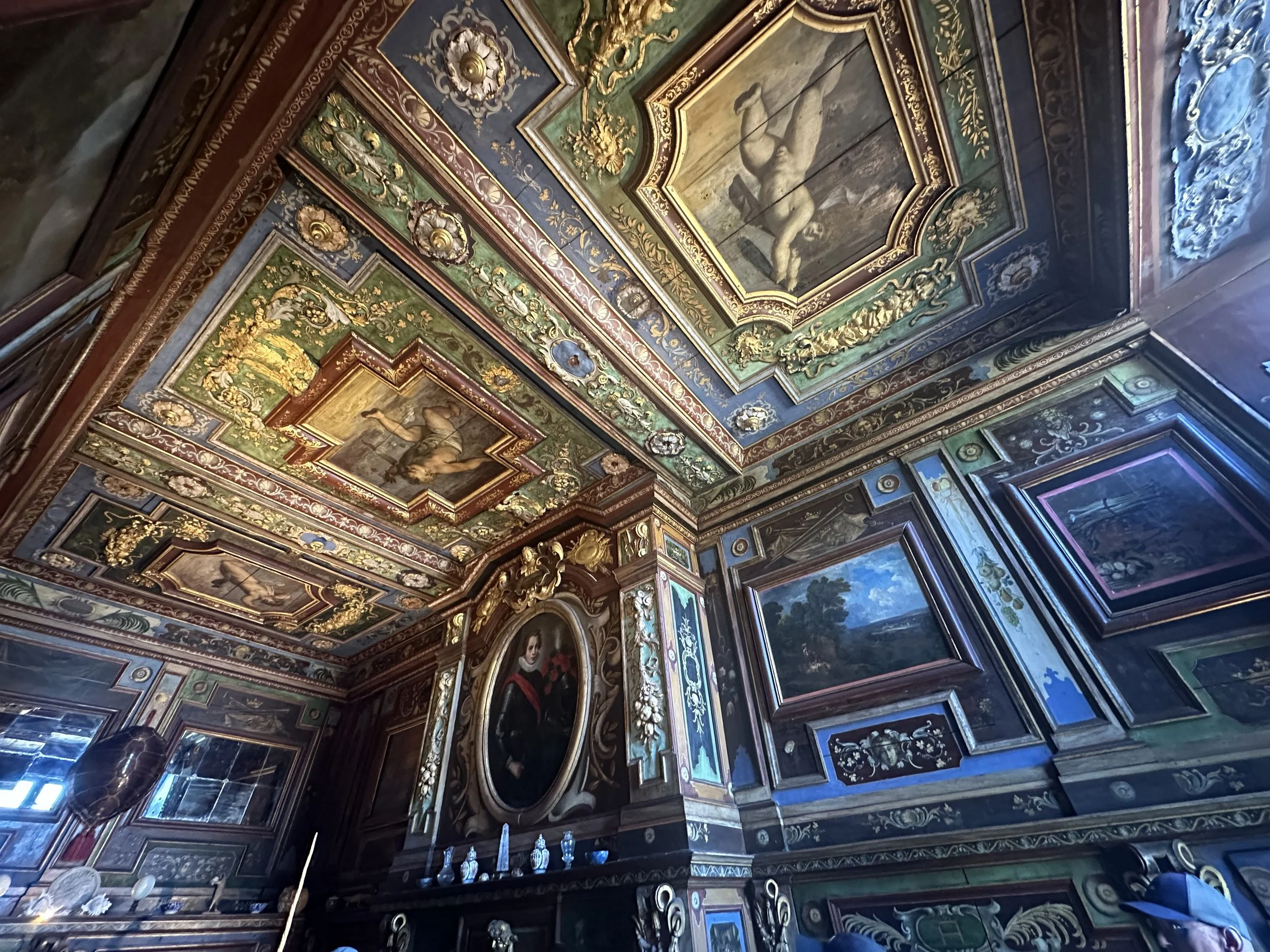
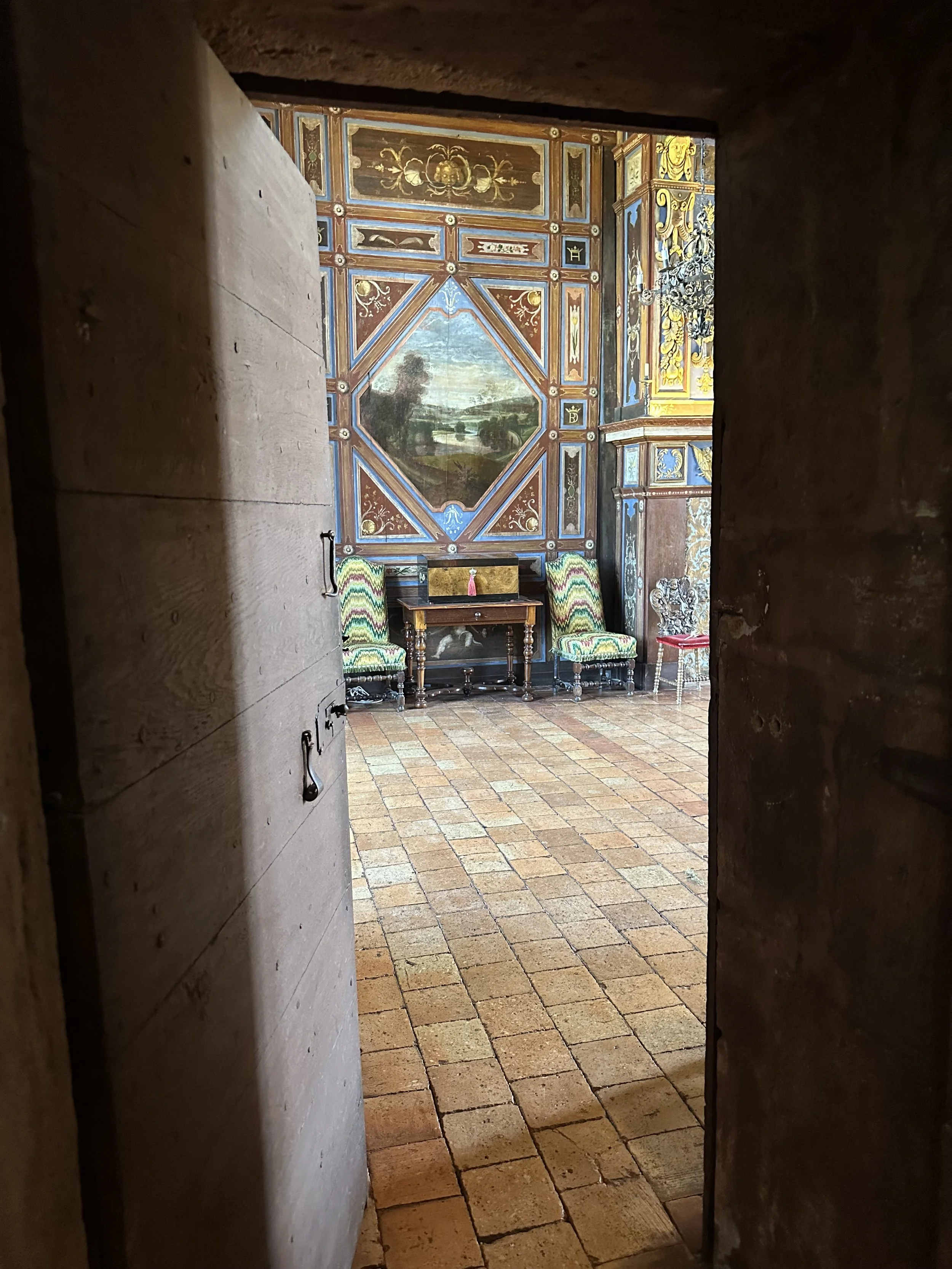
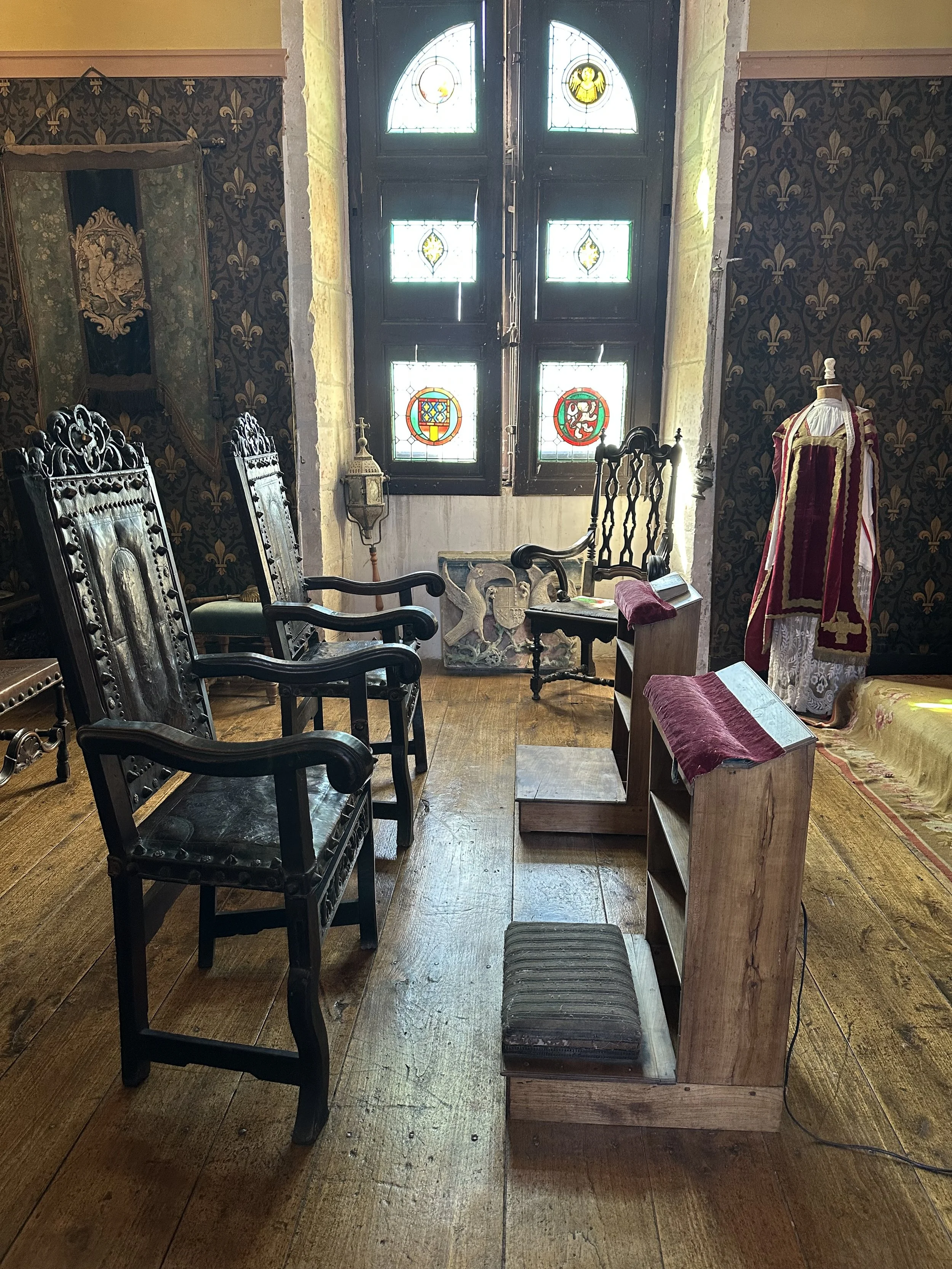
Starting in the 12th century, Cormatin was a castle – a fortress complete with a moat and drawbridge. Then, starting in the 16th century, it was rebuilt and modified to become a chateau, complete with extensive gardens and elaborate interior decorations. It remained in the same family for 29 generations, never being sold but often transferred via the female line.
At one point, when times were tough, one wing of the U-shaped chateau was rented out to a silk manufacturer, silk being a mainstay of the region. While doing modifications, he took down walls to make more room and demolished a staircase. The staircase proved to be a supporting element and the entire wing fell down.
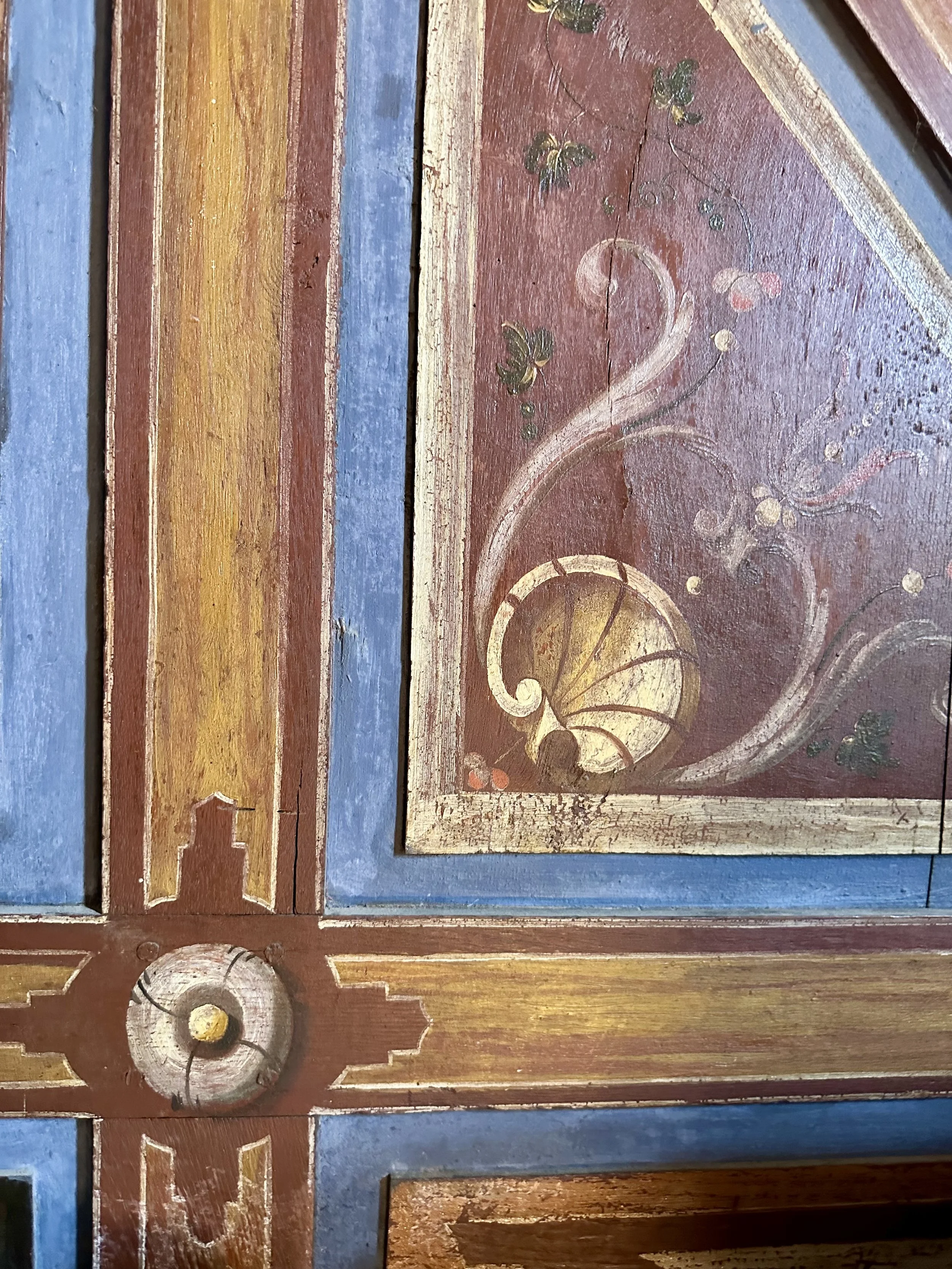
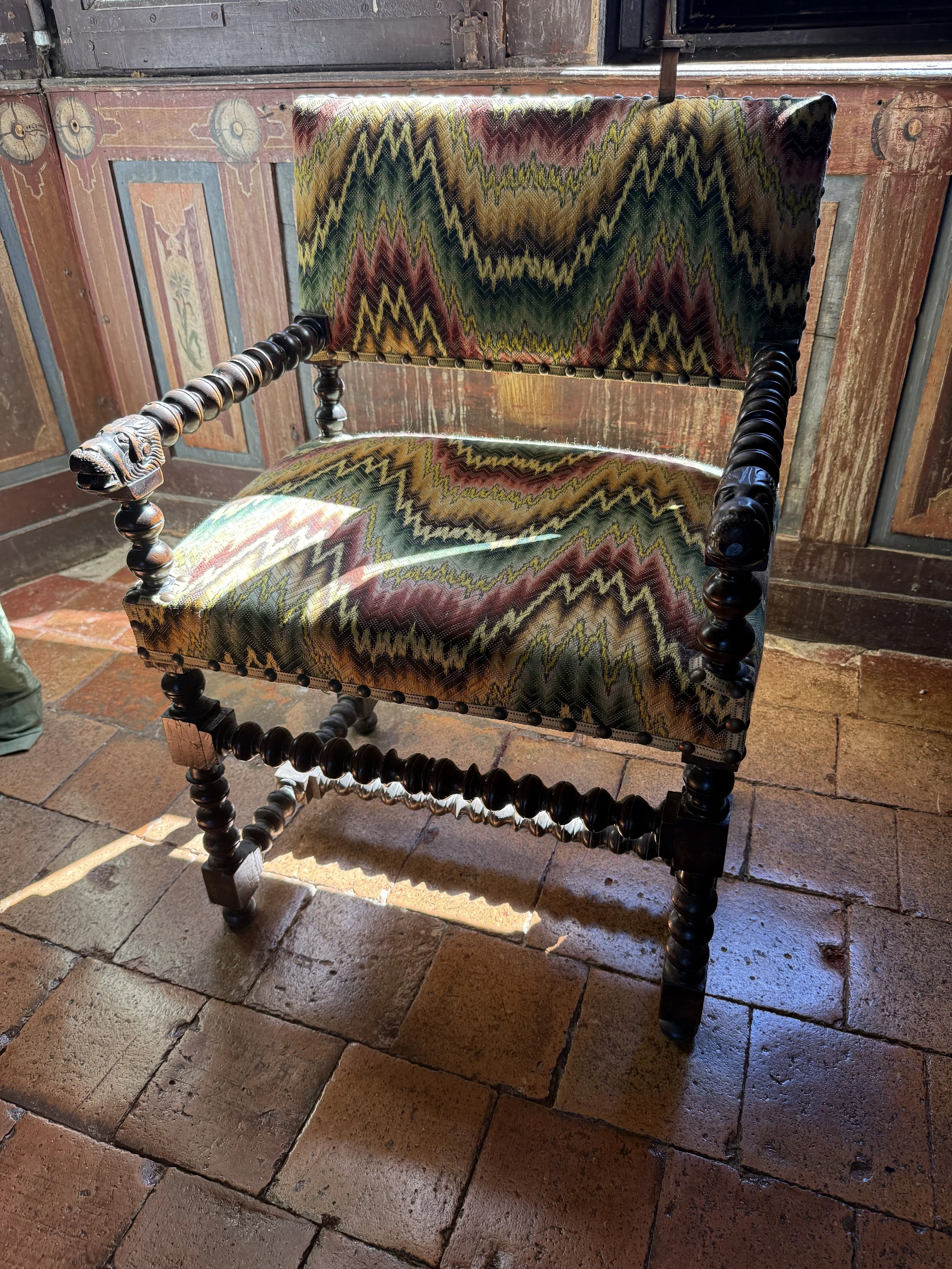
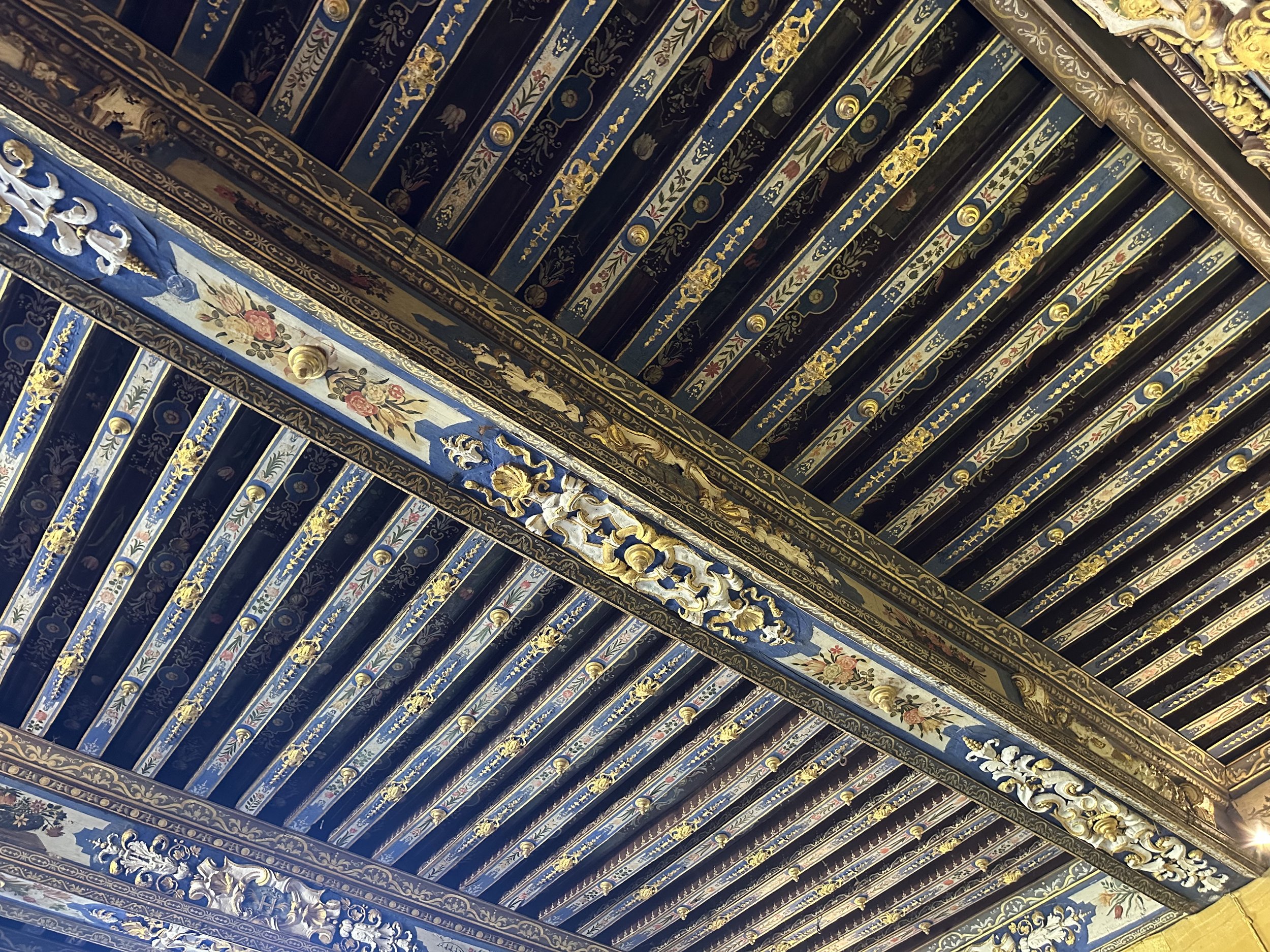
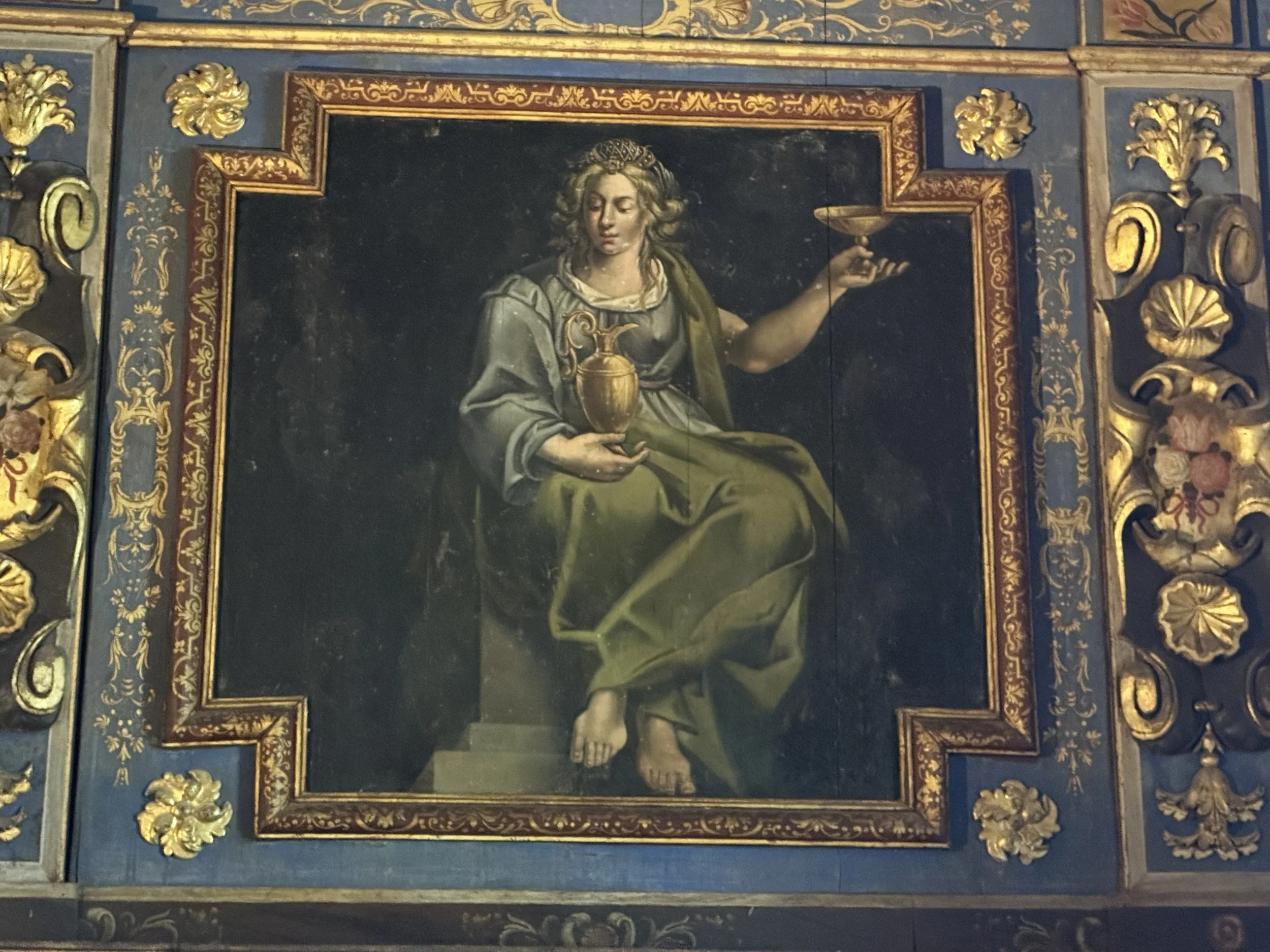
Cormatin lays claim of some of the only artwork from the 16th century that remains in its original site. All the rest is in museums.
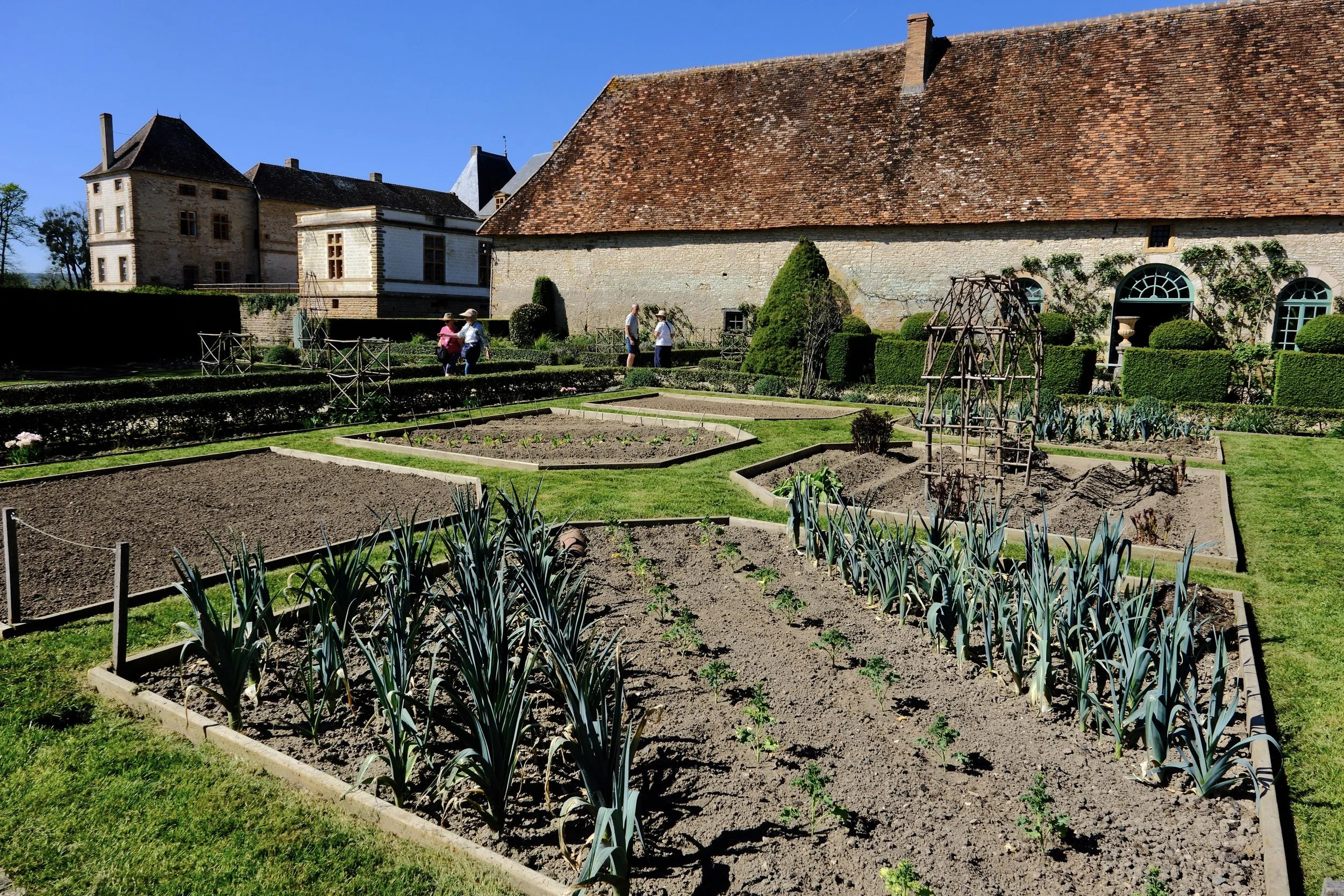
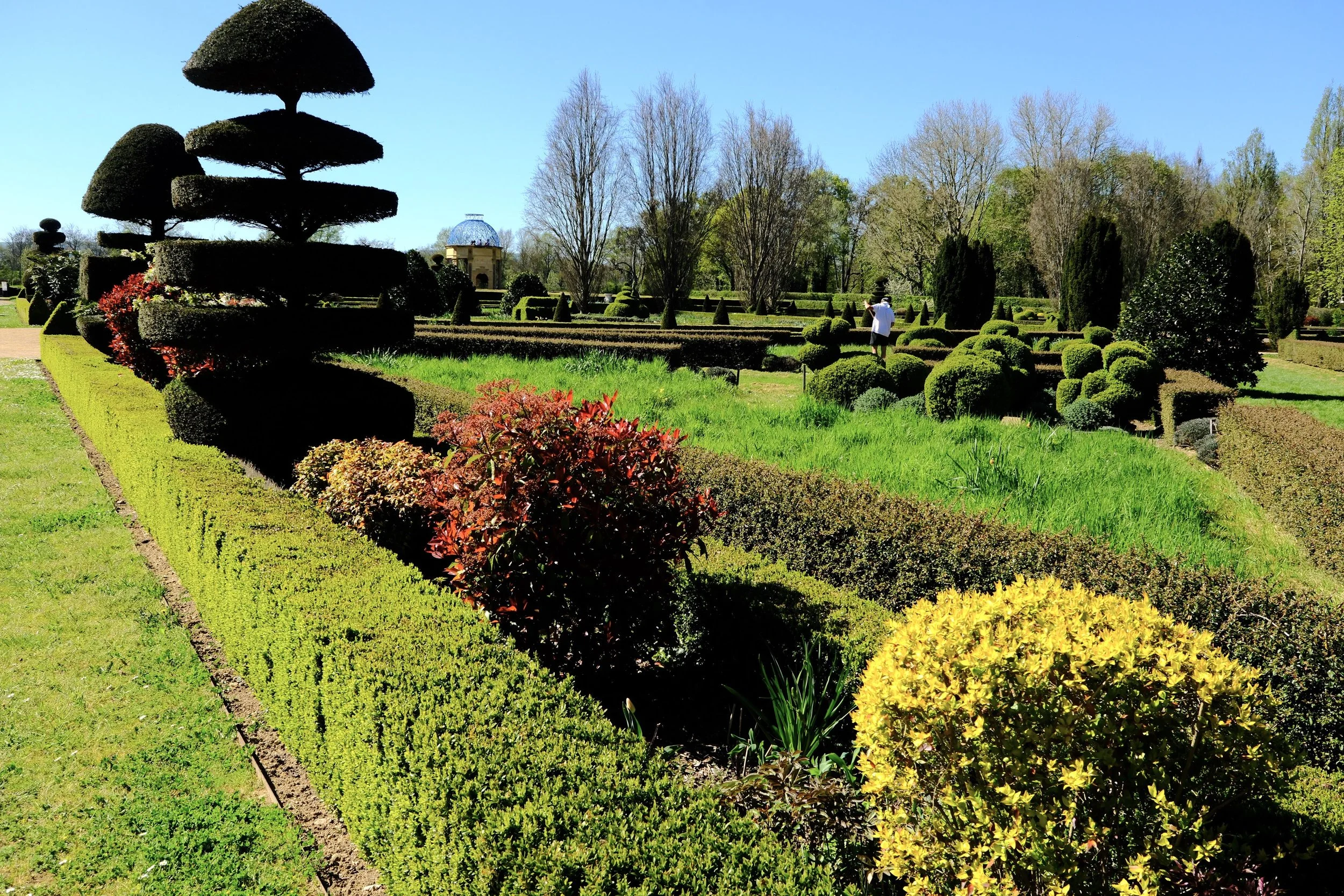
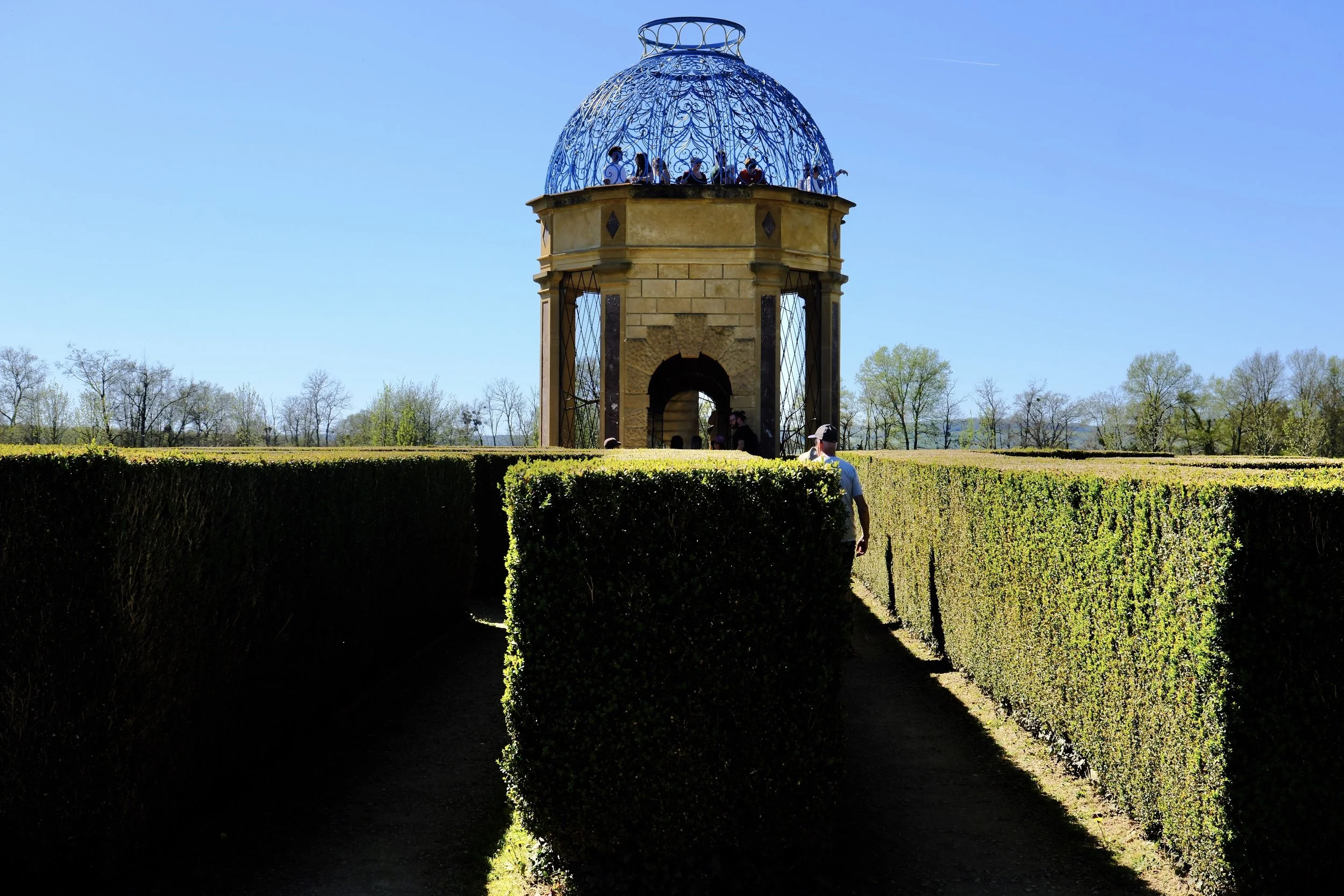
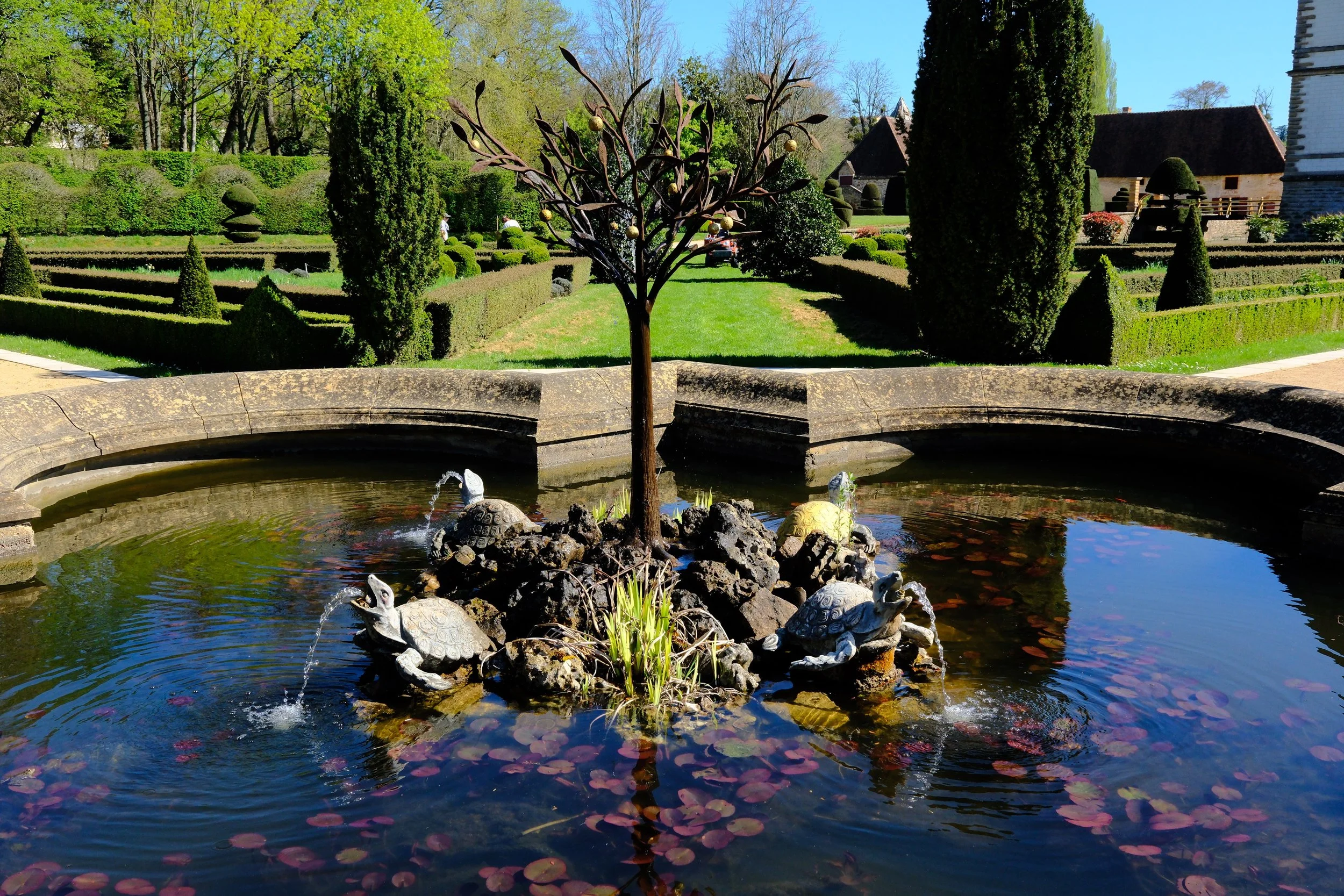
The site was purchased in 1980 by three art historians who have, with grant funding and admission revenues, rebuilt and restored the grounds. A big project was to re-dig the moat and to restore the gardens.
Throughout its history, Cormatin has been responsive to the current political climate. As a castle, it was operated to support the current king or current Duke of Burgundy. As a chateau, it was used as a way of showing off the wealth and taste of its owners. Much was done in the era of Louis XIV, the Sun King to adopt his style of architecture, art and gardens.
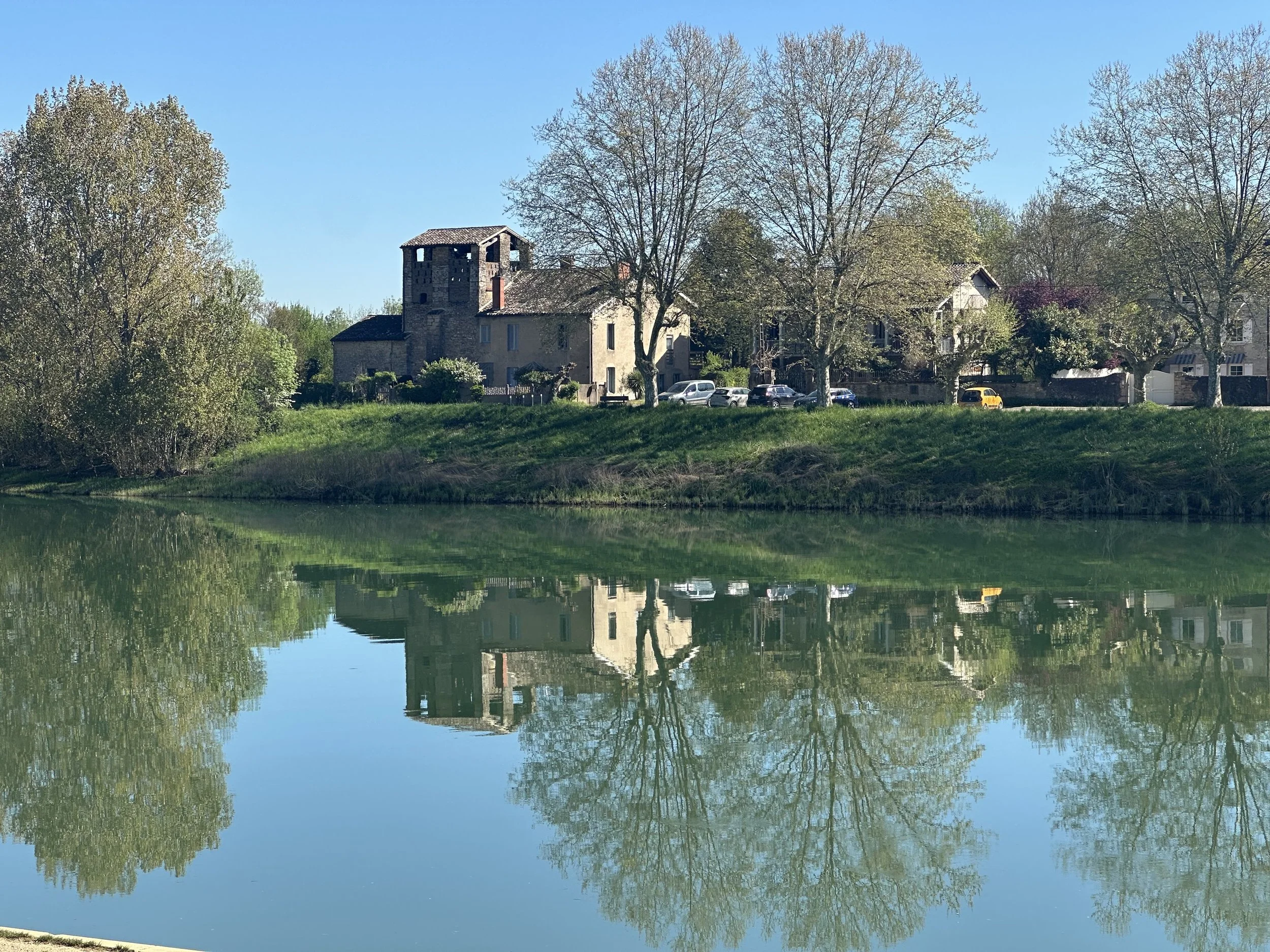
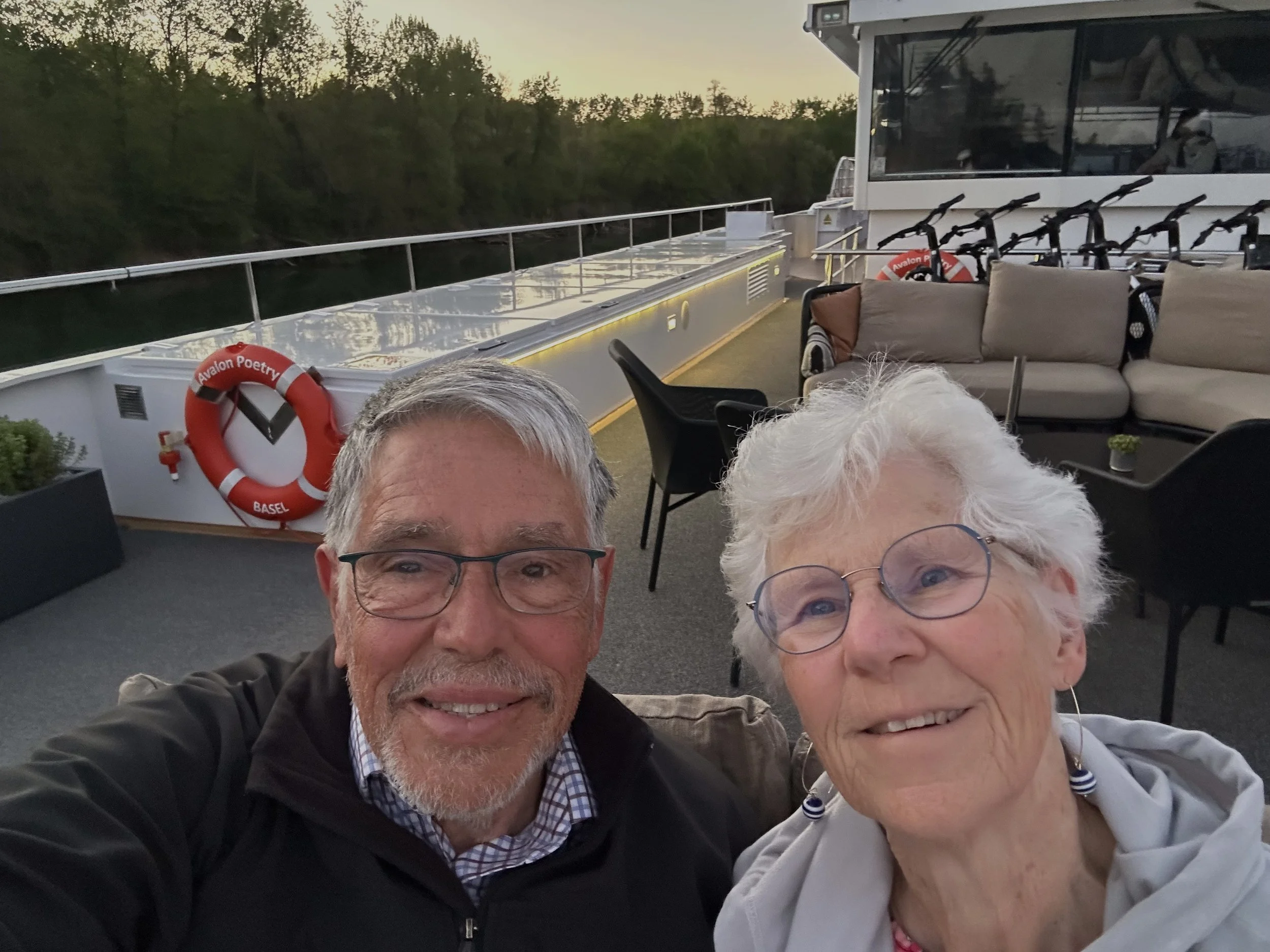
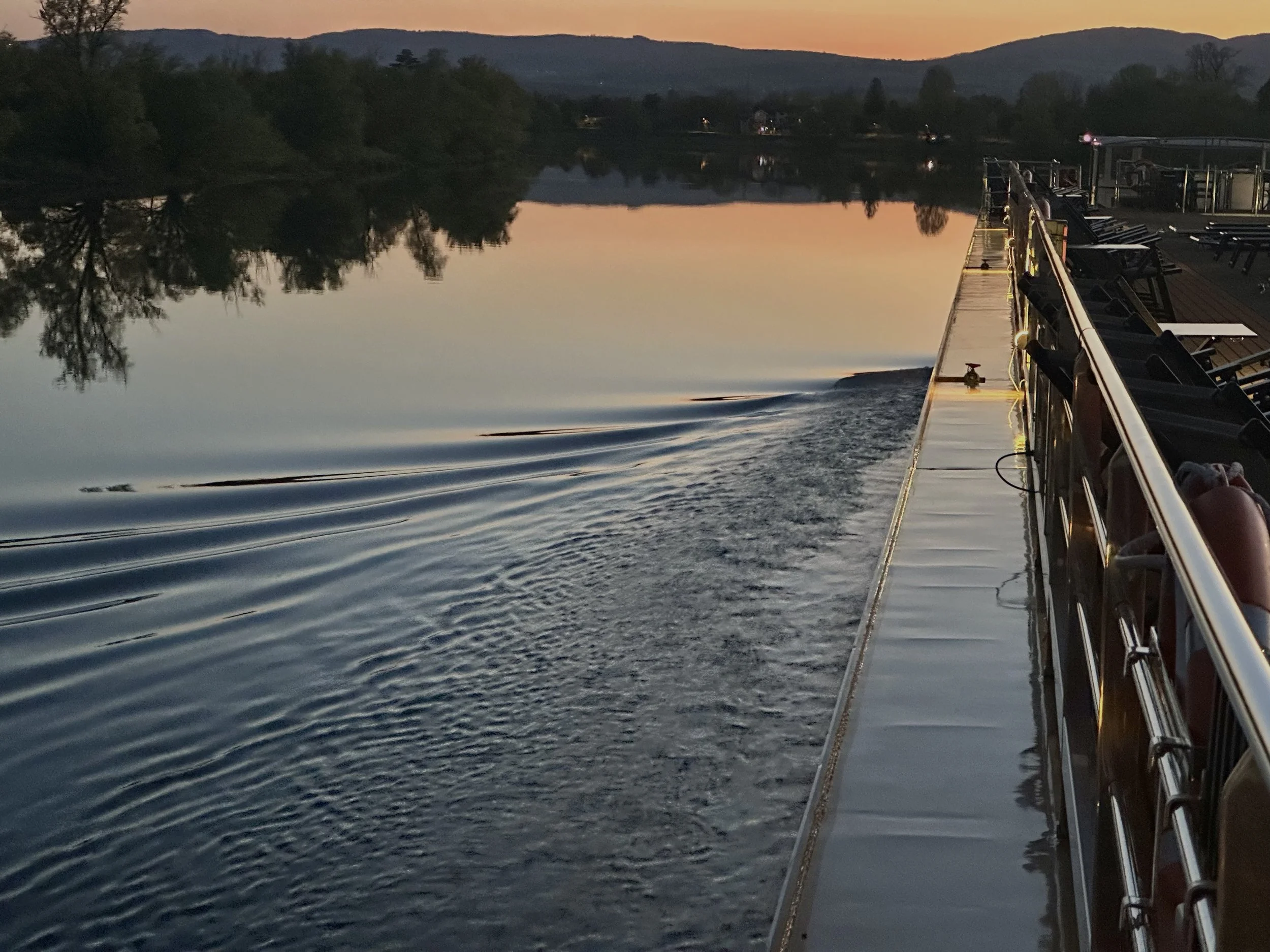
Judy and I skipped dessert tonight and went up on the top deck to watch us cruise down the river and enjoy the sunset. OK, we found a chocolate chip cookie on the way down to bed.
Tonight, we sail part way and tie up for the night. Then in the morning we continue on to arrive in Lyon (drop the n and hold your nose) around noon for a city tour.
If you’d like to be added to our mail list, fill out the form below. You’ll receive an email each time we make a new blog post.