Day 8 – April 6, 2026 – Roche-Guyon Castle
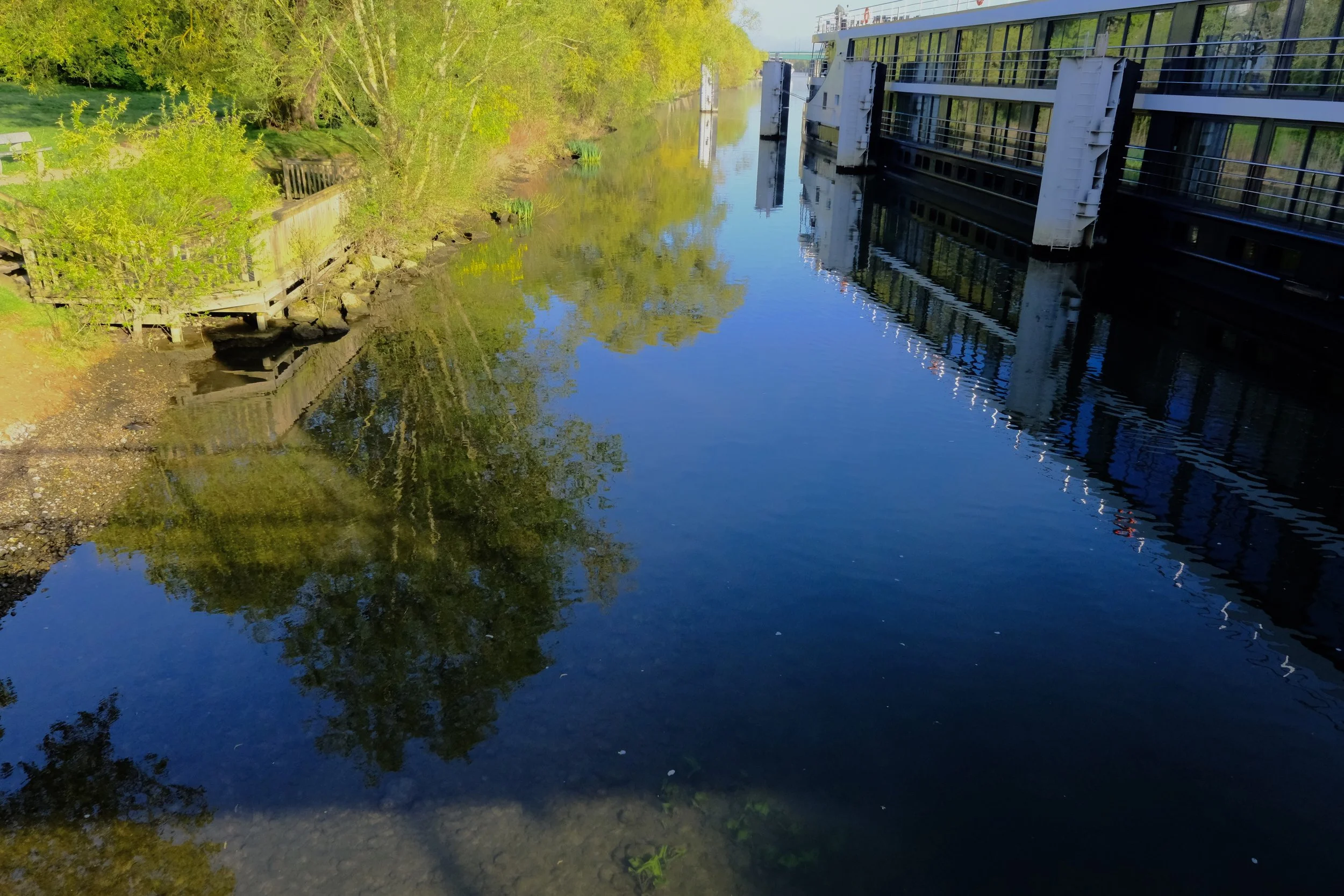
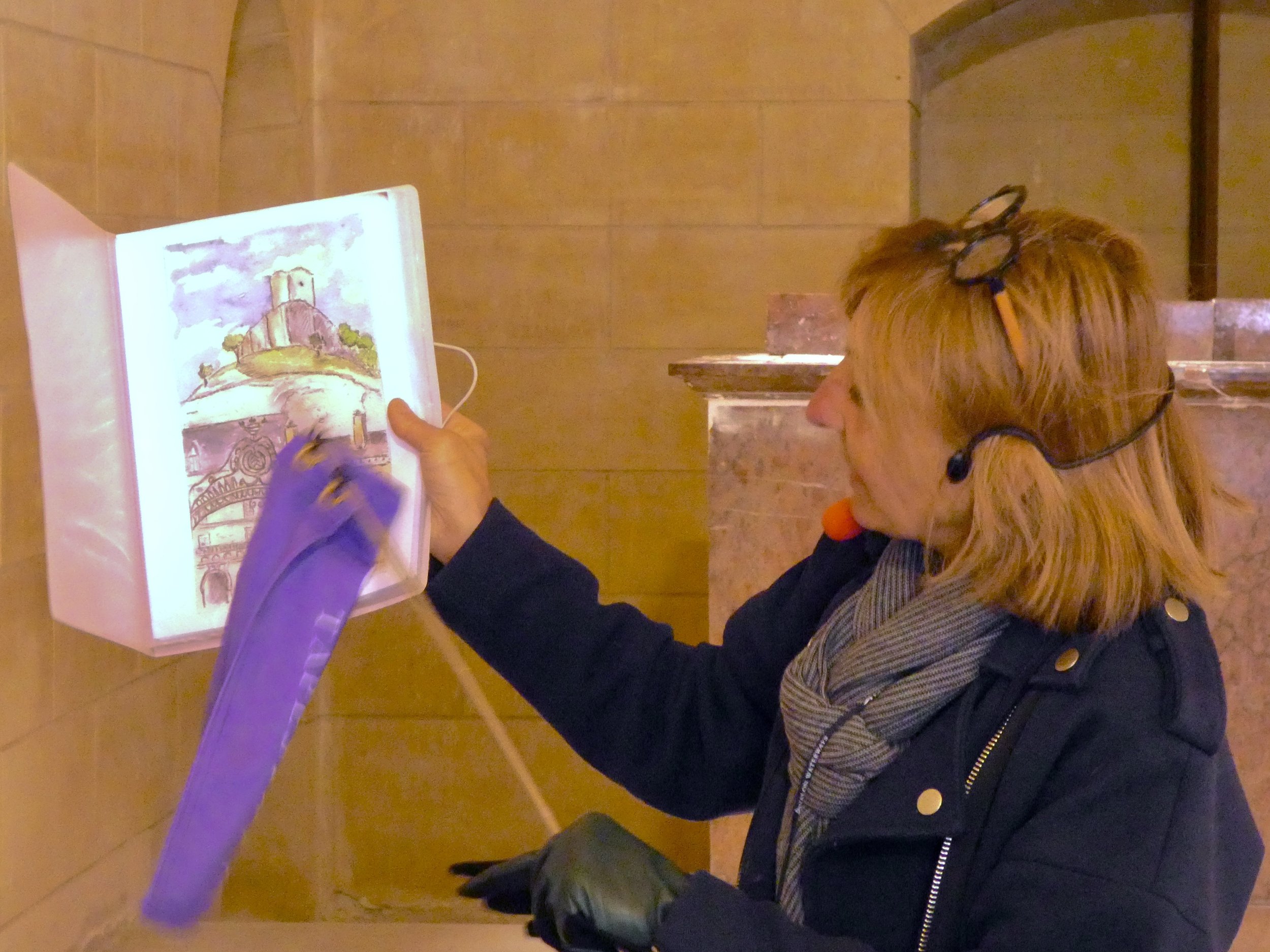
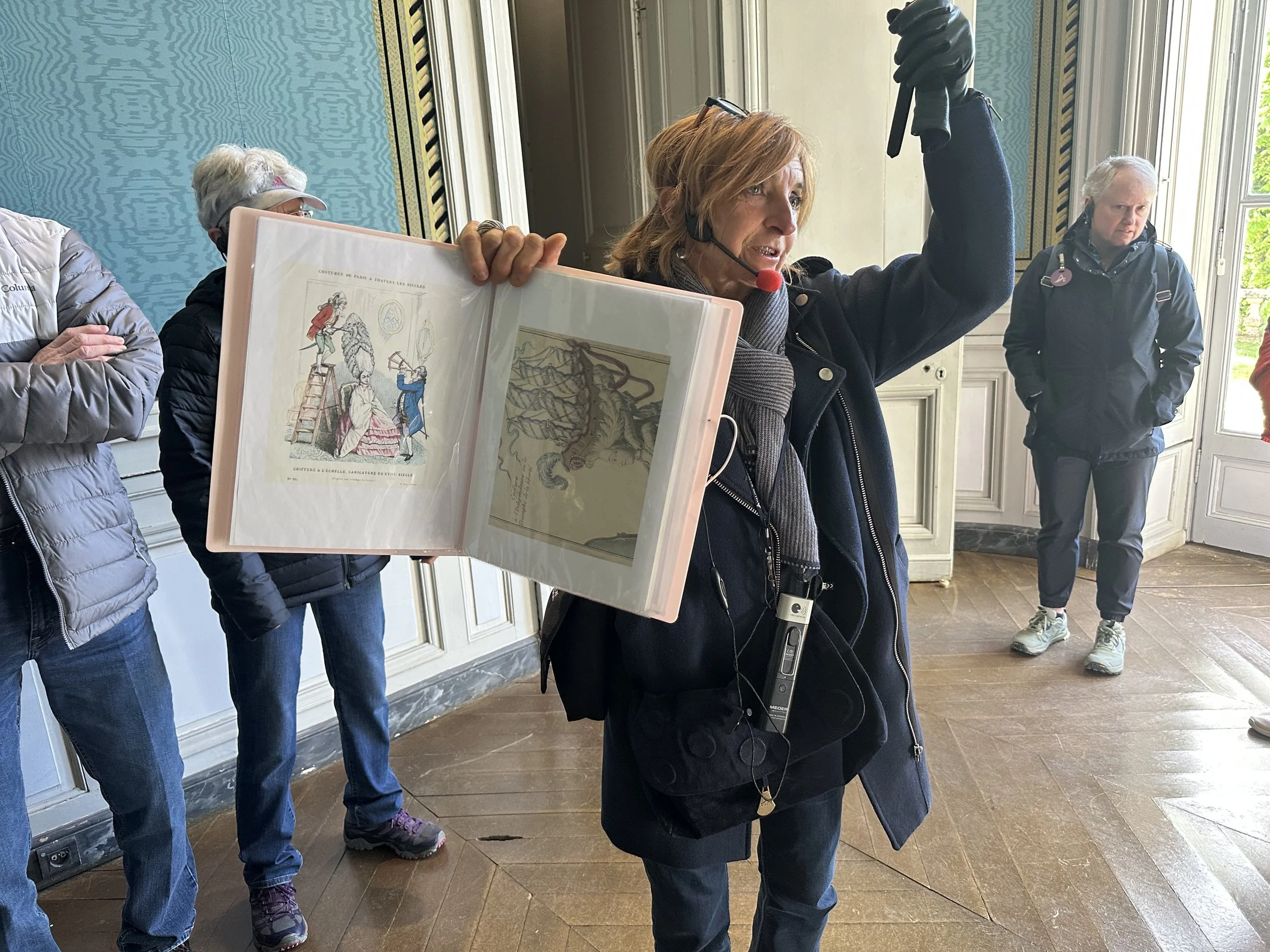
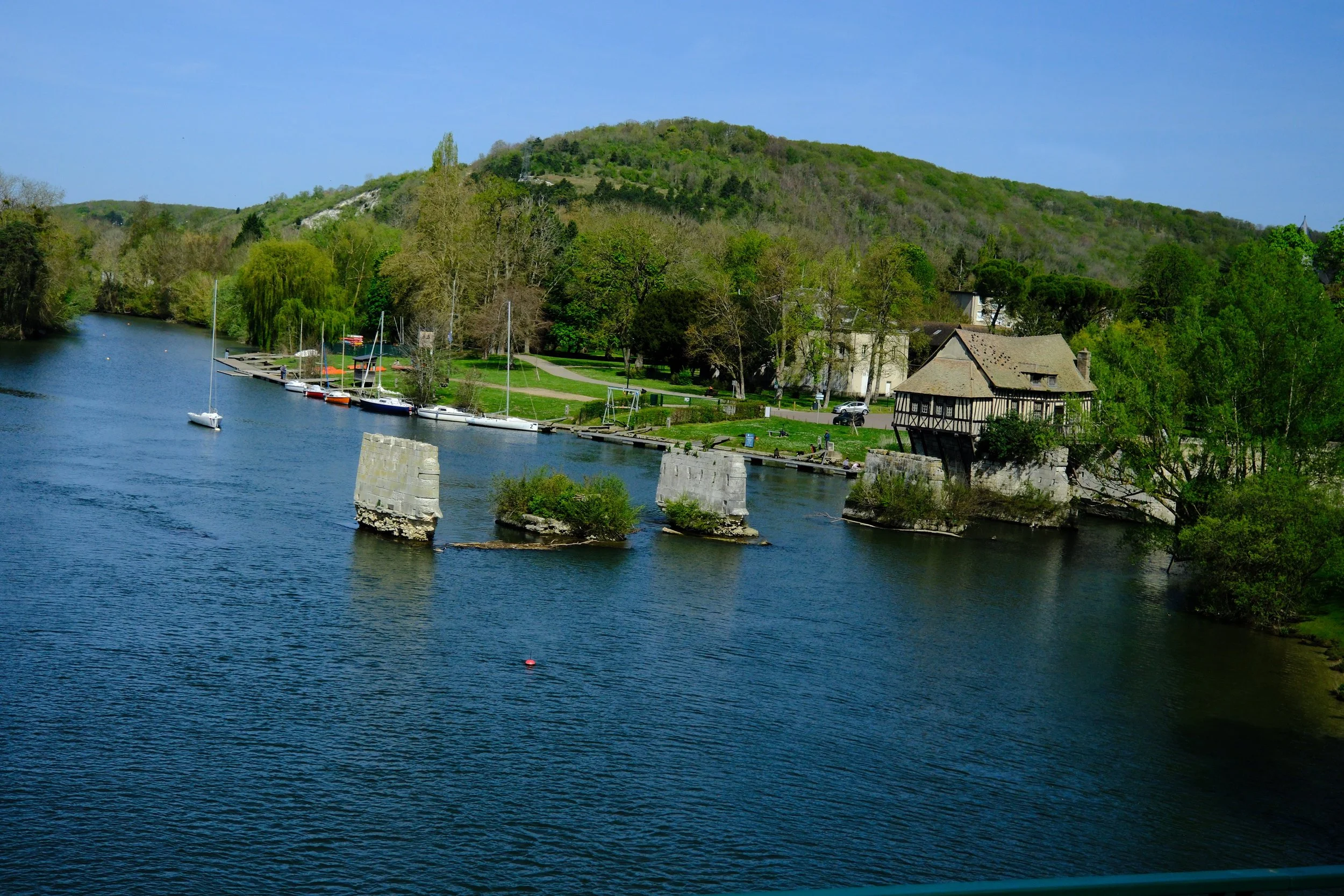
The Tapestry II is docked at the town of Vernon, half way back to Paris and right on the edge of the Normandie border. Our guide this morning, a native of Vernon, instructed us in proper French pronunciation. “Vernon” is pronounced “Vare-no” with the “no” pronounced while holding one’s nose with two fingers. Rouen, is pronounced “roo” plus a sound like a satisfied pigeon cooing at the end, a sound effect she could produce effortlessly but which escapes me entirely. She also told us to be careful in telling a lady she’s gorgeous. That’s a term from the French which refers to certain of madame’s anatomical features. I’m trying to keep this G rated. Our guide didn’t.
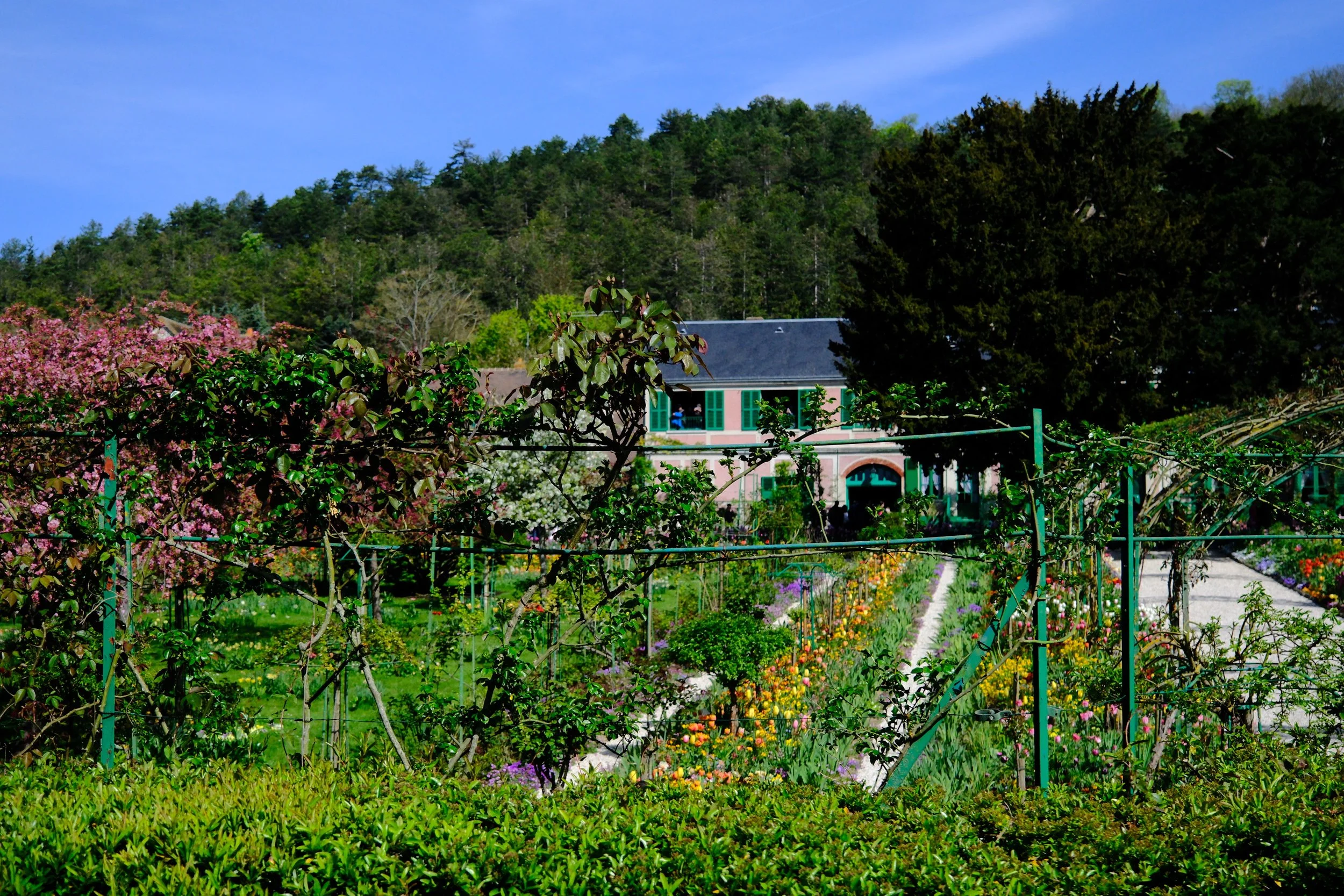
Today is mostly a travel day but before pushing off from Vernon we were given the choice of visiting Monet’s Giverny or La Roche-Guyon in which is located the castle by the same name. Memory lane only goes so far and since we have t-shirts from our visit to Giverny with Reagan, we opted for something new. We did get a glimpse of Monet’s house and gardens from the bus as we passed by this morning.
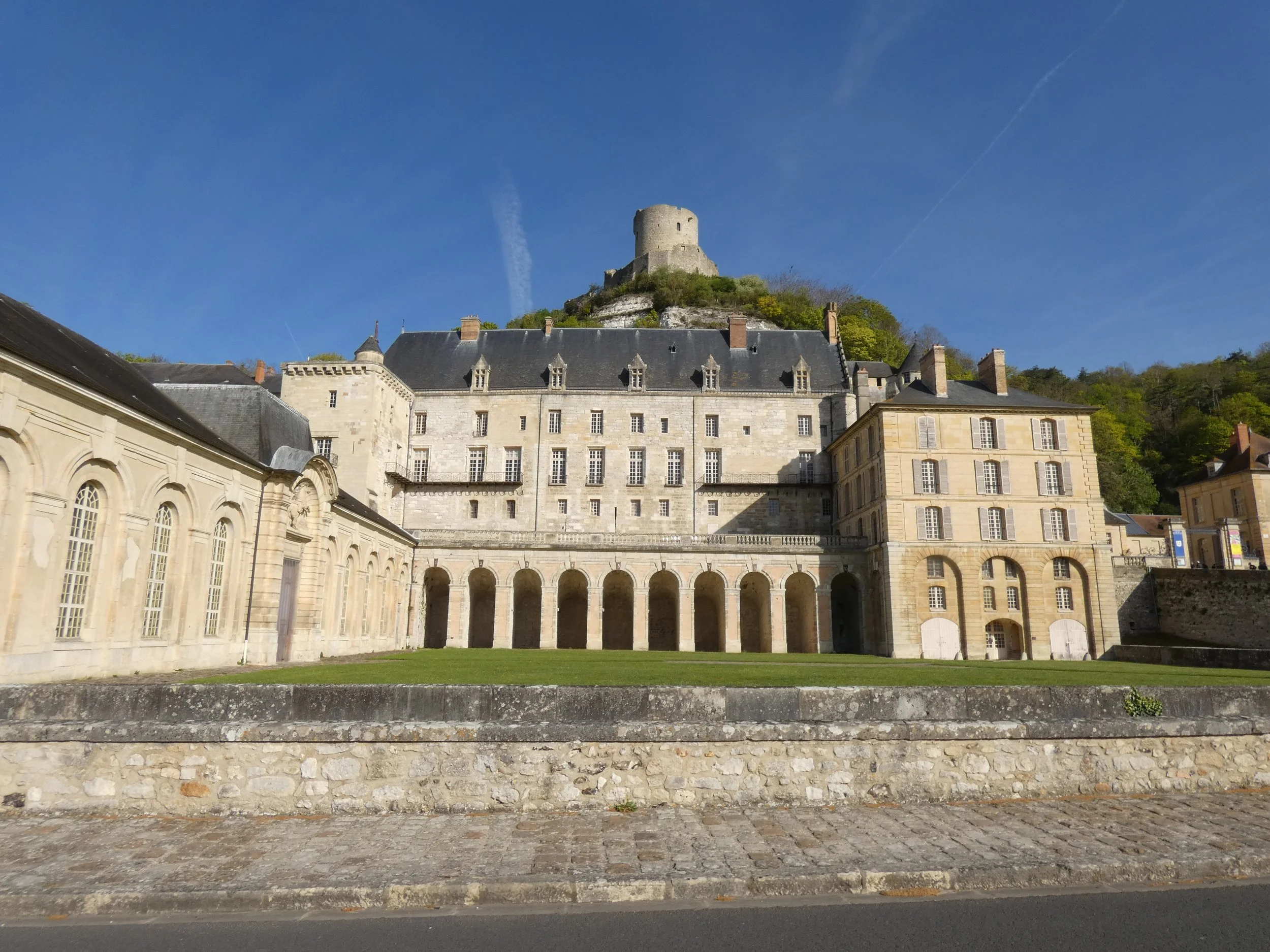
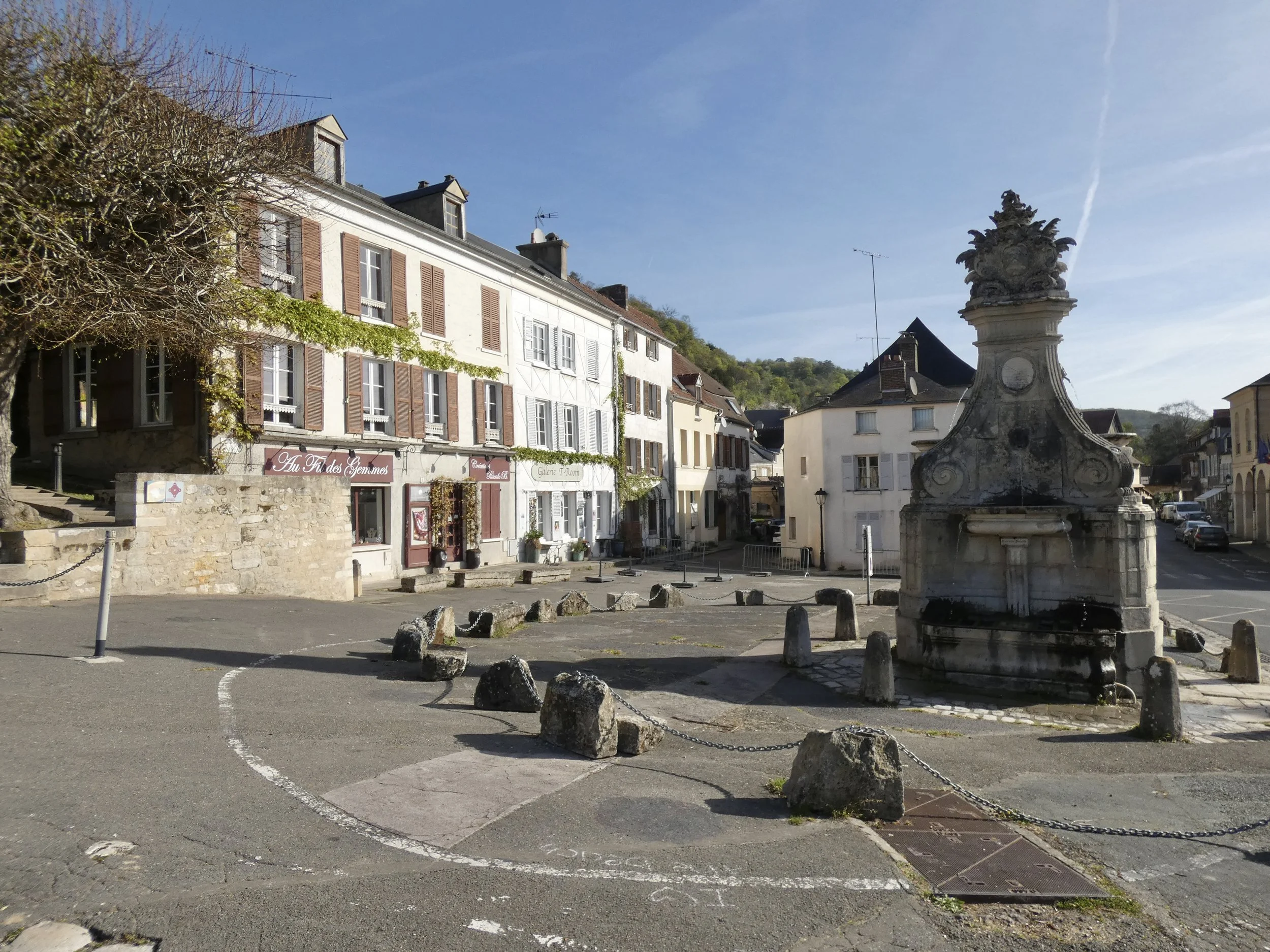
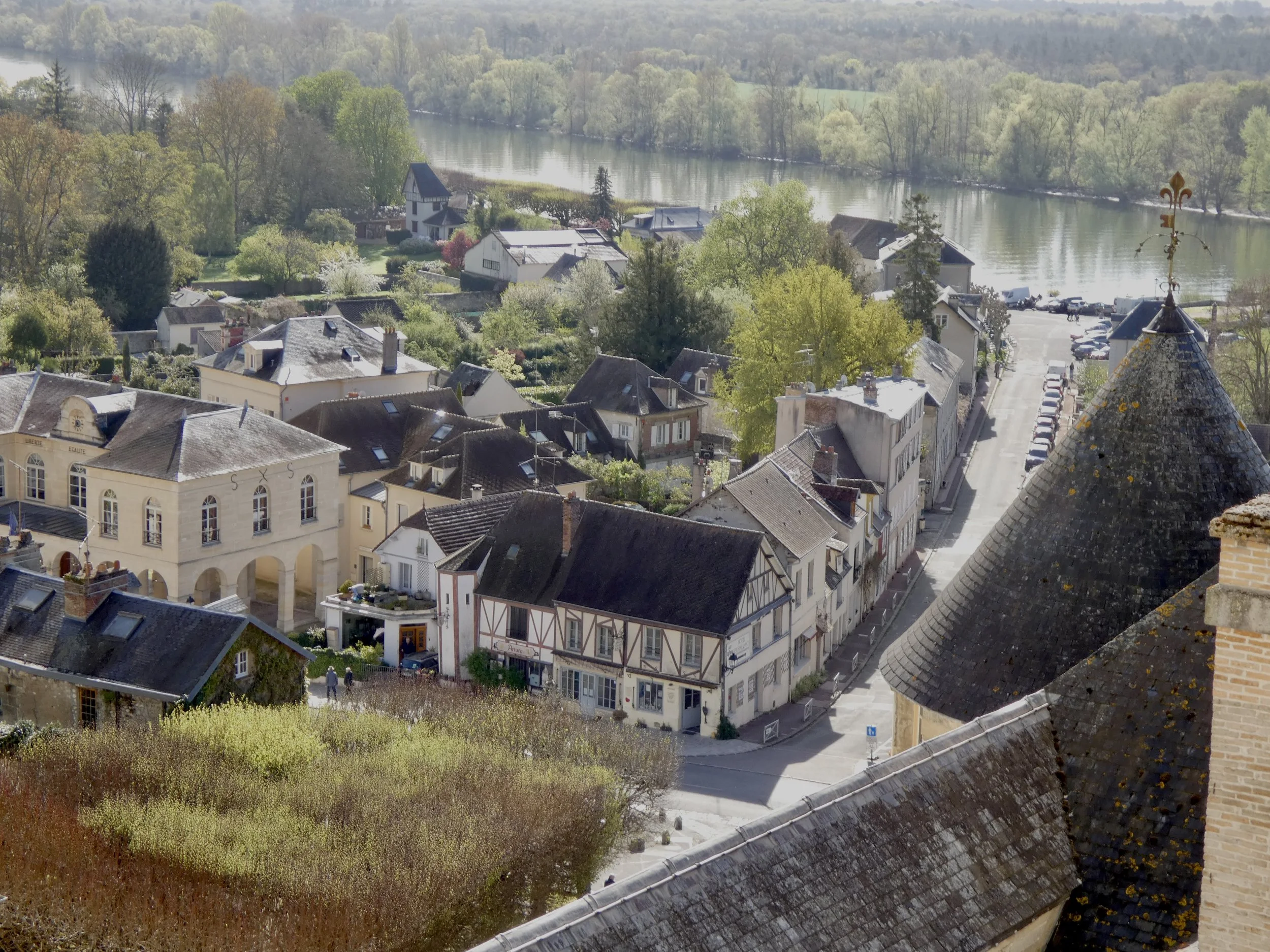
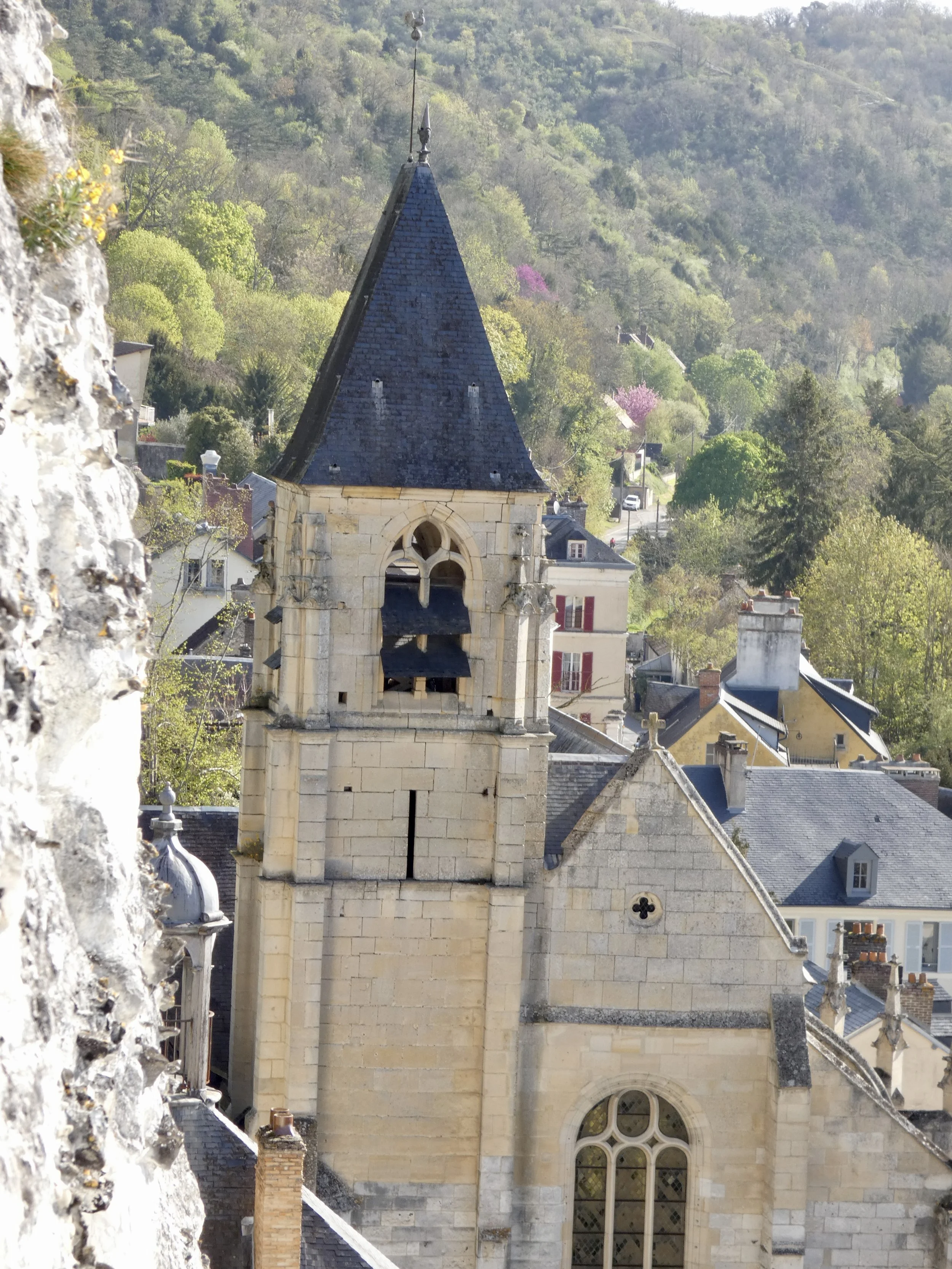
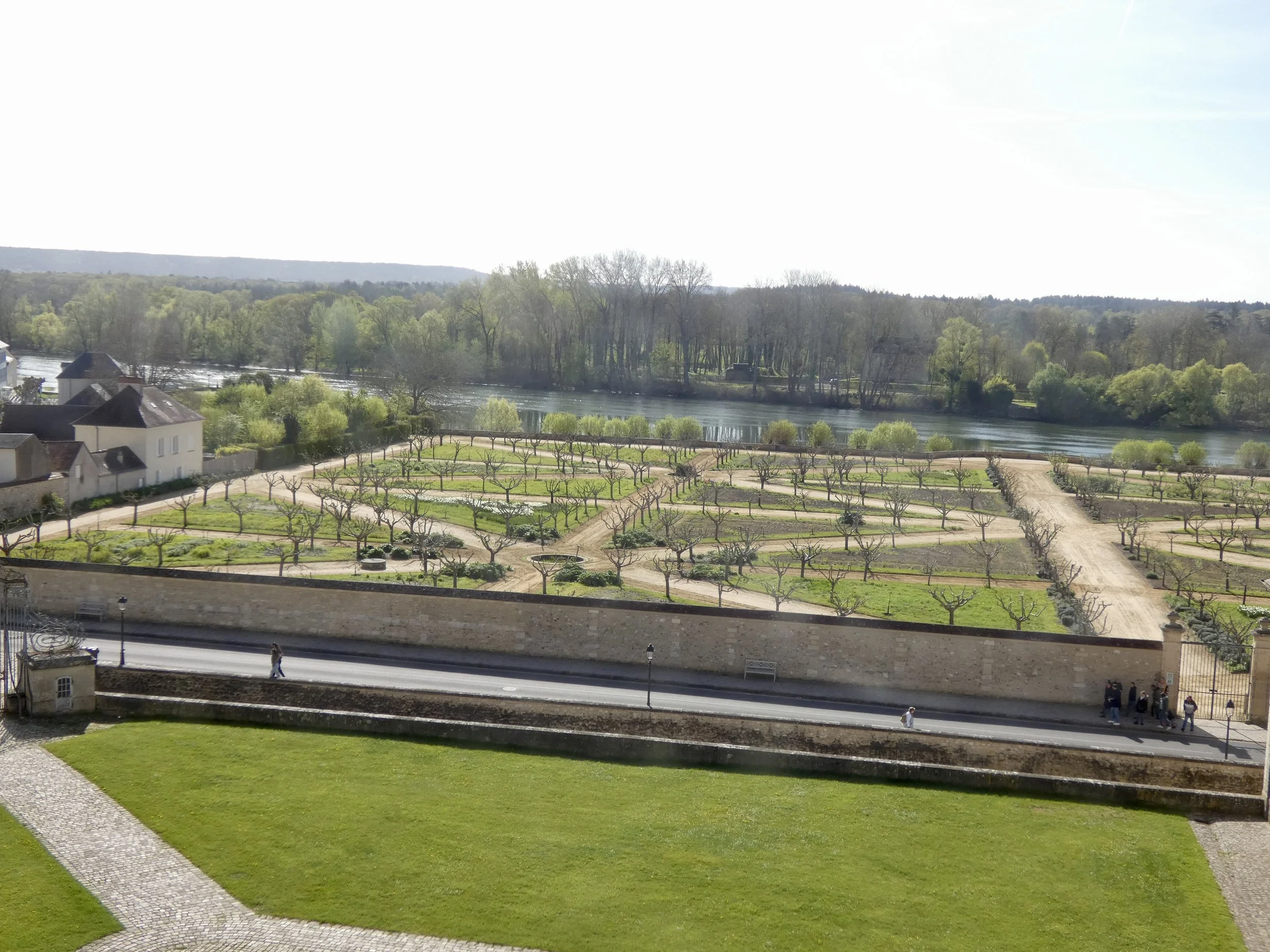
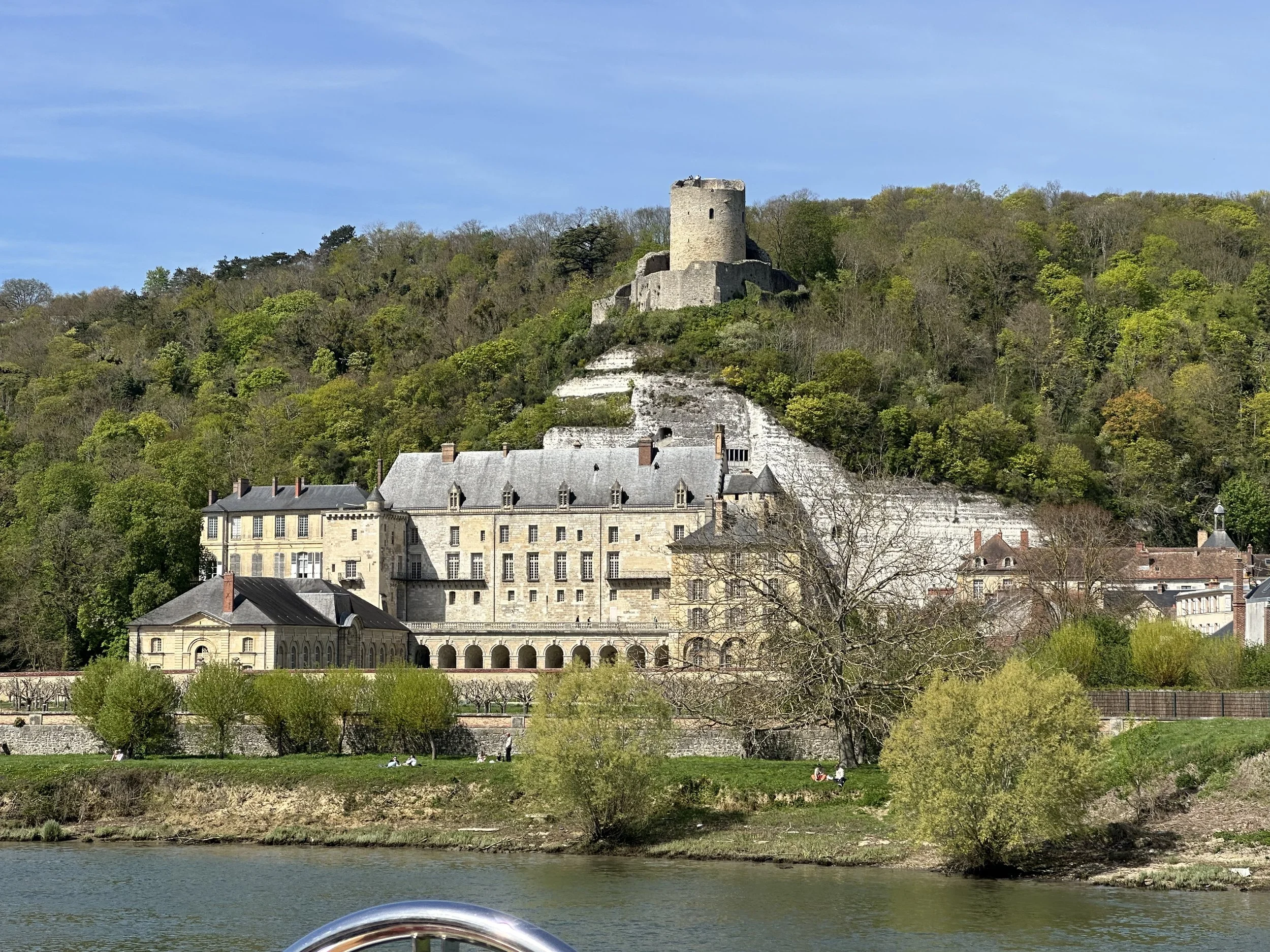
La Roche-Guyon has been awarded membership in The Most Beautiful Villages of France, one of 150 out of 27,000 villages in France. Its beauty is what attracted Monet and his Impressionist buddies to this area.
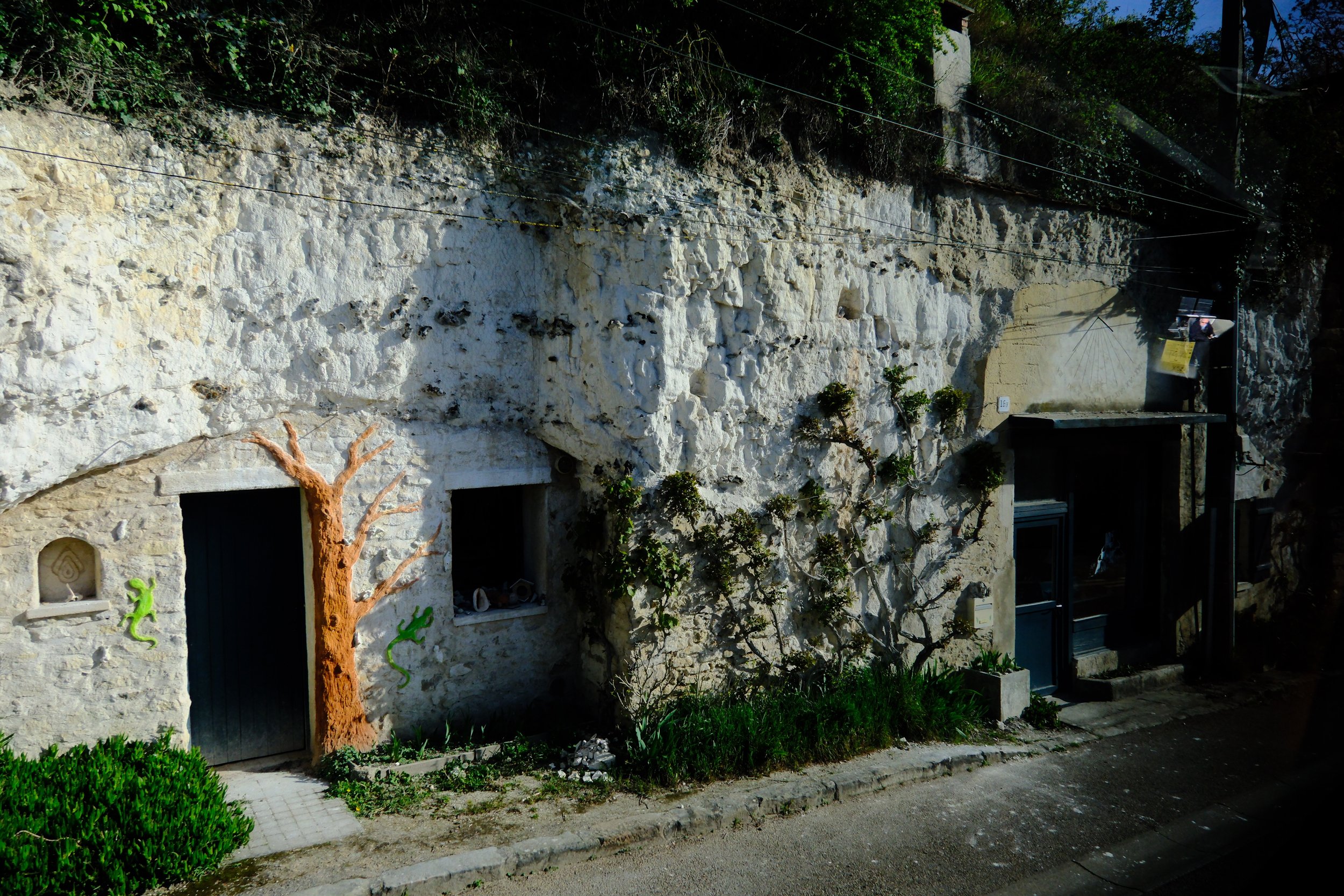
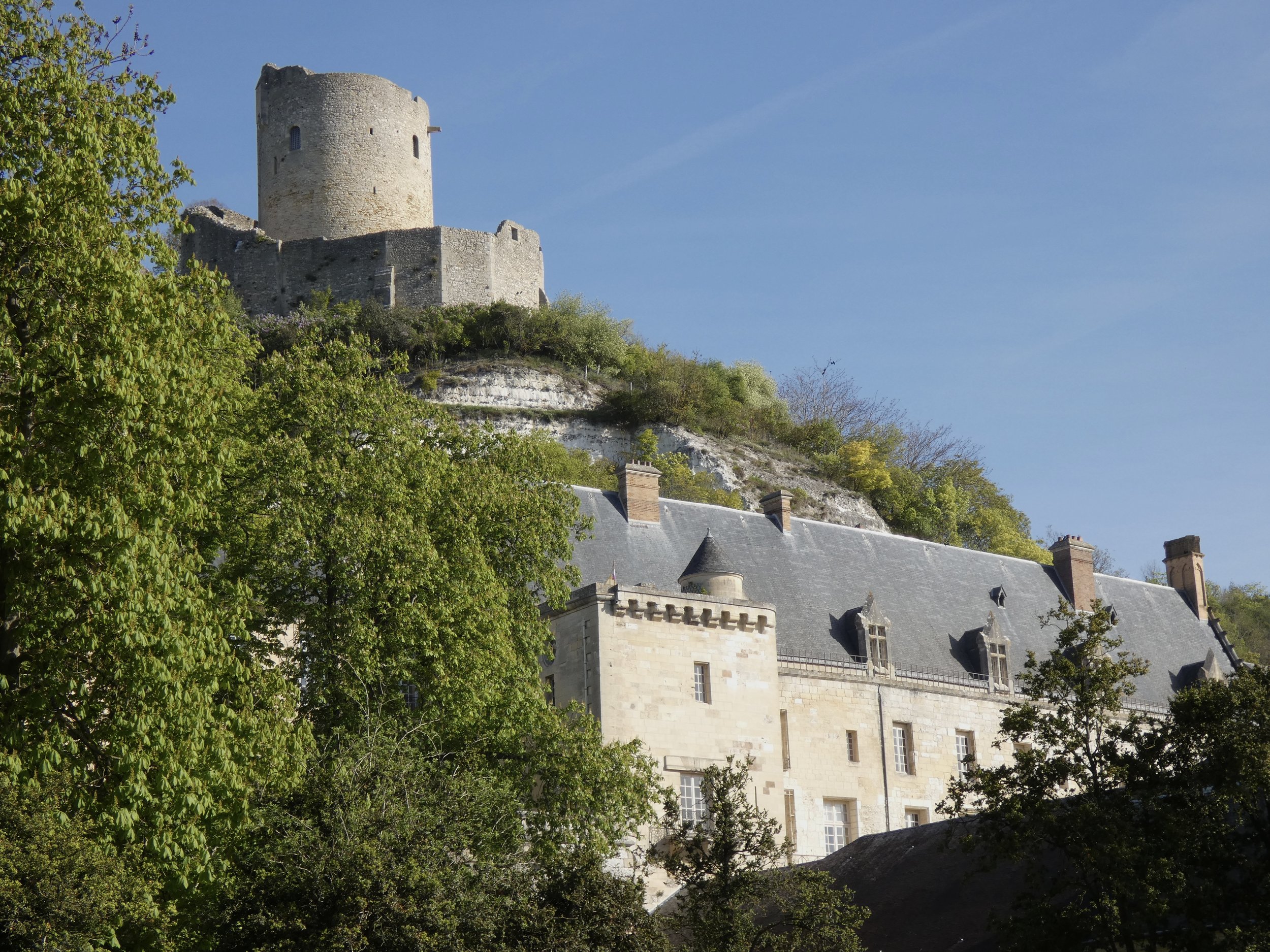
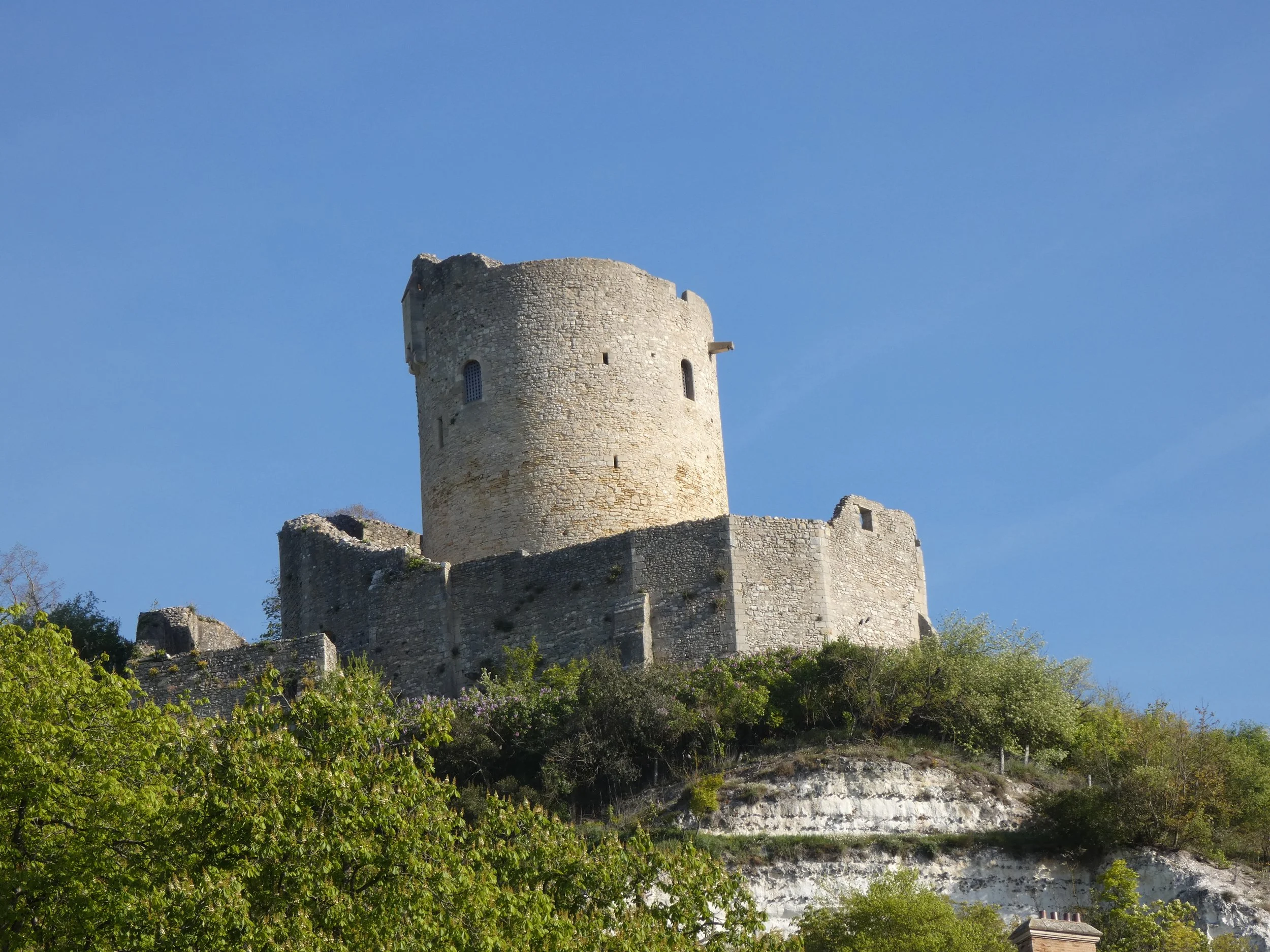
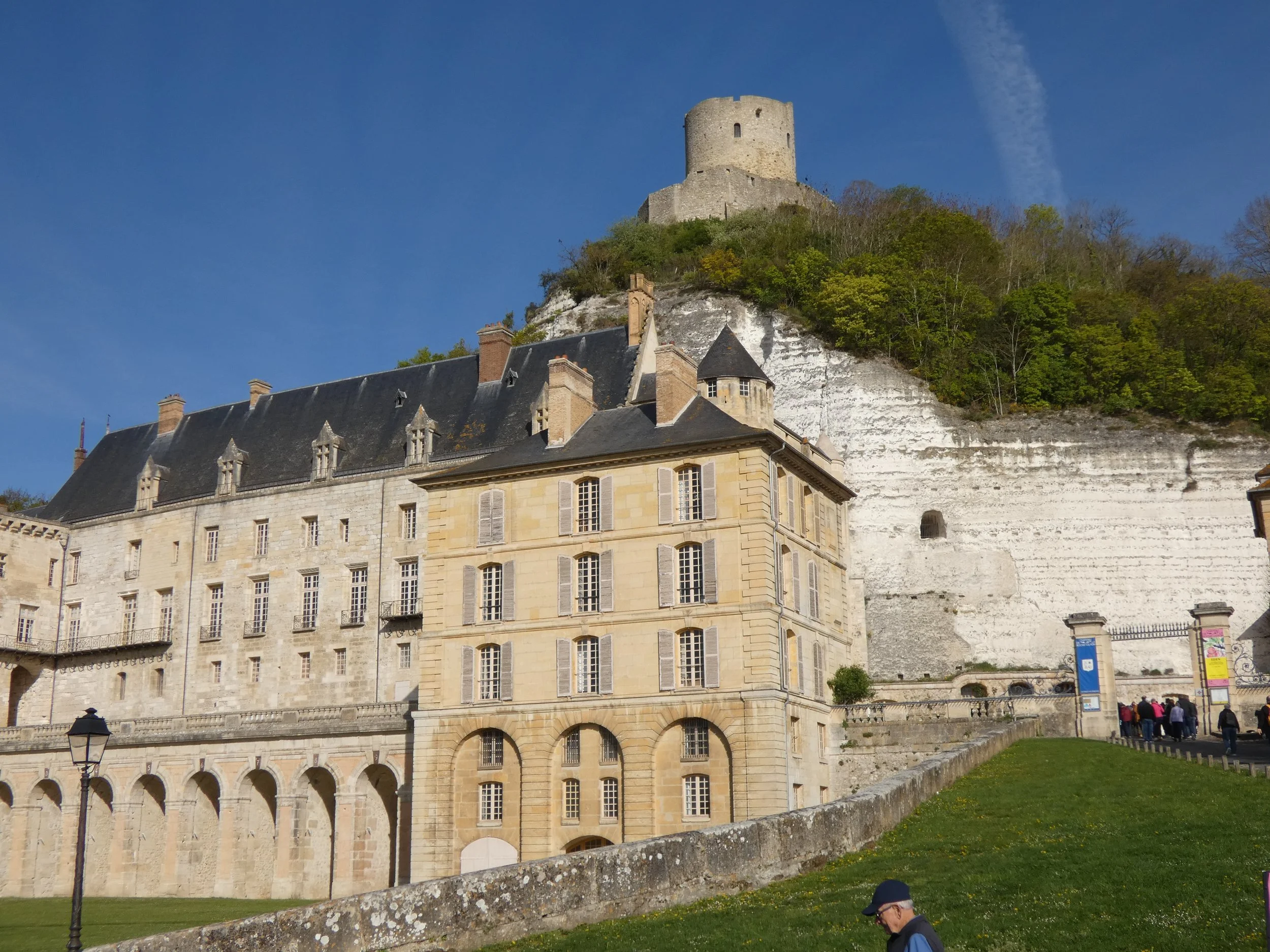
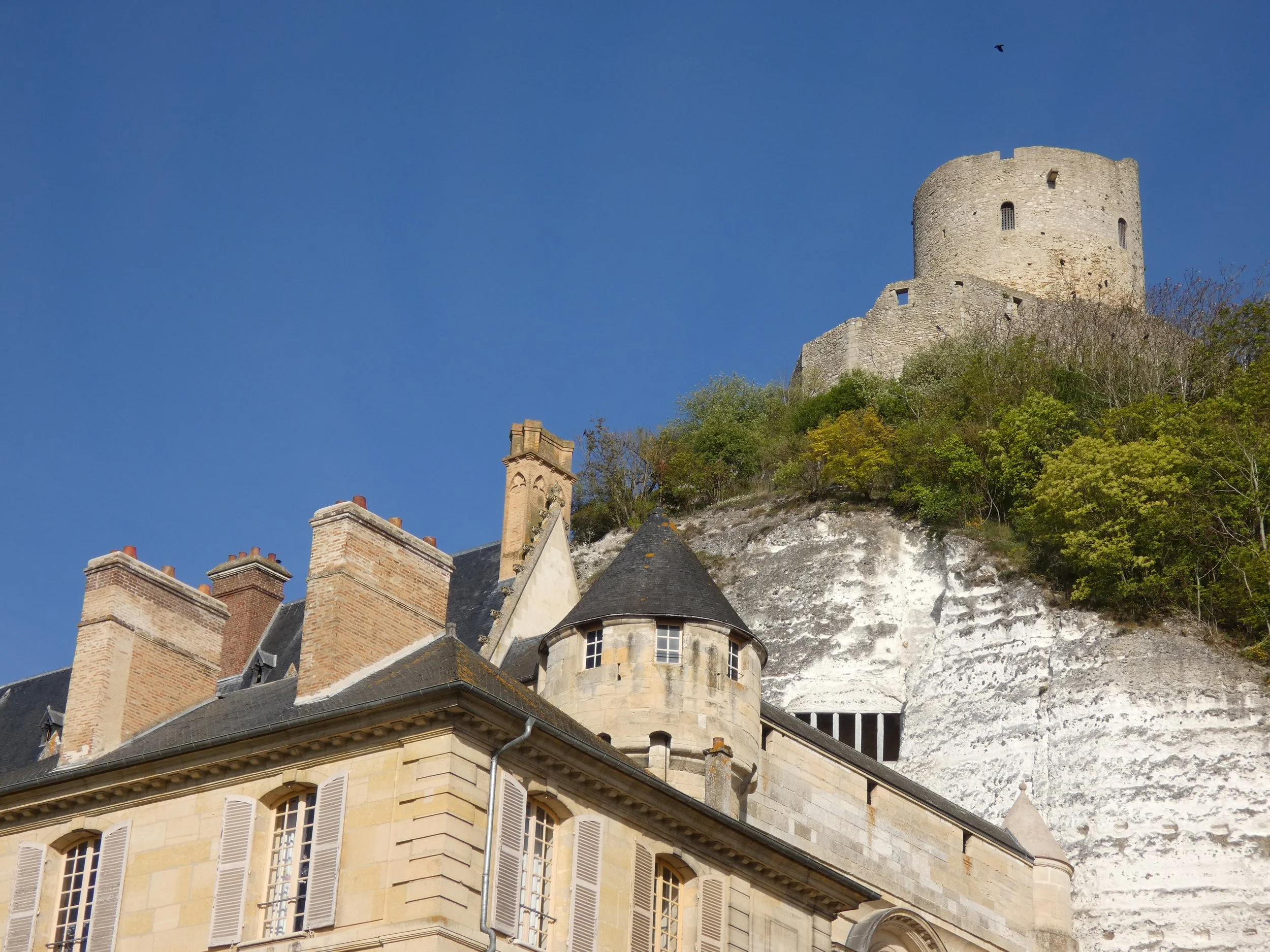
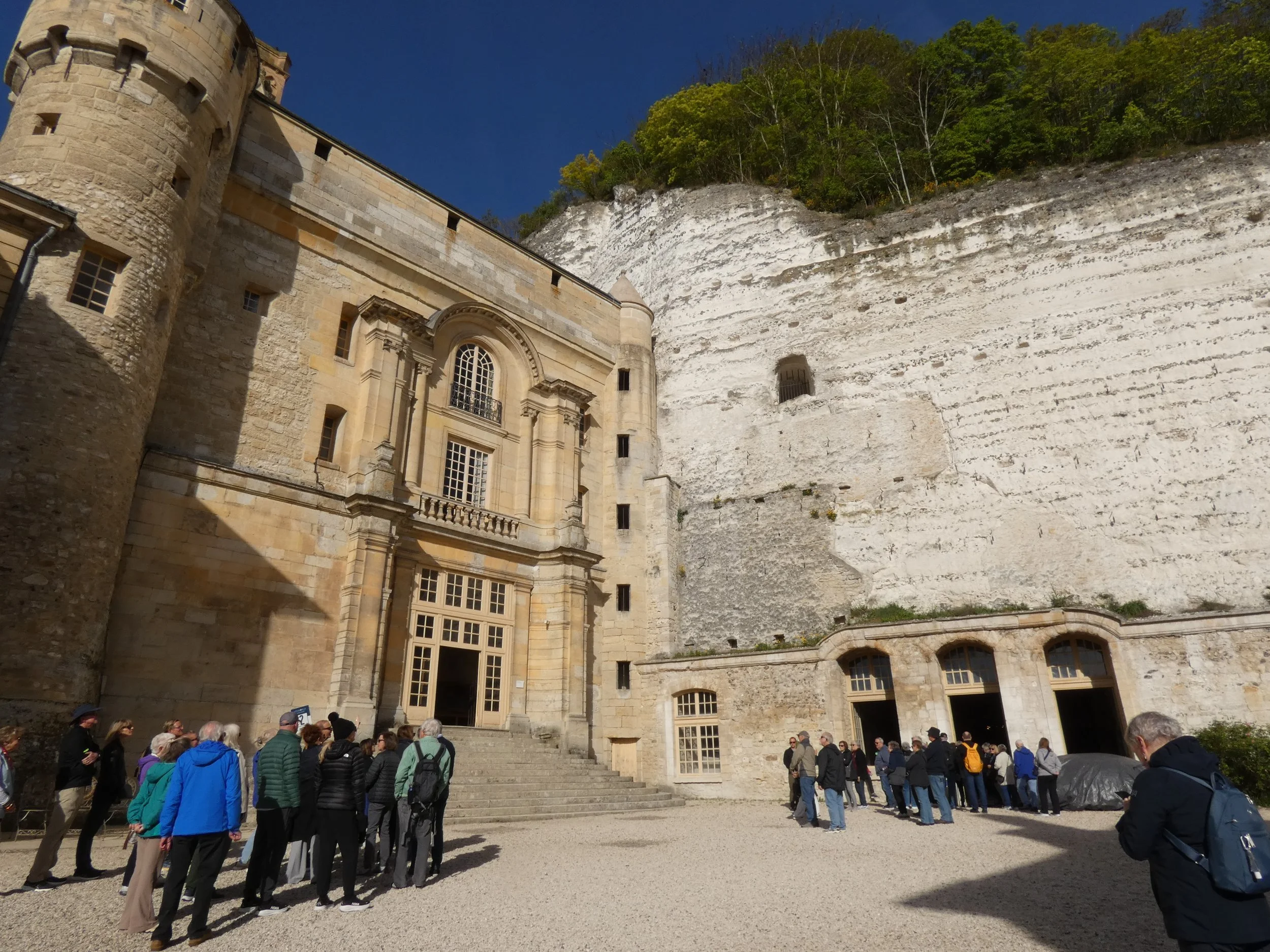
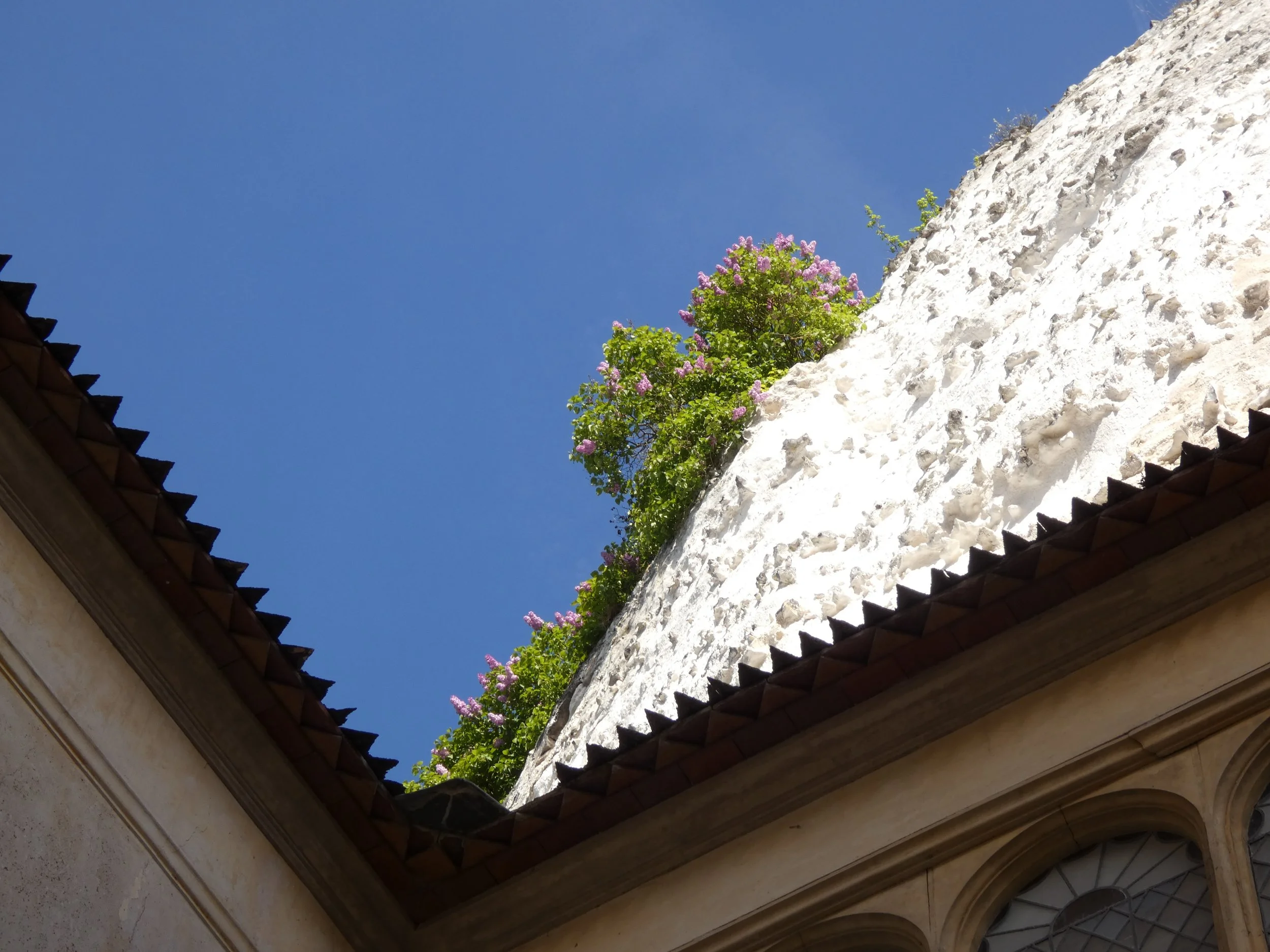
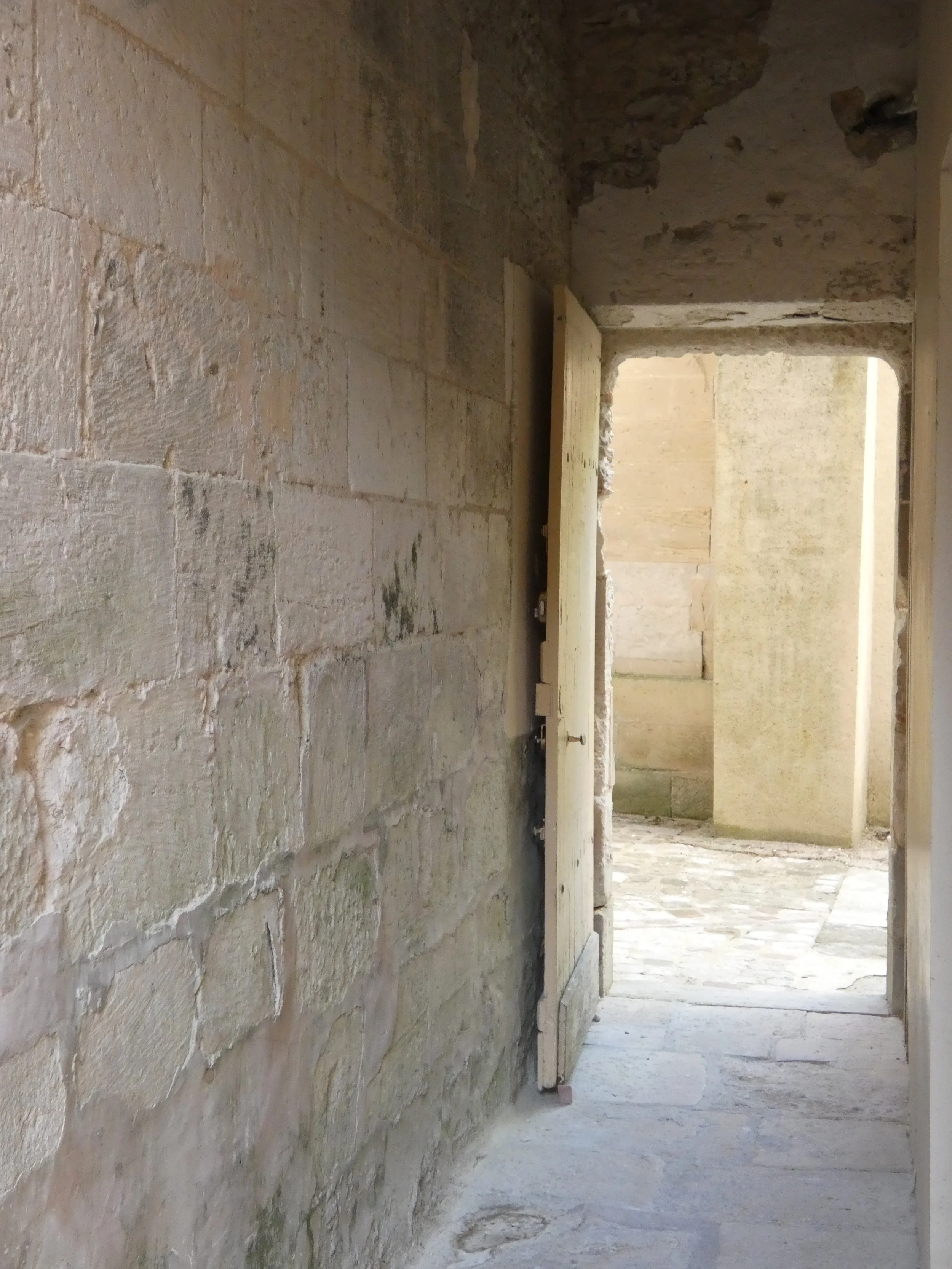
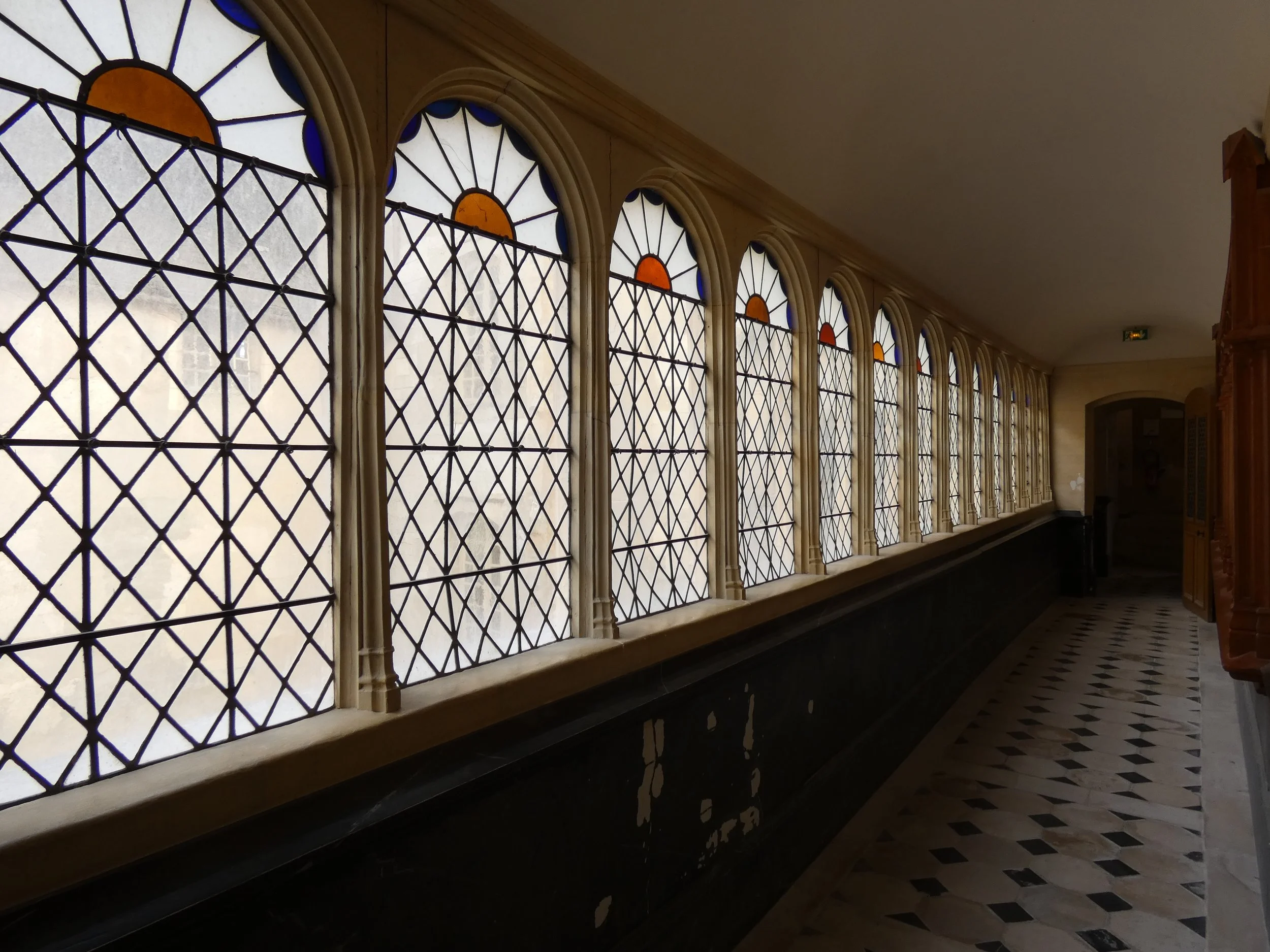
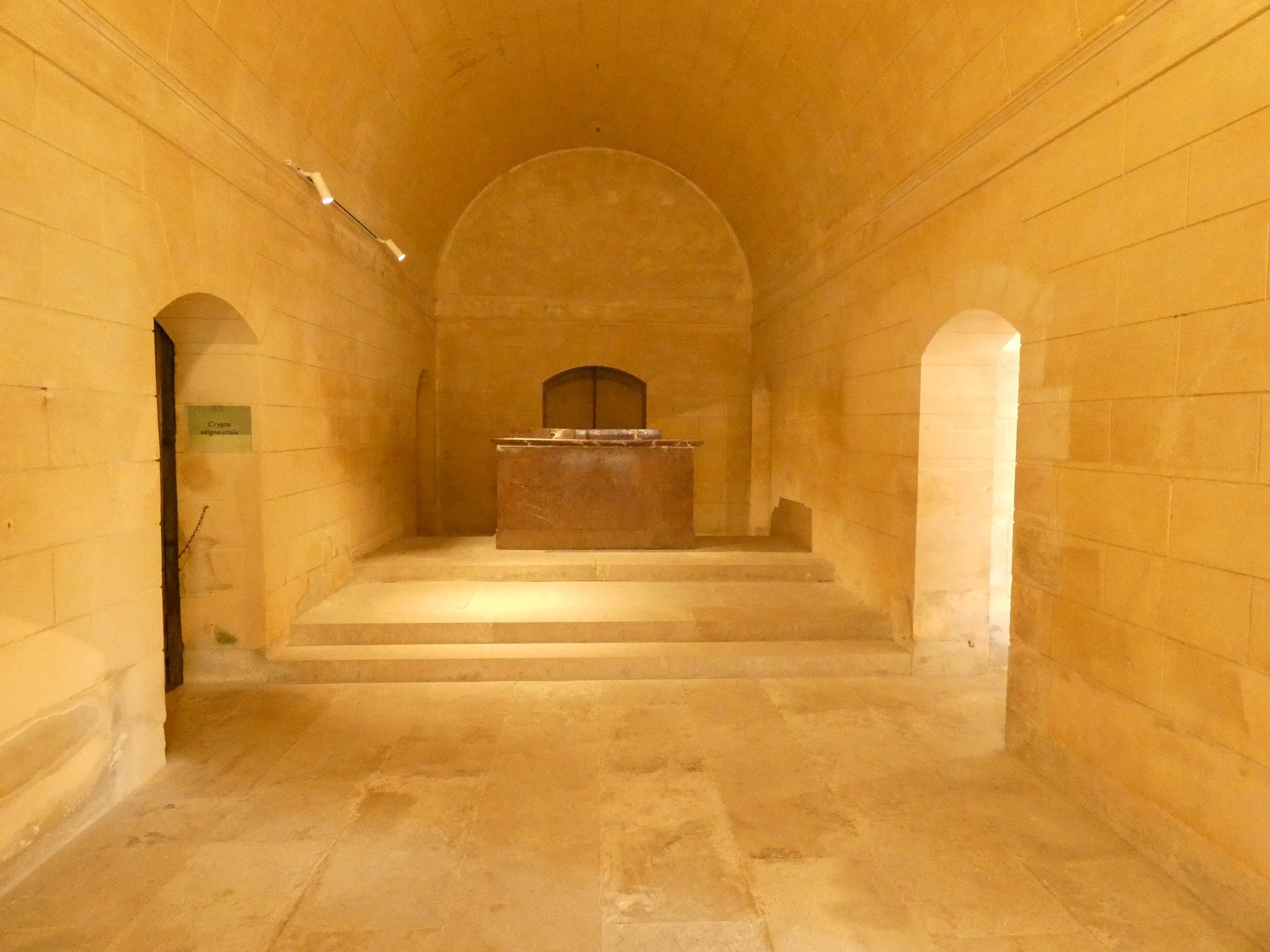
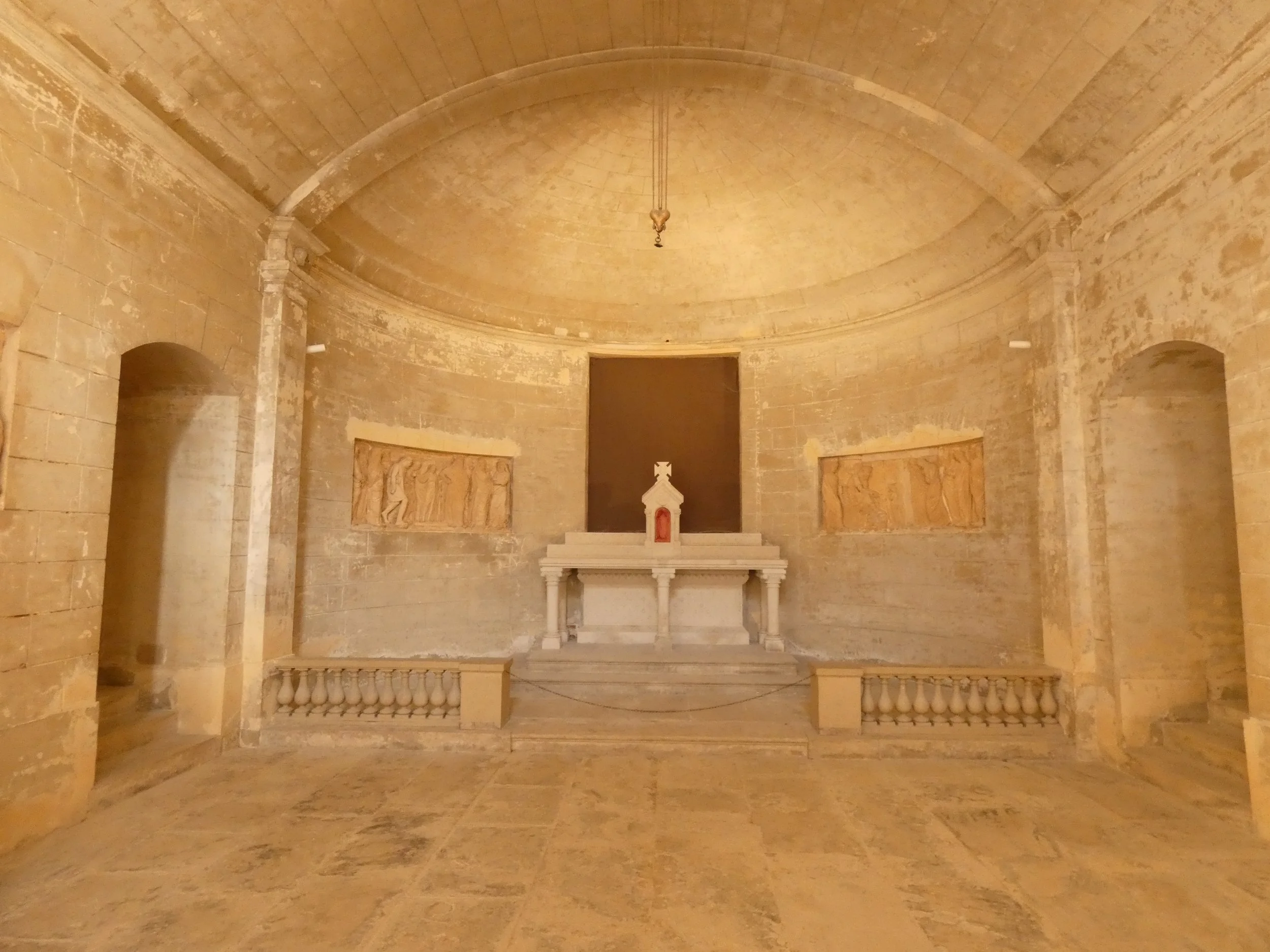
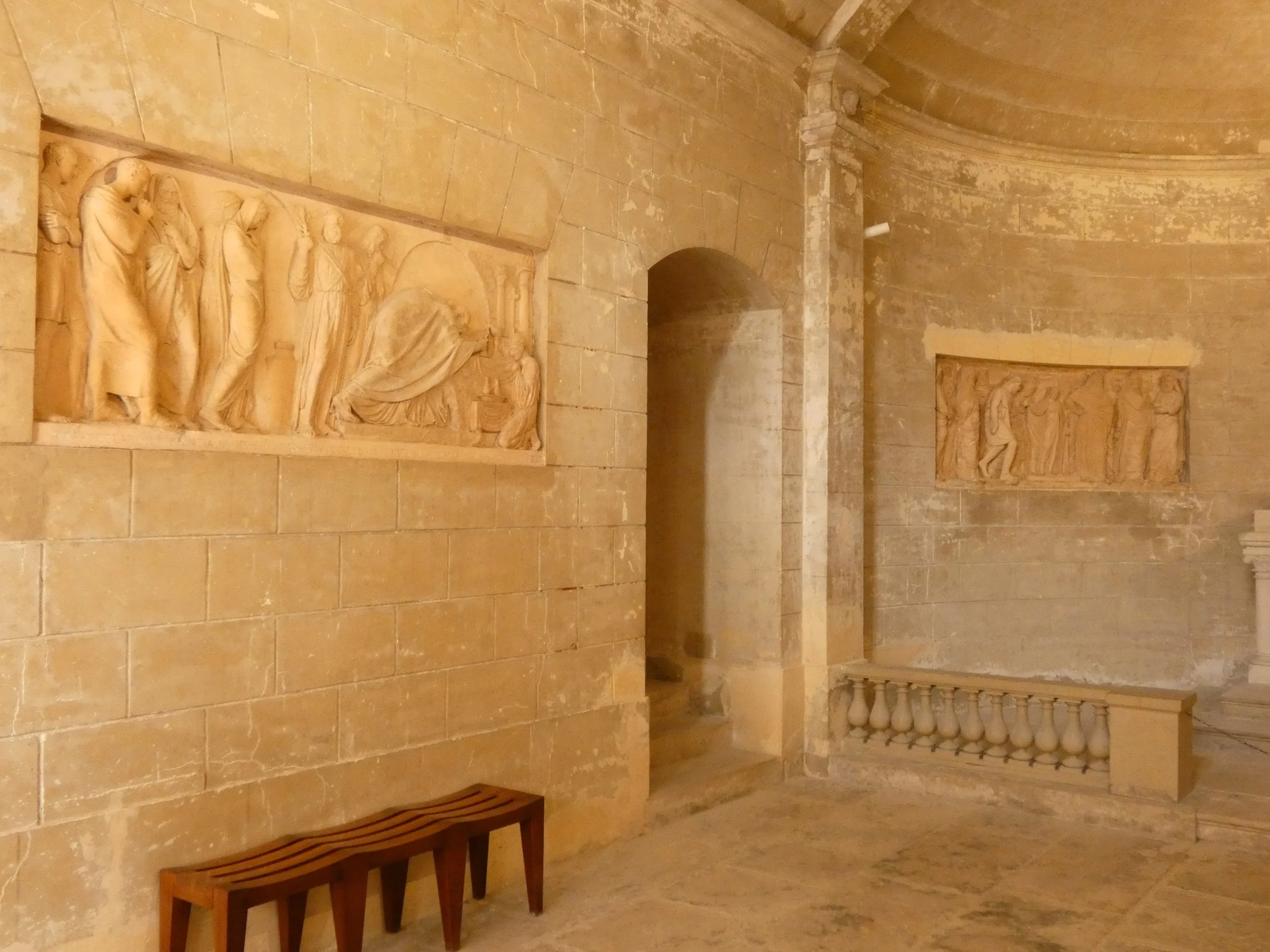
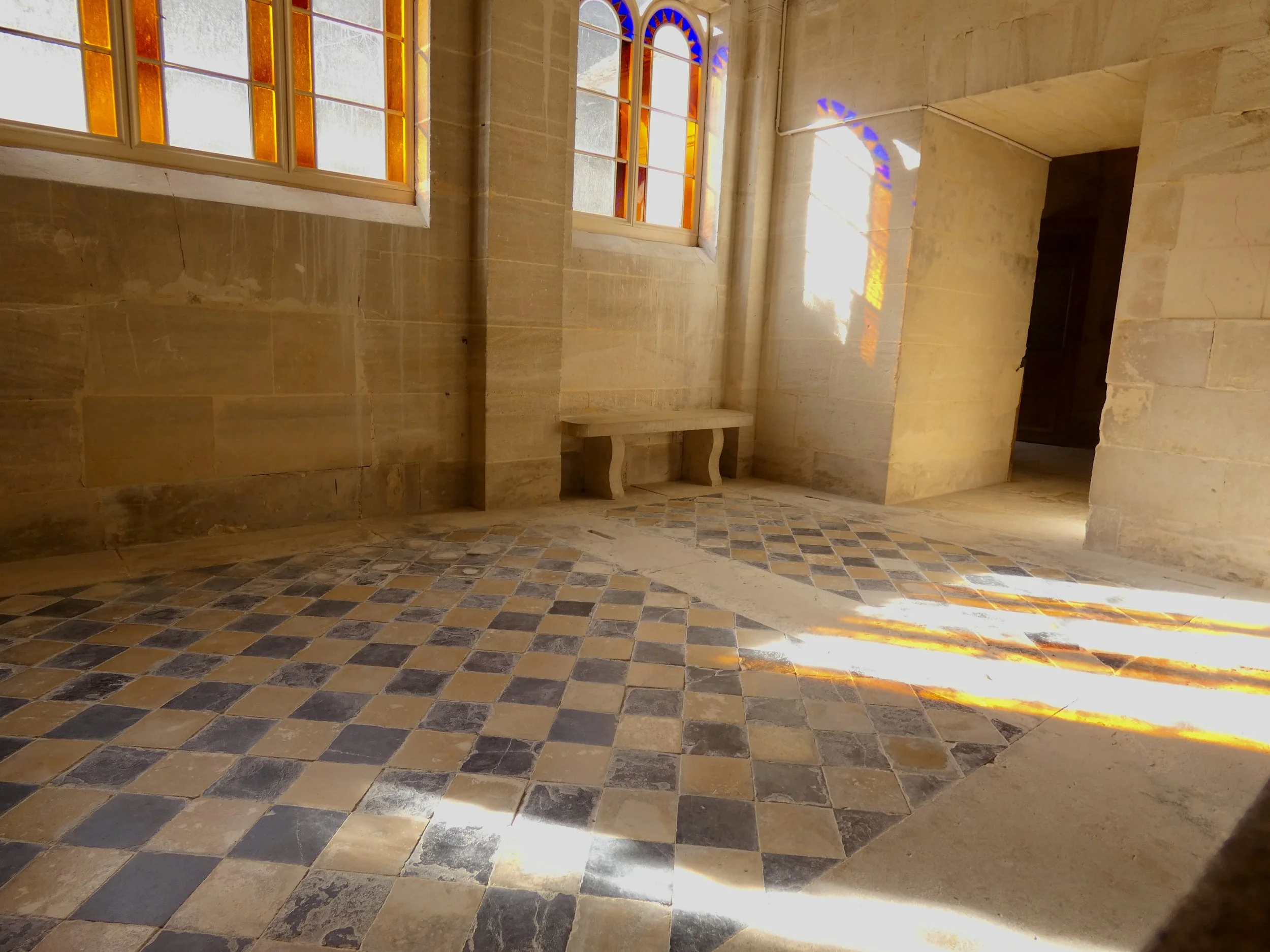
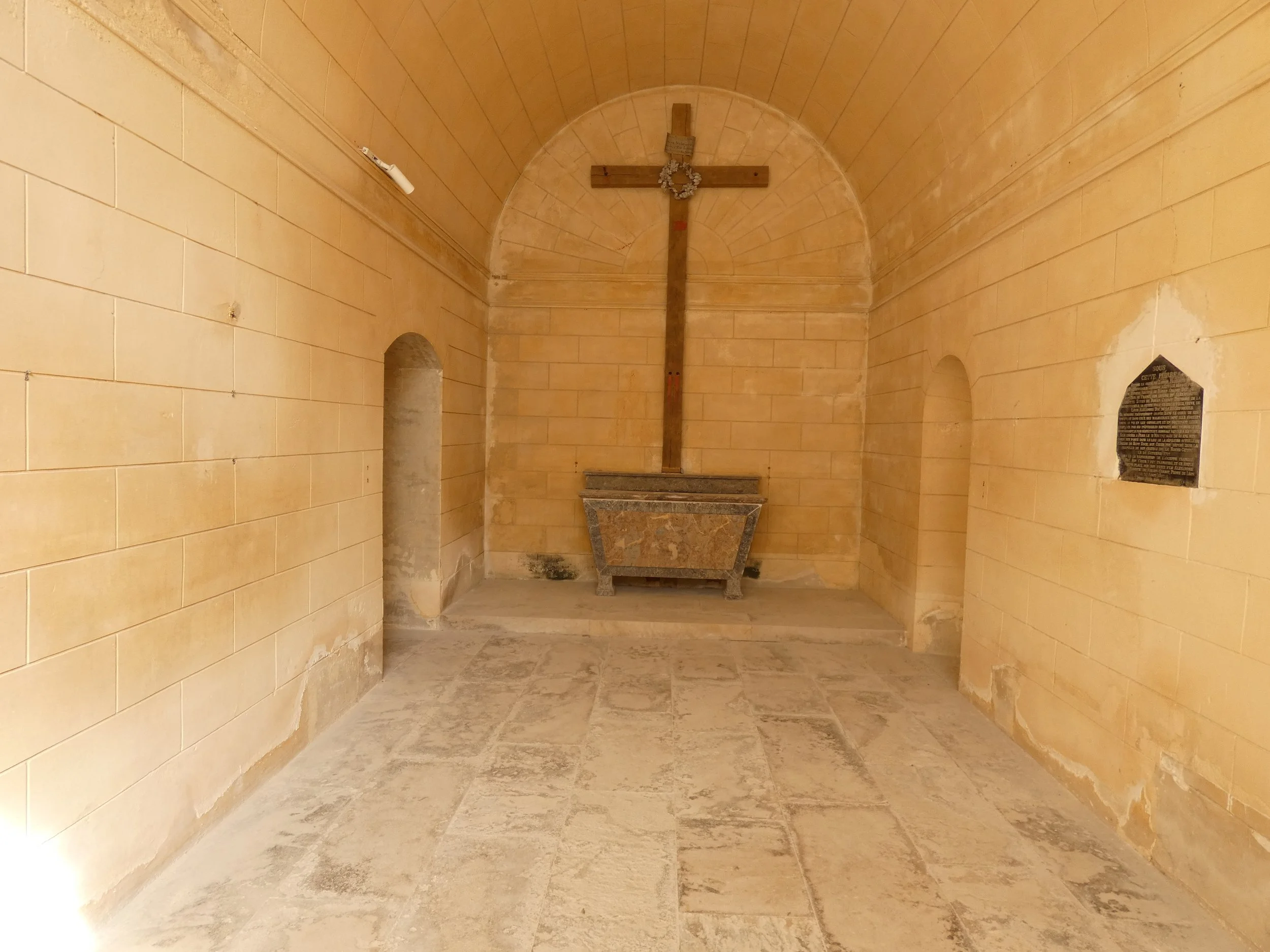
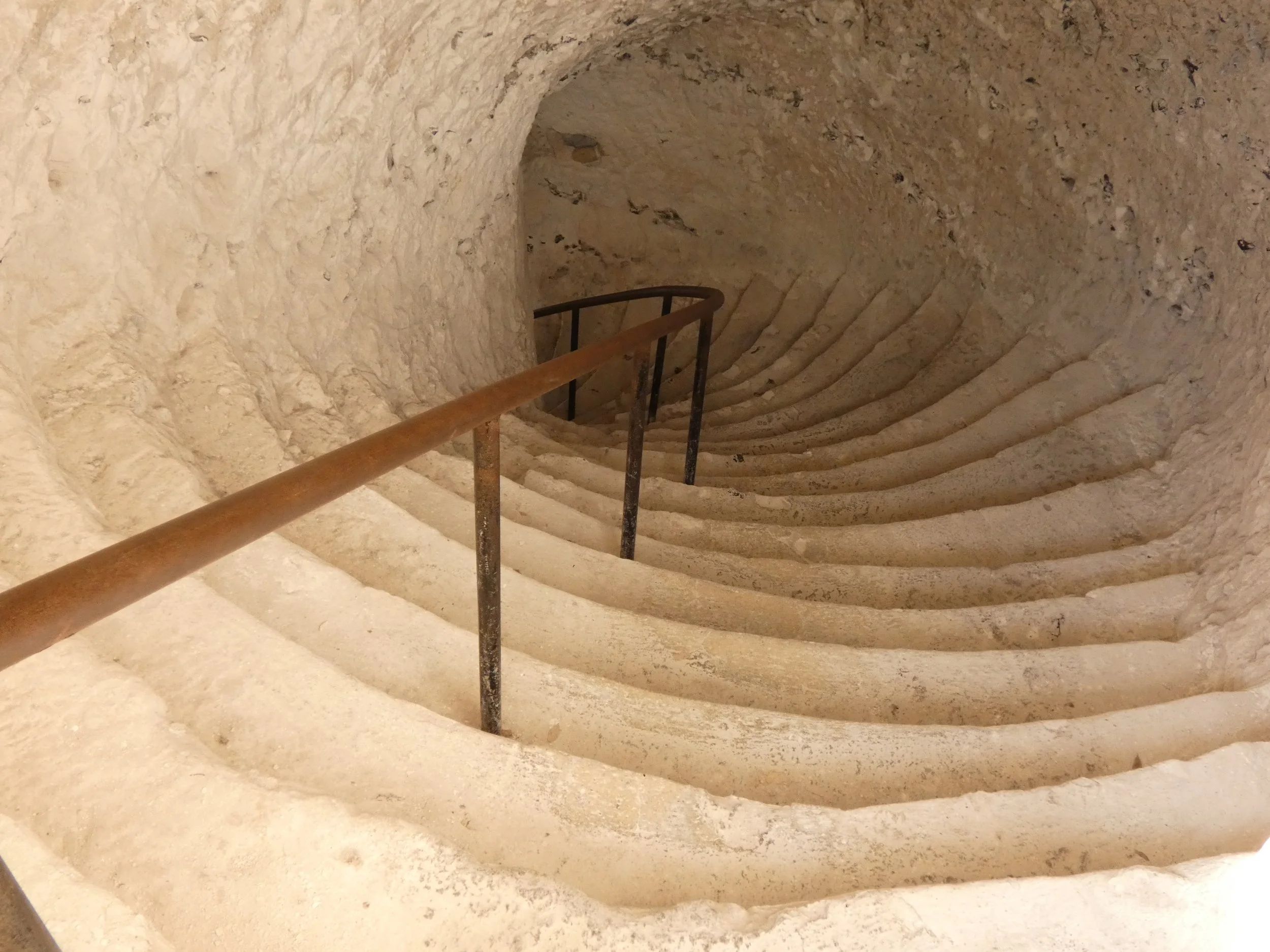
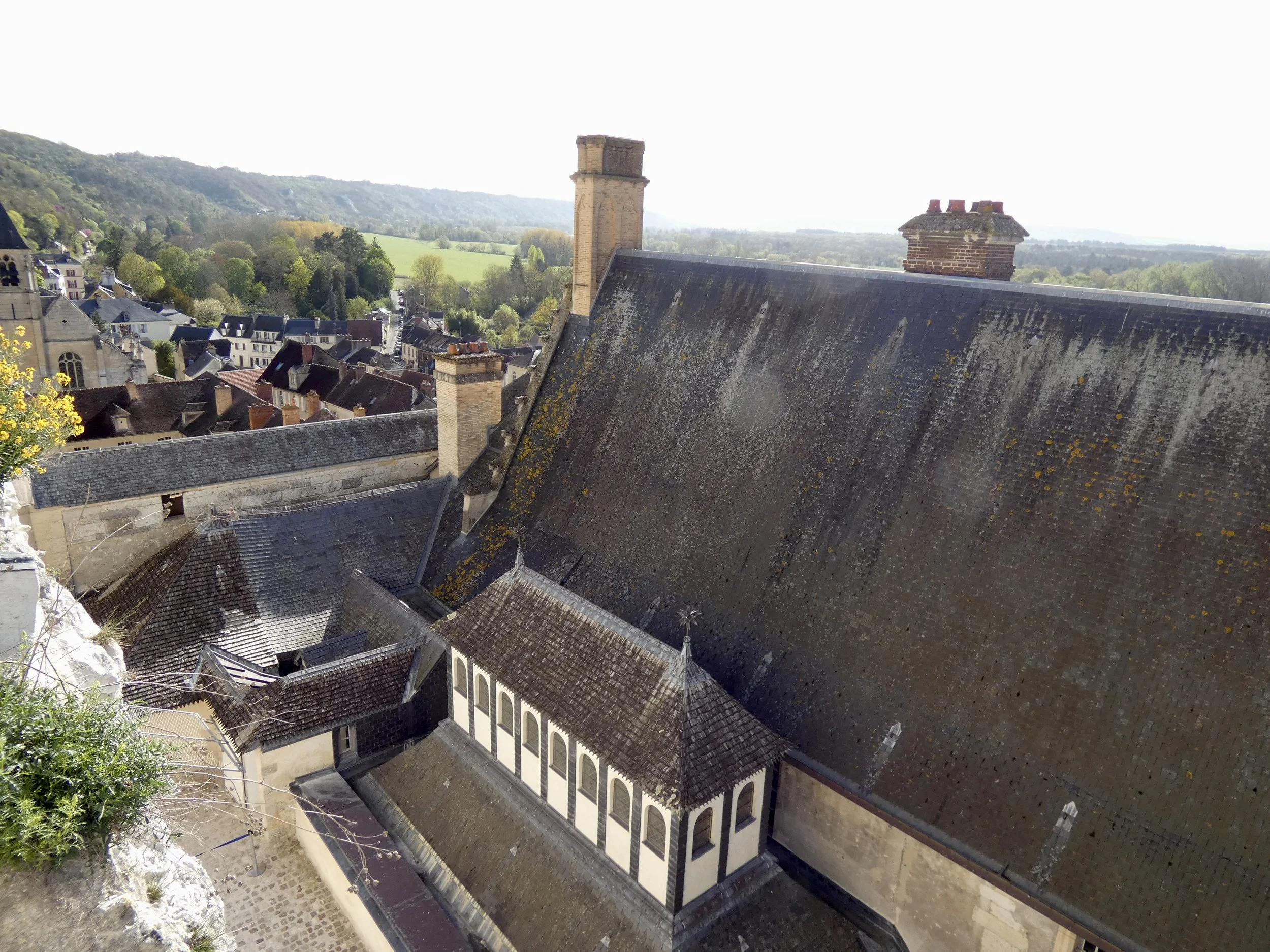
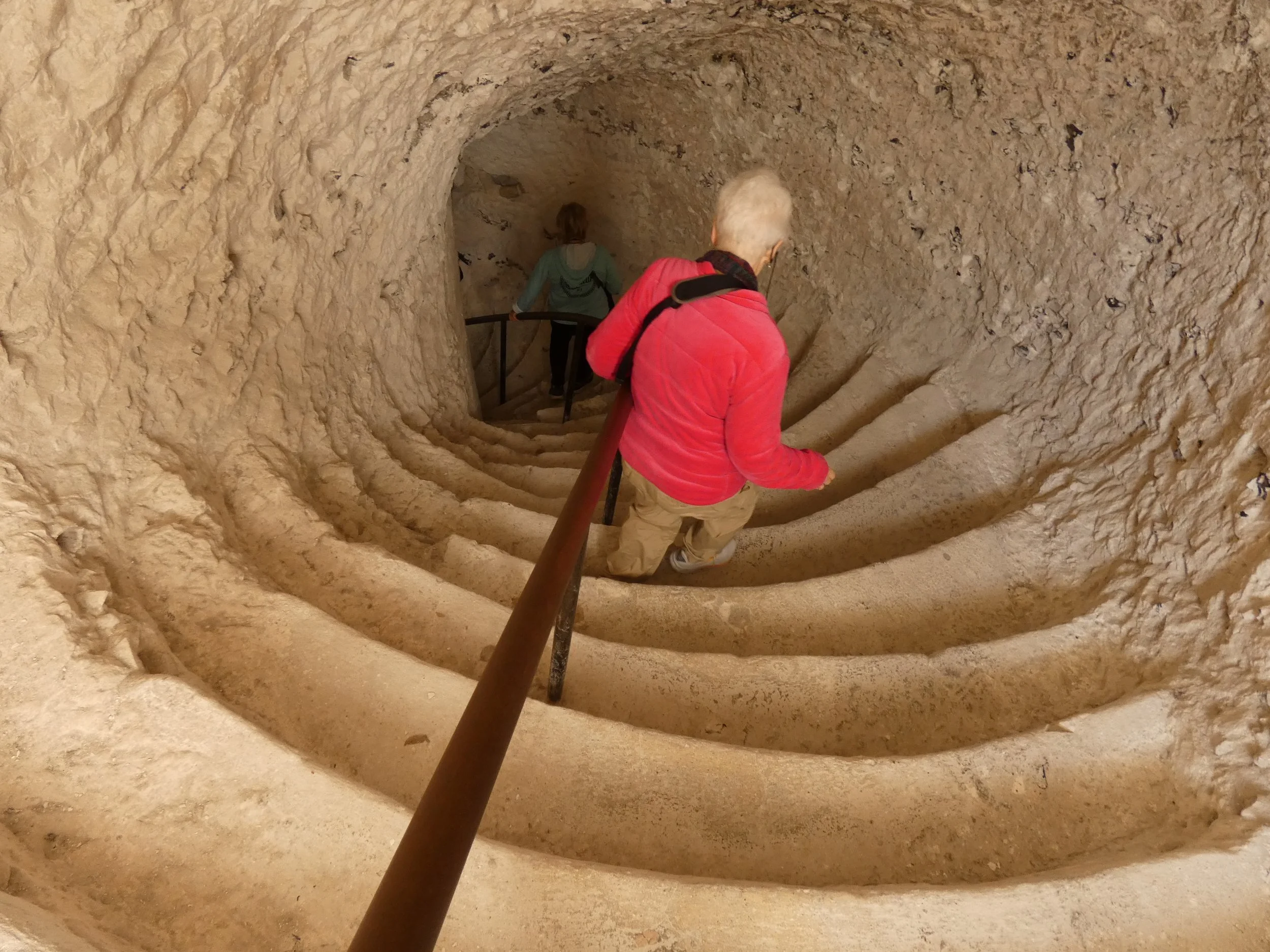
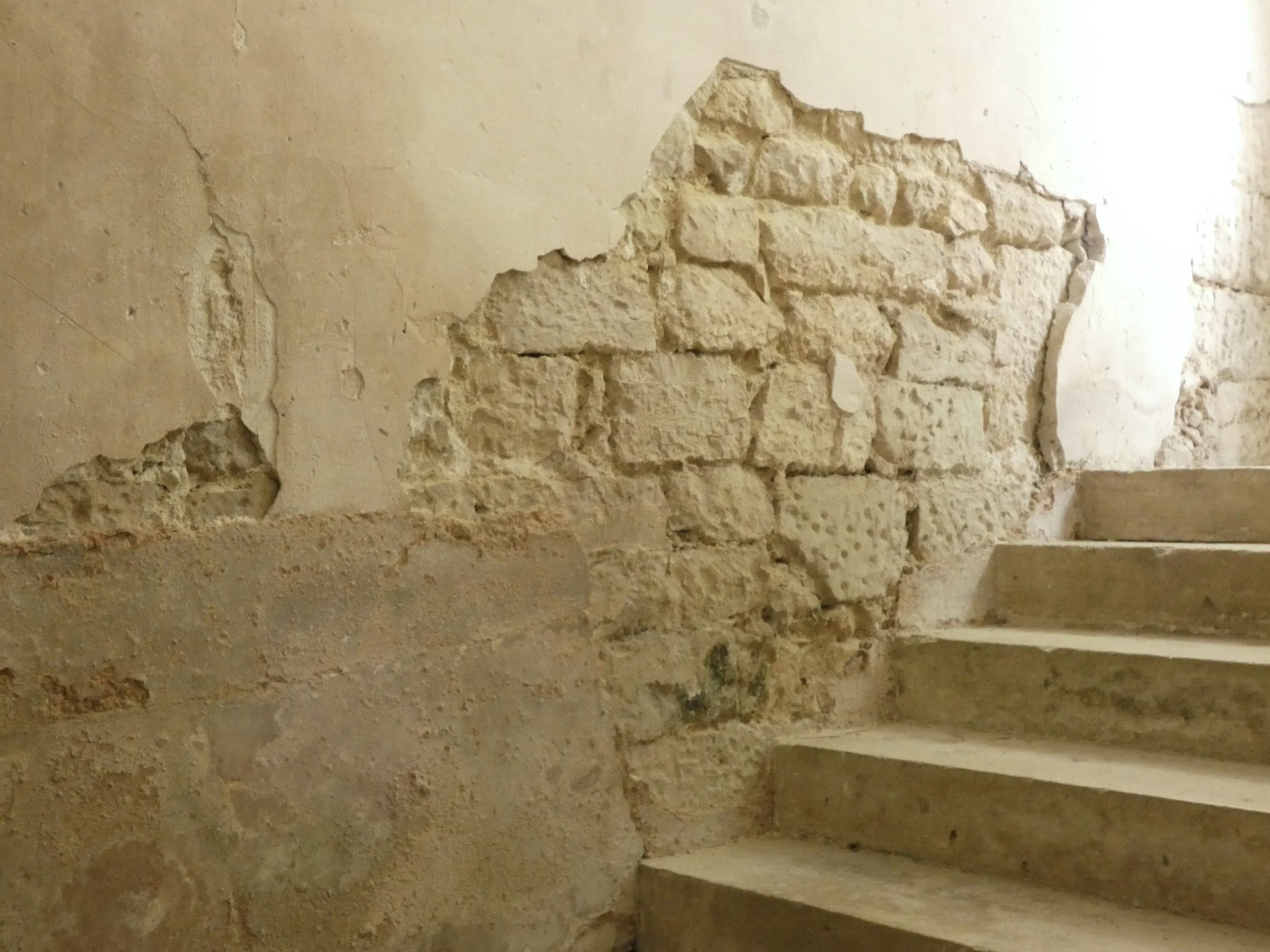
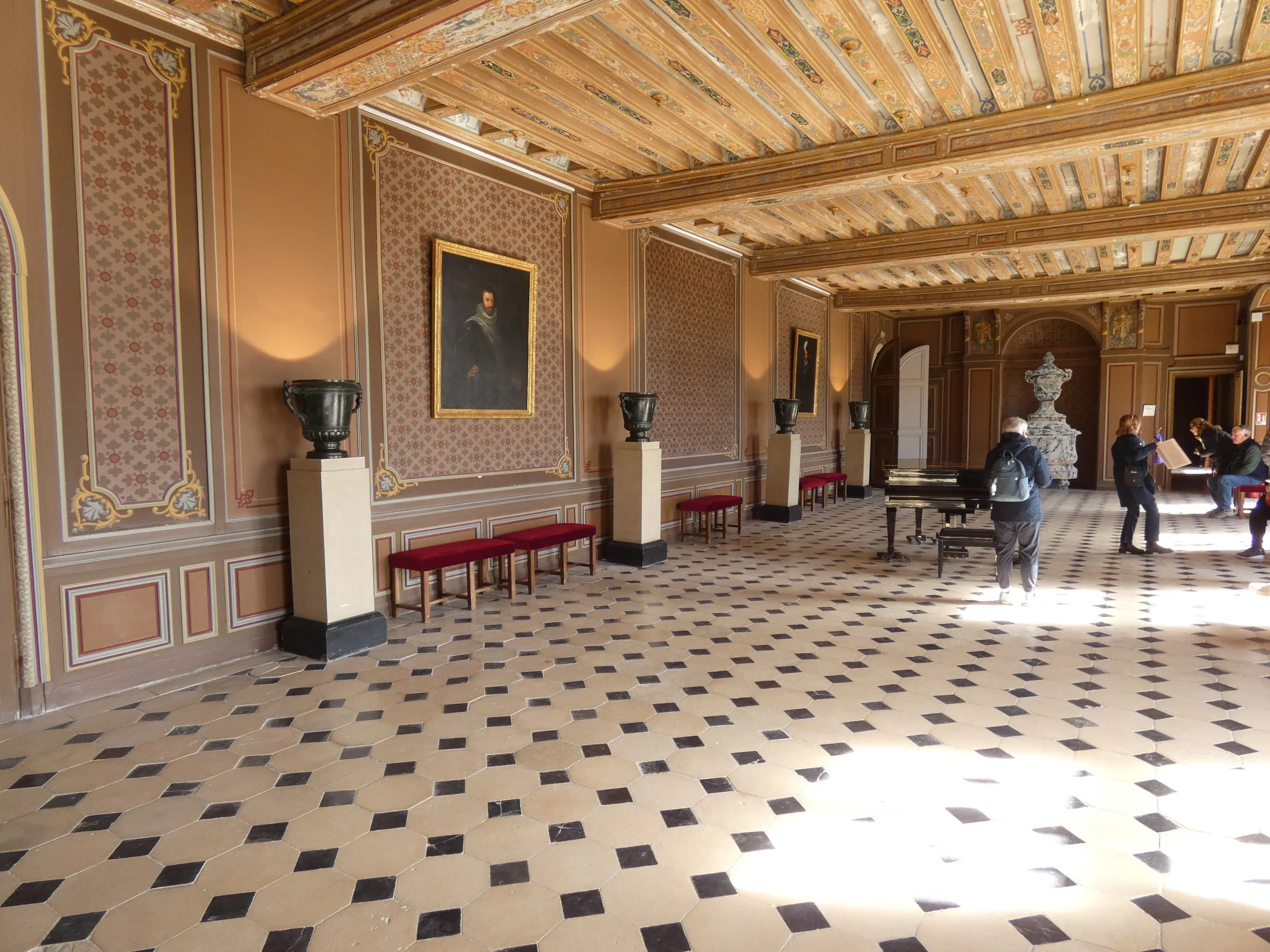
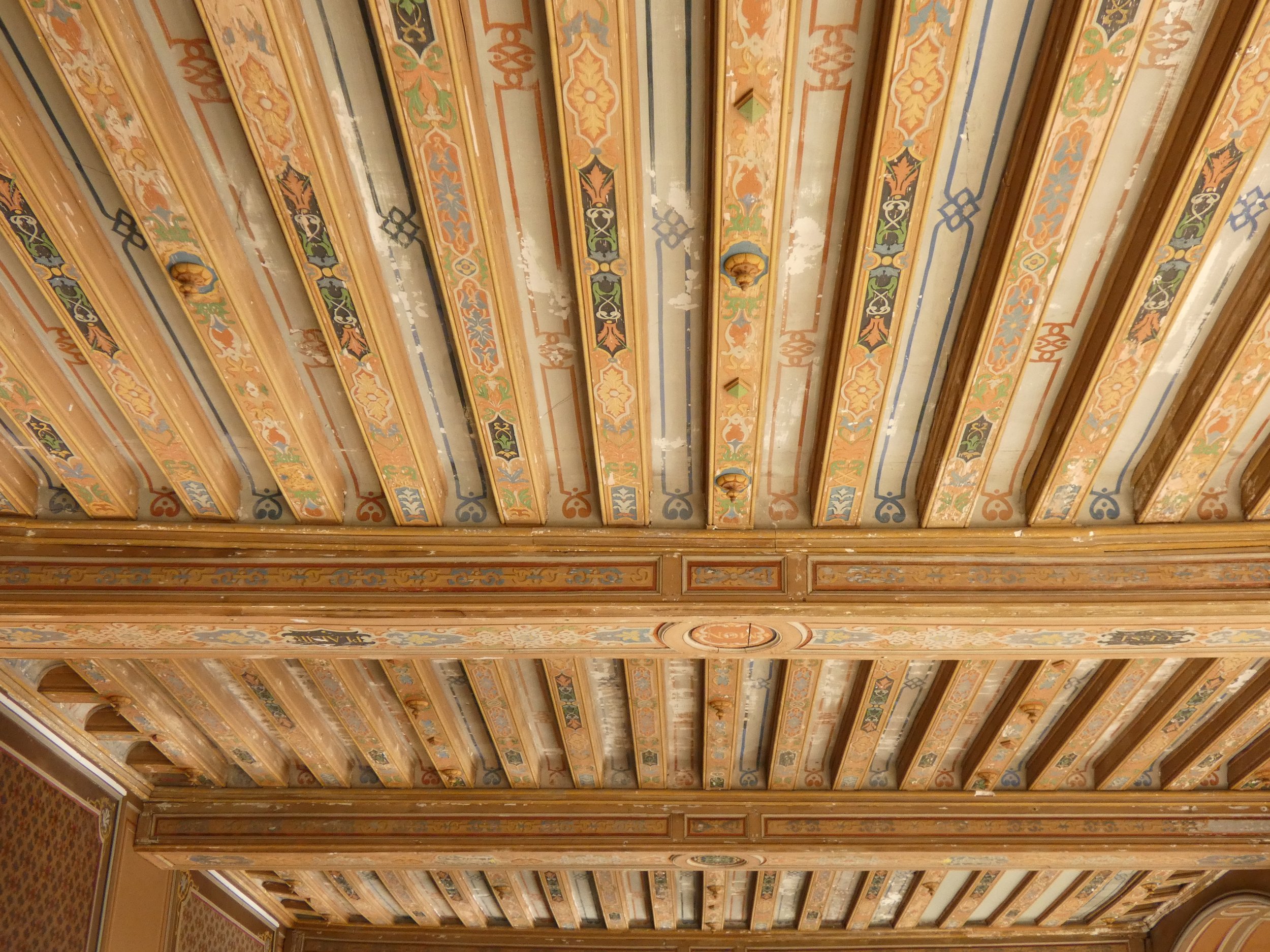
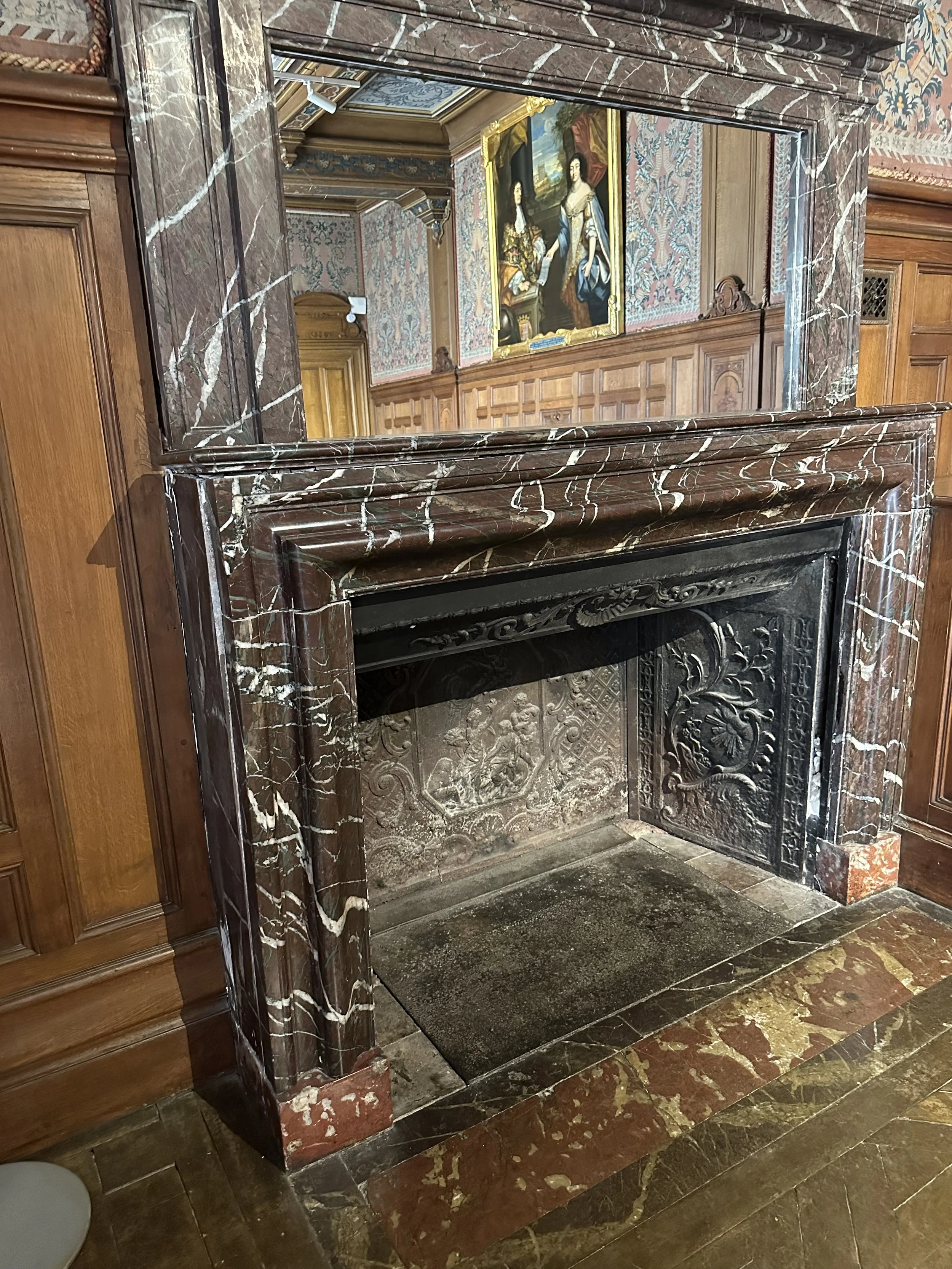
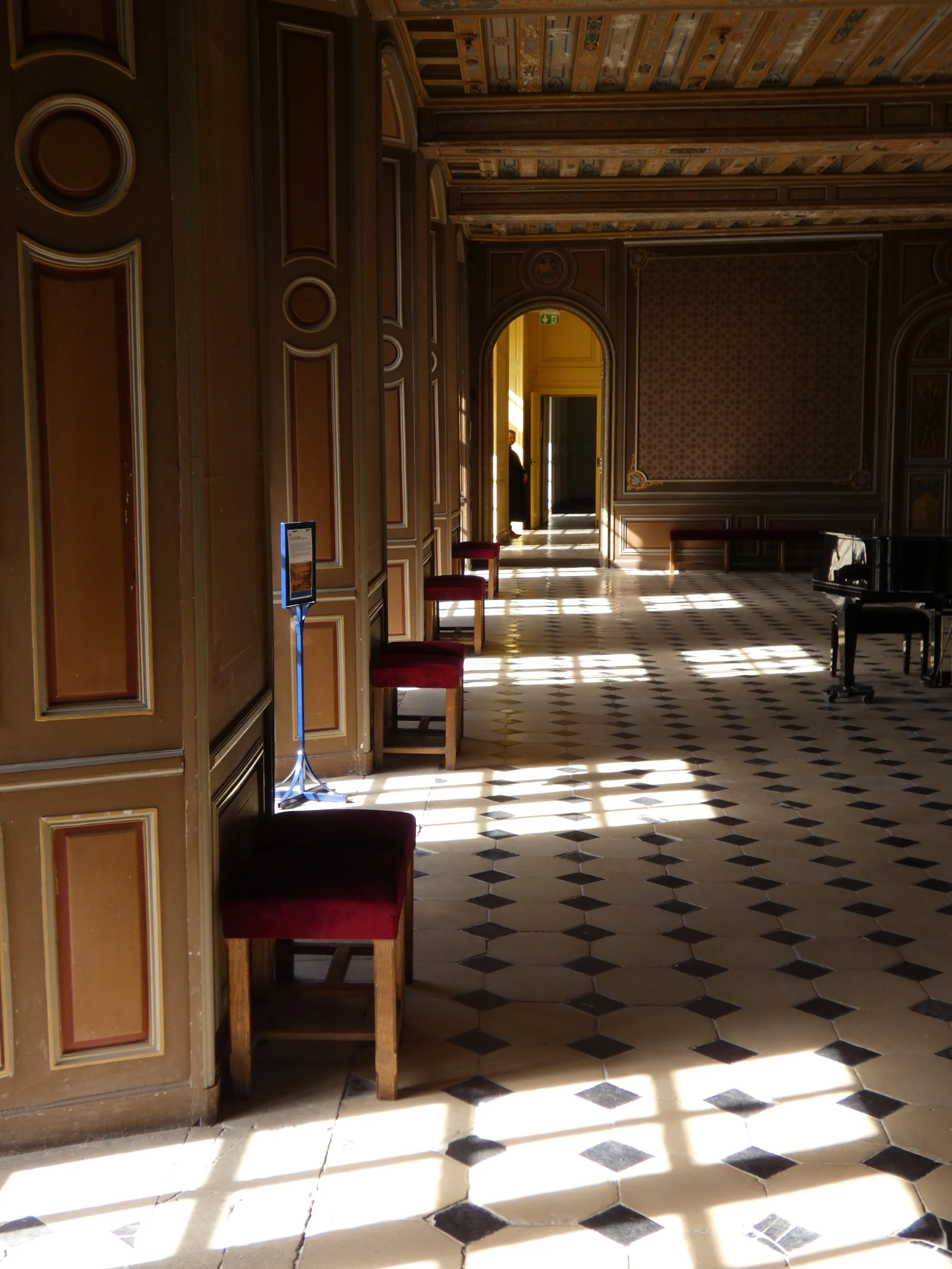
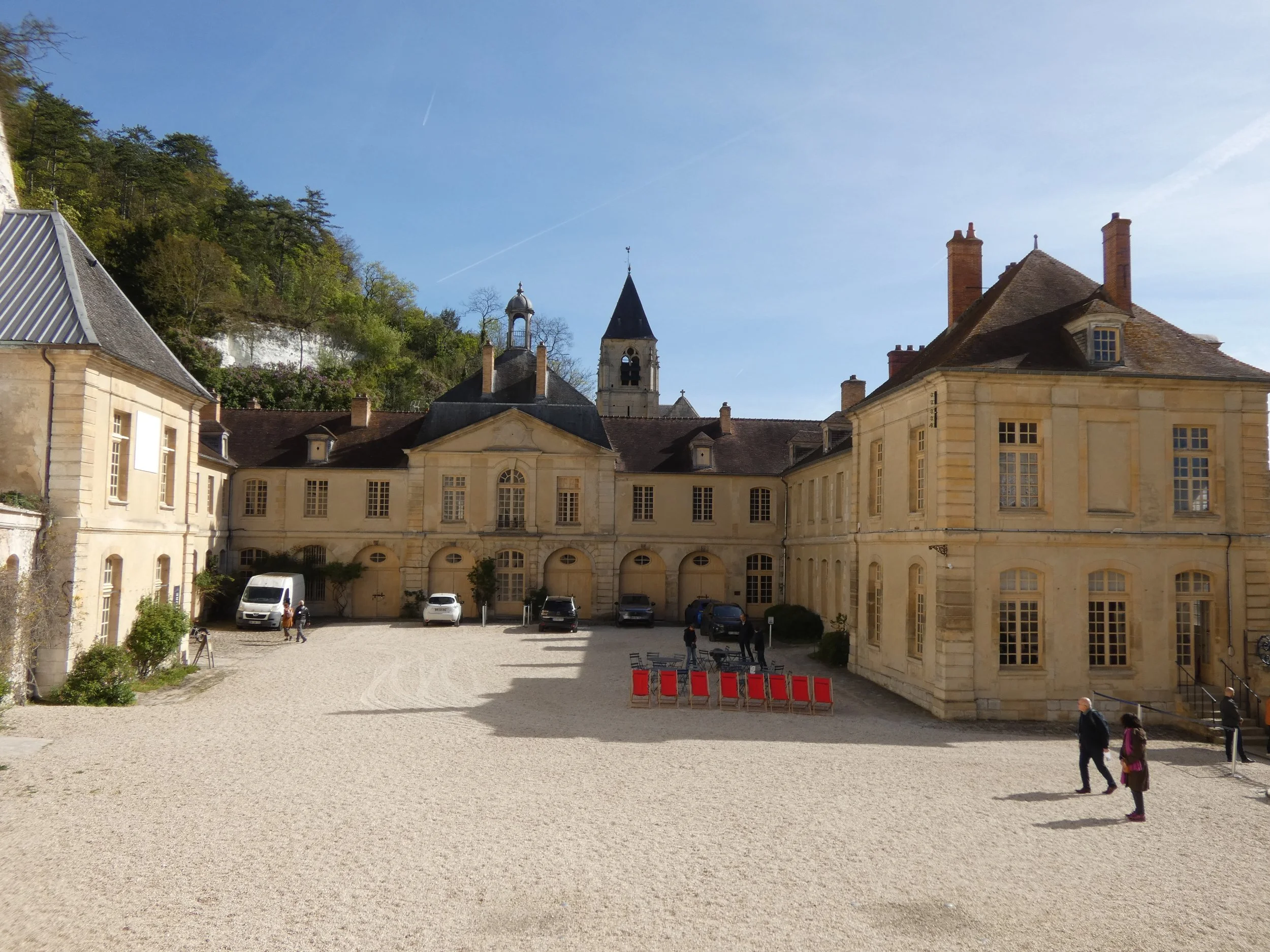
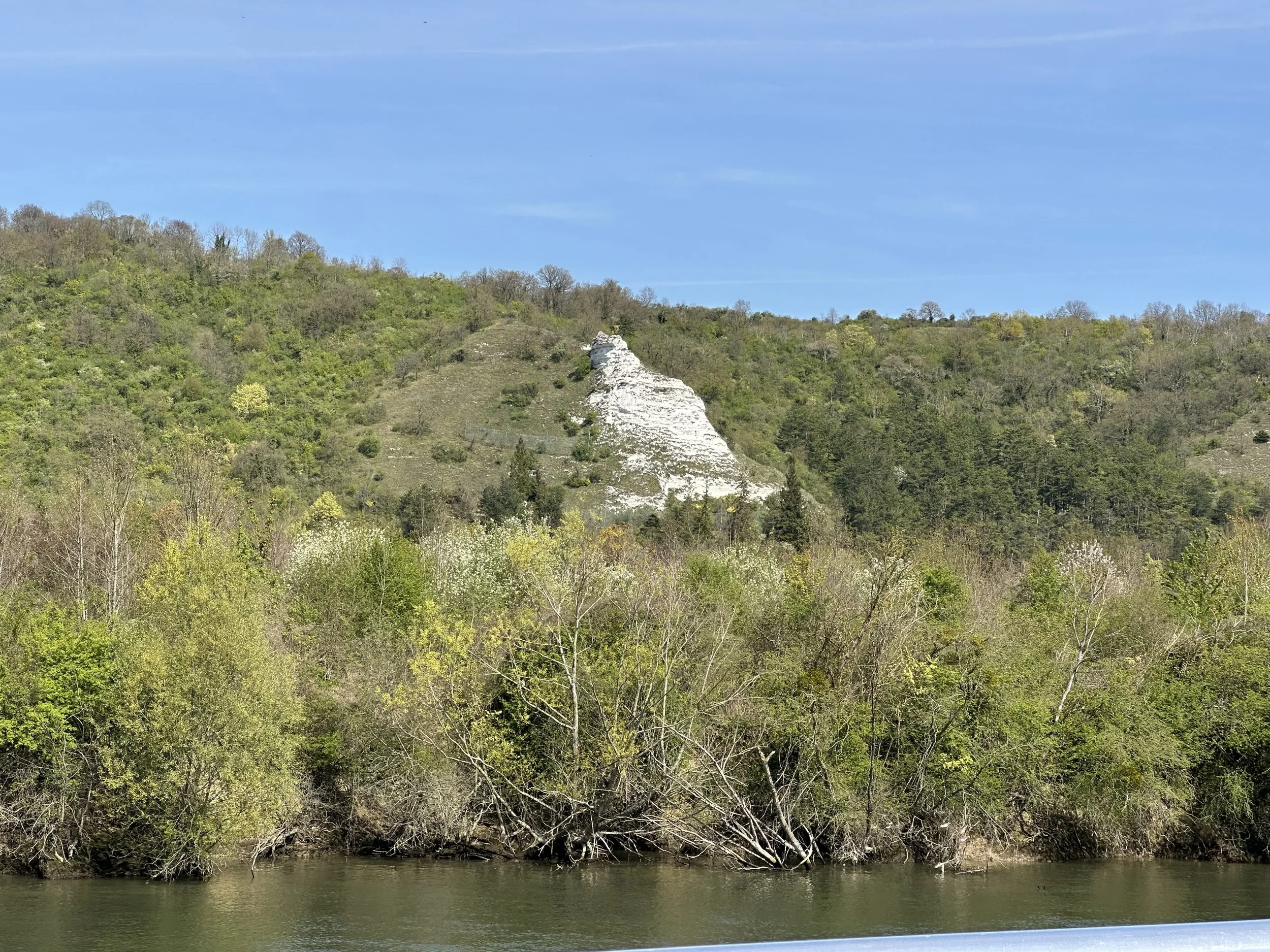
The Chateau’s most interesting feature is that it’s built into the side of chalk/sandstone cliffs, as are some of the houses in the neighborhood. It dates back, like most things in France it seems, to the 12th century and was originally a fortress protecting the Seine river access to Paris. The Chateau has been expanded and improved by a whole string of aristocratic owners and is now in private hands. The owners have leased the ground floor to the State where the space is rented out for functions as well as for tourists.
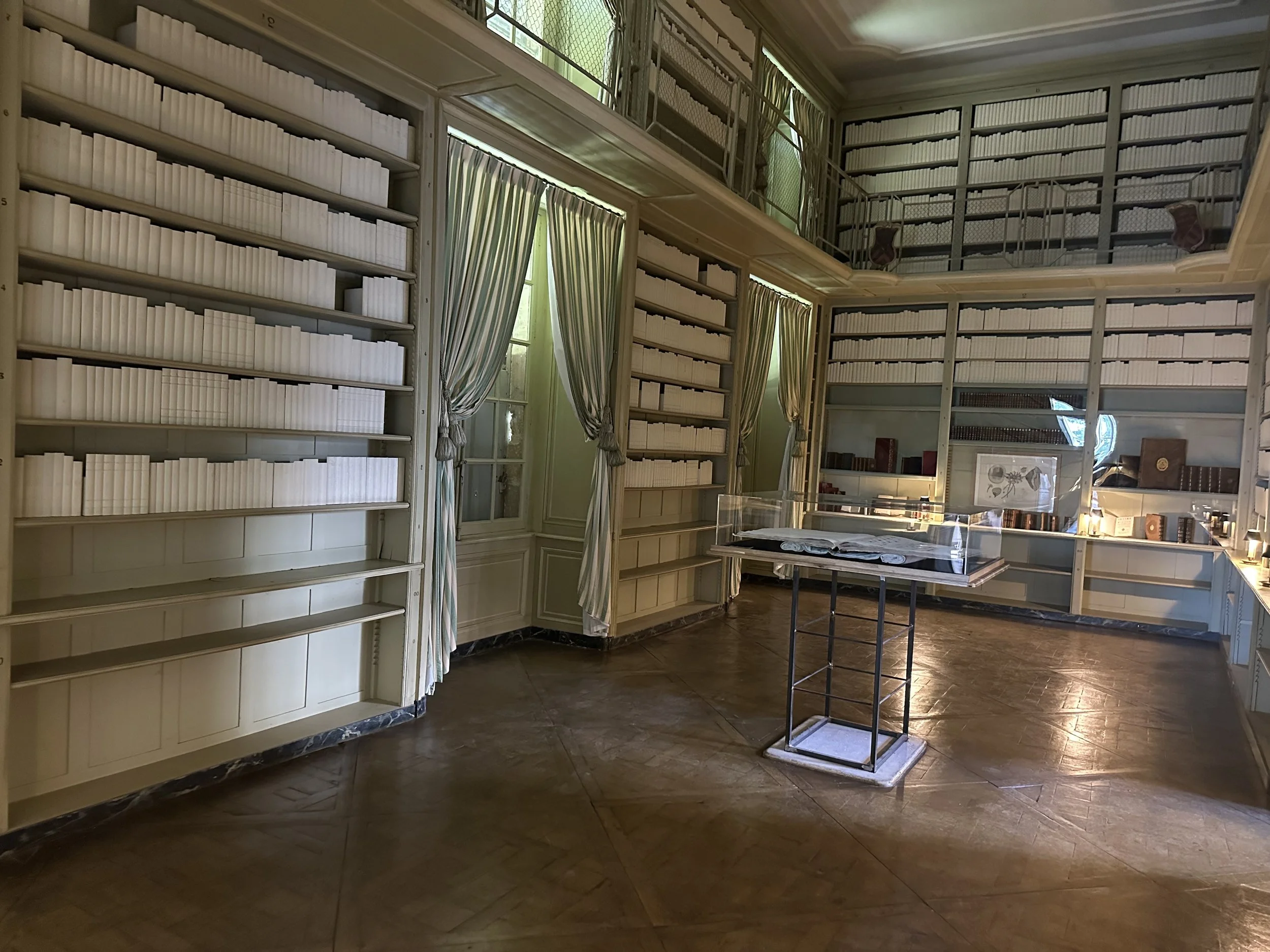
When the current owners inherited the chateau, they faced a stiff tax equal to 60% of its value. To pay the bill, the owners sold off much of the furniture and all of the books in its large library.
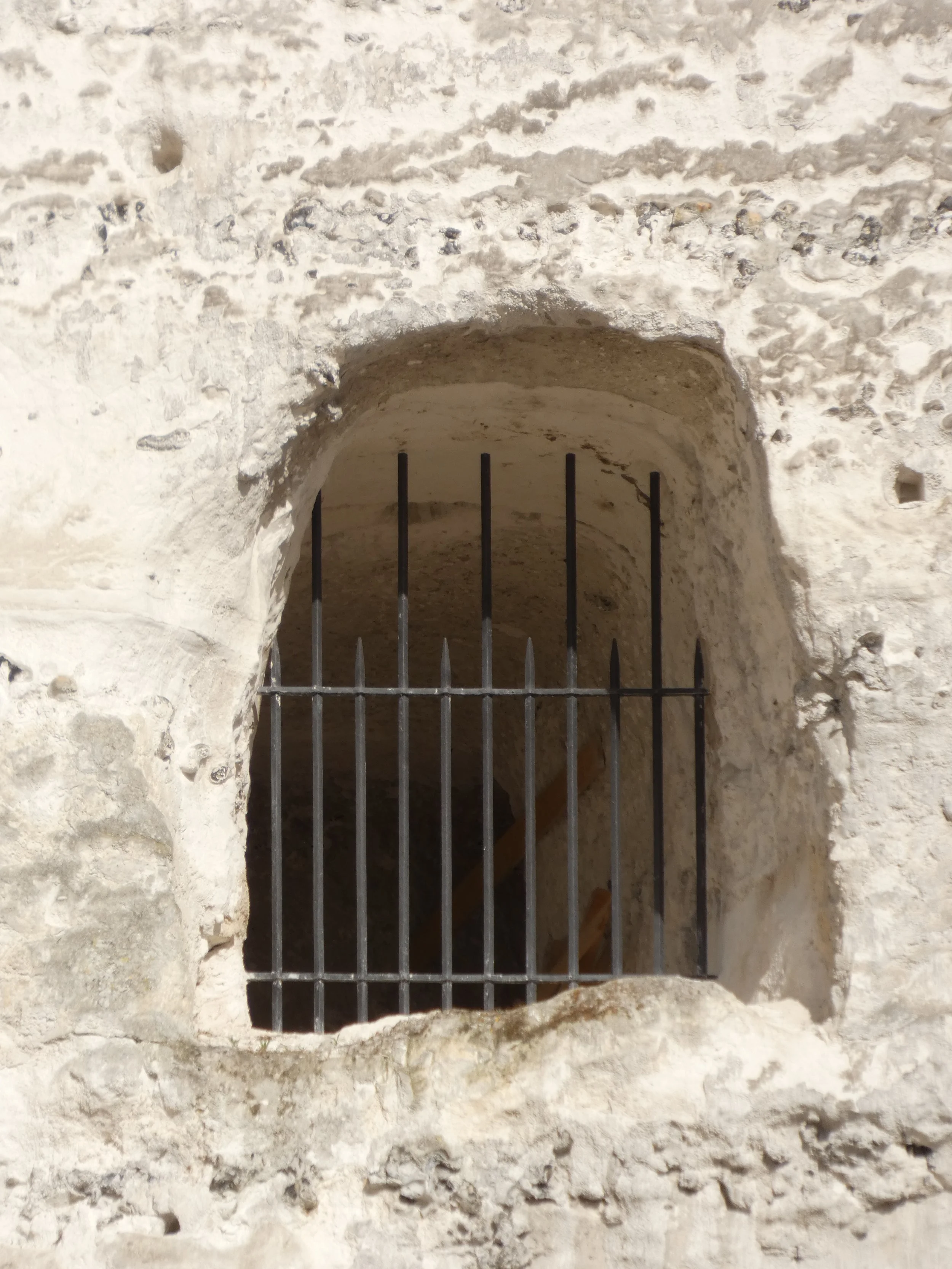
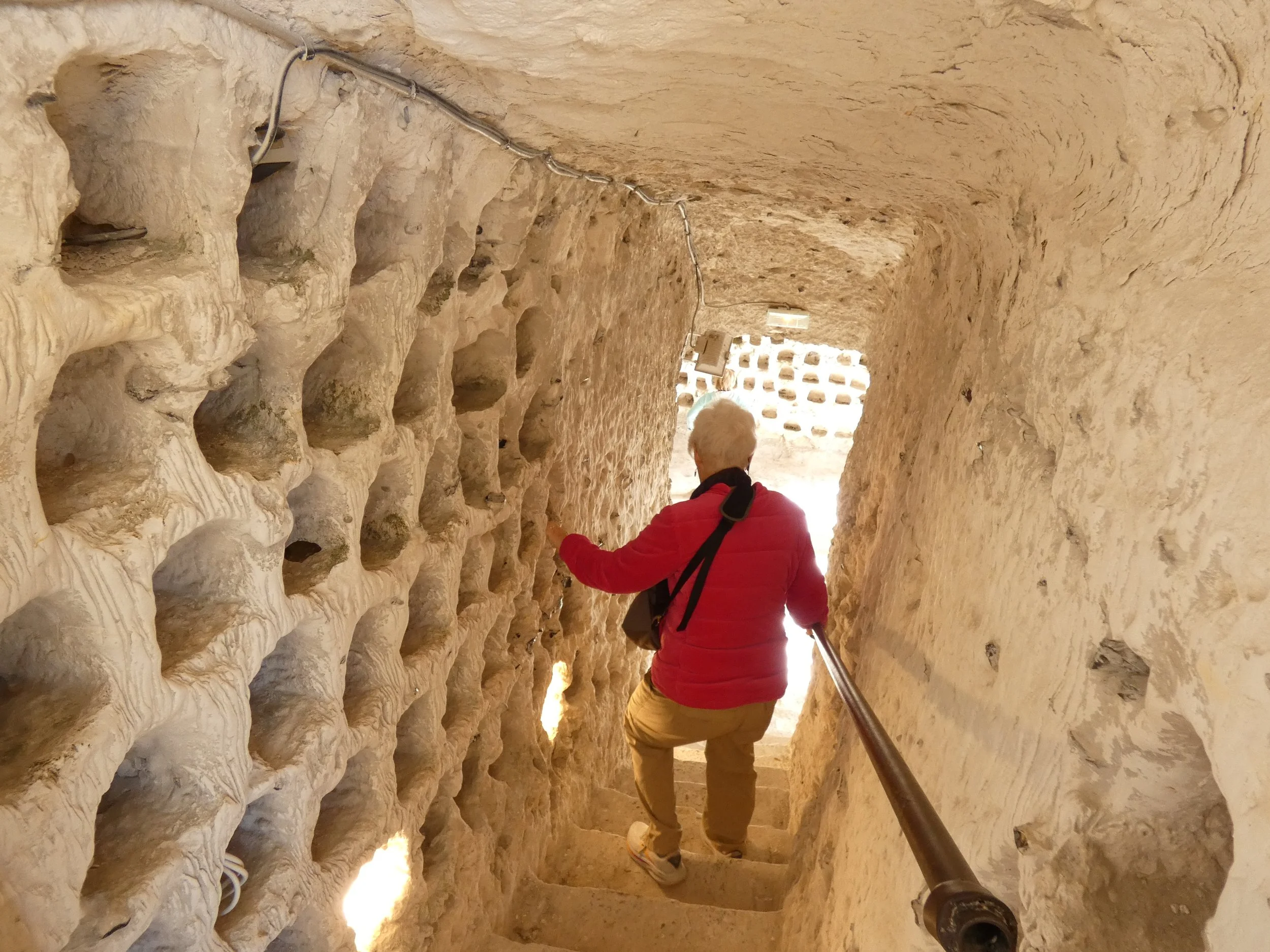
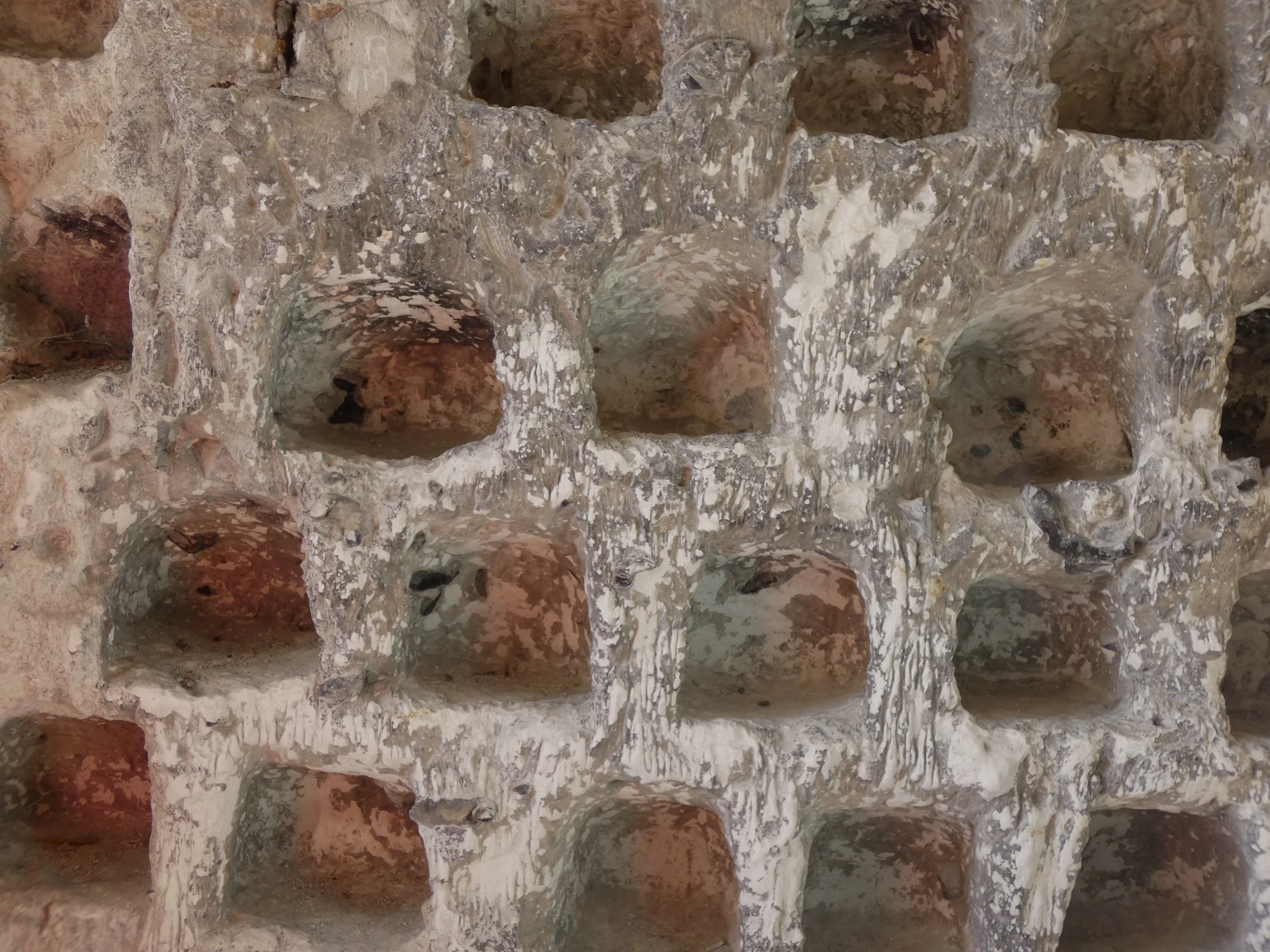
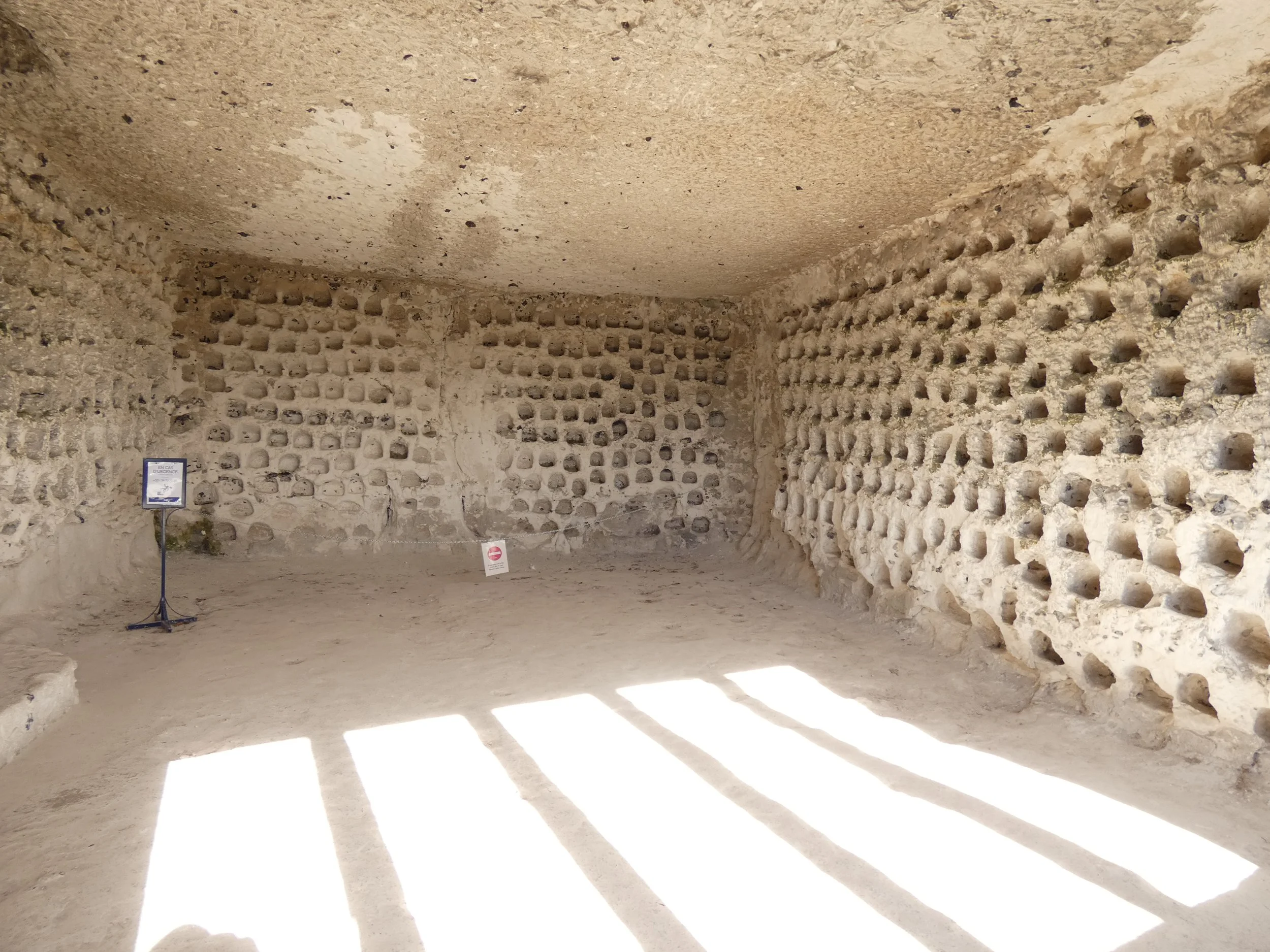
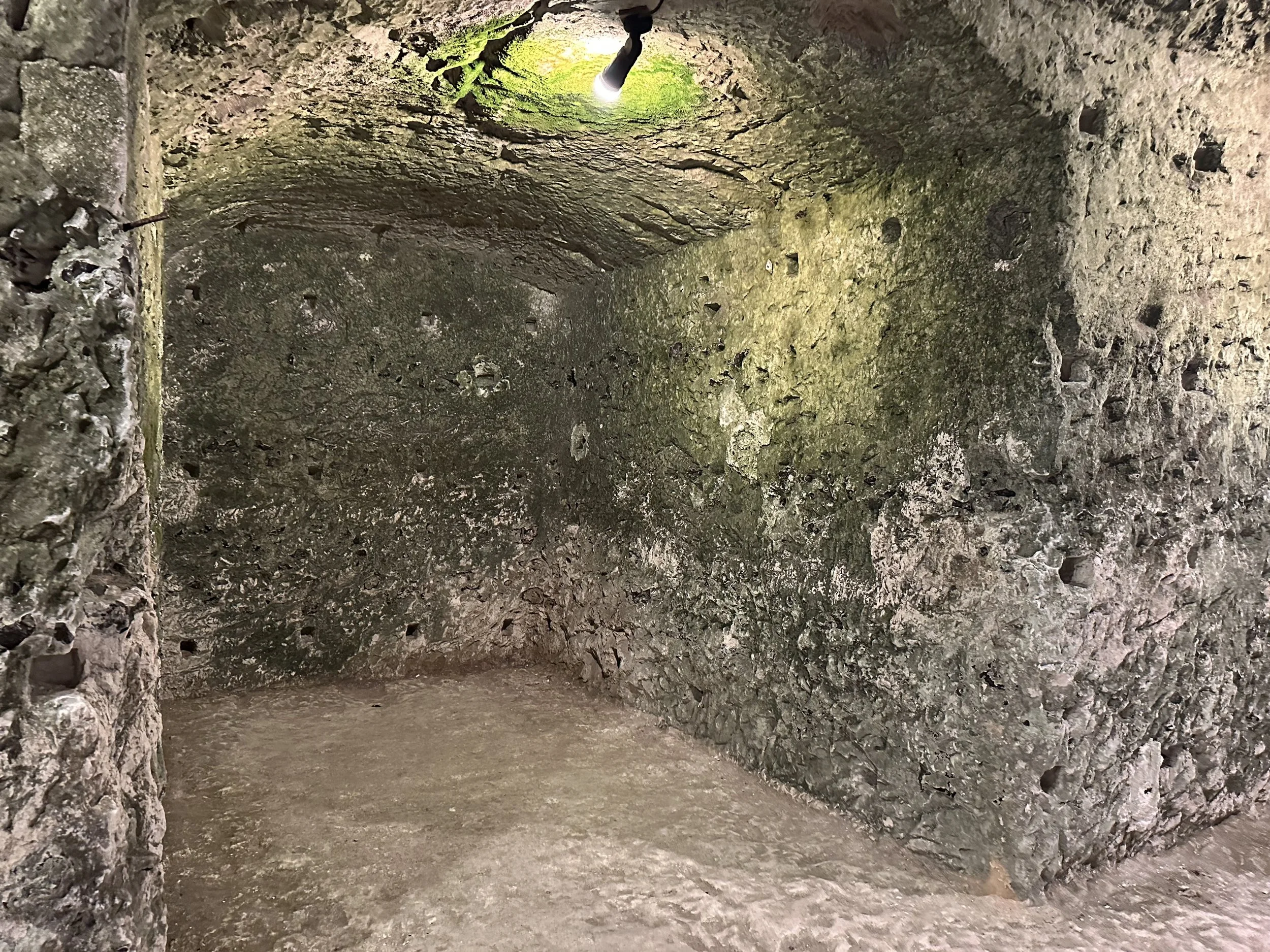
Field Marshall Erwin Rommel used the chateau as his headquarters, directing the ultimately unsuccessful defense of Normandy’s after D Day. Chambers carved into the walls of the cliff were used as an armory for weapons and ammunition. Higher up in the structure is a pigeon cave – man-made holes carved into the walls where pigeons lived. They were appreciated as a food delicacy back in the day and as homes for carrier pigeons – email of the day. Fighting during WWII scared the pigeons off and apparently that memory has been handed down from generation to generation; no pigeons call the chateau home today.
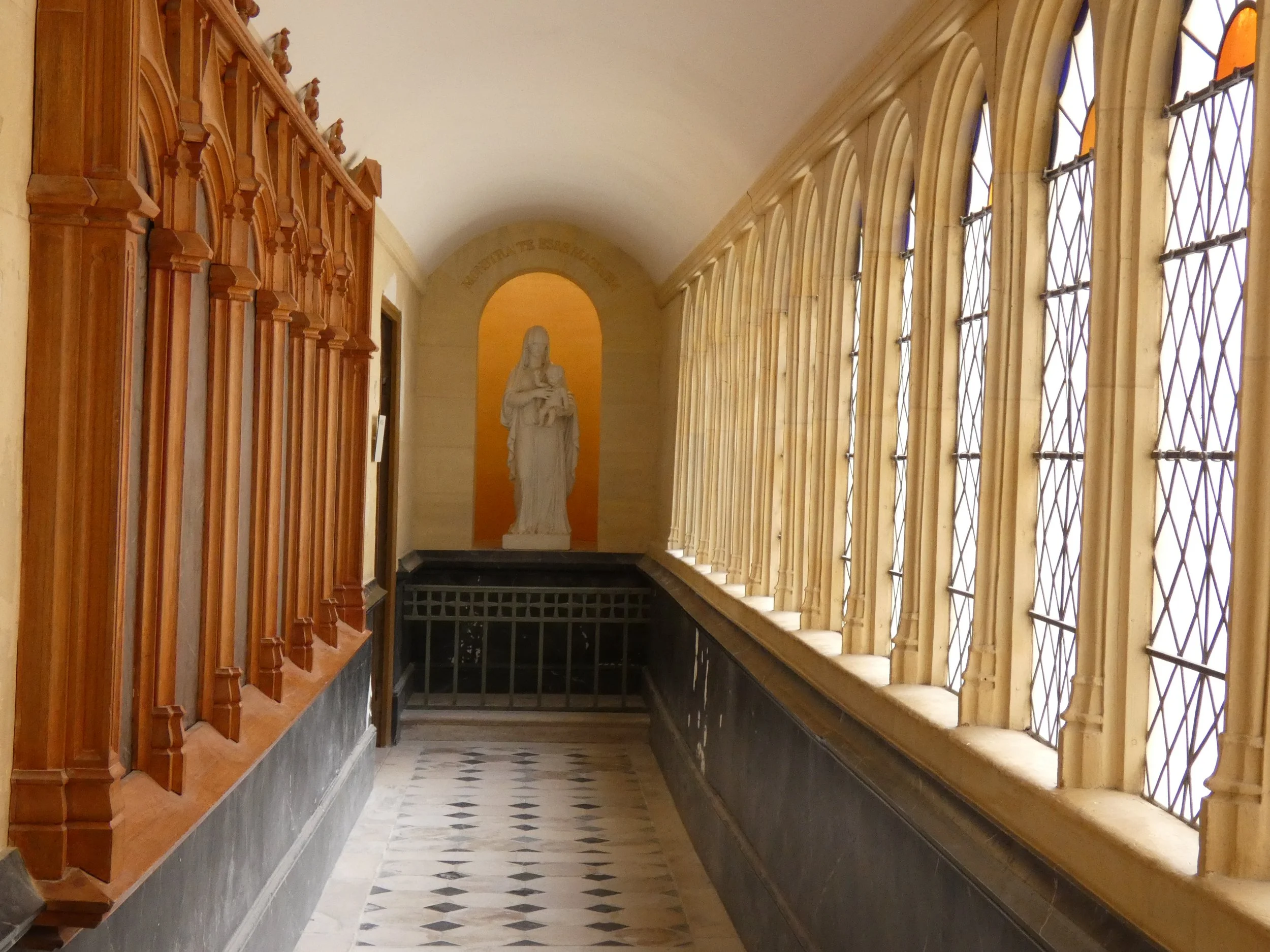
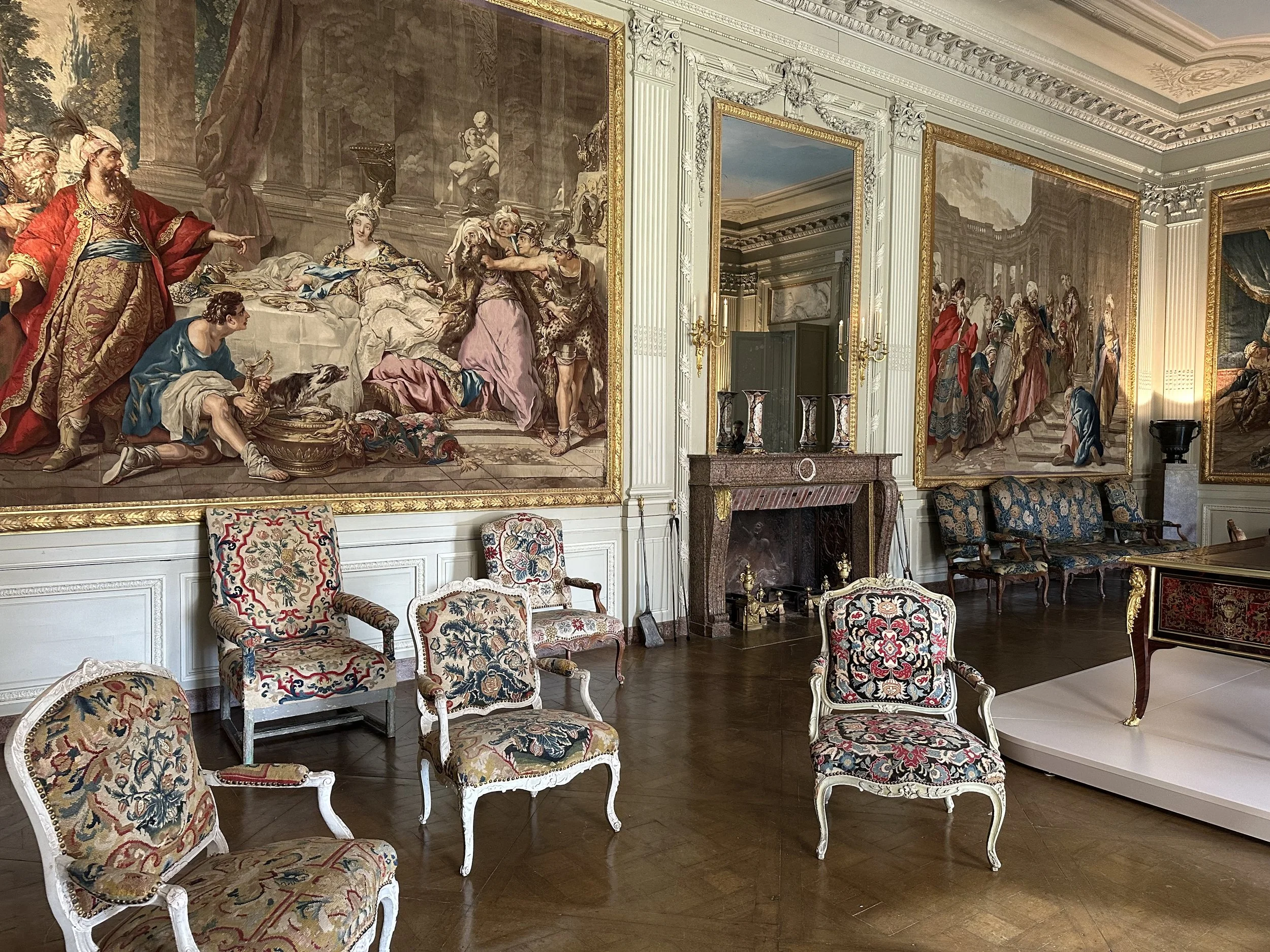
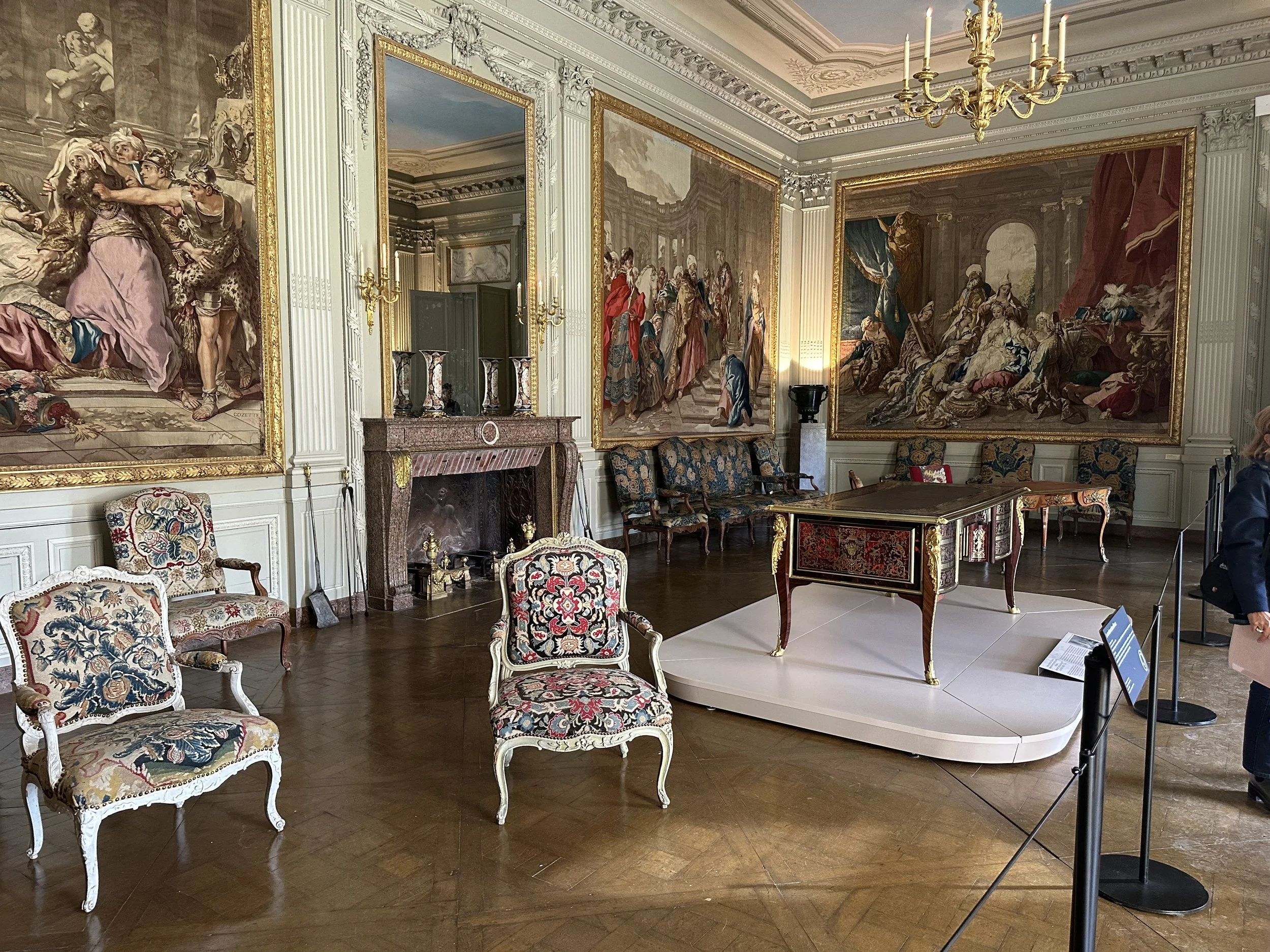
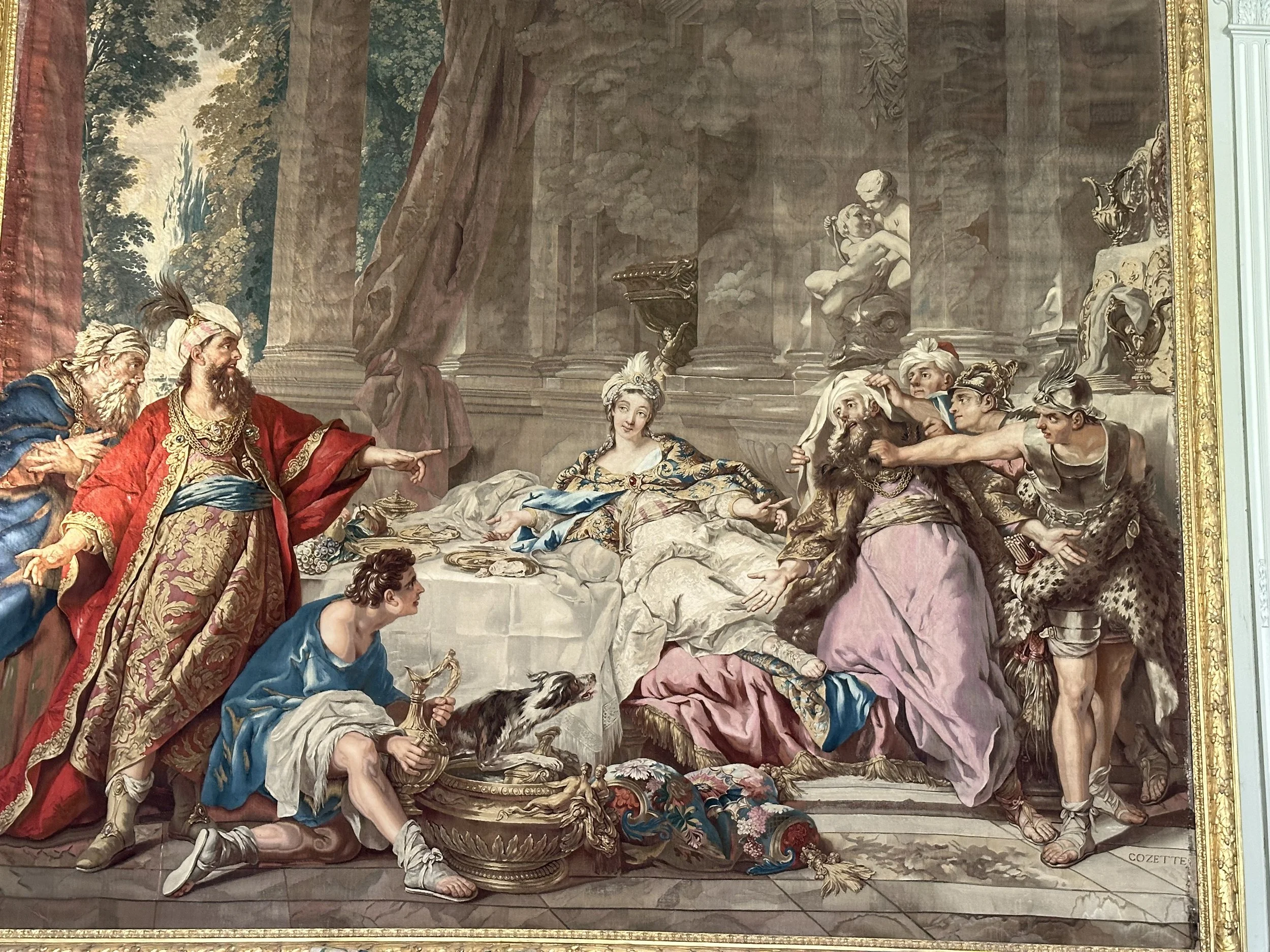
In one of the chambers occupied by Rommel is a series of tapestries hanging on the walls that depict the story of Esther from the bible. Short story: Esther, a Jew, is Queen of Persia. Her husband, the king, is convinced by his advisor to murder all Jews. Esther, placing her life in danger tells her husband that she is in fact a Jew. The king, in love with Esther, has his advisor executed and grants Jews the right to defend themselves against attack.
That’s an interesting story for a guy like Rommel to look at every day. But our guide pointed out that Rommel, while no angel, did try to convince Hitler to give up on the “Final Solution” and to stop murdering Jews. Hitler didn’t listen. Rommel considered but decided not to assassinate Hitler because such an act might make Hitler a martyr.
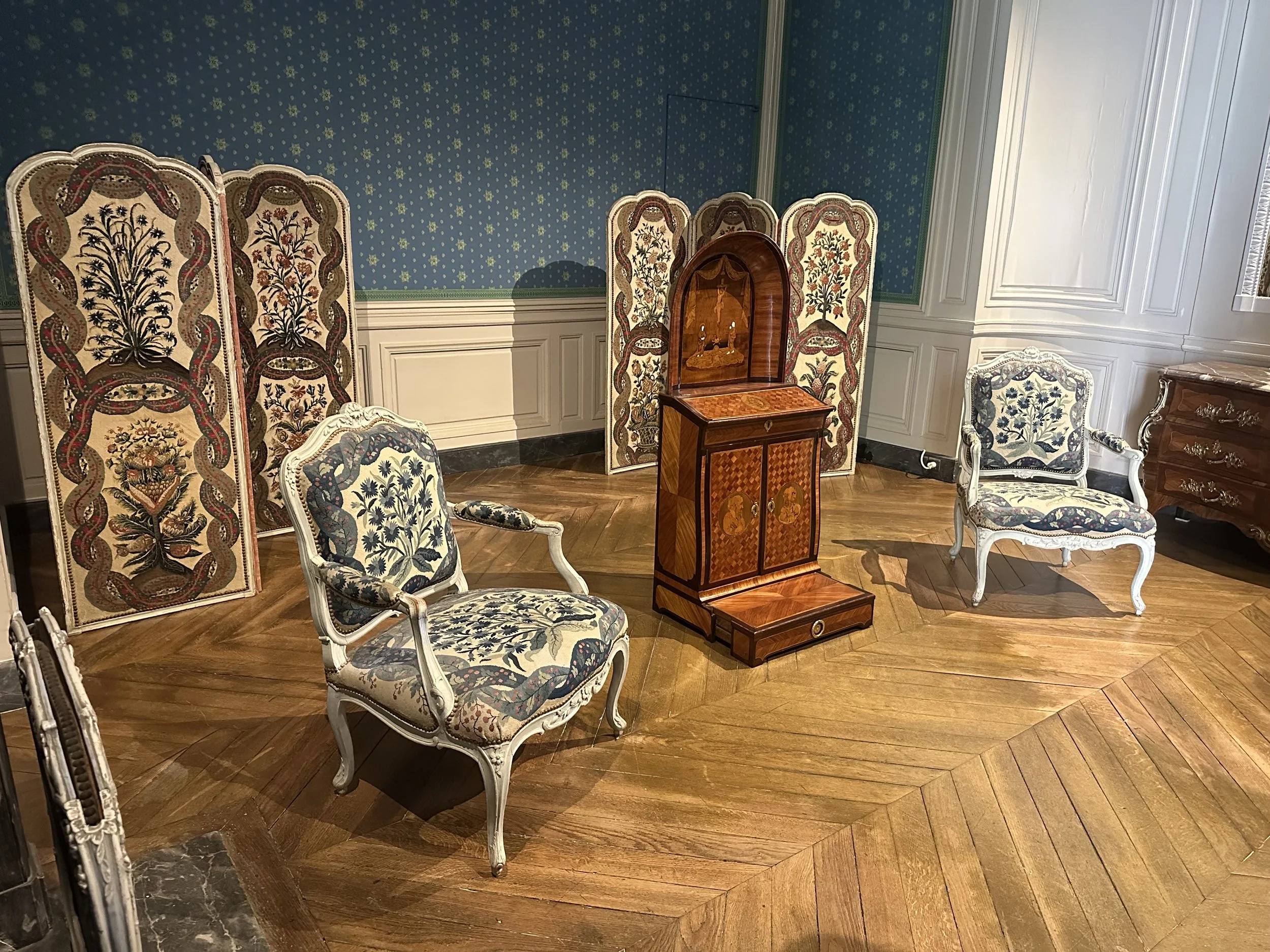
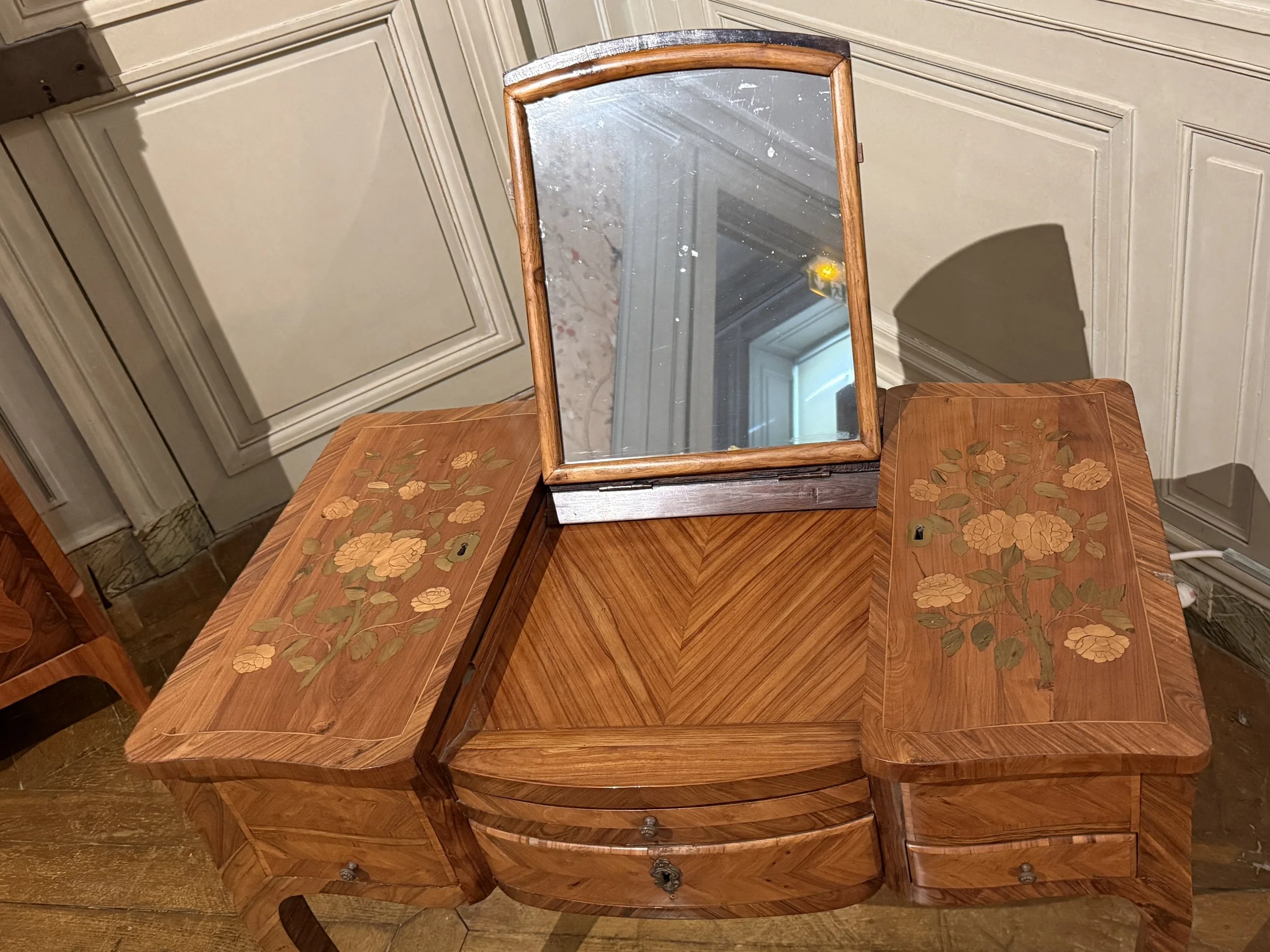
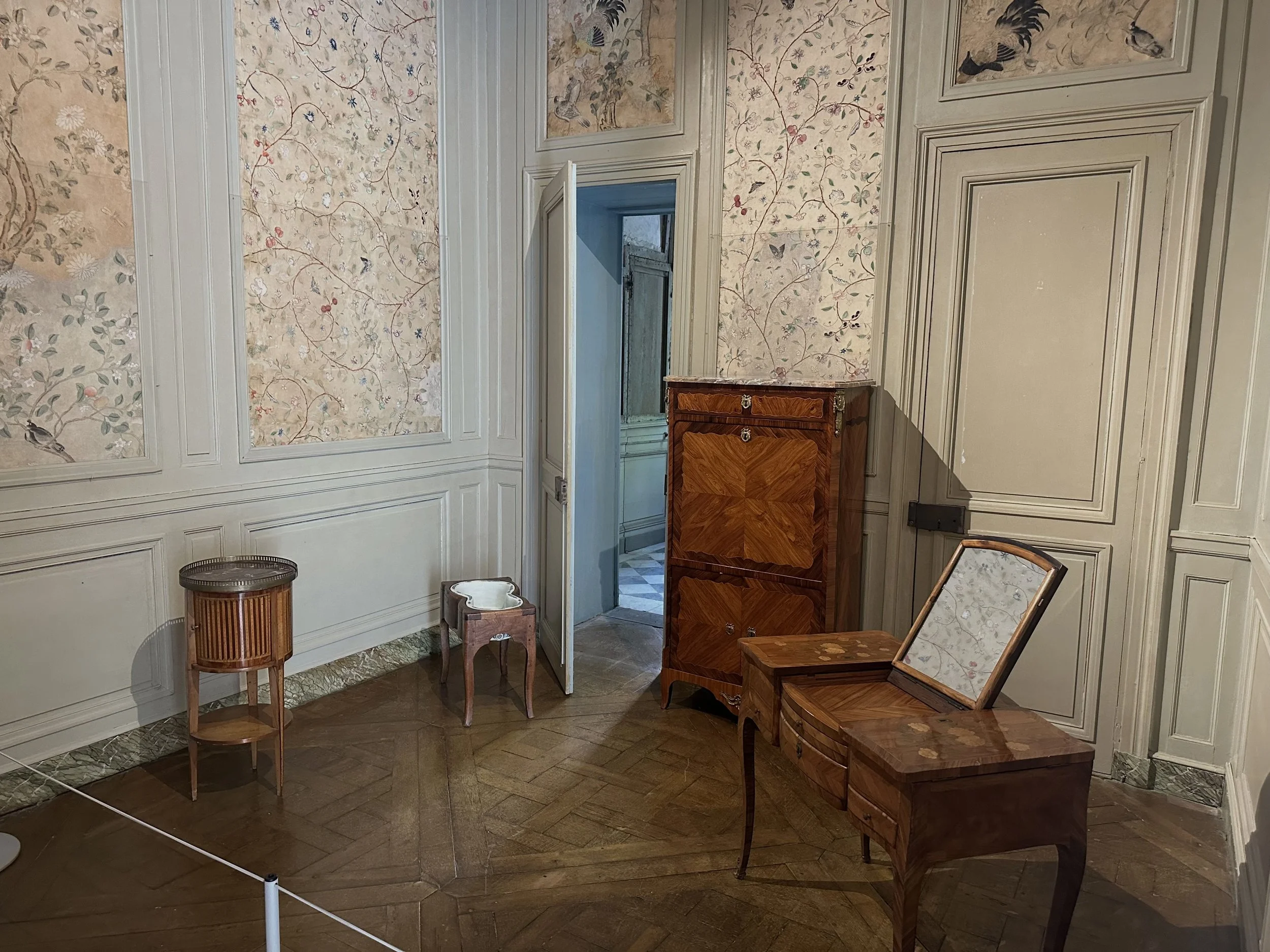
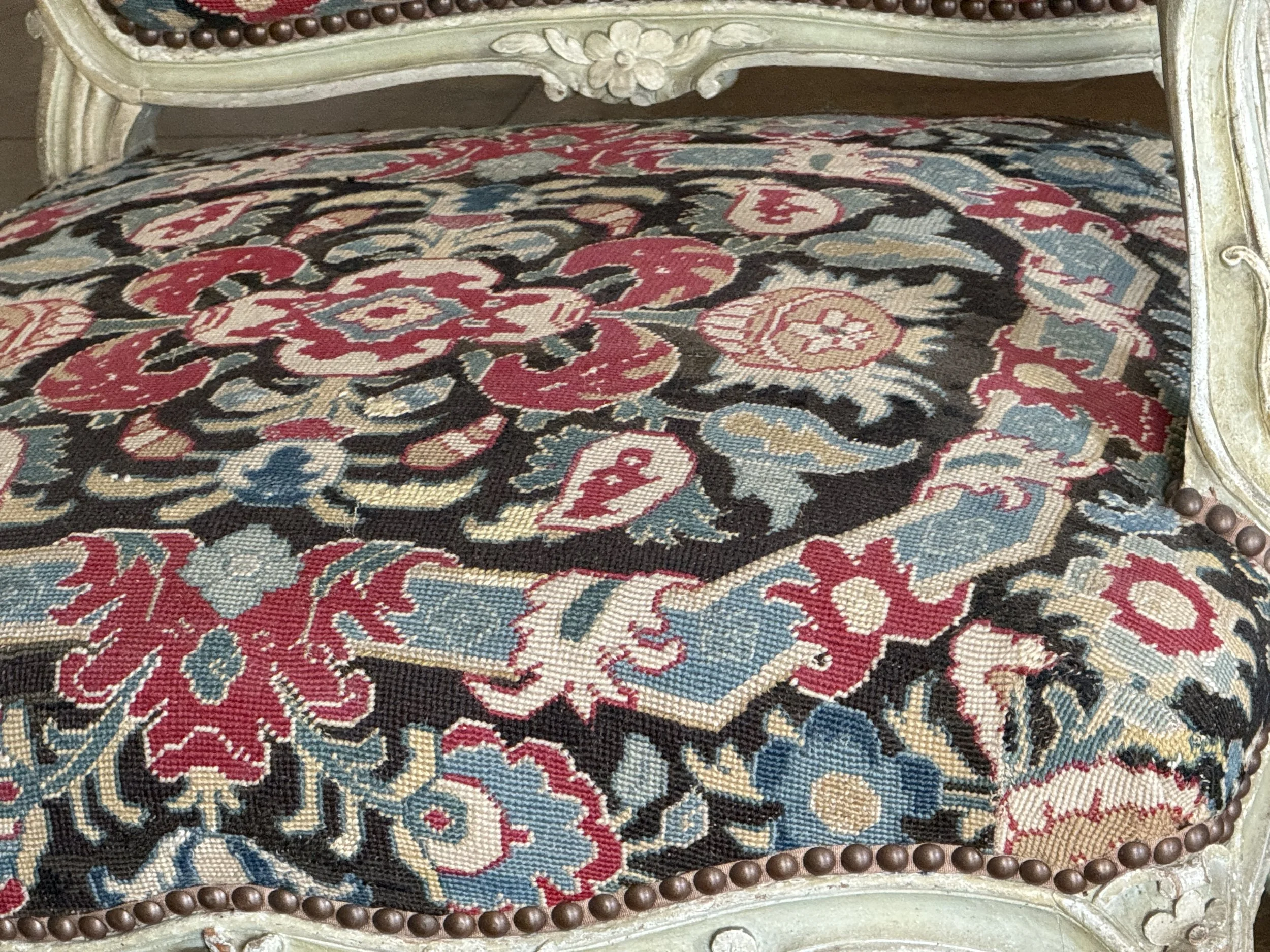
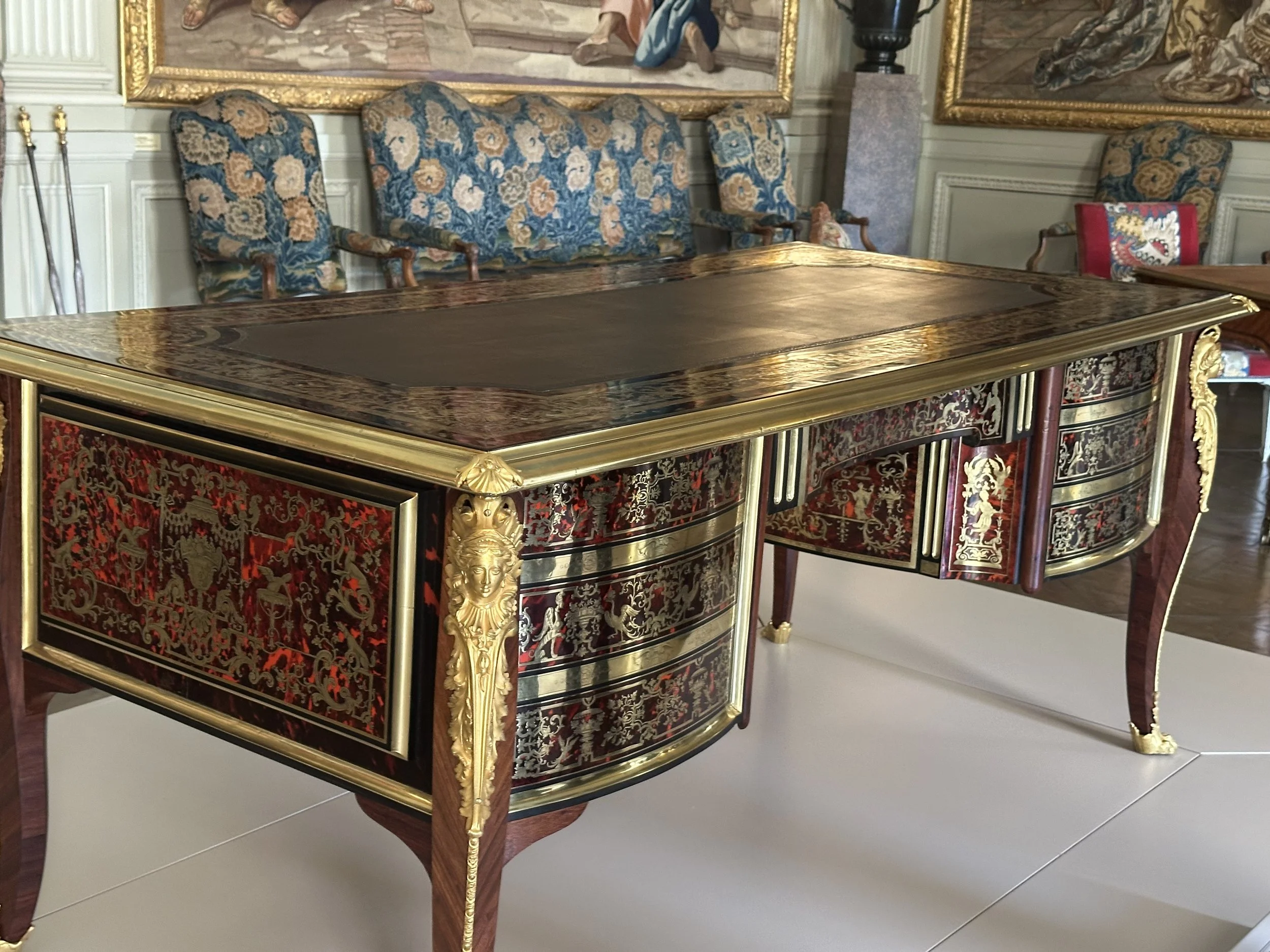
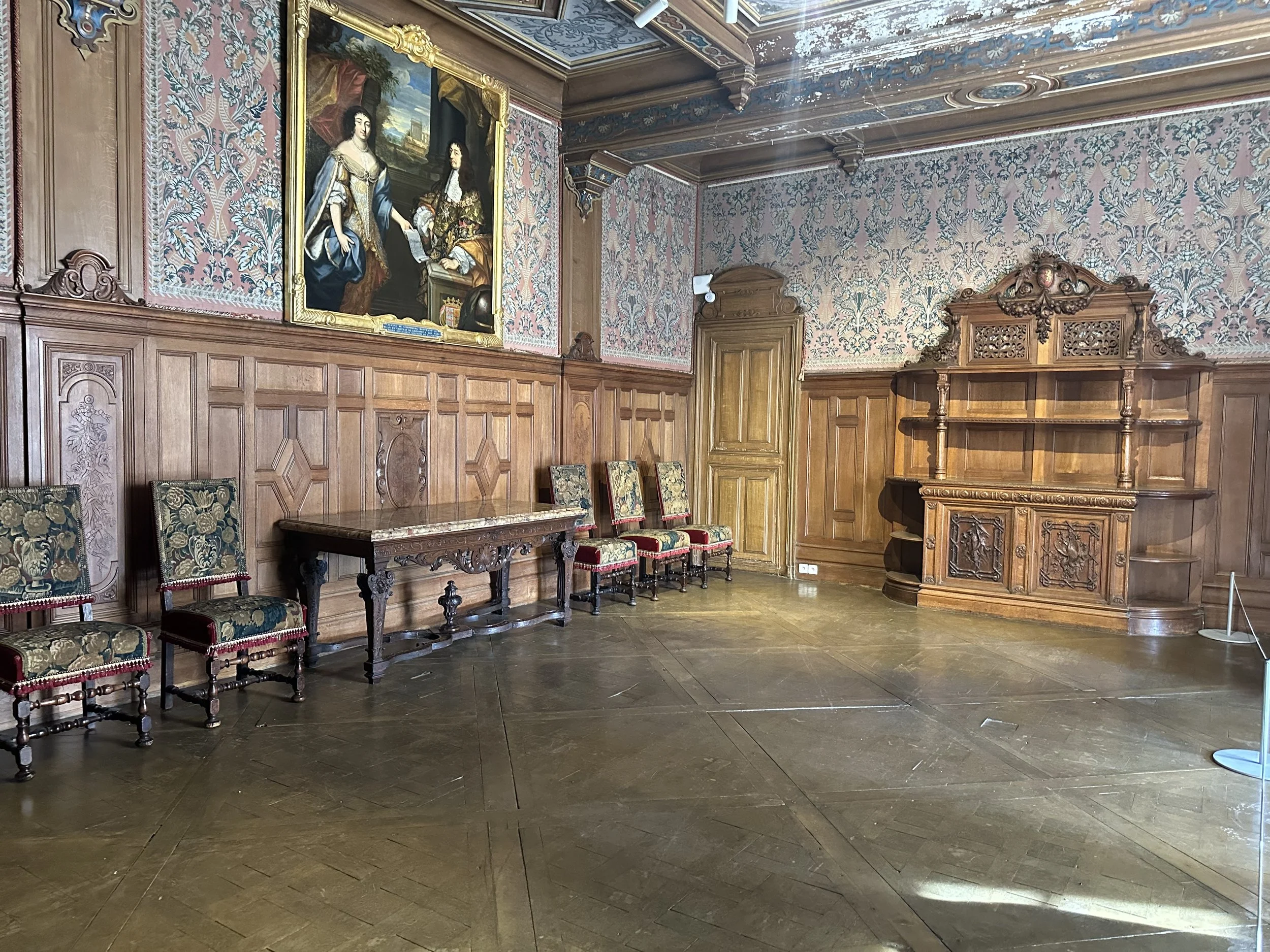
Judy was especially impressed by the furniture in Rommel’s living room. The wooden furniture inlay designs and the needlepoint work on the chairs were remarkable. Her mother did needlepoint and we have two chair cushions that she did in our Florida home.
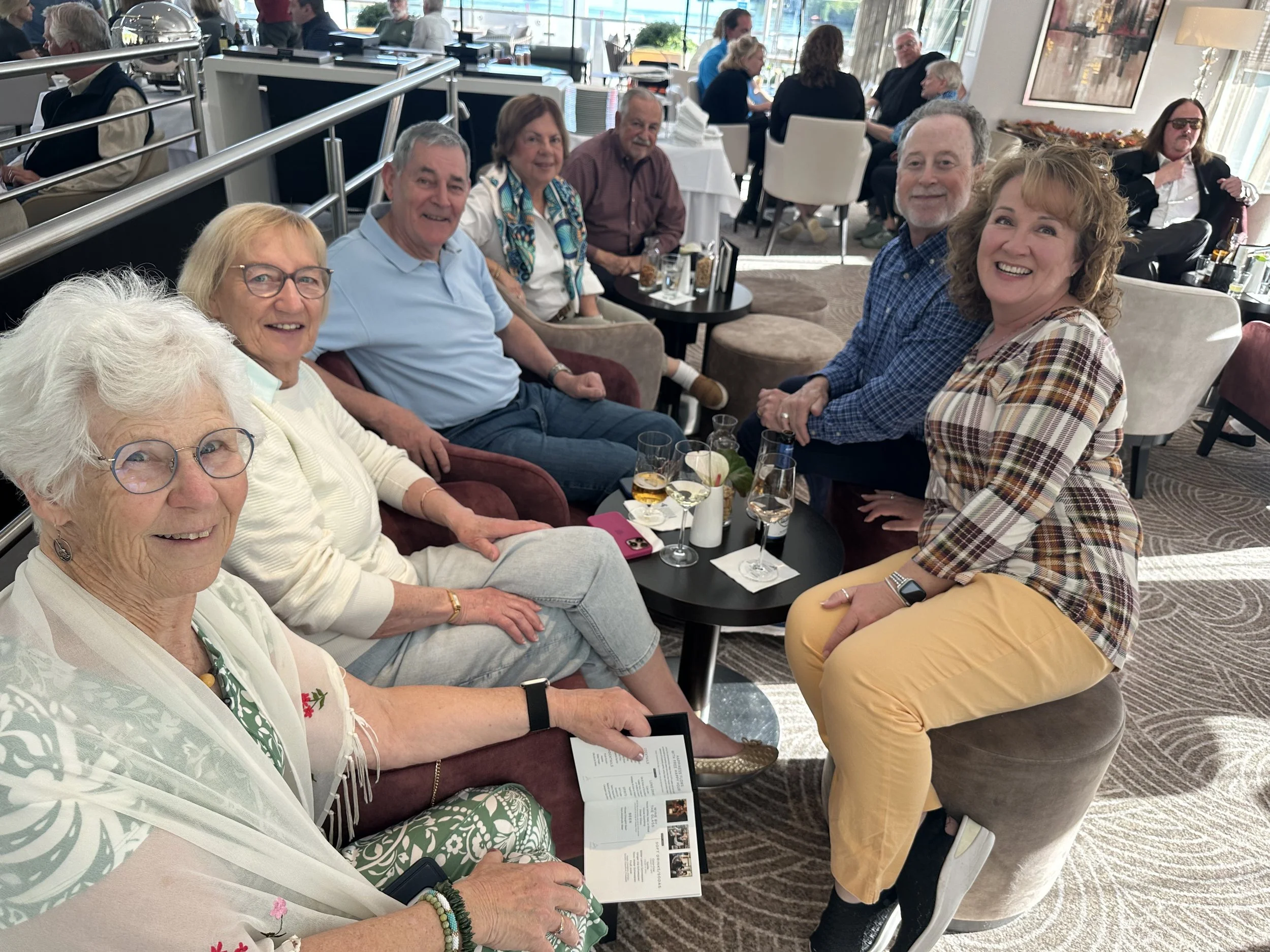
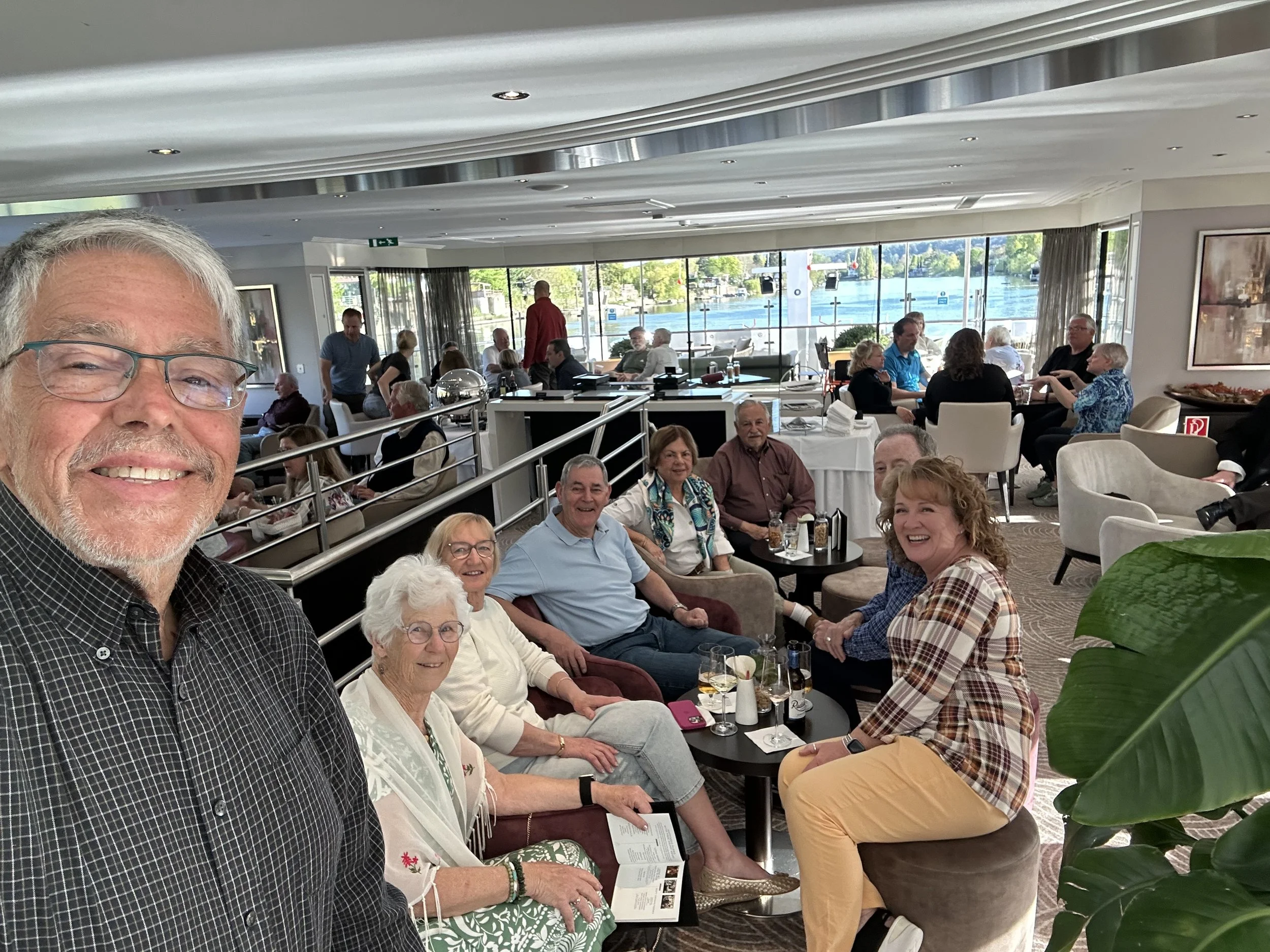
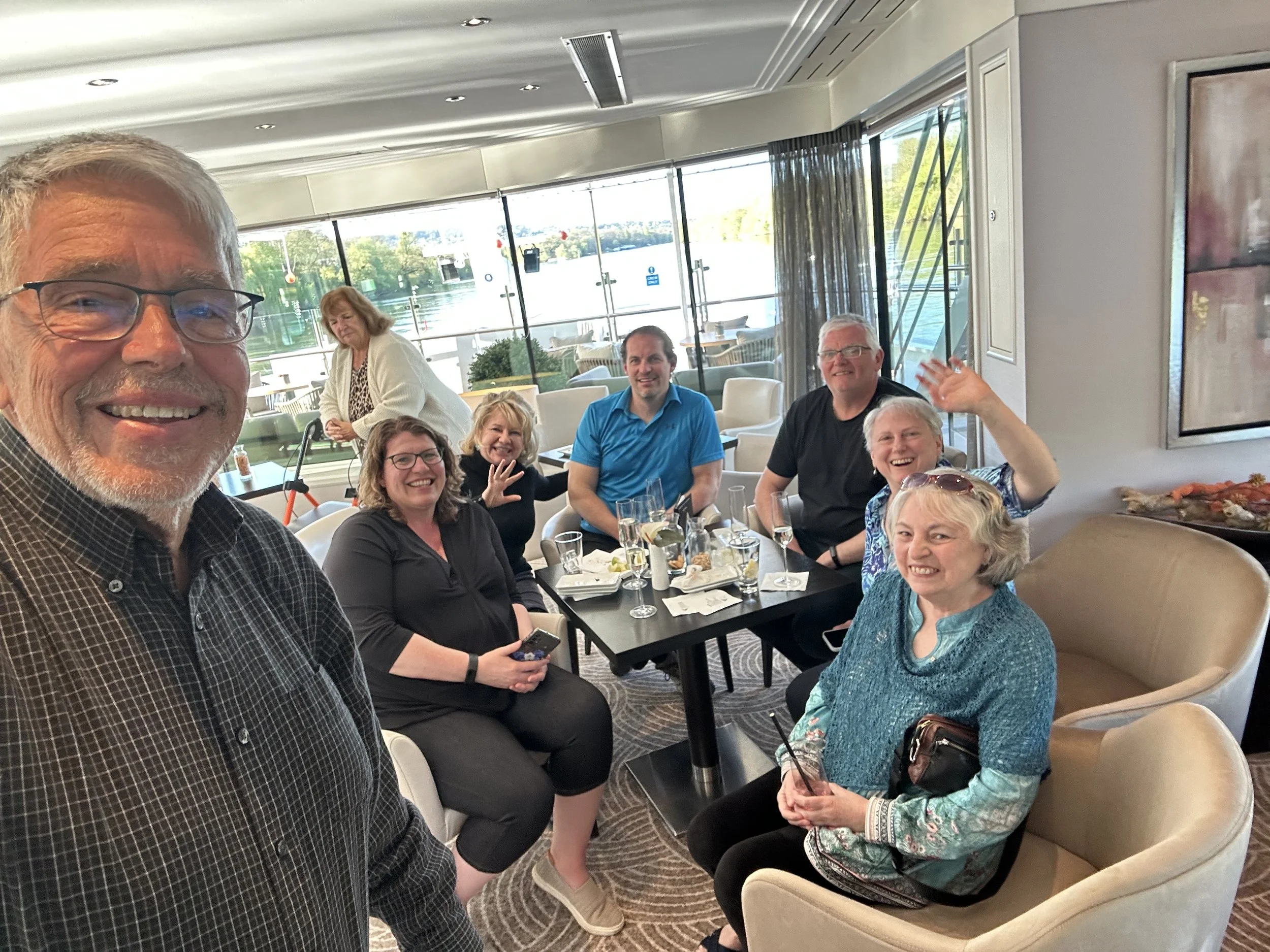
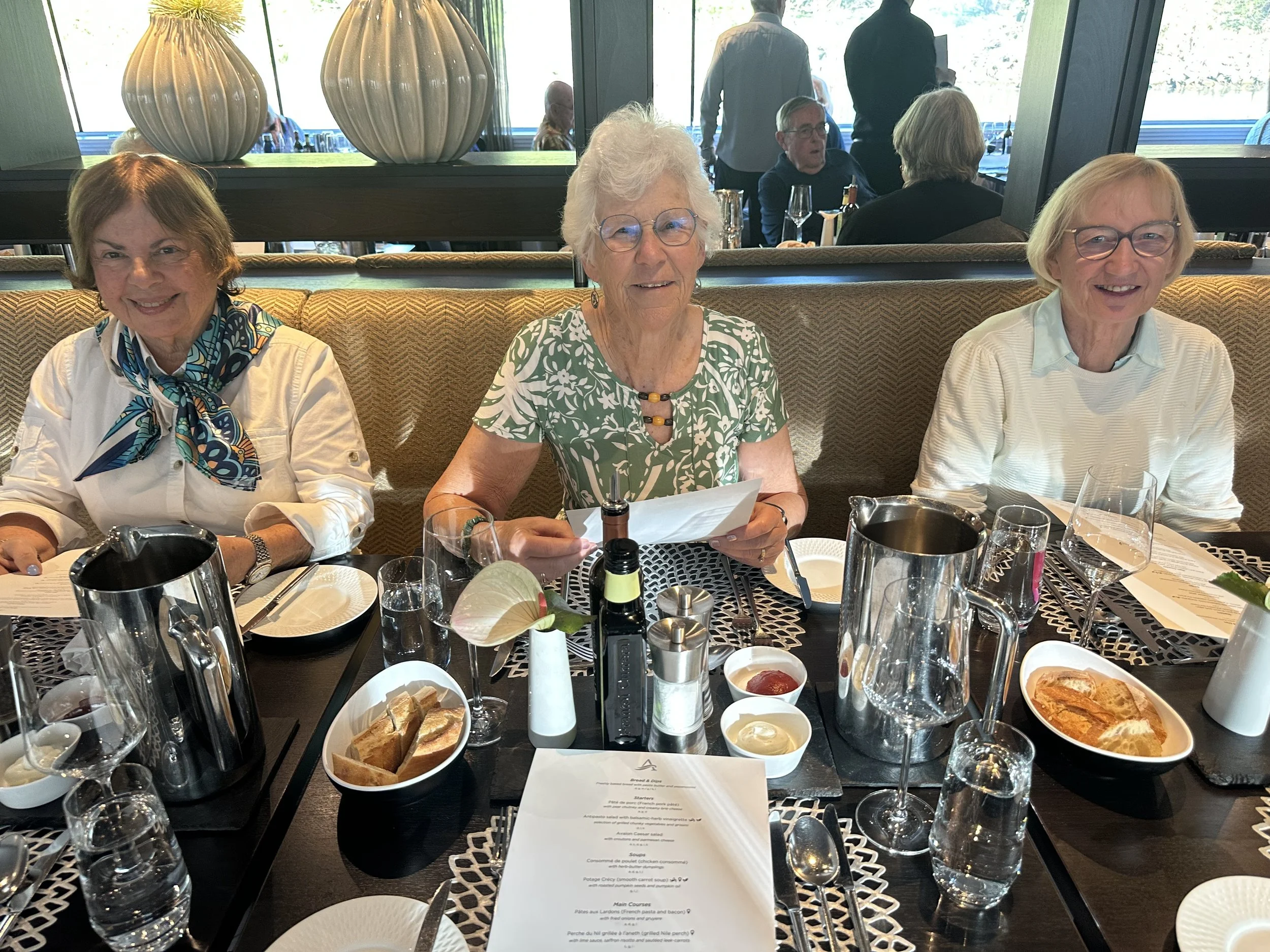
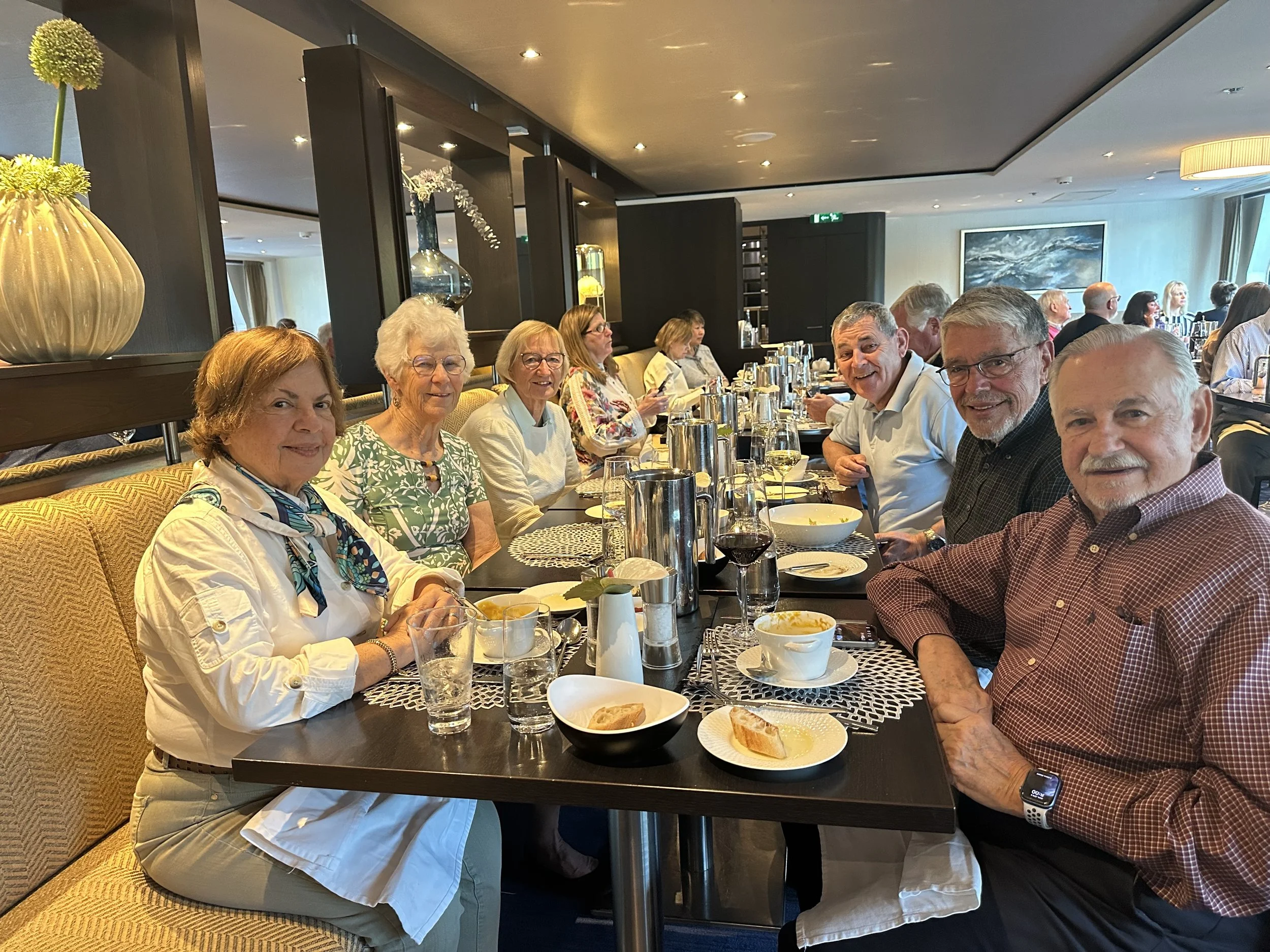
So goodby Normandy. We had cocktails and inner with a half dozen friends we made on this seven-day trip. A nice way to end this phase of our expedition. We dock in Paris tomorrow and at 9 AM Judy and I will be escorted by train from Paris to Dejon for a Burgundy wine tasting experience and then on to our new ship that we meet in Beaune. South of France, here we come.