Day 12 - Dundas Harbor September 2, 2026
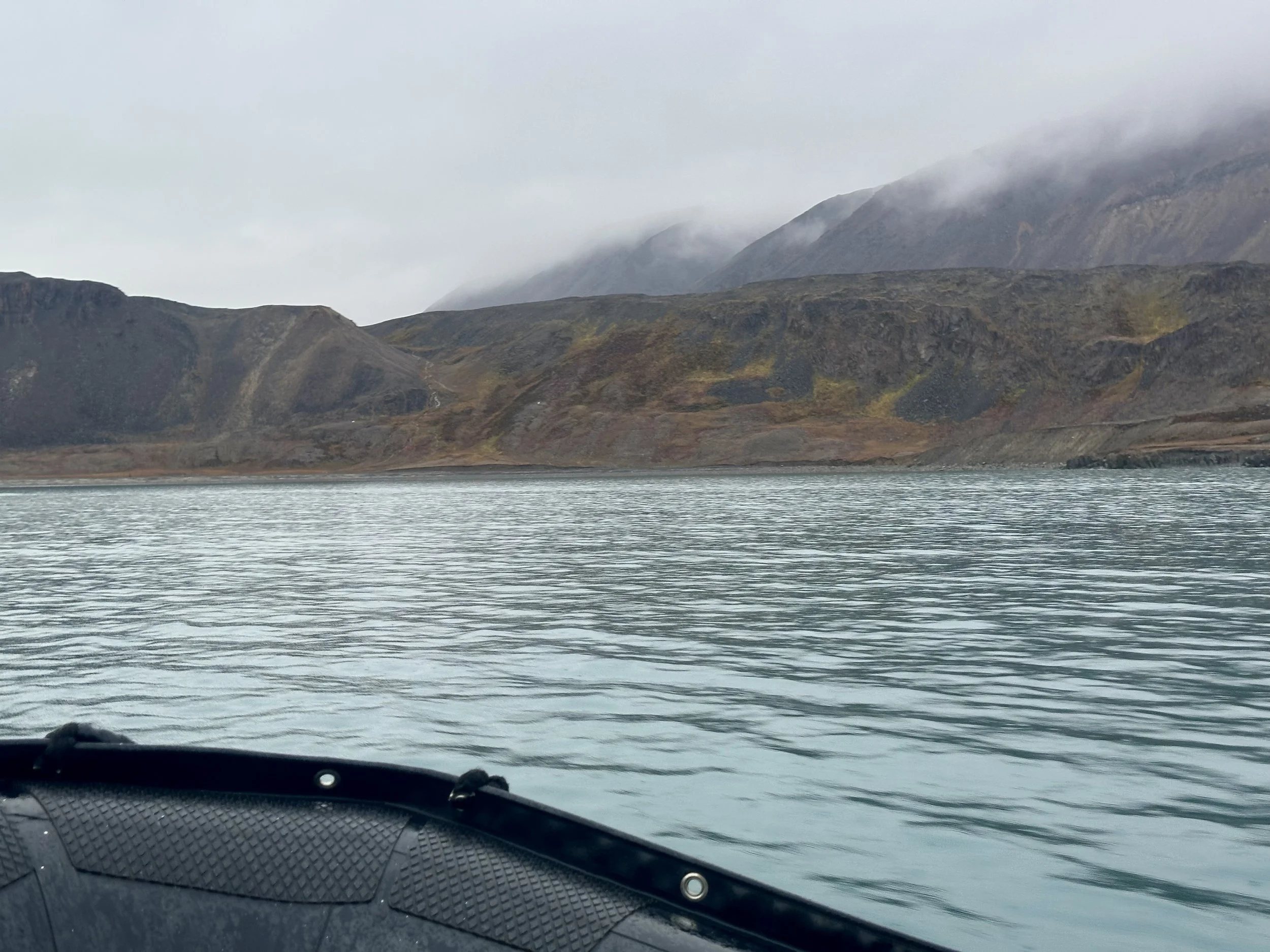
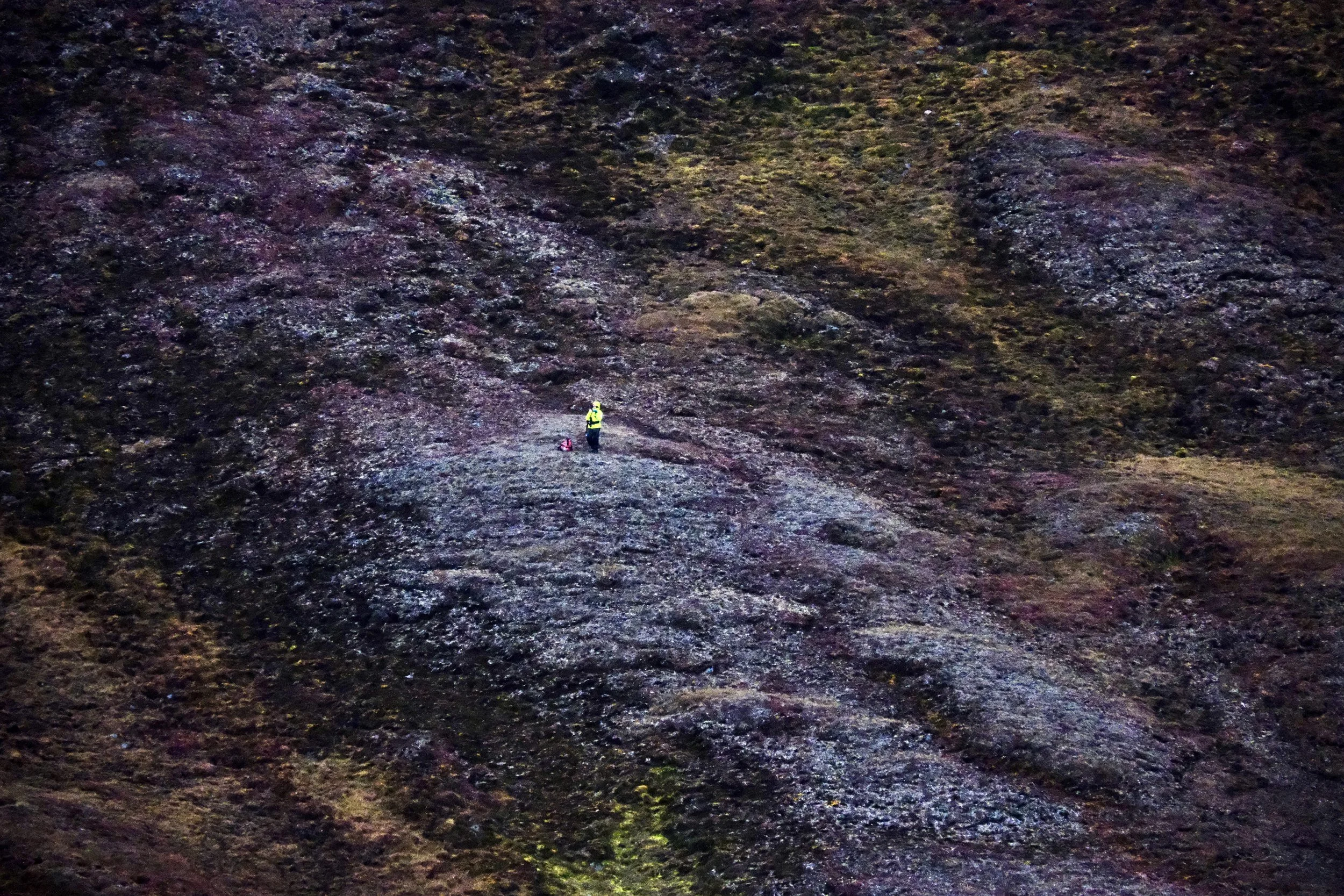
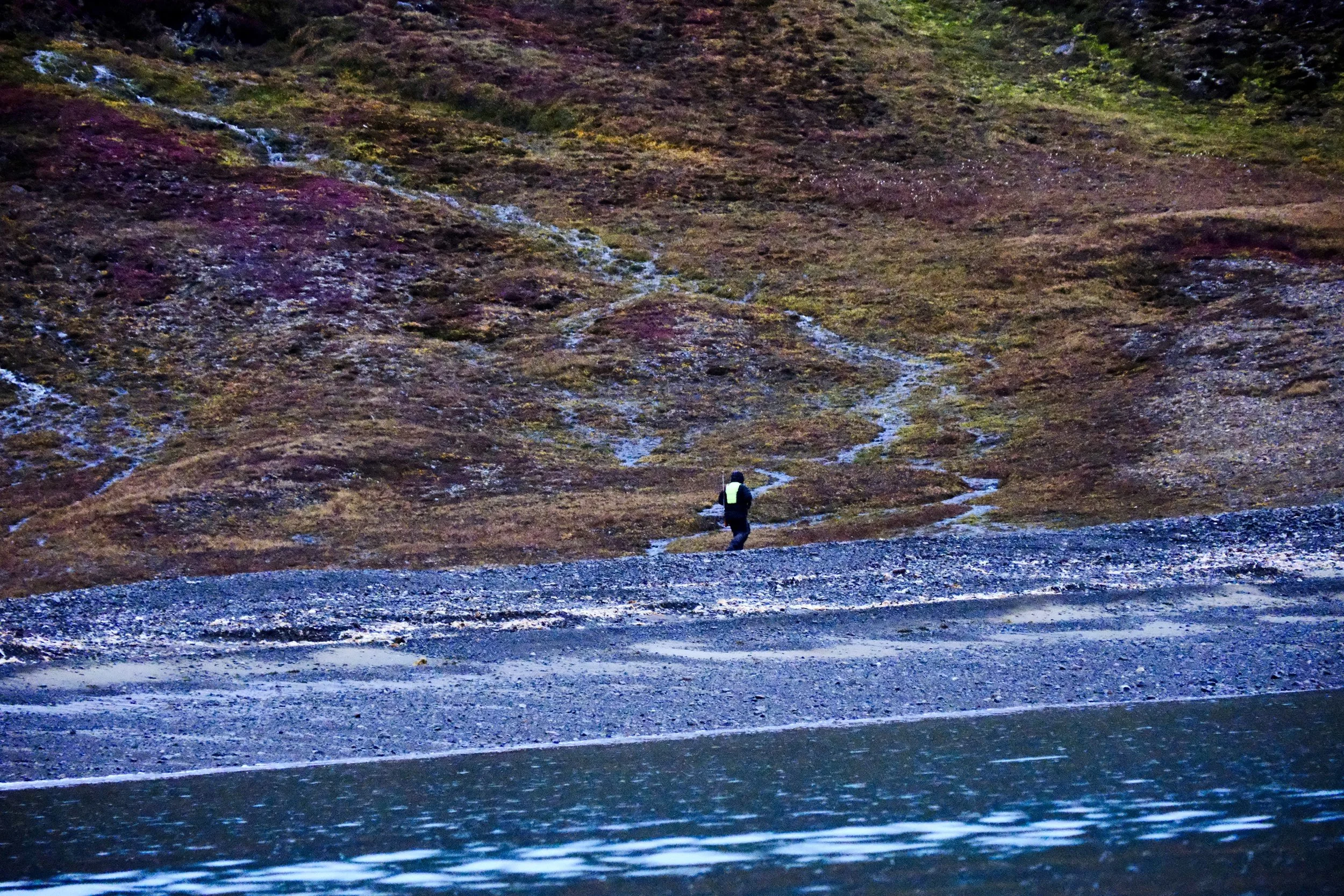
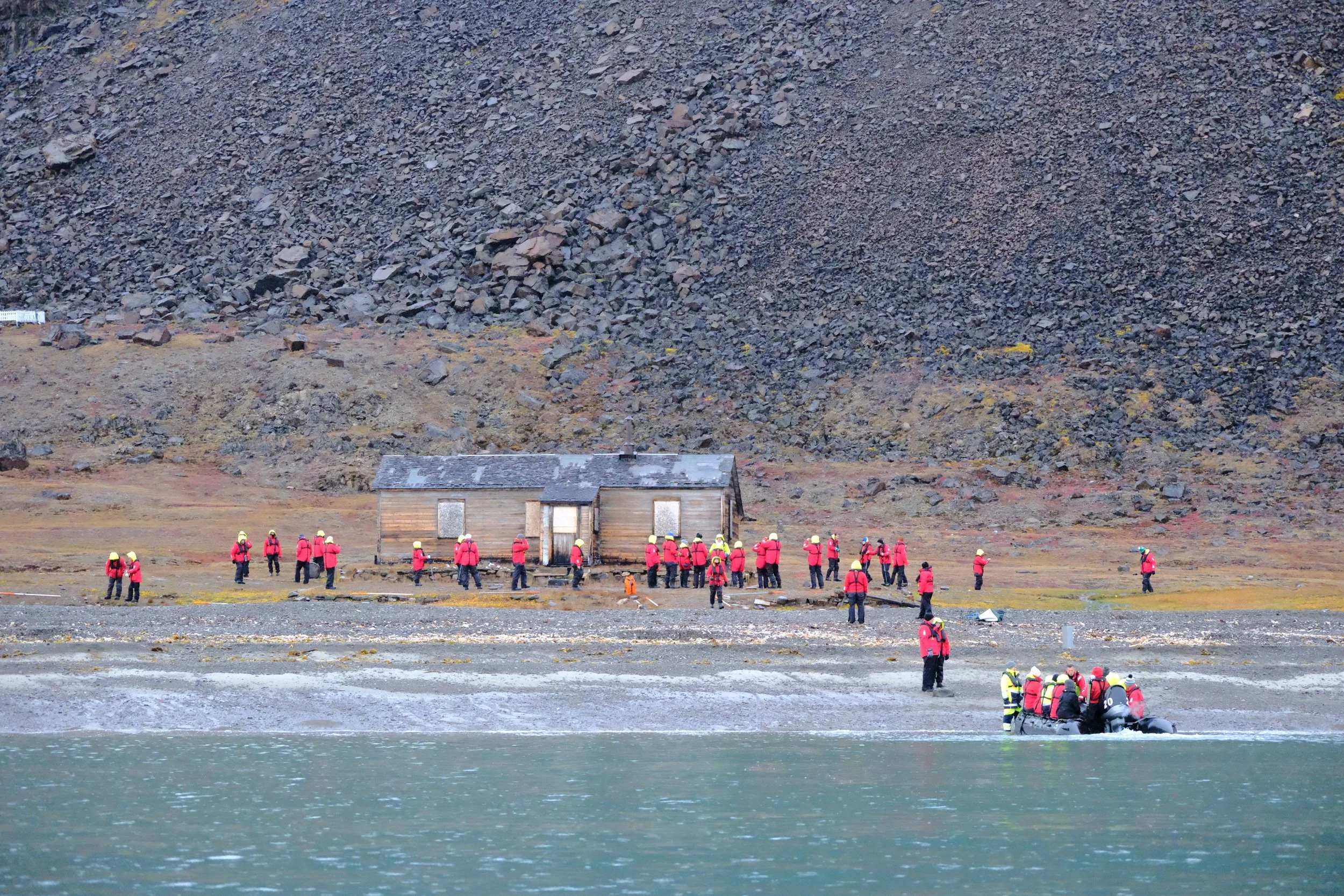
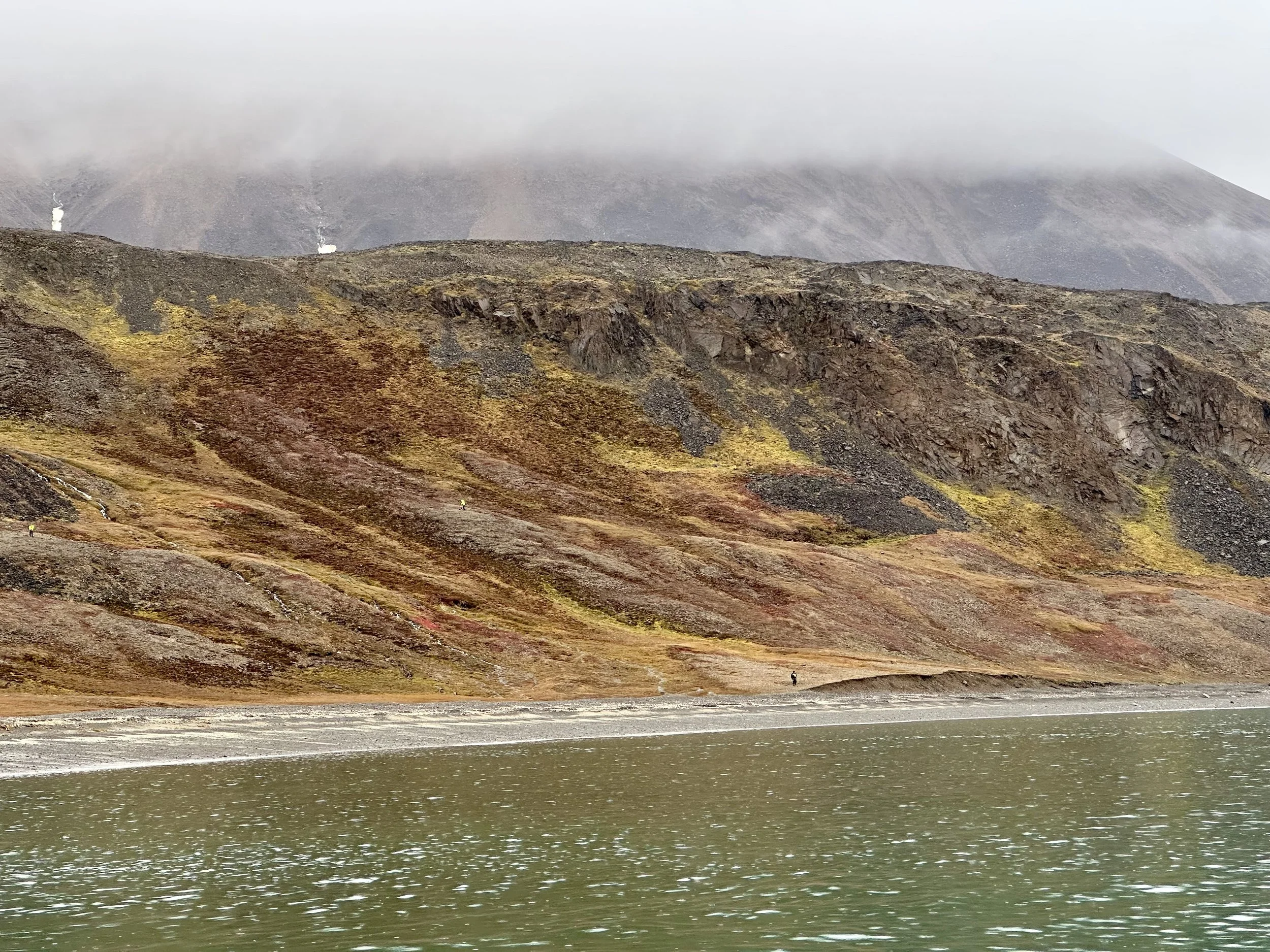
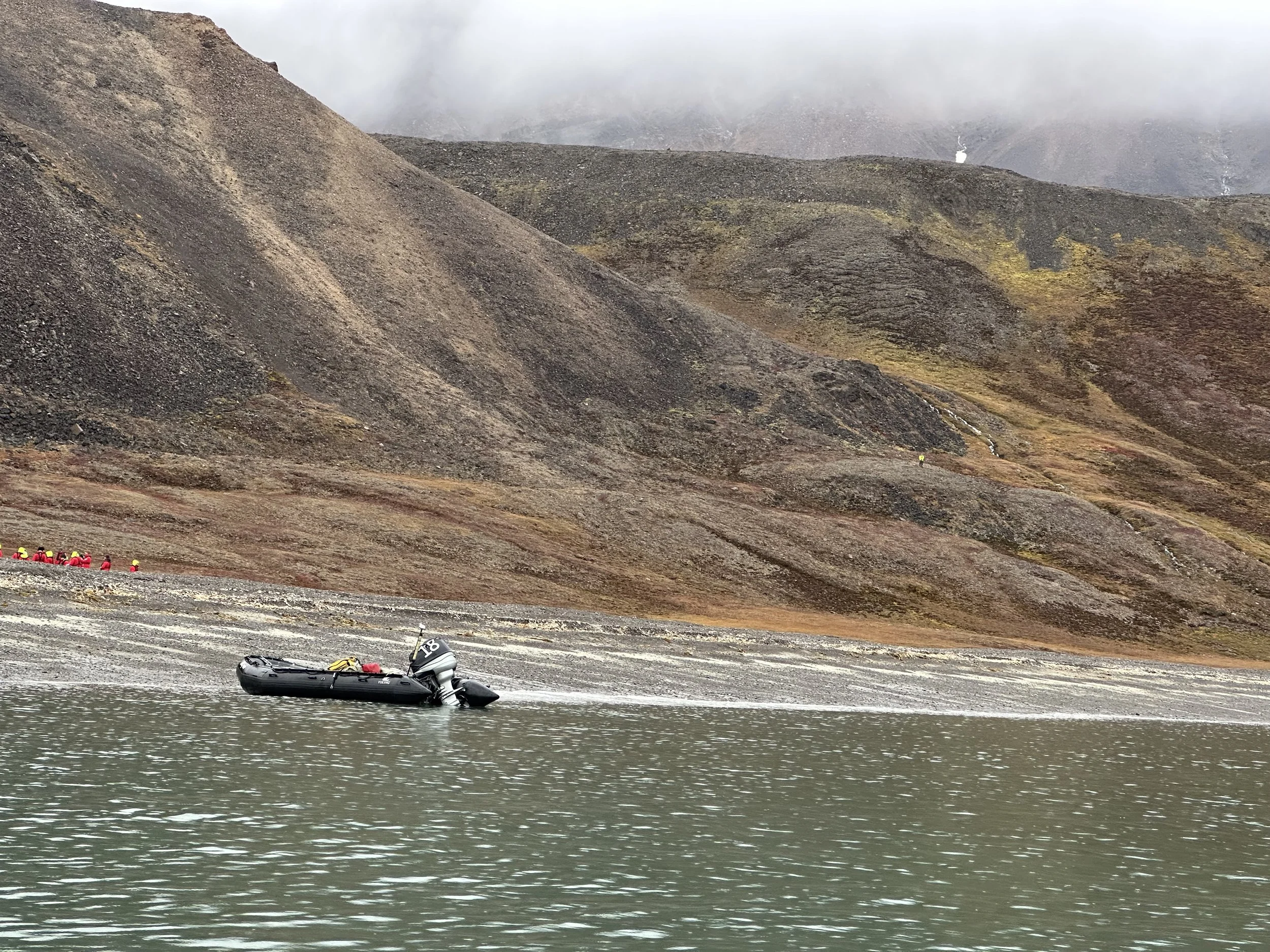
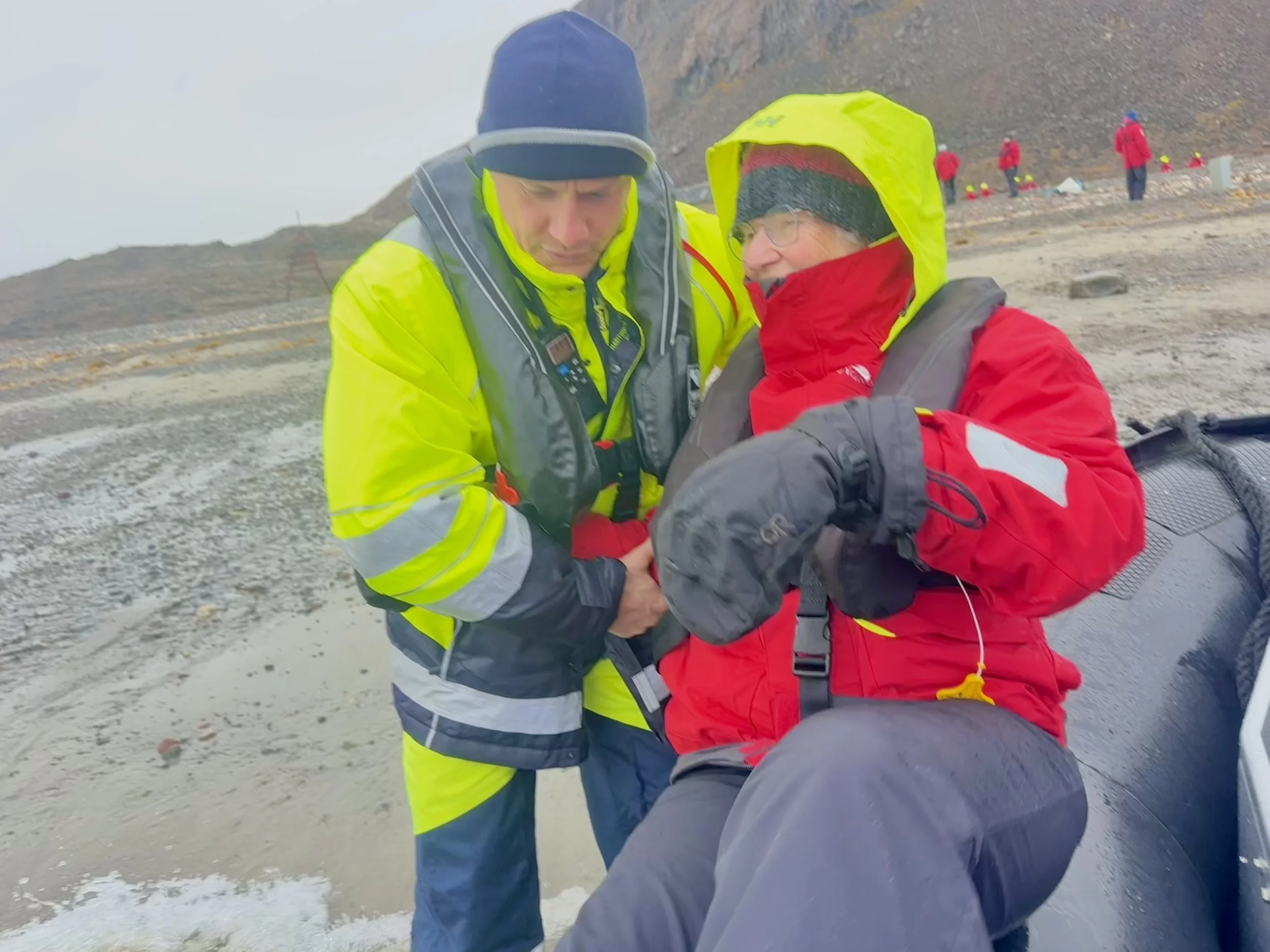
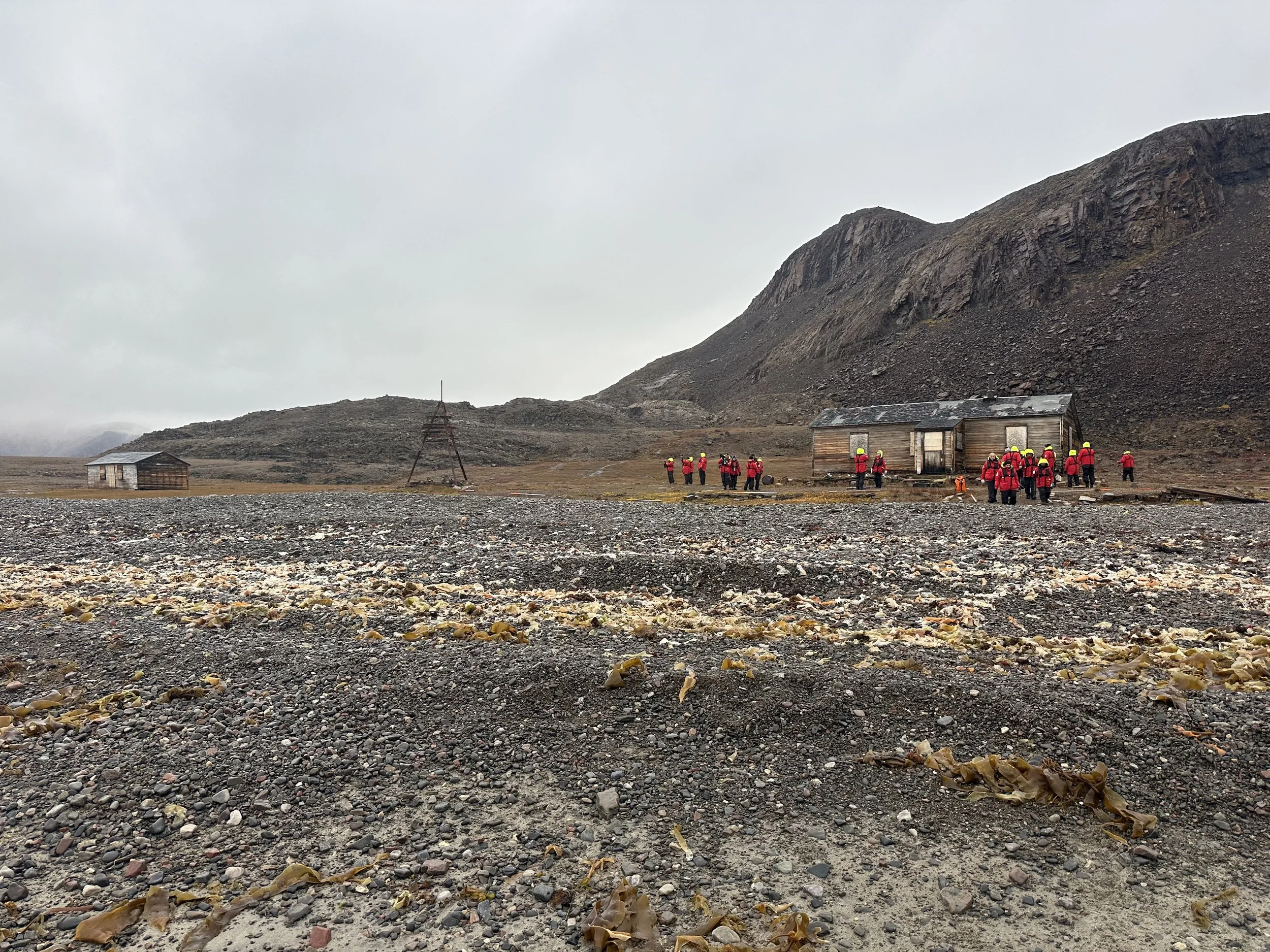
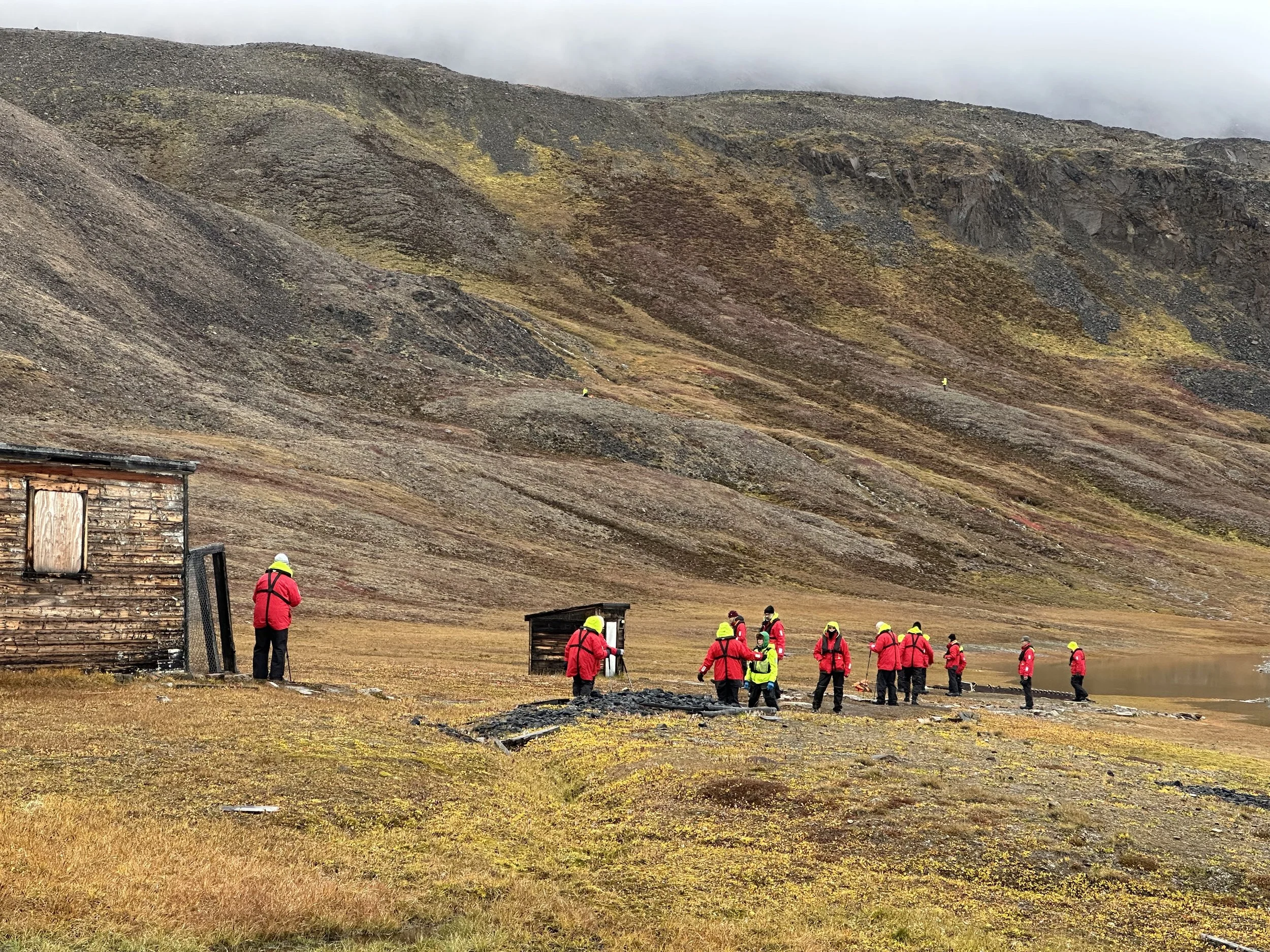
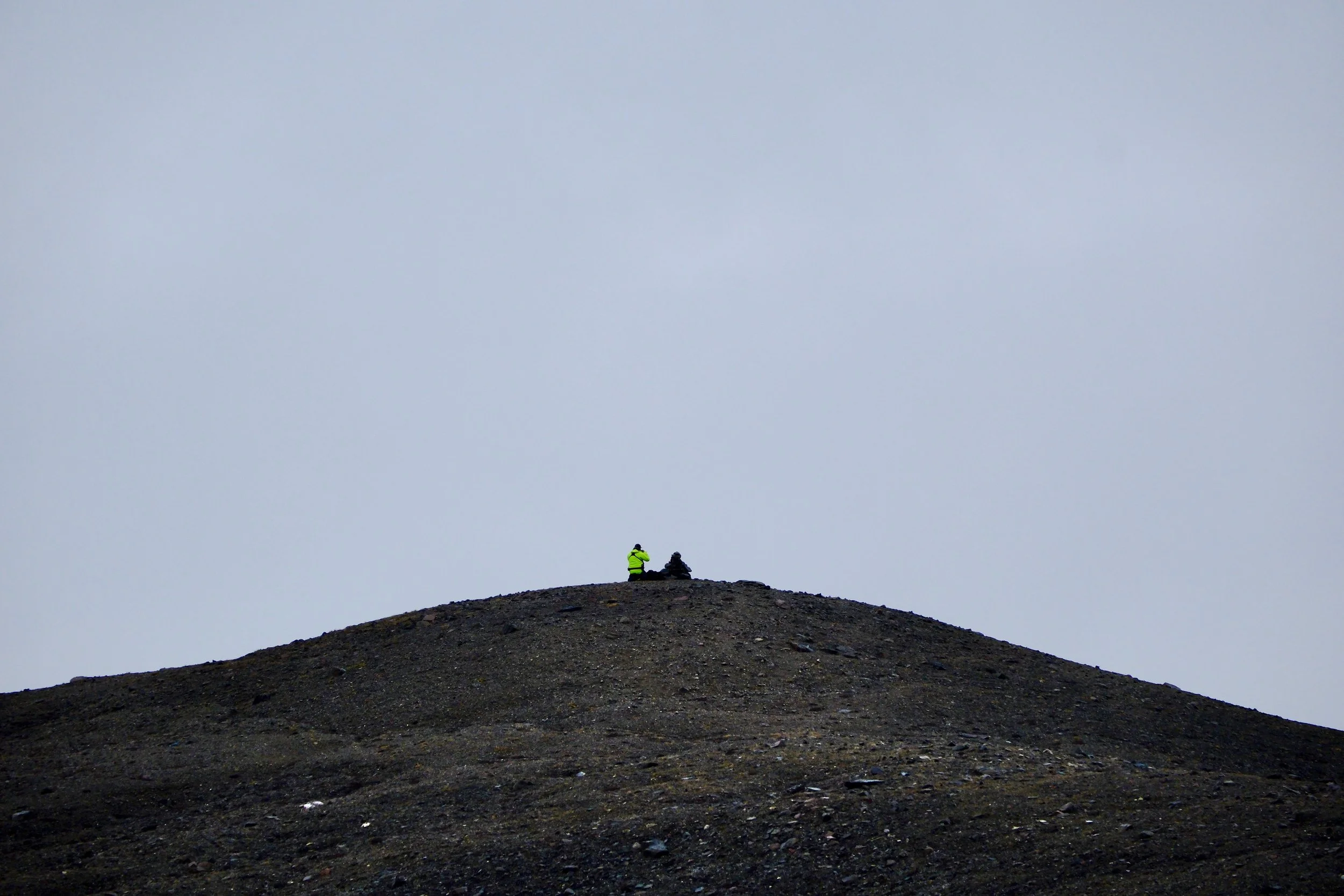
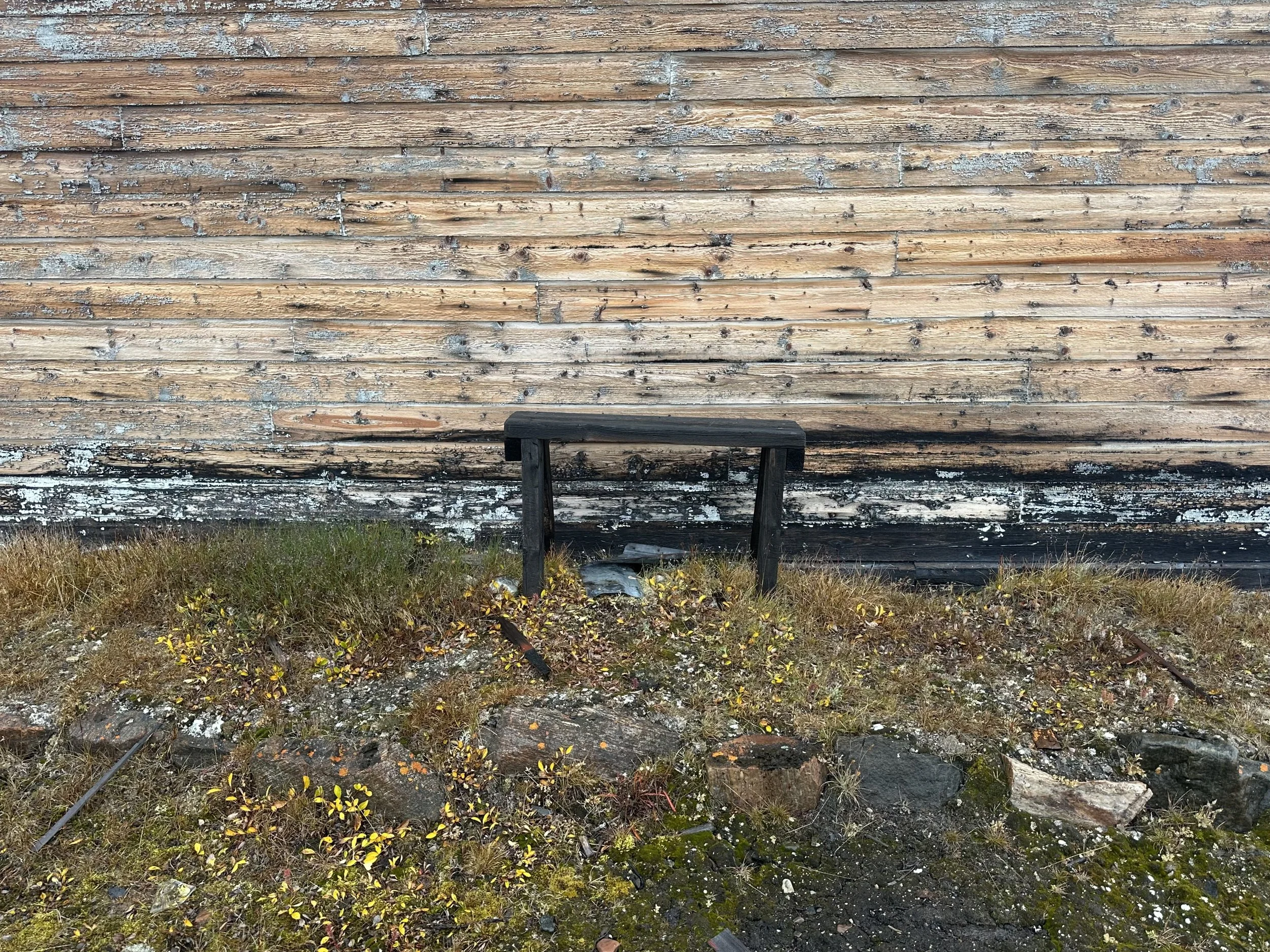
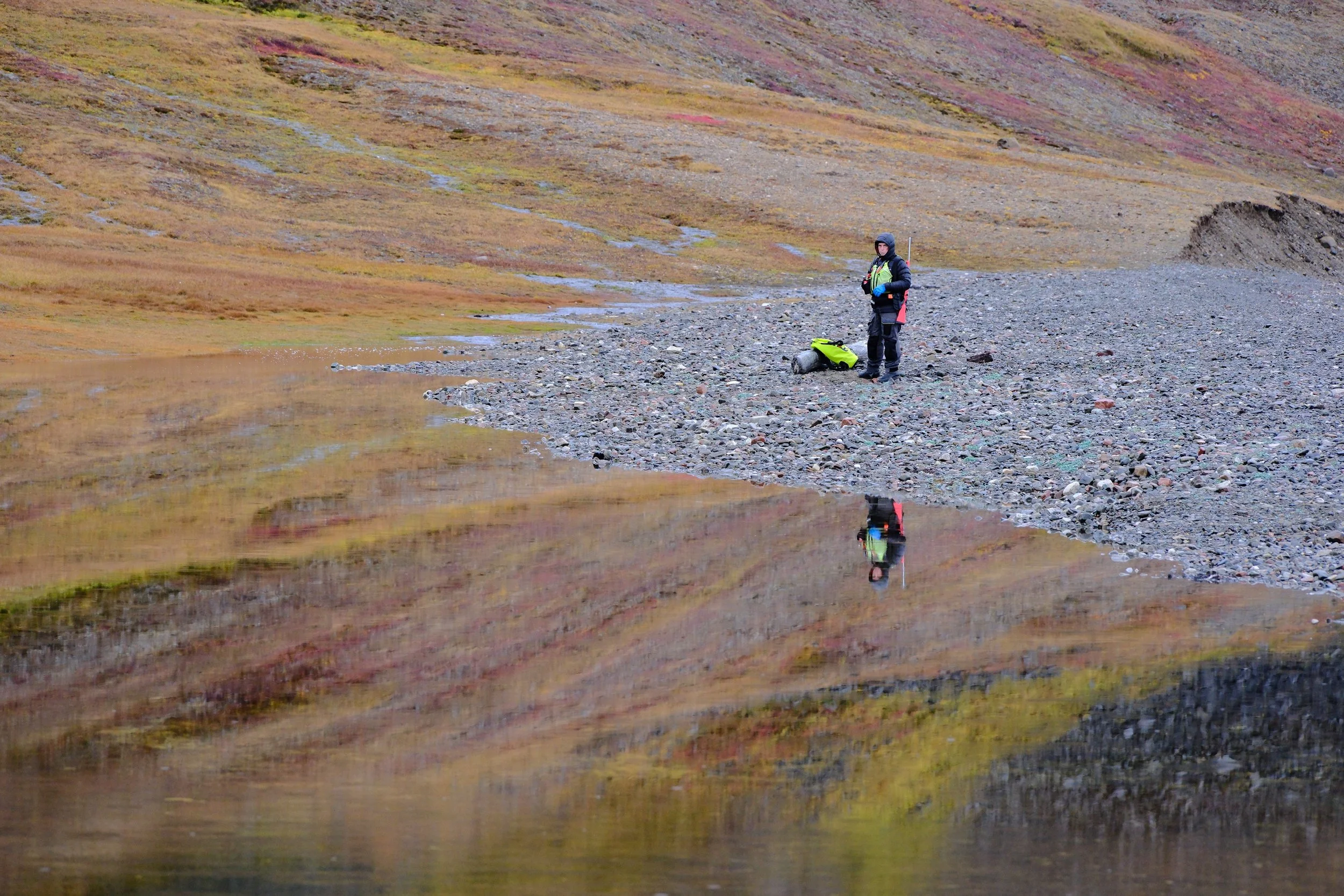
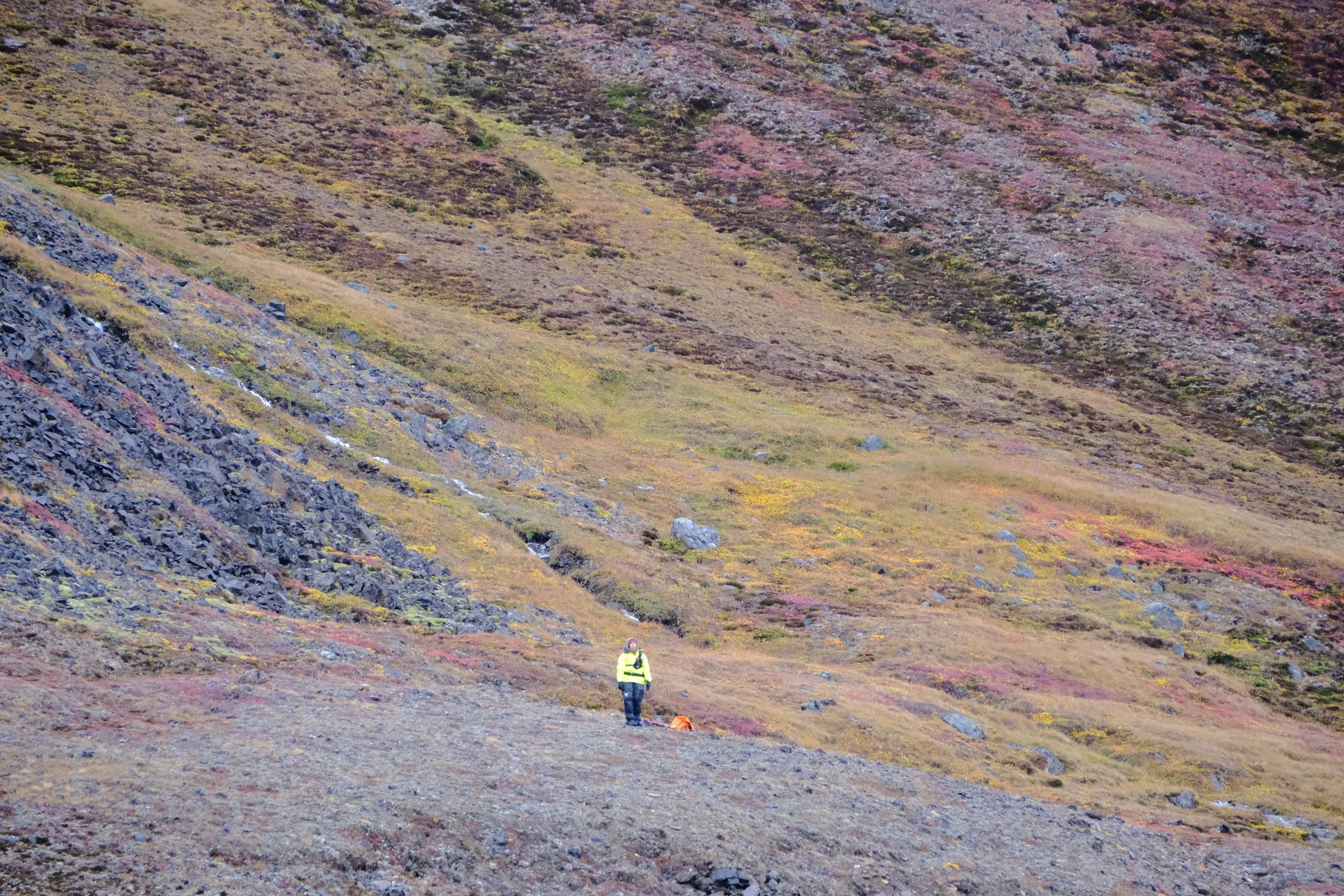
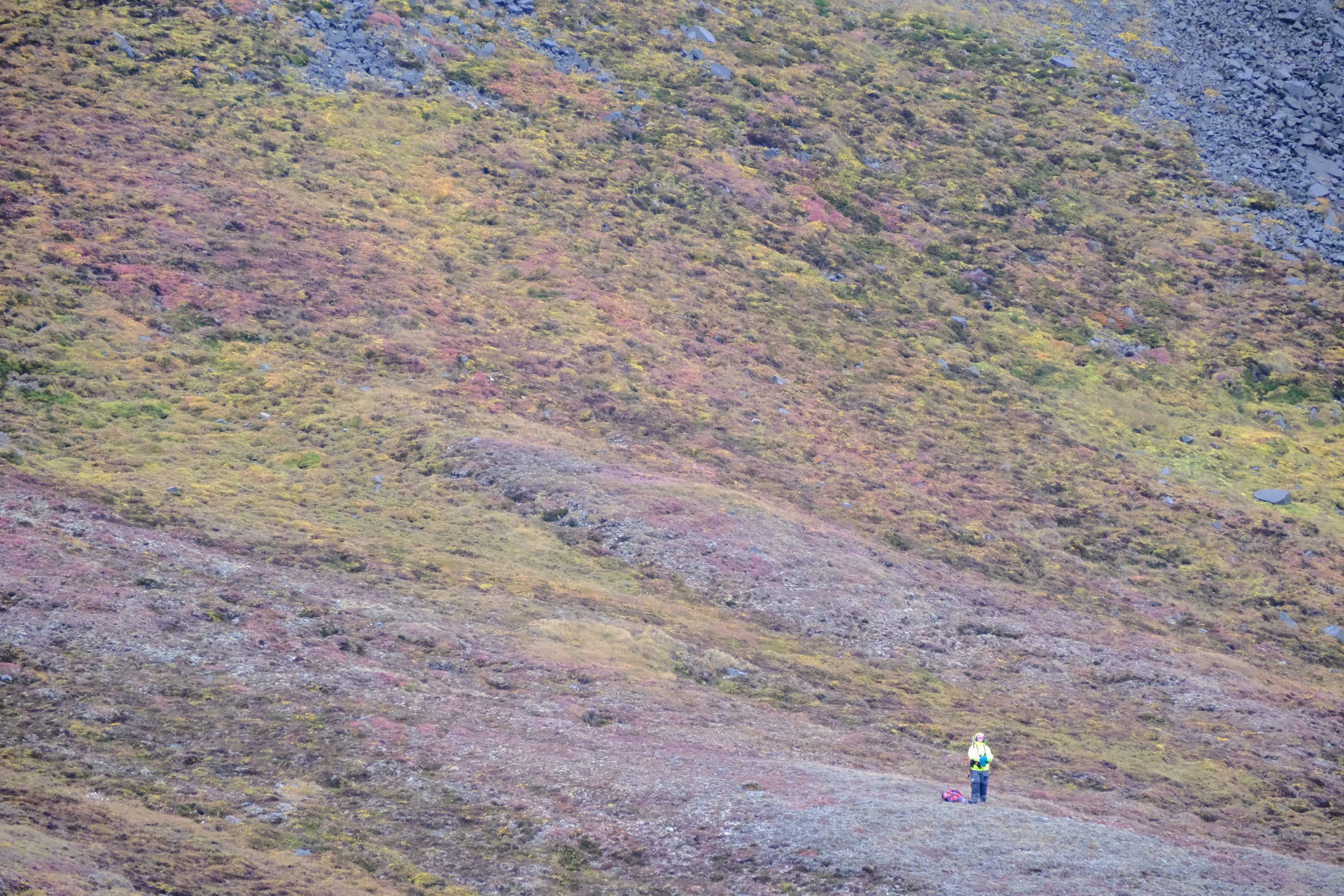
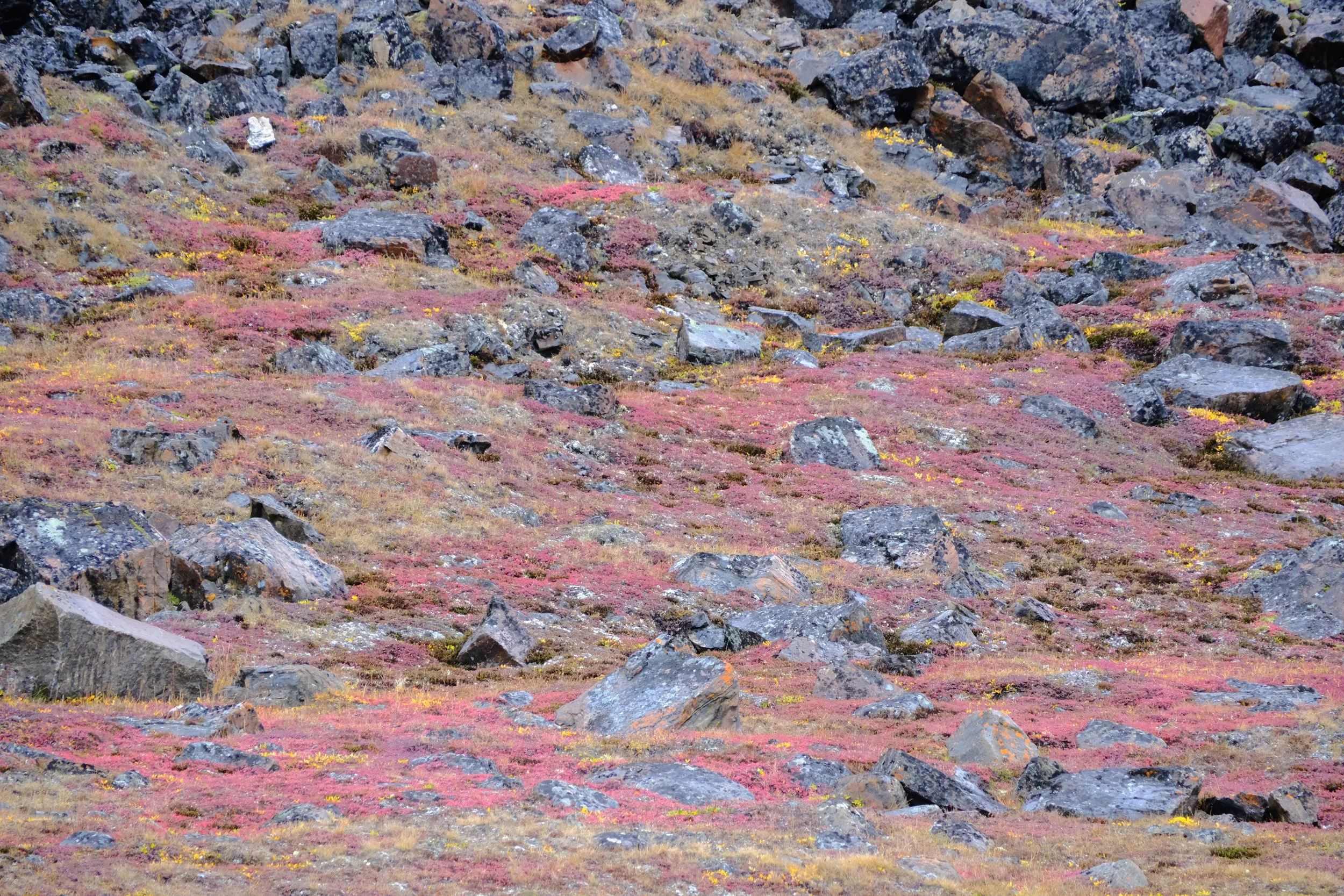
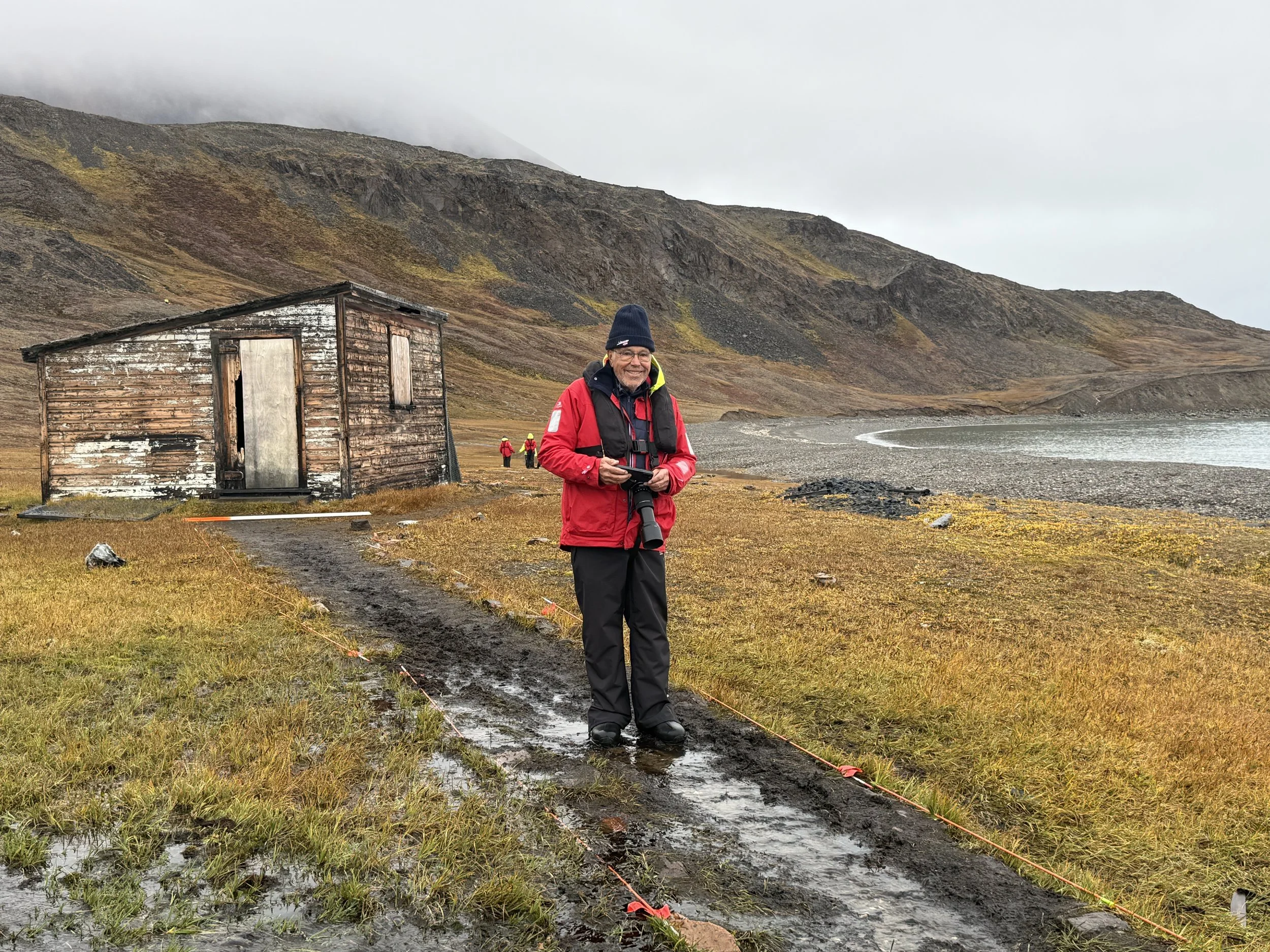
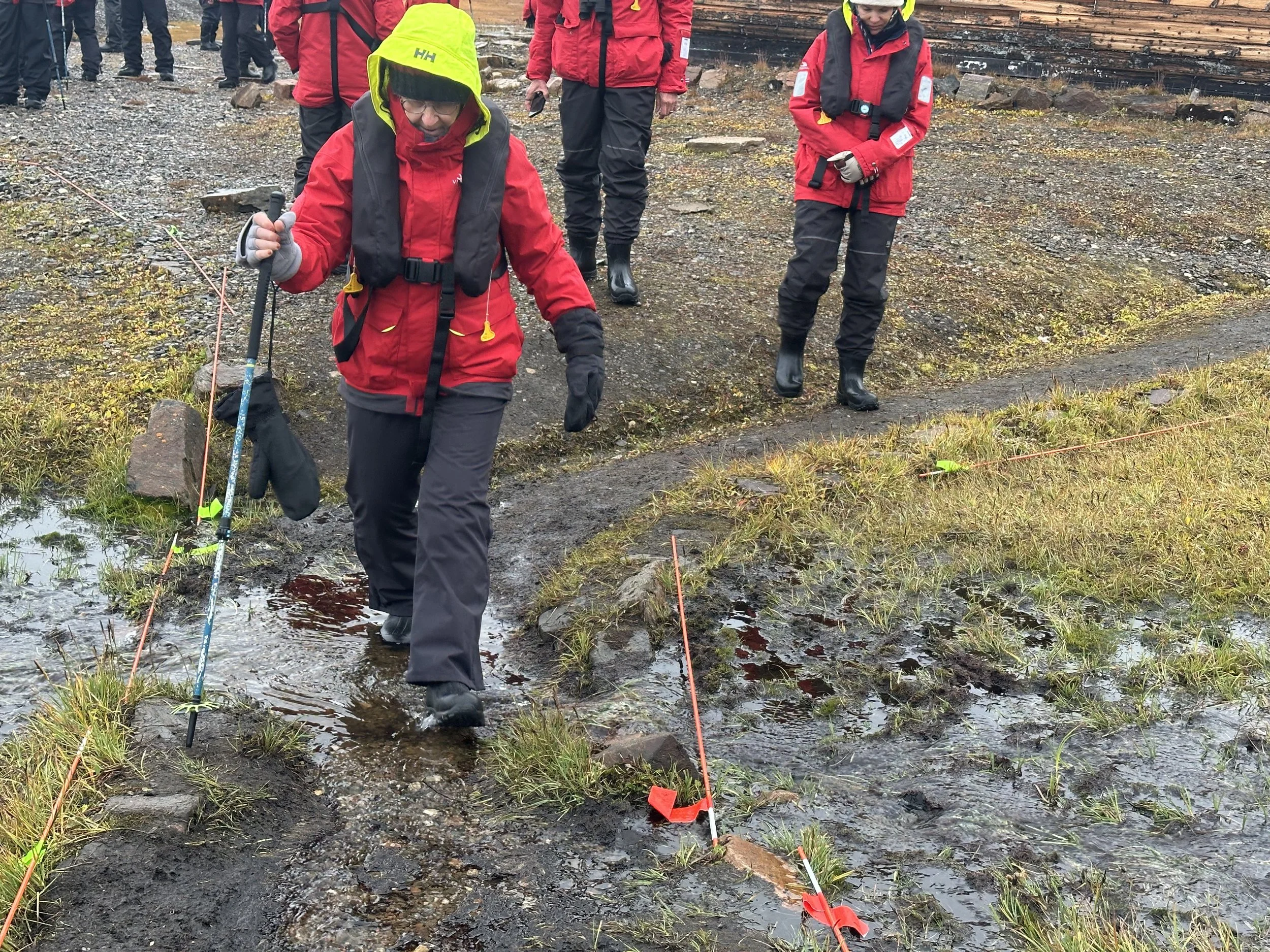
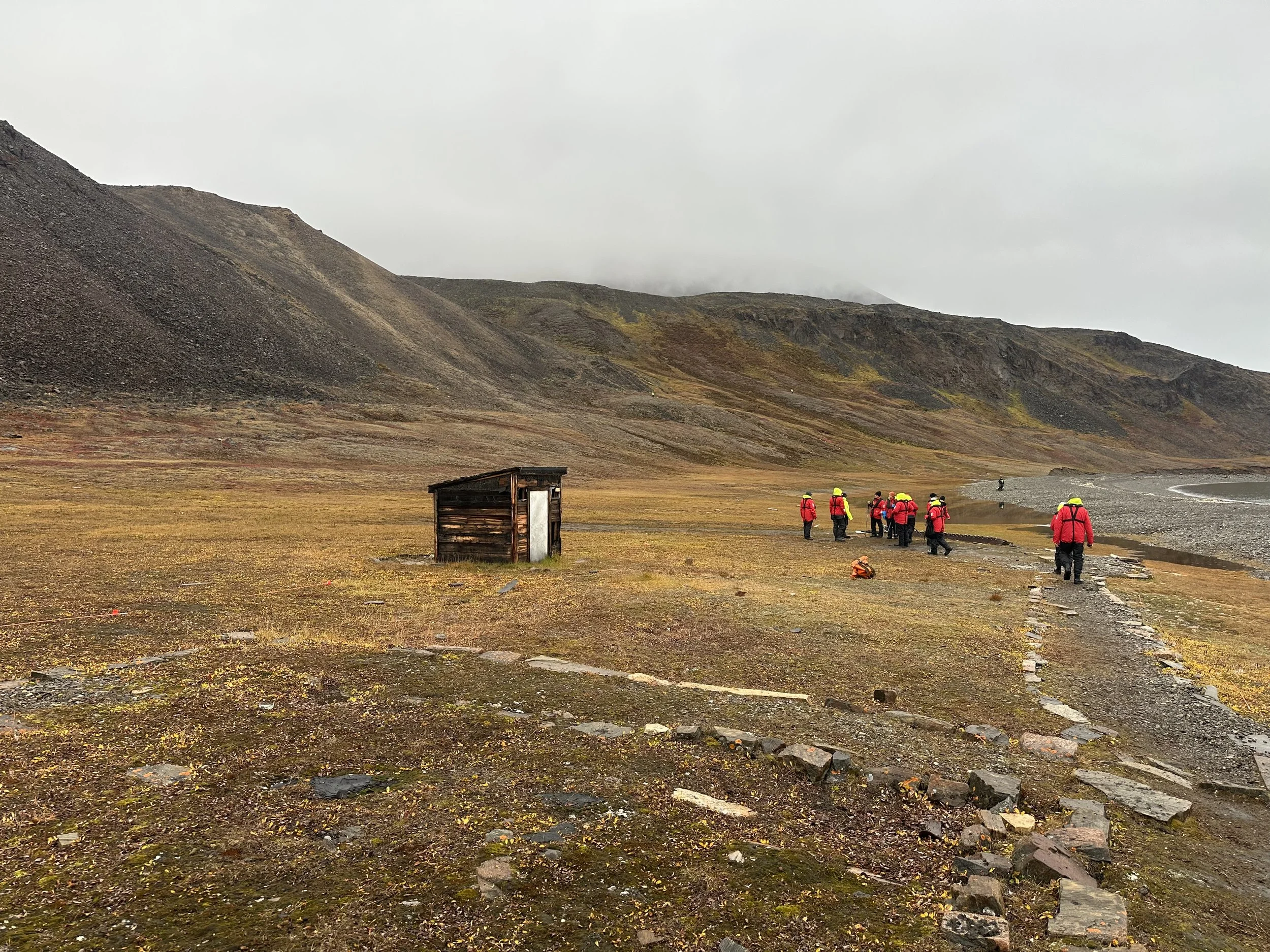
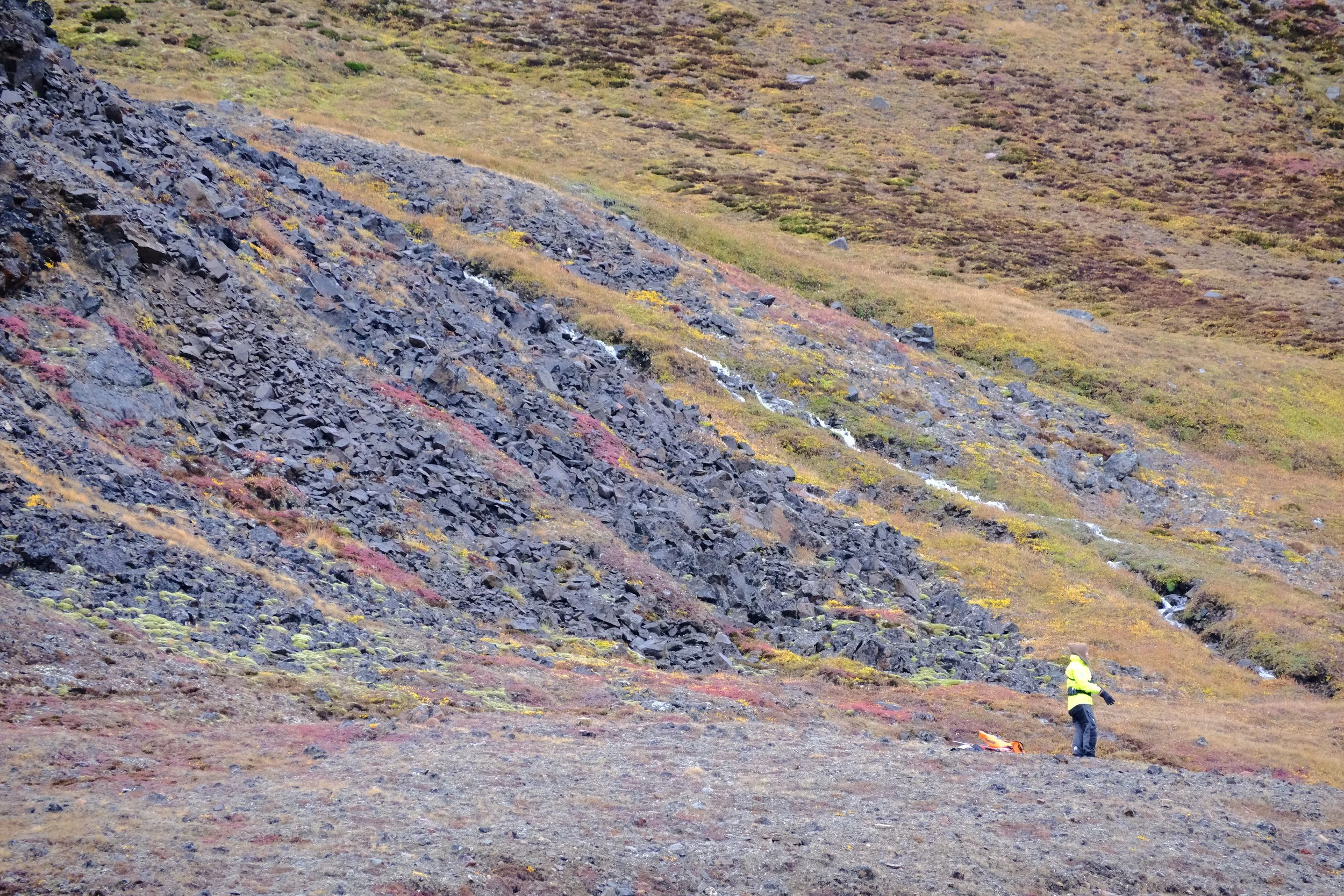
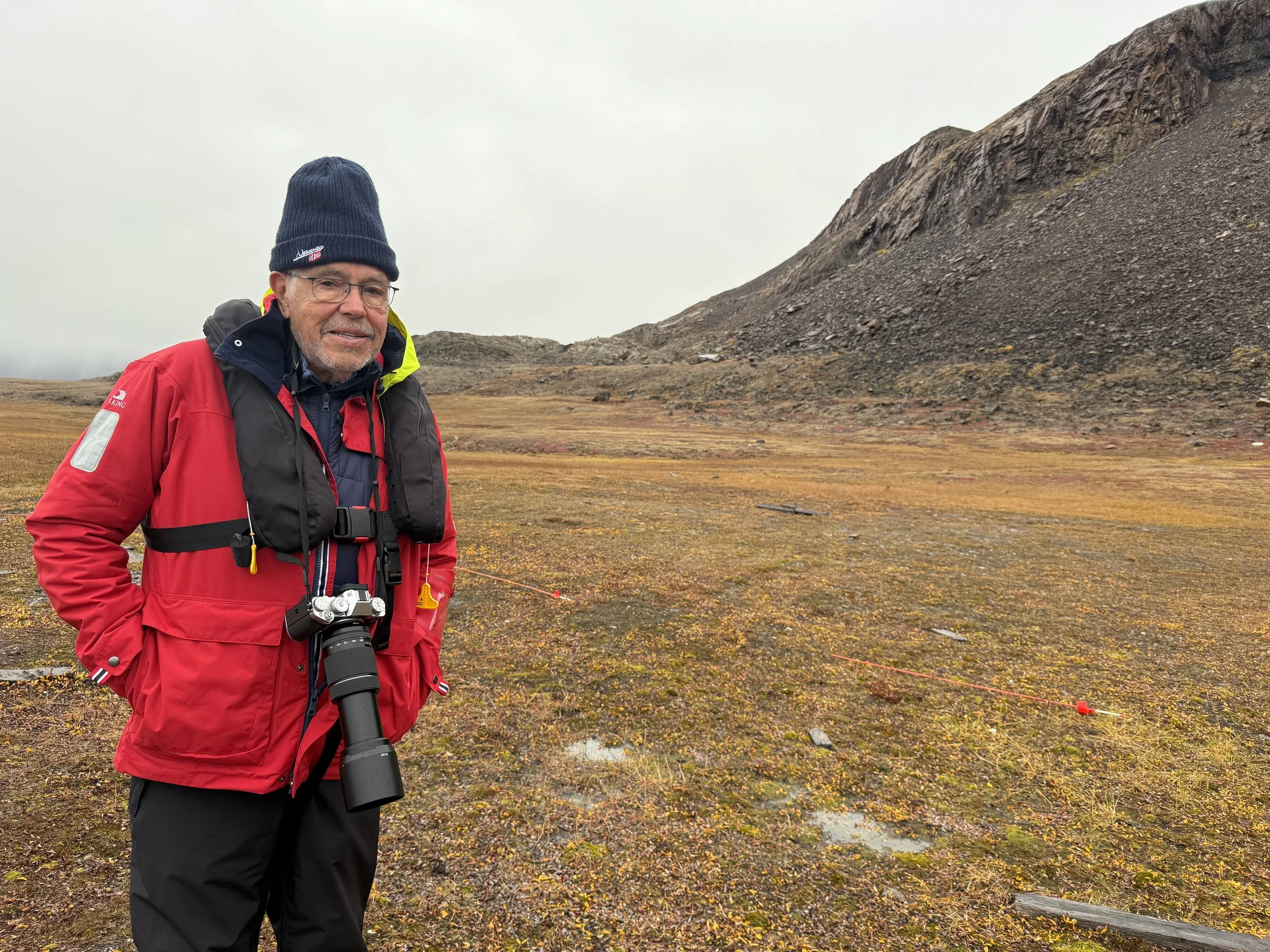
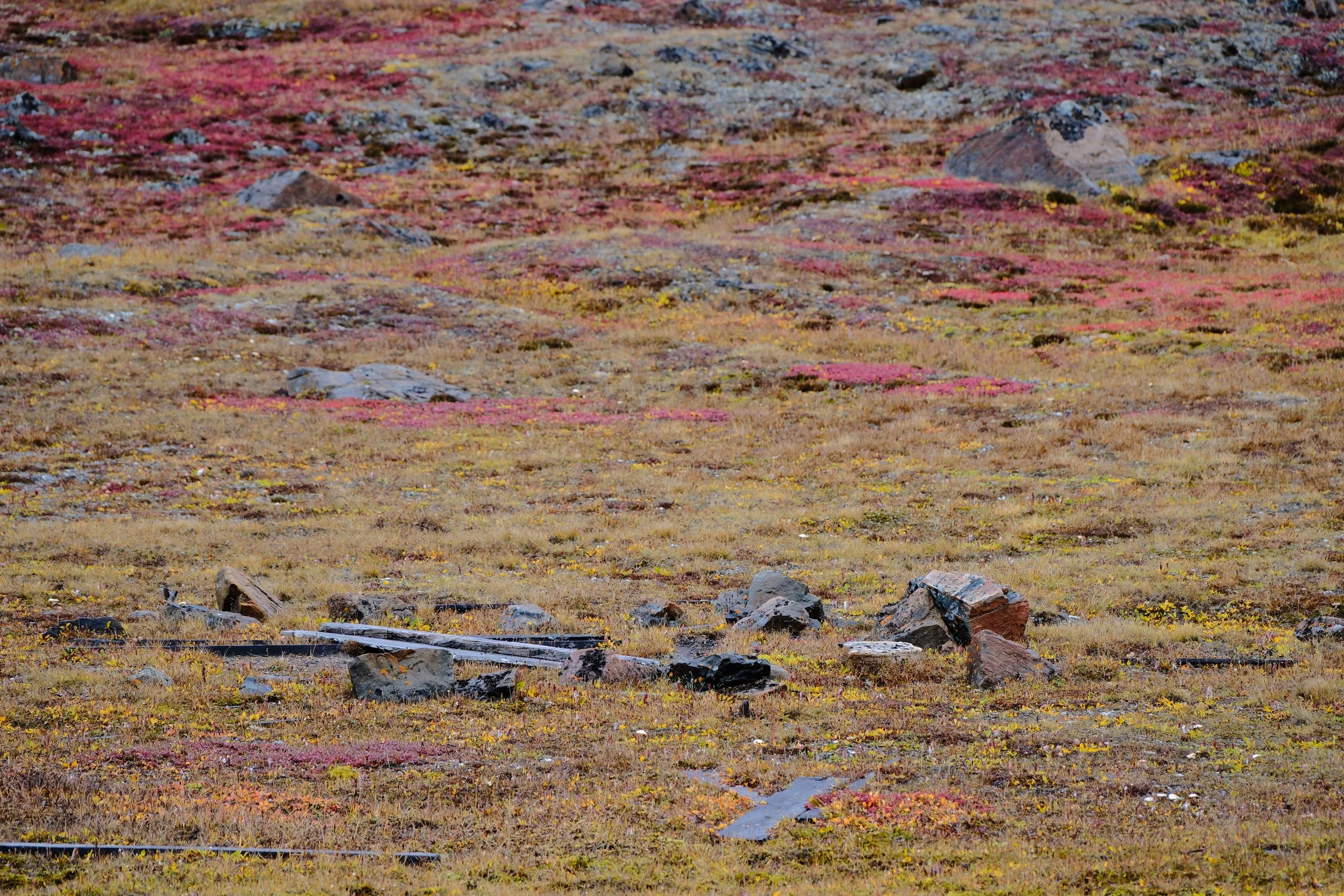
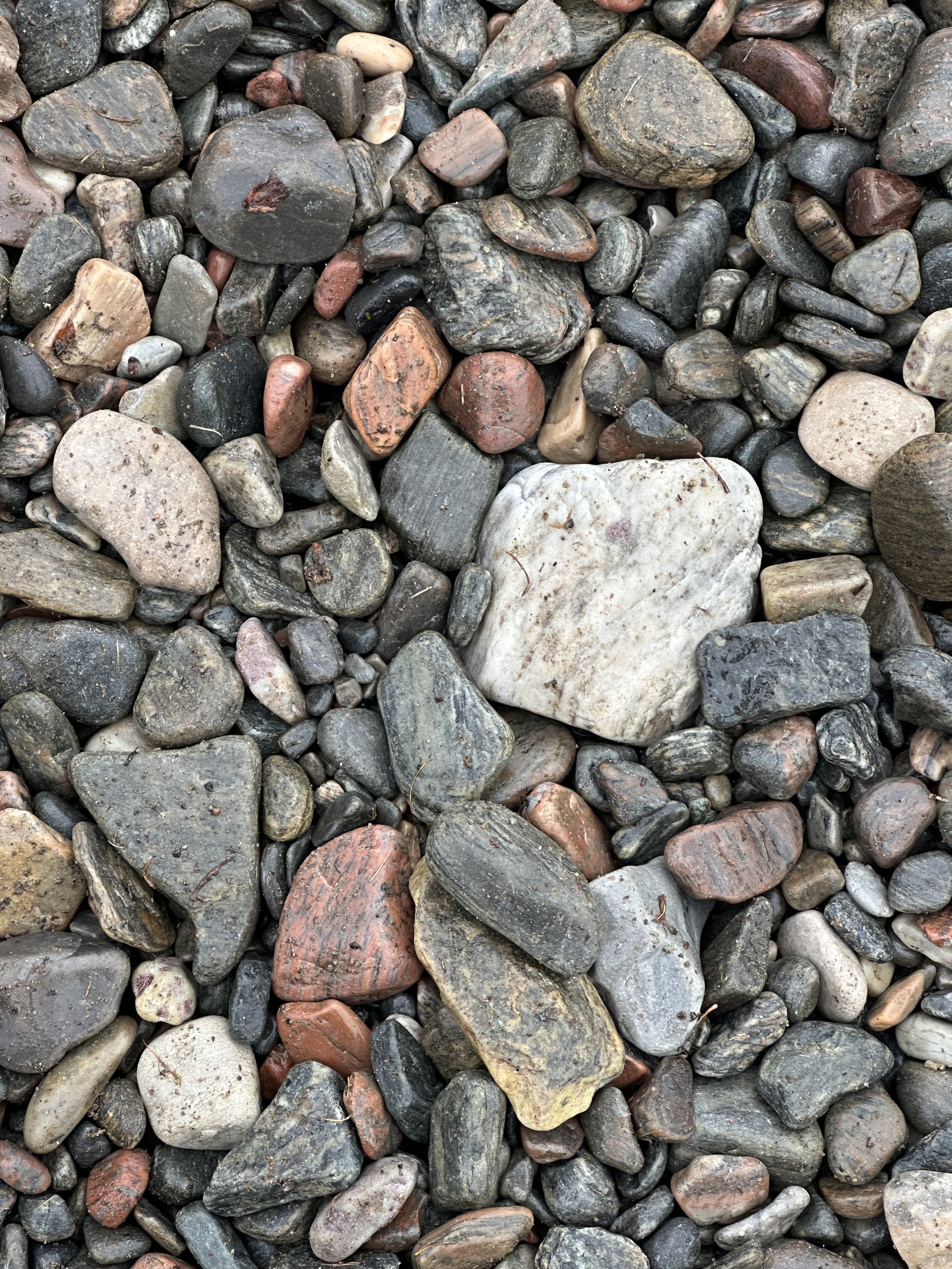
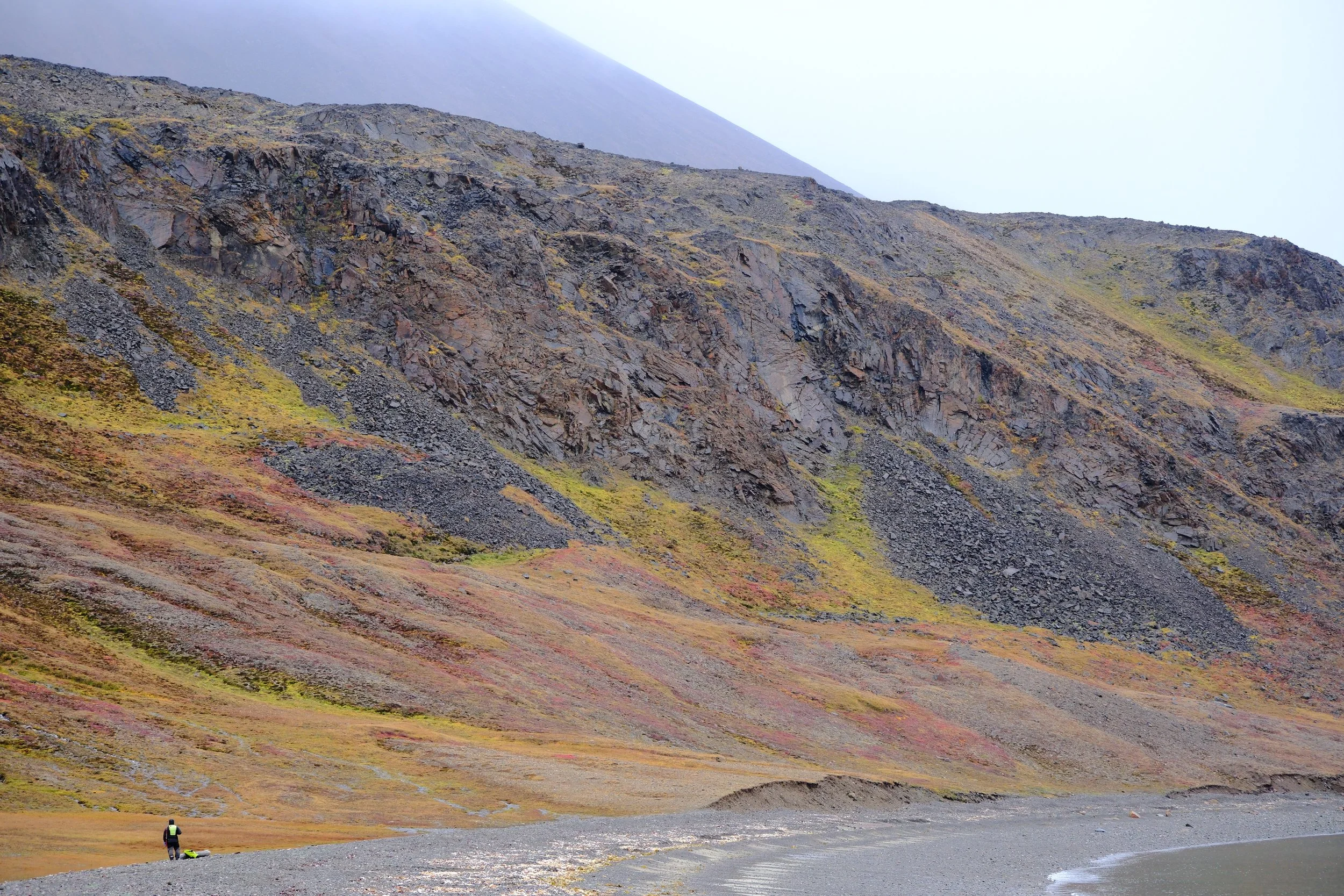
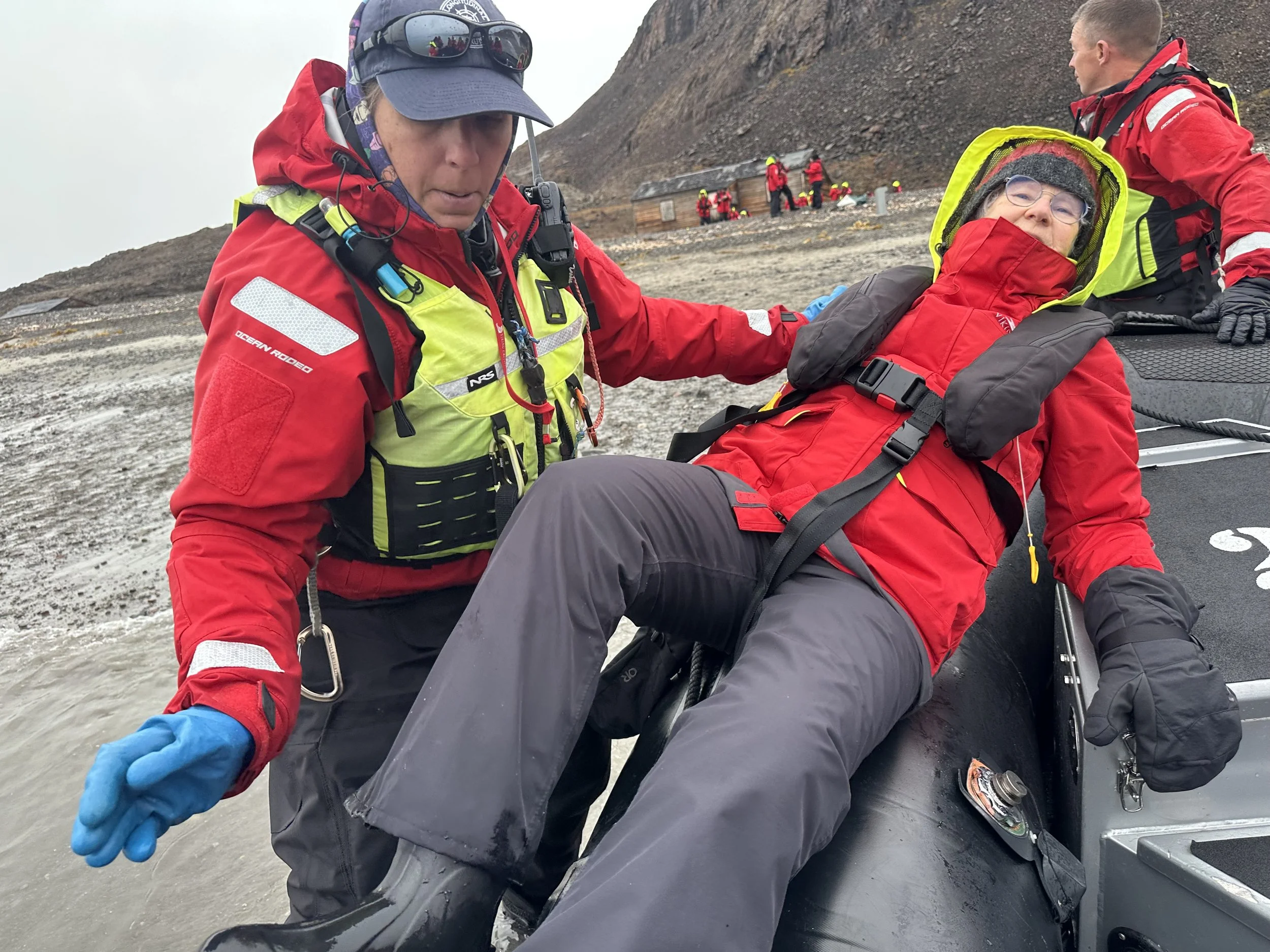
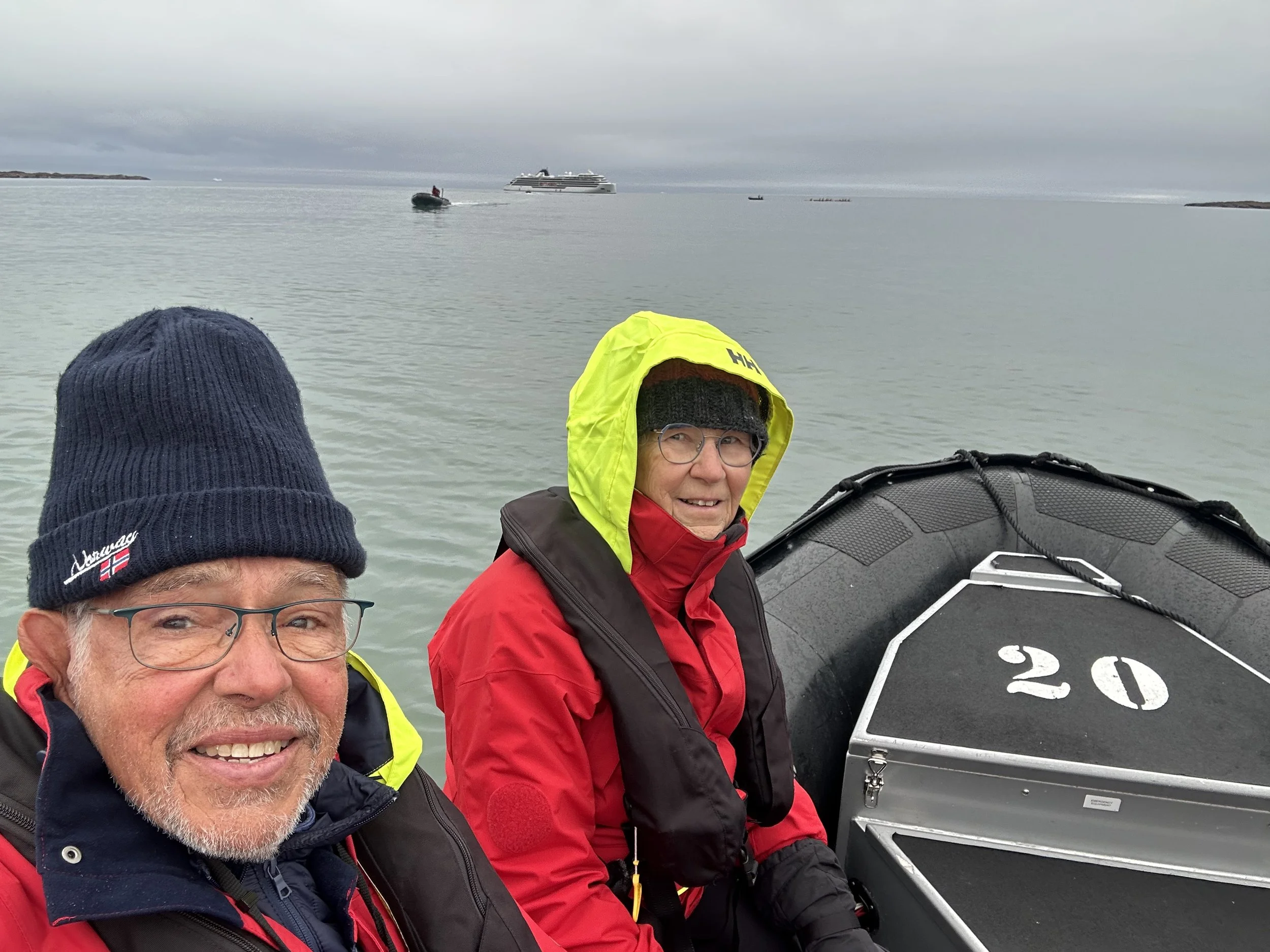
We made our first zodiac landing of this trip – a “wet landing” in which we had to slide over the zodiac’s side and into the water to reach the beach. It’s not as hard as it sounds, but at least we made it to shore today. Weather was cloudy with occasional spits of rain. The visibility was good – no low-lying fog like yesterday. So, the seven bear guards could protect us and we were able to explore the abandoned settlement.
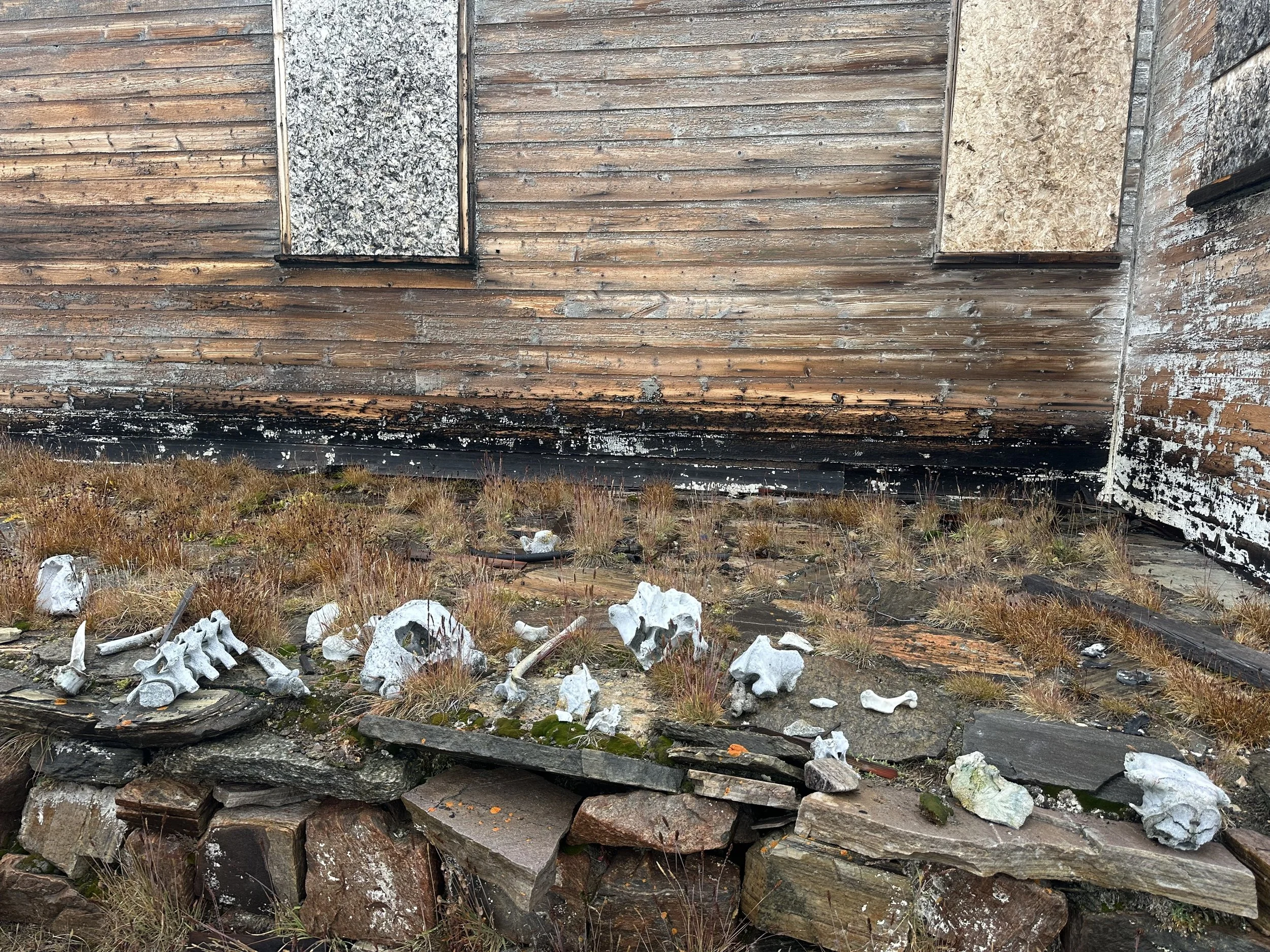
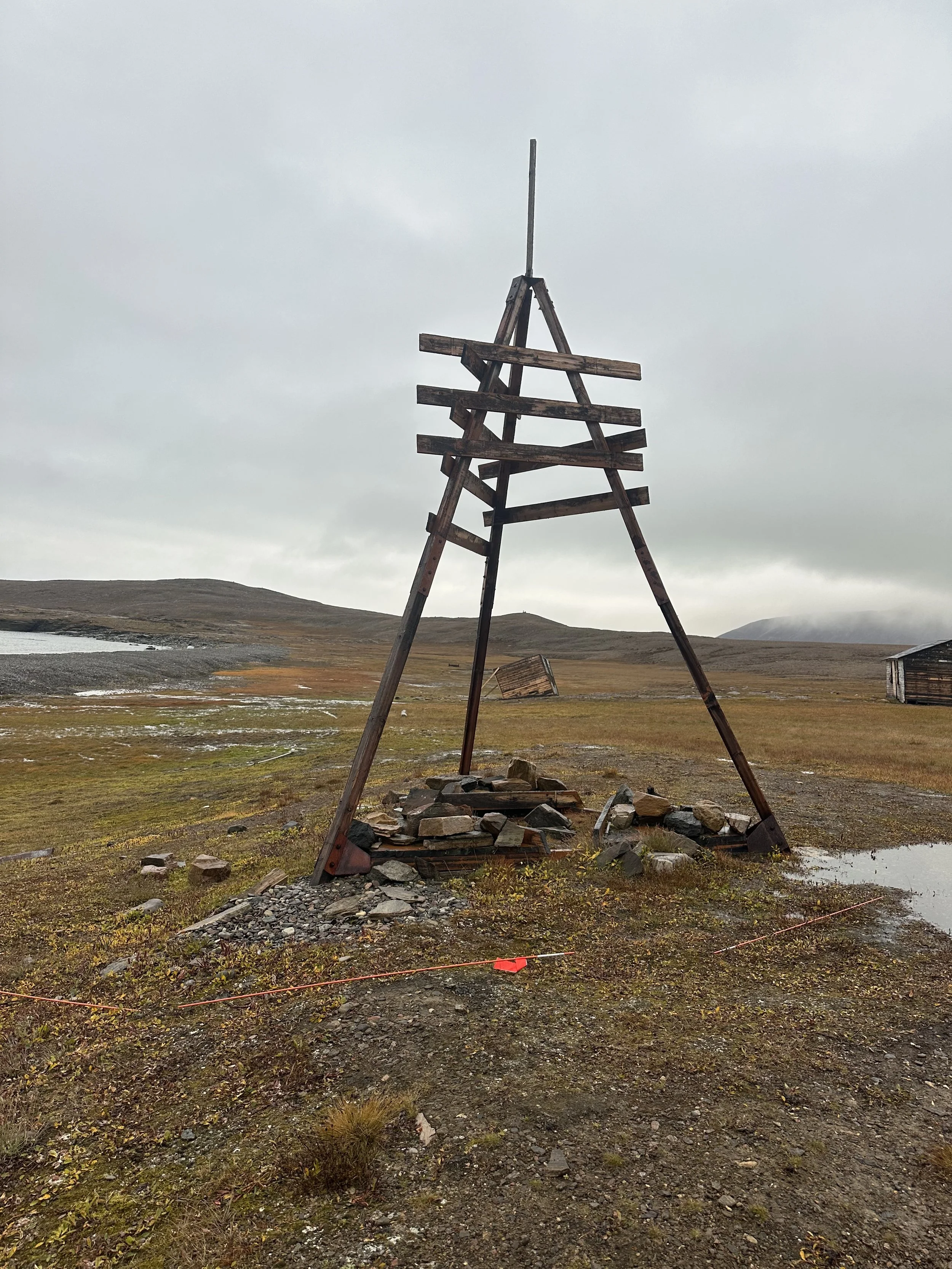
Hate to be a Downer Debby, but the history of Dundas Harbor is not a happy one. Artifacts of proto-Inuit civilizations have been found here, and that’s OK. It served as an outpost for the Hudson Bay company, and that’s not too bad relatively speaking. The real problem was the behavior of the Canadian government and the Royal Canadian Mounted Police in the first half of the twentieth century.
The government had two purposes in doing what they did. The first was to bring the Inuit communities into the sphere of Canada, not some foreign society. The second, and unstated but more important goal was to cement Canadian ownership of the High Arctic region in competition with the USSR, USA and Norway. Inuit peoples were moved around as chess pieces to establish Canadian occupation of this region. Fifty-two Inuit communities were moved to Dundas Harbor in the 1930s for that purpose.
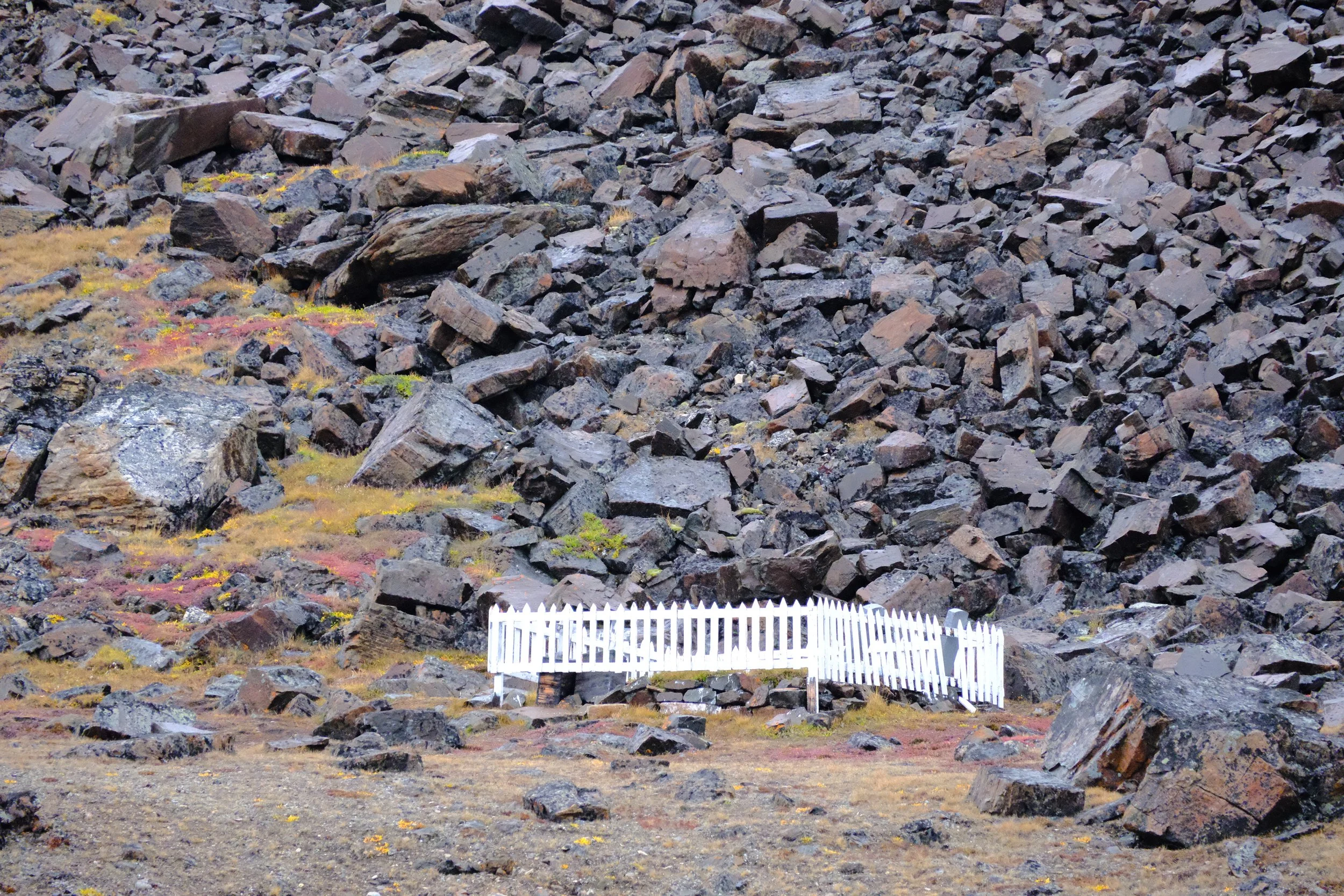
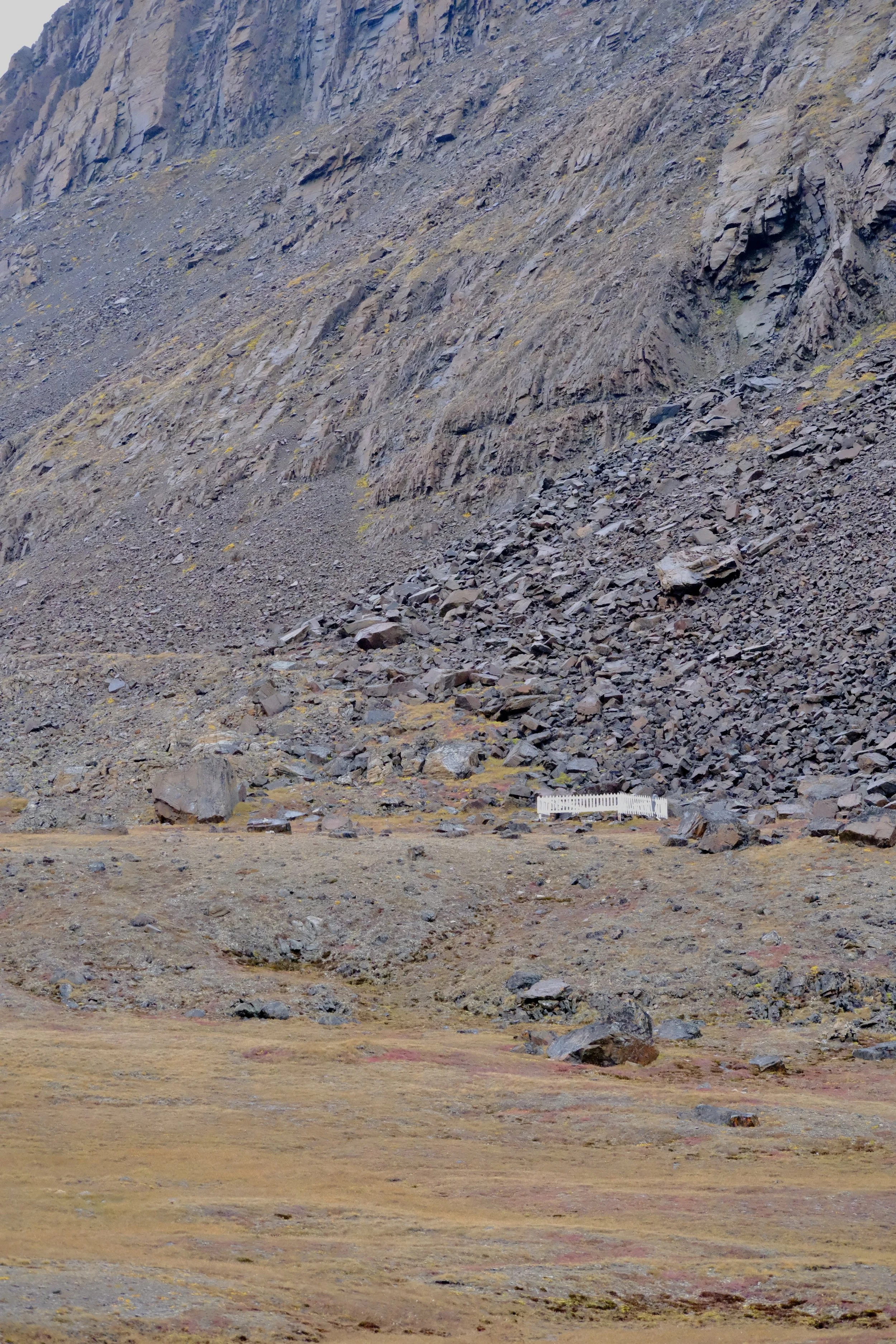
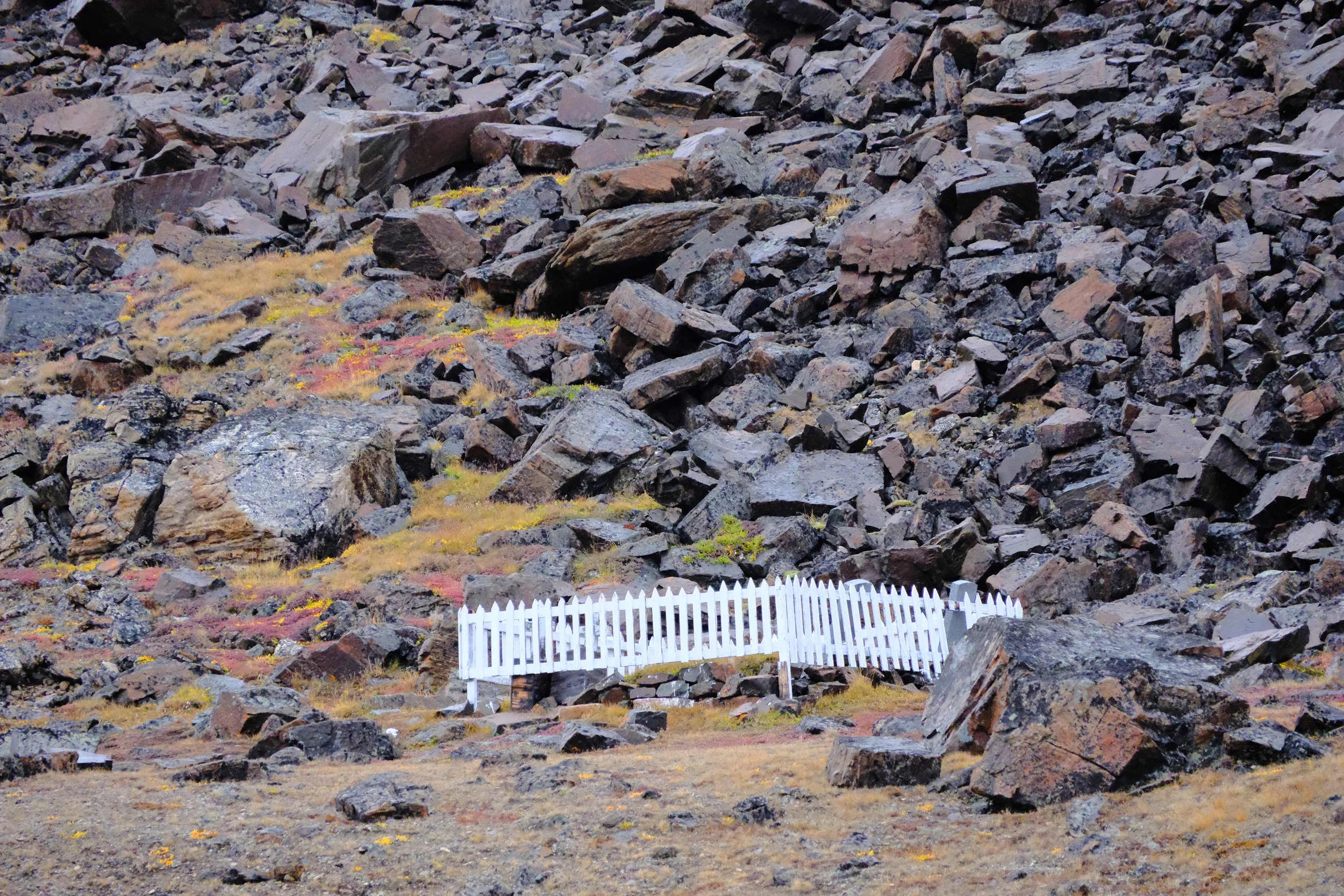
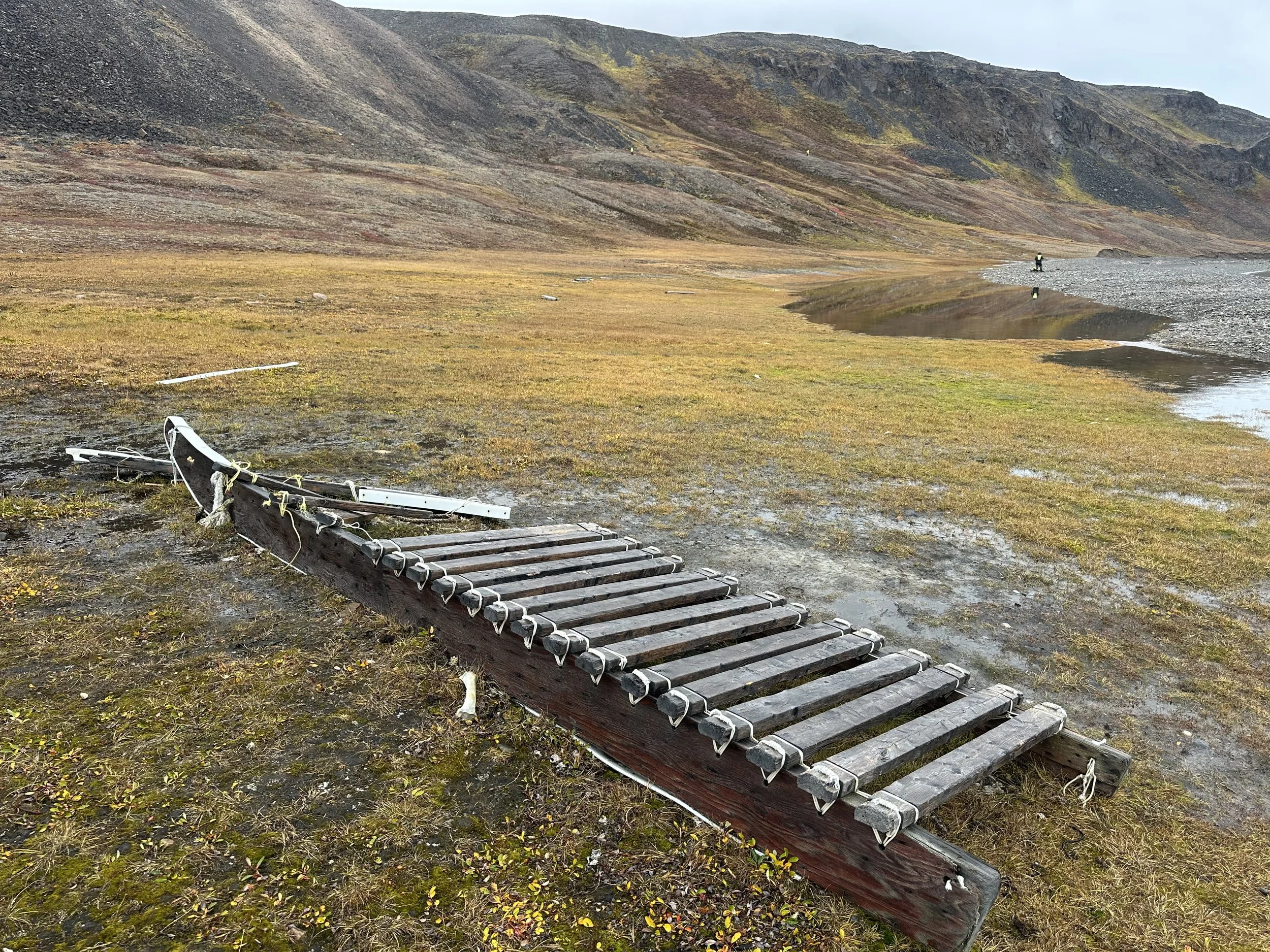
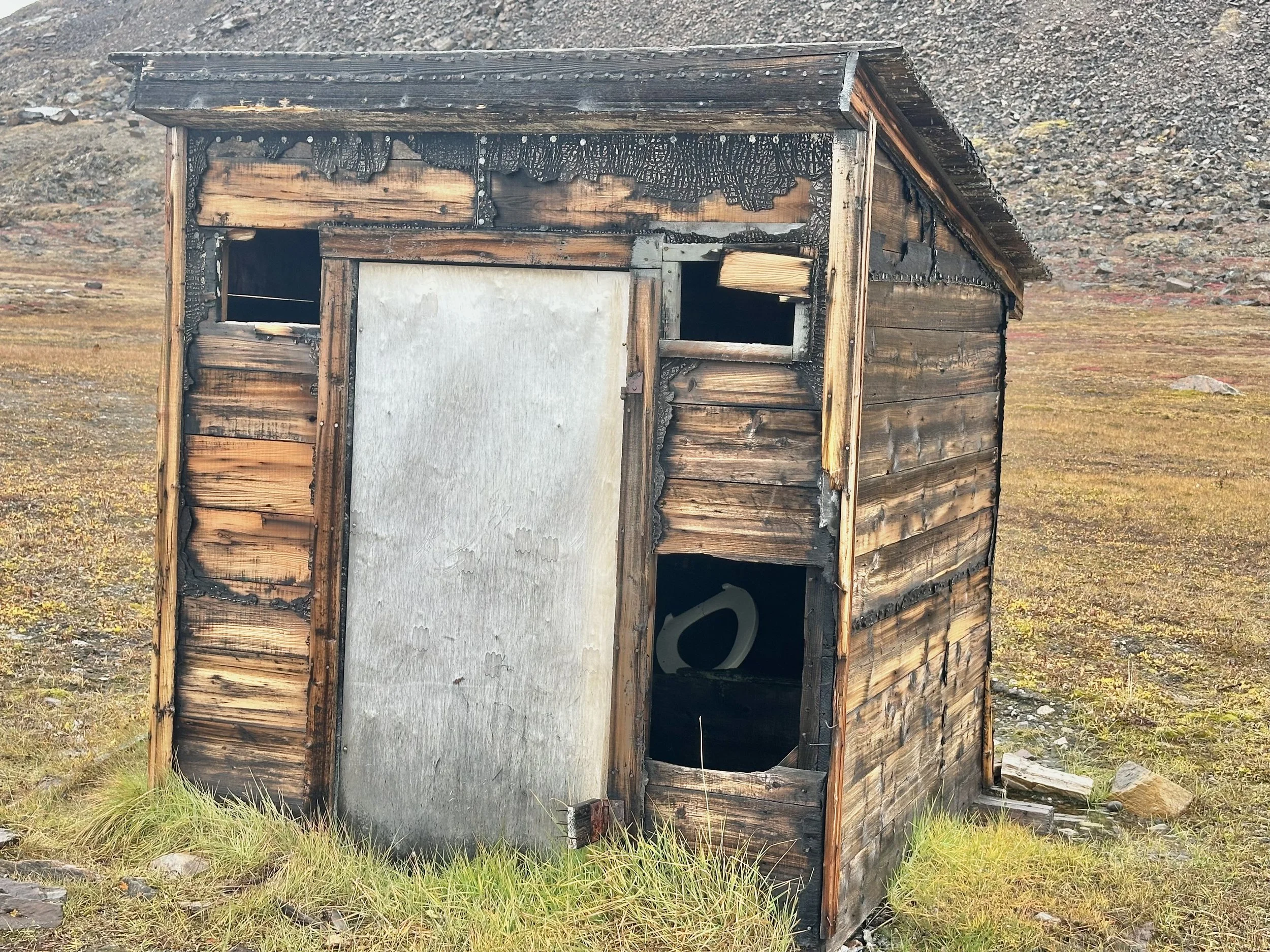
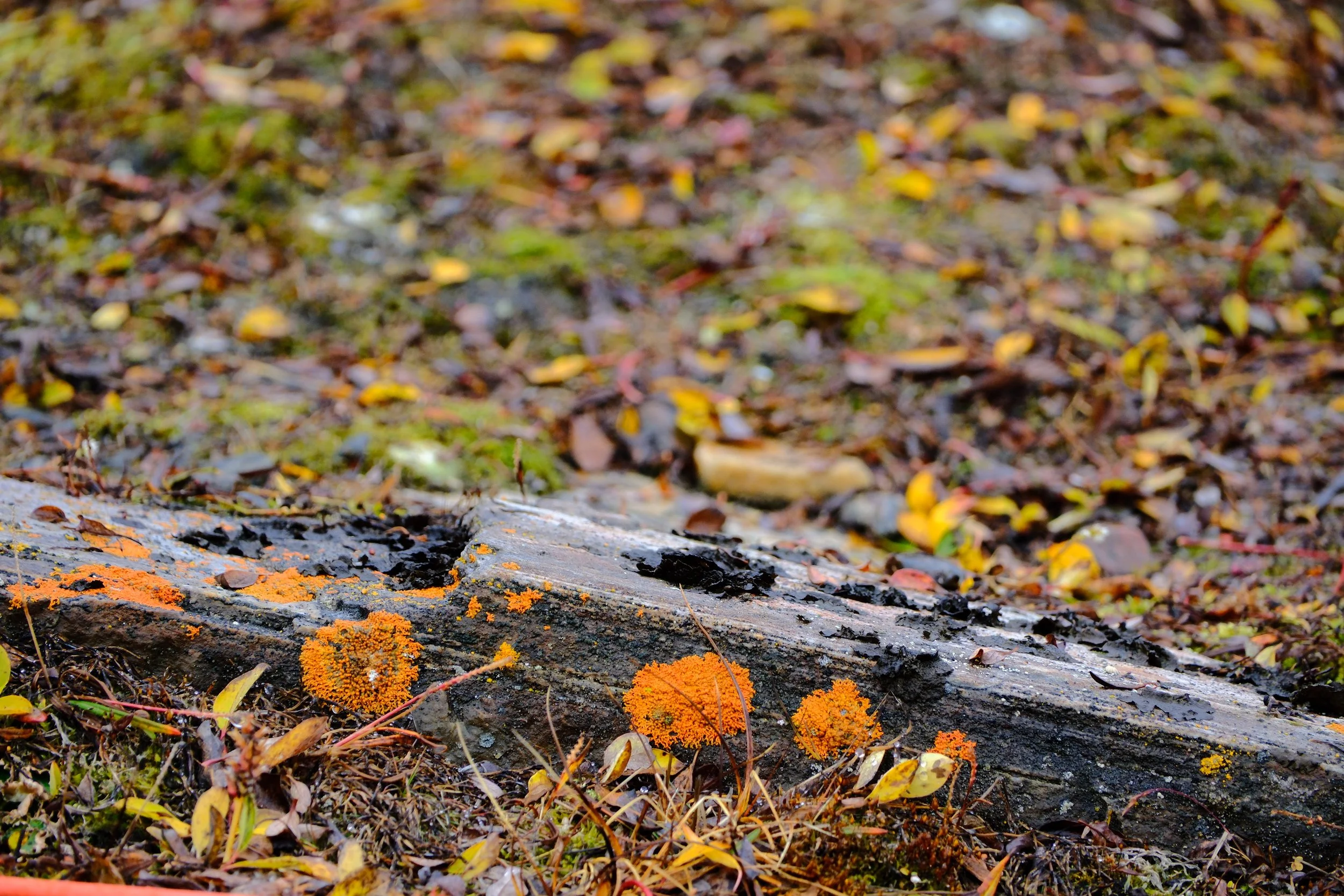
RCMP had an outpost here too. We saw the remnants of their buildings today. Even their history is a sad one. Up the hill a ways are the graves of two RCMP officers behind a picket fence, maintained to this day by the RCMP. One took his own life one month before the end of his two-year term. The other shot himself accidentally while hunting walruses in the bay.
A third grave is found inside the picket fence. It’s of an unknown Inuit girl – name, age, family or town known. It’s a testament to the fact that native peoples and those from the establishment were (and are) treated differently.
According to on-line sources, in the 1950s and 1960s the RCMP shot thousands of Inuit sled dogs, claiming it was for public safety under new leach laws. They moved Inuit families to the high arctic in the 1950s as a way to plant the Canadian flag there. They spied on Inuit representatives who were negotiating the creation of Nunavut in the 1970s.
Nunavut became Canada’s largest and newest territory in 1999, joining the Yukon and Northwest as territories (not provinces like Ontario and British Columbia, etc.) Nunavut is largely administered by the Inuit people living there, representing 85% of the territory’s 60,000 people. The government, as part of the process establishing Nunavut, have taken several steps toward reconciliation and correction of past actions. But of course, the damage can’t be undone overnight. The young Inuit crew members on our ship carry deep wounds from the stories passed down from their grandparents who lived through the bad times.
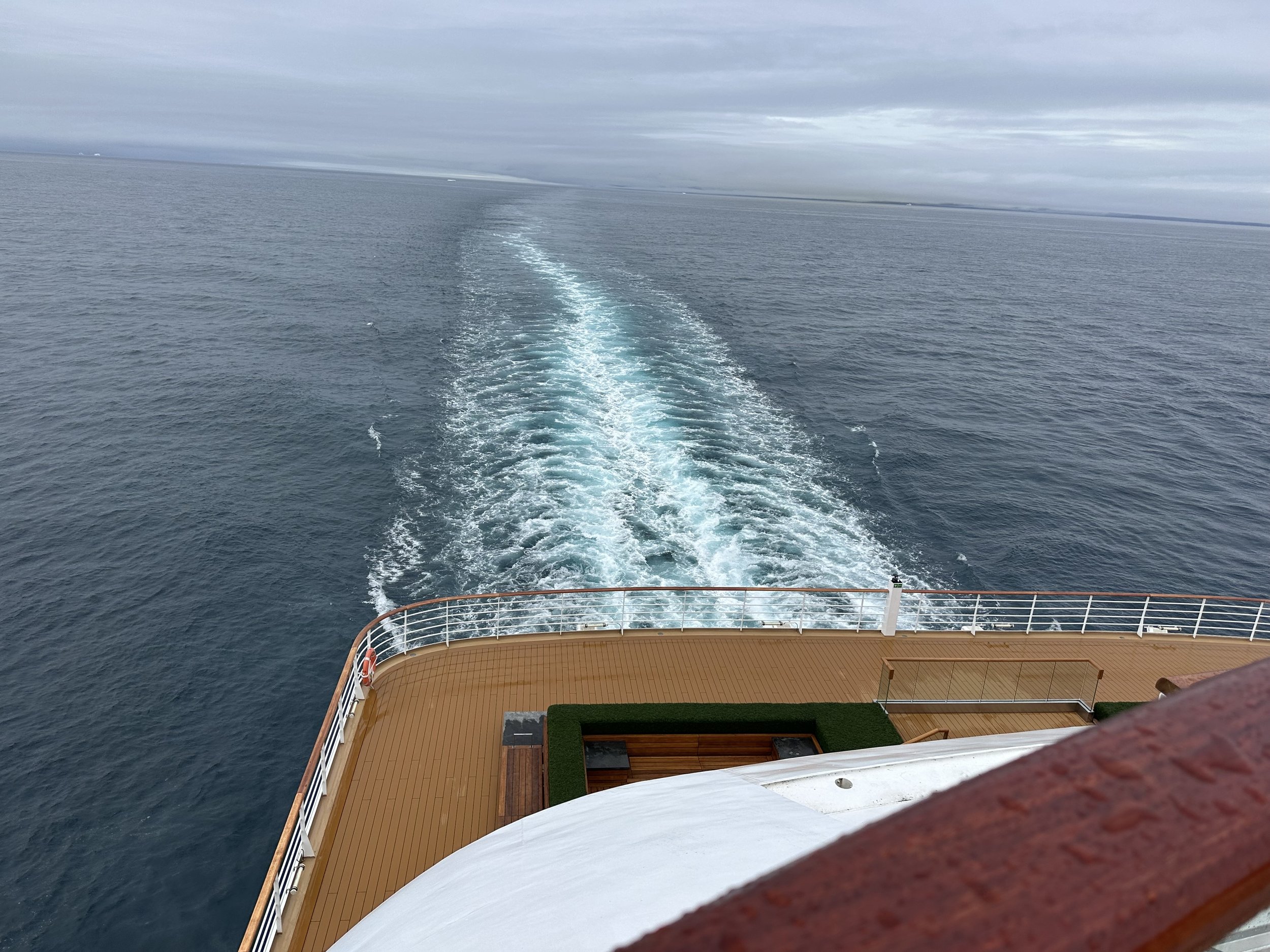
Now we’re at sea, crossing the Baffin Bay on our way to Sisimiut, Greenland, the second largest town in Greenland. We get there on Friday, September 4. We’ll spend a day there, then sail overnight back to Nuuk, where we’ll catch an evening flight to Baltimore. Sunday will find us on a morning flight back to Boston. Sound crazy? We didn’t make up the flight arrangements.
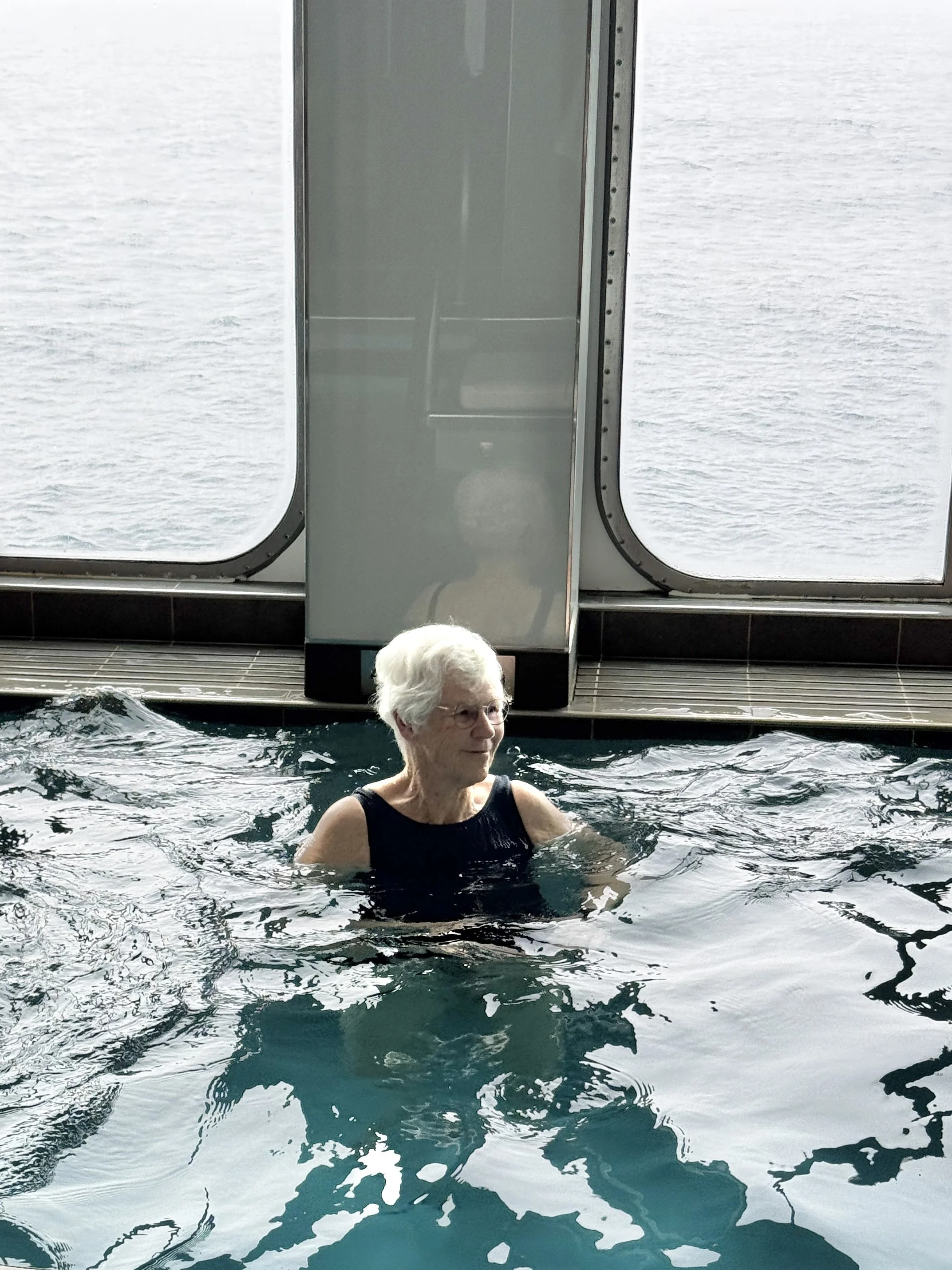
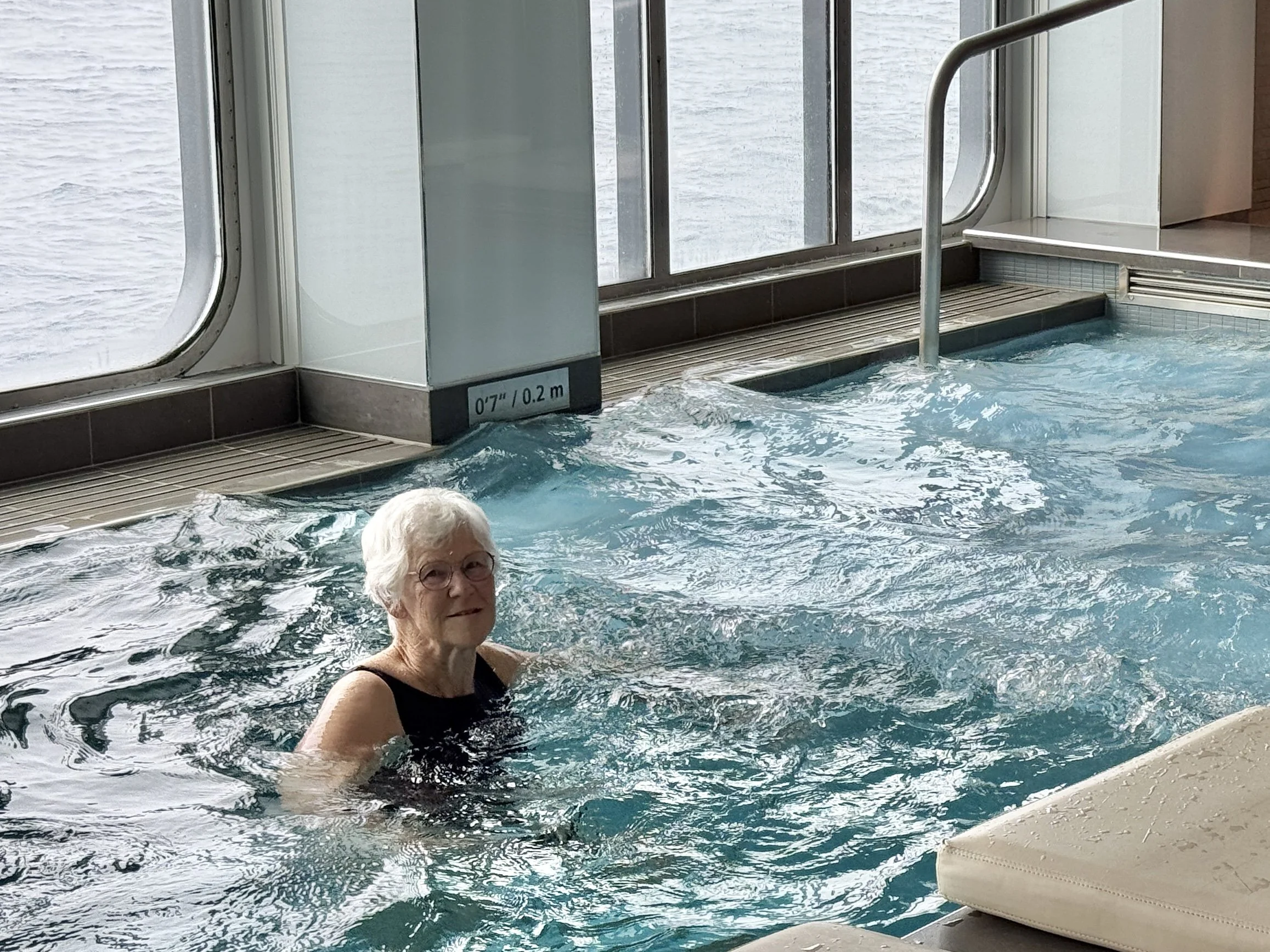
We’re starting to get some moderate wave action, enough to generate some interesting waves in the Polaris’s swimming pool where Judy and I relaxed and exercised this afternoon.
We had dinner with our new friends from Sutton, NH in the Italian restaurant.
A sea day tomorrow means I get a day off from blogging. See you Friday!